
7.5/10
Premium15 yr life
577607 T 18+3-Basic Cordless Drill
Festool
A German-made 18-volt brushless drill with FastFix interchangeable chucks, electronic torque shutoff and a fitted Systainer case.
- Repair
- 6.6/10
- TCO
- 6.9/10
$299.00
Durable buying guide
Cordless drills and drivers use a battery-powered motor, chuck, and variable-speed controls to bore holes and drive fasteners. Compare chuck size, speed ranges, clutch settings, tool dimensions and weight, battery-system compatibility, and manufacturer support.
2 products
Superior features, extended warranties, and high-end materials for enhanced performance.
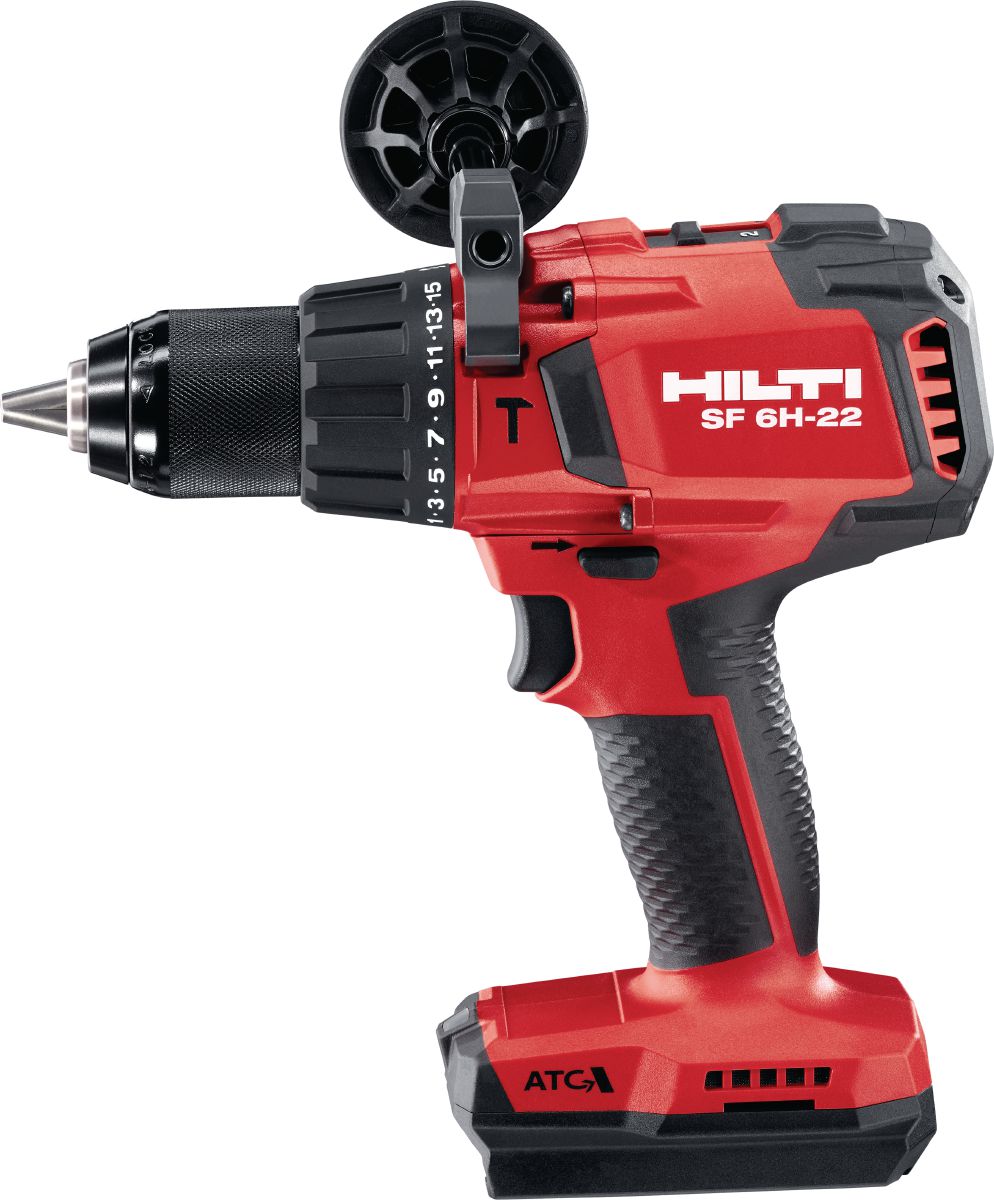
Festool
A German-made 18-volt brushless drill with FastFix interchangeable chucks, electronic torque shutoff and a fitted Systainer case.
10 products
A balanced blend of performance, quality, and price for the discerning user.
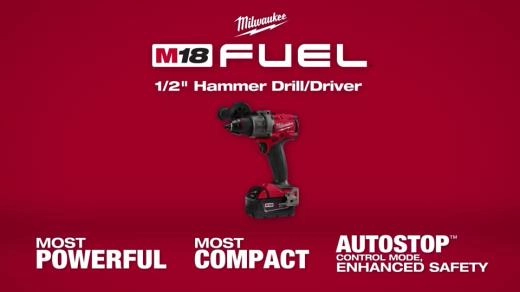
Milwaukee
A compact 18-volt brushless hammer drill delivering 1,400 in-lb, 2,100 rpm and AutoStop bind-up control in a 6.9-inch body.
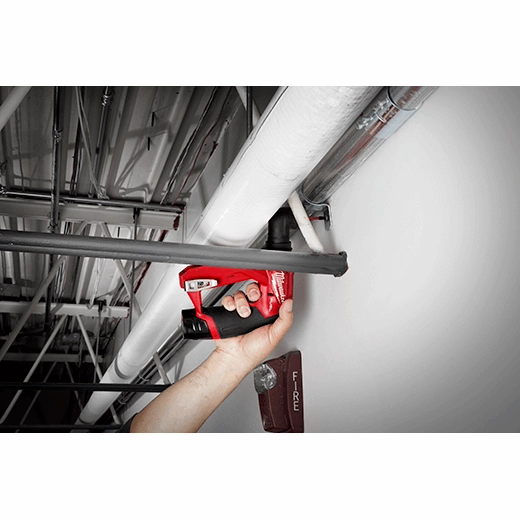
Milwaukee
A 12-volt four-head installation driver with 300 in-lb, an inline grip and offset, right-angle, hex and 3/8-inch chuck attachments.

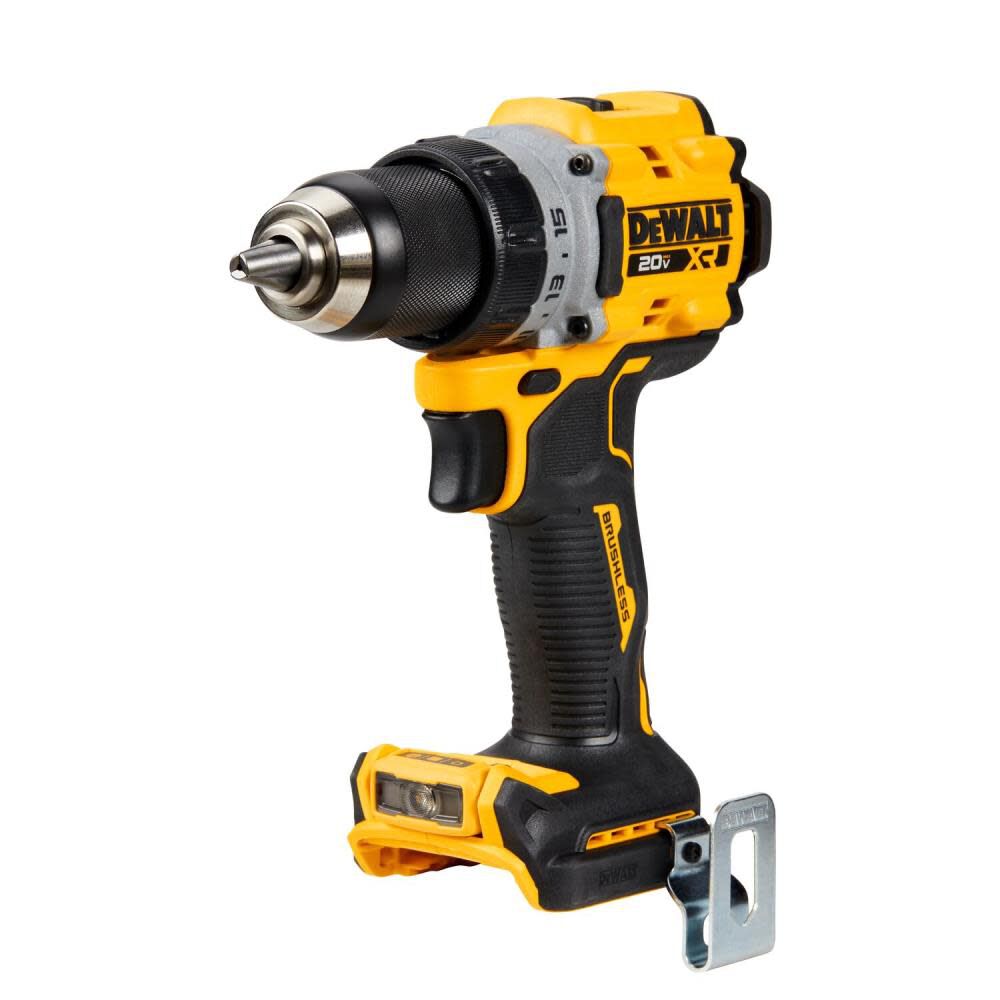
DeWalt
A 6.37-inch brushless two-speed drill/driver with a metal half-inch chuck, 15-position clutch and adjustable 70-lumen spotlight.

Makita
A seven-inch LXT hammer drill with 1,250 in-lb, 2,100 rpm, 31,500 bpm, an all-metal chuck and dust-and-water-resistant XPT detailing.
Makita
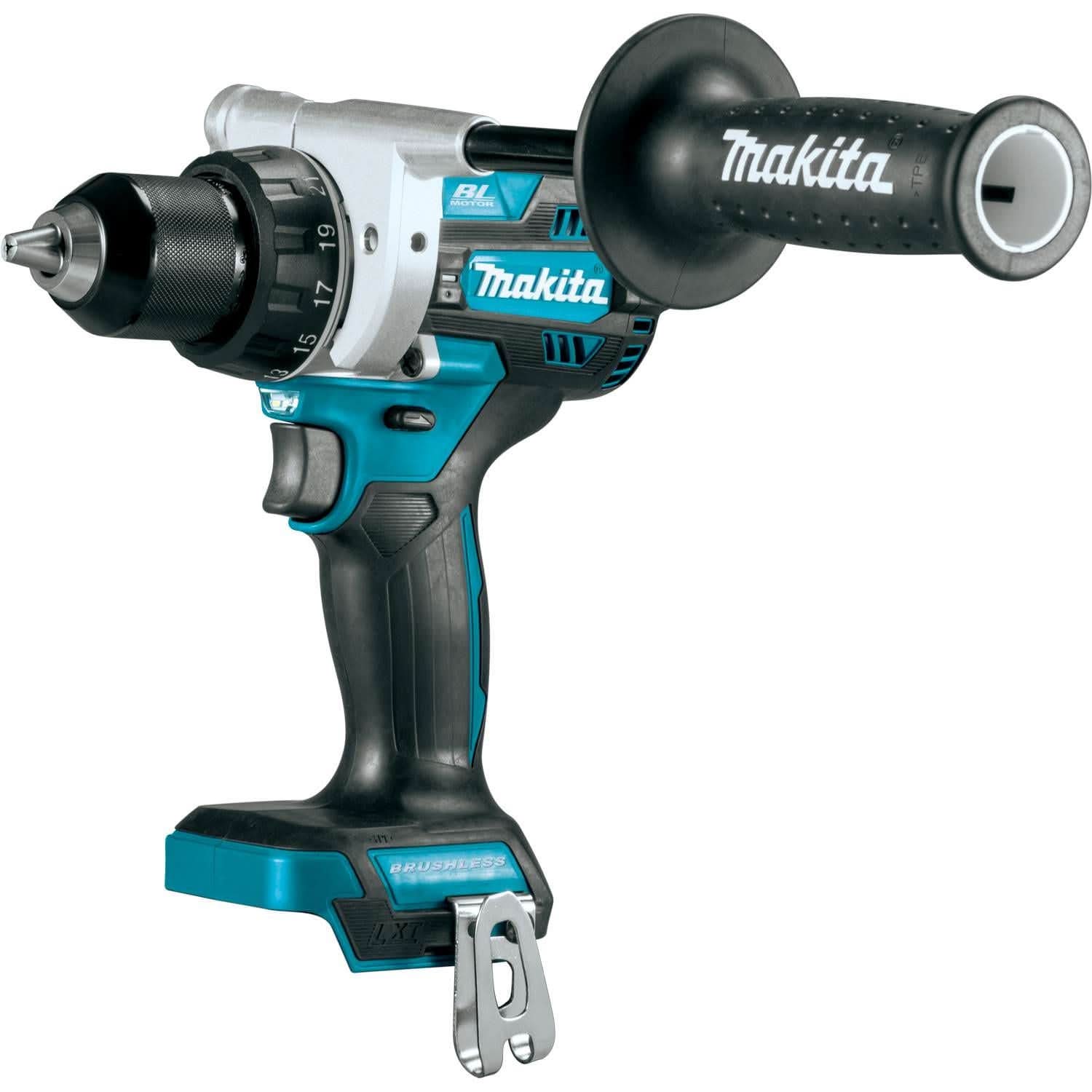
A high-torque non-hammer LXT drill with 1,250 in-lb, 2,100 rpm, a seven-inch body, all-metal chuck and XPT jobsite protection.
Bosch
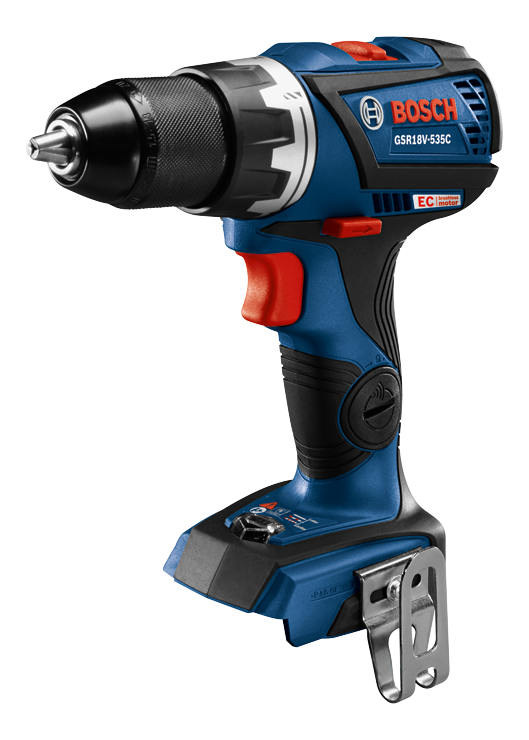
A 2.5-pound bare Bosch brushless drill with 535 in-lb, KickBack Control, a metal half-inch chuck and optional Bluetooth connectivity.
Bosch
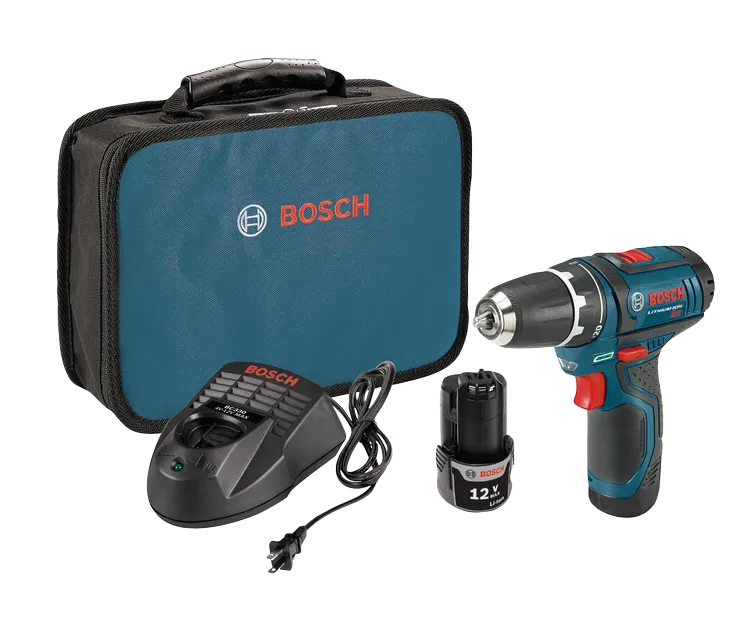
A 1.8-pound 12-volt drill kit with 265 in-lb, two speeds, two 2.0 Ah batteries, charger, bits and a soft carrying bag.
RIDGID
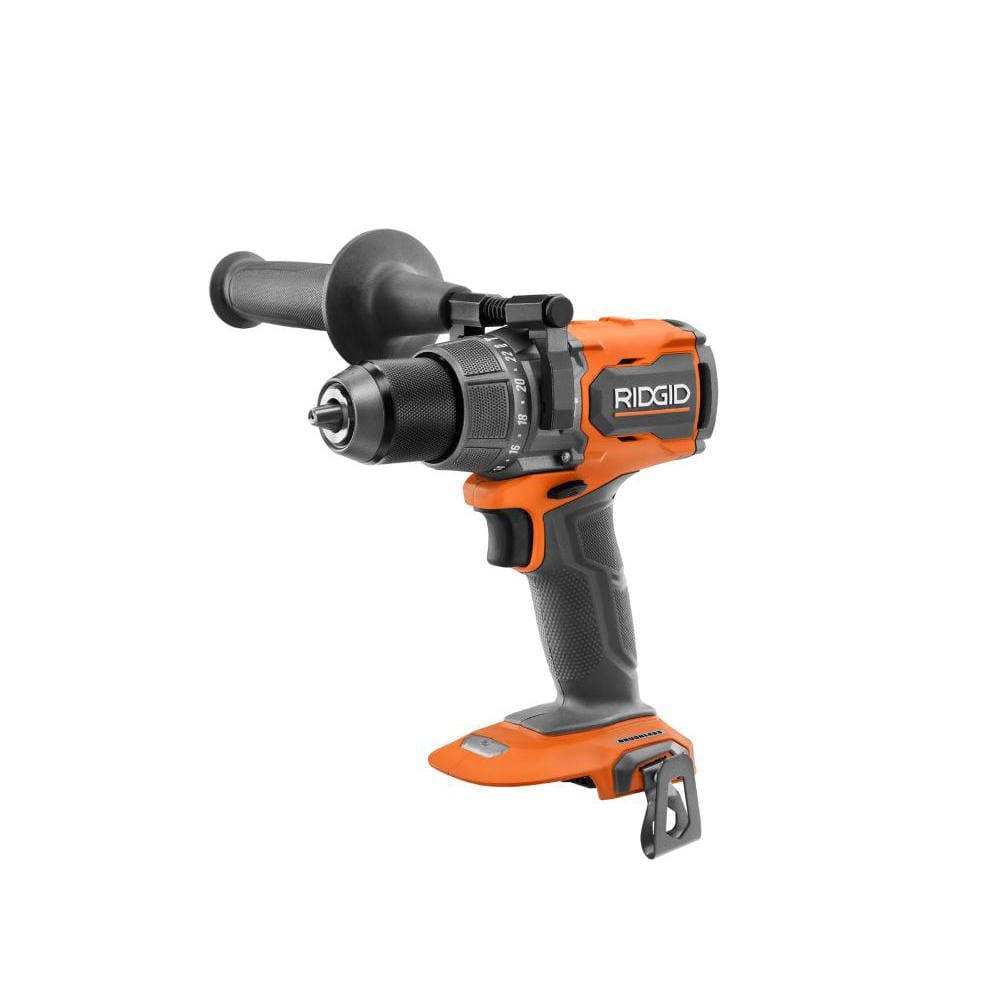
A 1,250 in-lb brushless hammer drill with anti-kickback control, a 32,000-bpm masonry mode and conditional lifetime service.
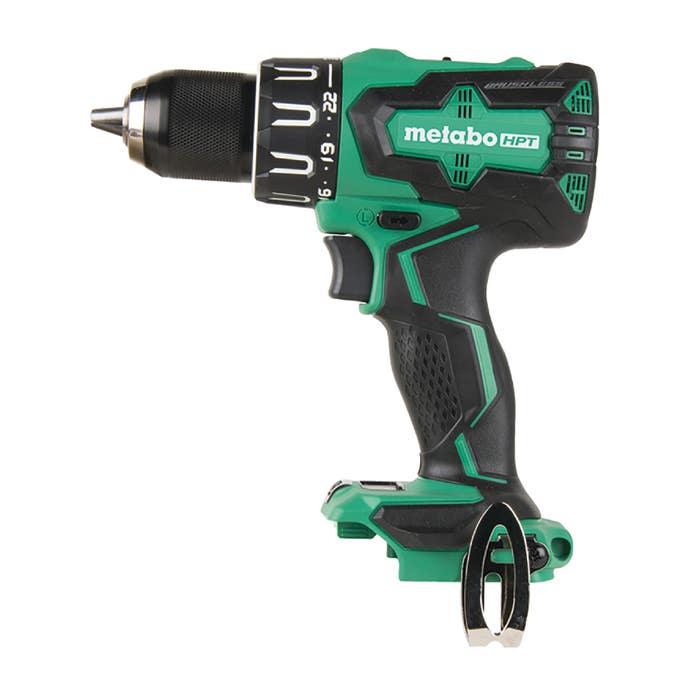
Metabo HPT
A compact 2.7-pound brushless drill with 620 in-lb, a metal half-inch chuck, 22+1 clutch and lifetime tool-body warranty.
Buying guide
Start with the largest holes, longest fasteners, materials, and working positions you regularly face. A compact drill can be the better long-term choice for overhead work and tight access; Hilti lists its SF 4-22 at 2.9 lb tool-only, while heavier-duty models trade added size for capacity. Check chuck range and both speed ranges rather than shopping by voltage alone. Low gear favors controlled, higher-load work; high gear favors smaller drilling and faster driving. Buy enough capability for routine jobs, not the heaviest tool on the shelf.
Handle the drill with the battery size you expect to use. Confirm that the grip, balance, head length, light, forward/reverse control, and side handle suit your hands and access needs. For fastening, a repeatable clutch and a controllable variable-speed trigger matter more than a large peak-torque figure. Bosch pairs a 25-setting clutch with two speed ranges on the GSR18V-975CN; DeWalt publishes two ranges and a metal ratcheting chuck for the DCD800B. Compare these functional details across exact models instead of relying on broad platform claims.
Torque figures are not directly useful without the maker's test context, gearing, battery, and application. Inspect the chuck for secure bit retention, listen for abnormal gearbox noise, and test trigger modulation, brake action, clutch repeatability, and battery fit before the return window closes. Construction details can still be meaningful: Milwaukee specifies an all-metal gearcase and ratcheting chuck on the 2903-20, while Bosch specifies an all-metal chuck and electronic motor and cell protection. Treat such features as evidence to investigate, not proof that every internal part is serviceable.
Large bits can snag and rotate the tool body abruptly. For higher-torque drilling, favor a model with a side handle and documented anti-rotation or kickback control, then use those features as the manual directs. Milwaukee says AutoStop on the 2903-20 limits over-rotation during a bind-up; Bosch describes KickBack Control for the same hazard; Hilti lists Active Torque Control on the SF 4-22. These systems reduce risk but do not replace stable footing, a secure workpiece, correct accessories, or keeping both hands ready for reaction torque.
The battery ecosystem and repair path can outlast the first tool. Before buying, confirm that compatible batteries and chargers are sold in the capacities you need, then check the exact warranty, service locations, manuals, exploded diagrams, and separately listed spare parts. Bosch provides a spare-parts lookup and states compatibility across its 18V line and participating AMPShare brands; Hilti publishes service terms for the SF 4-22; DeWalt provides manuals, an exploded diagram, and stated warranty terms for the DCD800B. Save model and serial details and recheck terms at purchase.
FAQ
Choose by the work and by loaded weight, not voltage alone. Bosch positions 12V Max drill/drivers for lighter jobs and 18V models for higher-torque demands; its lineup also pairs smaller chucks with 12V and 1/2-inch chucks with 18V. A compact 12V tool can be the better long-term choice for assembly and frequent overhead use, while larger holes and sustained heavy fastening may justify 18V.
Start with the applications you actually perform. A drill/driver covers ordinary drilling and controlled screwdriving; a hammer drill adds a percussive mode, reflected in Makita's separate IPM ratings. DEWALT also separates hammer, right-angle, stud-and-joist, mixer, and magnetic drills, which shows why one high-torque model is not automatically the right tool for every access condition or material.
Look for useful speed ranges, smooth trigger control, a repeatable clutch, and a chuck suited to your bits. Makita's GFD03 illustrates the distinction: it specifies three RPM ranges, multiple electronic-clutch settings, a variable trigger, and an all-metal chuck in addition to maximum torque. Those controls help match speed and fastening force to the task instead of treating the tool as an on/off torque source.
High torque makes control features and technique important. Makita says its AFT system stops the motor when accessory rotation is suddenly forced to stop, while DEWALT describes an E-CLUTCH that detects tool motion and can shut down during bind-up. Treat these as supplemental protection, not permission to ignore a side handle, stable footing, correct bits, or the eye and other protective equipment called for by the hazard.
Follow the pack maker's limits rather than improvising cell repair or charging. Milwaukee instructs users to charge in a ventilated area, keep charger vents open, store packs in a cool dry place, avoid storage above 120°F, and stop using packs that are damaged, swollen, or malfunctioning. It also warns against shorting contacts with metal objects. Apply the manual for your exact battery system because limits can differ.
Check support before committing to several batteries. Look for downloadable manuals and parts lists, repair channels, replacement batteries and chargers, clear warranty terms, and service locations. Milwaukee maintains a manuals-and-downloads portal that includes operator manuals and parts lists; Bosch's drill pages also expose repair, spare-parts, warranty, manuals, and service links. Availability for the exact model still needs confirmation.
No single label establishes whole-tool durability. Manufacturer pages pair brushless motors with other consequential details: Makita identifies a reinforced gear housing, all-metal chuck, speed control, clutch, and dust/water-resistance design, while DEWALT specifies its gearbox, speed ranges, anti-rotation system, battery, and warranty separately. Compare the complete tool, battery platform, service path, and fit for your duty cycle.
Honoring the visionaries whose work paved the way for the products we rely on today.
BLACK+DECKER's company history credits its 1961 nickel-cadmium model as the world's first cordless electric drill. The same history records a 1971 Apollo Lunar Surface Drill power head that removed lunar core samples on Apollo 15 and later Apollo missions, linking consumer and space applications.
Makita's documented product history traces a sequence of battery-tool milestones: the 6500D battery-powered drill in 1969, the 6010D rechargeable drill in 1978, and later nickel-metal-hydride and lithium-ion tools. That progression makes Makita a useful reference point for rechargeable drill and driver development.
NASA records that Apollo 15 was the first mission where astronauts used the Apollo Lunar Surface Drill, a rotary-percussive tool for collecting core samples and setting up a heat-flow experiment. NASA also places later lunar drilling work in that Apollo legacy, making the instrument a documented reference for portable drilling engineering.
Research last refreshed
Samuel Duncan Black and Alonzo Galloway Decker · 1917
This patent describes a hand-supported electric drill with an integrated pistol-grip support and finger-operated trigger switch. Its stated aim was to let the operator control power without relaxing the supporting grip, improving steadiness and simplifying operation.
Edwin L. Connell · 1930
Connell describes a compact pistol-grip electric drill designed to reduce operator fatigue and wrist strain by keeping weight and the center of gravity close to the hand. The design also addresses motor ventilation, guarded external surfaces, reduction gearing, and a chuck-capable spindle.
Robert Schumann · 1936
This electric screw-driving tool uses an adjustable friction clutch between the motor and output tool. The mechanism is intended to limit tightening torque for different screw sizes, reduce over-tightening or under-tightening, and stop driving when the tool is removed from the workpiece.