7.8/10
Mid Segment30 yr life
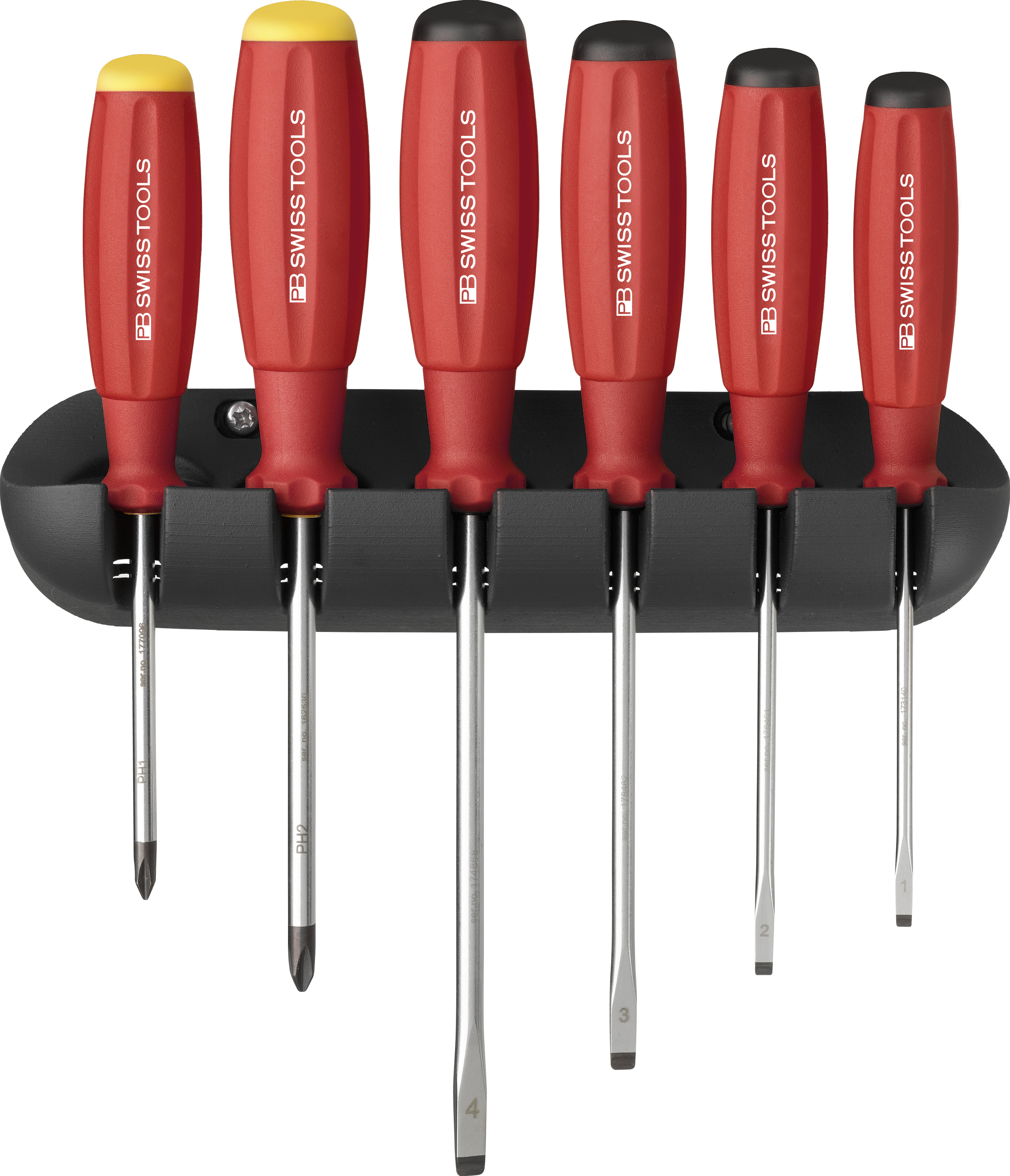
PB 8244 SwissGrip 6-Piece Screwdriver Set
PB Swiss Tools
Six Swiss-made fixed screwdrivers with solvent-resistant SwissGrip handles, serialized spring-steel blades and a wall mount.
- Repair
- 6.3/10
- TCO
- 8.6/10
$81.68
Durable buying guide
Screwdrivers and bit drivers span fixed-blade, multi-bit, precision and insulated designs. Choose the exact drive profile and size, a handle suited to the task, and—where serviceability matters—interchangeable bits with replacement parts available.
2 products
A balanced blend of performance, quality, and price for the discerning user.
PB Swiss Tools
Six Swiss-made fixed screwdrivers with solvent-resistant SwissGrip handles, serialized spring-steel blades and a wall mount.
Chapman MFG
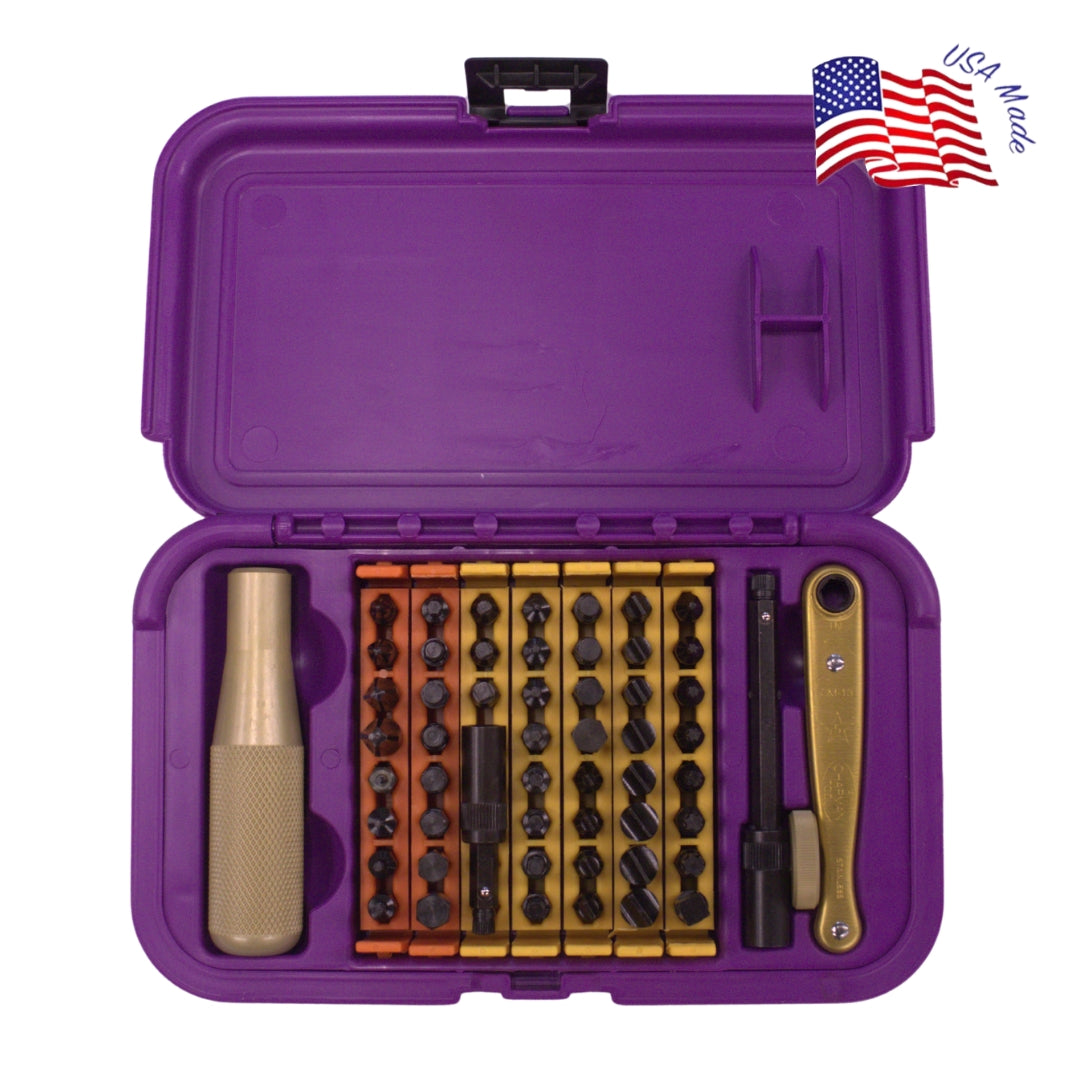
A 56-piece Connecticut-made precision kit with 51 proprietary bits, a 200-in-lb mini ratchet, driver, extensions and open-stock parts.
10 products
Budget-conscious selections offering the best value and reliability for essential needs.
Wera
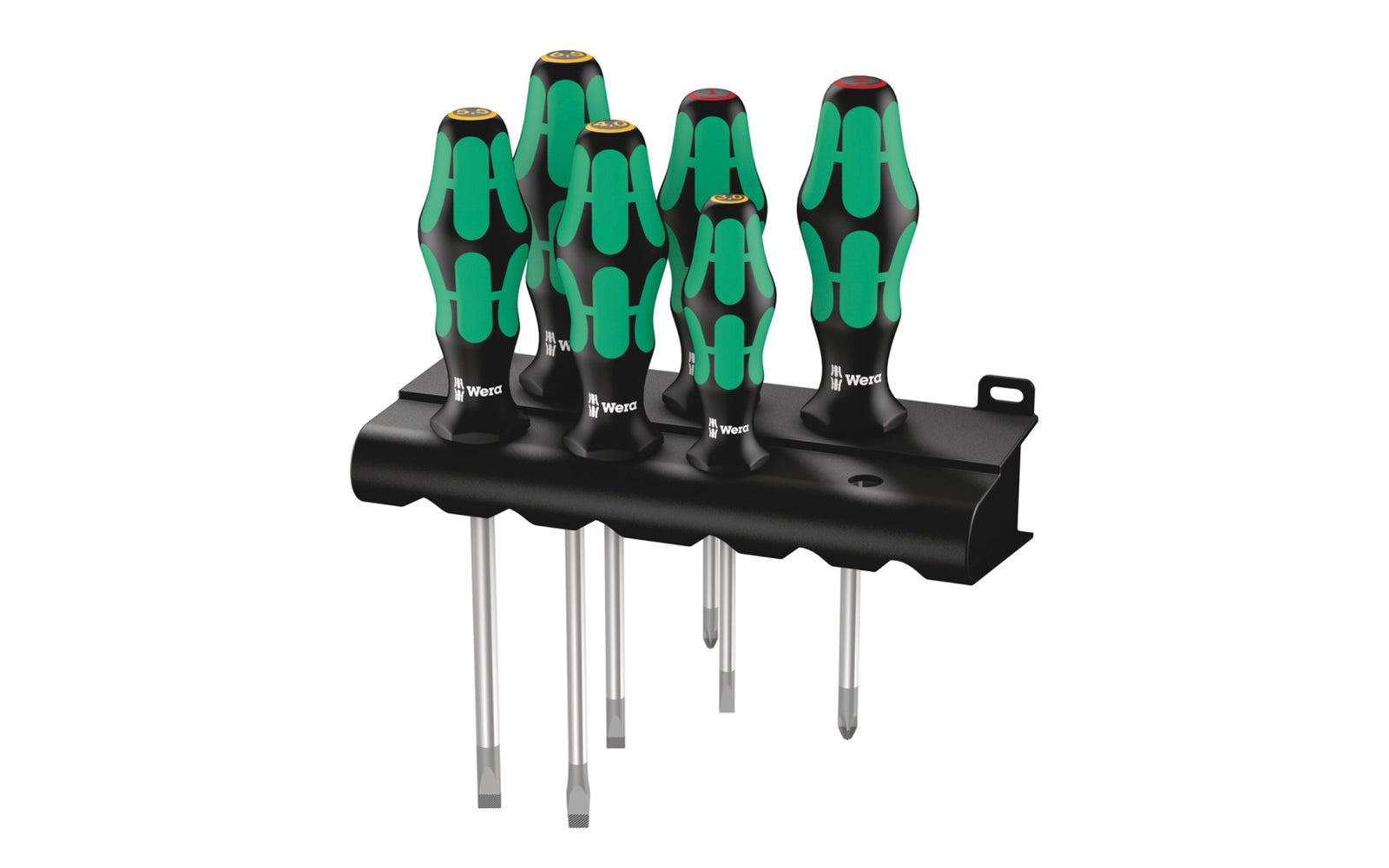
A six-piece slotted and Phillips fixed-driver set with Kraftform handles, laser-textured tips, size color coding and a storage rack.
Wiha
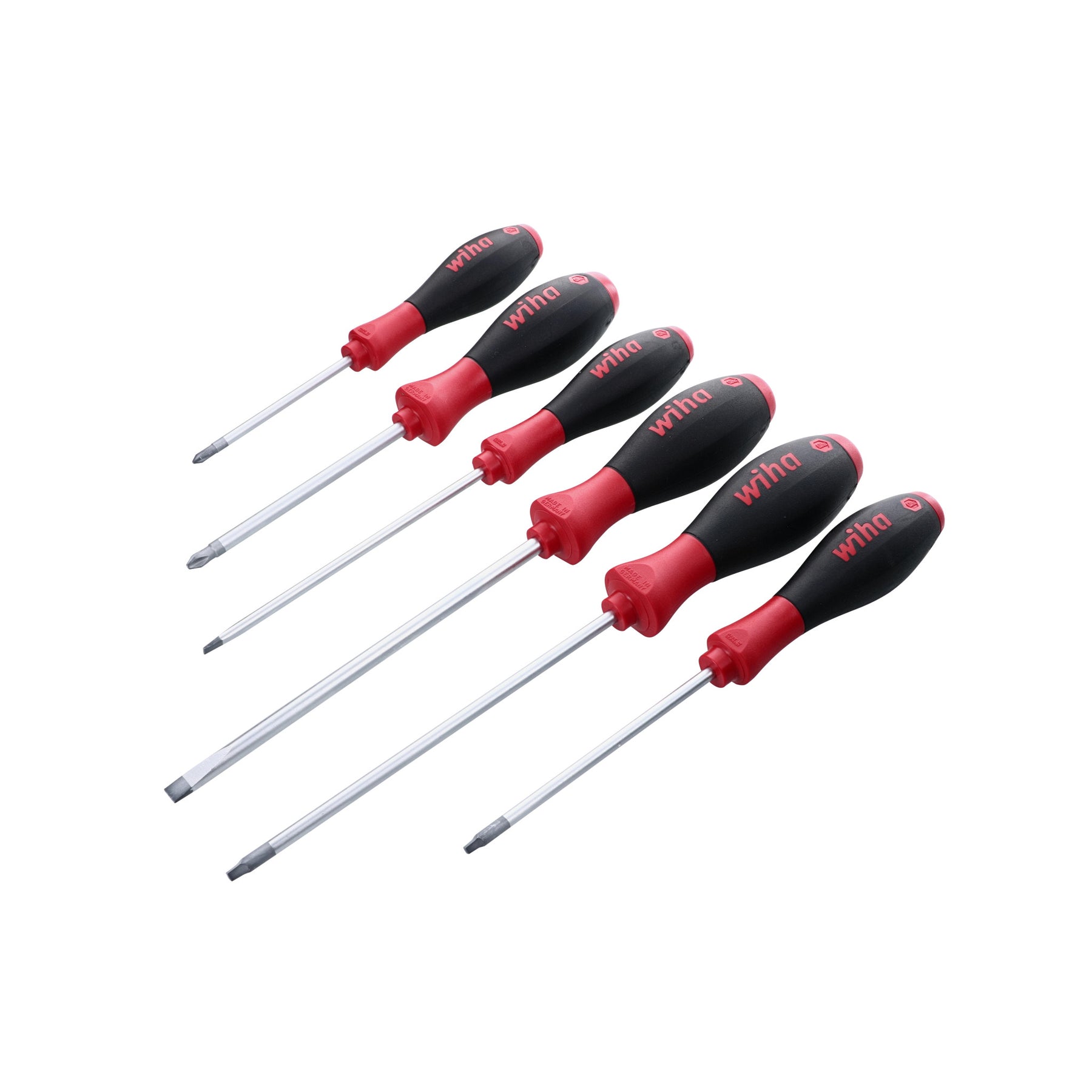
Six German-made SoftFinish fixed screwdrivers with direct-molded dual-material handles, precision tips and anti-roll flats.
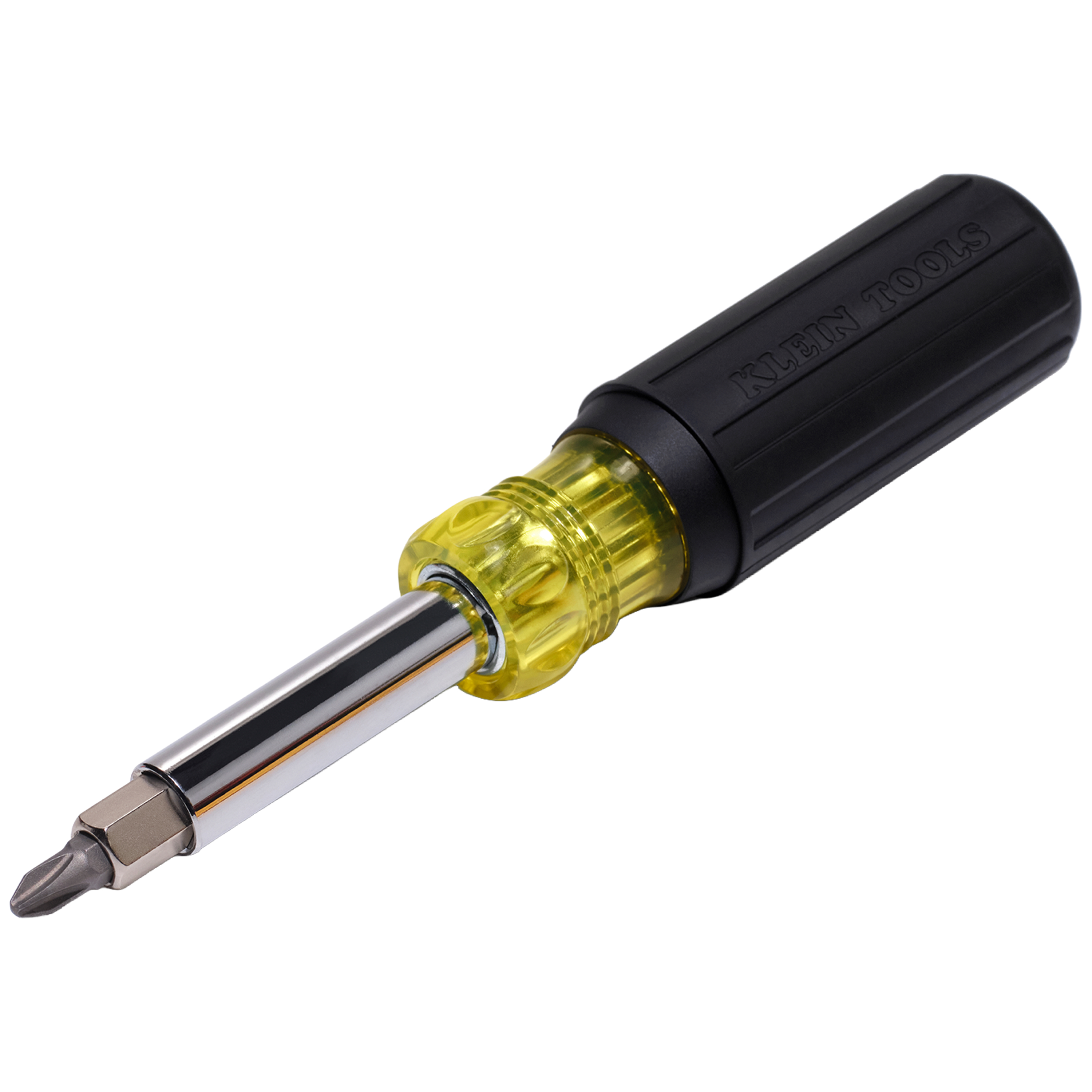
Klein Tools
A compact non-ratcheting driver with eight reversible tips, three nut-driver sizes, replaceable blades and Klein Cushion-Grip.
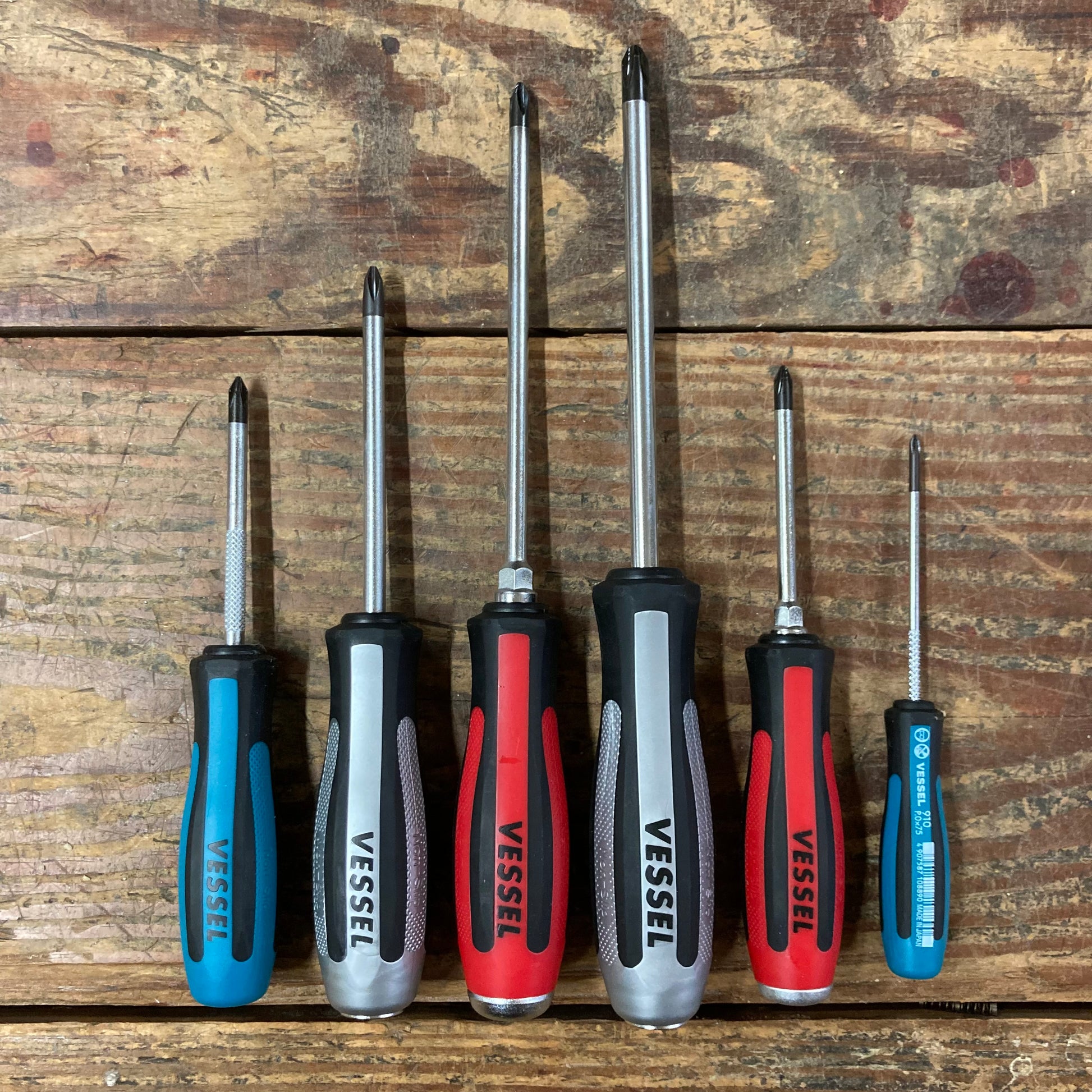
Vessel
Six Japanese cross-point drivers combining JAWSFIT tips, fast-turn knurling, wrench bolsters and manual impact-loosening models.
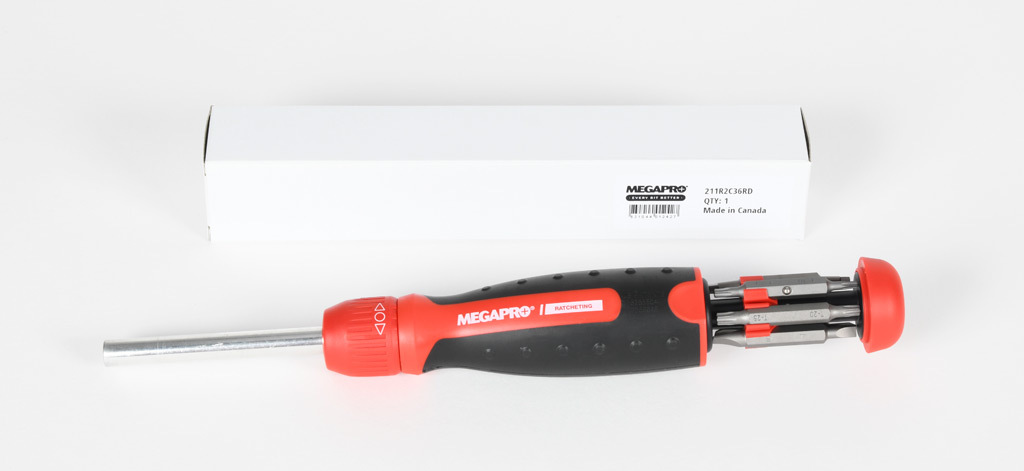
Megapro
A Canadian-made 28-tooth ratcheting driver with six double-ended bits, retractable storage and a 225-in-lb solid-core mechanism.
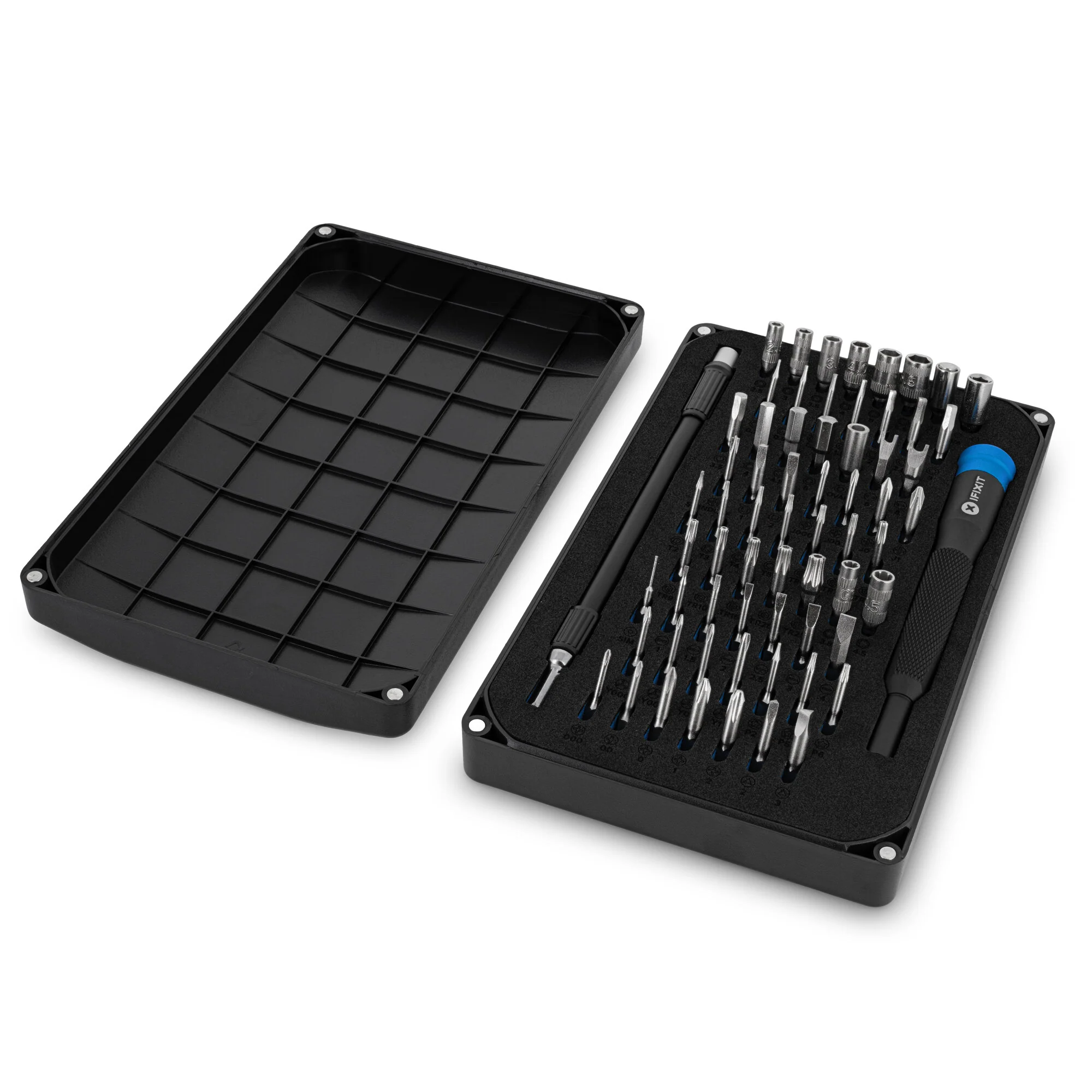
iFixit
A 64-bit electronics-repair kit with an anodized-aluminum 4 mm driver, magnetic socket, flexible extension and organized ABS case.

Wera
A seven-piece compact driver with a two-position telescopic Rapidaptor blade, six in-handle bits and manual or power-tool use.

Wiha
Five wet-grip mechanic's drivers with through hex blades, solid steel striking caps and wrench bolsters for releasing stuck screws.
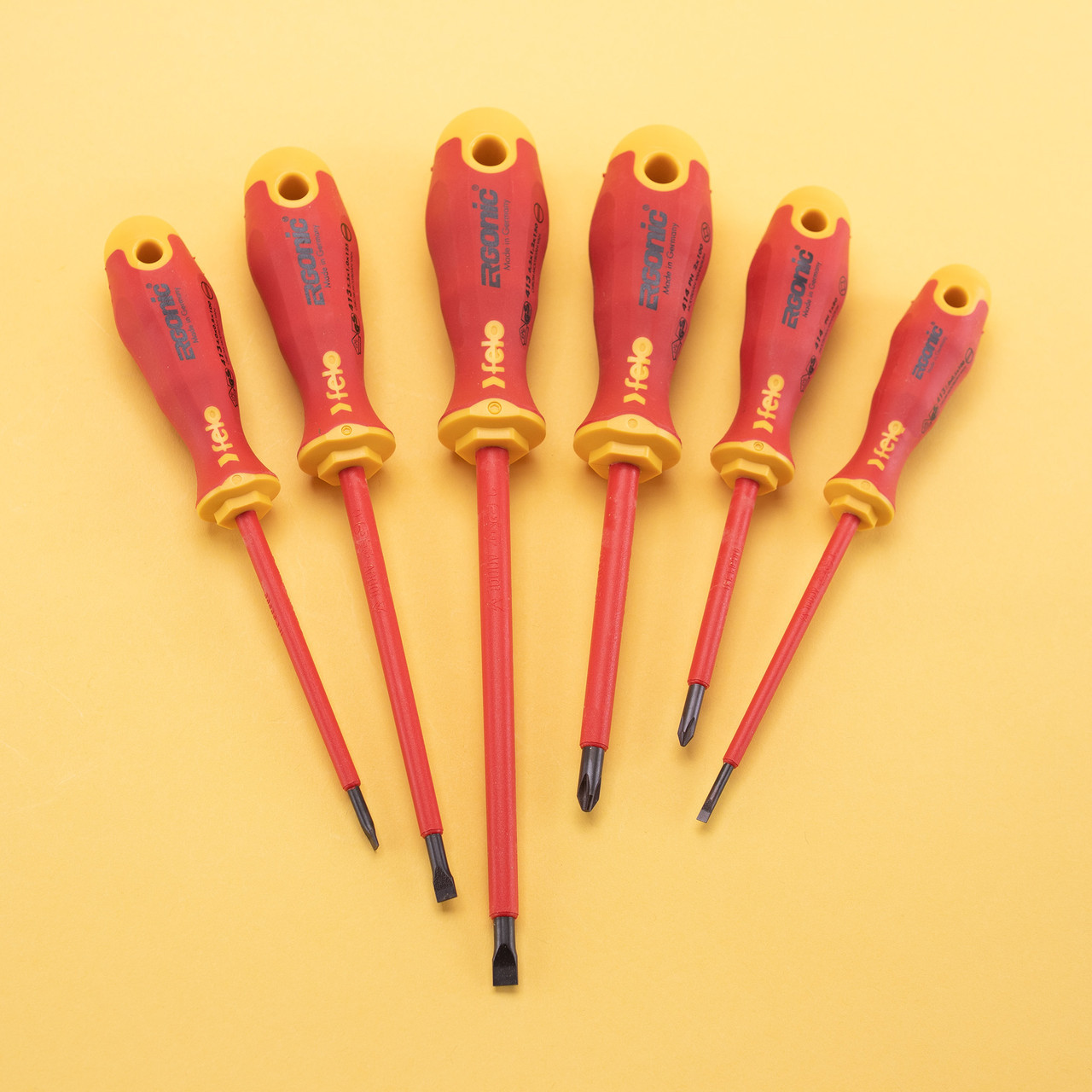
Felo
Six German-made Ergonic insulated fixed drivers rated to 1,000 VAC, with pressure-adapting handles and chrome-molybdenum-vanadium blades.

Stanley
A three-position ratcheting driver with six chrome-vanadium bits, magnetic quick release, in-handle storage and a textured grip.
Shop by brand
Buying guide
Start with the fasteners you actually encounter, including their profile, size, depth, and clearance. A close-looking substitute is not good enough: the Canadian Centre for Occupational Health and Safety warns that Phillips drivers can slip in the flatter Pozidriv recess and recommends matching both type and size; a slotted blade should span the slot width. Buy the correct Phillips, Pozidriv, JIS, Torx, hex, or security profile rather than relying on extra force to compensate for poor fit.
Fixed drivers make sense for frequently used profiles because there is no holder joint to add reach limits or play. A bit driver is more compact and easier to refresh when a tip wears, but verify the bit format, retention method, shaft length, and availability of individual replacements before buying. For precision electronics, 4 mm is a distinct ecosystem: iFixit sells individual 4 mm replacements across Phillips, JIS, hex, security, pentalobe, and other profiles, demonstrating why replacement availability matters more than a large one-time bit count.
Inspect shaft straightness, handle-to-shank security, tip geometry, and wobble at any bit holder or ratchet. Handle shape should suit the work: CCOHS recommends slightly contoured, non-slip handles and notes that power-grip handles are generally 30–50 mm in diameter, while precision tools need smaller diameters. Tip treatments may improve control, but treat them as features rather than substitutes for correct sizing; Wera says its laser-roughened tips reduce cam-out and required contact pressure.
A comfortable plastic handle does not make an ordinary screwdriver safe for energized work. De-energize and lock out equipment whenever possible; CCOHS says live work requires tools designed with insulated handles and a non-conducting shaft. When insulated drivers are genuinely required, look for a named standard and model-specific evidence rather than color alone. Wiha, for example, states that its SoftFinish electric slimFix set is manufactured to IEC 60900, individually tested, and intended for live parts up to 1,000 V AC.
Longevity is not the same as using a damaged tip forever. Before work, clean the recess, seat the driver fully, and replace rounded, chipped, twisted, or corroded tips before they damage more fasteners. CCOHS notes that poorly maintained tools compromise safety and can require much more effort. Keep handles clean, protect precision bits from moisture, and check ratchets and holders for skipping or play. Favor open-stock drivers, separately sold bits, and warranties with clear terms so the wear item—not the whole kit—can be replaced.
FAQ
Match both the drive profile and size before applying torque. Phillips and Pozidriv are distinct, and a mismatched cross-head driver can slip; Torx, hex, slotted, and security profiles likewise need their corresponding tips. The driver should seat fully with little play. Keep the shaft aligned with the screw rather than compensating for poor fit with extra force.
Fixed drivers suit frequently used profiles, deep recesses, and jobs where a slim, rigid shaft matters. A multi-bit handle saves space and makes worn tips inexpensive to replace. For broad household coverage, a holder using common 1/4-inch hex bits offers flexibility; confirm that the included profiles and lengths fit your actual fasteners and access constraints.
Look for a handle that fits the hand, stays secure on the shank, and provides a flange or shape that limits slipping. OSHA notes that undersized handles can increase force and fatigue, while padded grips and handles spanning the palm can reduce contact pressure. A neutral wrist position matters during repeated work, so evaluate grip shape in the orientation you normally use.
No. An ordinary plastic handle is not evidence that a tool is electrically insulated. De-energize, lock out, and verify the circuit whenever possible. When the work specifically requires an insulated driver, look for a tool made and individually tested to an applicable standard such as IEC 60900, keep its insulation undamaged, and follow the tool maker's voltage and use limits.
Retire tips with rounded, chipped, twisted, or otherwise damaged edges, because they can slip and damage the fastener. Also replace a driver with a bent shaft, split handle, loose handle, or compromised electrical insulation. Keep handles clean and dry, avoid excessive heat that can weaken tempered metal, and store profiles separately so the correct size is easy to select.
A ratcheting driver can reduce repeated wrist repositioning and helps where swing space is limited; powered drivers are useful when a task involves prolonged or repetitive force. Neither corrects a poor-fitting bit. Seat the right profile fully, keep force in line with the screw, and use controlled torque. For delicate or final tightening, a hand driver often provides clearer feedback.
Honoring the visionaries whose work paved the way for the products we rely on today.
Canadian inventor who patented his square-socket screw in 1909 and developed cold-forming methods that made the drive commercially practical. The tapered Robertson system became associated with one-handed use and resistance to slipping in assembly and construction.
Patented a recessed cruciform screw in 1932 and a matching screwdriver in 1933. His self-centering concept supplied the technical starting point for the Phillips drive, linking a named screw profile to powered assembly-line work.
Formed the Phillips Screw Company in 1934, acquired Thompson's design in 1935, refined it for American Screw Company, and promoted its industrial adoption. The design's self-centering geometry suited powered screwdrivers used in automobile assembly.
Developed the six-point Torx screw drive in 1967. Its hexalobular profile was designed to reduce cam-out and permit higher applied torque than a similarly sized conventional hex socket, and it later spread through automotive, electronics, and other equipment.
Research last refreshed
D. G. Sopwith · 1948
Sopwith analyzed how a nut's thread load is distributed rather than shared uniformly. The paper locates peak loading near the nut bearing face, examines the effects of geometry and lubrication, and discusses differential pitch, tapered threads, softer nuts, and tension nuts as ways to improve distribution.
A. F. C. Brown and V. M. Hickson · 1953
Brown and Hickson tested Sopwith's thread-load theory with frozen-stress photoelastic models. Their experiments found a pronounced stress rise in a conventional stud near the nut bearing face, while a recessed-stud tension nut produced a substantially more uniform stress distribution.
Gerhard H. Junker · 1969
Junker examined self-loosening in preloaded bolted joints exposed to vibration, explained its importance as a failure mechanism, and described a testing machine and quantitative methods for comparing locking elements. The paper also gives design guidance and proposes a simplified inspection method.