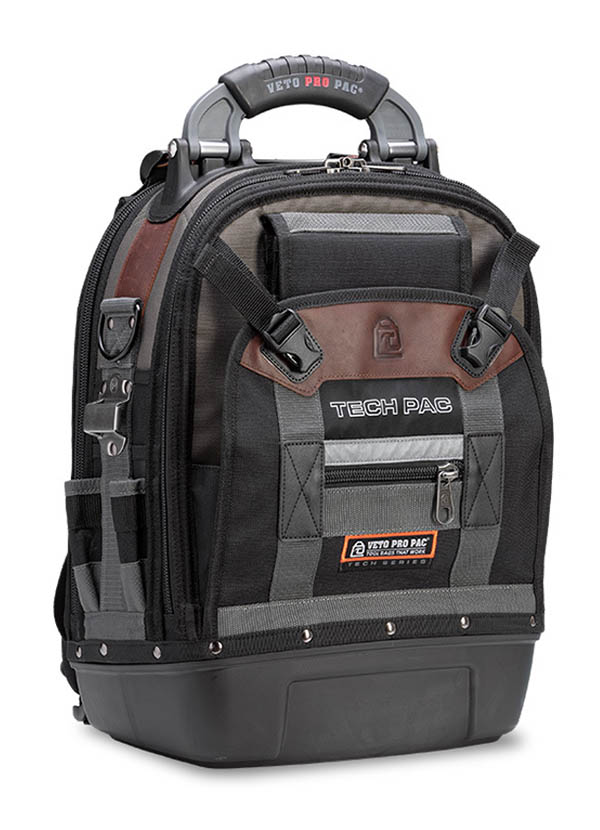
7.7/10
Premium12 yr life
TECH PAC Backpack Tool Bag VPP10070
Veto Pro Pac
A 24 L technician backpack with 46 pockets, two vertical storage bays, a waterproof molded base and a five-year defect warranty.
- Repair
- 7.2/10
- TCO
- 7.9/10
$314.99
Durable buying guide
Tools & Repair Gear covers hand tools, power tools, electrical testers, and storage for maintenance and repair work. Favor durable construction, clear operating guidance, effective guards, and designs that can be inspected and maintained safely over time.
11 products
Superior features, extended warranties, and high-end materials for enhanced performance.
Veto Pro Pac
A 24 L technician backpack with 46 pockets, two vertical storage bays, a waterproof molded base and a five-year defect warranty.
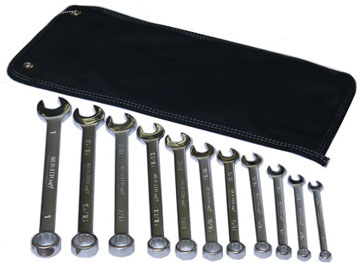
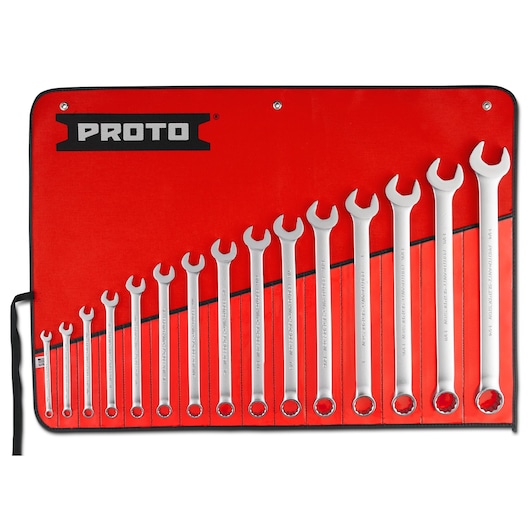
Proto
A 15-piece US-made SAE satin wrench set with TorquePlus 12-point boxes, anti-slip open ends and a heavy textile roll.

Festool
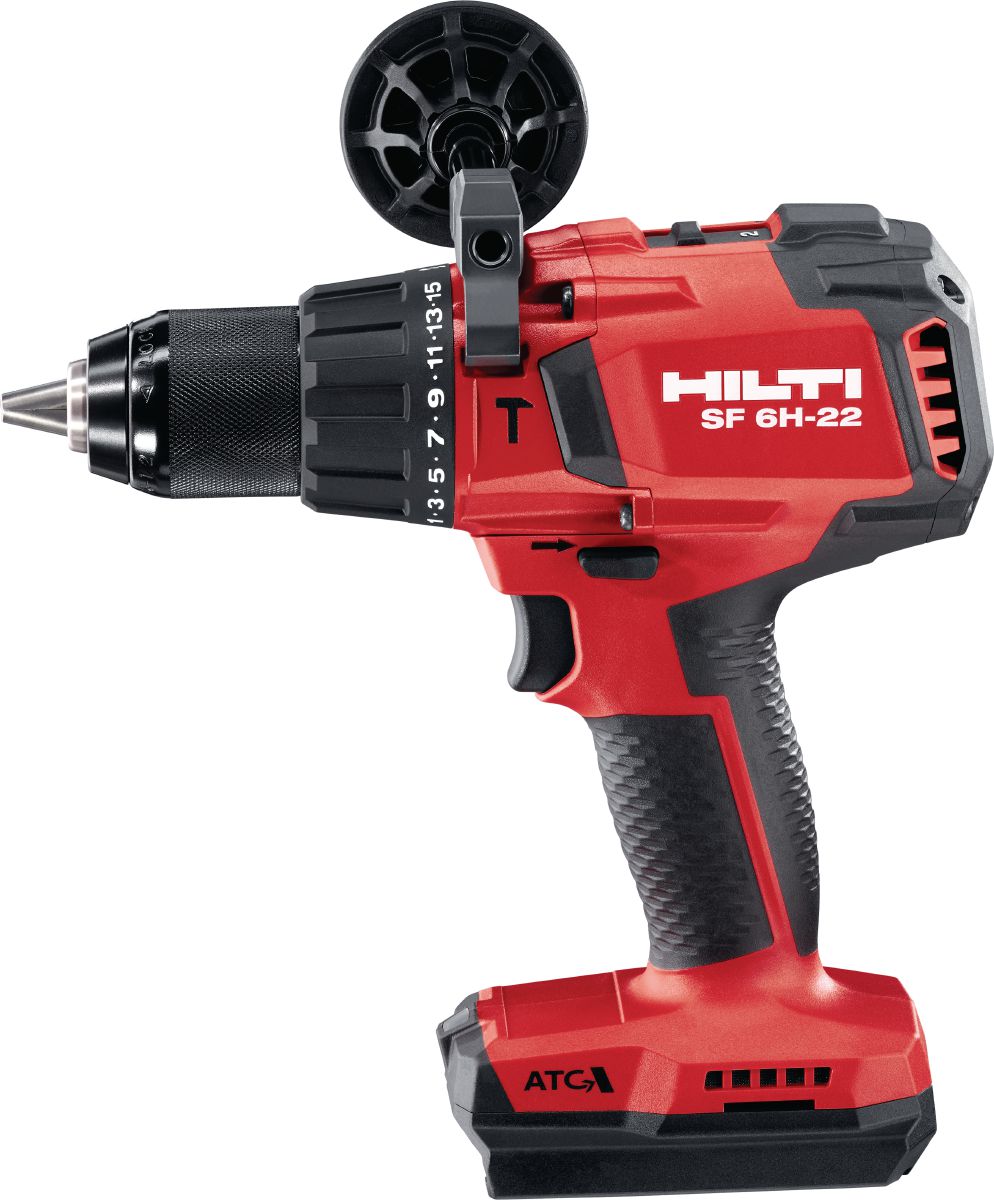
A German-made 18-volt brushless drill with FastFix interchangeable chucks, electronic torque shutoff and a fitted Systainer case.
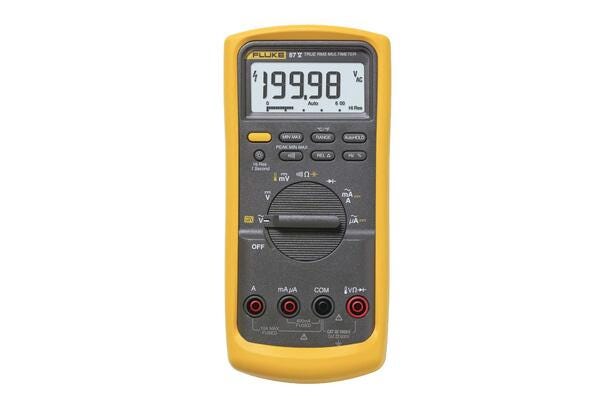
Fluke
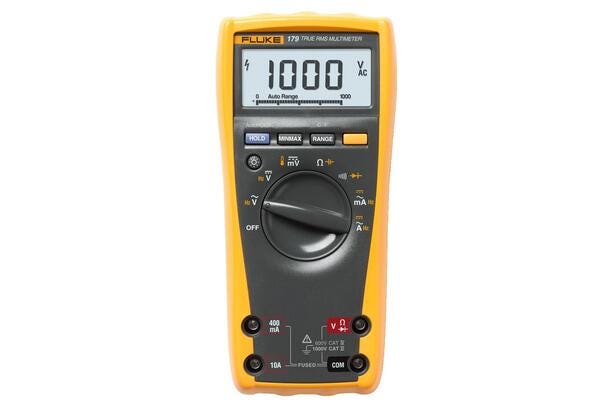
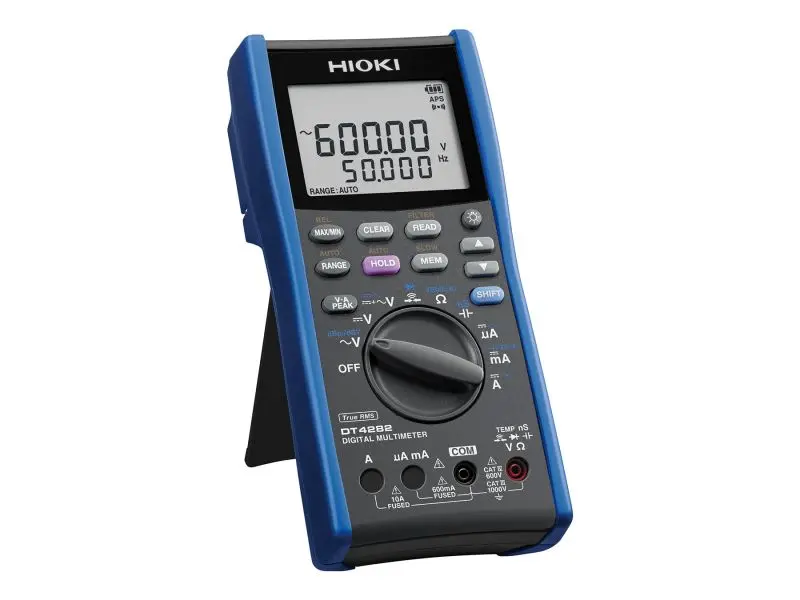
A lifetime-warranted industrial True-RMS meter with VFD filtering, 250 µs peak capture and CAT III 1000 V/CAT IV 600 V protection.
Fluke
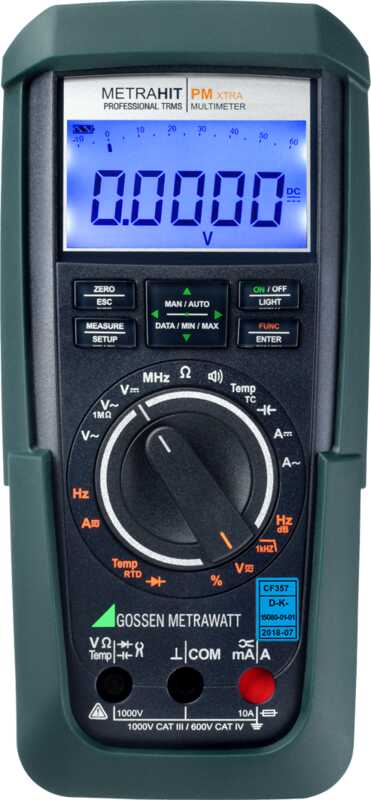
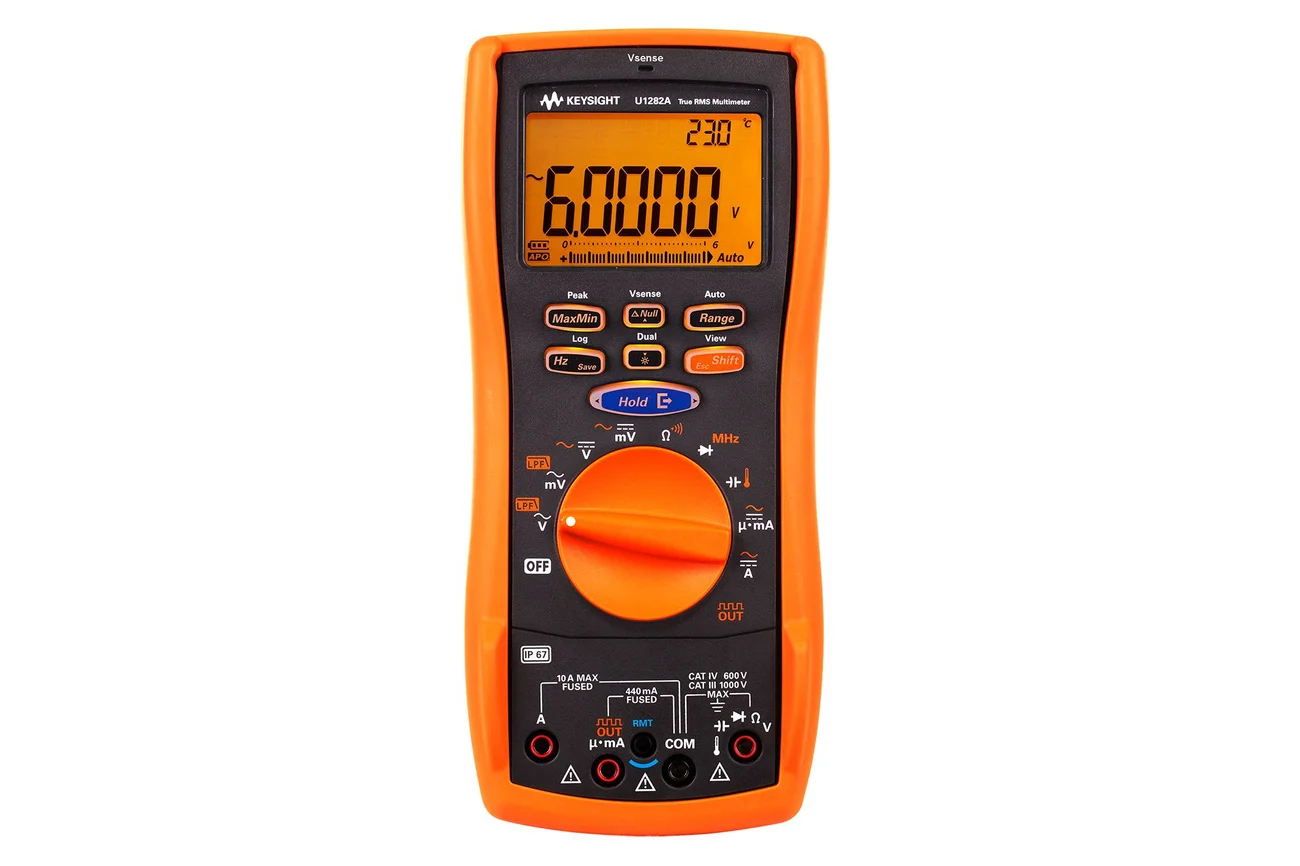
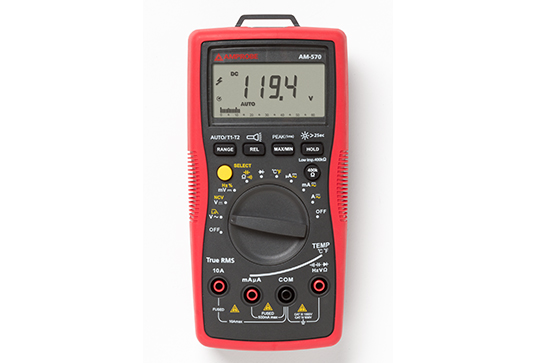
A lifetime-warranted general-purpose True-RMS meter with 0.09% basic DC accuracy, CAT IV 600 V protection and an included temperature probe.
30 products
A balanced blend of performance, quality, and price for the discerning user.

Festool
A 15.9 L T-LOC case that couples to earlier Systainer generations and Festool transport equipment while carrying up to 44.09 lb.
PB Swiss Tools
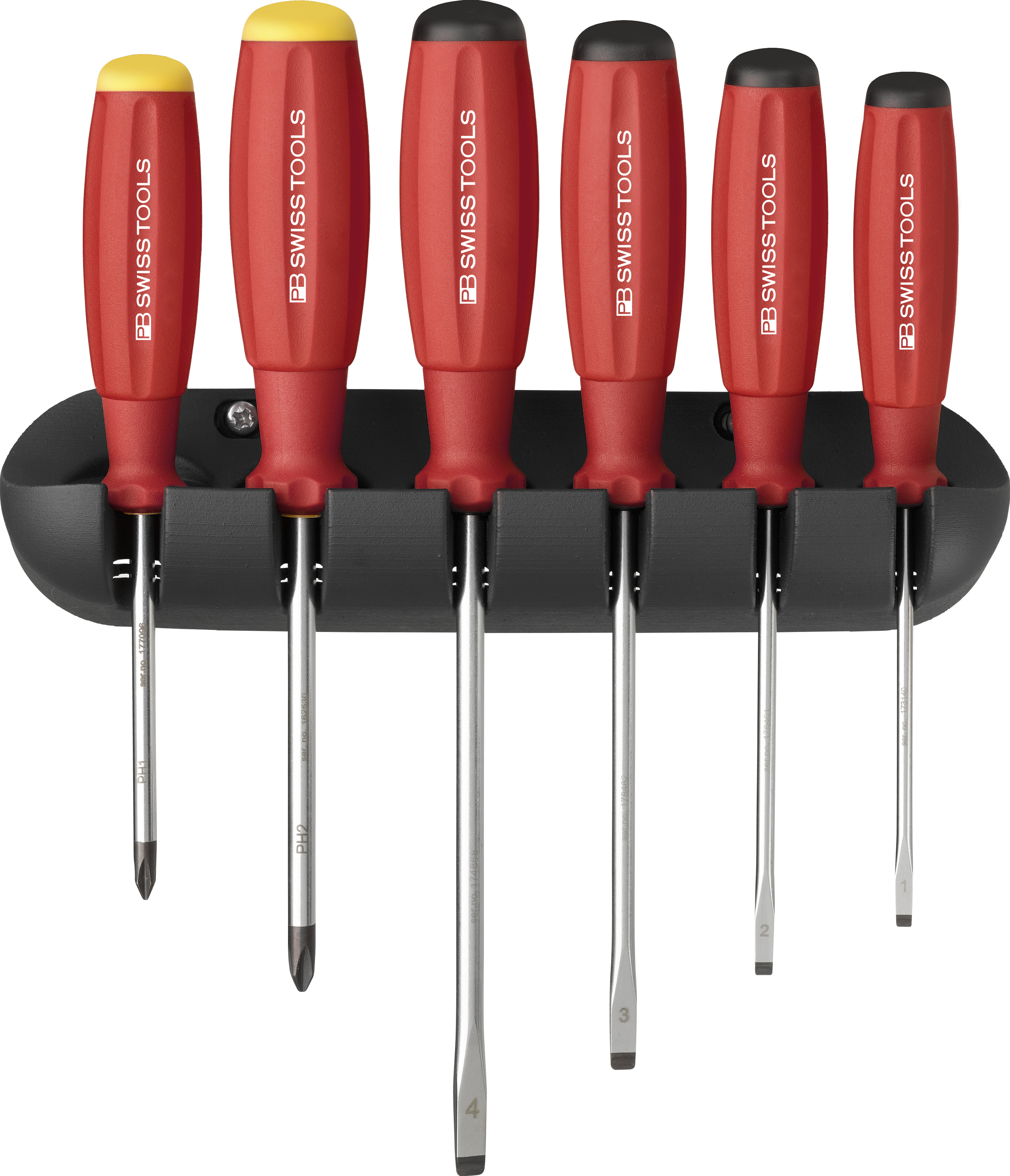
Six Swiss-made fixed screwdrivers with solvent-resistant SwissGrip handles, serialized spring-steel blades and a wall mount.
Milwaukee
The original 250 lb-capacity PACKOUT rolling base with 9 in wheels, IP65 sealing and a lifetime limited warranty, now discontinued.
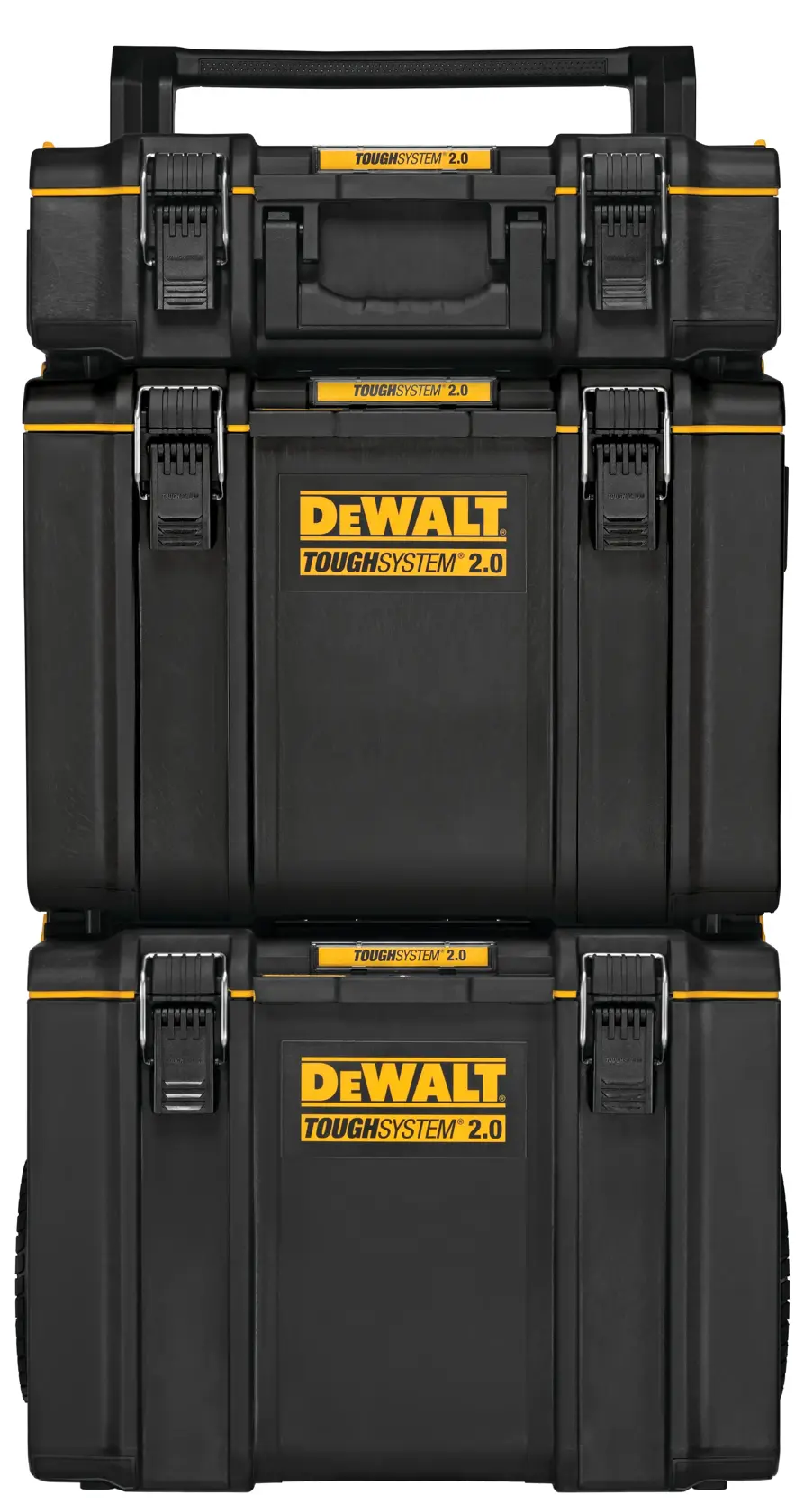
DeWalt
A three-box, 250 lb rolling tower with one-hand auto-connect latches, IP65 protection and backward compatibility with original TOUGHSYSTEM.
Bosch
A hybrid L-BOXX with conventional top access plus a front bay for optional i-BOXX drawers and organizers.

Ridgid
A 15.2 gal IP65 rolling box with detachable cart, 9 in wheels and compatibility across RIDGID Pro Gear generations 1.0 and 2.0.
Wera
An 11-piece metric non-ratcheting combination-wrench set with 7.5-degree open ends, 15-degree return access and a Wera 2go-compatible pouch.
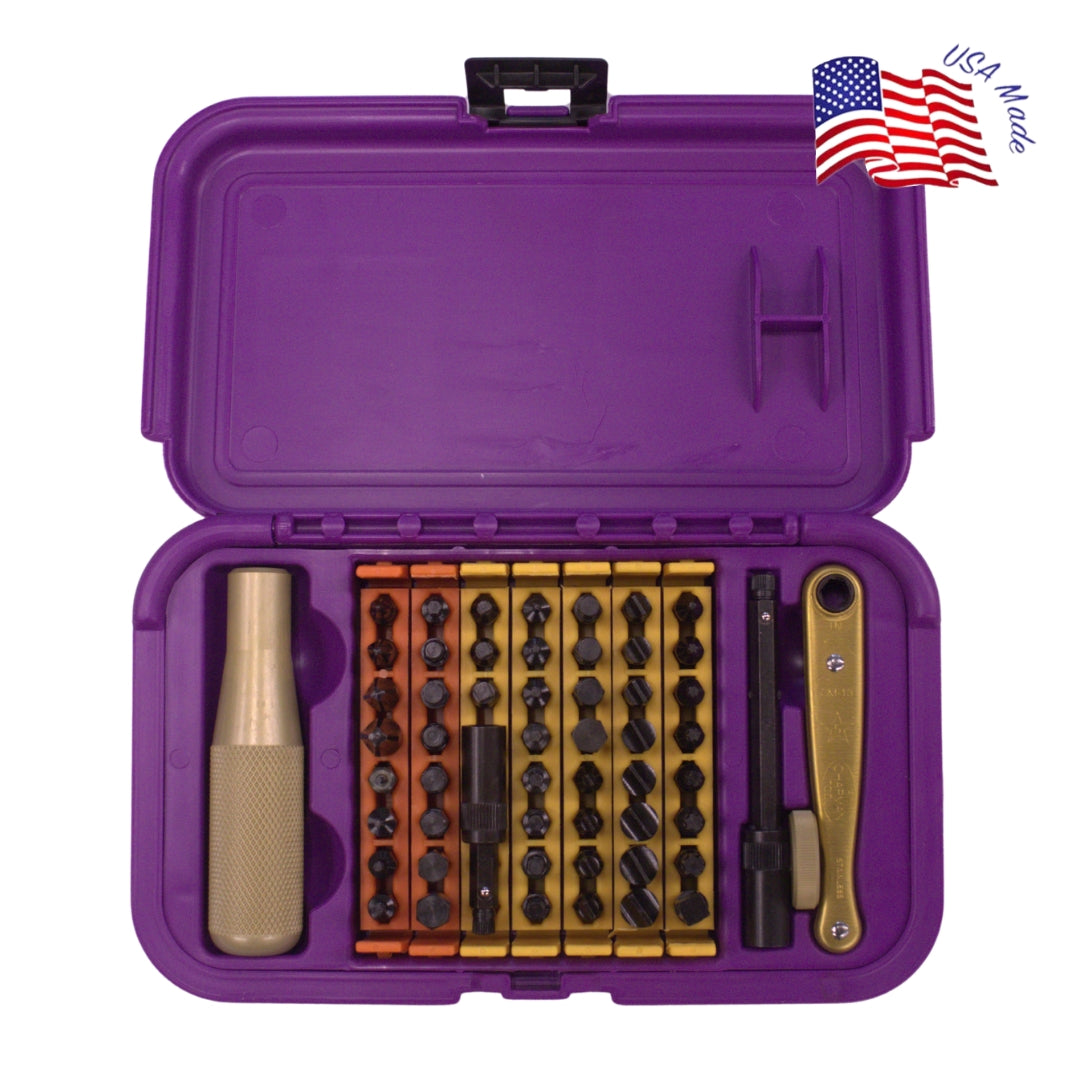
Chapman MFG
A 56-piece Connecticut-made precision kit with 51 proprietary bits, a 200-in-lb mini ratchet, driver, extensions and open-stock parts.
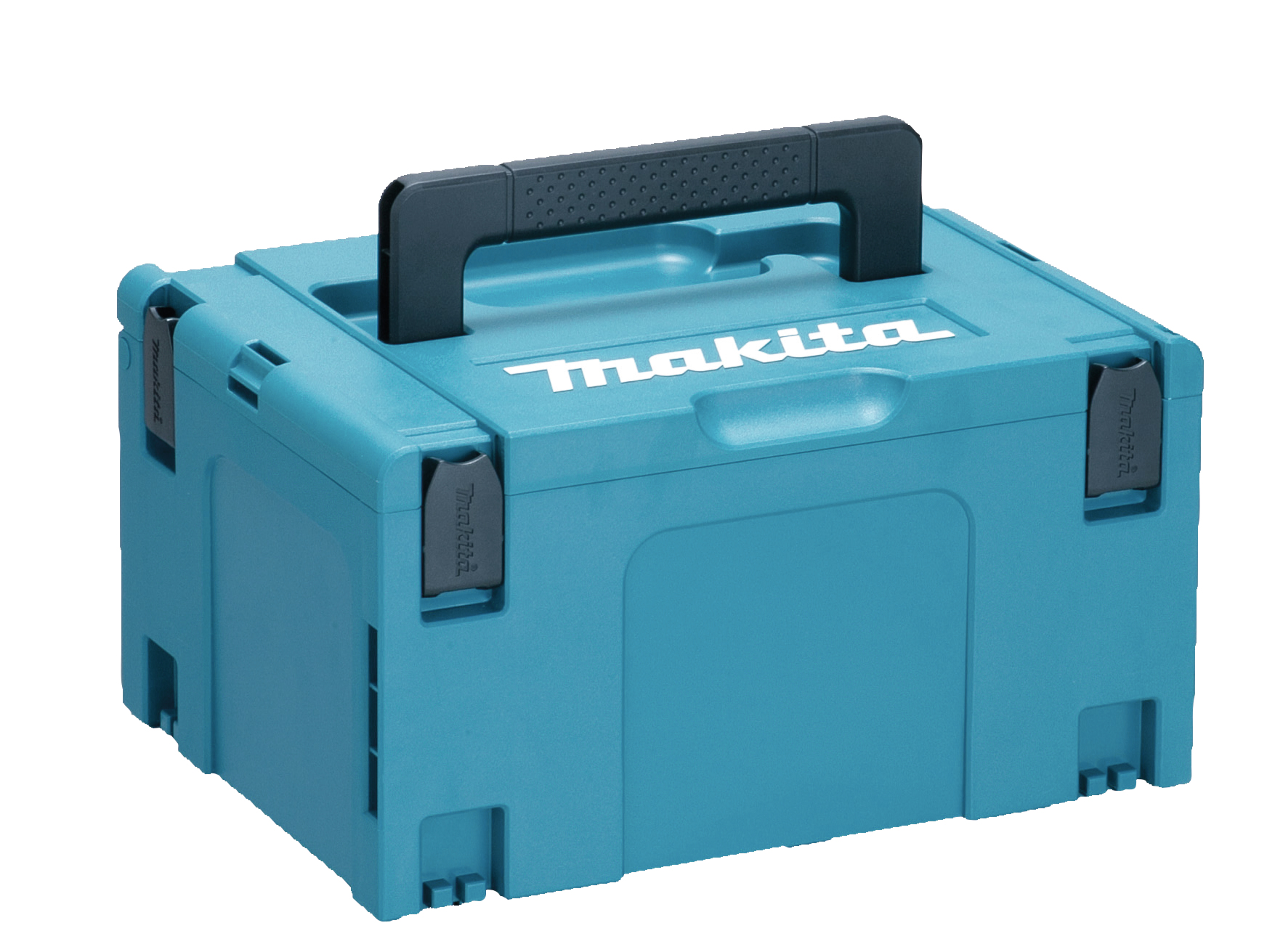
Makita
A 215 mm-high stackable MAKPAC shell with the shared system footprint and four connector latches.
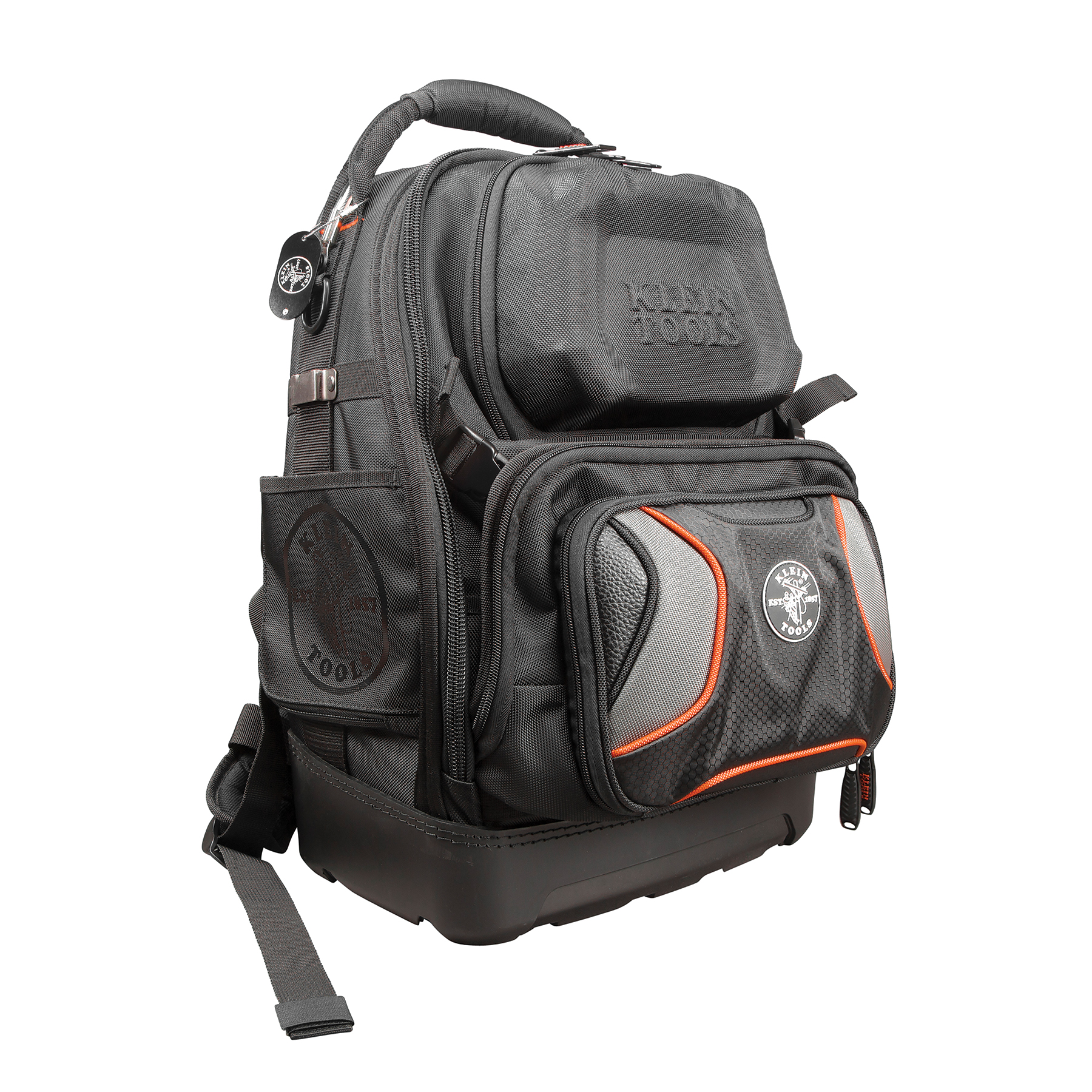
Klein Tools
A 48-pocket tool backpack with removable 11-pocket caddy, 1680d body, cable-reinforced handle and molded waterproof bottom.
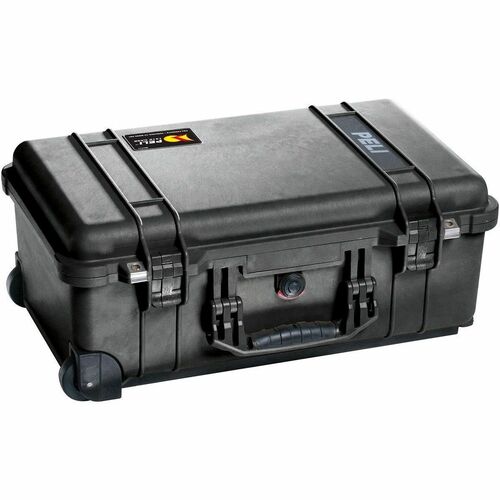
Pelican
An IP67 rolling Protector case with customizable foam, stainless-bearing wheels, pressure valve and Pelican's limited lifetime guarantee.

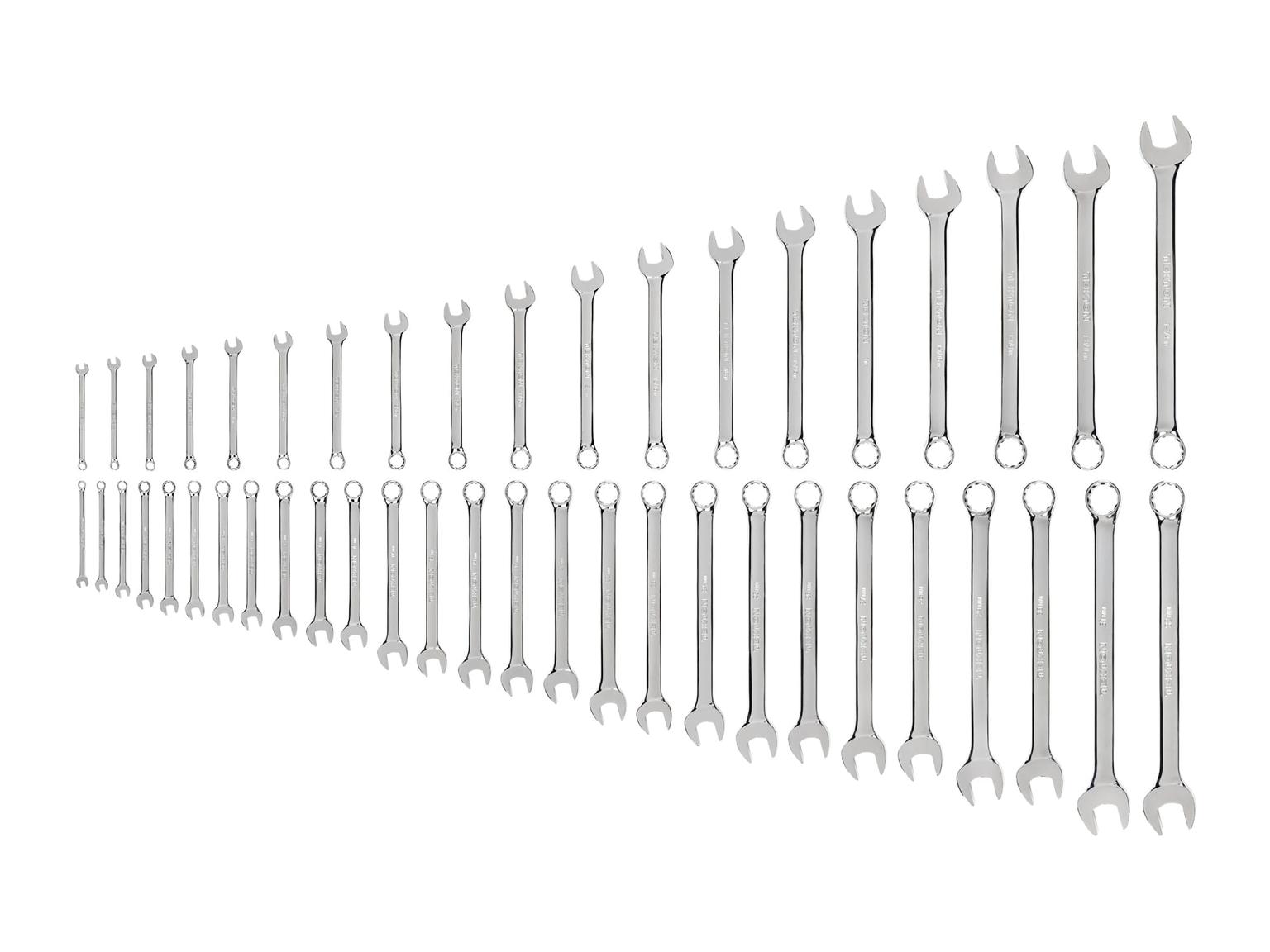
Tekton
A no-skip 46-piece SAE and metric combination-wrench set with angled open ends, 12-point boxes and Tekton's always-guaranteed support.
Milwaukee
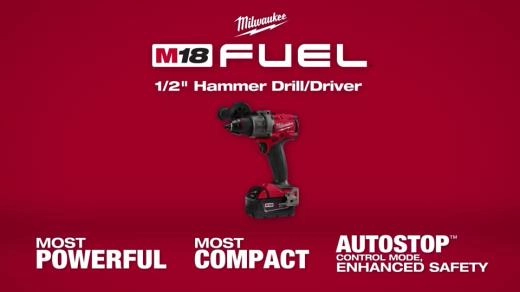
A compact 18-volt brushless hammer drill delivering 1,400 in-lb, 2,100 rpm and AutoStop bind-up control in a 6.9-inch body.
Milwaukee
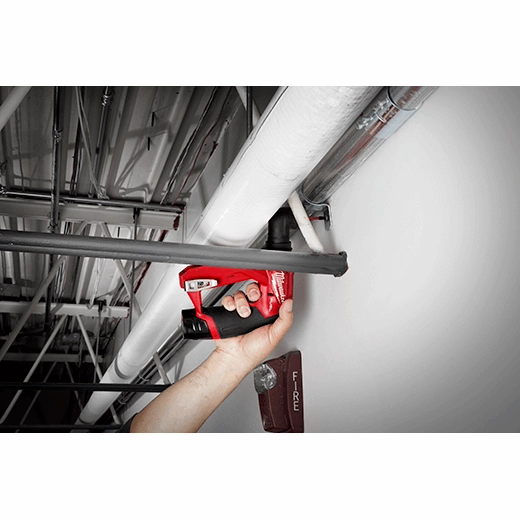
A 12-volt four-head installation driver with 300 in-lb, an inline grip and offset, right-angle, hex and 3/8-inch chuck attachments.
Wiha
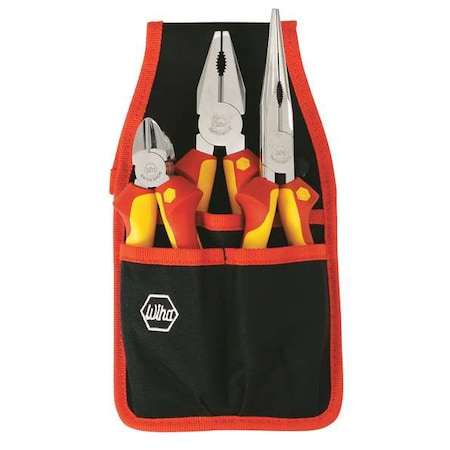
A three-piece VDE insulated plier set, individually tested at 10,000 VAC and rated for work up to 1,000 VAC or 1,500 VDC.

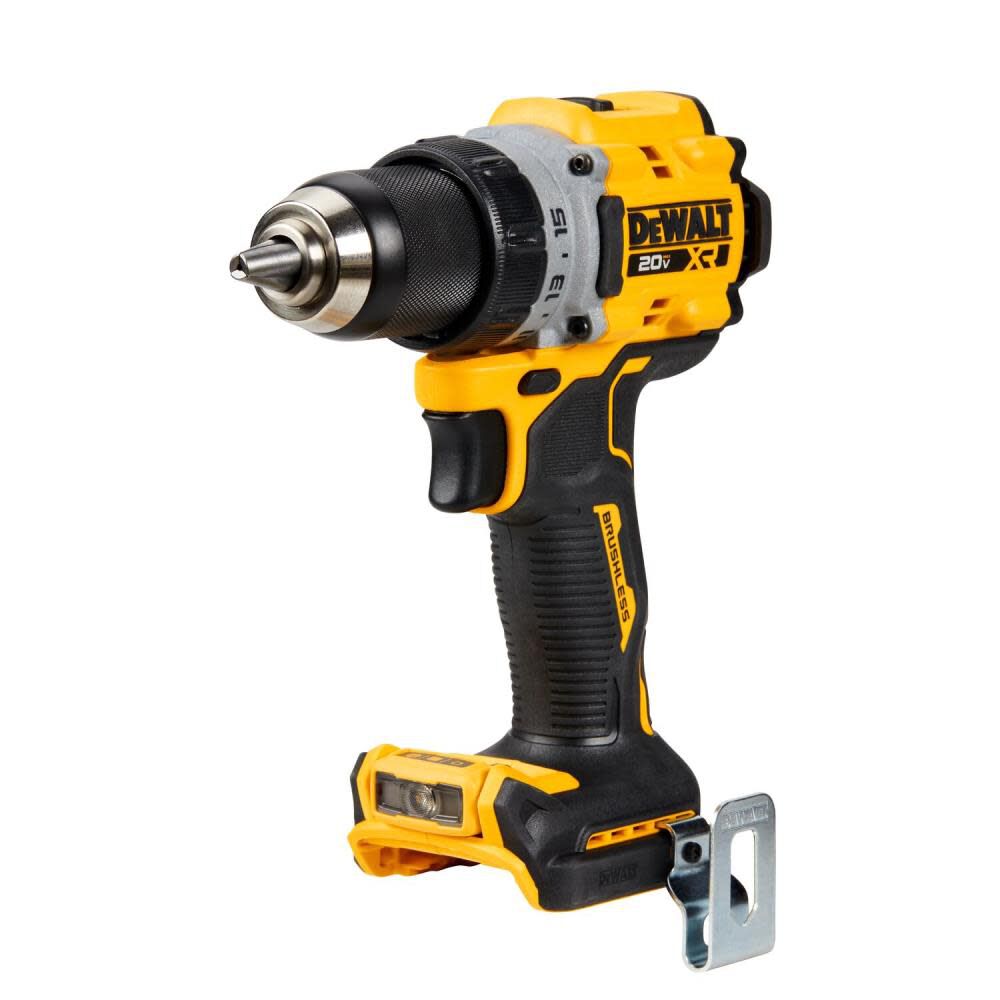
DeWalt
A 6.37-inch brushless two-speed drill/driver with a metal half-inch chuck, 15-position clutch and adjustable 70-lumen spotlight.

Makita
A seven-inch LXT hammer drill with 1,250 in-lb, 2,100 rpm, 31,500 bpm, an all-metal chuck and dust-and-water-resistant XPT detailing.
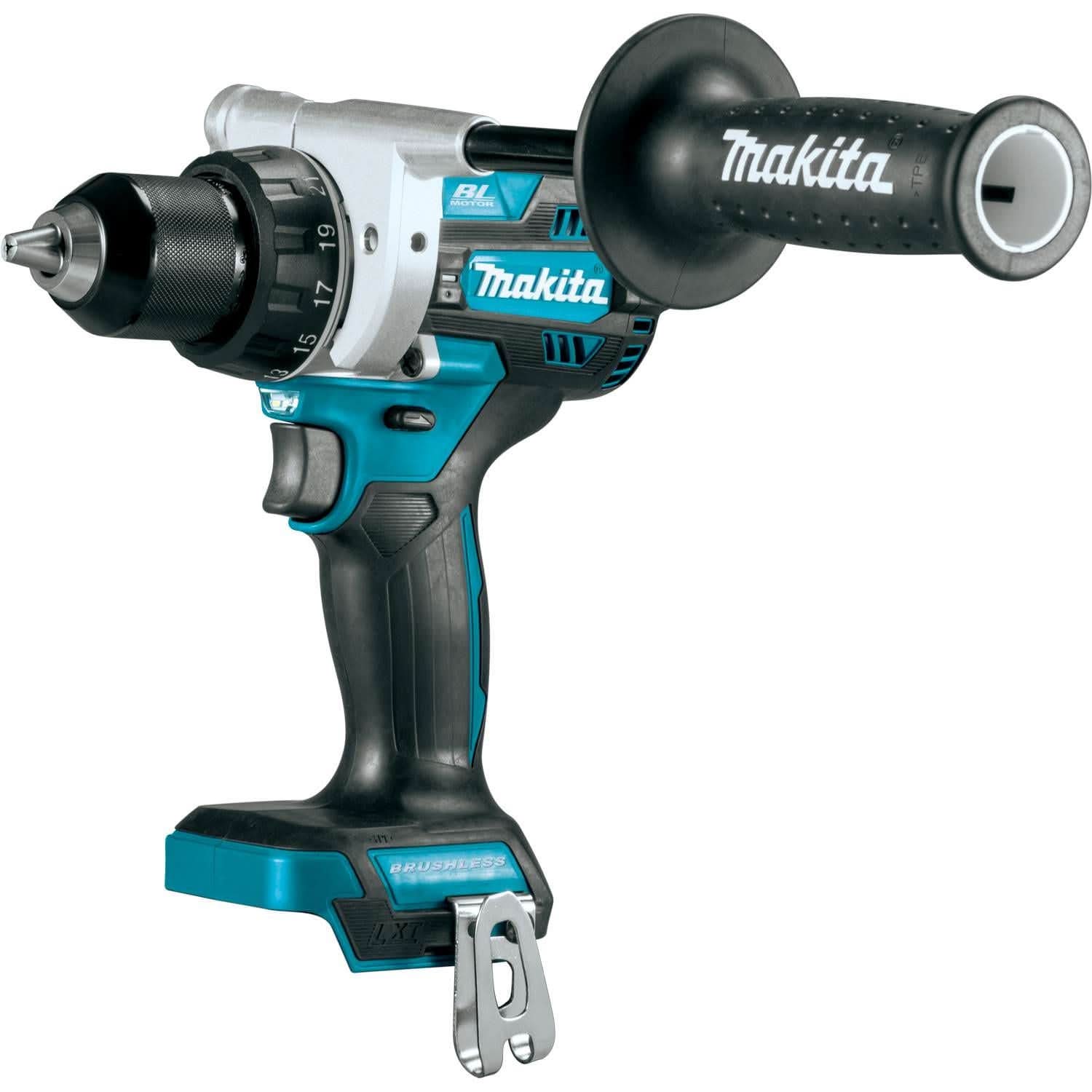
Makita
A high-torque non-hammer LXT drill with 1,250 in-lb, 2,100 rpm, a seven-inch body, all-metal chuck and XPT jobsite protection.
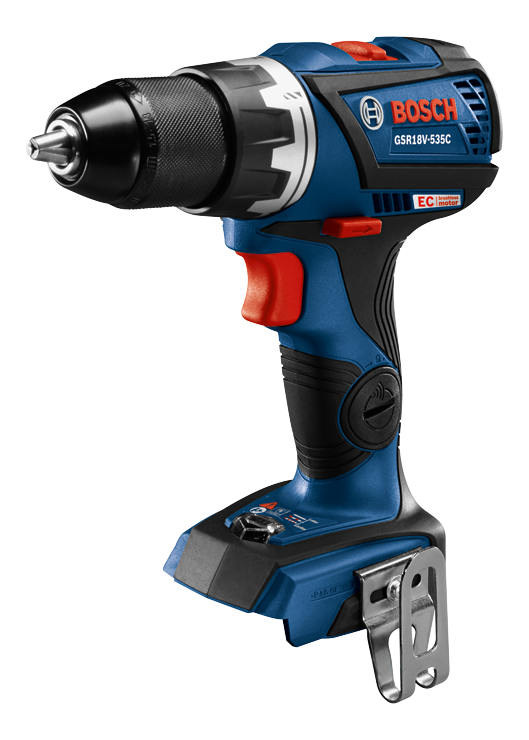
Bosch
A 2.5-pound bare Bosch brushless drill with 535 in-lb, KickBack Control, a metal half-inch chuck and optional Bluetooth connectivity.
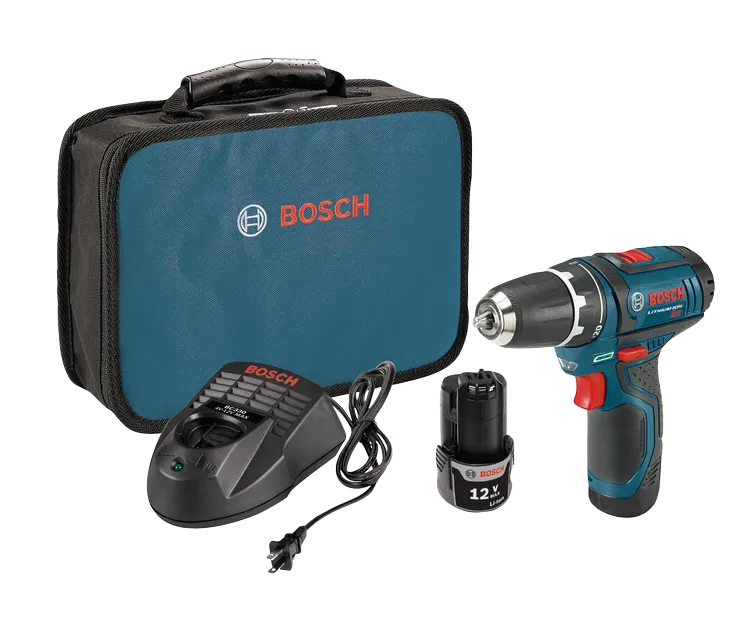
Bosch
A 1.8-pound 12-volt drill kit with 265 in-lb, two speeds, two 2.0 Ah batteries, charger, bits and a soft carrying bag.
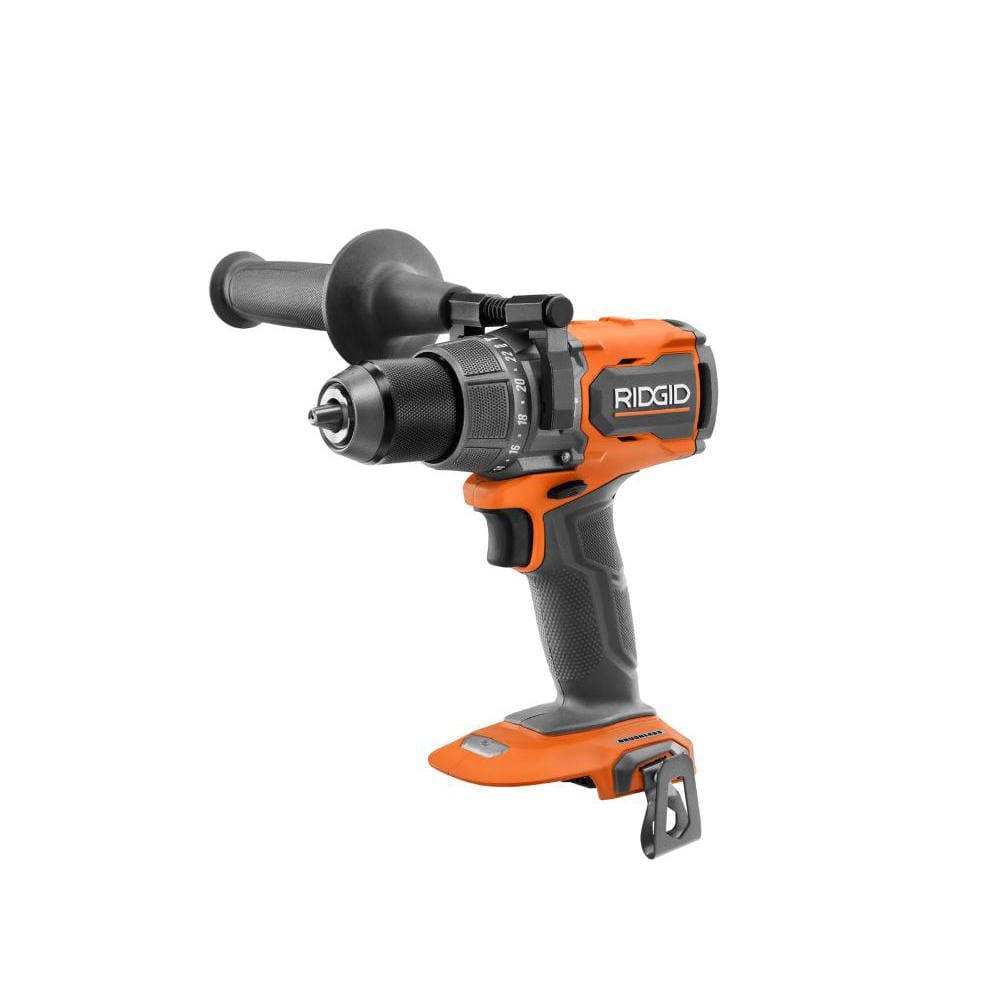
RIDGID
A 1,250 in-lb brushless hammer drill with anti-kickback control, a 32,000-bpm masonry mode and conditional lifetime service.
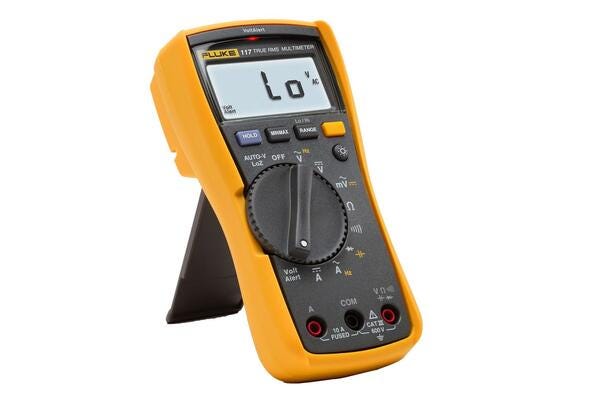
Fluke
A compact CAT III 600 V electrician's meter combining True-RMS readings, VoltAlert non-contact detection, AutoVolt and LoZ ghost-voltage rejection.
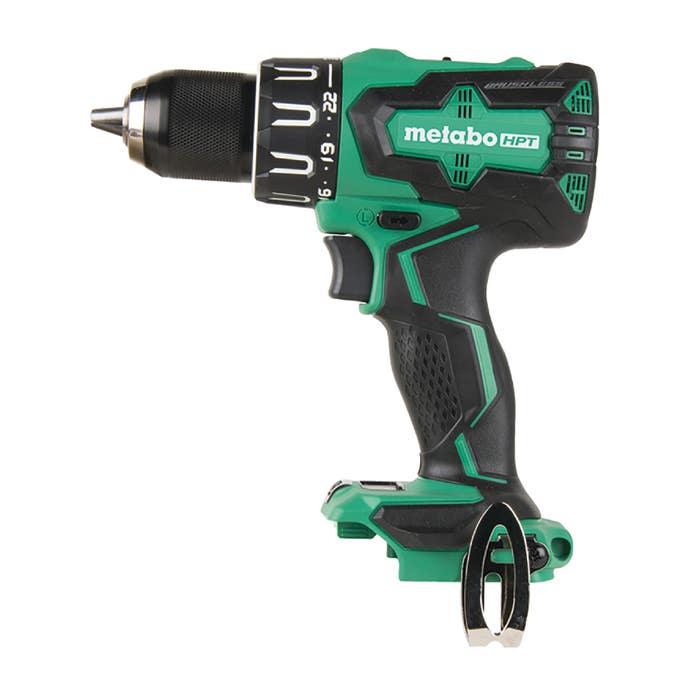
Metabo HPT
A compact 2.7-pound brushless drill with 620 in-lb, a metal half-inch chuck, 22+1 clutch and lifetime tool-body warranty.

Brymen
A 500,000-count CAT IV 1000 V meter with 0.02% basic DC accuracy, dual display, AC+DC True-RMS, VFD filtering and dual-temperature inputs.
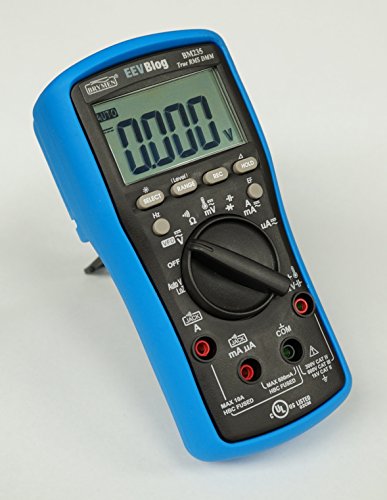
Brymen
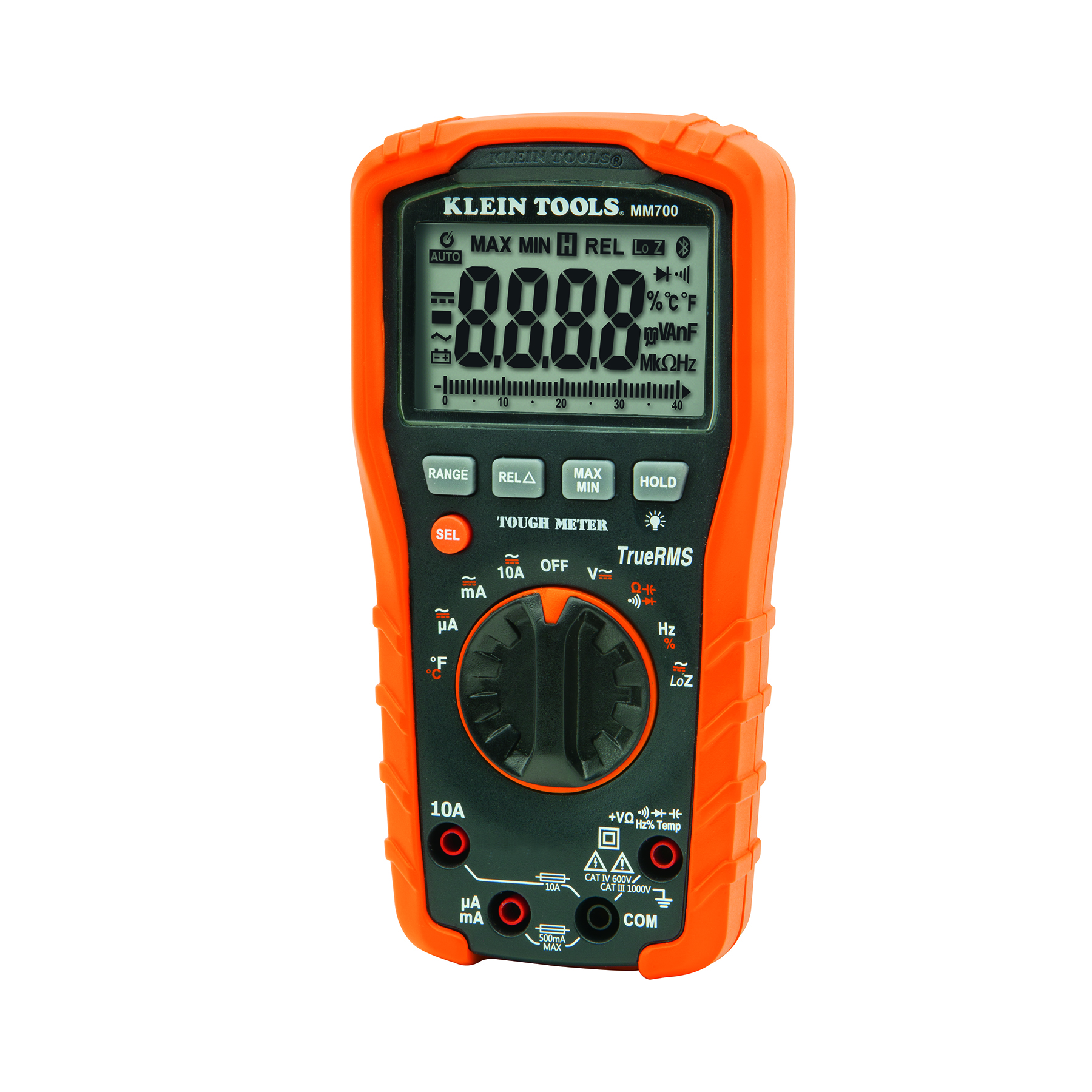
A compact 6,000-count True-RMS meter with LoZ AutoV, VFD voltage/frequency, dual-sensitivity field detection and CAT IV 300 V protection.
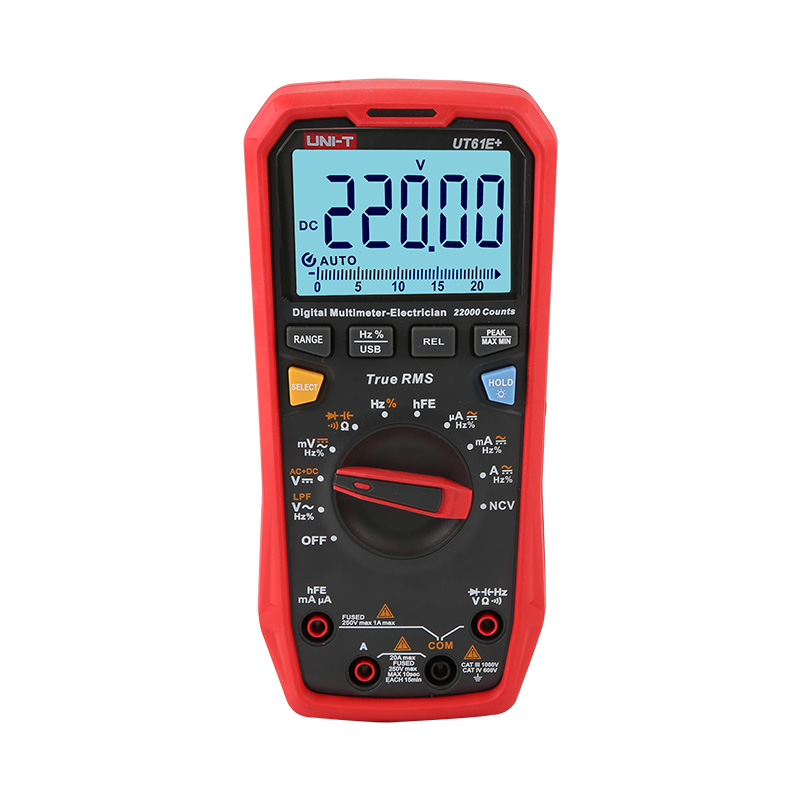
UNI-T
A 22,000-count True-RMS meter with 0.05% basic DC accuracy, 10 kHz AC bandwidth, USB logging and CAT III 1000 V/CAT IV 600 V protection.
19 products
Budget-conscious selections offering the best value and reliability for essential needs.
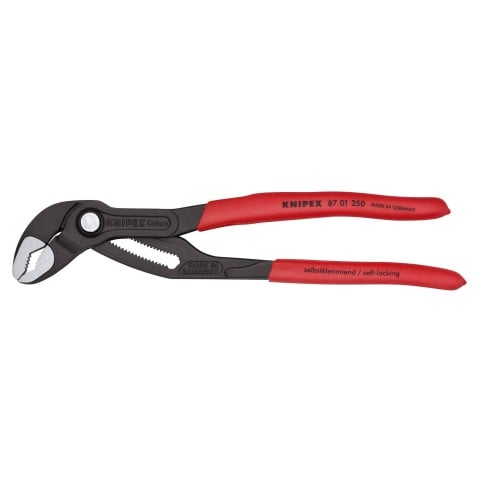
Knipex
German-made 10-inch water-pump pliers with push-button sizing, 25 positions, a self-locking jaw and replaceable adjustment hardware.
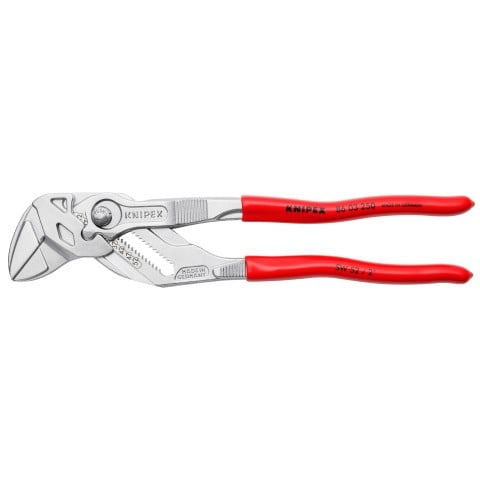
Knipex
A smooth-jaw, parallel-action 10-inch pliers wrench with push-button adjustment, scale markings and more than 10:1 leverage.
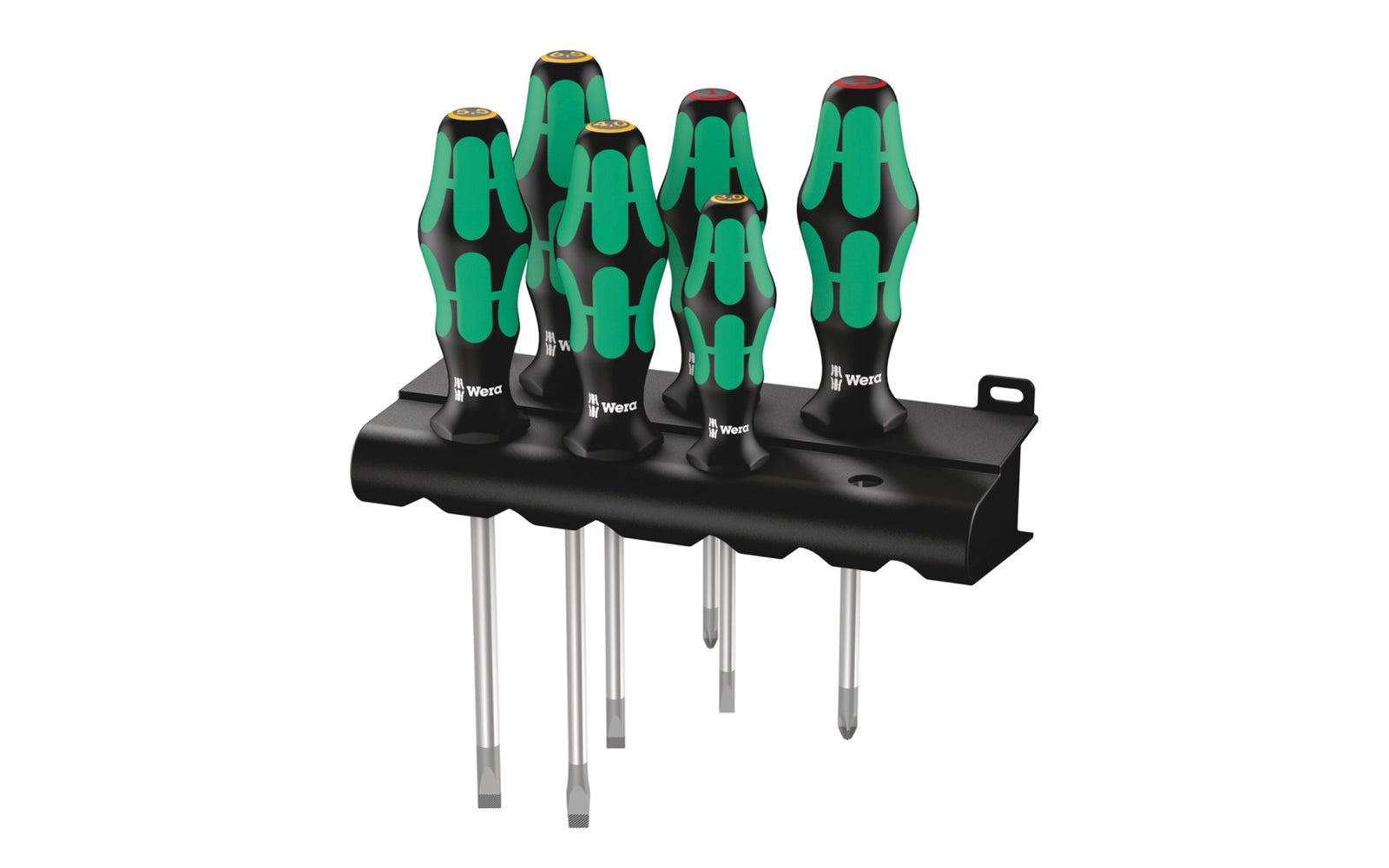
Wera
A six-piece slotted and Phillips fixed-driver set with Kraftform handles, laser-textured tips, size color coding and a storage rack.
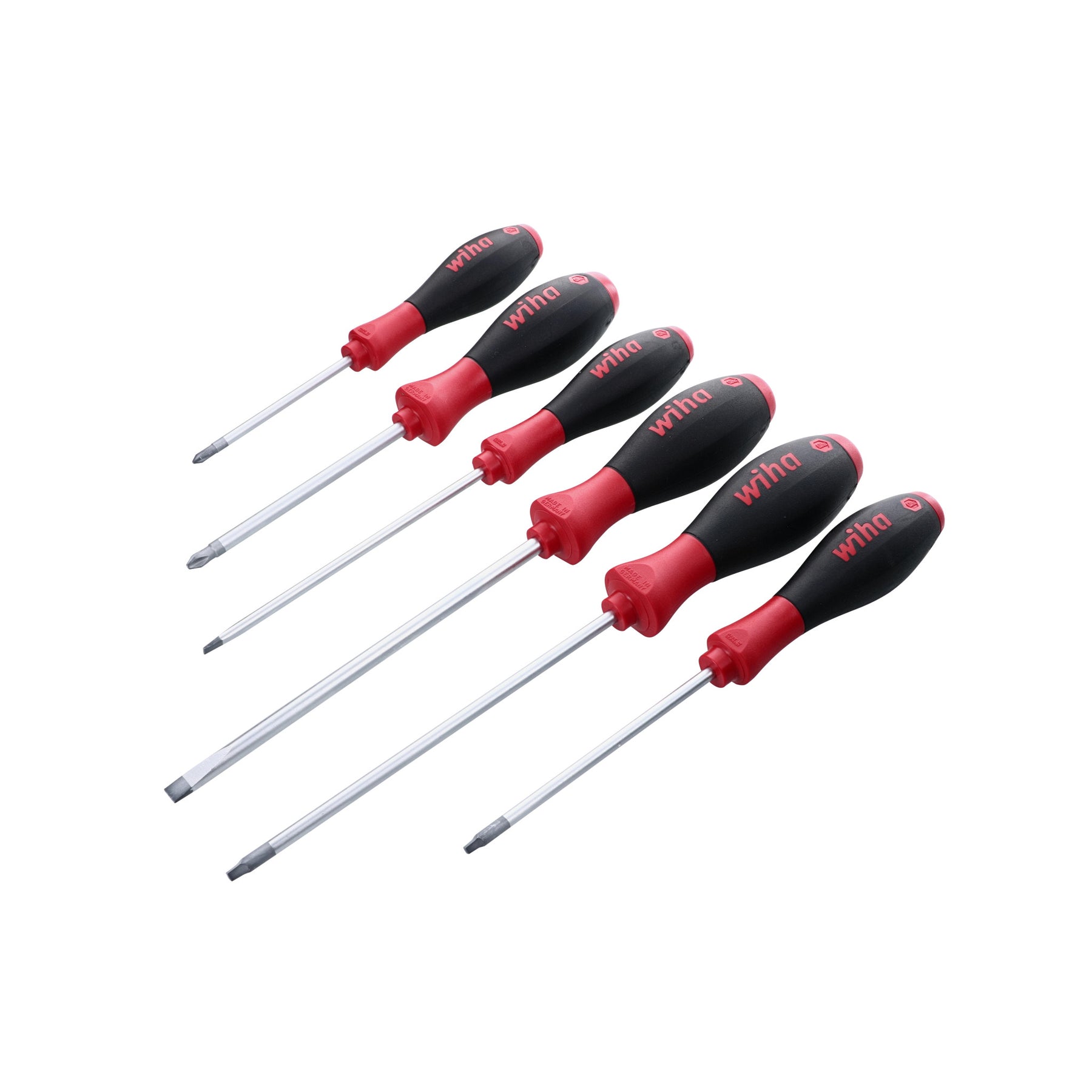
Wiha
Six German-made SoftFinish fixed screwdrivers with direct-molded dual-material handles, precision tips and anti-roll flats.
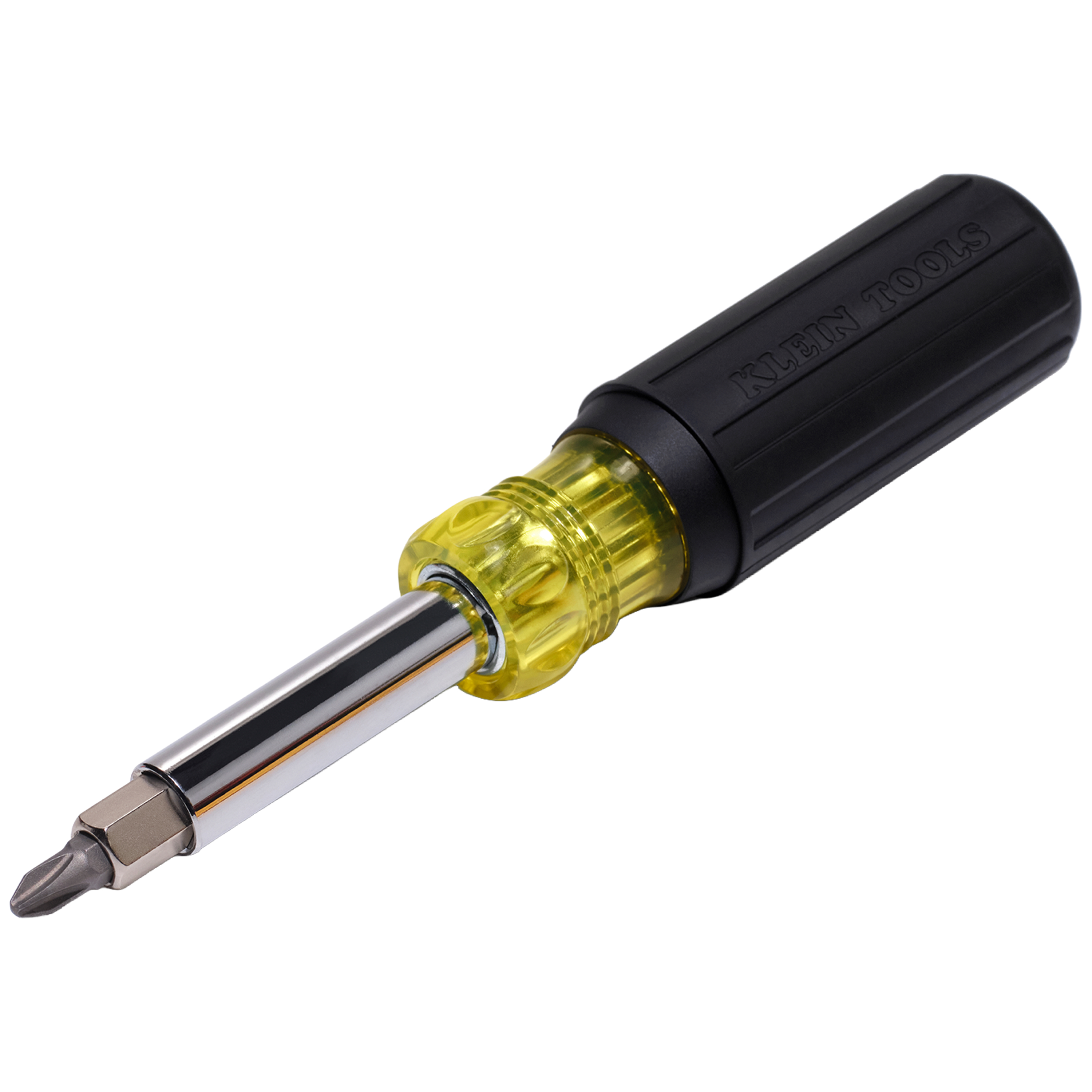
Klein Tools
A compact non-ratcheting driver with eight reversible tips, three nut-driver sizes, replaceable blades and Klein Cushion-Grip.
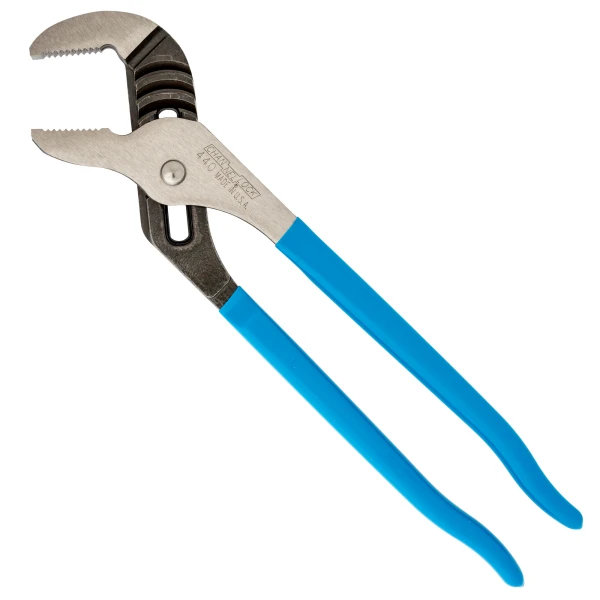
Channellock
Classic 12-inch American-made tongue-and-groove pliers with a 2.25-inch capacity, Permalock joint and laser-hardened teeth.
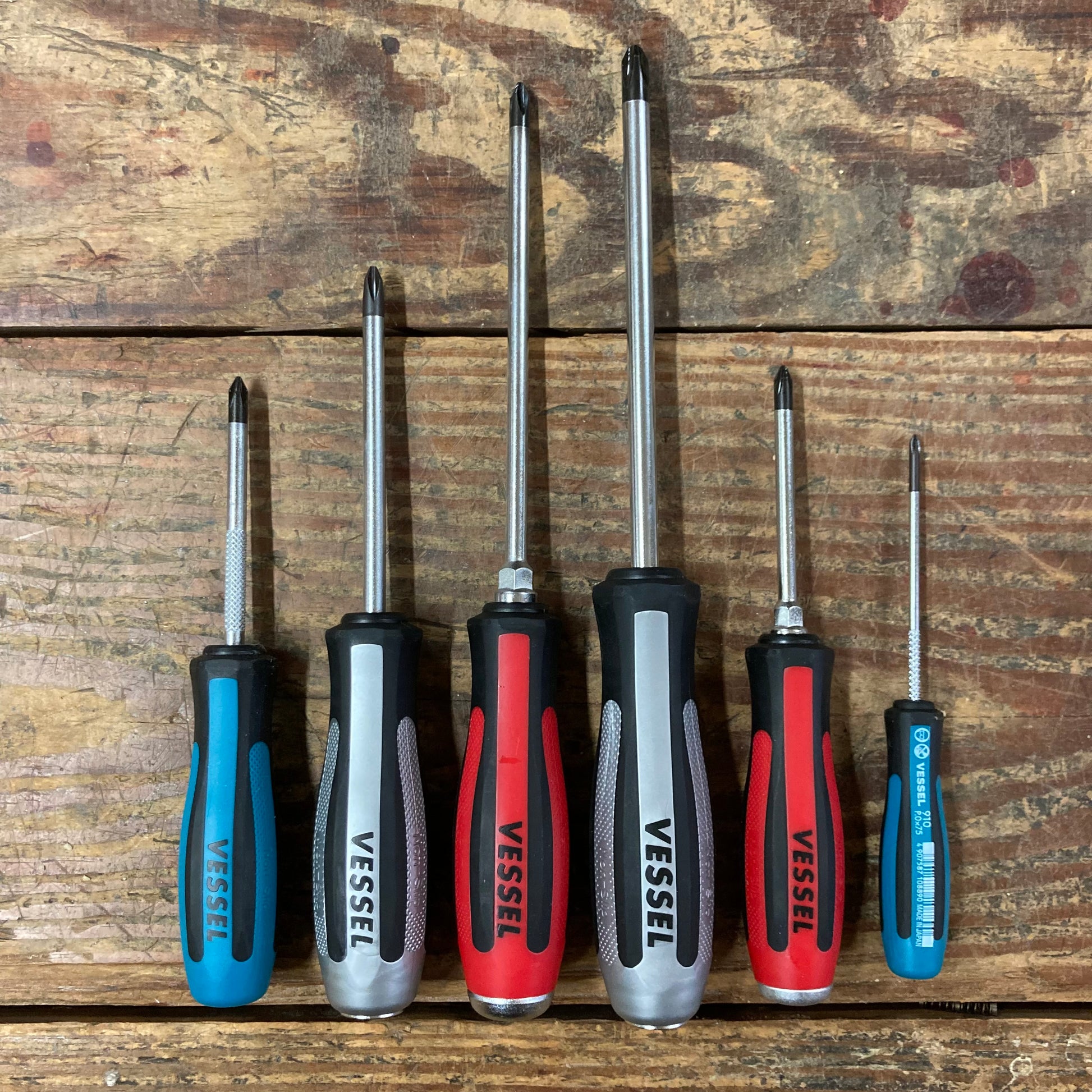
Vessel
Six Japanese cross-point drivers combining JAWSFIT tips, fast-turn knurling, wrench bolsters and manual impact-loosening models.
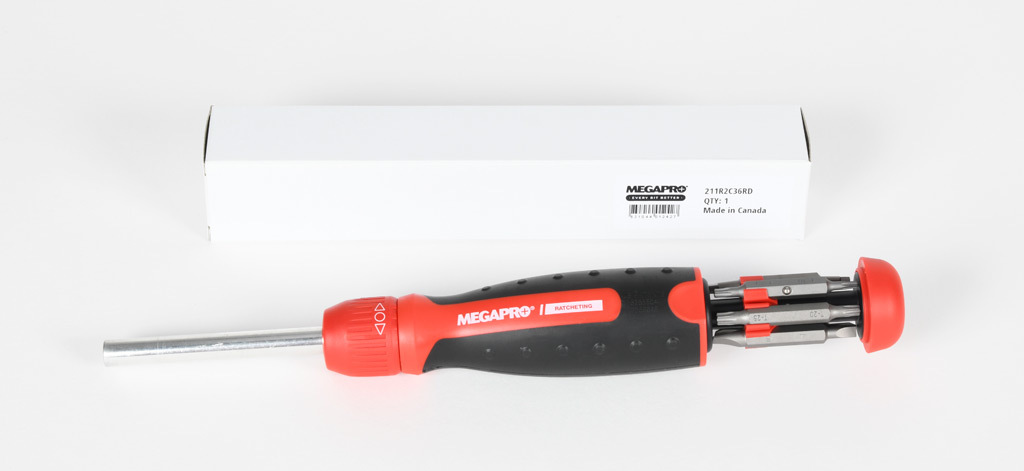
Megapro
A Canadian-made 28-tooth ratcheting driver with six double-ended bits, retractable storage and a 225-in-lb solid-core mechanism.
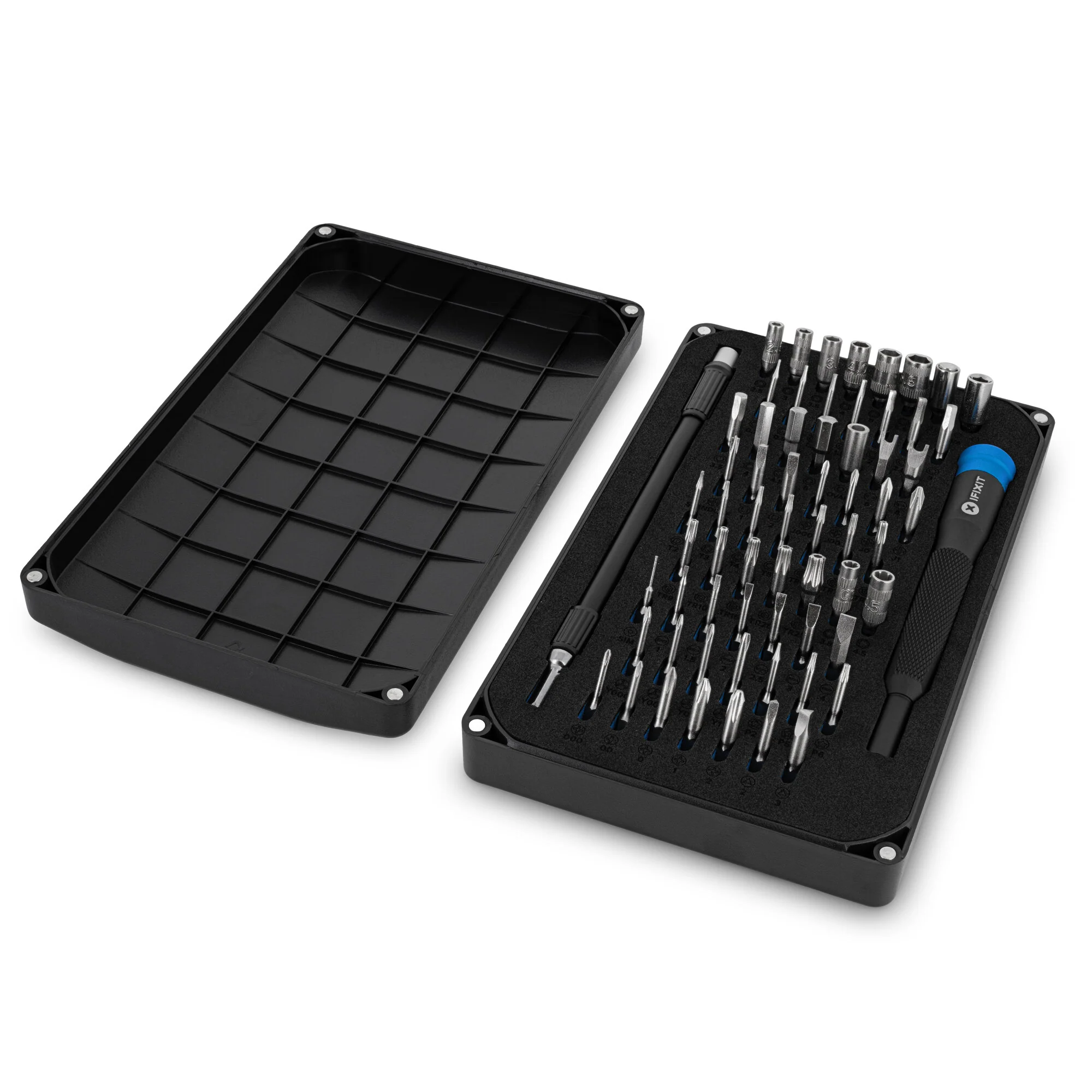
iFixit
A 64-bit electronics-repair kit with an anodized-aluminum 4 mm driver, magnetic socket, flexible extension and organized ABS case.

Wera
A seven-piece compact driver with a two-position telescopic Rapidaptor blade, six in-handle bits and manual or power-tool use.

Wiha
Five wet-grip mechanic's drivers with through hex blades, solid steel striking caps and wrench bolsters for releasing stuck screws.

Stanley
A 9.2 gal structural-foam toolbox with metal latches, IP53 protection, half tray and a lid V-groove for supporting stock.
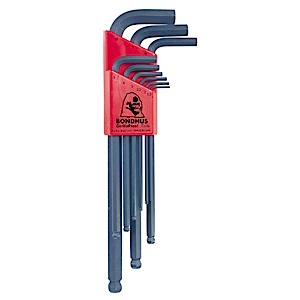
Bondhus
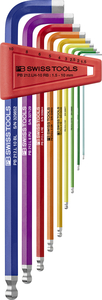
A nine-piece long-arm metric hex-key set with ball ends, ProGuard corrosion protection, Protanium steel and a color-coded holder.
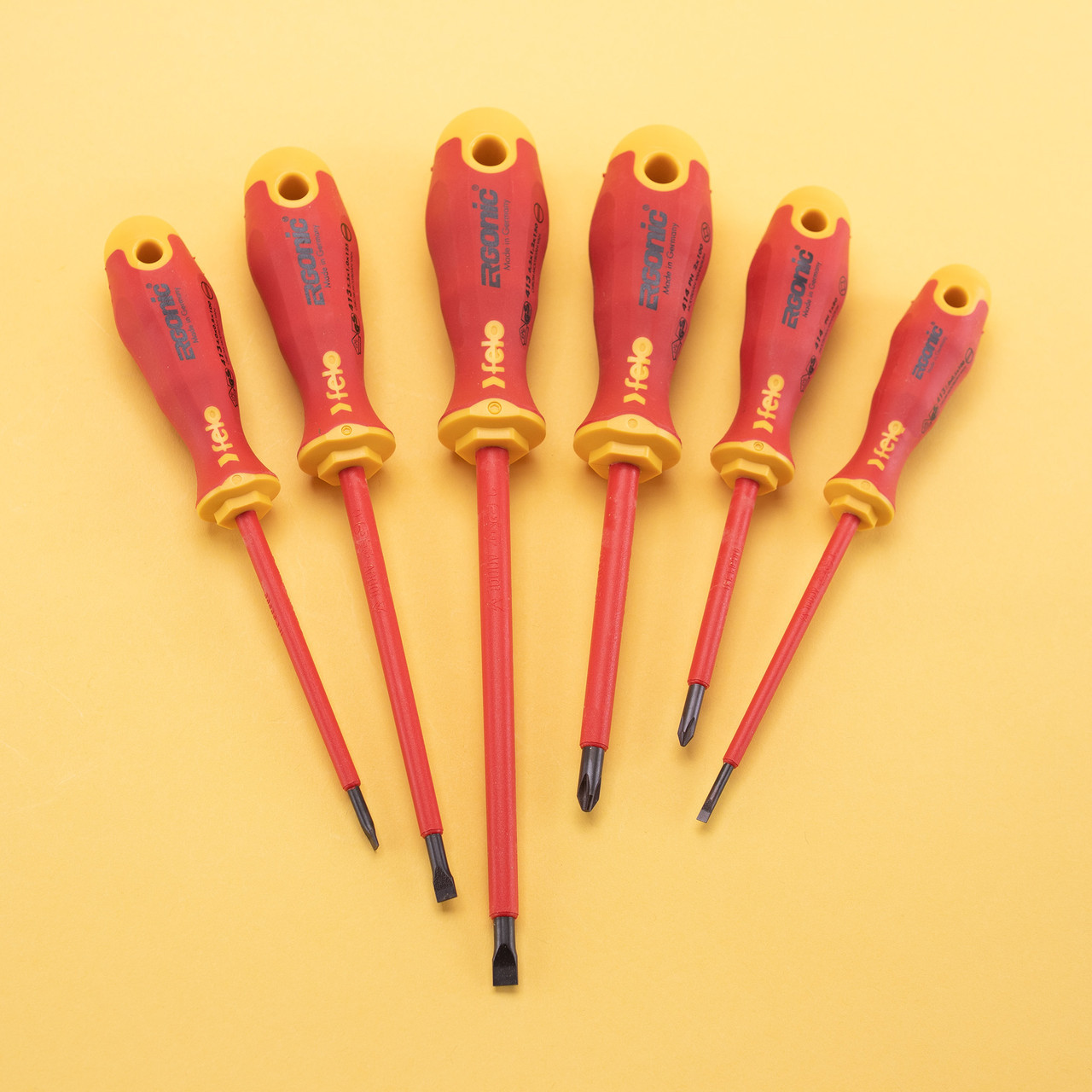
Felo
Six German-made Ergonic insulated fixed drivers rated to 1,000 VAC, with pressure-adapting handles and chrome-molybdenum-vanadium blades.
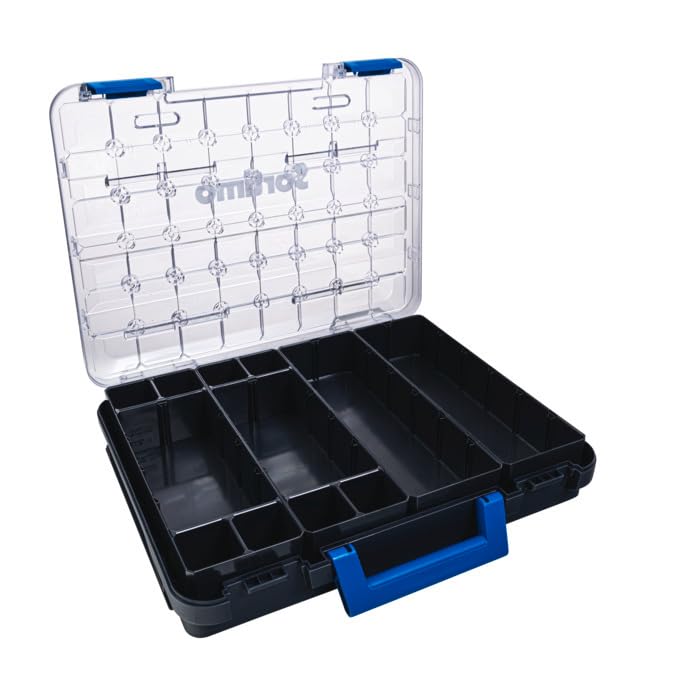
Sortimo
A clear-lid, 23-bin small-parts case that couples to T-BOXX 120 and integrates with Sortimo van and WorkMo systems.

Engineer
Japanese 160-millimeter screw-extraction pliers with vertical and horizontal jaw serrations, a return spring and an integrated wire cutter.

Stanley
A three-position ratcheting driver with six chrome-vanadium bits, magnetic quick release, in-handle storage and a textured grip.
Raaco
A lightweight recyclable-polypropylene organizer with 15 fixed compartments, clear hinged lid and two sliding locks.
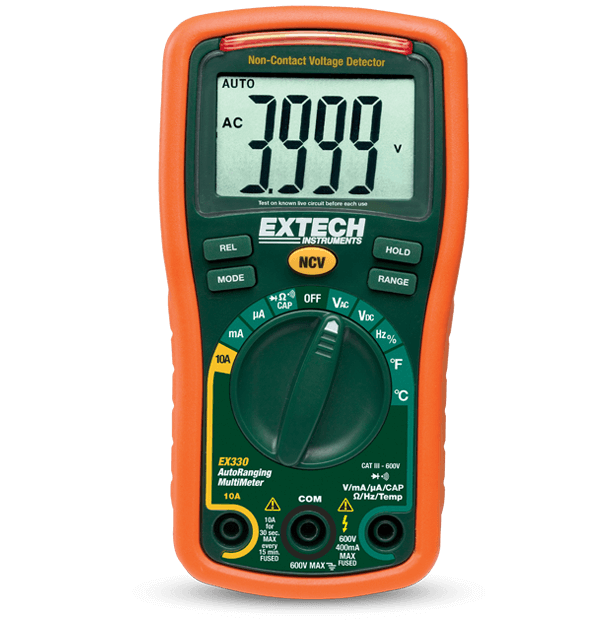
Extech
A compact 4,000-count autoranging meter with temperature and non-contact voltage detection, but average-responding AC rather than True RMS.
Buying guide
Begin with the fastener or material, required reach, working space, force or precision needed, and frequency of use. Buy the correct size and type rather than relying on stacked adapters or an oversized kit. For hand tools, compare grip shape and span in the position where the work will happen: NIOSH guidance emphasizes tools that fit the job, available workspace, and the user's hand while reducing force, repetition, and awkward posture. A tool that feels comfortable on a shelf may still be a poor choice overhead, in a cabinet, or during repeated high-force work.
Judge the working end and force path before counting features. Check wrench jaws for spreading, striking tools for mushroomed heads, wood handles for cracks or looseness, cutting edges for damage, and power tools for intact guards and switches. Controls should be reachable without losing a stable grip, and the tool should accept the accessory required for the job without makeshift modification. OSHA identifies misuse and poor maintenance as major hand-tool hazards and specifically warns against sprung jaws, cracked handles, mushroomed impact heads, missing protection, and damaged tools.
A durable purchase should have an exact-model manual, obtainable wear parts, and a realistic service path. Look for replaceable blades, bits, probes, fuses, cords, brushes, chucks, batteries, seals, or ratchet components where those parts normally wear. Confirm availability before purchase rather than assuming a brand name guarantees future support. OSHA's tool guidance calls for regular maintenance, keeping tools sharp and clean, disconnecting power before service or accessory changes, and following the user's manual for lubrication and accessories. Retire or isolate damaged equipment until it is properly repaired.
For torque tools, multimeters, and other instruments, check the stated range, accuracy specification, category or voltage rating where applicable, probe and lead condition, and whether calibration or verification service exists for the exact model. Do not infer a universal calibration interval: NIST's laboratory guidance bases interval changes on documented history, measurement-assurance data, stability, manufacturer recommendations, and risk. OSHA says defective or damaged portable electrical equipment should be removed from service and returned only after repairs and tests make it safe. Safety-critical uncertainty is a reason to stop, not improvise.
FAQ
Start with the jobs you actually perform: note the materials, fastener types and sizes, access, required force, and work space, then buy the correct tool for each recurring task. NIOSH recommends comparing non-powered hand tools for lower force, fewer repeated movements, and less awkward posture. A compact, well-fitting set is preferable to a large kit that encourages improvised use.
Check the working end and the handle before purchase and before use. OSHA identifies sprung wrench jaws, loose, cracked or splintered wooden handles, mushroomed impact-tool heads, cracked saw blades, and damaged tools generally as hazards. Favor designs whose condition is easy to inspect, and take a tool out of service when damage can cause slipping, breakage, or flying fragments.
Match the tool to its environment and do not treat guards as optional. OSHA says moving parts and cutting areas require appropriate guarding; electric tools should use grounding, double insulation, or an appropriate isolation system, and damaged portable electric tools should be removed from use. Also inspect cords, switches, housings, and guards, and confirm the manual permits the intended wet, dusty, or other conditions.
Choose the meter and leads as one safety system, with both carrying the measurement category and voltage rating appropriate to the electrical environment. Fluke advises inspecting lead insulation, probe handles, plugs, and molded junctions for cracks or gaps, then checking electrical continuity before use. Replace worn or underrated leads rather than assuming a good meter compensates for them.
Buy only when the maker supplies clear operating, lubrication, accessory-change, and service guidance for the exact model. OSHA advises regular maintenance, pre-use damage checks, keeping tools sharp and clean, disconnecting power before servicing or changing accessories, and storing electric tools dry. Availability of ordinary wear parts is useful, but it does not override inspection or safe retirement of compromised parts.
Verify that the guard is present, correctly positioned, and compatible with the tool and wheel. OSHA says an abrasive wheel should be inspected for damage before mounting, fit freely on the spindle, and carry a maximum operating speed that the machine will not exceed; manufacturer recommendations still apply. Reject cracked or questionable wheels and never buy a used grinder whose safety guard is missing.
Honoring the visionaries whose work paved the way for the products we rely on today.
As a Walworth Company mechanic, Stillson created the adjustable serrated-jaw pipe wrench and received U.S. patent 95,744 on October 12, 1869. The design lets the jaws tighten their grip as force is applied to the handle, making it useful for threaded pipe work.
DeWalt developed and patented an adjustable radial-arm electric saw in the early 1920s. The machine, sold as the Wonder-Worker after DEWALT Products Co. was founded in 1924, combined several cutting operations without a major setup change and influenced portable jobsite machinery.
Black and Decker founded their Baltimore machine shop in 1910 and patented a hand-held electric drill with a pistol grip and trigger switch in 1917. That form factor helped move powered drilling toward a portable tool suited to workshop and repair use.
Research last refreshed
Paul T. Baker, James M. McKendry, and George Grant · 1960
Using time-exposure photography, the authors mapped the three-dimensional “space envelope” needed to operate common hand tools. Measurements from six right-handed subjects with large hands were intended to inform maintenance-access design and clearance around serviceable equipment.
C. O. Bechtol · 1954
This journal article documents grip testing with a dynamometer whose handle spacing can be adjusted. Its measurement approach is relevant to matching tool-handle dimensions to the hand and to comparing hand strength without assuming that one fixed grip span suits every user.
J. V. Toews · 1964
This occupational study examines hand strength in steelworkers and supplies an early empirical reference for a workforce engaged in demanding manual tasks. Such measurements help frame realistic force demands when selecting handles and tools for repeated repair and fabrication work.