6.6/10
Durable buying guide
Durable cutting boards and prep surfaces should provide a stable, food-contact-safe work area and remain smooth enough to clean effectively. Compare wood, polymer, rubber, and composite options by maintenance needs, wear resistance, knife feel, size, and stability.
2 products
Superior features, extended warranties, and high-end materials for enhanced performance.
Notrax
A one-inch commercial rubber board with NSF certification, a resilient knife-friendly surface and sandable wear.
7 products
A balanced blend of performance, quality, and price for the discerning user.
John Boos
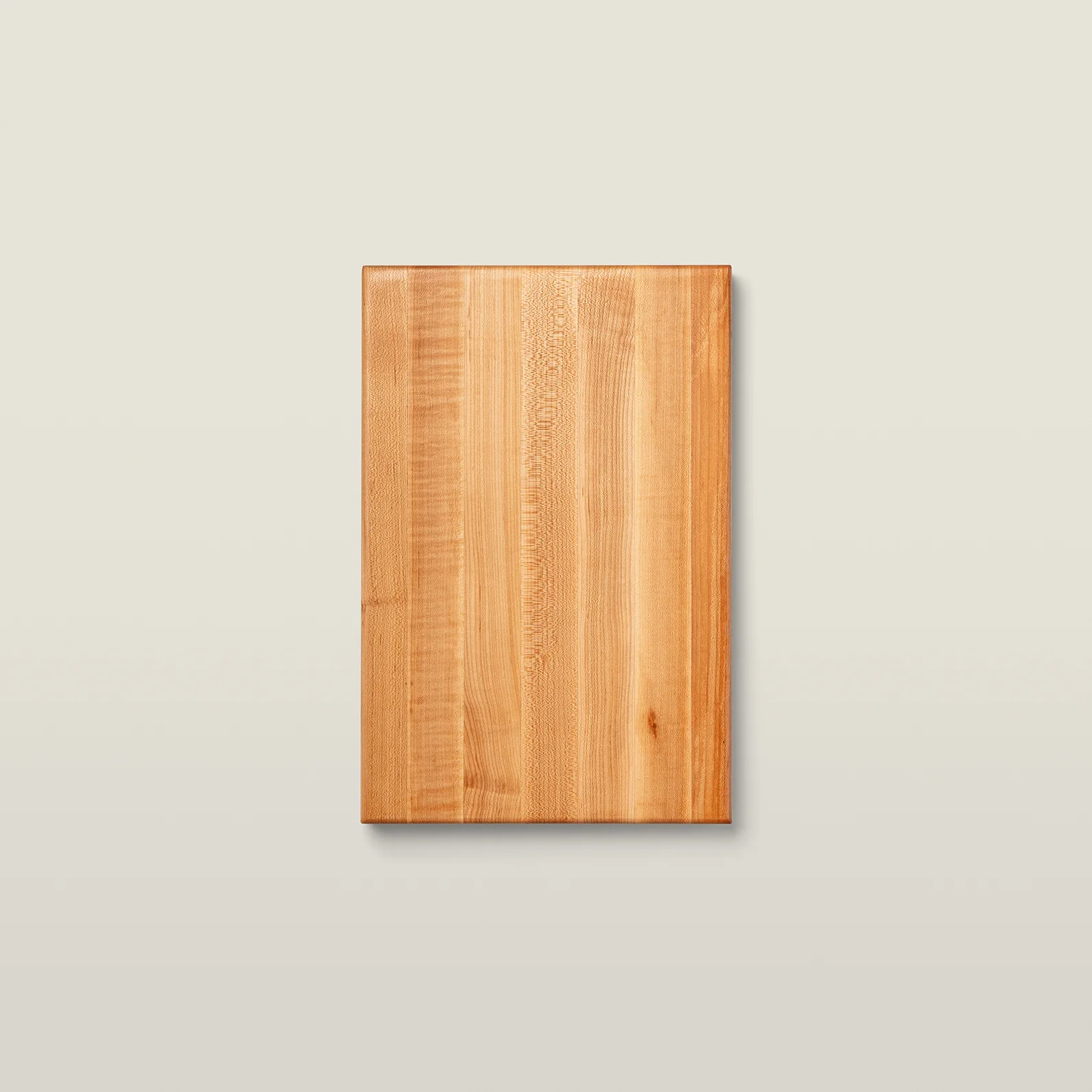
A reversible 1.5-inch edge-grain hard-maple board with recessed hand grips, an oil finish and NSF certification.
Brooklyn Butcher Blocks
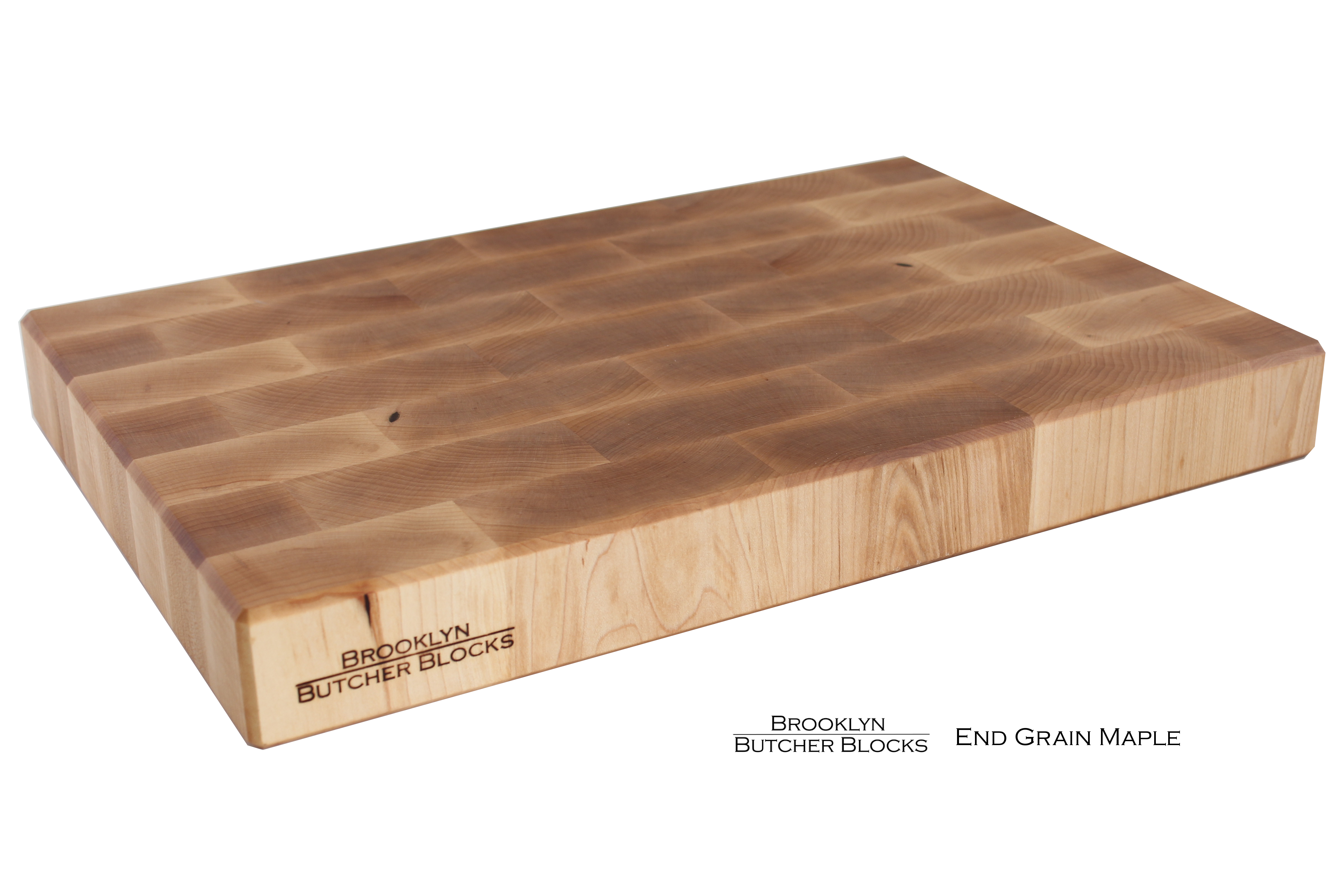
A large brick-pattern end-grain maple butcher block made to order in Brooklyn from primarily regional US lumber.
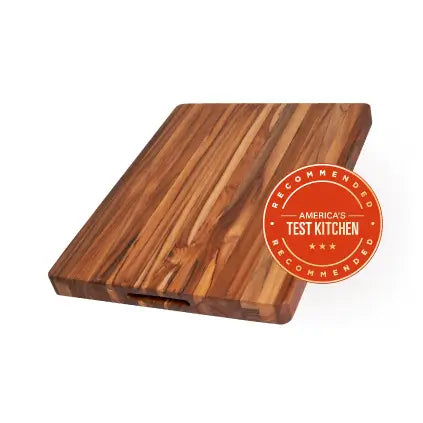
Teakhaus
A reversible FSC-certified teak edge-grain board with a 1.5-inch profile and integrated hand grips.
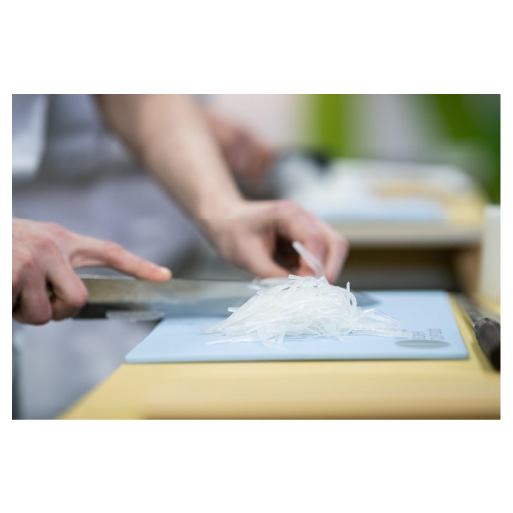
Hasegawa
A lightweight Japanese soft-polyethylene prep mat designed to protect knife edges when used over a larger board.
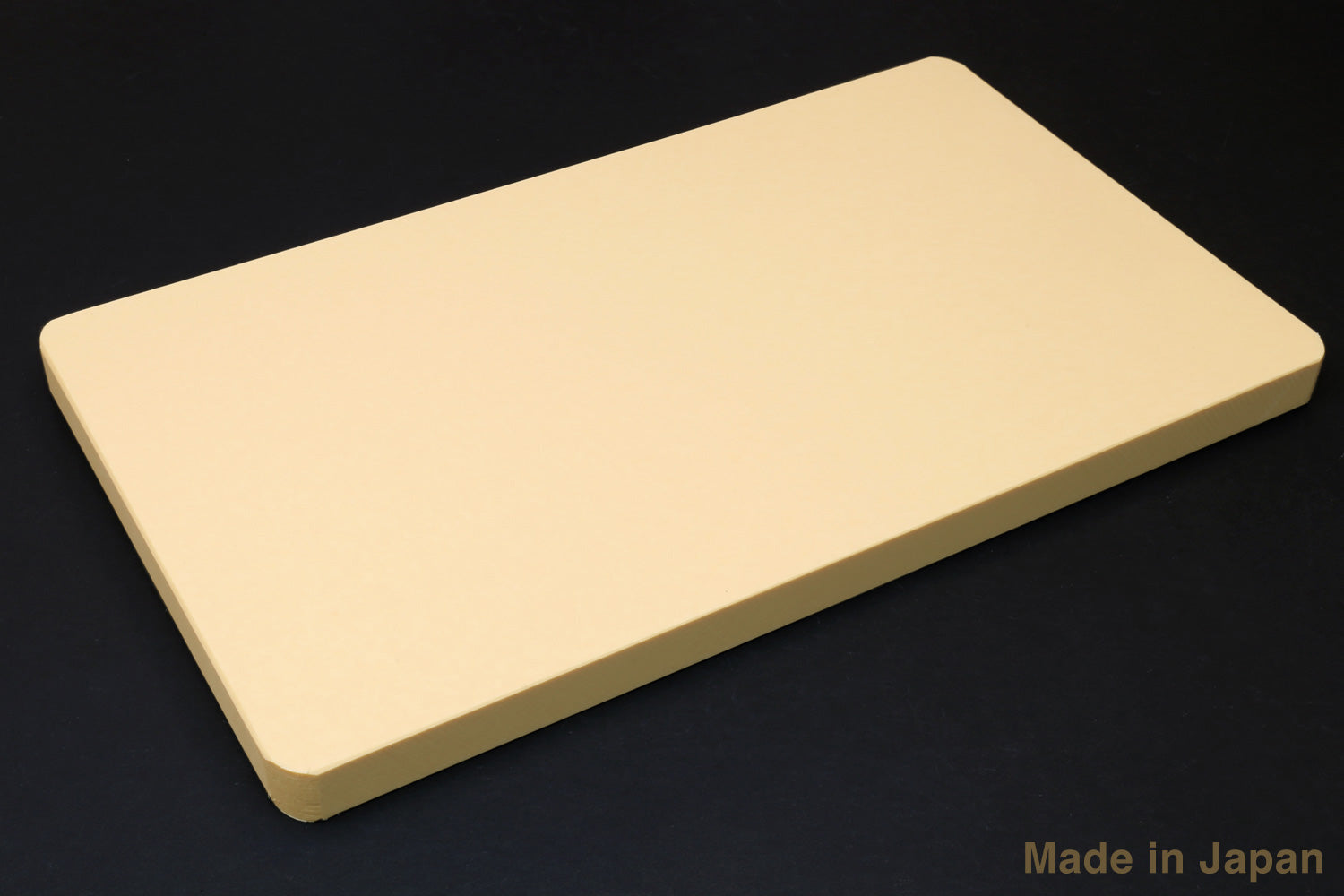
Yoshihiro
A thick, soft LDPE board from Japan designed to reduce edge impact on fine single- and double-bevel knives.
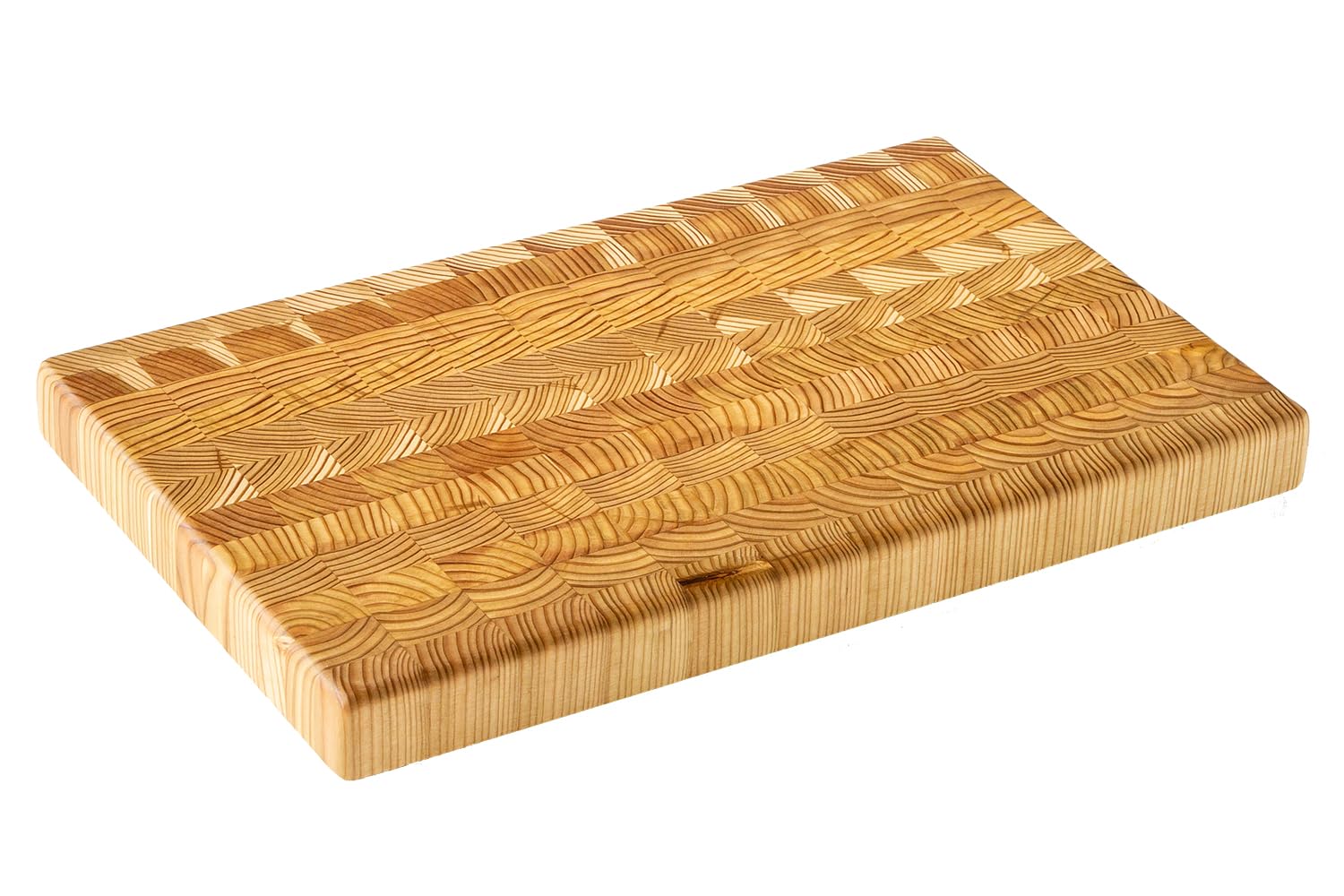
Larch Wood Canada
A compact Canadian larch end-grain board with a handhold, ventilating rubber feet and a 10-year guarantee.
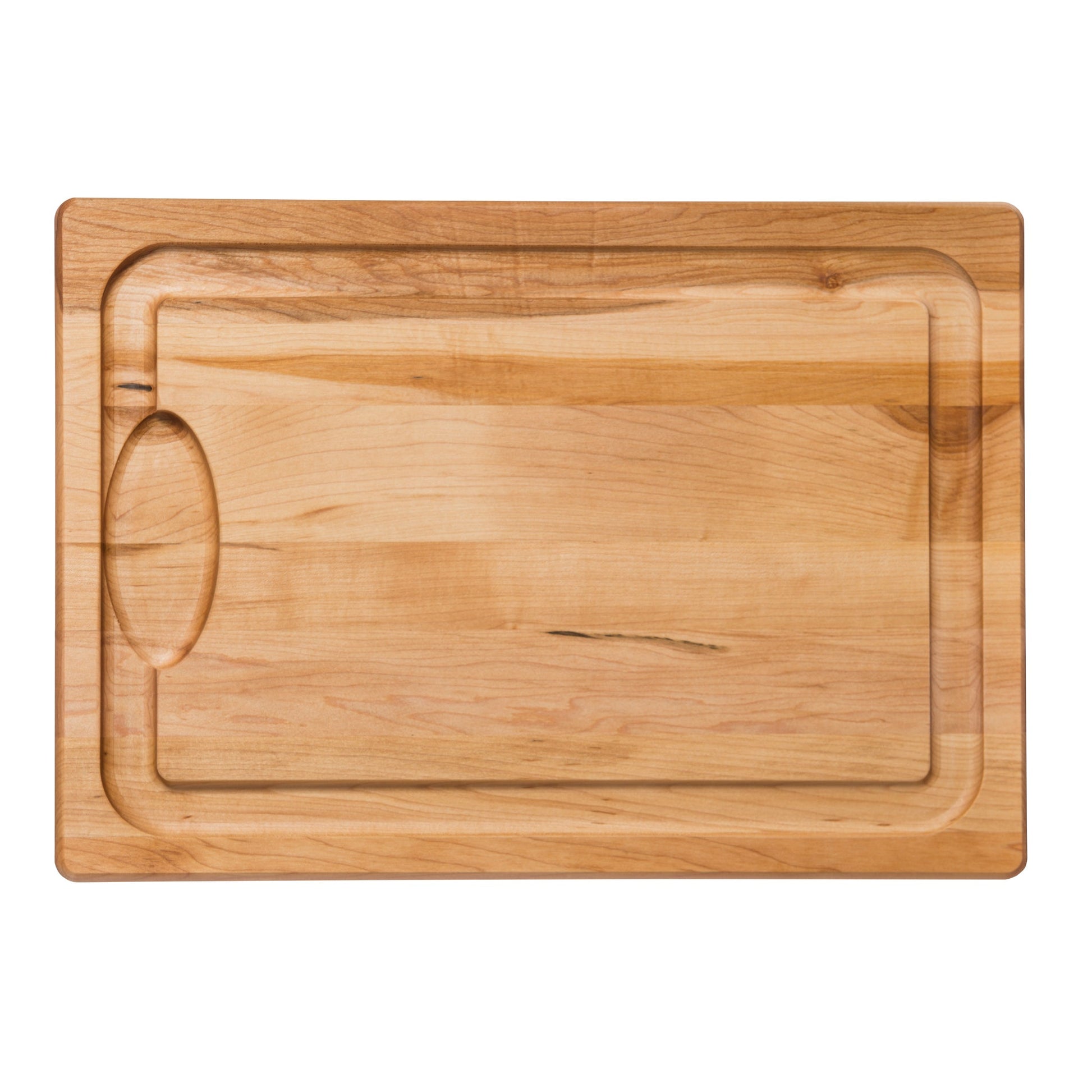
JK Adams
A slim USA-made maple carving board with a juice groove, renewable oil-and-wax finish and lifetime guarantee.
3 products
Budget-conscious selections offering the best value and reliability for essential needs.
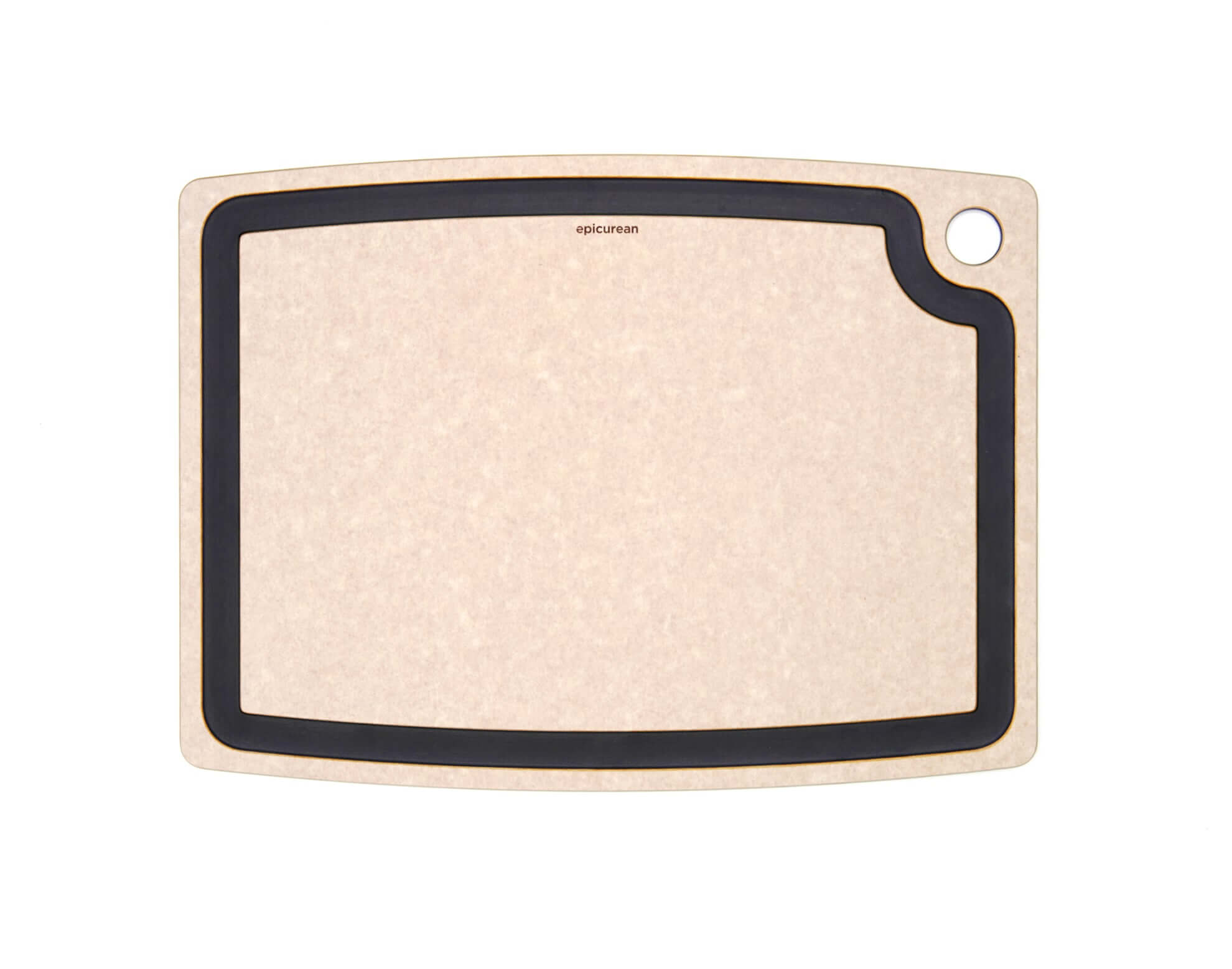
Epicurean
A 3/8-inch paper-composite board with a juice groove, dishwasher-safe construction and lifetime warranty.
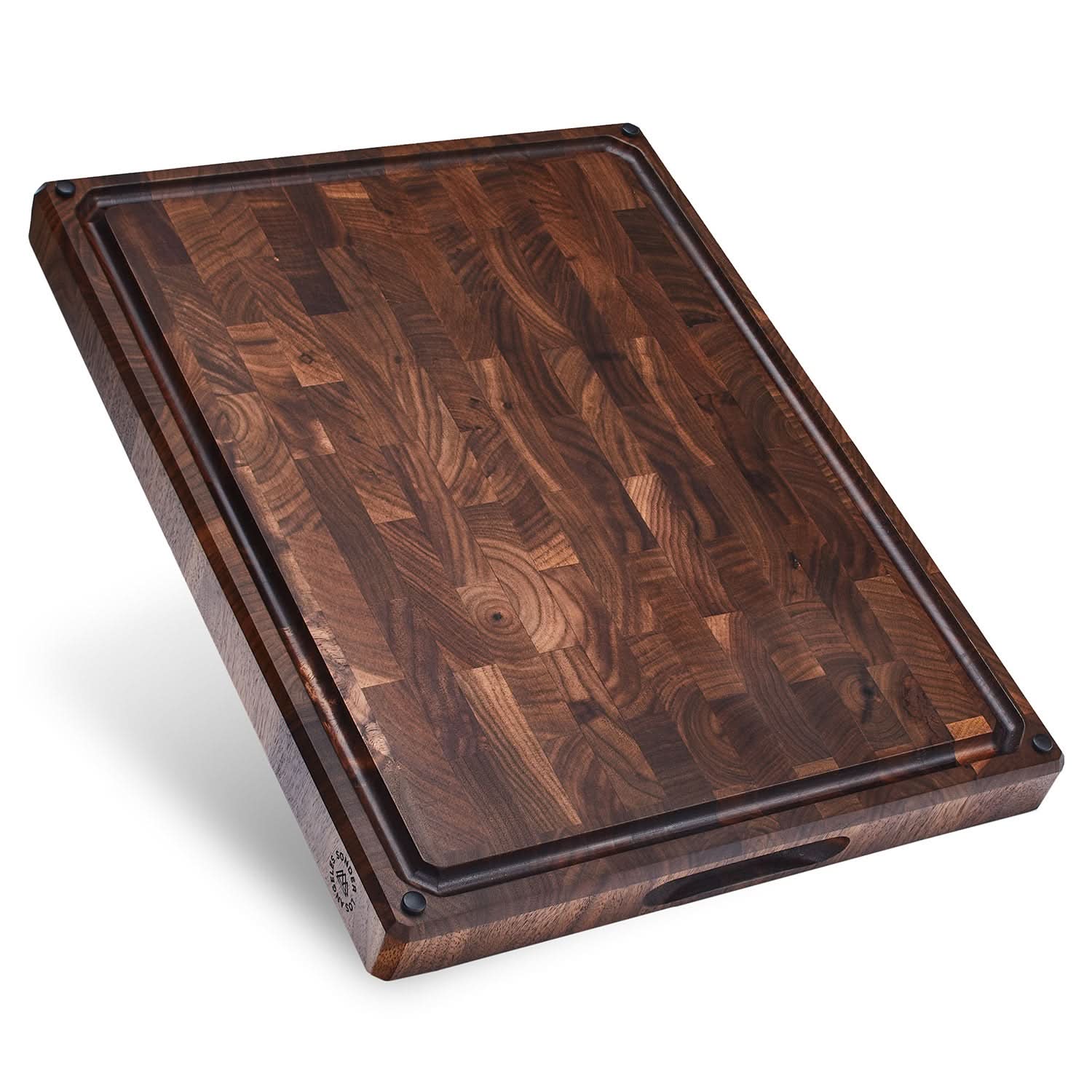
Sonder LA
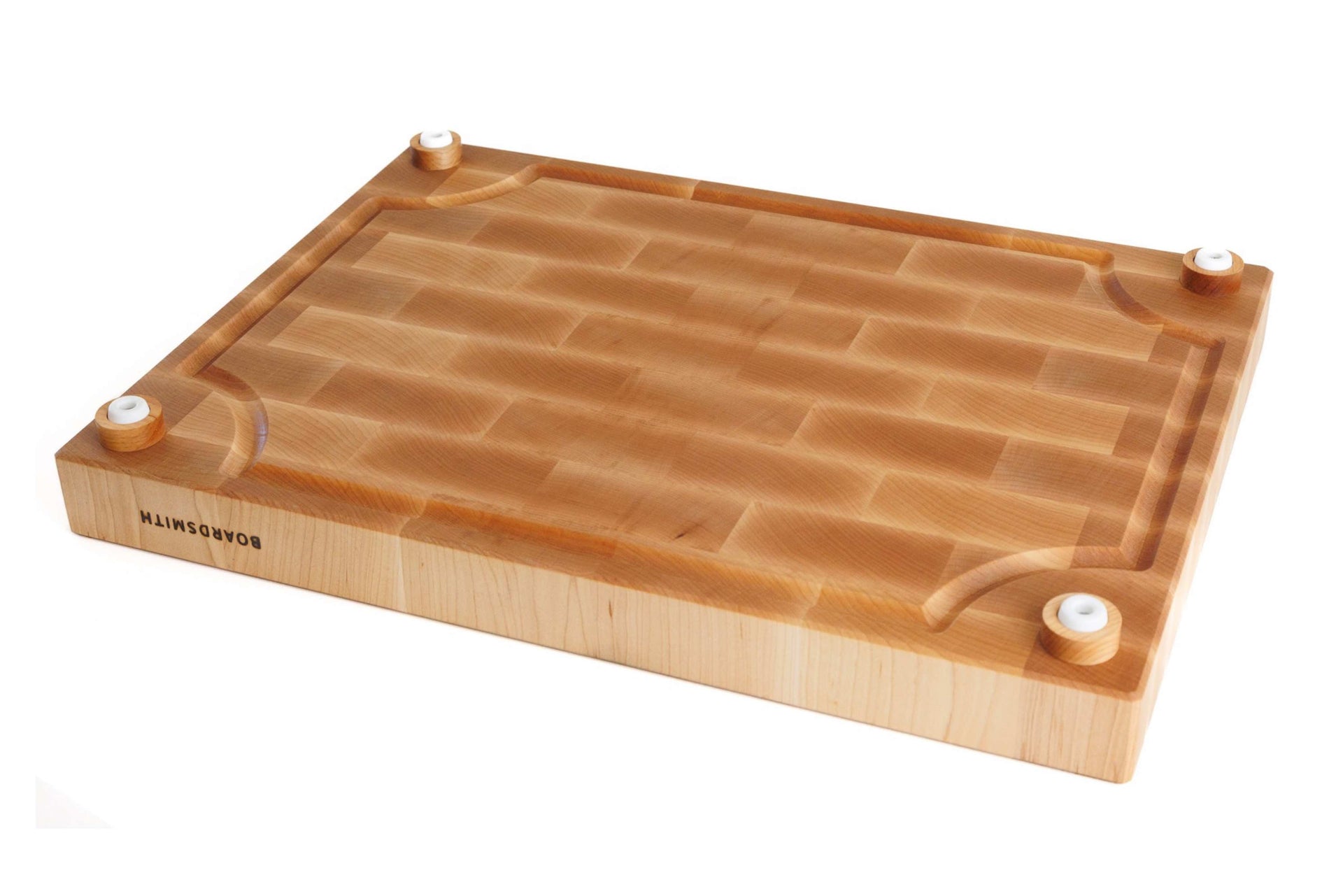
A 1.5-inch American-walnut end-grain board with a juice groove, three prep wells and removable feet.
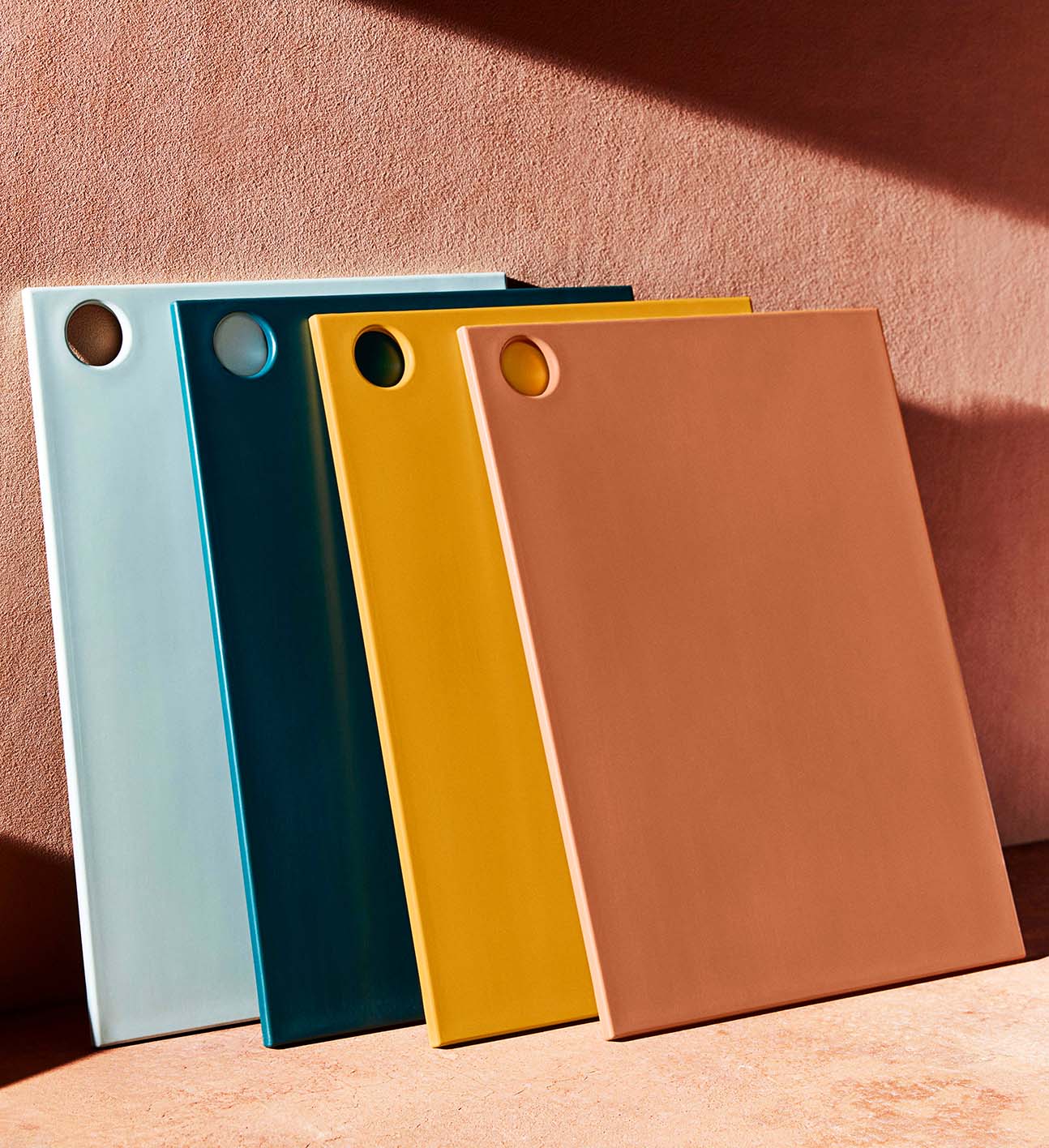
Material Kitchen
A discontinued dishwasher-safe board made with recycled plastic and renewable sugarcane rather than virgin plastic.
Shop by brand
Buying guide
Wood and plastic can both serve well when their care fits the kitchen. The FDA Food Code permits hard maple or equivalently hard, close-grained wood for cutting boards in food establishments, while University of Maine Extension describes wood as durable and knife-friendly and plastic as easy to clean and often dishwasher-safe. Avoid treating any material as automatically hygienic; condition, cleaning, and intended use matter more.
Favor a stable board with a smooth working face and no open seams, cracks, chips, pits, or hard-to-clean crevices. Those are not merely cosmetic defects: the FDA Food Code uses the same cleanability criteria for multiuse food-contact surfaces. For a long-service purchase, inspect glue lines and edges, reject boards that rock on a flat counter, and choose enough usable area for your normal knife work rather than paying for decorative features that reduce prep space.
A durable setup may require two practical boards rather than one showpiece. University of Minnesota Extension advises keeping ready-to-eat foods off a board used for raw meat, poultry, seafood, or eggs unless it has first been properly cleaned and sanitized; University of Maine Extension likewise recommends separate boards to reduce cross-contamination. Distinct sizes or colors make the rule easier to follow, but only if each board is large enough to use and easy to clean.
Match the board to how it will actually be washed. University of Minnesota Extension recommends a smooth, food-contact-approved surface, proper cleaning and sanitizing, and complete drying; it also warns that deep scratches and grooves can shelter germs. For wood, John Boos advises towel-drying and then air-drying upright in a ventilated area to limit pooling, warping, and cracking. Confirm the maker’s dishwasher and care instructions before purchase rather than assuming all boards tolerate heat or soaking.
Long life should not mean keeping an uncleanable surface indefinitely. University of Minnesota Extension says to replace a board once heavy wear leaves deep grooves or scratches, and the FDA Food Code calls for multiuse food-contact surfaces to remain smooth and free of breaks, cracks, chips, pits, and similar imperfections. Before buying, consider replacement cost and whether the design can be inspected on every face; in use, retire it when damage, persistent instability, or inaccessible crevices defeat thorough cleaning.
FAQ
Choose by maintenance, knife feel, weight, and how you will clean it rather than assuming one material is inherently sanitary. Wood and plastic both have tradeoffs, while hard glass can be rougher on knife edges. A board should also be stable enough that it does not slide during cutting.
Use a board large enough to hold the food and the full cutting motion without crowding the edge. It should sit flat and resist slipping; a stable surface reduces the chance of the knife or food moving unexpectedly. Also confirm that the board fits your sink and drying area so routine cleaning remains practical.
Using separate boards is a practical way to reduce cross-contamination. FDA guidance says to consider one board for raw meat, poultry, and seafood and another for foods that will not be cooked, such as raw produce. Regardless of the system, wash the board with hot, soapy water after each food item and before changing tasks.
Cleaning and sanitizing are different steps. First remove debris, wash with detergent and warm water, and rinse away the soil and cleaner. When sanitation is warranted, use a food-contact-safe sanitizer exactly as its label directs, including concentration and contact time, then follow the product's rinsing and drying directions.
Inspect the working face, edges, and joints. Knife-scarred plastic can become difficult to clean, so deep grooves that retain residue are a meaningful warning sign. Stop using a board for food preparation if it is cracked, delaminating, shedding material, unstable, or cannot be cleaned effectively; minor wood scratches may be sandable when the maker permits it.
Follow the maker's instructions because finishes and construction vary. John Boos directs owners to clean with mild soap and water, wipe all surfaces dry, allow residual moisture to air-dry, and apply food-grade board oil as needed. It also recommends spreading wear across the surface and permits fine-grit sanding for minor scratches on its boards.
No. Dishwasher suitability depends on the exact material, finish, adhesive, and manufacturer instructions. Some small plastic boards and specially treated wood boards may tolerate a dishwasher, but John Boos explicitly says not to put its wood cutting boards in one. Check the product directions rather than applying a material-wide rule.
Honoring the visionaries whose work paved the way for the products we rely on today.
John Boos & Co.'s Boos 1887 collection documents a long-running butcher-block tradition in cutting surfaces. Its boards use a single solid piece of kiln-dried hardwood without glue joints, connecting early solid-block construction with a current prep-board format.
Epicurean traces its cutting boards to 2003, when entrepreneurs from TrueRide made holiday gifts from paper-composite waste generated while building skateboard parks. The company developed that commercial-kitchen material into a manufactured cutting-board line in Superior, Wisconsin.
HASEGAWA's Pro-Soft line documents a wood-core soft cutting-board design: a sterilized wood core is enclosed by plastic layers, while the surface cushions knife impacts. The construction combines rigidity and lower weight with a surface intended for delicate knife work.
HASEGAWA's Pro-Soft line documents a wood-core soft cutting-board design: a sterilized wood core is enclosed by plastic layers, while the surface cushions knife impacts. The construction combines rigidity and lower weight with a surface intended for delicate knife work.
Research last refreshed
L. J. Markwardt and T. R. C. Wilson · 1935
This USDA bulletin reports a large standardized program of clear-wood tests, including hardness, shrinkage, specific gravity, bending, shear, and moisture effects across many U.S. species. It provides useful baseline evidence for comparing candidate cutting-board woods, while not directly testing finished boards or food hygiene.
B. F. Luxford and George W. Trayer, with Forest Products Laboratory contributors · 1940
This revised Forest Products Laboratory handbook consolidates research on wood structure, grain, hardness, working qualities, gluing, moisture equilibrium, shrinkage, finishing, and decay. Those fundamentals help explain why species selection, grain orientation, lamination, drying, and upkeep affect a wooden prep surface's durability.
B. G. Heebink, E. W. Kuenzi, and A. C. Maki · 1964
The authors exposed veneer, plywood, and flakeboard specimens to different humidity conditions and related panel movement to veneer properties and longitudinal grain movement. Although not a cutting-board trial, the work is relevant to dimensional stability in laminated or composite prep surfaces exposed to repeated wetting and drying.