8.2/10
Premium35 yr life
12-Inch Cast Iron Skillet
FINEX
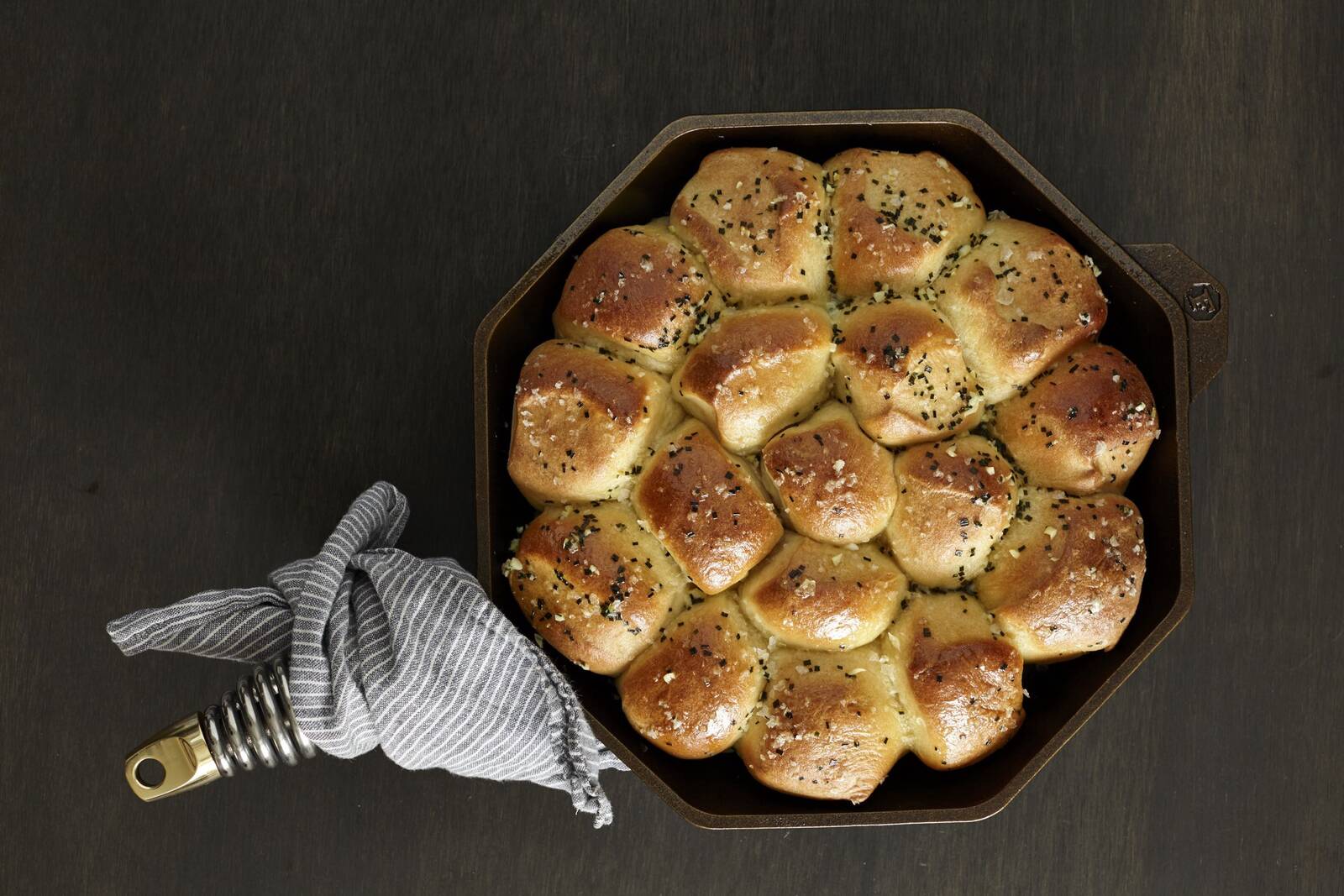
An octagonal, polished cast-iron skillet with eight pour corners and a stainless spring handle with brass end cap.
- Repair
- 8.8/10
- TCO
- 8.8/10
$299.95
Durable buying guide
Kitchen workhorses are durable cookware, knives, and prep tools chosen for food-contact safety, cleanability, dependable performance, and upkeep. Look for robust construction, sharpenable edges, replaceable parts, and surfaces that can be restored rather than fragile coatings or unnecessary electronics.
12 products
Superior features, extended warranties, and high-end materials for enhanced performance.
FINEX
An octagonal, polished cast-iron skillet with eight pour corners and a stainless spring handle with brass end cap.
Kuhn Rikon
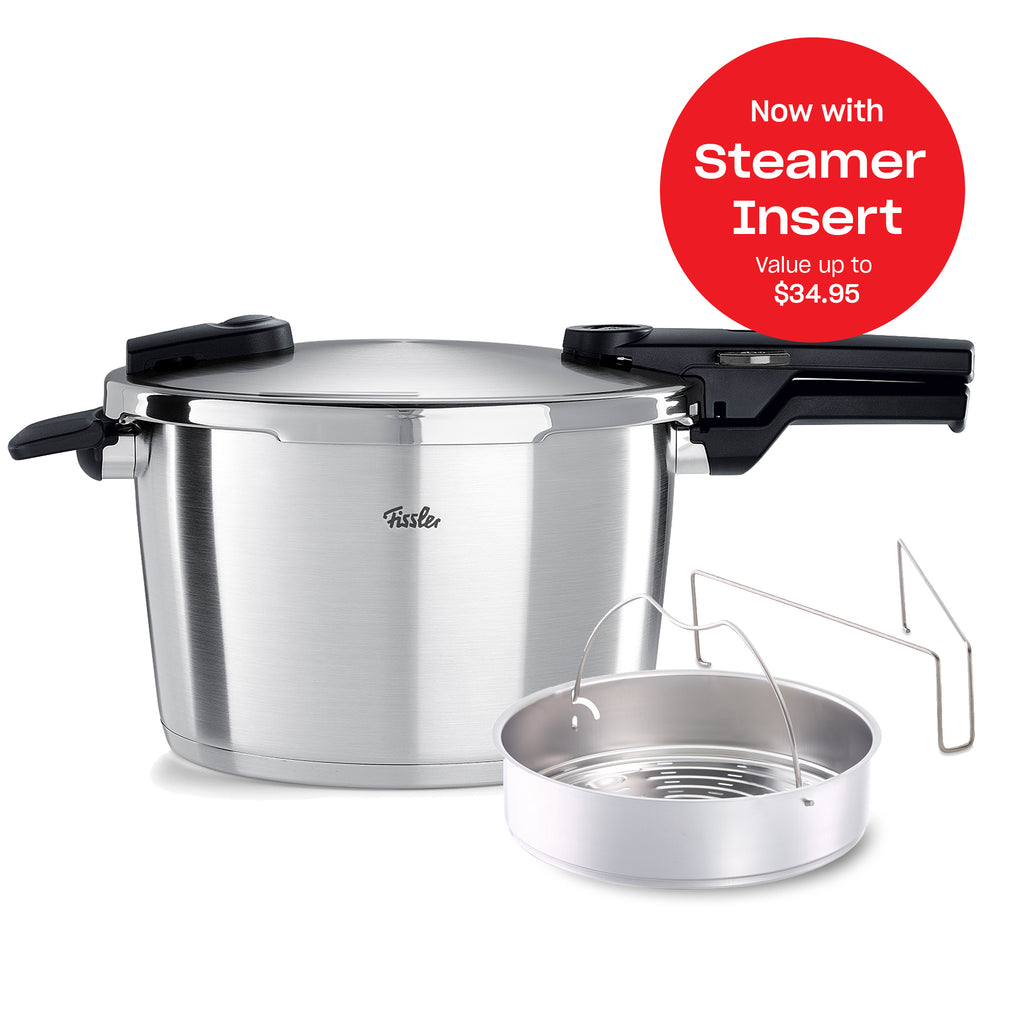
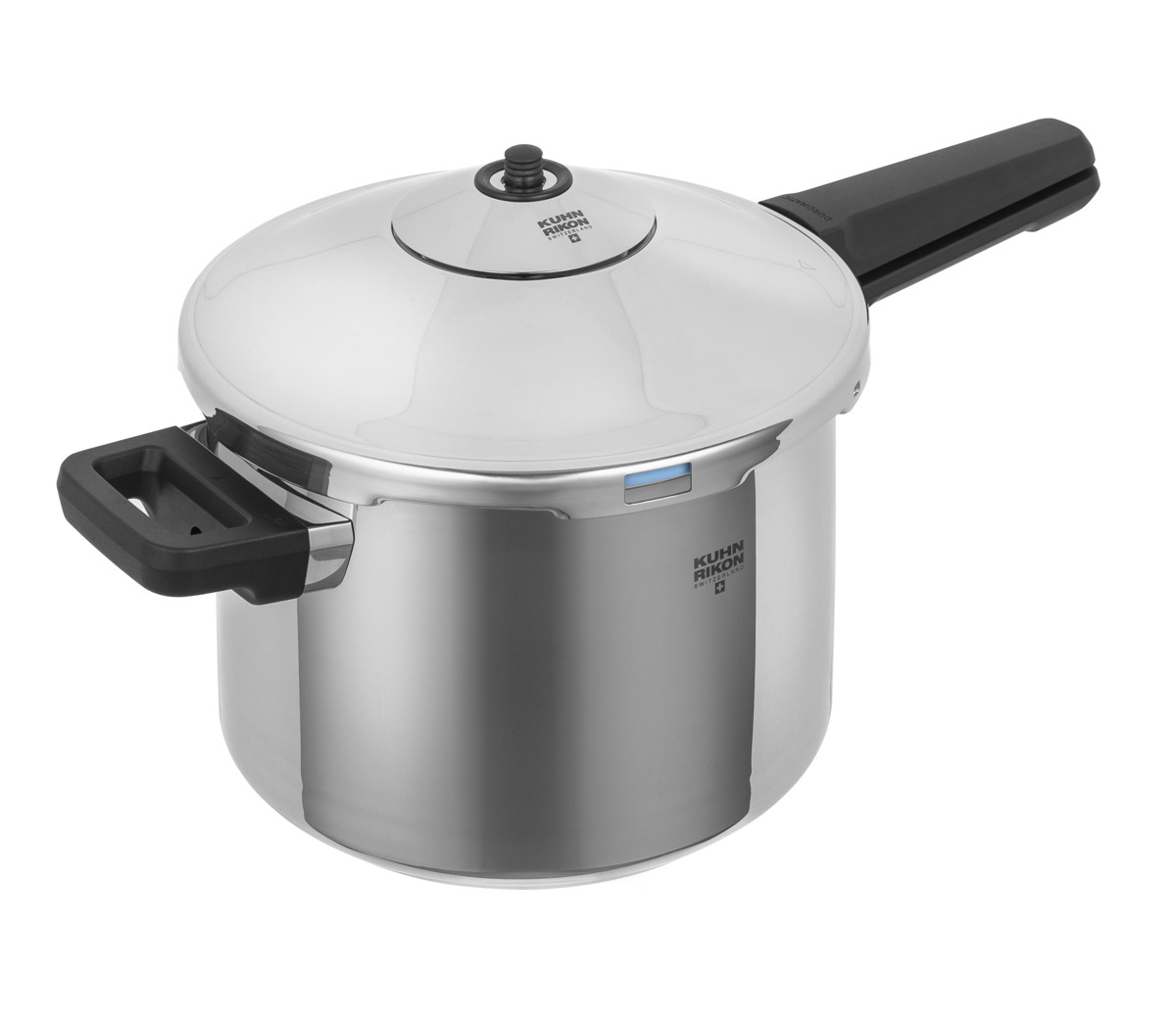
A Swiss-made 18/10 stainless pressure cooker with four steam-release safeguards and a replaceable-parts ecosystem.
Le Creuset
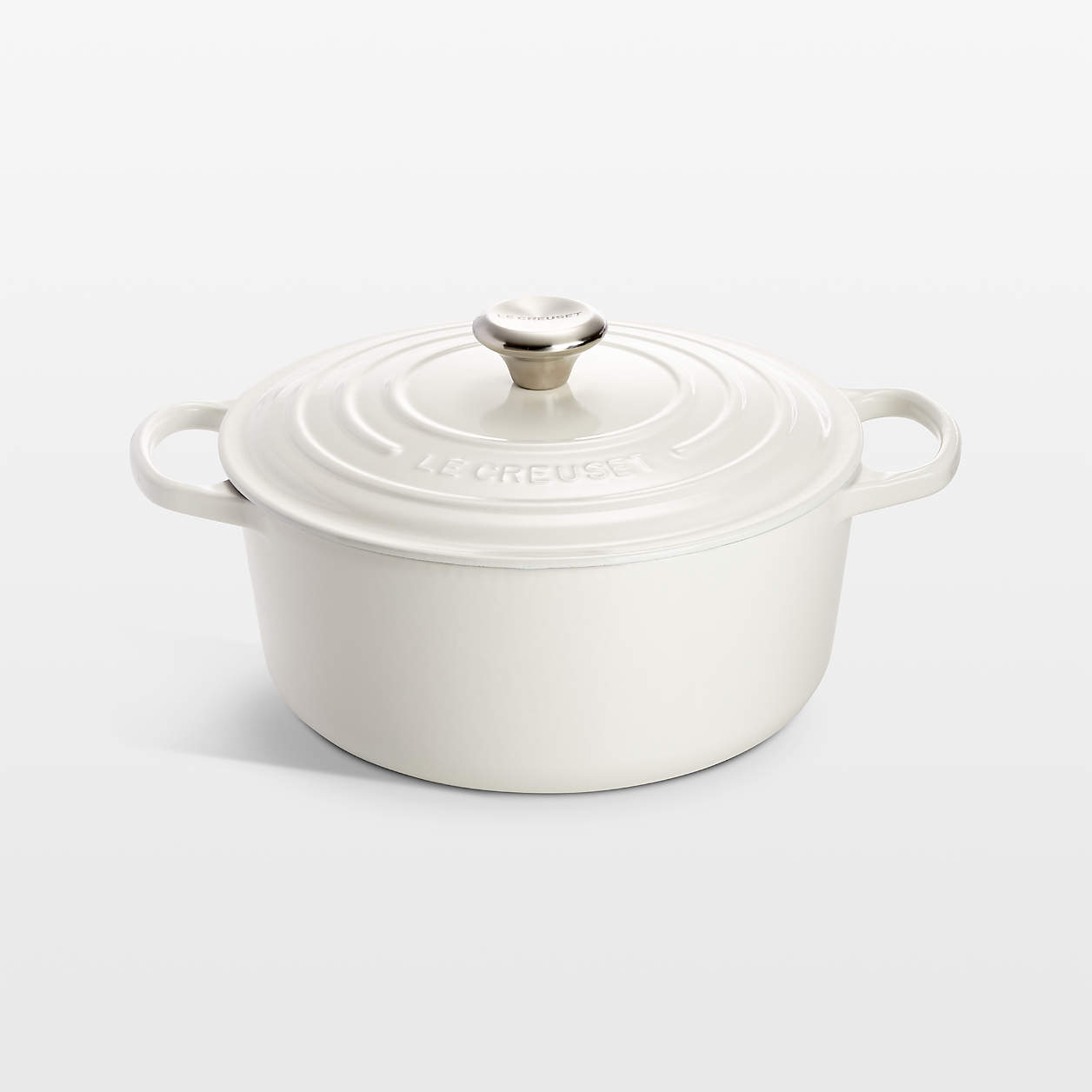
A French-made 5.5-quart enameled cast-iron Dutch oven with a light interior, wide handles and lifetime warranty.
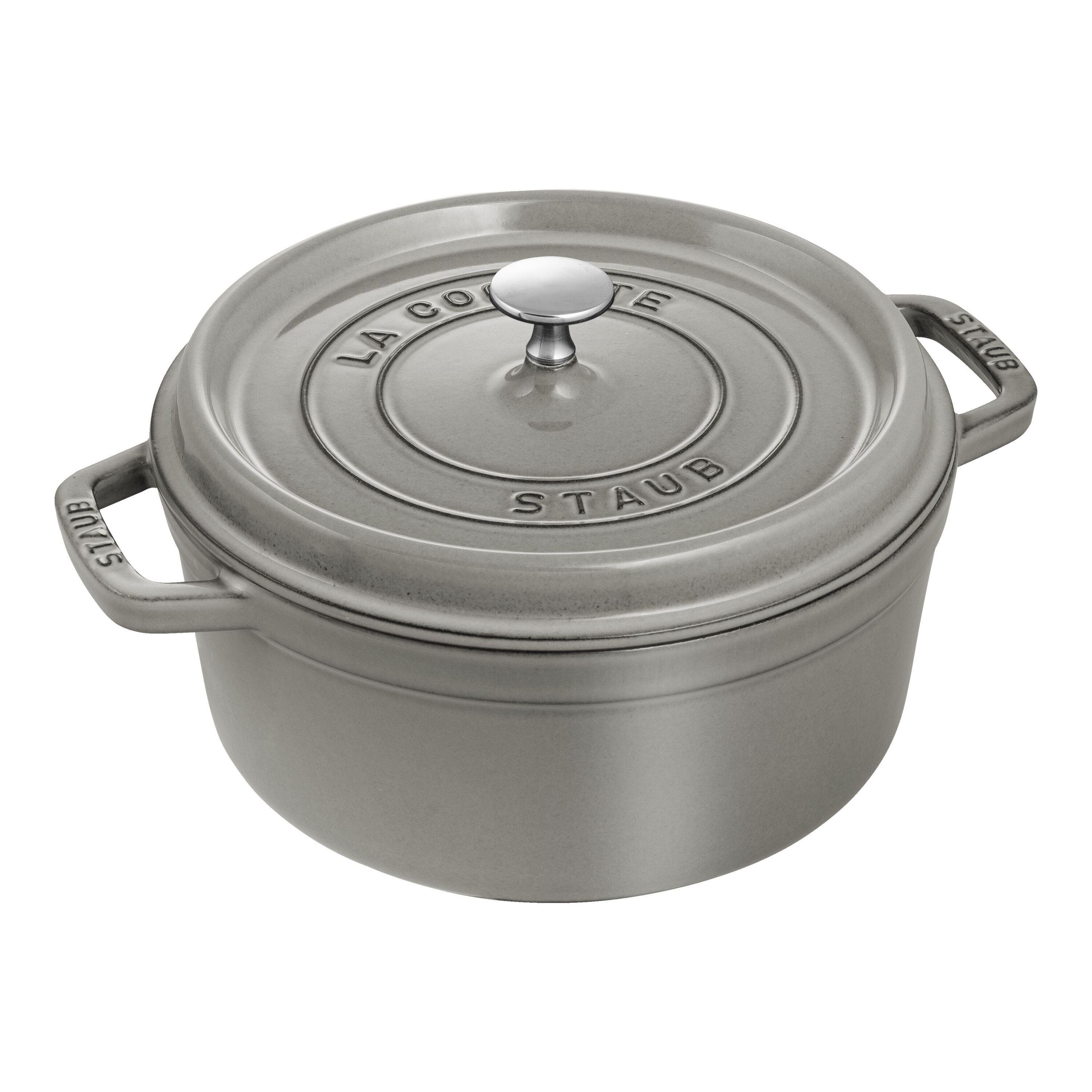
Staub
A French-made 5.5-quart enameled cast-iron cocotte with black-matte interior and self-basting spiked lid.
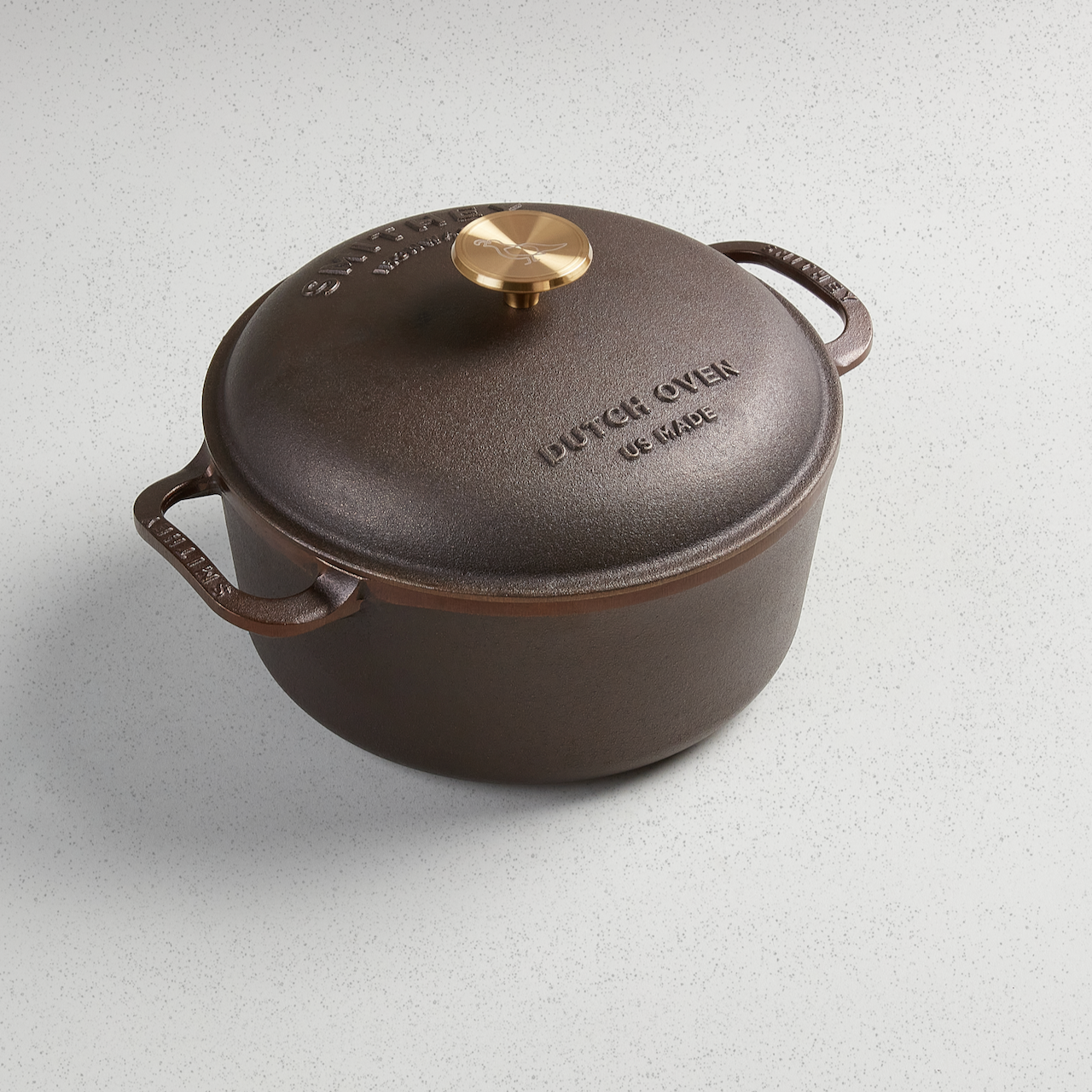
Smithey
A US-made bare cast-iron Dutch oven with polished interior, grapeseed-oil seasoning and skillet-compatible lid.
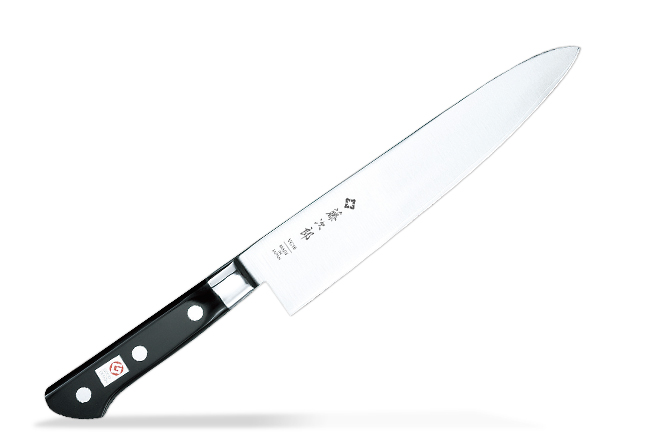
TOJIRO
A 210 mm double-bevel chef's knife with a VG10 core, 13-chrome stainless cladding, full-tang laminated handle and bolster.

FINEX
A US-made pre-seasoned cast-iron Dutch oven and skillet set sharing an octagonal lid with spring handles.

Vermicular
A 5.9-quart Japanese enameled cast-iron pot with precision-machined seal, round knob and separate lid stand.
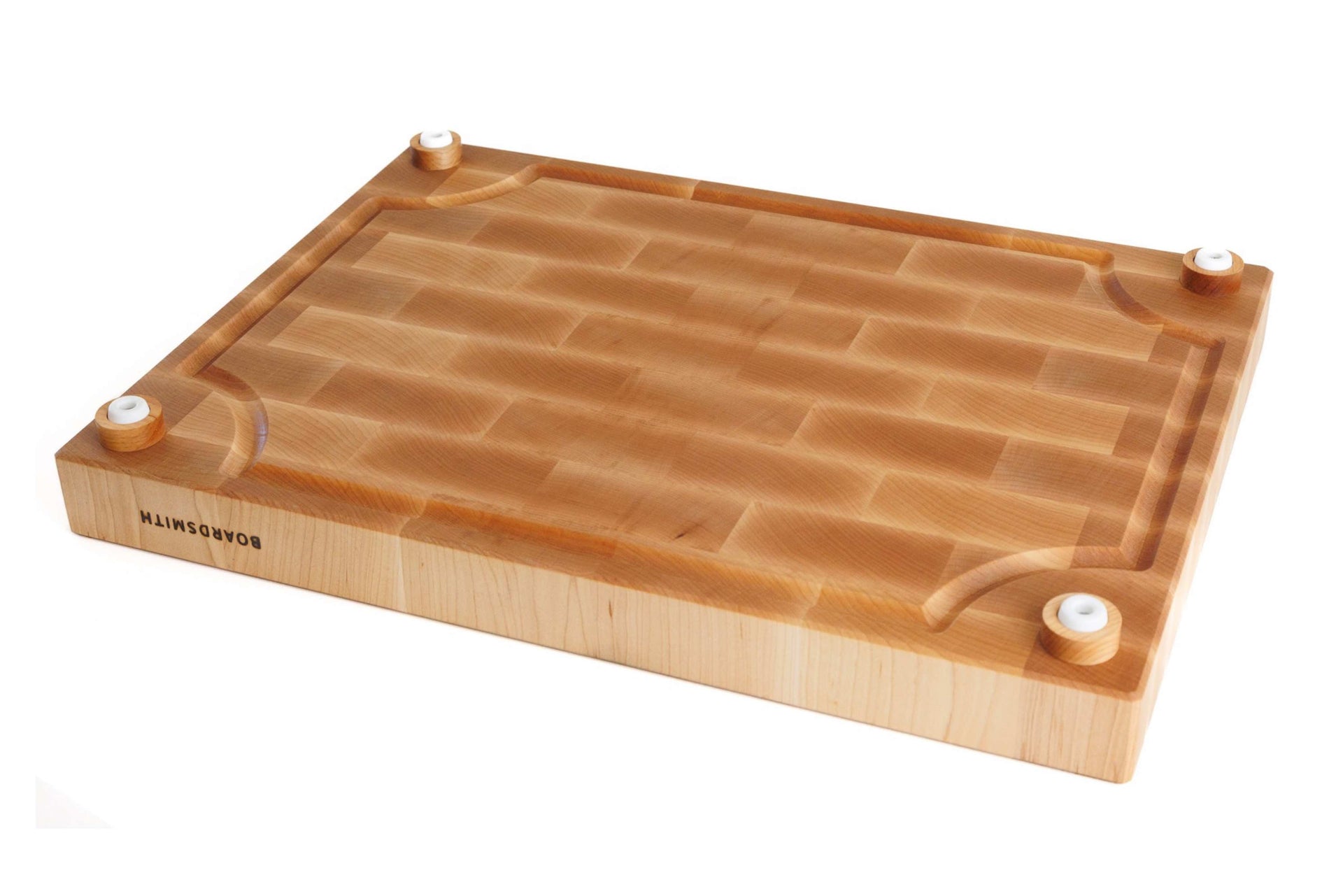
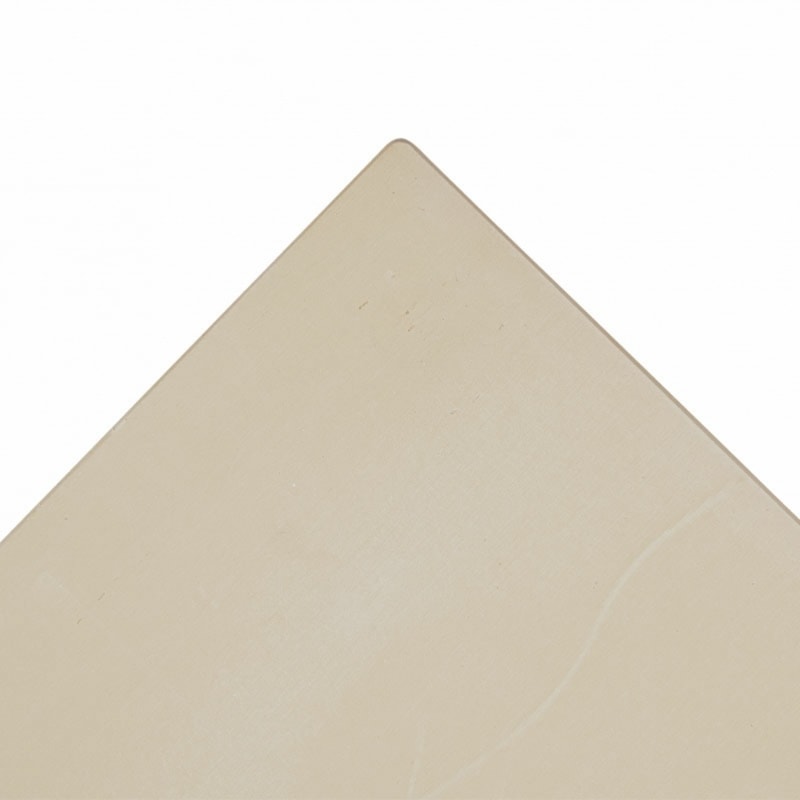
Notrax
A one-inch commercial rubber board with NSF certification, a resilient knife-friendly surface and sandable wear.
38 products
A balanced blend of performance, quality, and price for the discerning user.
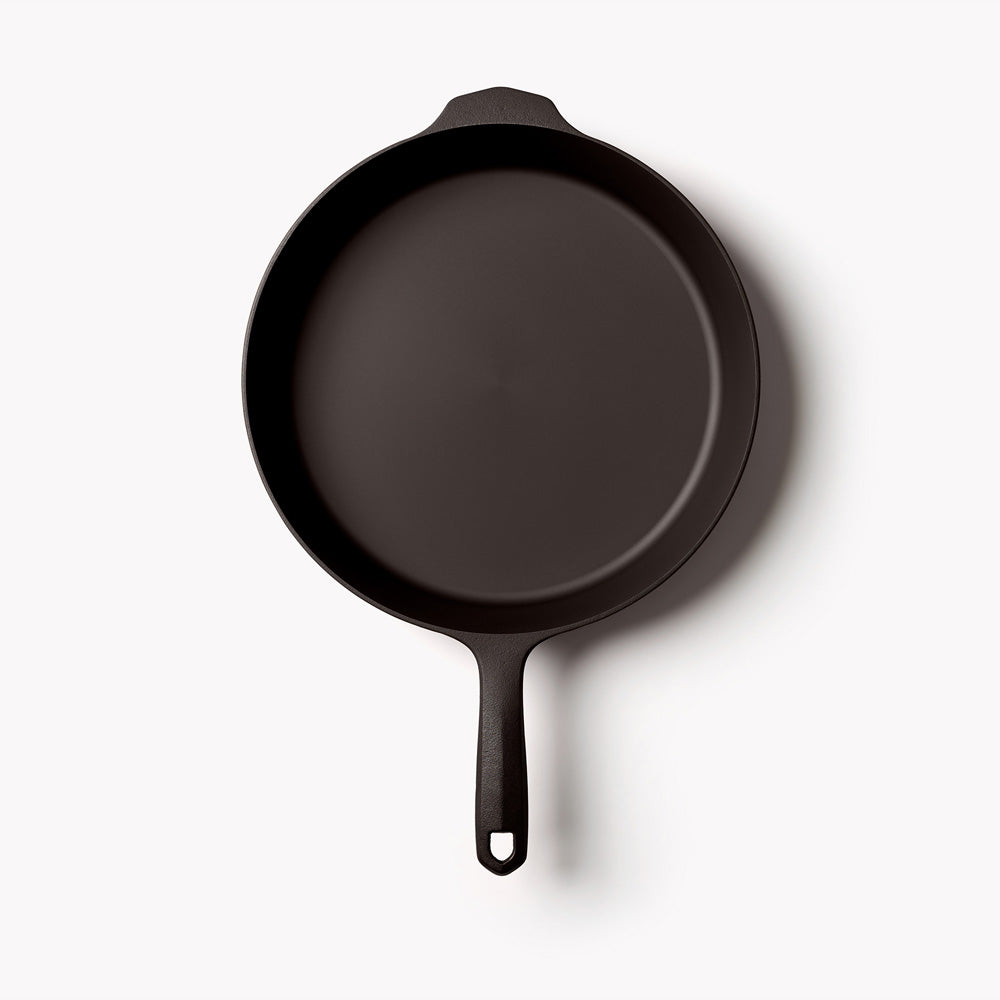
Field Company
A US-made, machined-smooth 11.6-inch cast-iron skillet designed with thinner walls and a balanced handle.
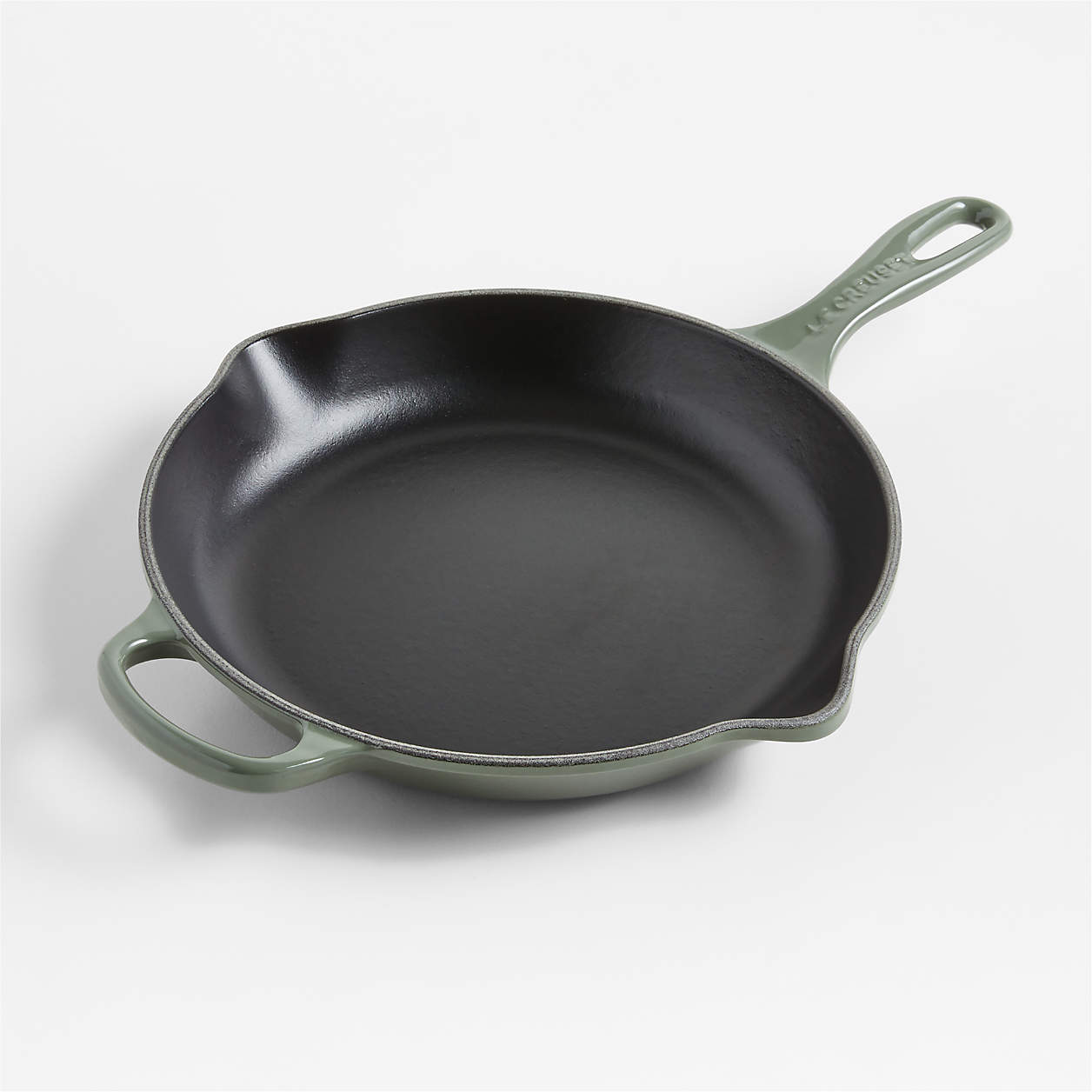
Le Creuset
A French-made 10.25-inch enameled cast-iron skillet with black satin interior, helper handle, and pour spouts.
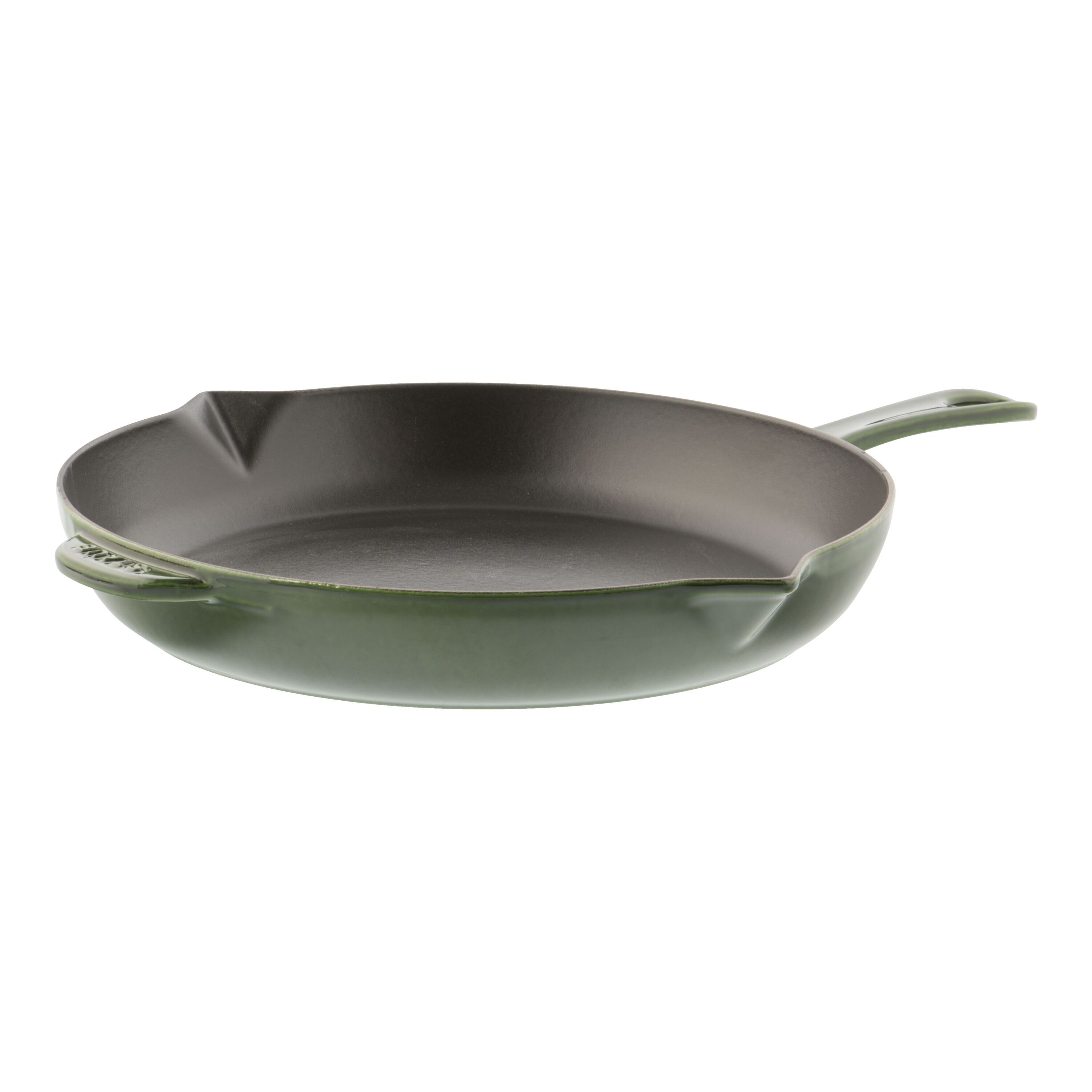
STAUB
A French-made 12-inch enameled cast-iron fry pan with matte black interior, helper handle, and pouring spouts.
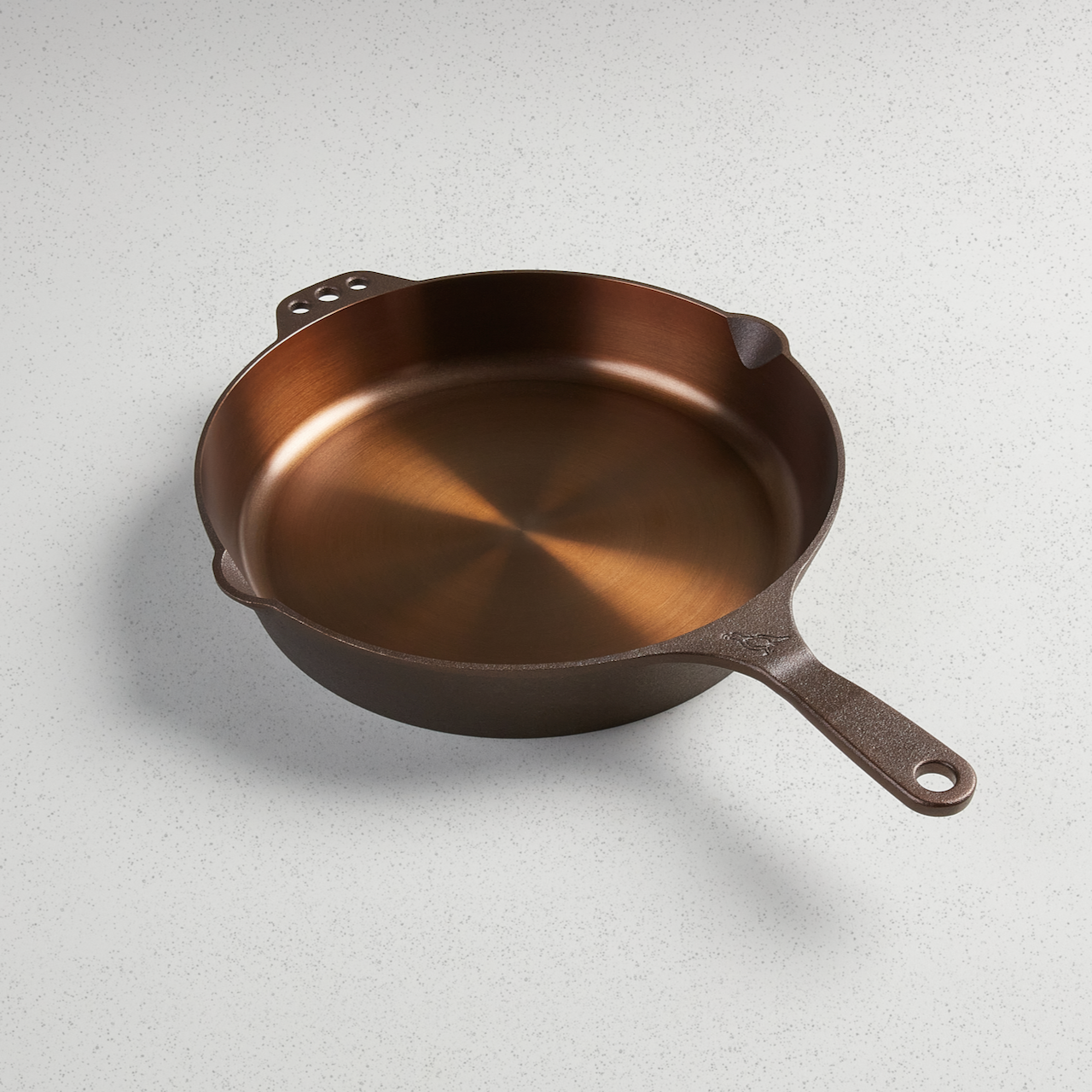
Smithey Ironware
A polished, satin-smooth 12-inch cast-iron skillet with grapeseed-oil seasoning, helper handle, and pour spouts.
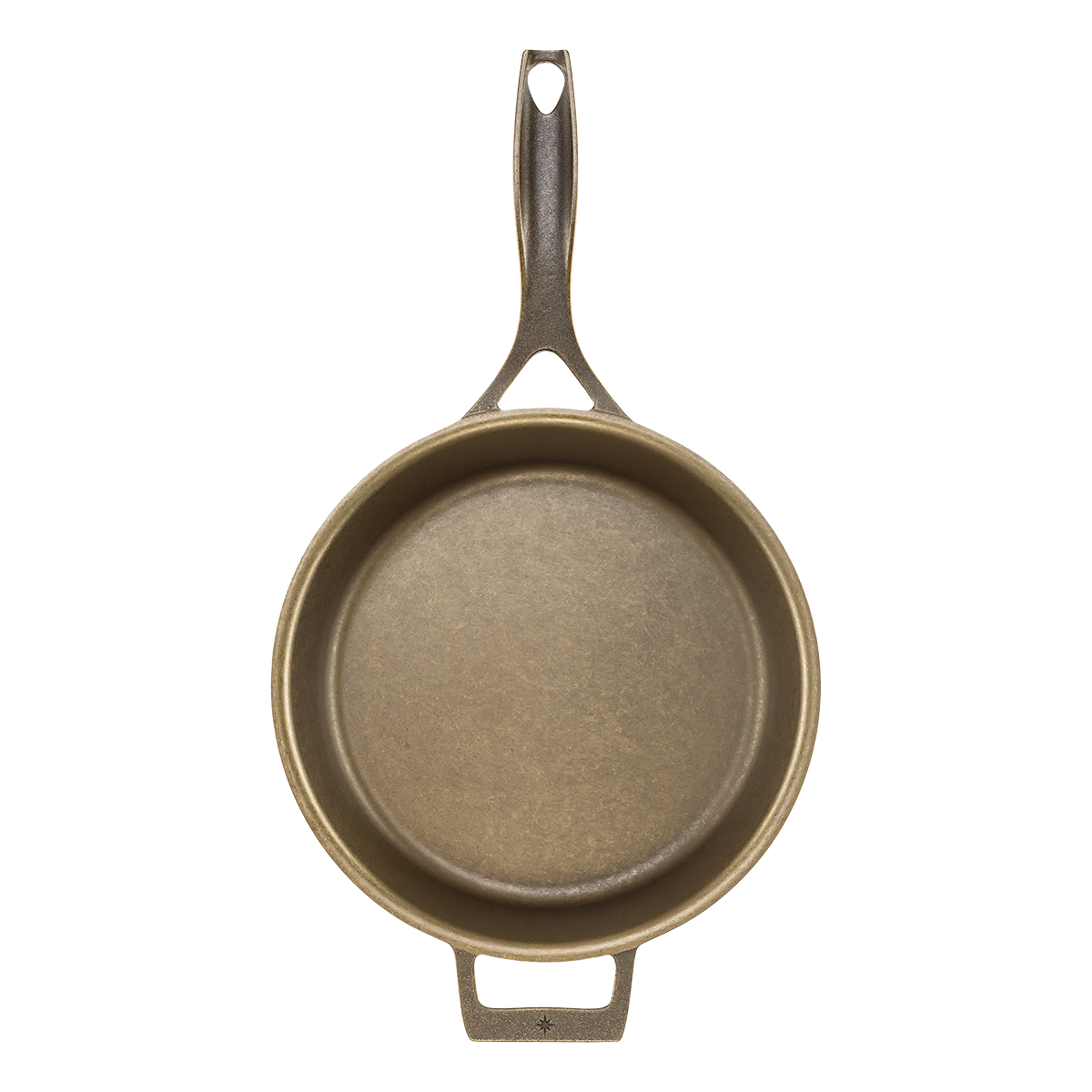
Stargazer
A US-made 12-inch cast-iron skillet with machined surface, flared drip-free rim, and long stay-cool handle design.
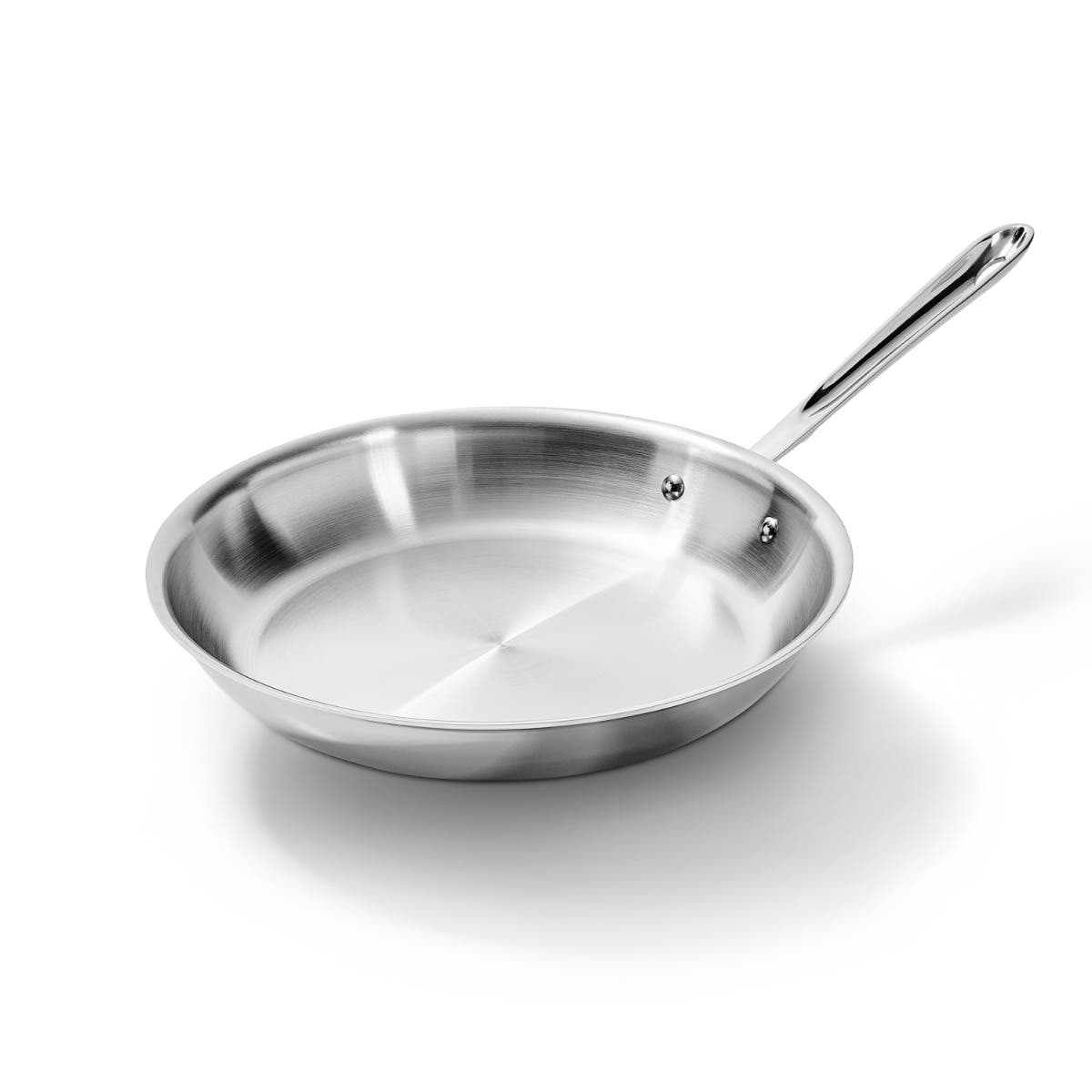
All-Clad
A responsive, fully bonded tri-ply stainless skillet with a roomy 12-inch rim and a polished, uncoated cooking surface.
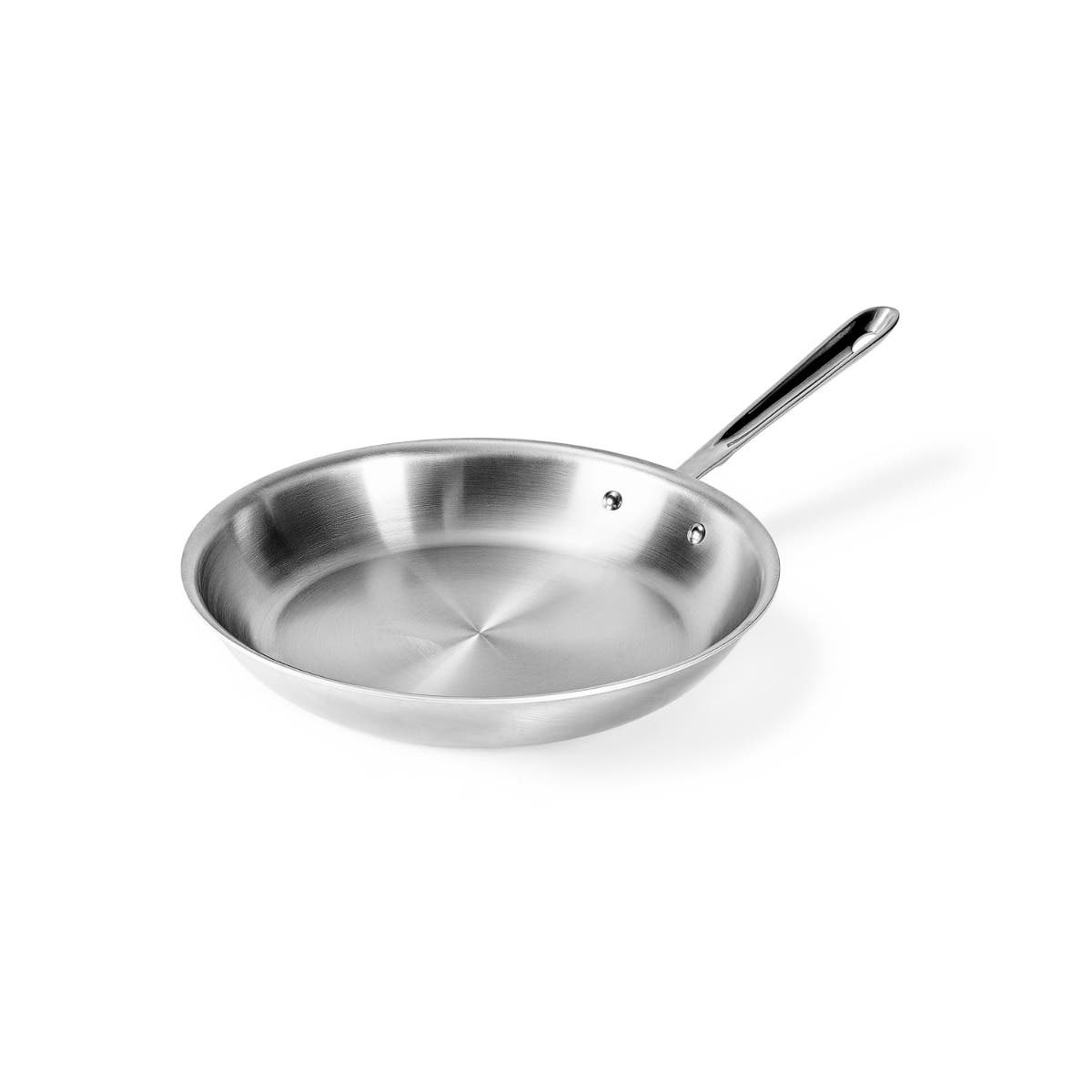
All-Clad
A brushed 12-inch stainless fry pan with five bonded layers engineered for steadier heat and reduced hot spots.
Demeyere
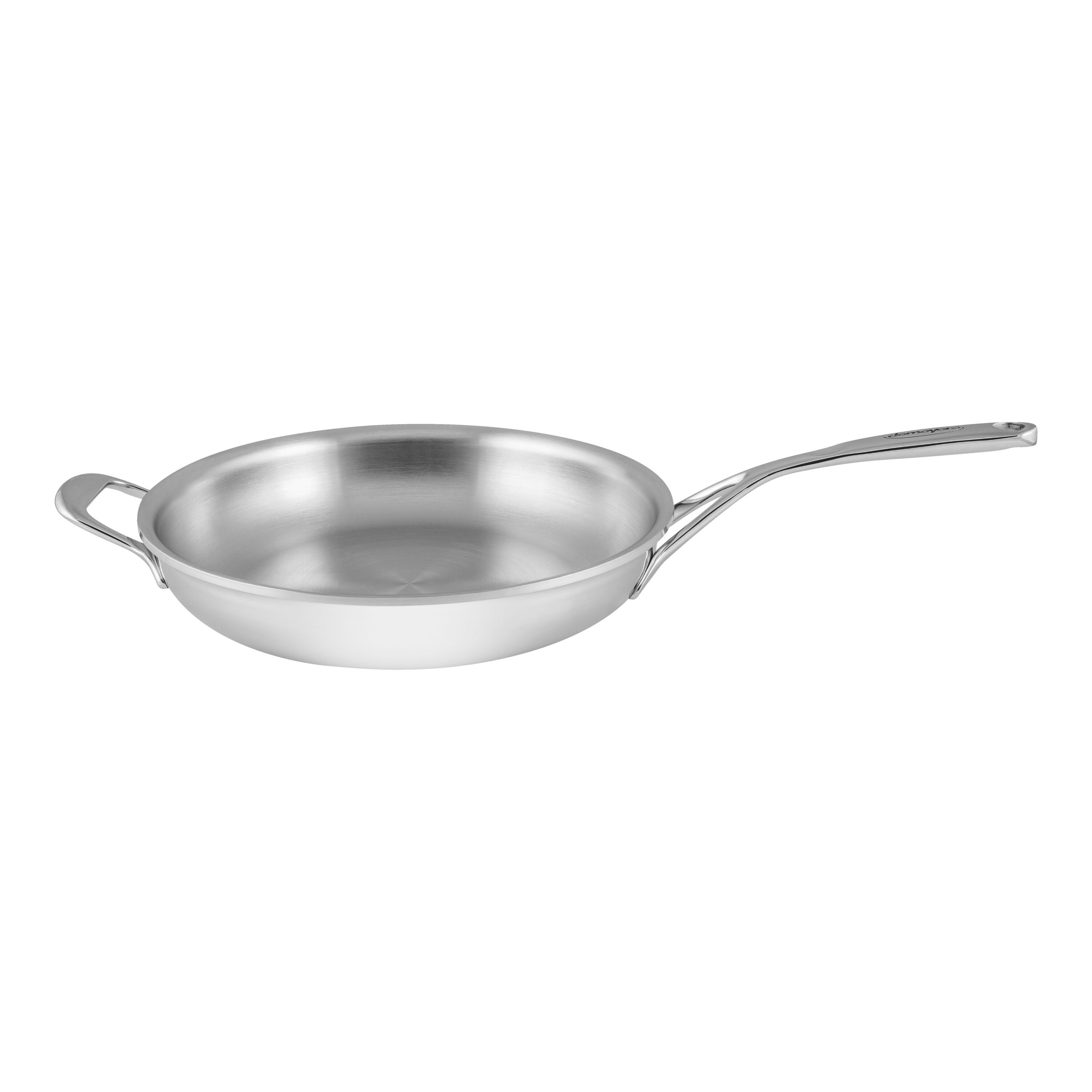
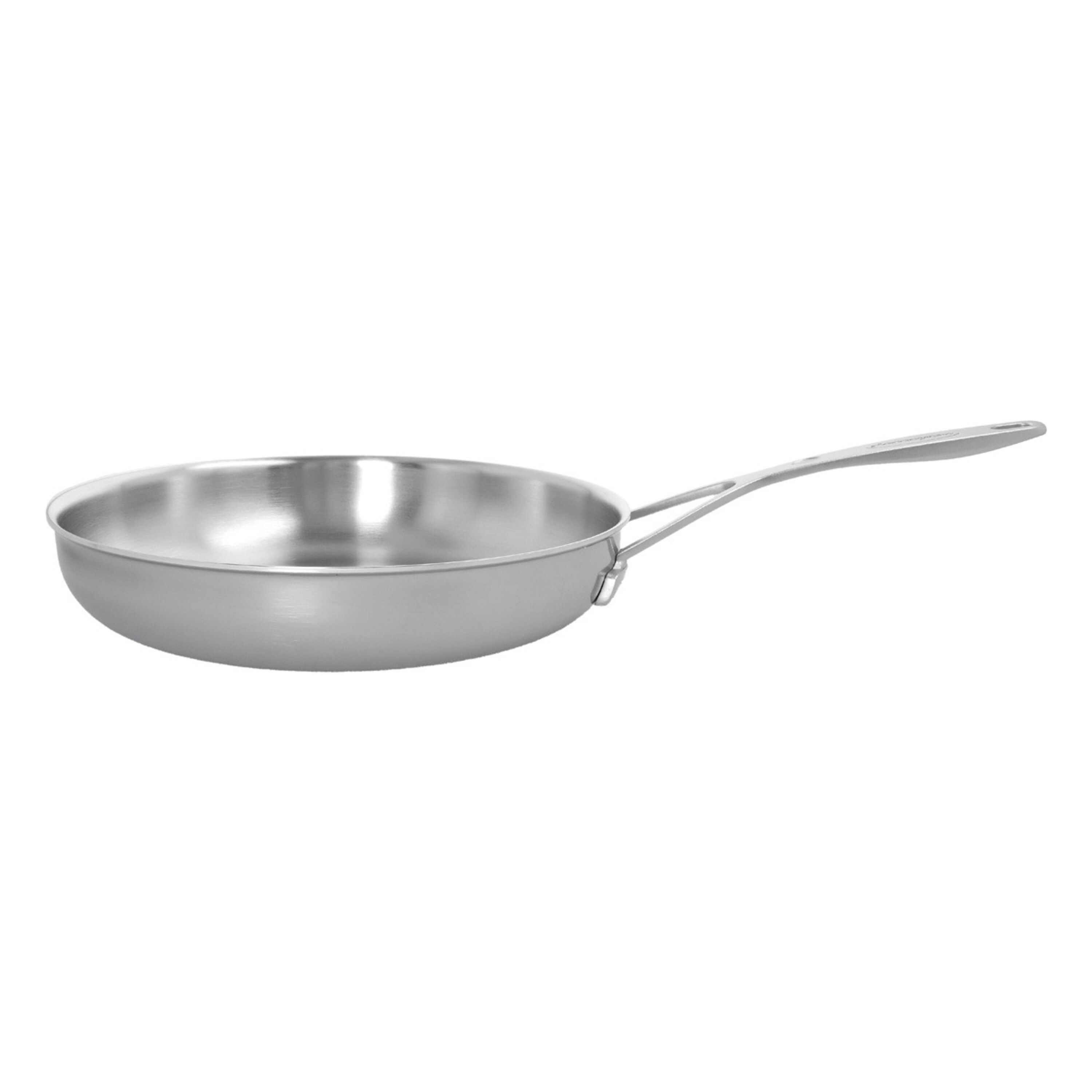
A Belgian 11-inch, five-ply stainless fry pan with a thick aluminum core, Silvinox finish, and welded handle.
Matfer Bourgeat
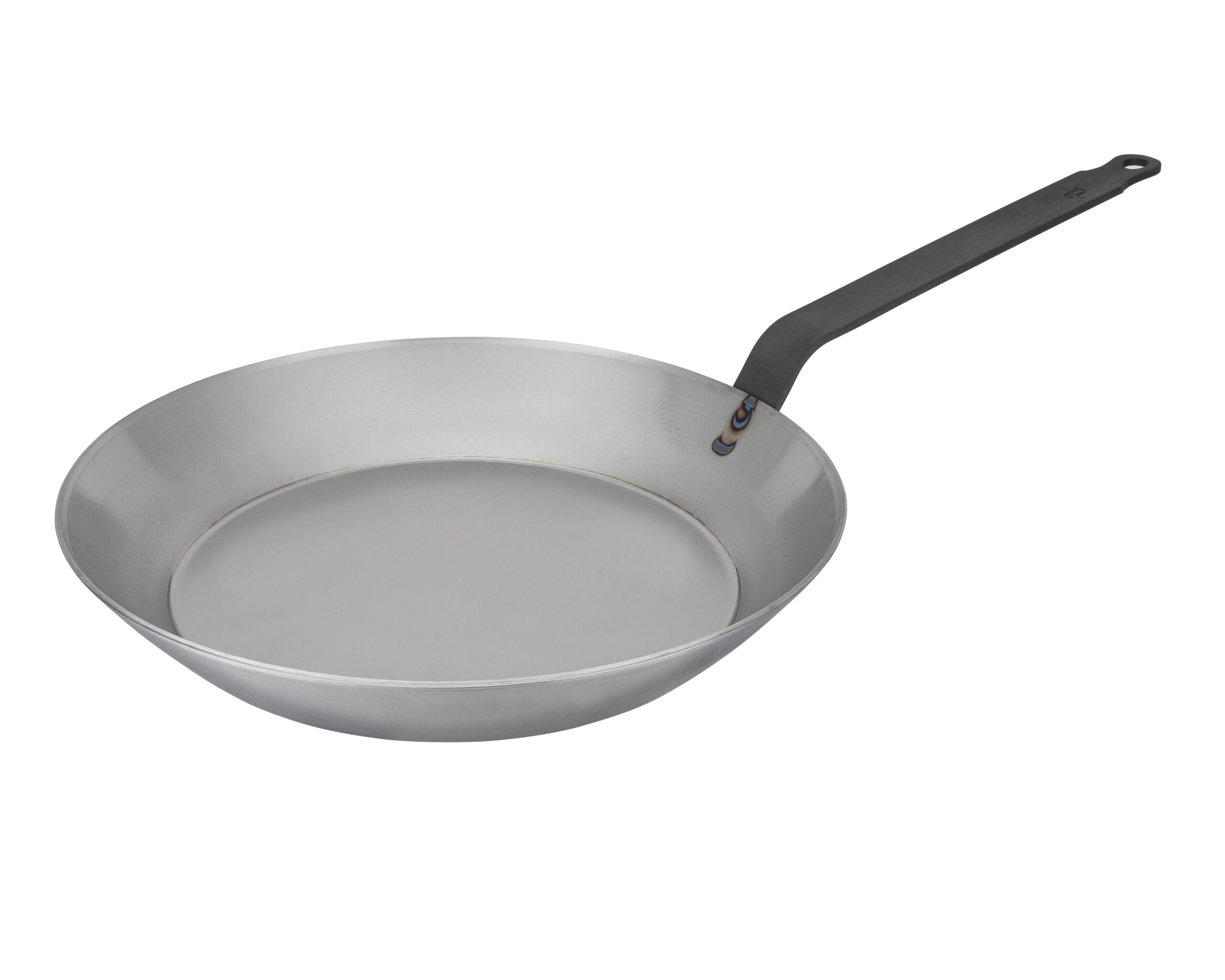
A French carbon-steel pan with a welded, rivet-free steel handle and an approximately 11.8-inch rim.
Mauviel 1830
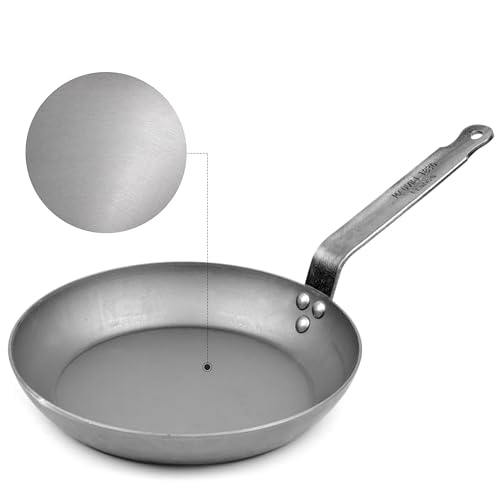
An 11-inch, 2-to-2.5 mm carbon-steel fry pan with riveted iron handle, beeswax transit coating, and 680°F oven rating.
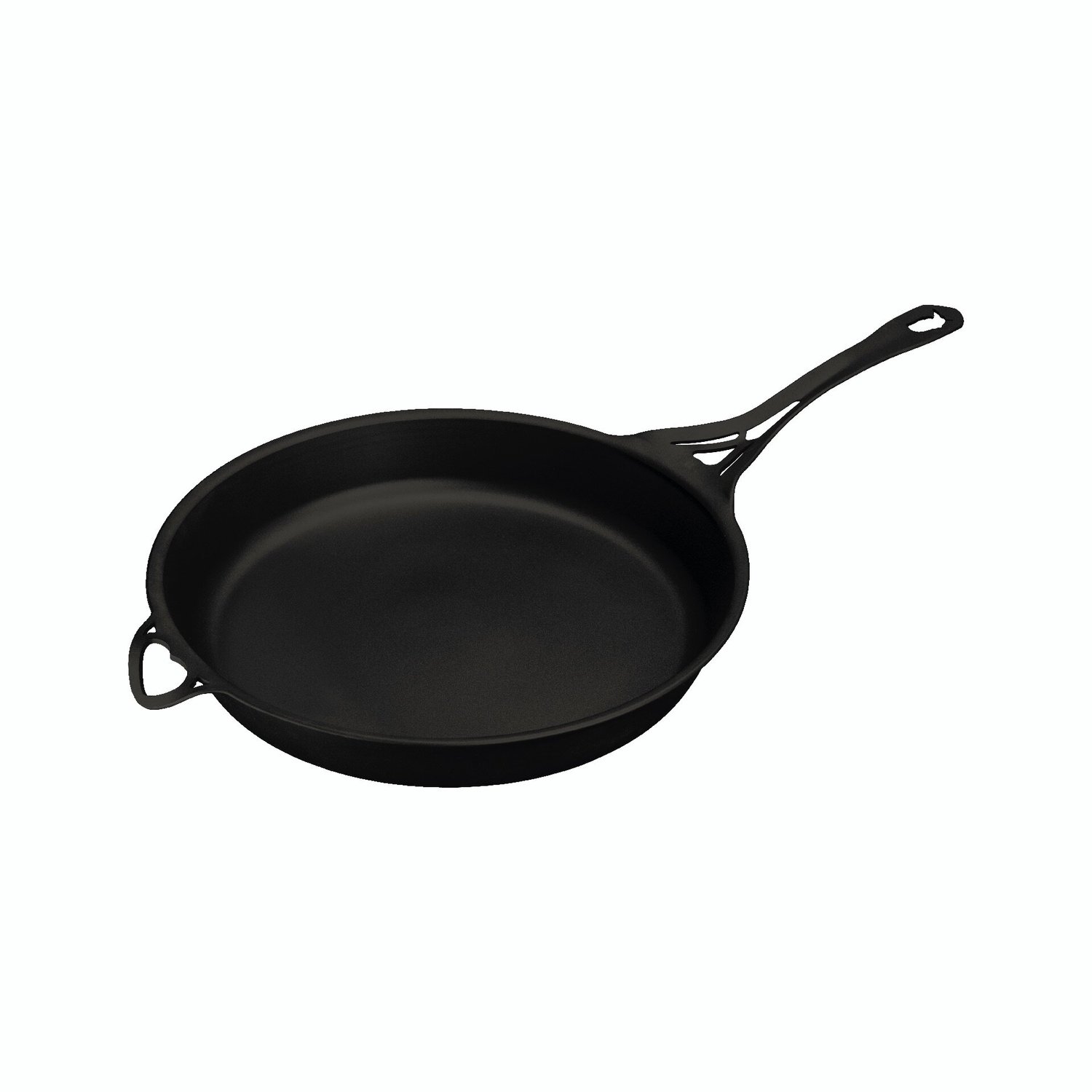
Solidteknics
A discontinued US-made 12-inch wrought-iron skillet formed as one seamless, rivet-free piece and factory seasoned.

Lodge
A 6-quart porcelain-enameled cast-iron Dutch oven with stainless knob, induction support and lifetime warranty.
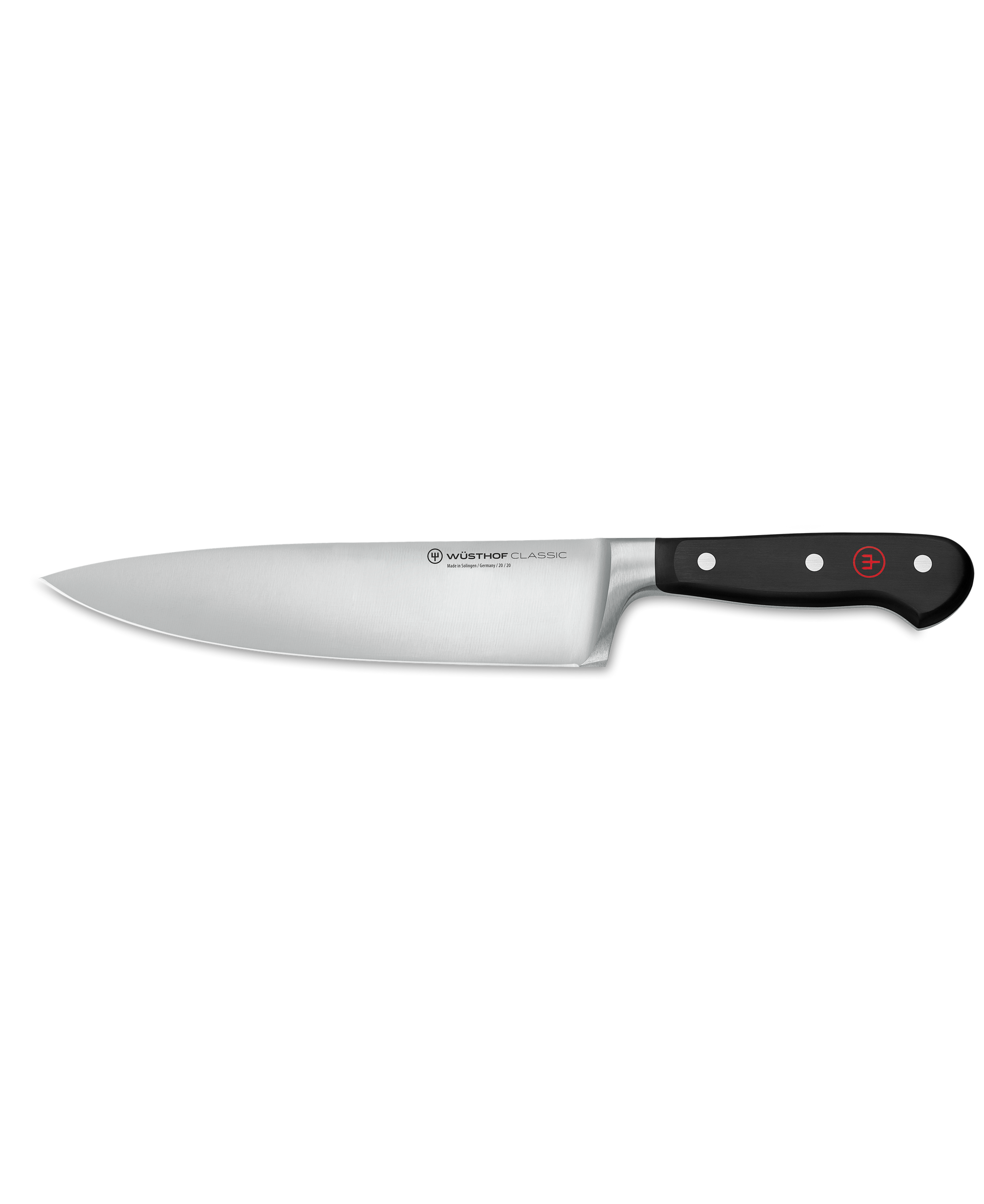
WÜSTHOF
A full-tang, fully forged Solingen chef's knife with a 58 HRC blade, full bolster and resilient triple-riveted synthetic handle.

ZWILLING
A German-forged chef's knife with a curved bolster, full tang, fine V-edge and 55–58 HRC FRIODUR blade.
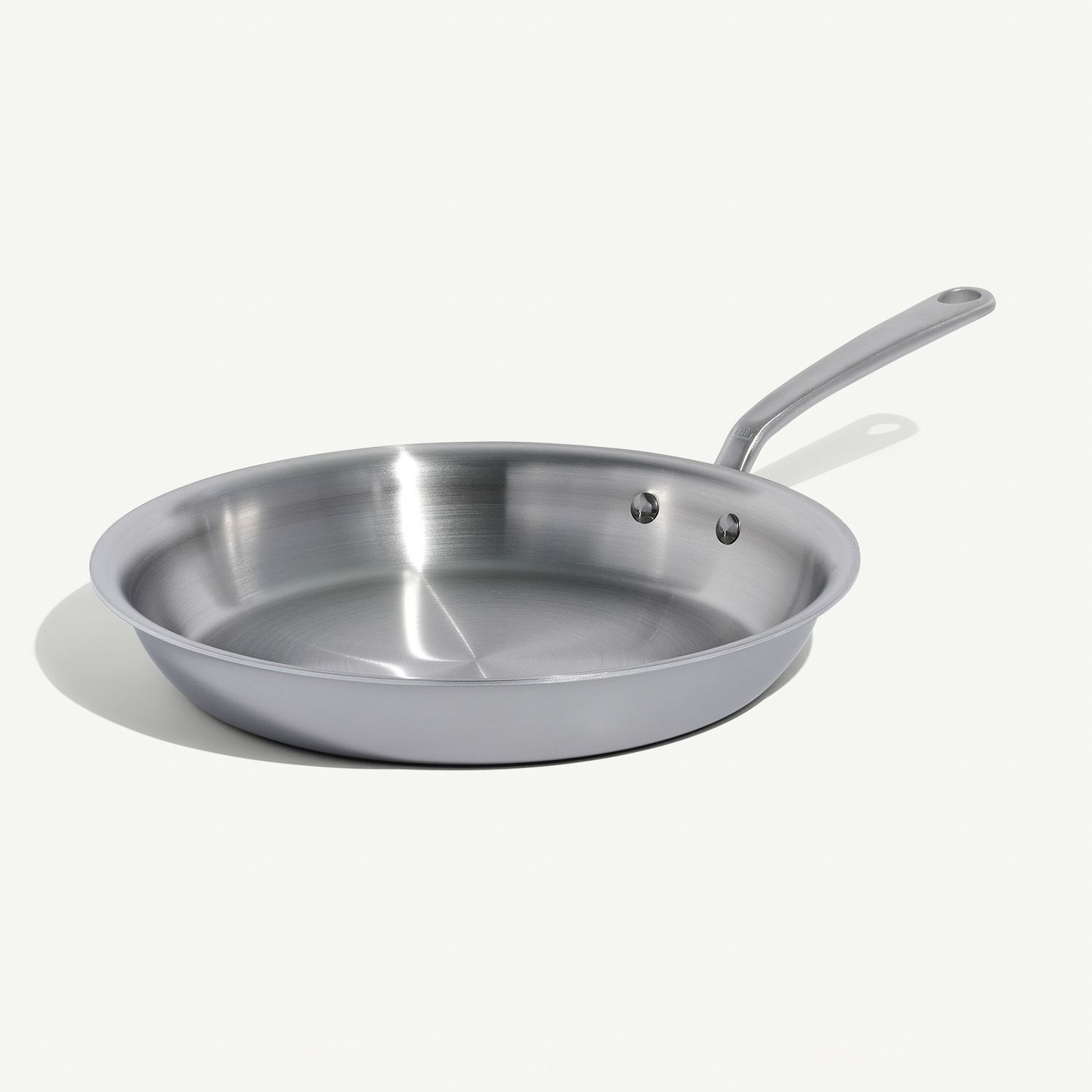
Made In
A 12-inch, 2.7 mm five-ply stainless fry pan with a broad 9.5-inch cooking surface and hollow stay-cool handle.
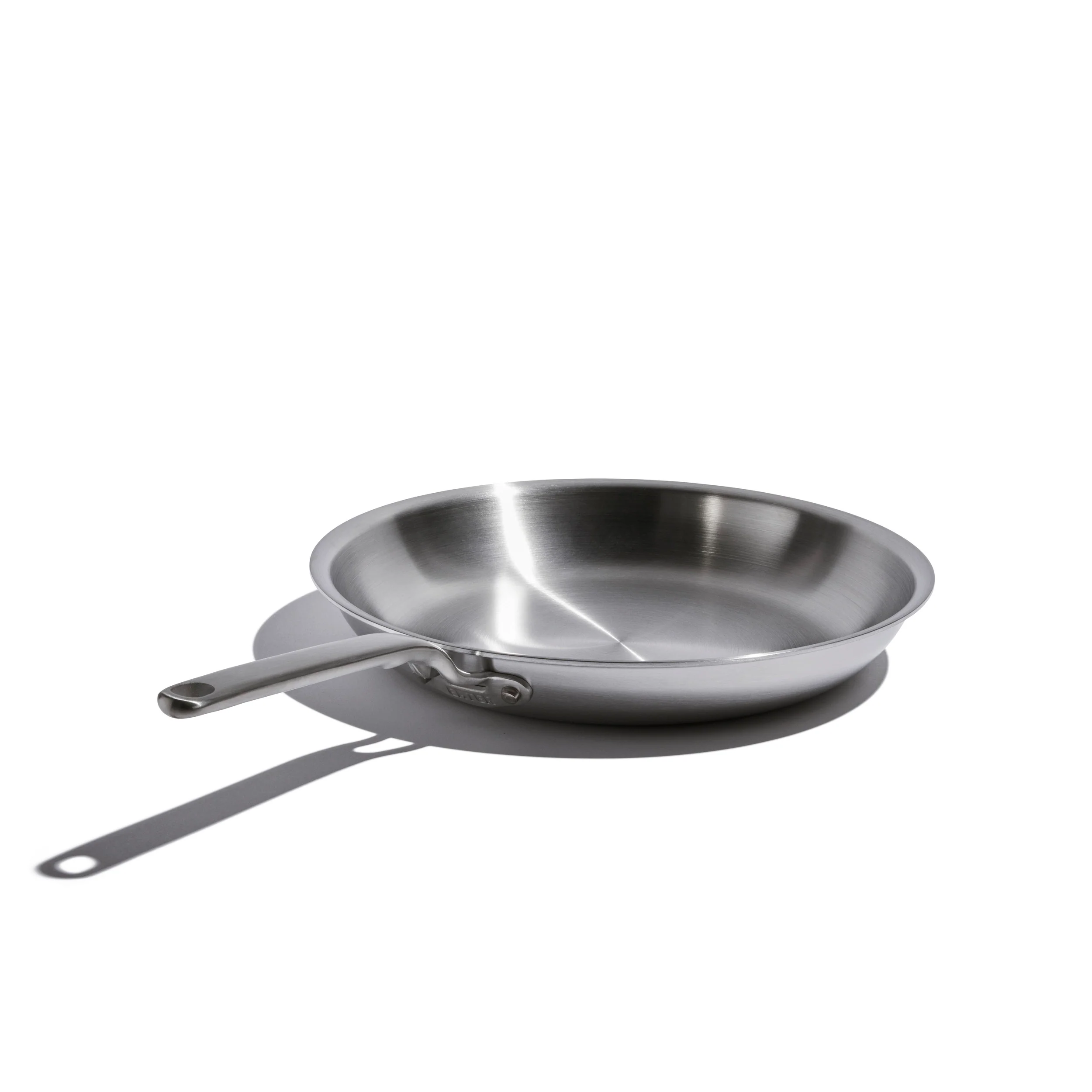
Heritage Steel
A US-manufactured, five-ply 12-inch fry pan with an 18/10 stainless surface, three-layer aluminum core, and brushed exterior.
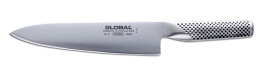
GLOBAL
An all-stainless Japanese chef's knife with CROMOVA 18 steel, a convex edge and sand-balanced hollow dimpled handle.
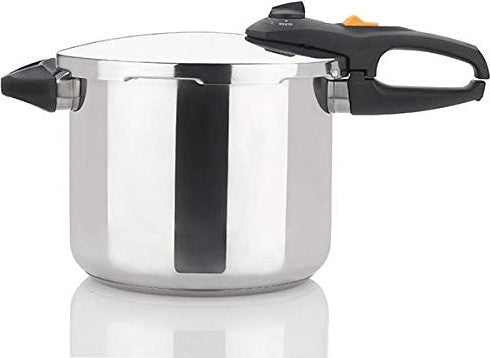
Zavor
A discontinued 10-quart stovetop pressure cooker/canner with two pressure settings and induction compatibility.
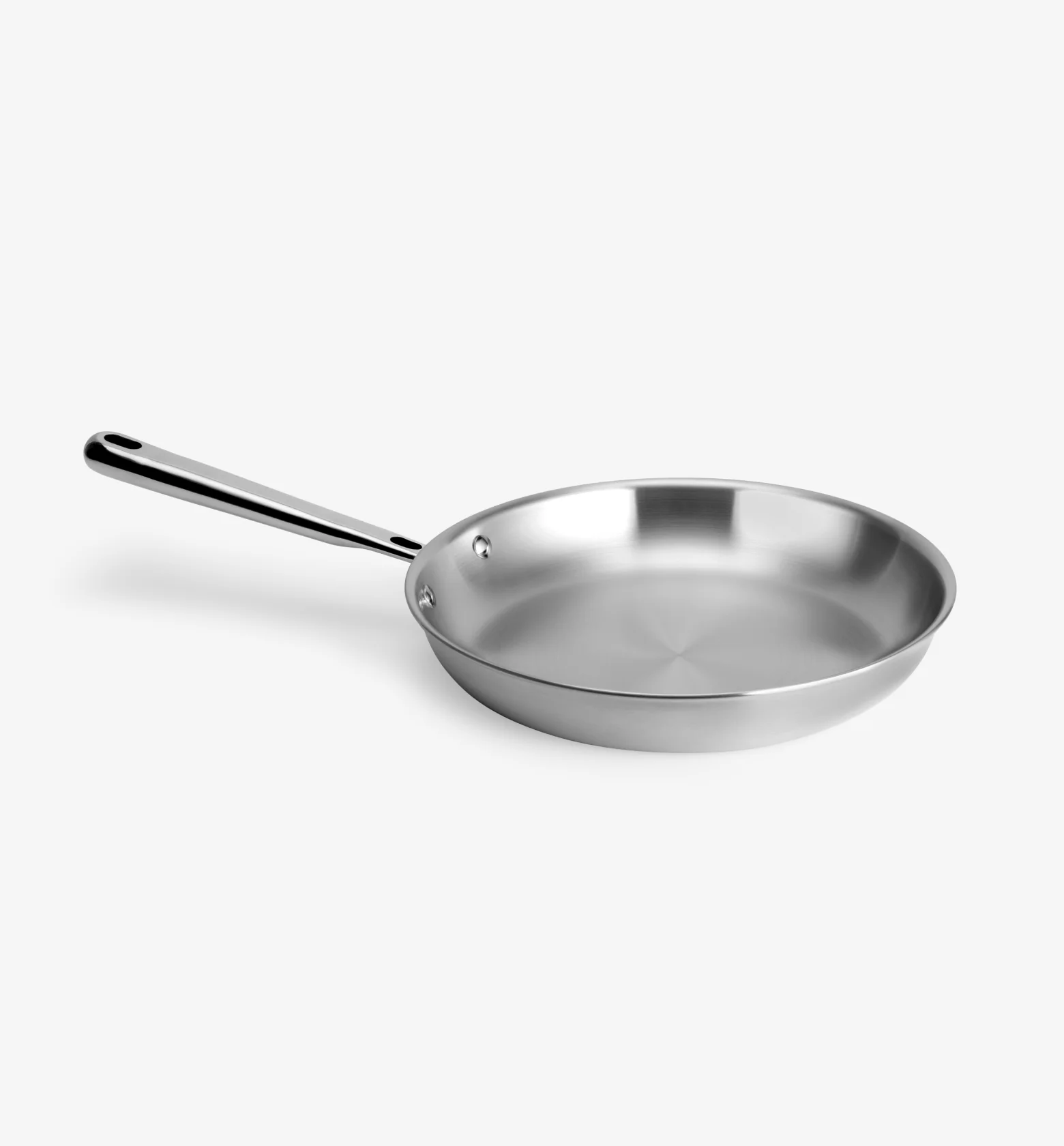
Misen
A 3.0 mm, five-ply 12-inch stainless skillet with a larger-than-nominal 12.4-inch rim and ergonomic stay-cool handle.
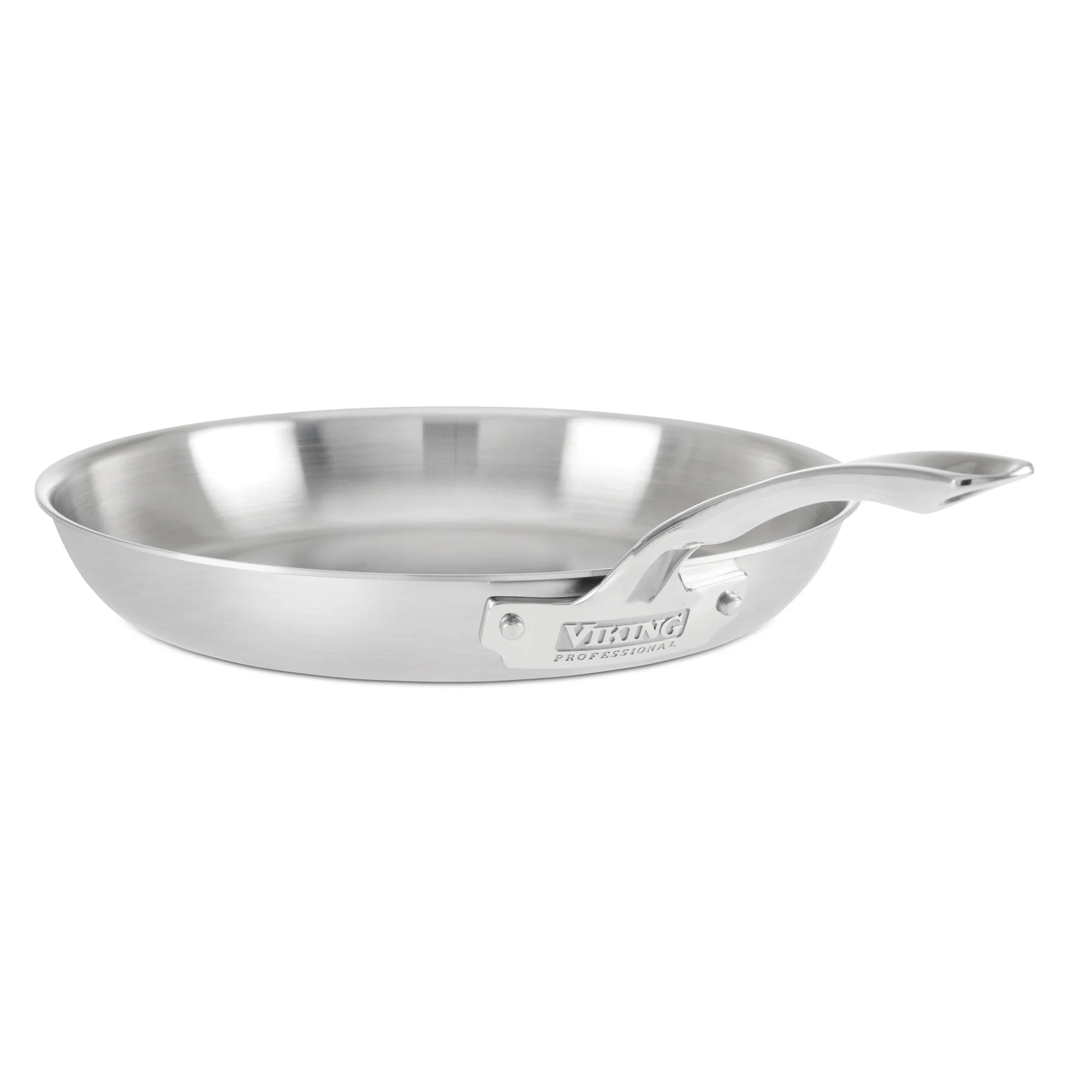
Viking
A US-crafted 12-inch five-ply fry pan with an 18/10 stainless interior, three-layer aluminum core, and induction-ready exterior.

Hestan
A cold-forged Italian 11-inch tri-ply skillet with a pure-aluminum ProCore, sealed rim, and flush handle rivets.
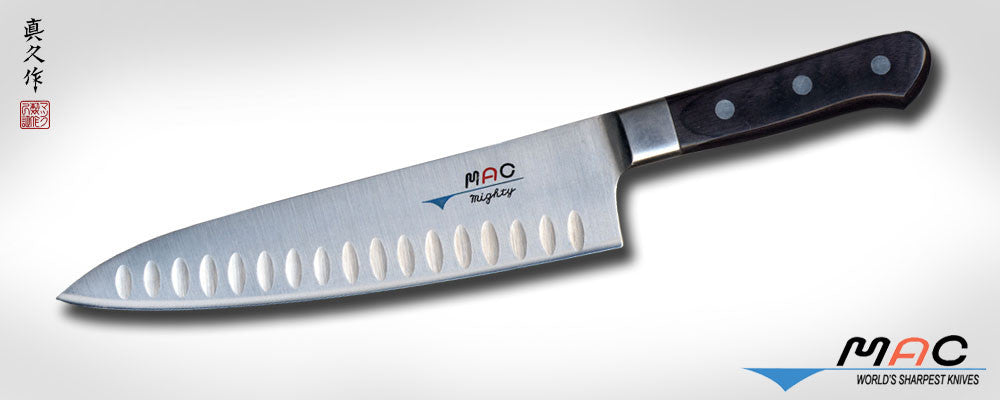
MAC Knife
A light Japanese chef's knife with a 7.88-inch dimpled blade, slim 2.5 mm stock and compact bolster.
Shun
A 6.7-ounce Japanese chef's knife with a VG-MAX core, 69-layer Damascus blade and 16-degree double edge.
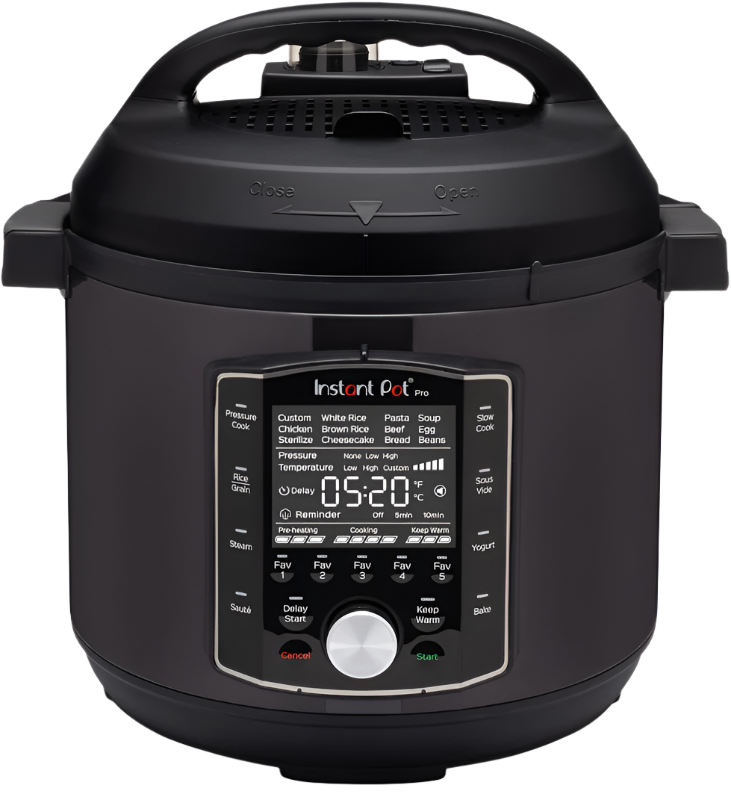
Instant Pot
An 8-quart, 1400-watt electric multicooker with 10 cooking functions, 28 programs and handled stainless inner pot.
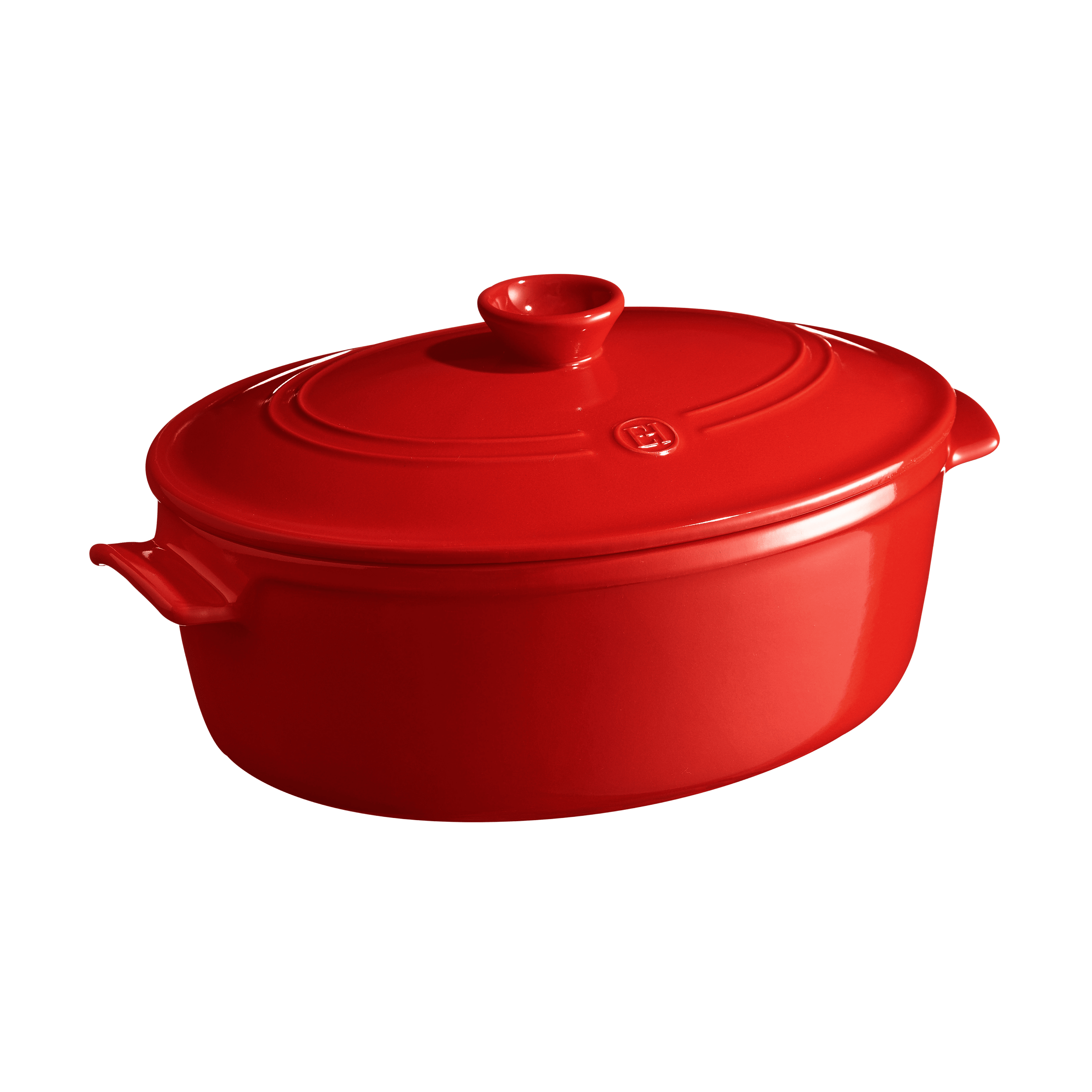
Emile Henry
A 6.3-quart French Flame-ceramic oval Dutch oven for stovetop, oven, microwave, grill and dishwasher use.
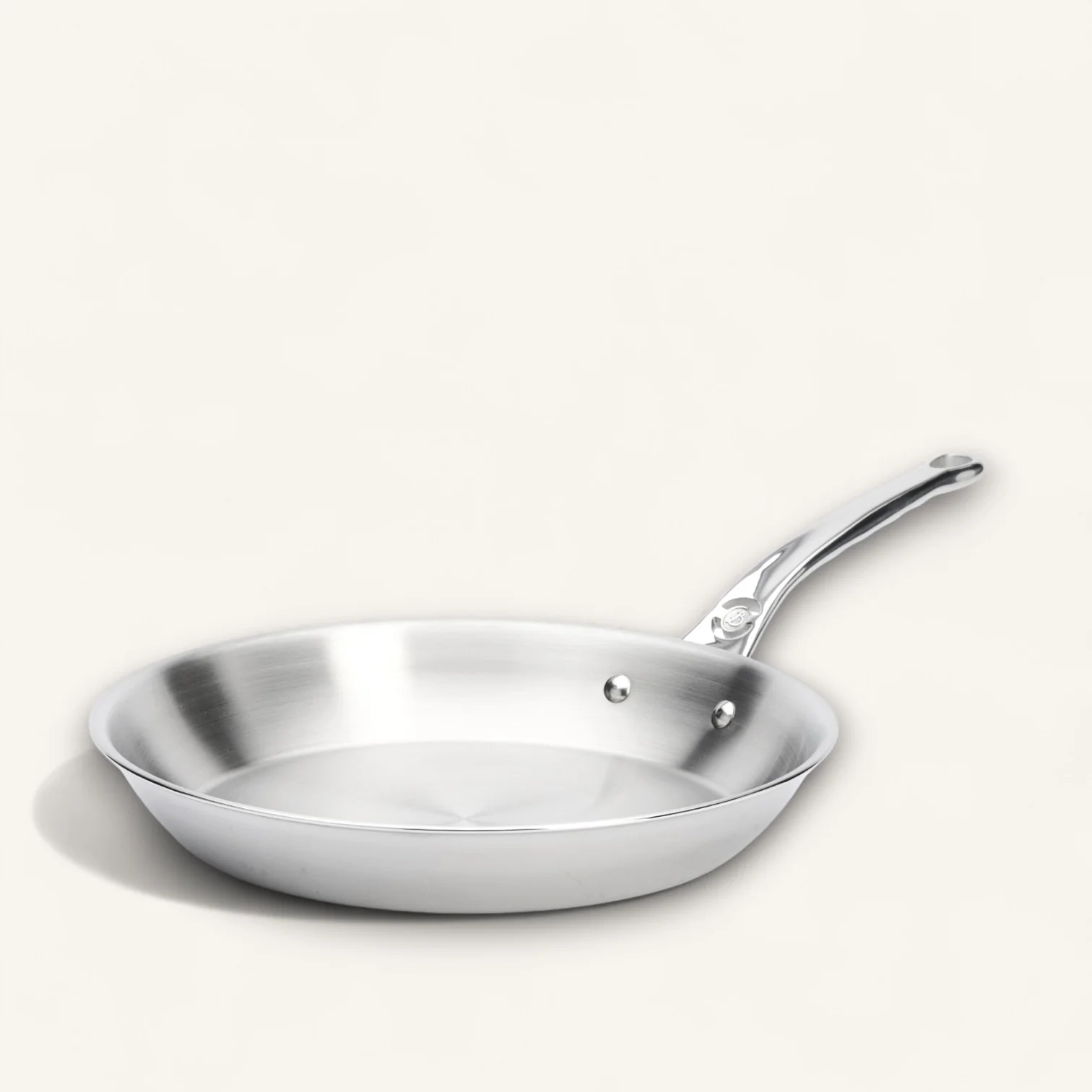
de Buyer
A French-made 11-inch, five-ply stainless fry pan with a 7.9-inch cooking surface and cast heat-stop handle.
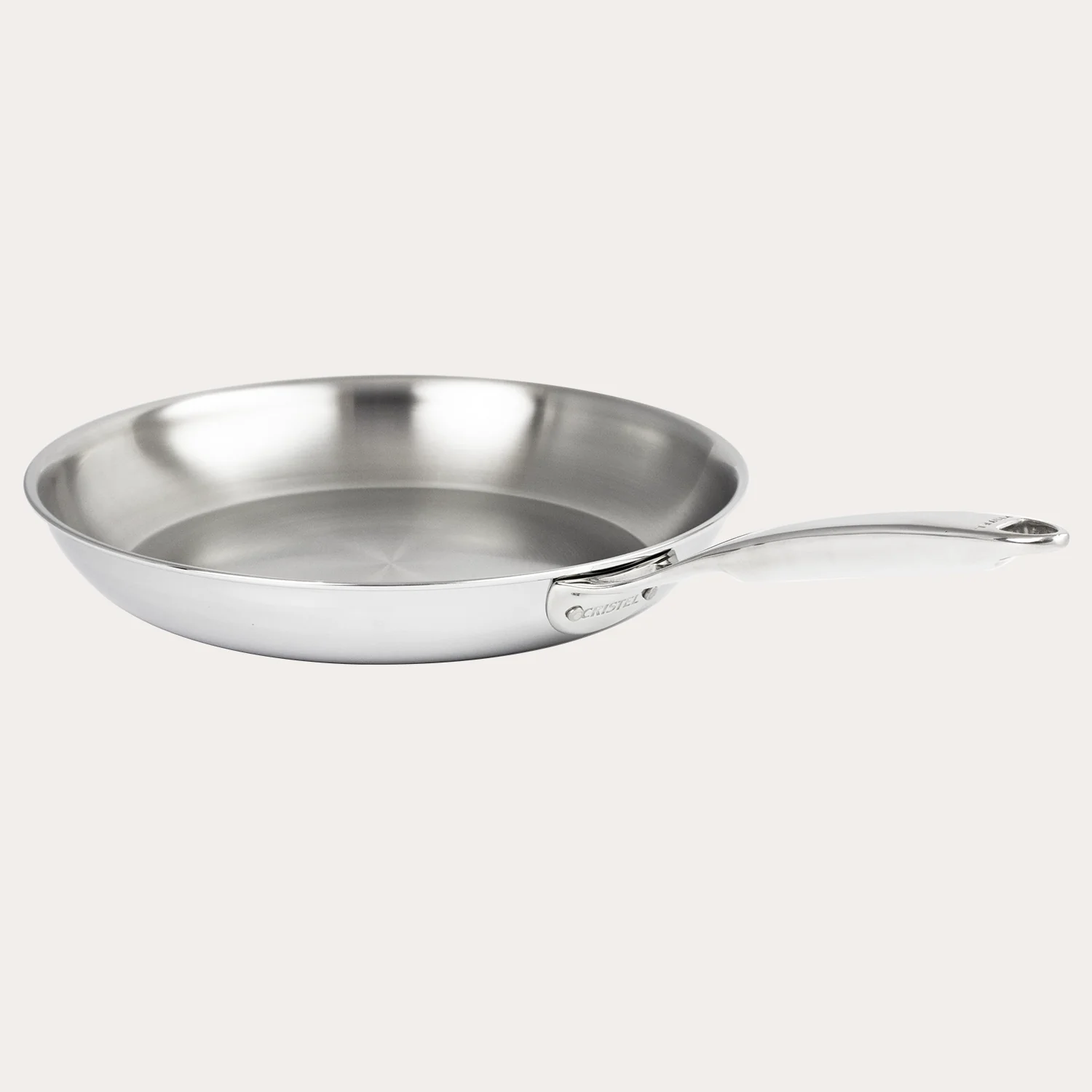
CRISTEL
A French-made 28 cm five-ply stainless fry pan with three aluminum layers, a rounded profile, and an athermic fixed handle.

Misono
A 210 mm Seki-made UX10 gyutou using high-purity EU stainless steel hardened to a documented 59–60 HRC.
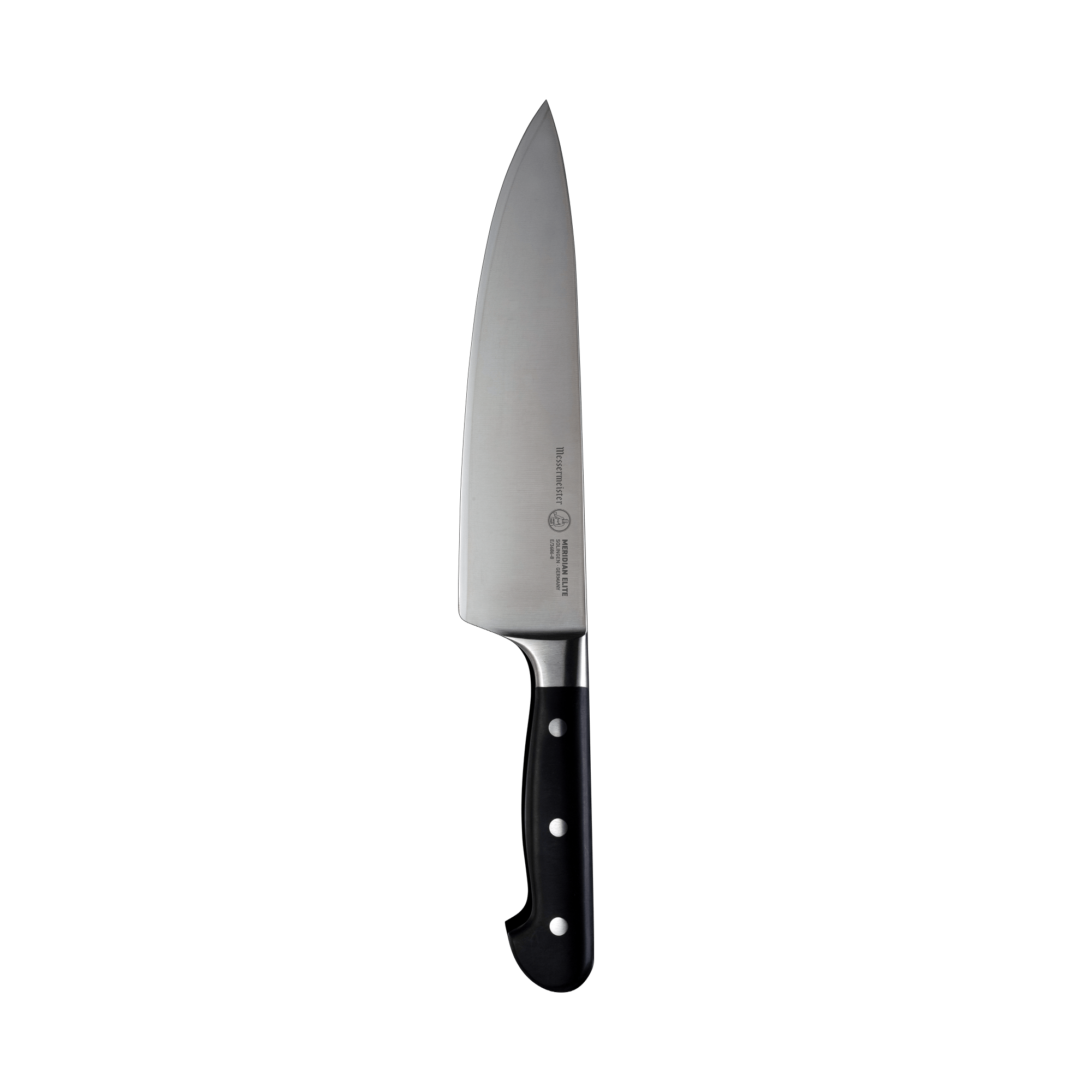
Messermeister
A Solingen-forged 8-inch chef's knife with 1.4116 steel at 58 HRC, a flat 15-degree edge and durable POM handle.
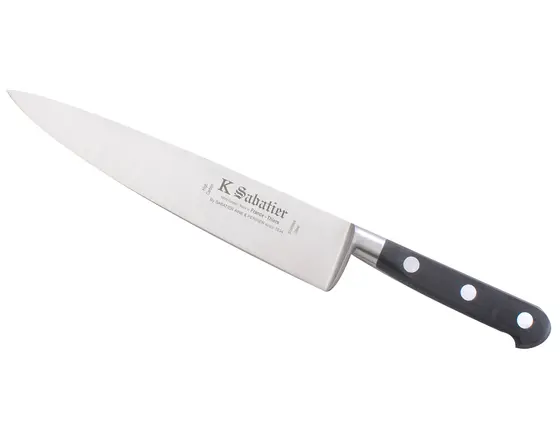
K Sabatier
A Thiers-forged 20 cm chef's knife made from one piece of Z50C13 stainless steel with black POM scales and three aluminum rivets.
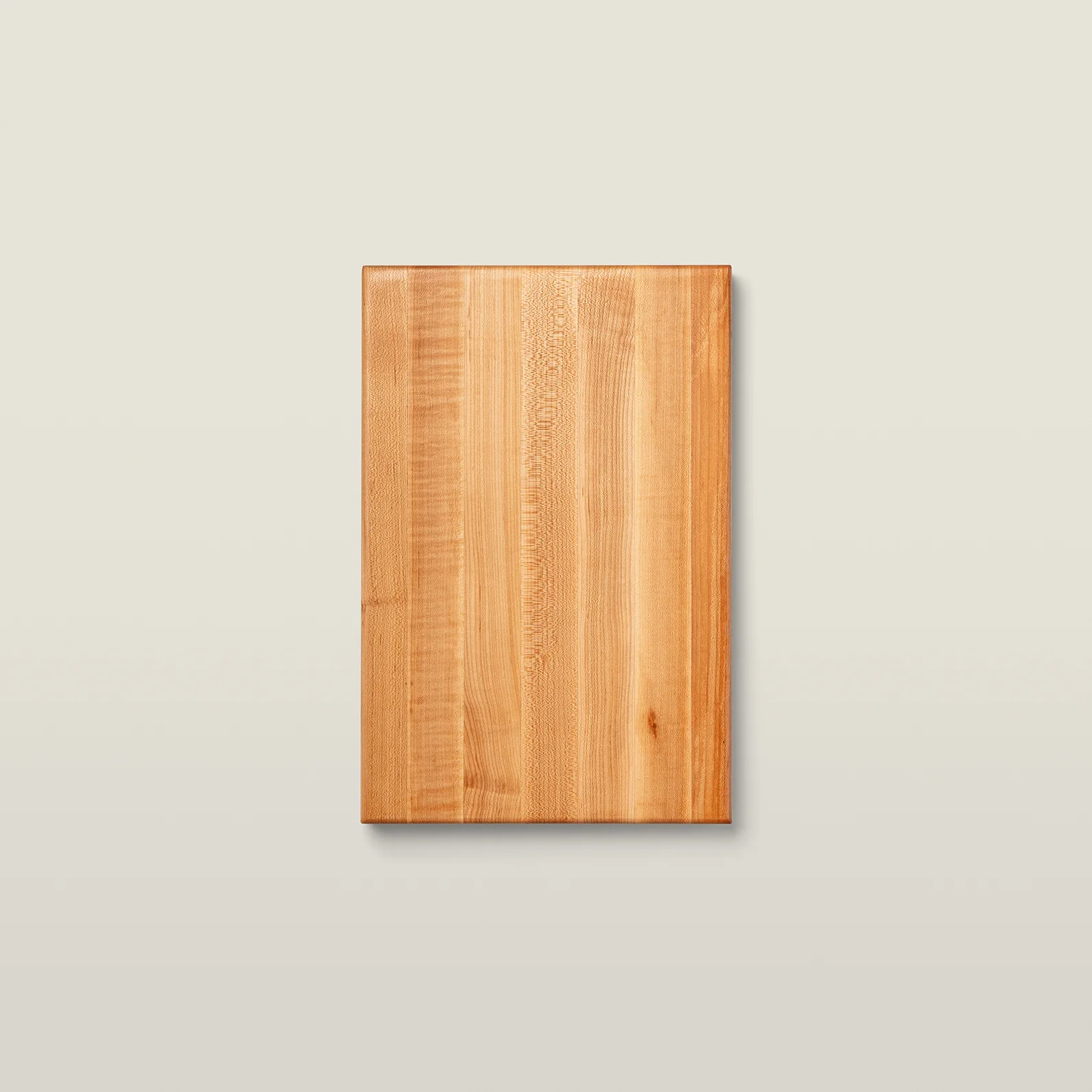
John Boos
A reversible 1.5-inch edge-grain hard-maple board with recessed hand grips, an oil finish and NSF certification.
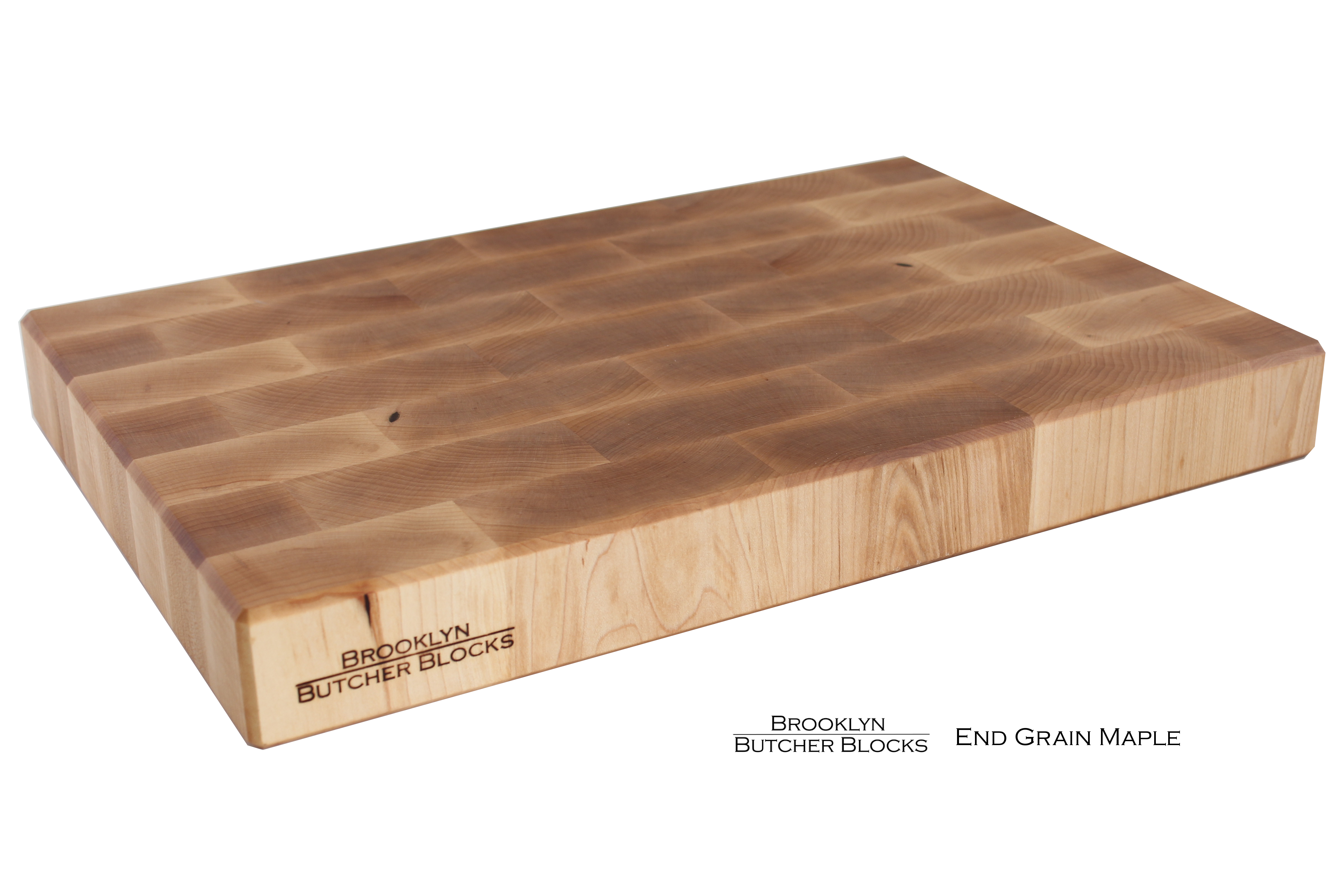
Brooklyn Butcher Blocks
A large brick-pattern end-grain maple butcher block made to order in Brooklyn from primarily regional US lumber.
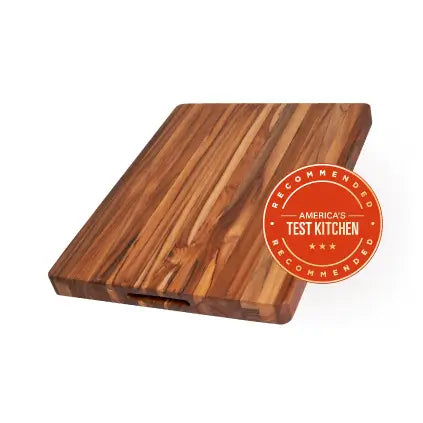
Teakhaus
A reversible FSC-certified teak edge-grain board with a 1.5-inch profile and integrated hand grips.
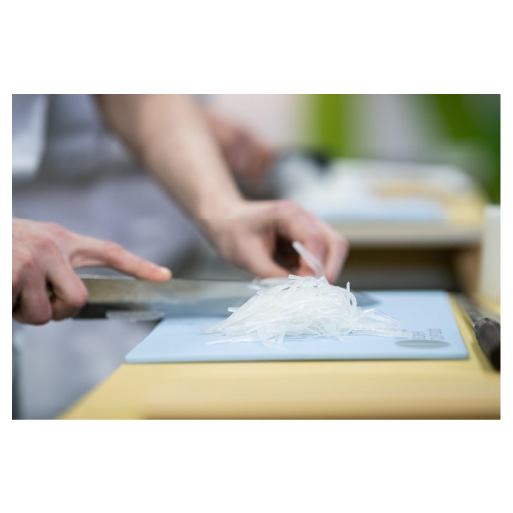
Hasegawa
A lightweight Japanese soft-polyethylene prep mat designed to protect knife edges when used over a larger board.
Yoshihiro
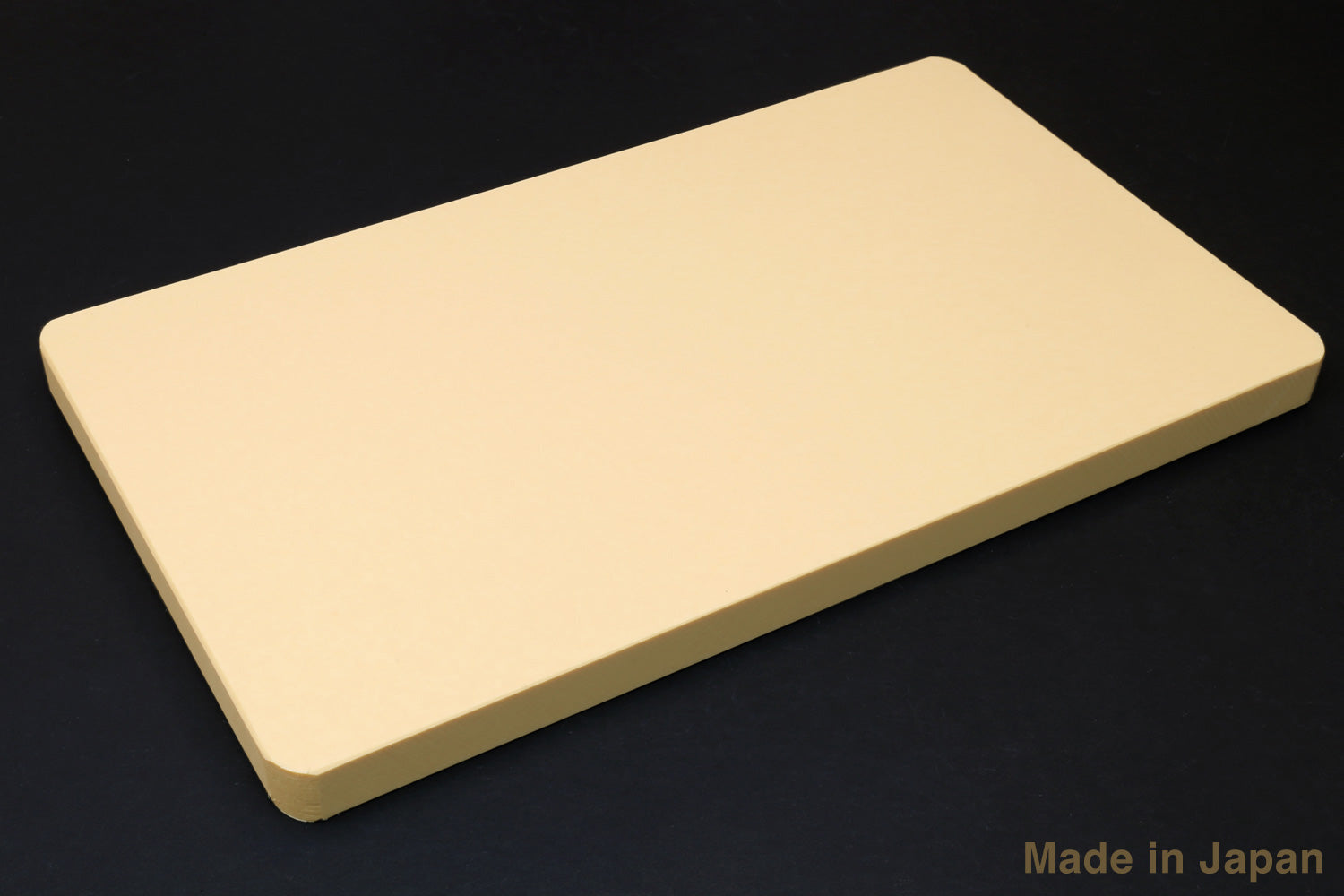
A thick, soft LDPE board from Japan designed to reduce edge impact on fine single- and double-bevel knives.
Larch Wood Canada
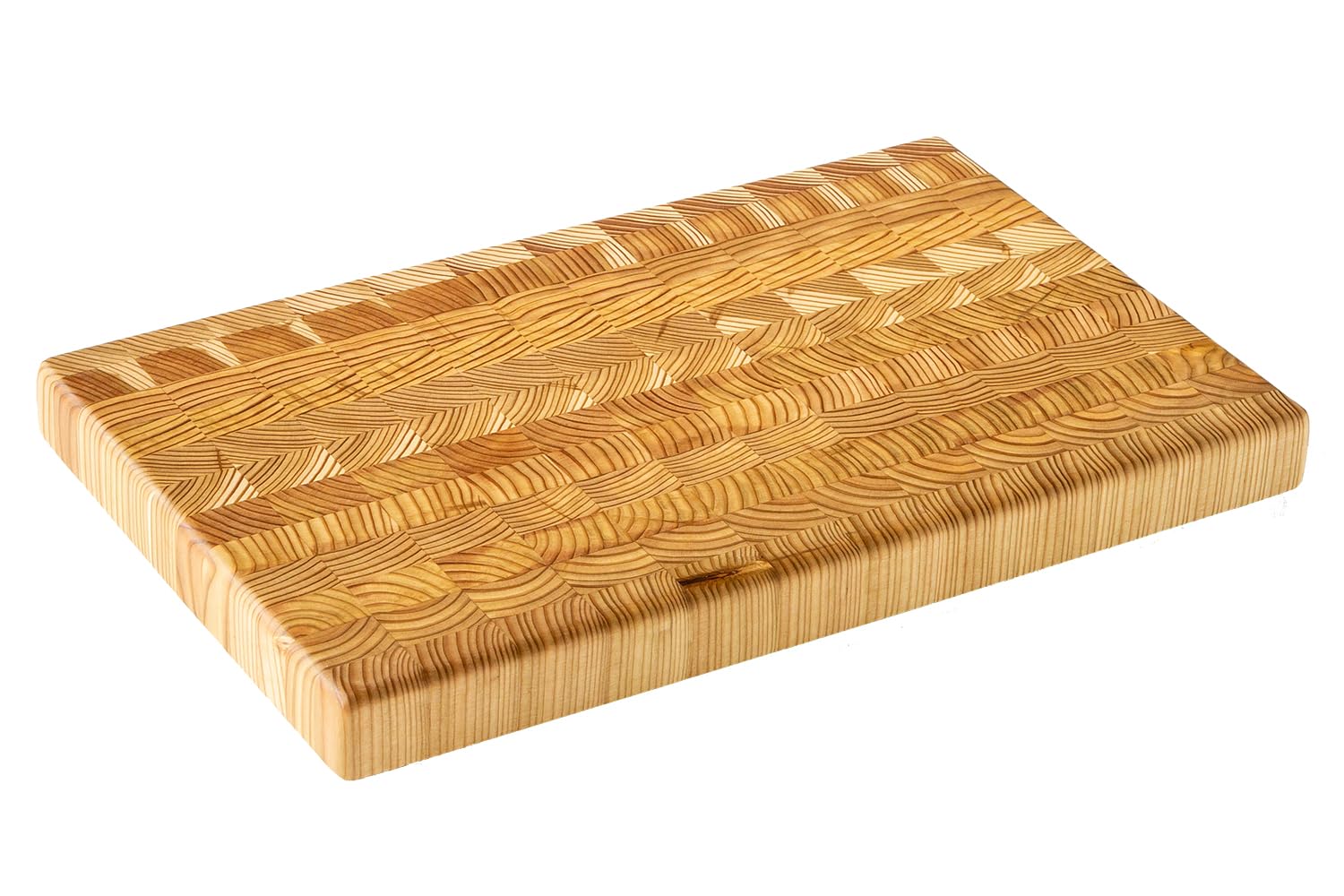
A compact Canadian larch end-grain board with a handhold, ventilating rubber feet and a 10-year guarantee.
JK Adams
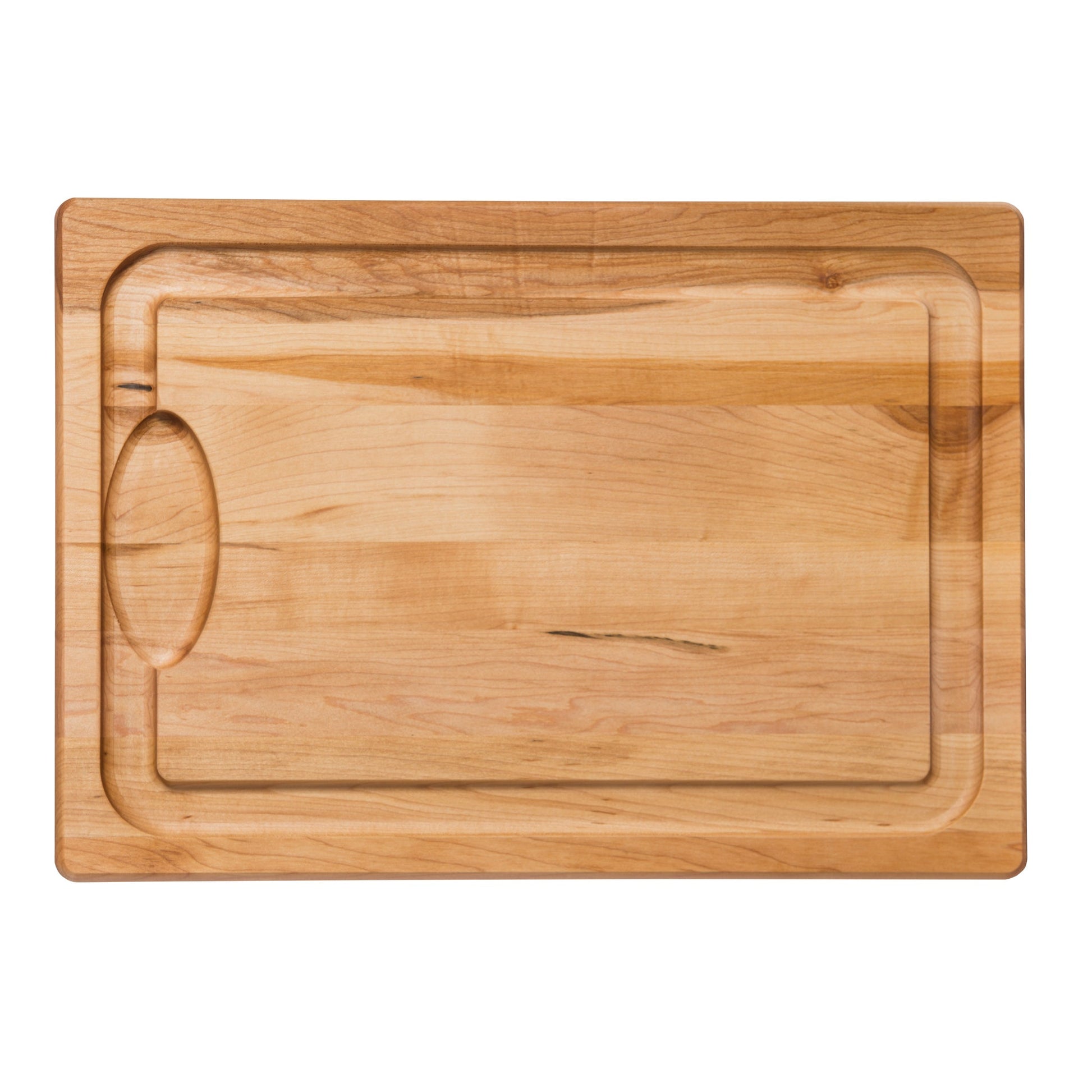
A slim USA-made maple carving board with a juice groove, renewable oil-and-wax finish and lifetime guarantee.
10 products
Budget-conscious selections offering the best value and reliability for essential needs.
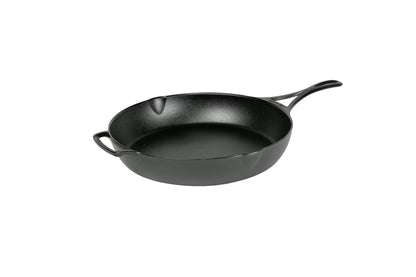
Lodge
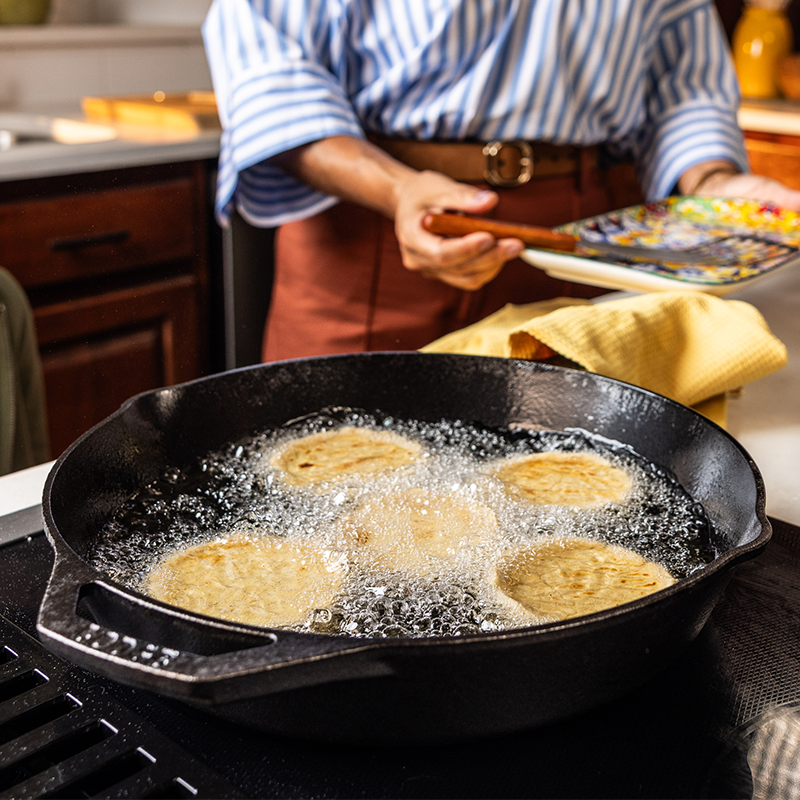
A pre-seasoned, US-made 12-inch cast-iron skillet with helper handle, pour spouts, and broad heat-source compatibility.
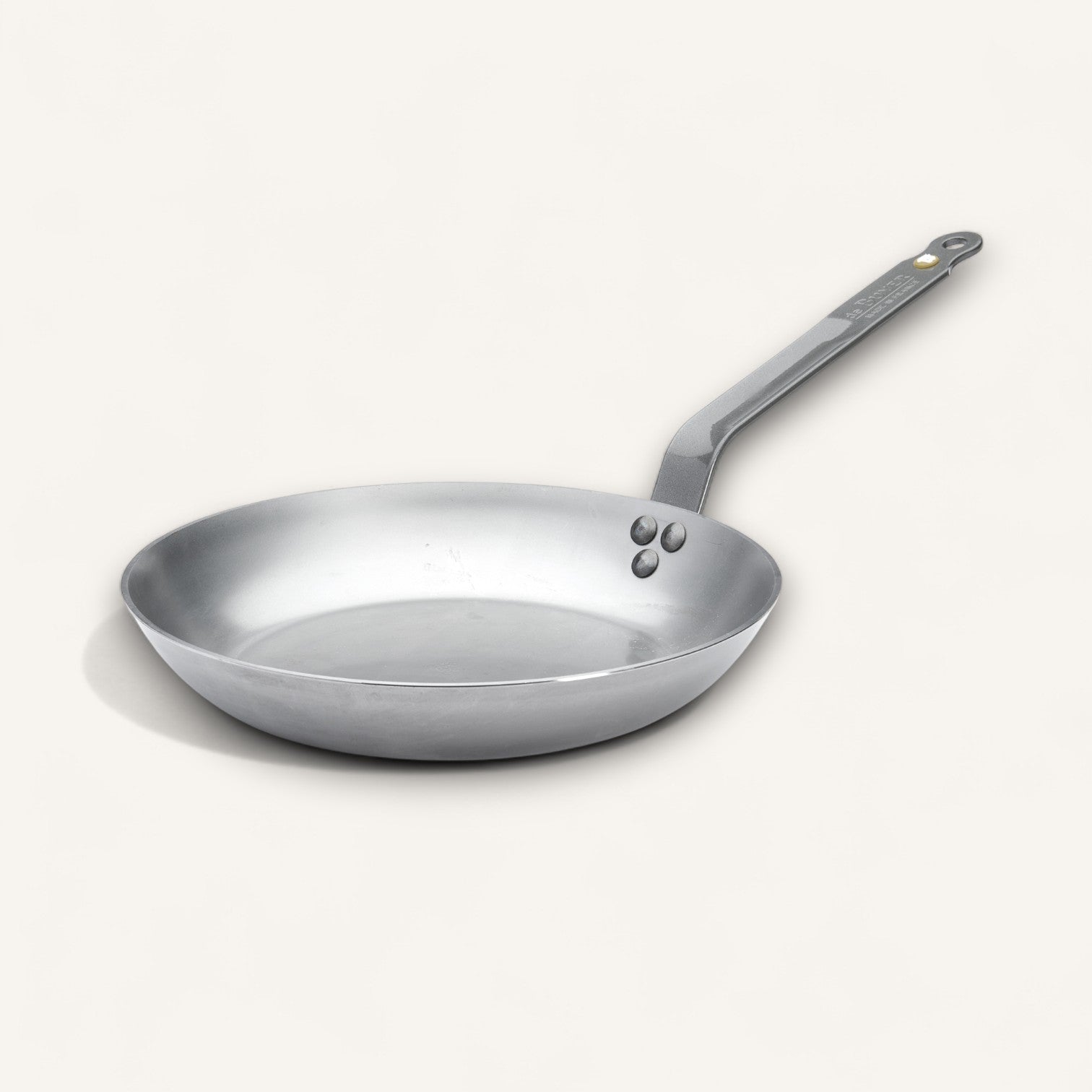
Lodge
A lighter 12-inch cast-iron skillet with triple seasoning, raised extended handle, helper handle, and pour spouts.
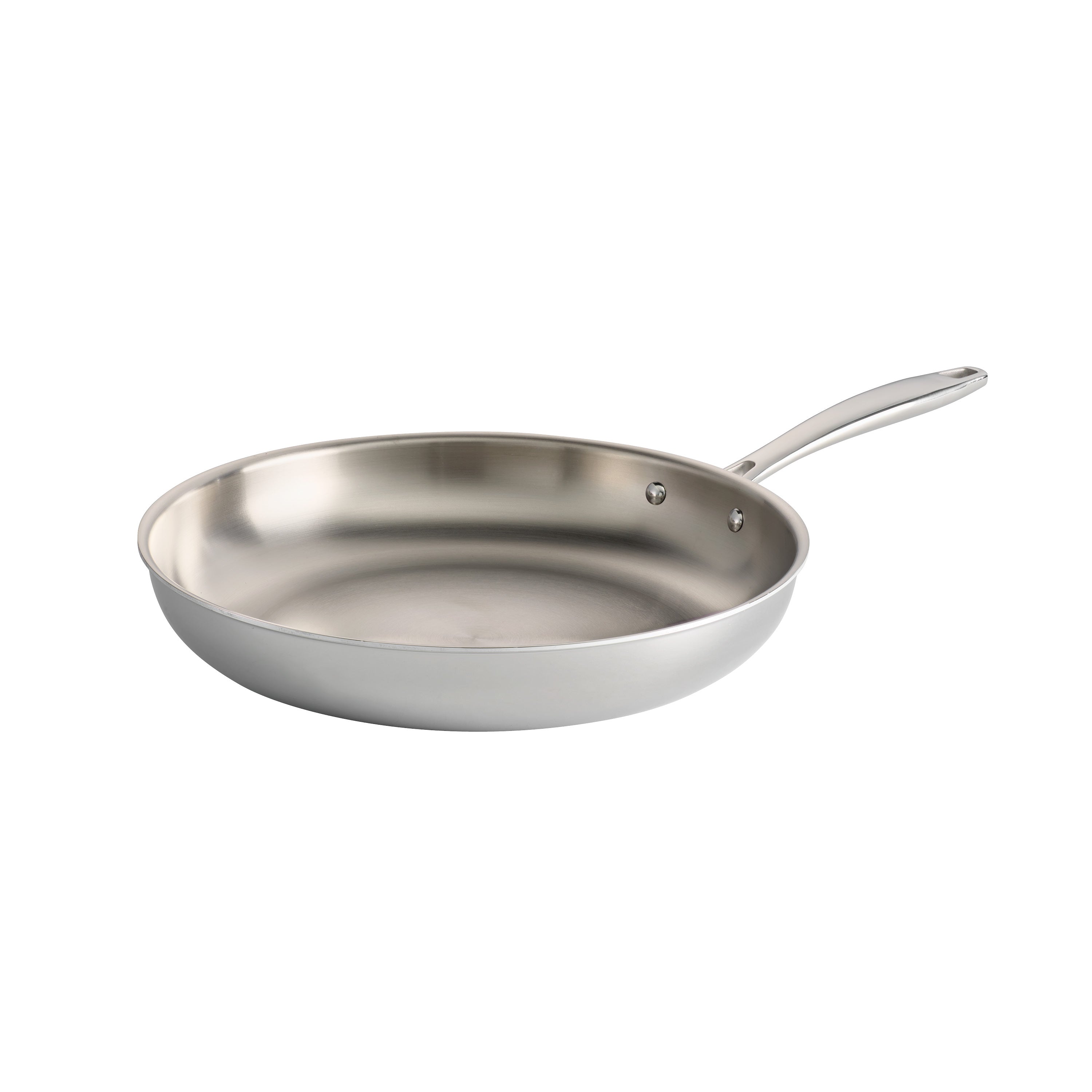
de Buyer
A French-made 11-inch, 3 mm carbon-steel fry pan with welded steel handle, beeswax transit coating, and no synthetic coating.
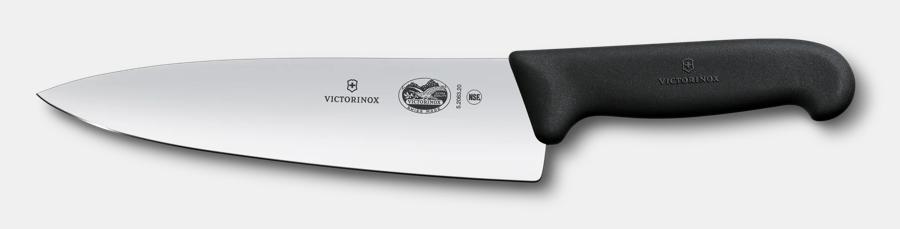
Victorinox
A lightweight, Swiss-made stamped chef's knife with a 7.9-inch straight edge and non-slip TPE Fibrox handle.
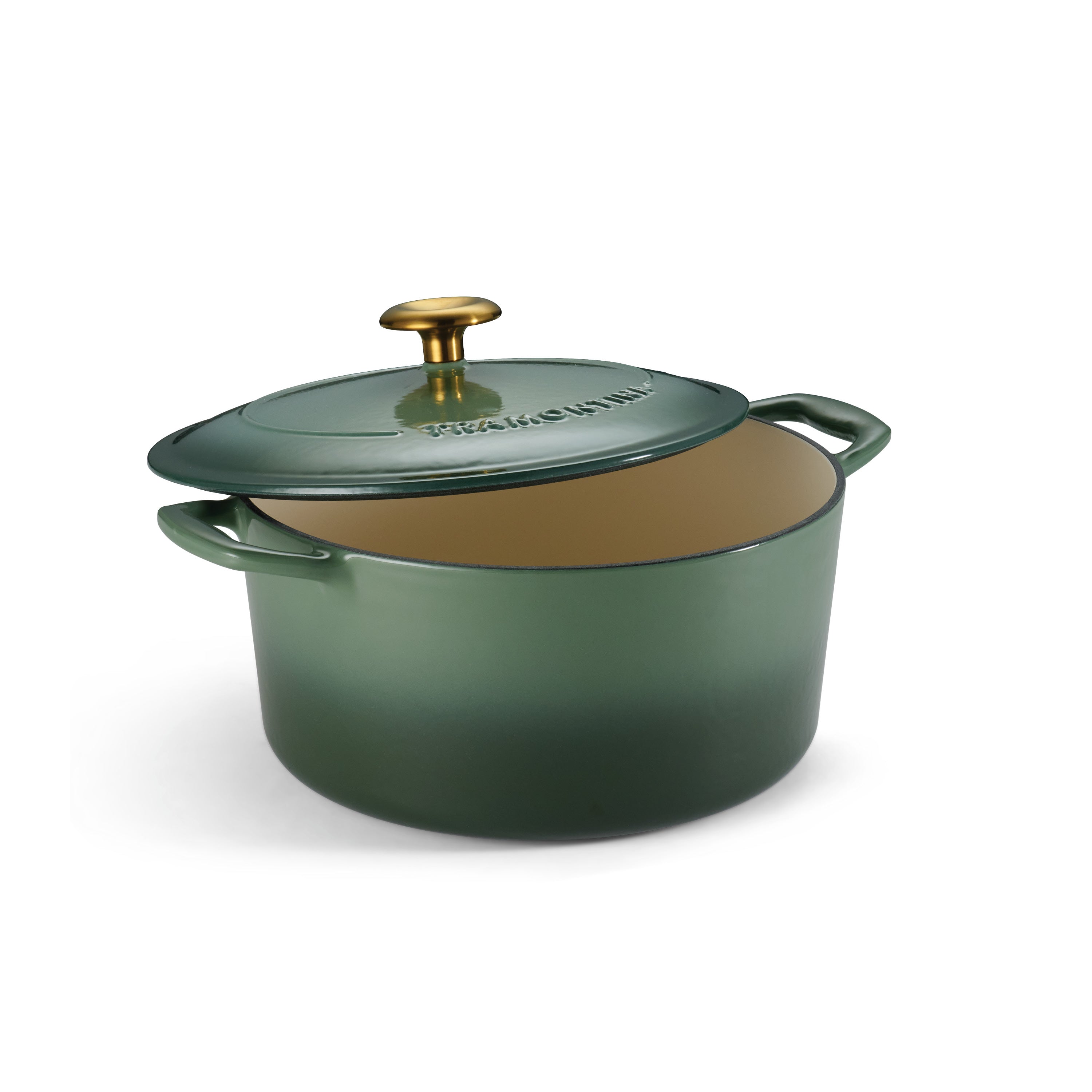
Tramontina
A value-priced 5.5-quart enameled cast-iron Dutch oven with stainless knob and self-basting lid ridges.
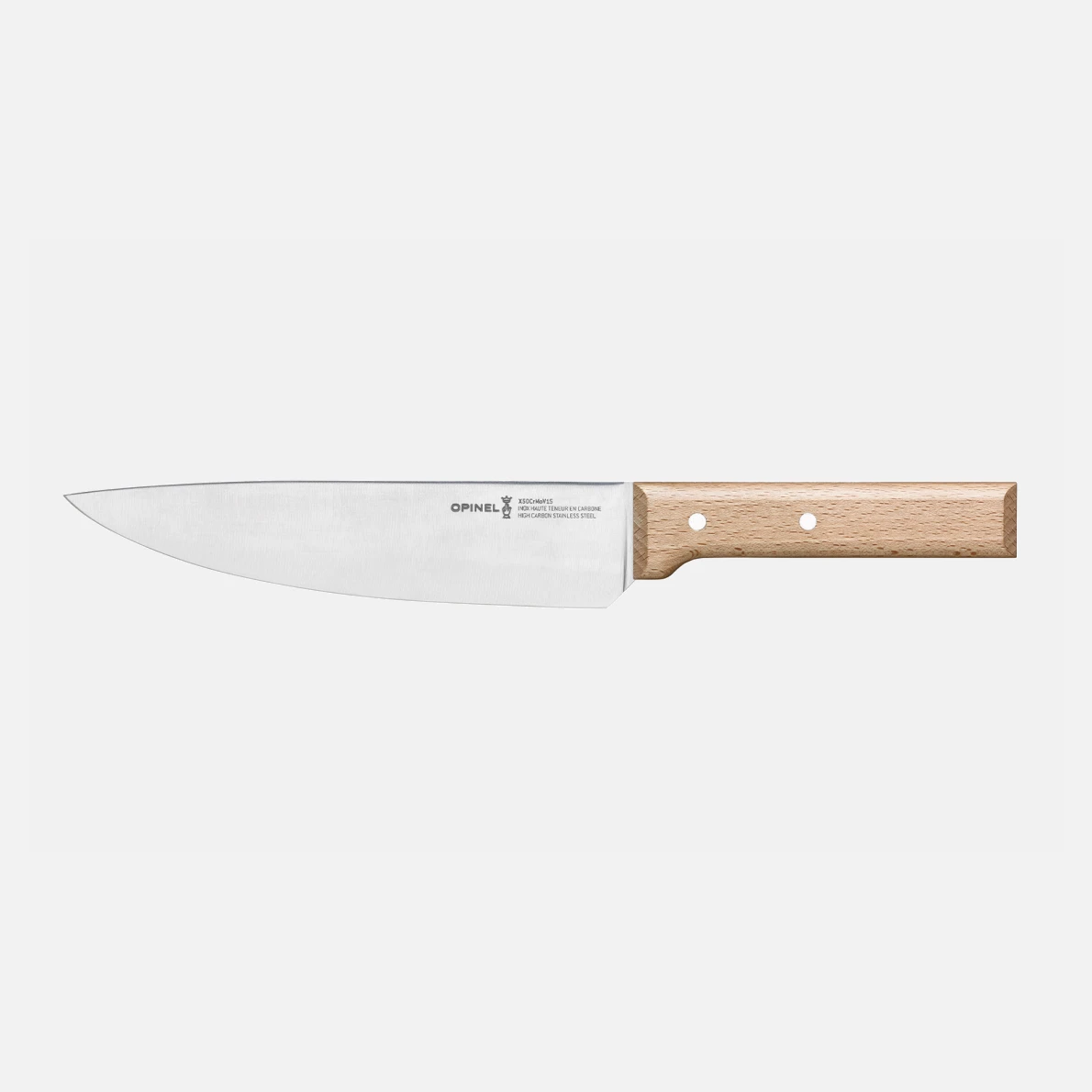
Opinel
A light French chef's knife with a 20 cm, 3 mm X50CrMoV15 blade and varnished PEFC-certified beech handle.
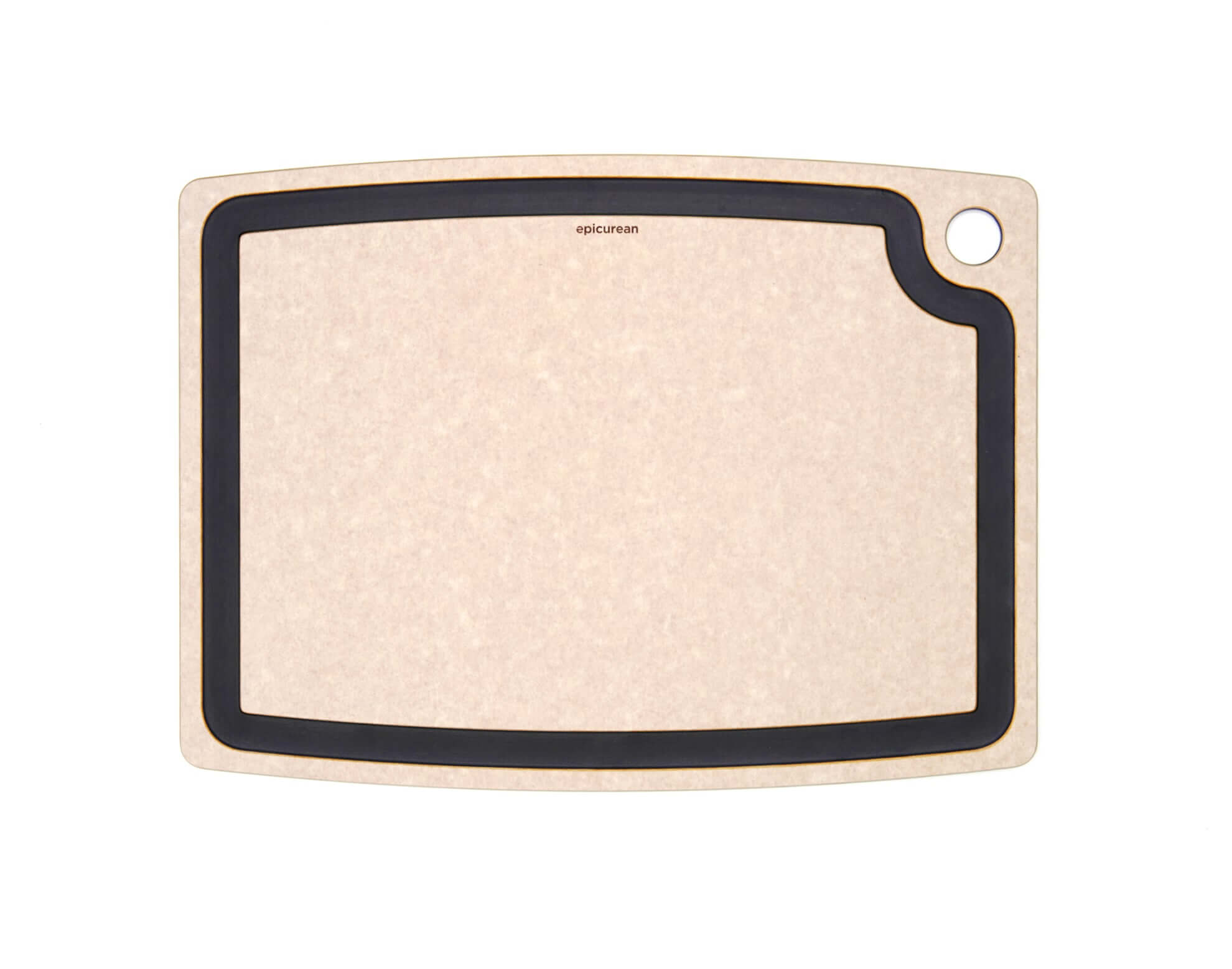
Epicurean
A 3/8-inch paper-composite board with a juice groove, dishwasher-safe construction and lifetime warranty.
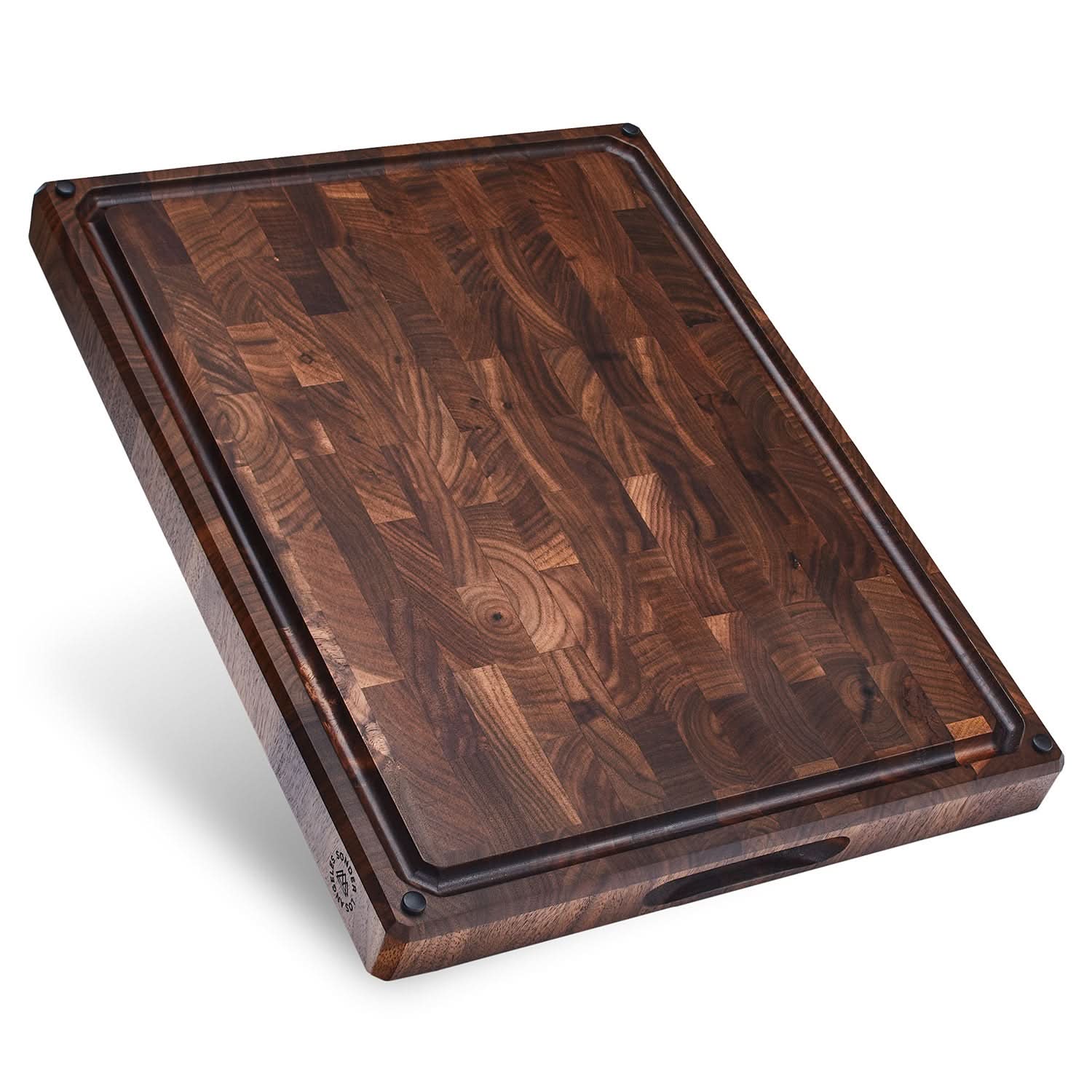
Sonder LA
A 1.5-inch American-walnut end-grain board with a juice groove, three prep wells and removable feet.
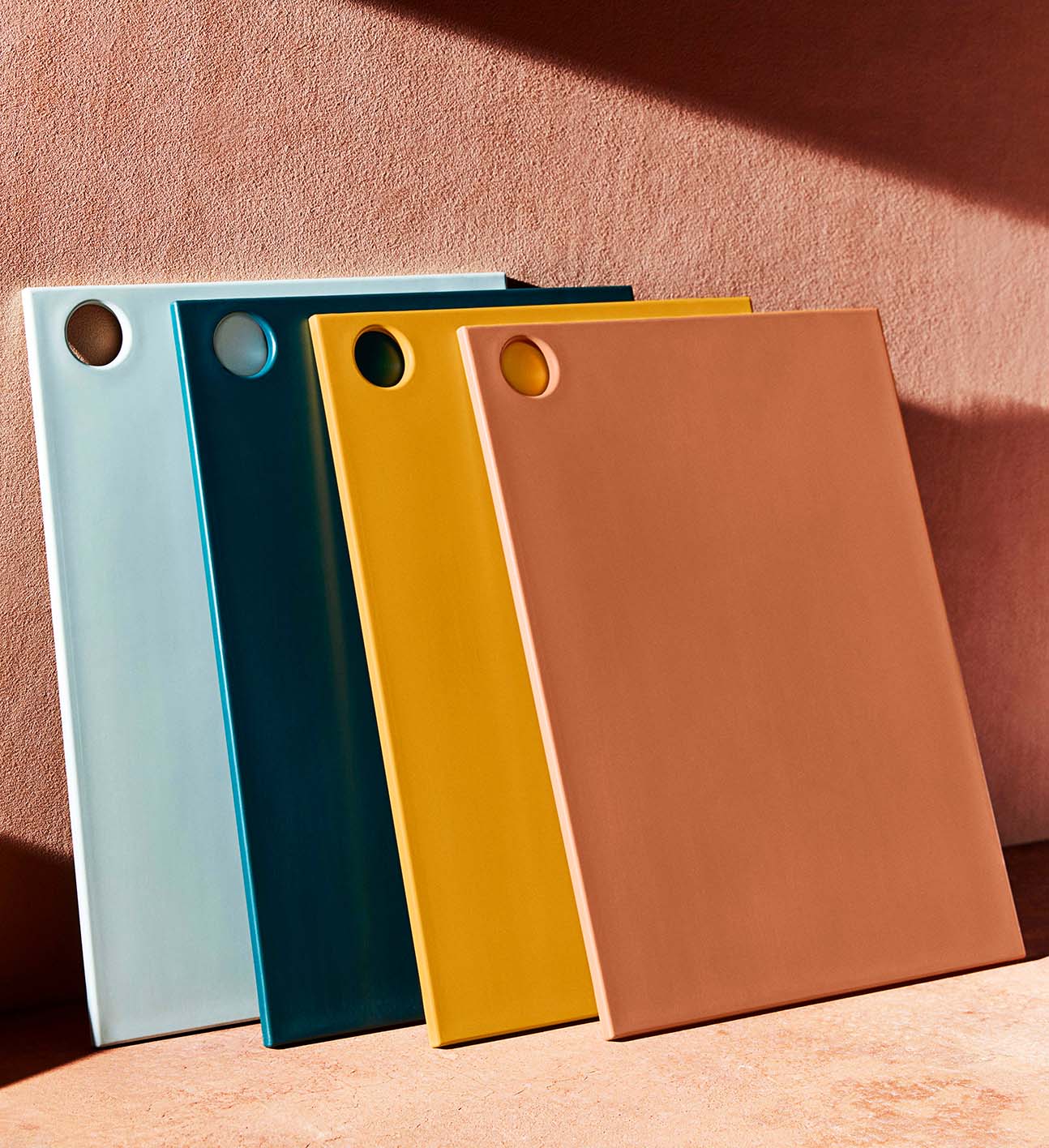
Material Kitchen
A discontinued dishwasher-safe board made with recycled plastic and renewable sugarcane rather than virgin plastic.
Shop by brand
Buying guide
Start with the meals, batch sizes, heat sources, storage space, grip, and cleaning routine you actually have. Favor a few correctly sized tools with stable handles and accessible food-contact surfaces over a large set of specialized pieces. The FDA Food Code is written for retail food operations, not home kitchens, but its emphasis on durable, corrosion-resistant, smooth, and cleanable equipment is a useful construction benchmark when comparing everyday tools.
Inspect base flatness, handle attachment, rim and lid fit, and whether the cooking surface can survive routine maintenance. Bare cast iron is a strong example of a recoverable material: Lodge publishes cleaning steps and a process for scrubbing, reseasoning, and restoring rusted cookware. For enameled cookware, follow the maker’s heat and cooling limits; Le Creuset warns that rapid heating and thermal shock can crack, craze, or chip a cooking surface. A replaceable knob is useful, but it cannot rescue a badly damaged vessel.
A durable knife still needs an appropriate board, safe storage, cleaning, and periodic sharpening. Check whether the blade geometry suits your work and whether the handle remains secure when wet; avoid buying a block full of shapes you will not use. Zwilling’s care guidance recommends hand washing and prompt drying for kitchen knives. USDA says both wood and plastic boards wear and should be discarded once excessively worn or grooved in ways that are hard to clean, so inspect the board as carefully as the edge.
Before buying a pressure appliance or any tool with seals, valves, batteries, or electronics, confirm that the maker currently sells the exact wear parts and provides model-specific instructions. Replacement timing is not universal: Instant Pot, for example, recommends replacing the cited 8-quart sealing ring every 12–18 months and using a genuine compatible ring. Search the exact brand and model in the CPSC recall database as well; pressure-cooker recalls show that a lid opening while contents remain pressurized can create a serious burn hazard.
FAQ
Start with the jobs, portions, heat sources, storage space, grip comfort, and cleaning routine you actually have. Favor clearly identified food-contact materials, sturdy joints, flat bases, maintainable edges, and parts that can be replaced. Do not treat a vague “lifetime” promise as proof of durability: read what the written warranty covers, its exclusions, remedy, claim process, and any shipping or labor costs before buying.
Let a hot pan cool naturally before washing; plunging it into cold water can cause thermal shock and permanent warping. For routine cleaning, use warm water, mild dish soap, and a soft sponge, then dry promptly. Avoid steel wool, harsh chlorine products, and oven cleaner on stainless surfaces. Gradual preheating over moderate heat and matching the burner to the pan base also reduce uneven thermal stress.
Choose a smooth, hard board approved for food contact and follow its cleaning instructions. Replace it when deep grooves or scratches make thorough cleaning difficult; longevity should not override sanitation. To limit cross-contamination, clean and sanitize a board before moving from raw meat, poultry, or seafood to ready-to-eat food, or keep separate boards for those tasks. Remember that thin plastic and wood can warp in a dishwasher.
Prefer a comfortable knife with an edge that can be honed and sharpened instead of a disposable cutting tool. Wash promptly after use, dry it rather than letting it air-dry, and store the blade in a block, holder, sheath, or suitable magnetic rack instead of loose in a drawer. Wood or plastic boards are kinder to an edge than stone, and using the knife’s spine—not its edge—to move chopped food reduces needless dulling.
Confirm that the exact model has an accessible instruction manual and model-specific replacement parts. Safety-critical wear items and fittings can include sealing rings, overpressure plugs, regulators, relief valves, vent assemblies, locks, and handles. Availability varies by maker and model, so verify current listings rather than assuming parts are interchangeable. Follow the model’s manual for inspection, use, and replacement intervals.
Treat the written terms as evidence, not the headline alone. Check the duration, covered parts and failures, exclusions for use or maintenance, whether the remedy is repair, replacement, or refund, and who pays labor or return shipping. The FTC also recommends saving the warranty and receipt. A narrower warranty backed by available parts and a workable claims process may be more useful than broad marketing language with costly exclusions.
Look for a clearly identified maker, model, and material, then check current regulator notices before purchase and periodically during ownership. FDA has warned that certain imported aluminum, brass, and aluminum-alloy cookware may leach lead, and advises consumers not to use listed products. Do not generalize that warning to every item made from those metals; compare the exact product against the agency’s updated notice and follow its disposal guidance when there is a match.
Honoring the visionaries whose work paved the way for the products we rely on today.
Benjamin Thompson, Count Rumford, applied heat studies to domestic cooking and heating. His work included designs for stoves, fireplaces, and cooking utensils, plus advice on institutional kitchens, linking fuel efficiency with practical kitchen engineering.
Joseph Opinel began making a simple workingman's knife in Savoie in 1890. The design expanded into numbered sizes, while Marcel Opinel's 1955 Virobloc added a blade-locking mechanism. This documented sequence links a regional working knife with a long-running, mechanically simple tool design.
John Landis Mason patented an externally threaded jar and matching metal cap in 1858, adding a rubber ring for an airtight seal. His reusable screw-top design made home canning practical and spread widely after competitors manufactured jars once the patent expired.
Nicolas Appert developed airtight food preservation in the early 19th century, using sealed containers and heat. His 1804 factory became the first food-bottling factory, and his 1810 book publicized the method, making him a documented pioneer of preservation equipment and process.
Research last refreshed
Himani Yadav; Md Rakib Hasan Khan; Mohiuddin Quadir; Kelly A. Rusch; Partho Pritom Mondal; Megan Orr; Elvis Genbo Xu; Syeed Md Iskander · 2023
Yadav and colleagues tested polypropylene and polyethylene cutting boards under different chopping styles, measuring particle release and size distributions. Polypropylene released more particles than polyethylene, while chopping carrots increased release from polyethylene. The study links board abrasion to food-contact exposure.
Matthew Cole; Alessio Gomero; Adrián Jaén-Gil; Marte Haave; Amy Lusher · 2024
Cole and colleagues compared non-plastic, new plastic, and old plastic cookware through heating, mixing, slicing, and storage steps using jelly as a food simulant. Stainless-steel and glass cookware introduced no microplastics in the test, while plastic cookware increased contamination, including PTFE, polyethylene, and polypropylene particles.
Guillermo Guerrero‐Vaca; Francisco Comino; Óscar Rodríguez‐Alabanda · 2024
Guerrero-Vaca, Comino, and Rodríguez-Alabanda evaluated two fluoropolymer and two ceramic non-stick coatings through up to 90 pancake-baking cycles and abrasion tests. Fluoropolymer coatings had lower pull-off pressures than ceramic coatings, and the protocol related non-stick performance to use-related surface changes.
