8.1/10
Durable buying guide
Compare pressure cookers by lid-lock and steam-release design, replaceable seals and valves, capacity, and recall history. For Dutch ovens, weigh cast iron or ceramic construction, heat retention, lid fit, handle security, surface care, and loaded weight.
7 products
Superior features, extended warranties, and high-end materials for enhanced performance.
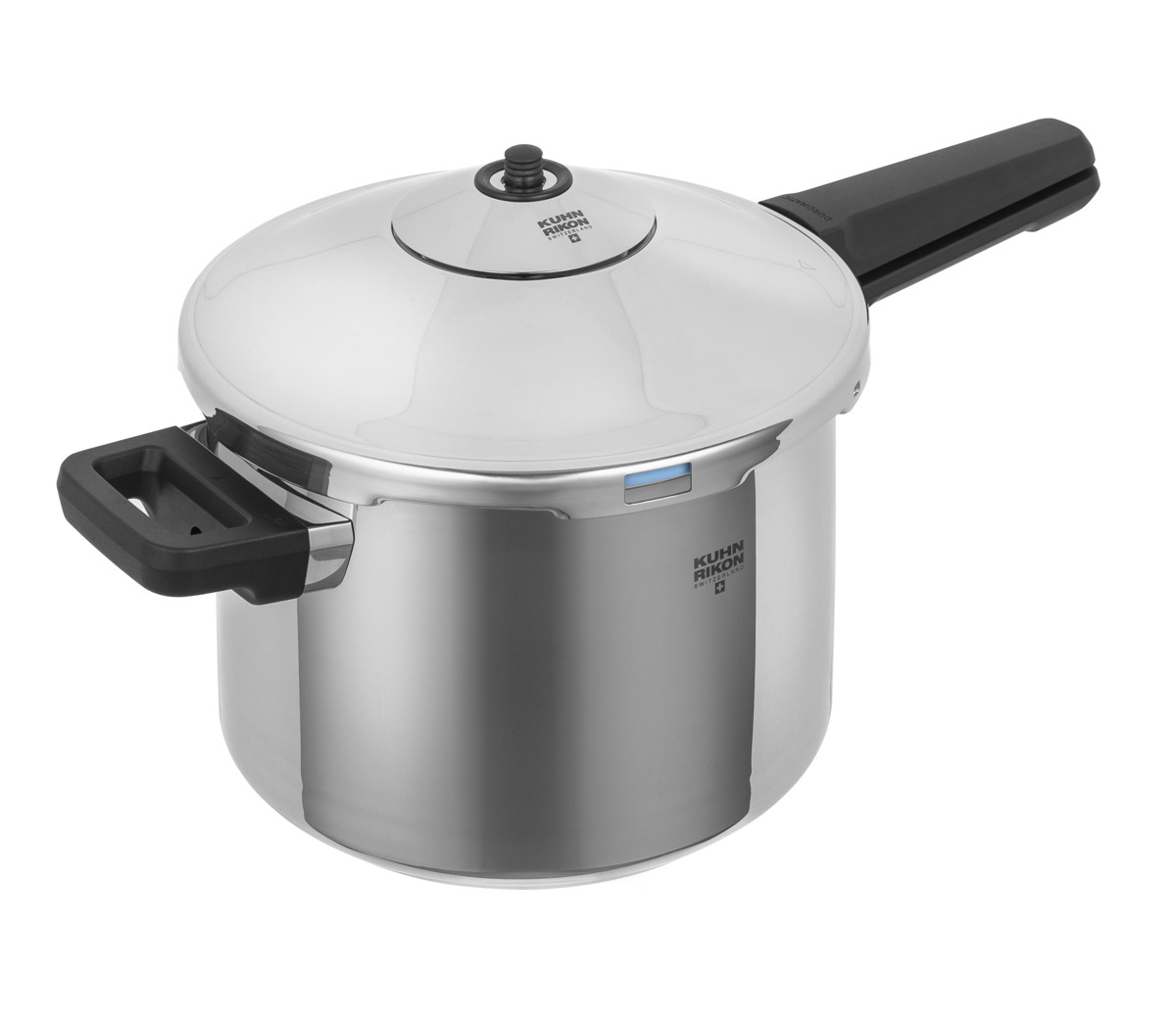
Kuhn Rikon
A Swiss-made 18/10 stainless pressure cooker with four steam-release safeguards and a replaceable-parts ecosystem.
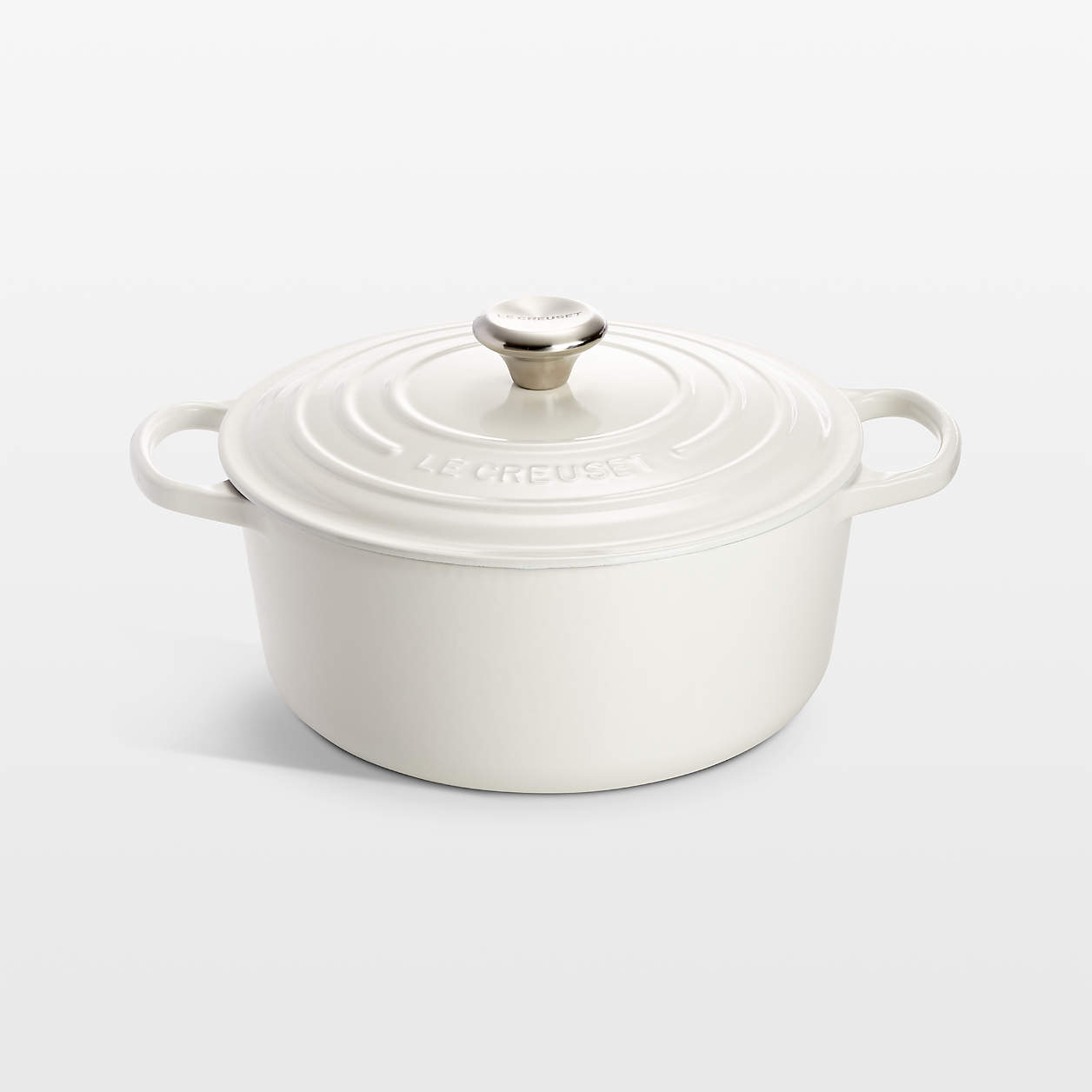
Le Creuset
A French-made 5.5-quart enameled cast-iron Dutch oven with a light interior, wide handles and lifetime warranty.
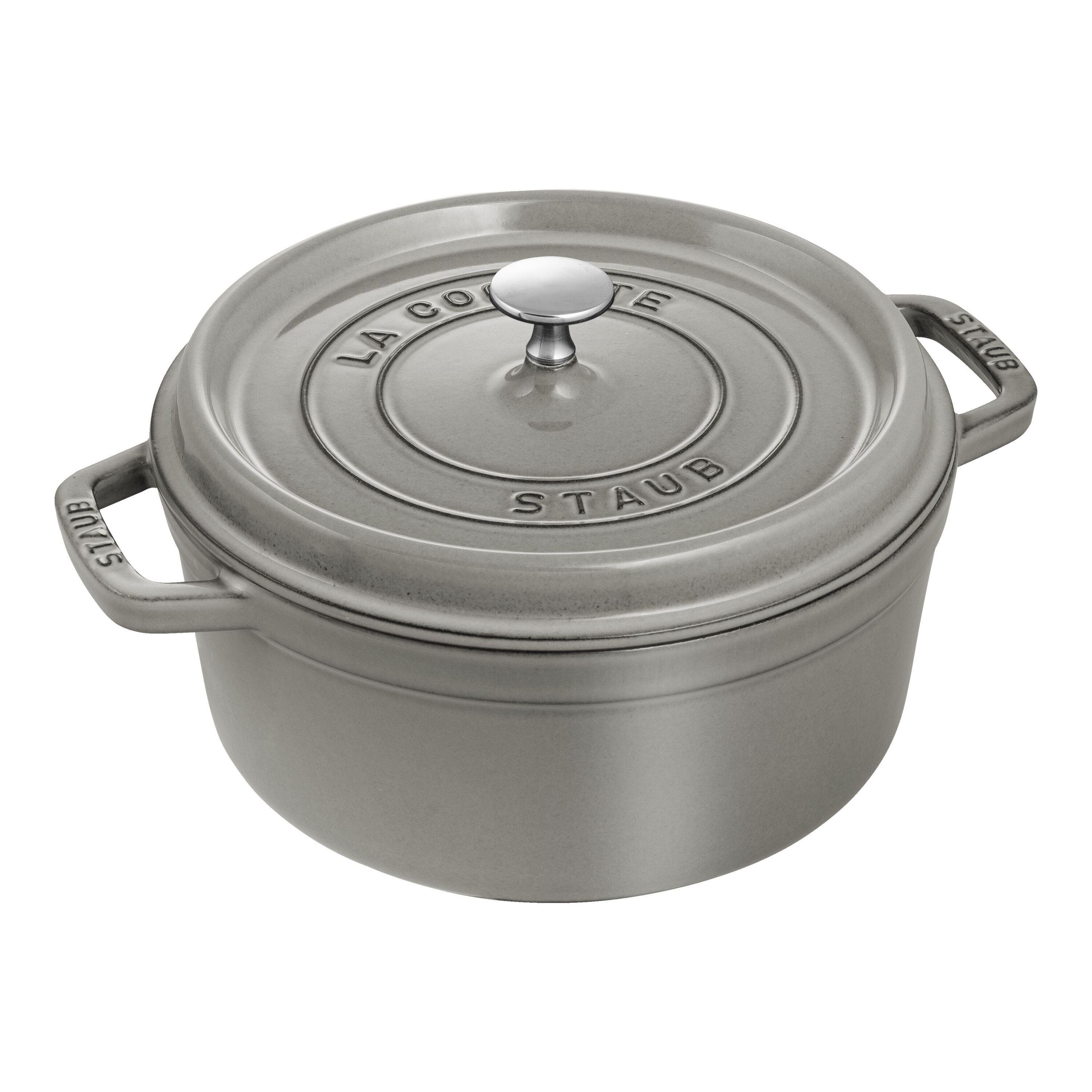
Staub
A French-made 5.5-quart enameled cast-iron cocotte with black-matte interior and self-basting spiked lid.
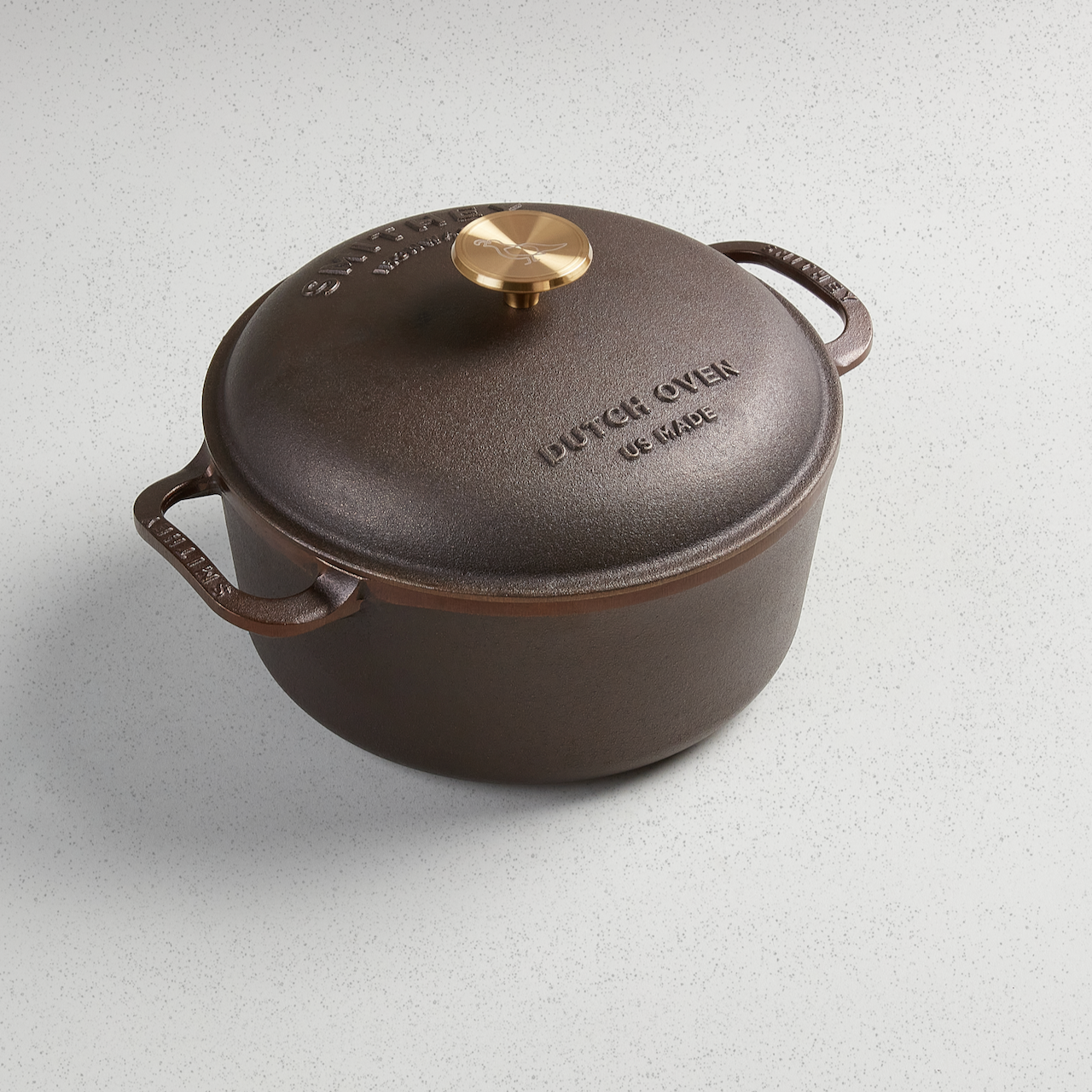
Smithey
A US-made bare cast-iron Dutch oven with polished interior, grapeseed-oil seasoning and skillet-compatible lid.

FINEX
A US-made pre-seasoned cast-iron Dutch oven and skillet set sharing an octagonal lid with spring handles.

Vermicular
A 5.9-quart Japanese enameled cast-iron pot with precision-machined seal, round knob and separate lid stand.
4 products
A balanced blend of performance, quality, and price for the discerning user.

Lodge
A 6-quart porcelain-enameled cast-iron Dutch oven with stainless knob, induction support and lifetime warranty.
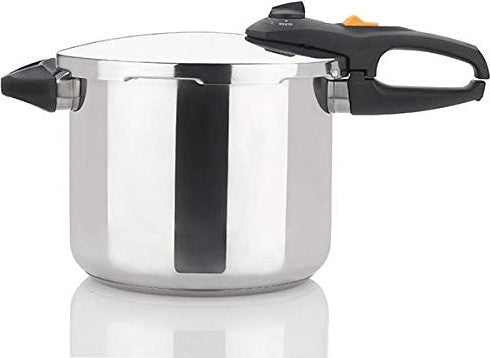
Zavor
A discontinued 10-quart stovetop pressure cooker/canner with two pressure settings and induction compatibility.
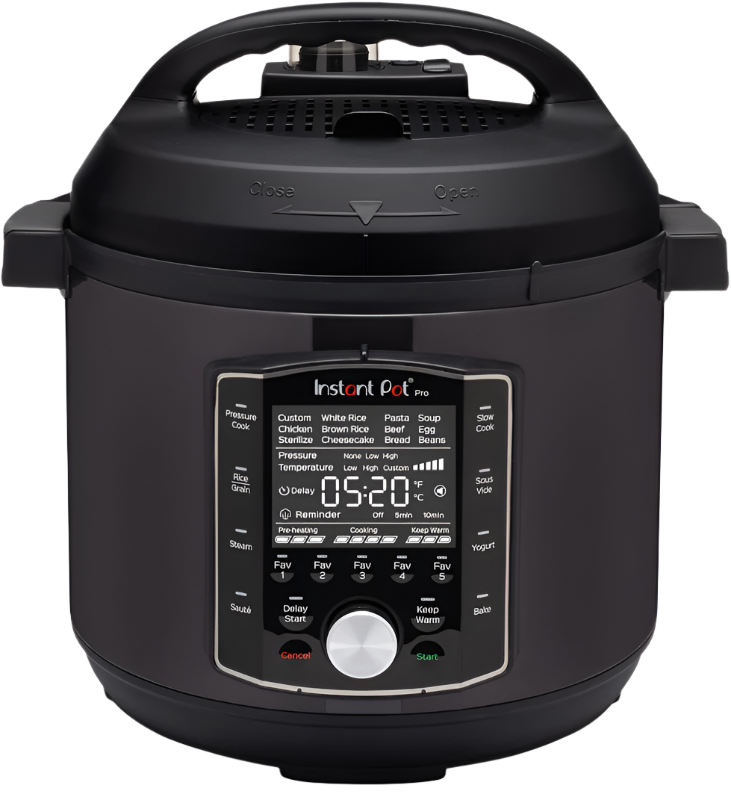
Instant Pot
An 8-quart, 1400-watt electric multicooker with 10 cooking functions, 28 programs and handled stainless inner pot.
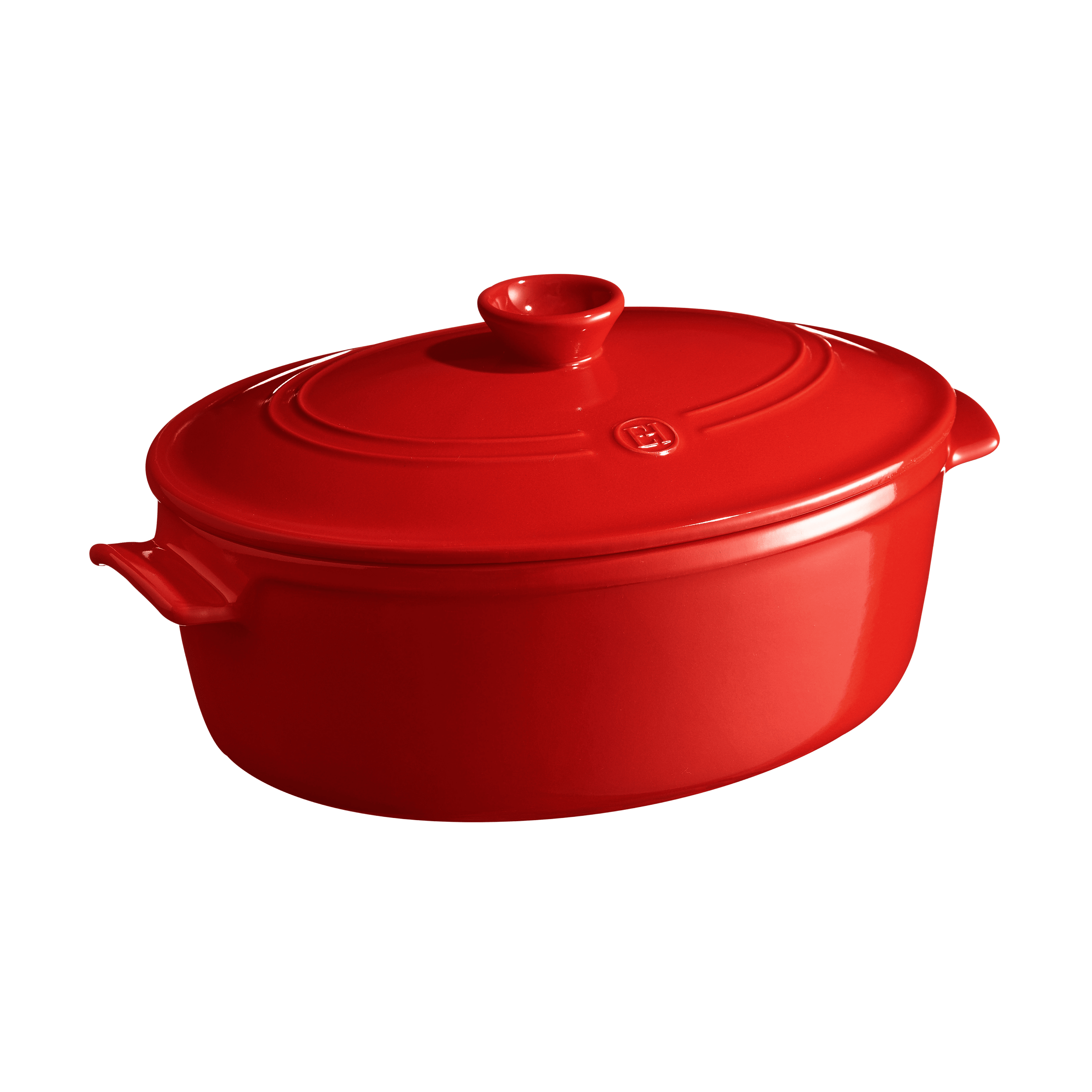
Emile Henry
A 6.3-quart French Flame-ceramic oval Dutch oven for stovetop, oven, microwave, grill and dishwasher use.
1 products
Budget-conscious selections offering the best value and reliability for essential needs.
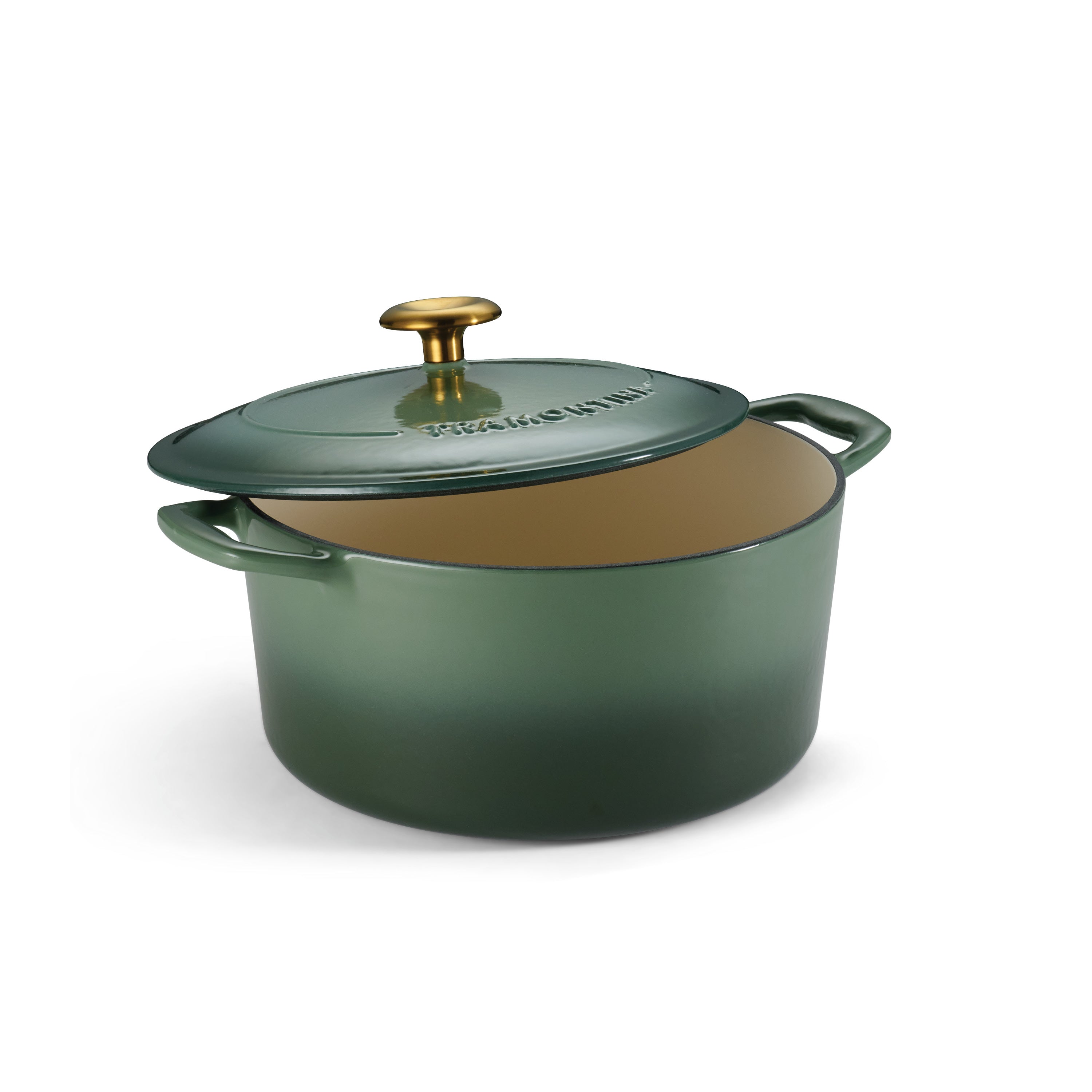
Tramontina
A value-priced 5.5-quart enameled cast-iron Dutch oven with stainless knob and self-basting lid ridges.
Shop by brand
Buying guide
A pressure cooker is the right tool when sealed, high-pressure cooking and shorter cook times matter; a Dutch oven is better when you want open-pot browning, evaporation, oven braising, or easy visual access. Then compare usable capacity, not just the quart number on the box. Pressure-cooker working volume is below brim capacity: Presto limits ordinary loads to two-thirds full and foaming, expanding, or mostly liquid foods to one-half full. Also check loaded weight, storage height, burner diameter, and oven or induction compatibility before buying.
For a pressure model, favor a clear lid-lock indication, a vent that can be inspected and cleaned, secondary pressure relief, secure handles, and parts support for the exact model. The Presto manual directs users to check that the vent pipe is clear and the cover lock moves freely before every use, replace damaged handles, and never force the lid while pressure remains. It also specifies periodic replacement of the sealing ring and overpressure plug. Before purchase, confirm that the maker still sells the correct gasket, valve or plug, handles, and manual rather than assuming similarly named parts fit.
A pressure cooker or multicooker is not automatically a pressure canner. Utah State University reports inconsistent processing of low-acid foods in tested electric programmable pressure cookers, especially with altitude effects, and concludes they should not be used for low-acid canning. The National Center for Home Food Preservation says USDA pressure-canning processes assume a canner large enough to hold at least four quart jars and require model-specific operation, venting, pressure, and altitude procedures. If home canning is a requirement, buy a purpose-suitable canner and follow tested canning instructions rather than a generic pressure-cook program.
Compare enameled cast iron, bare cast iron, and flame-safe ceramic by the care they require as well as by heat retention. Check the exact maker's limits for stovetop, induction, oven, broiler, and dishwasher use; material names alone do not guarantee identical compatibility. Emile Henry, for example, specifies an induction plate for its Flame ceramic products and notes that handles can become hot when flames reach the pot's sides. In the store, make sure the base sits flat, the lid seats consistently, and the handles give a secure two-handed grip with oven mitts while the pot is loaded.
Enameled cookware rewards gradual heating and nonabrasive handling. Made In recommends low-to-medium heat, avoiding empty high-heat exposure and abrupt hot-to-cold changes, and using wood or silicone tools to reduce enamel damage. Its care guide also warns that prolonged soaking can rust unfinished rims. Emile Henry likewise cautions against adding cold liquid to a hot ceramic dish and recommends drying Flame cookware before storing it with the lid slightly offset. Treat chips, cracks, a warped base, loose handles, or pressure-body damage as inspection points; do not assume cosmetic repair is safe for a food-contact or pressurized part.
FAQ
Choose by cooking method rather than capacity alone. A pressure cooker is intended for sealed, high-pressure cooking; an electric multi-cooker may also provide slow-cook, sauté, steam, rice, yogurt, and keep-warm modes. An enameled cast-iron Dutch oven supports slow-cooking, roasting, simmering, and baking without a pressurized lid. Some kitchens can use both because one emphasizes pressure while the other remains suited to conventional stovetop and oven cooking.
Treat a pressure cooker's stated quart size as vessel capacity, not usable pressure-cooking capacity. Follow the exact model's fill markings and manual. Instant Pot says not to exceed the PC MAX line for ordinary recipes and to stay at or below the one-half line for expanding foods such as rice or dried vegetables. Also consider loaded lifting weight, storage height, batch size, and whether the base fits the intended burner.
Verify the exact model's recall status, lid interlock, pressure indicator, steam-release controls, and manual availability. Before a cycle, replace a stretched or damaged sealing ring, inspect the steam-release handle, and follow the maker's vent-position instructions. Do not force the lid or open it until pressure is fully released. CPSC recalls show that a lid opening during use can release hot contents and cause serious burns.
Do not assume that a pressure-cook setting makes an appliance suitable for tested pressure-canning processes. The National Center for Home Food Preservation says its low-acid-food processes were developed for stovetop pressure canners holding at least four upright quart jars, and it does not support applying those USDA processes to electric multi-cookers. Use a tested process and equipment that meet its stated canner requirements; under-processing low-acid food creates a botulism risk.
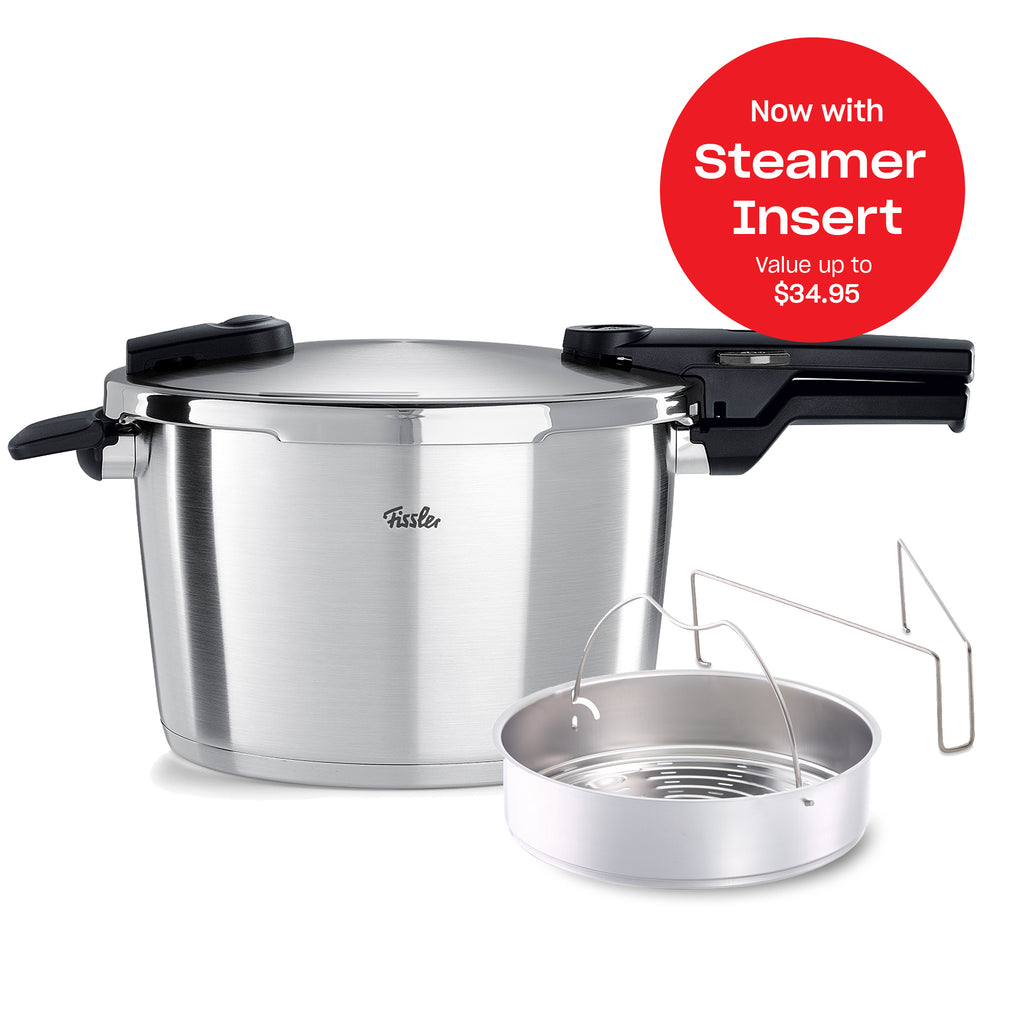
Check for model-specific sealing rings, valve seals, pressure valves, handles, and current manuals before purchase. Do not assume that safety-related parts are interchangeable because their dimensions look similar. Fissler identifies an original valve-gasket set for its Vitaquick line and advises contacting customer service when the correct part is uncertain; Kuhn Rikon lists replacement valves and gaskets with stated Duromatic compatibility. Prefer documented fit over generic substitutes.
Bare cast iron relies on a polymerized-oil seasoning layer; Lodge's care sequence is to wash, dry, and rub with oil. Enameled cast iron has a porcelain surface bonded to the iron and should be allowed to cool before hand-washing with warm soapy water, then dried promptly. Follow the specific maker's cleaning guidance rather than treating enamel like a bare seasoned surface, and inspect chips or cracks before continued use.
Honoring the visionaries whose work paved the way for the products we rely on today.
Denis Papin invented the steam digester in 1679, an airtight high-pressure cooker designed to extract fat from bones and make them brittle enough to grind into bone meal. The steam digester is described as a forerunner of both the autoclave and the domestic pressure cooker; its later steam-release valve also addressed explosion risk in early designs.
Abraham Darby studied Dutch methods of casting brass pots, then adapted sand-mold casting to iron cookware with the help of his worker James Thomas. In 1707, Darby obtained a patent for the process. The Dutch-oven history links this change from brass to cheaper cast iron with the development of the cast-iron cooking vessel and the name “Dutch oven.”
José Alix Martínez received a Spanish patent for a pressure cooker in 1918 and named the design olla exprés, meaning “express cooking pot.” He later wrote 360 fórmulas de cocina Para guisar con la 'olla expres,' published in 1924, a recipe book devoted to pressure-cooker cooking.
In 1938, Alfred Vischer presented the Flex-Seal Speed Cooker in New York City. The pressure-cooker history records that the design quickly gained popularity and that its success led to competition among American and European manufacturers. In 1939, the National Pressure Cooker Company introduced its own cooker at the New York World's Fair.
Armand De Saegher, a Belgian casting specialist, and Octave Aubecq, a Belgian enamelling specialist, opened the Le Creuset foundry at Fresnoy-le-Grand in 1925. That year, the company produced its first cocotte, or French oven, and its cast-iron cookware was later finished with enamel.
Research last refreshed
Gweneth M. Chappell and Audrey M. Hamilton · 1949
A controlled comparison of ten vegetables found average vitamin C retention of 66% after pressure cooking versus 58.5% after minimal-water saucepan cooking. When the cooking liquid was included, total retention was nearly equal, underscoring the importance of water volume, timing, and avoiding overcooking.
A. R. P. Walker and Ulla B. Arvidsson · 1951
Four large-scale trials compared open and pressure cooking of vegetable stew. Mean vitamin C retention was 89% and 79%, respectively, while pressure cooking used substantially less steam. The authors concluded that retention remained adequate and did not justify rejecting pressure cooking for this application.
Helen E. Clark, Marie C. Wilmeth, Dorothy L. Harrison, and Gladys E. Vail · 1955
Paired round steaks were braised or pressure-cooked at 10 or 15 psig to specified internal temperatures. Internal temperature, rather than cooking method, chiefly determined weight loss and palatability; under the study conditions, none of the methods reduced protein nutritive value measured by rat growth and nitrogen retention.