
7.9/10
Premium20 yr life
Medium Rugged Twill Duffle Bag
Filson
A 43-liter USA-made heritage duffle in dry-waxed Rugged Twill, Bridle Leather and solid brass hardware.
- Repair
- 6.9/10
- TCO
- 8.2/10
$599.00
Durable buying guide
Duffels and totes use broad openings and flexible compartments for hand or shoulder carry. When comparing them, check capacity, closure, fabric weight, seam construction, base reinforcement, and how handles attach; heavy canvas, double-stitched seams, and layered bottoms illustrate durability-focused construction.
1 products
Superior features, extended warranties, and high-end materials for enhanced performance.
Filson
A 43-liter USA-made heritage duffle in dry-waxed Rugged Twill, Bridle Leather and solid brass hardware.
8 products
A balanced blend of performance, quality, and price for the discerning user.
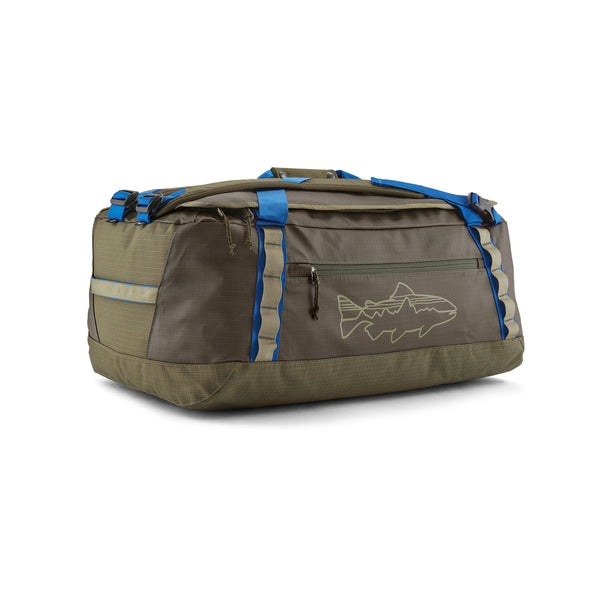
Patagonia
A 55-liter recycled-polyester gear hauler with removable backpack straps, a padded base and Patagonia's Ironclad Guarantee.
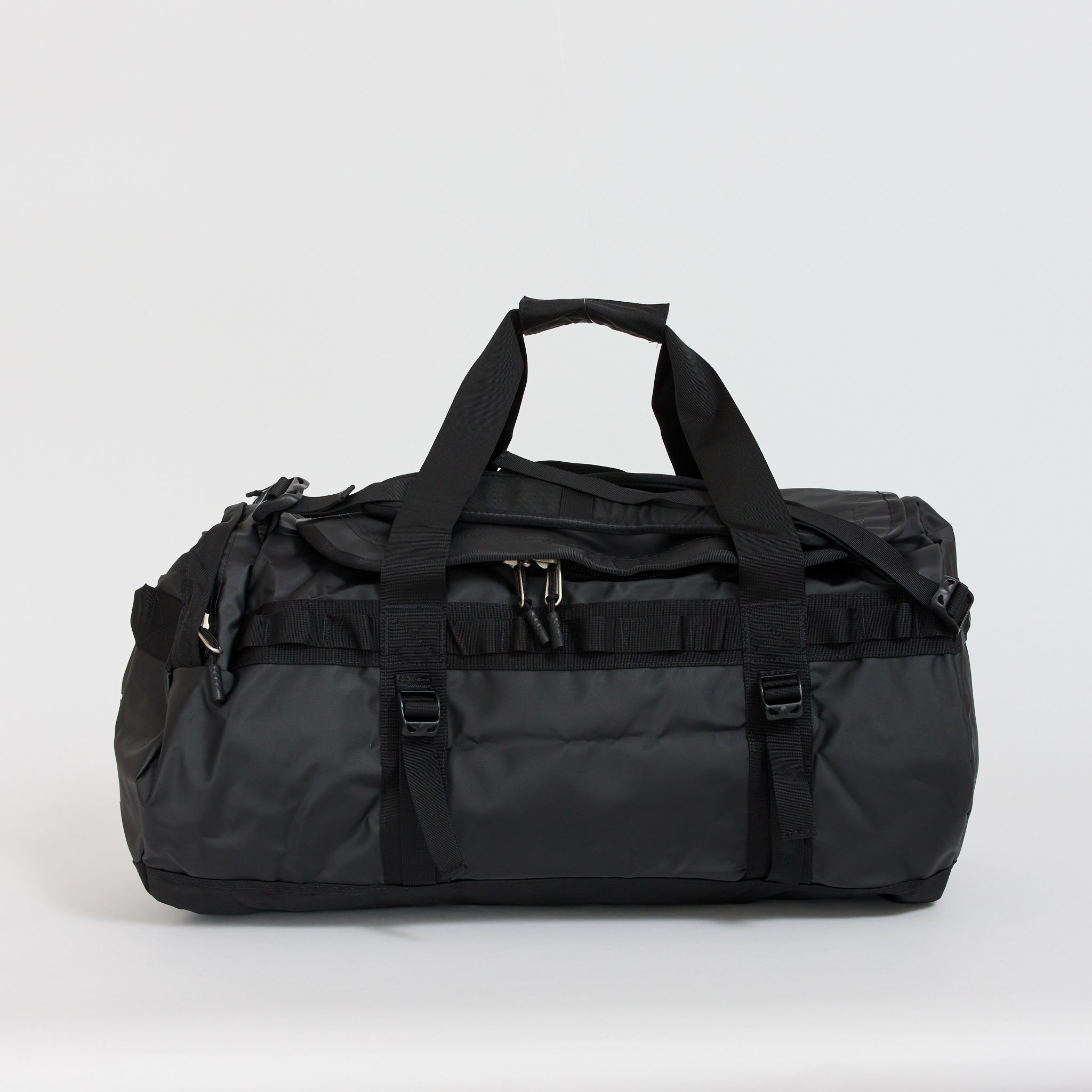
The North Face
The iconic 71-liter expedition duffel in coated recycled polyester with a D-zip opening, compression straps and removable alpine-cut shoulder straps.

GORUCK
A compact aviator-style 32-liter duffel in 1000D Cordura with six pockets, a padded shoulder strap and the SCARS lifetime guarantee.
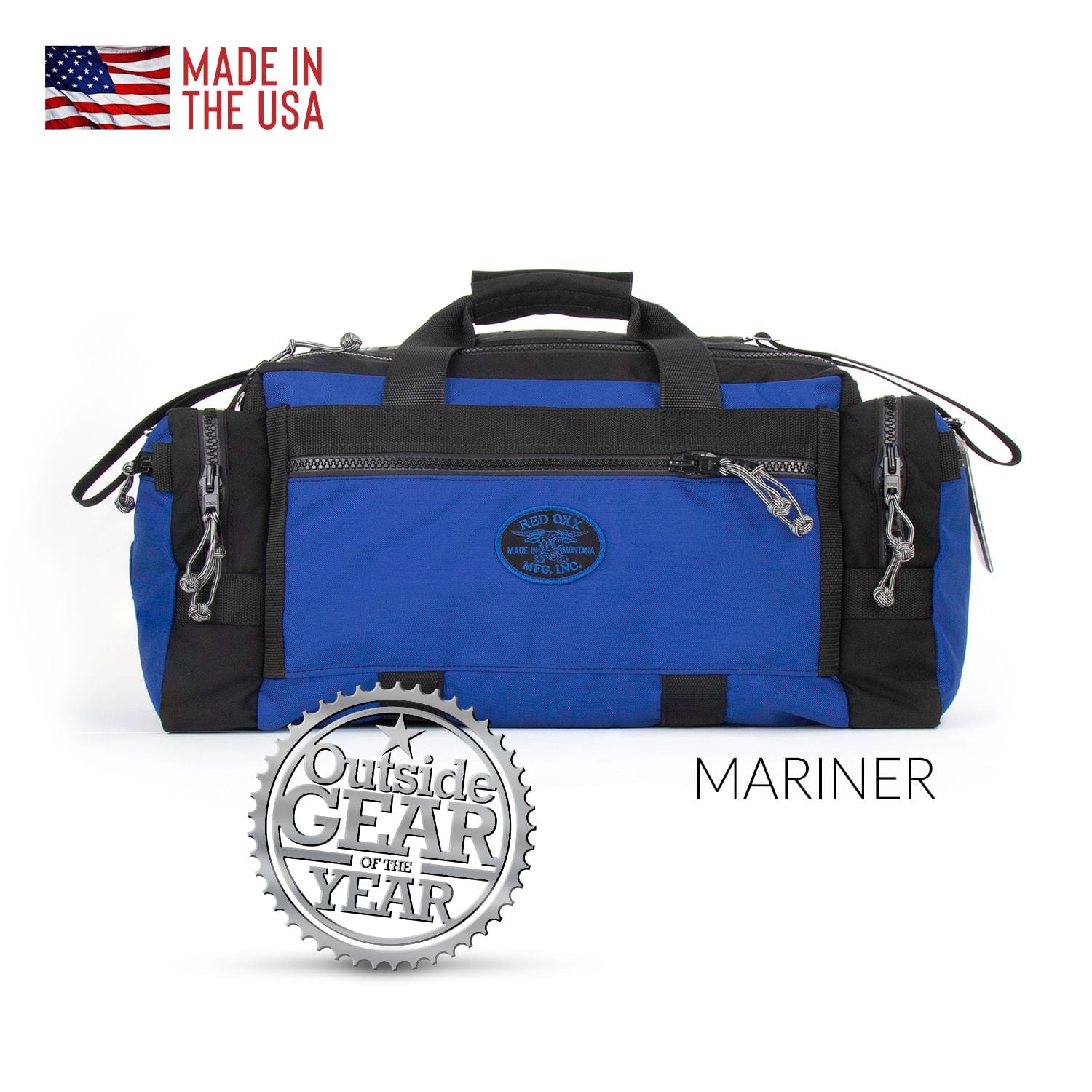
Red Oxx
A Montana-made 39.3-liter carry-on duffel in 1000-weight Cordura with oversized YKK Vislon zippers and a transferable No Bull lifetime warranty.
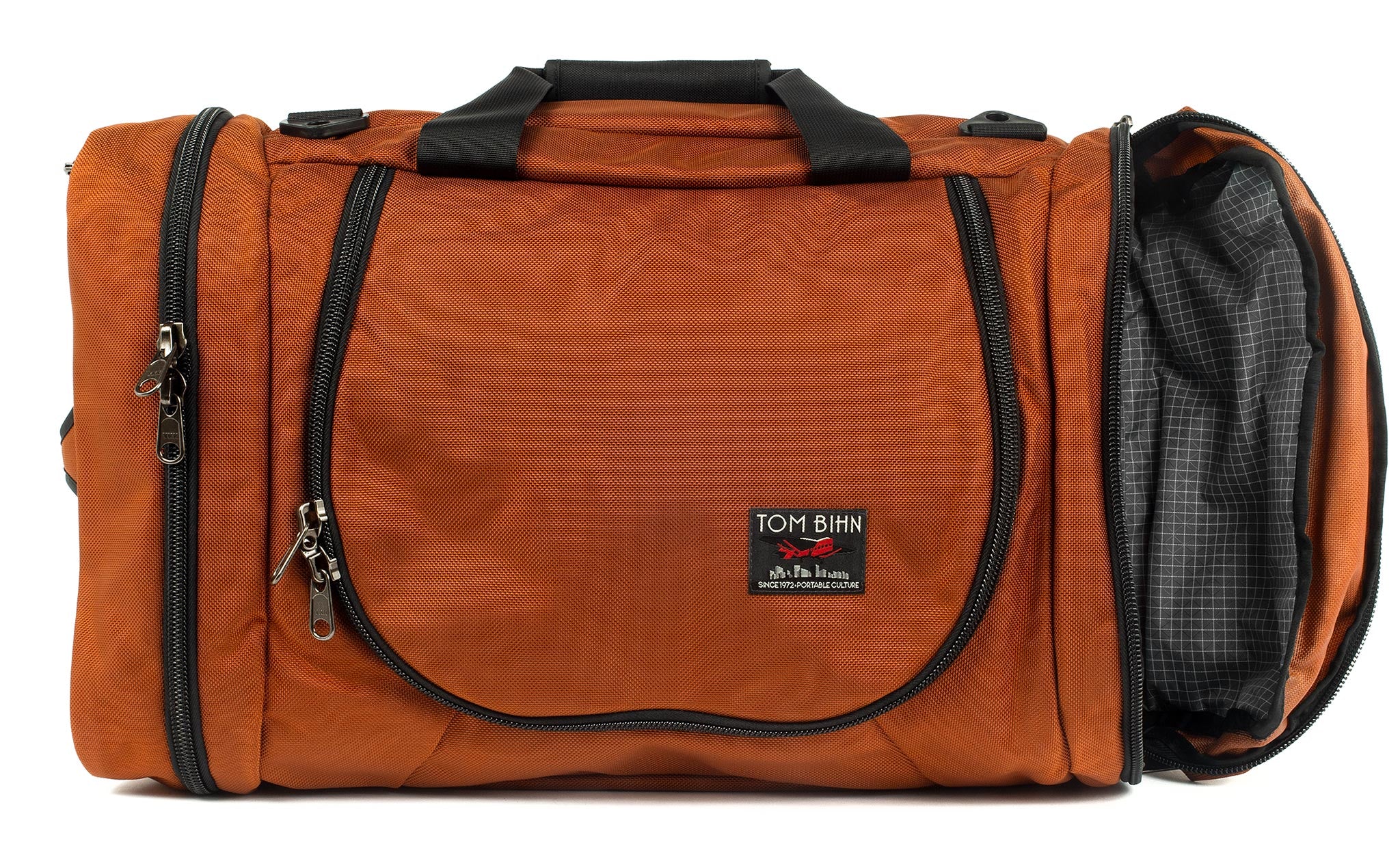
Tom Bihn
A Seattle-sewn 45-liter maximum-size carry-on with stowable backpack straps, expandable end compartments and heavy YKK water-repellent zippers.
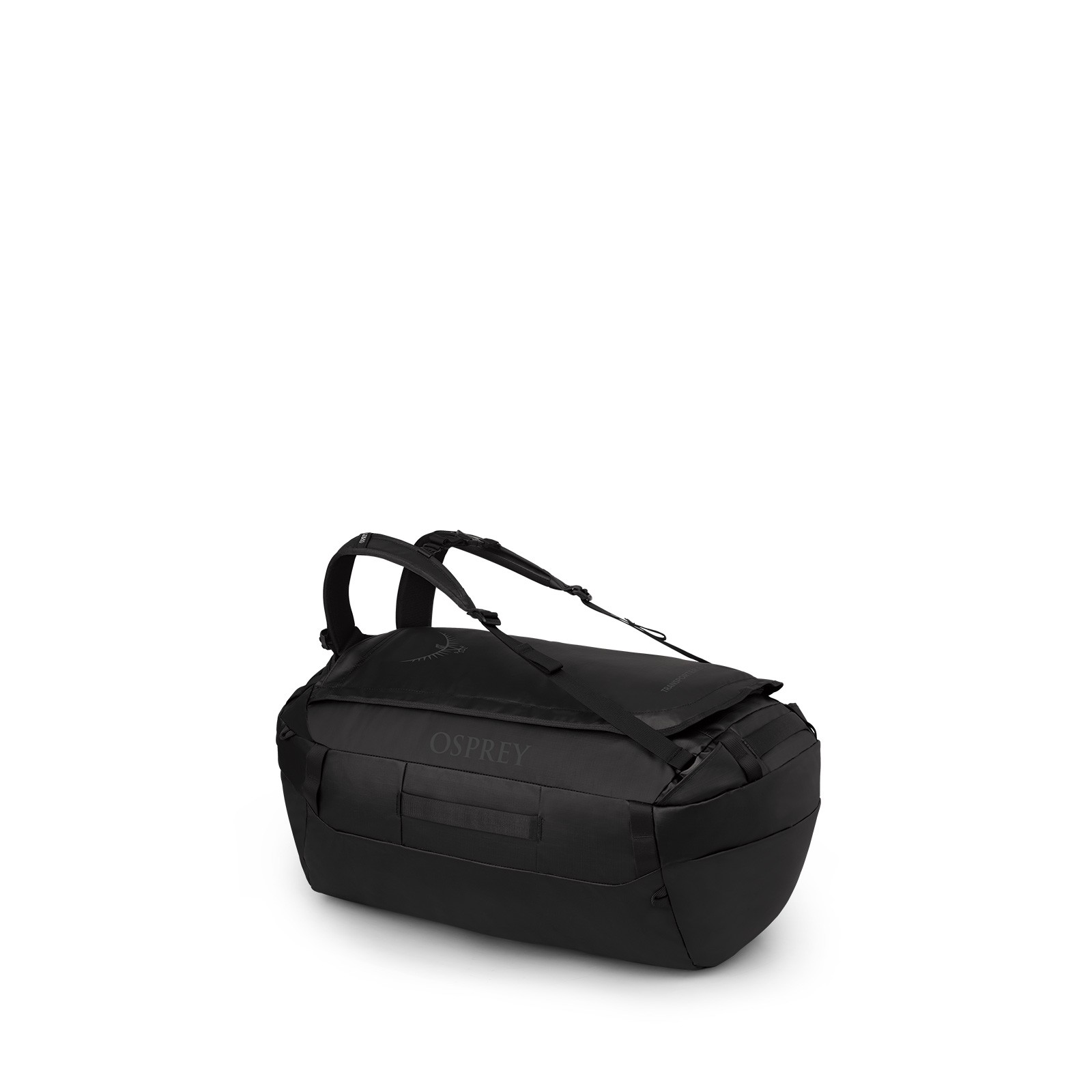
Osprey
A redesigned 65-liter expedition duffel with recycled NanoTough nylon, a protected YKK opening and a fully removable stowaway backpack harness.
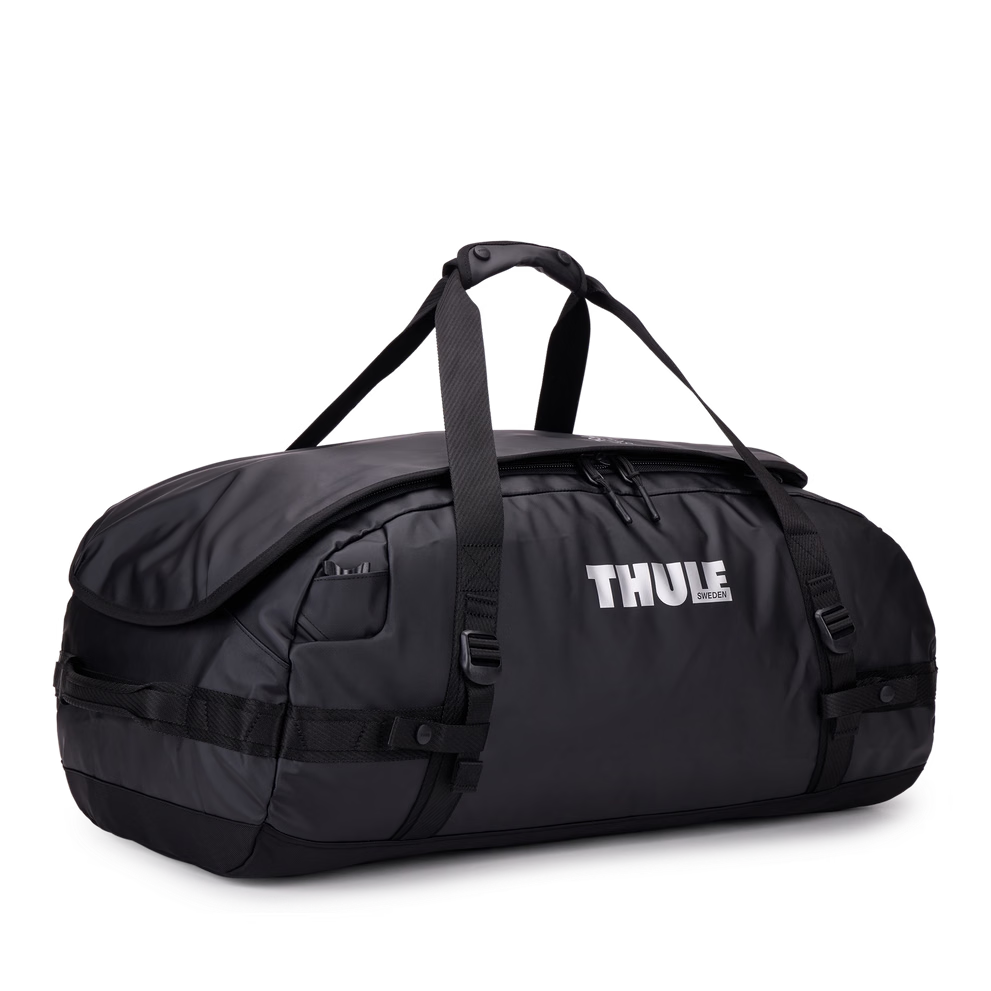
Thule
A 70-liter recycled 900D duffel with a padded base, wide-mouth opening and backpack straps that tuck away when not needed.
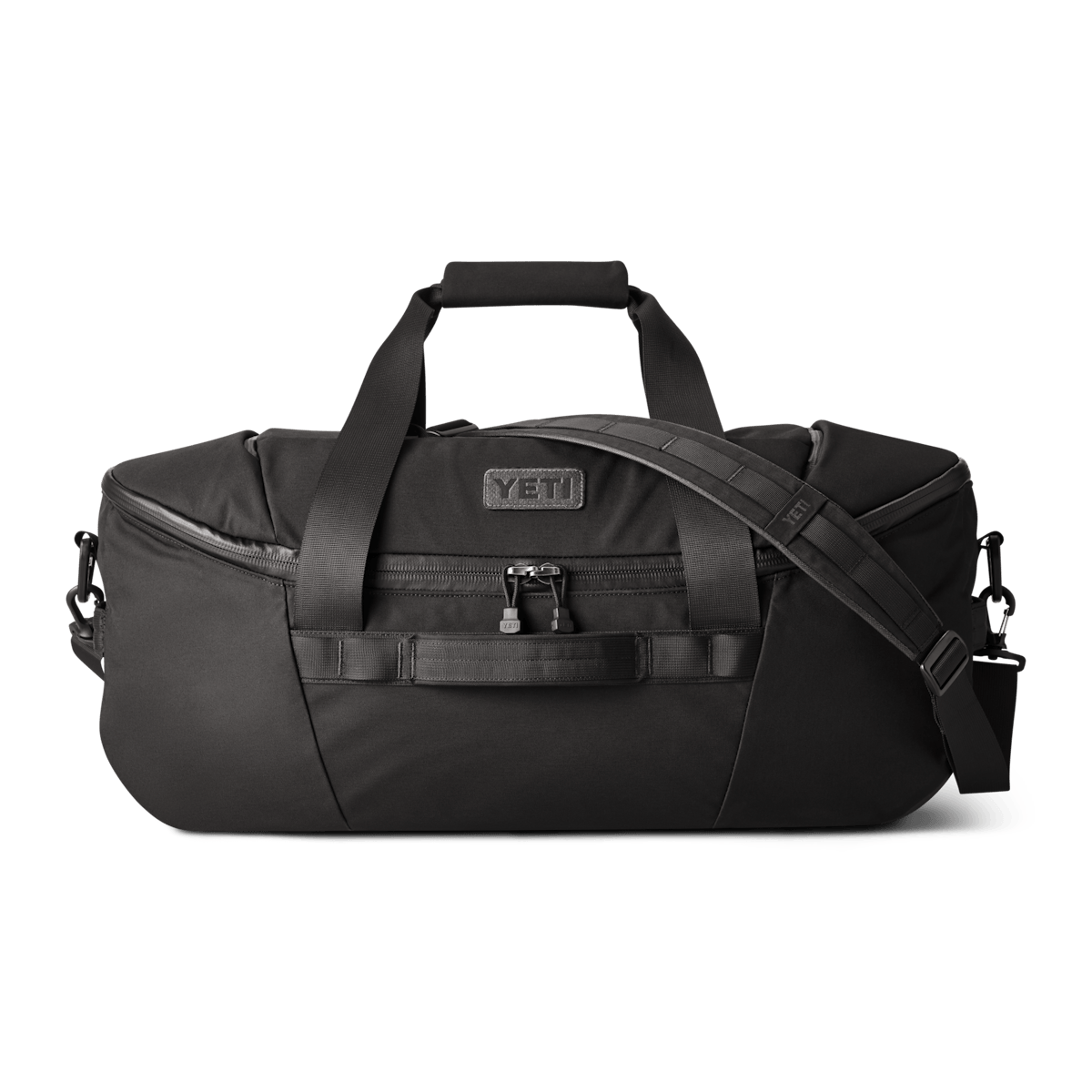
YETI
A structured 60-liter travel duffel in water- and abrasion-resistant 700D TuffSkin nylon with folding dividers and a PU-coated base.
3 products
Budget-conscious selections offering the best value and reliability for essential needs.

Eagle Creek
An expandable 60-to-67-liter recycled duffel with a seamless bathtub bottom, lockable #10 zipper and tuck-away backpack straps.
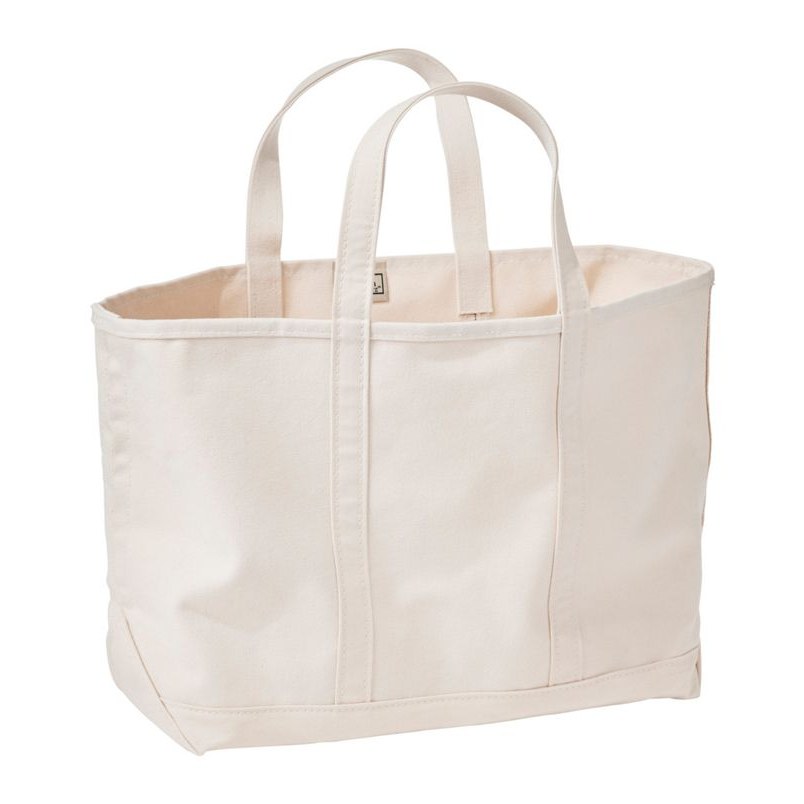
L.L.Bean
A Maine-made 35-liter open tote in 24-ounce cotton canvas with a double-layer base, nylon-stitched seams and handles tested to 500 pounds.

Peak Design
A 35-liter carry-on duffel in recycled 600D Versa Shell with an extra-long #10 UltraZip, configurable Cord Hook straps and a waterproof 900D bottom liner.
Shop by brand
Buying guide
Start with what you will actually carry, then compare external dimensions as well as stated volume. Soft bags can become awkward or exceed a travel limit when overfilled. Peak Design, for example, lists its 35L model at 22 by 14 by 10 inches and sells the line in several capacities; L.L.Bean publishes dimensions and two handle-drop options for its Zip-Top Boat and Tote. Pack a representative load before committing, and confirm that you can lift it without dragging the base or straining the handles.
Look past fabric weight and trace how force travels from the handles into the body. Broad webbing or reinforced handle panels, generous seam allowances, and extra stitching at the base and opening reduce reliance on a few small stress points. L.L.Bean specifies reinforced handles, overlapped seams double-stitched with nylon, and a reinforced flat canvas bottom on its tote. Treat such disclosed construction details as more useful than a vague durability claim, while remembering that a test claim does not make an overloaded bag comfortable to carry.
Load the bag and try every intended carry mode. Check handle drop with a coat on, shoulder-strap adjustment, anchor hardware, zipper clearance, and whether the opening exposes the contents without forcing the slider around an overstuffed corner. Removable carry parts are preferable when replacements are available. Peak Design's current duffel uses removable padded top handles and a removable padded shoulder strap, plus an extra-long zip path and a number 10 weatherproof zipper—useful examples of specifications to verify rather than assuming all carry systems are equivalent.
“Weatherproof,” “water-resistant,” and “waterproof” should not be treated as interchangeable. Check whether the claim applies to the body fabric, bottom liner, zipper, seams, or the completed bag, and look for sealed seams if sustained rain or wet-ground use matters. Peak Design describes a weatherproof 600-denier recycled nylon-canvas exterior, a waterproof 900-denier bottom liner, and a weatherproof zipper. That combination supports different claims for different components; it does not by itself establish that the entire bag can be submerged or left in heavy rain.
Read the warranty exclusions and claim process, not just the headline duration. Peak Design says its lifetime warranty covers manufacturing defects and functional failures, with repair or replacement, but excludes cosmetic wear, stains, misuse, neglect, accidents, and ordinary wear and tear. For any brand, confirm whether zippers, straps, buckles, and torn panels can be repaired, whether proof of purchase is needed, and who pays shipping. A replaceable strap and accessible stitched construction may deliver more practical service life than broad coverage that excludes the damage you are most likely to cause.
FAQ
Choose by access and carry pattern rather than by name alone. An open-top tote makes frequent loading simple, while a zippered duffel contains clothing and gear more securely in transit. Compare the opening, usable dimensions, pockets, base shape, handle drop, and loaded carry comfort. If hands-free travel matters, consider a model with a detachable shoulder strap or compare a purpose-built travel backpack.
Possibly, but capacity in liters or a maker's carry-on claim is not enough. Measure the bag after packing, including handles and any rigid projections, then check every operating airline for the itinerary. IATA says allowances vary by airline, cabin class, and aircraft type; it lists 56 × 45 × 25 cm (22 × 18 × 10 in) only as a general reference and notes that weight limits may also apply.
Look for specific, checkable details at load paths: fabric type and weight, a reinforced or double-layer base, seam construction, box stitching at handles, zipper model and size, and metal or replaceable attachment hardware. Published examples include L.L.Bean's double-layer base and double-stitched overlapped seams, and Red Oxx's bound double stitching, stress-point box stitching, No. 10 zippers, and detachable strap. These details are more informative than an unqualified durability adjective.
Do not infer that from fabric coating alone. A maker may describe coated nylon as weather resistant, while the complete bag still has stitched seams, zipper tracks, and openings through which water can enter. For wet use, ask for a whole-bag water-protection claim and its test basis; otherwise treat the bag as protection from limited exposure, keep moisture-sensitive contents in an inner dry bag, and dry the duffel after use.
Pack the expected load and check whether both grab handles share it evenly, the grip closes comfortably, and attachments do not distort the side panels. A detachable shoulder strap is useful because it can be removed for checking or replaced independently. Treat a maker's handle test as evidence about the bag, not as a recommended human carrying load; choose a capacity you can lift safely and avoid letting a heavy bag drag on its base corners.
Read the current terms before purchase and distinguish defects, normal wear, accidental damage, shipping, and repair charges. Also check whether the shoulder strap detaches and whether common hardware and accessible seams can be serviced. Repair policies vary: Patagonia states that qualifying products may be repaired, replaced, or refunded and that wear-and-tear damage is repaired for a reasonable charge. That policy is evidence for Patagonia only, not the whole category.
Follow the instructions for the exact material and coating rather than applying one method to every bag. L.L.Bean specifies spot cleaning for the cited cotton-canvas tote, while Red Oxx specifies hand washing in cold water, drip drying, and no bleach for the cited coated-nylon duffel. Empty pockets, remove loose grit, avoid storing the bag damp, leave closures relaxed, and address abrasion or loose stitching before the damage reaches a load-bearing seam.
Honoring the visionaries whose work paved the way for the products we rely on today.
Introduced in 1944 as Bean’s Ice Carrier, this Maine-made canvas tote was designed to move ice from car to chest. L.L.Bean says the design was reintroduced as the Boat and Tote in 1965 and retains a double-layer bottom, overlapped double stitching, and heavy-duty canvas.
Filson reports that its Medium Rugged Twill Duffle has seen field use and travel for nearly 35 years. The current construction uses water- and abrasion-resistant cotton twill, wraparound load-supporting handles, bridle-leather reinforcements, brass hardware, and bound interior seams.
In 1993, Longchamp CEO Philippe Cassegrain designed Le Pliage as a practical fold-up bag. The design uses a trapezoidal fold, Russia-leather handles, and a nylon-canvas body, a documented example of packability shaping a tote’s form.
Eastpak’s official history traces the brand to Eastern Canvas Products, which made durable gear for the U.S. military beginning in 1952. The same account describes later bag and luggage designs built around robust materials and construction, alongside a limited warranty of up to 30 years.
Research last refreshed
Leo Louis Kornfeld · 1952
Tests on 27 cotton fabrics held sewing conditions constant and related seam efficiency to needle damage, seam slippage, and fabric stiffness. The findings show that bag durability depends on more than cloth tensile strength alone, especially where handles and loaded panels join.
Rebecca Adeline Walker · 1968
Cotton and nylon fabrics were tested after nine abrasion levels with Accelerotor, Schiefer, and Stoll machines. Strength and elongation changed differently by method and fabric direction, supporting evaluation under several wear conditions rather than reliance on one abrasion score.
Louis I. Weiner · 1969
U.S. Army research connected laboratory abrasion with field wear and examined how weave and fabric orientation affect edge wear at seams. It found that positioning cloth within seam structures could materially reduce localized failure, a useful principle for reinforced duffel and tote construction.