7.9/10
Luxury25 yr life
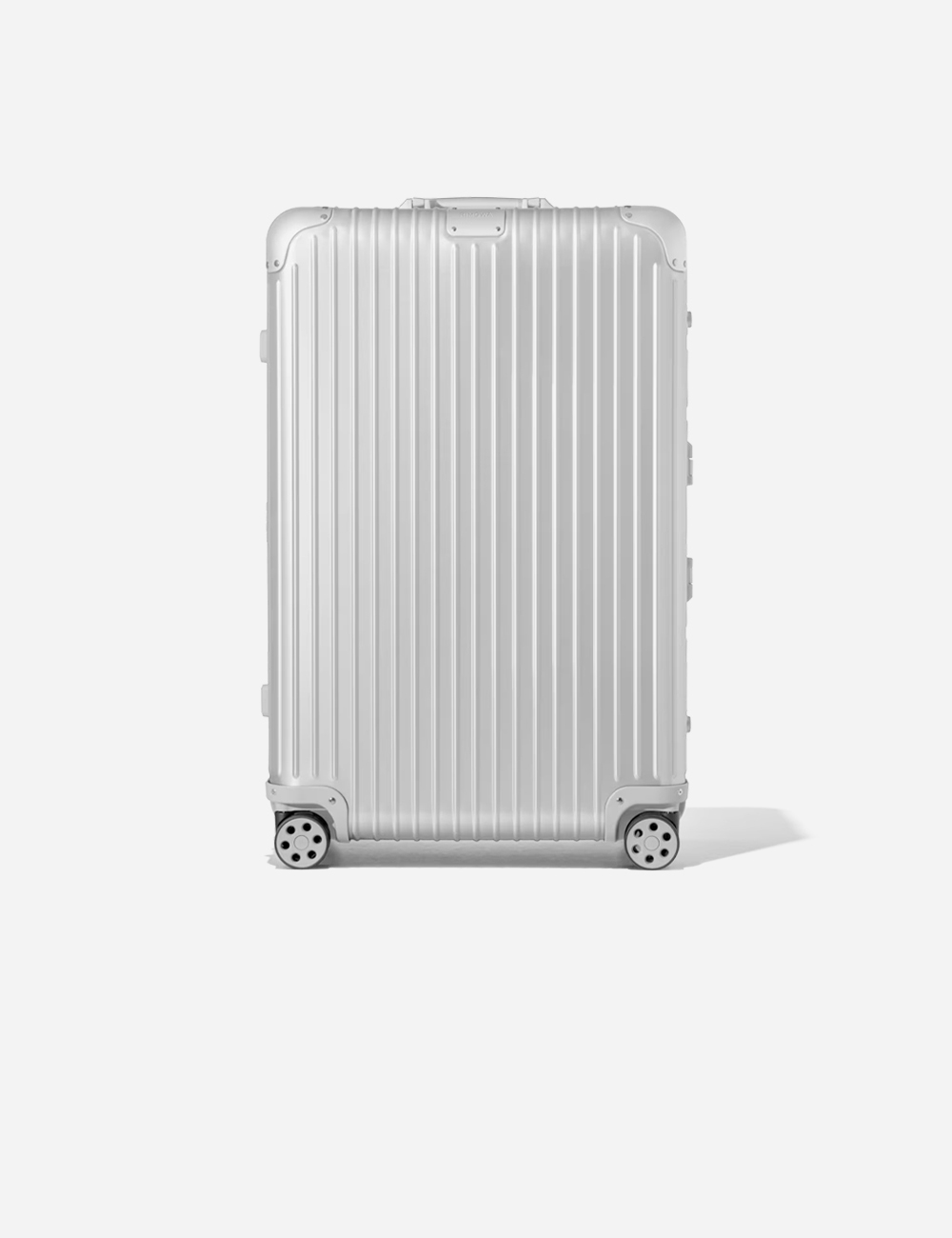
Original Check-In L, Silver 92573004
RIMOWA
An 86-liter anodized-aluminum check-in case with a rigid frame, dual TSA locks, ball-bearing Multiwheels and lifetime functional coverage.
- Repair
- 7.2/10
- TCO
- 7.2/10
$1950.00
Durable buying guide
Checked luggage includes soft- and hard-sided cases designed for aircraft holds and longer trips. Compare empty weight, exterior dimensions, wheel and handle construction, closure security, expansion, and repair or warranty terms before choosing a case.
2 products
Higher-priced options whose materials, features, service, and tradeoffs still need evidence-based comparison.
RIMOWA
An 86-liter anodized-aluminum check-in case with a rigid frame, dual TSA locks, ball-bearing Multiwheels and lifetime functional coverage.
TUMI
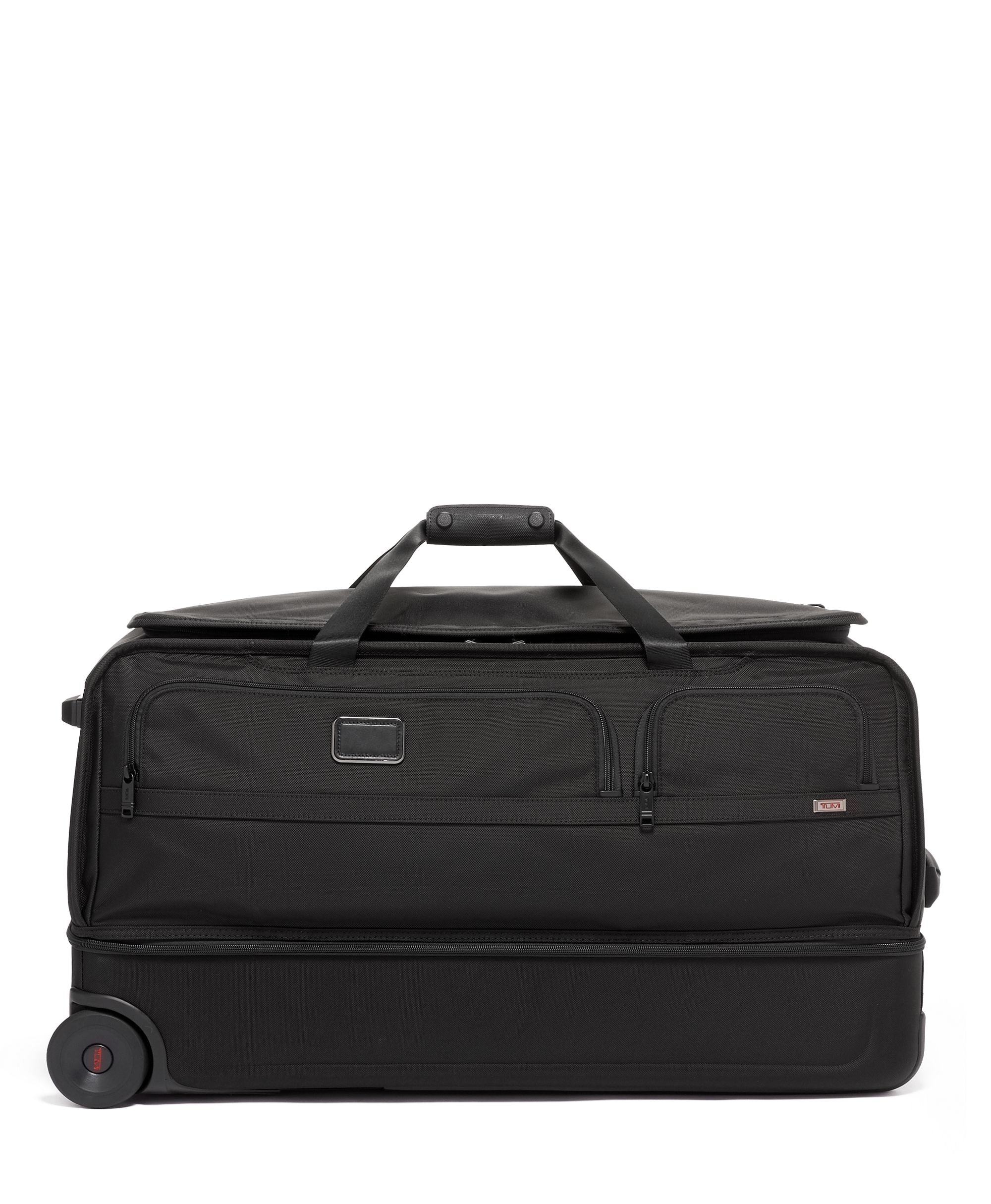
A 98-liter FXT ballistic-nylon rolling duffel with a split interior, recessed wheels, reinforced base and five-year warranty.
3 products
Superior features, extended warranties, and high-end materials for enhanced performance.
Travelpro
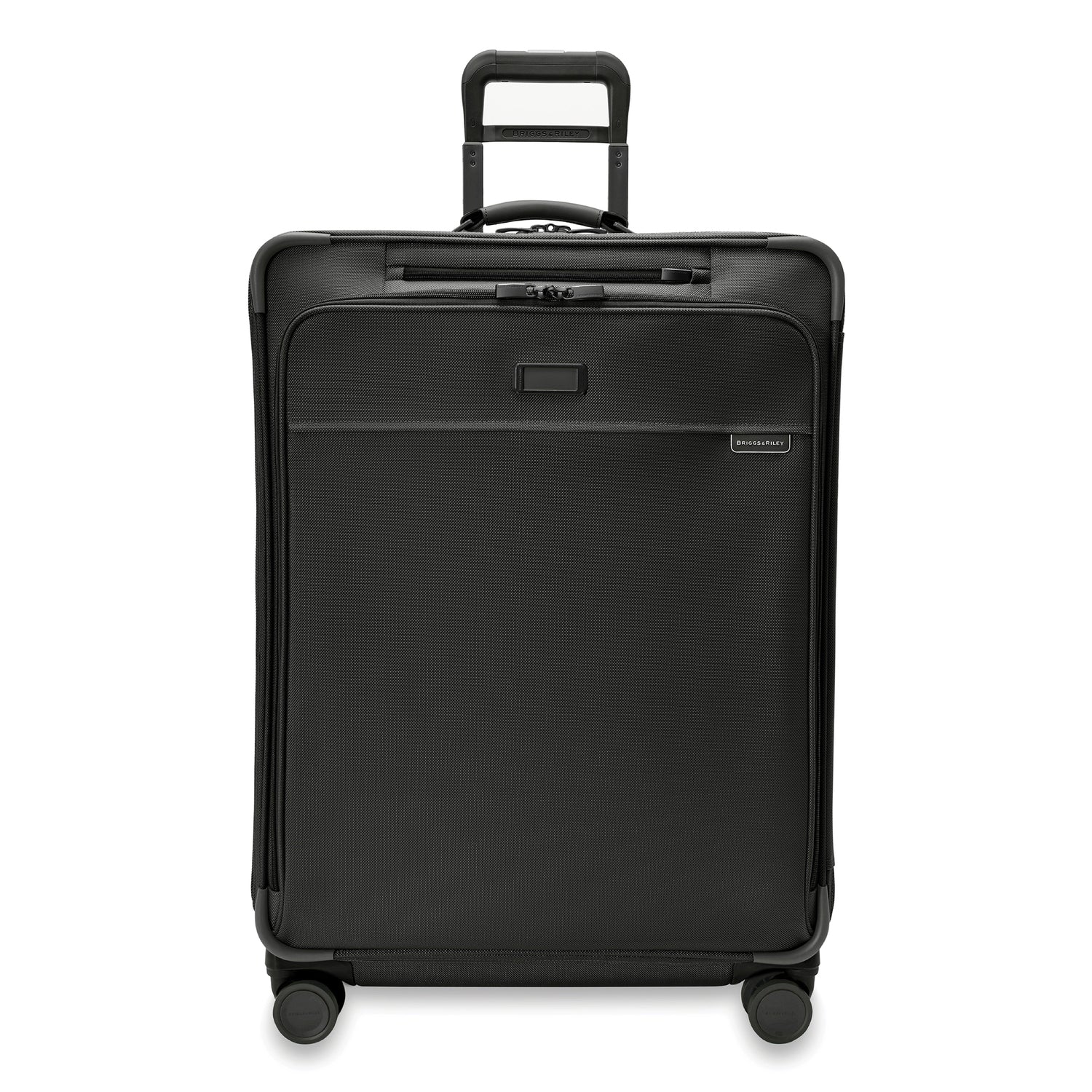
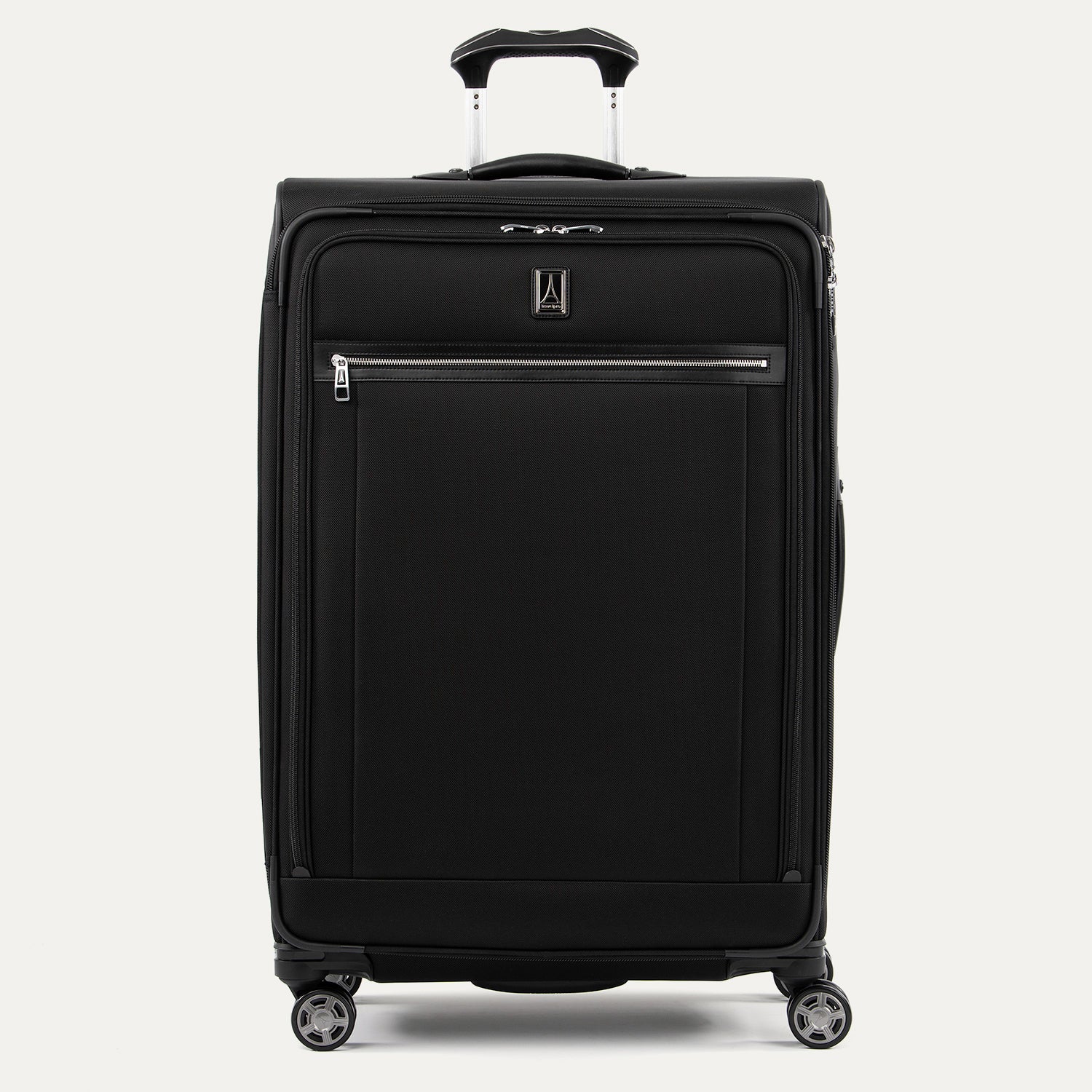
A 143.5-liter soft-side spinner with MagnaTrac wheels, two-inch expansion, an integrated TSA lock and a fold-out suiter.

Eagle Creek
A 115-liter recycled-ballistic-polyester expedition trunk with heavy-duty wheels, configurable dividers, cargo net and lifetime functional coverage.
7 products
A balanced blend of performance, quality, and price for the discerning user.
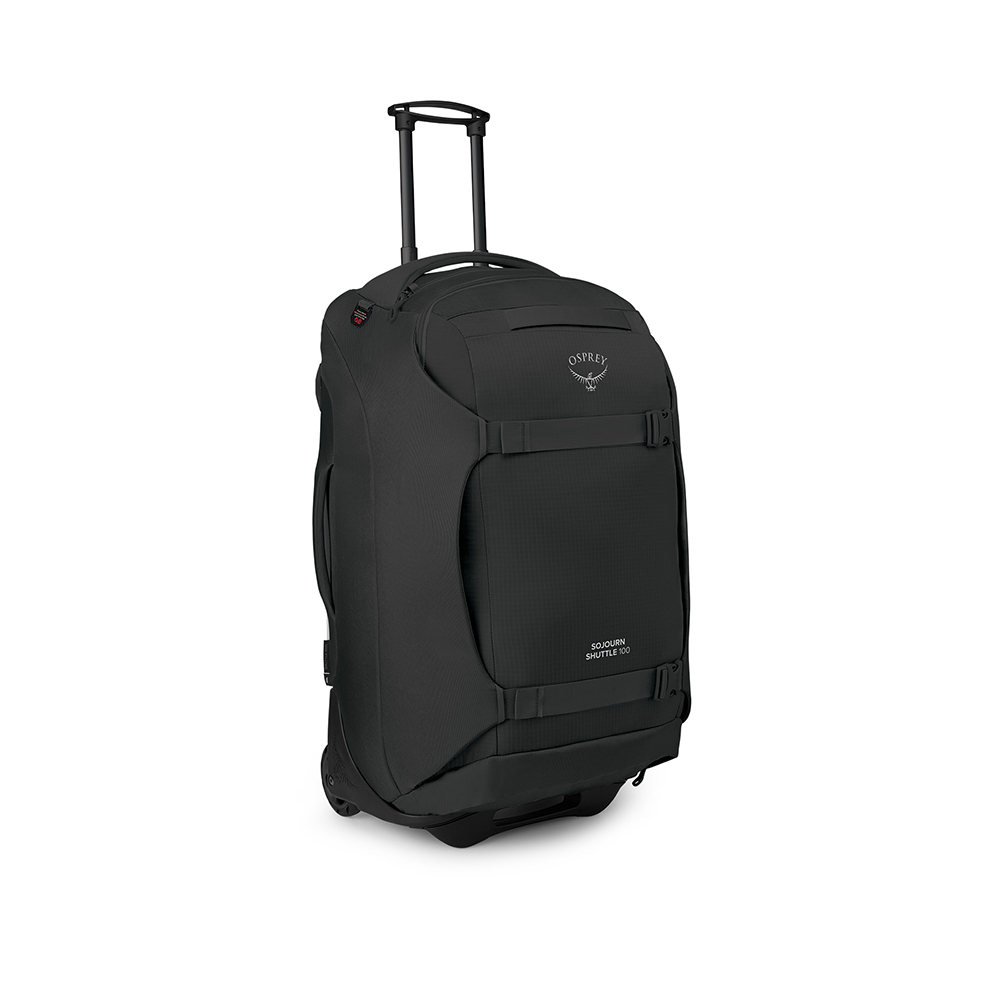
Osprey
A 108-liter recycled-nylon wheeled duffel with a wide aluminum HighRoad chassis, 110 mm wheels and StraightJacket compression.
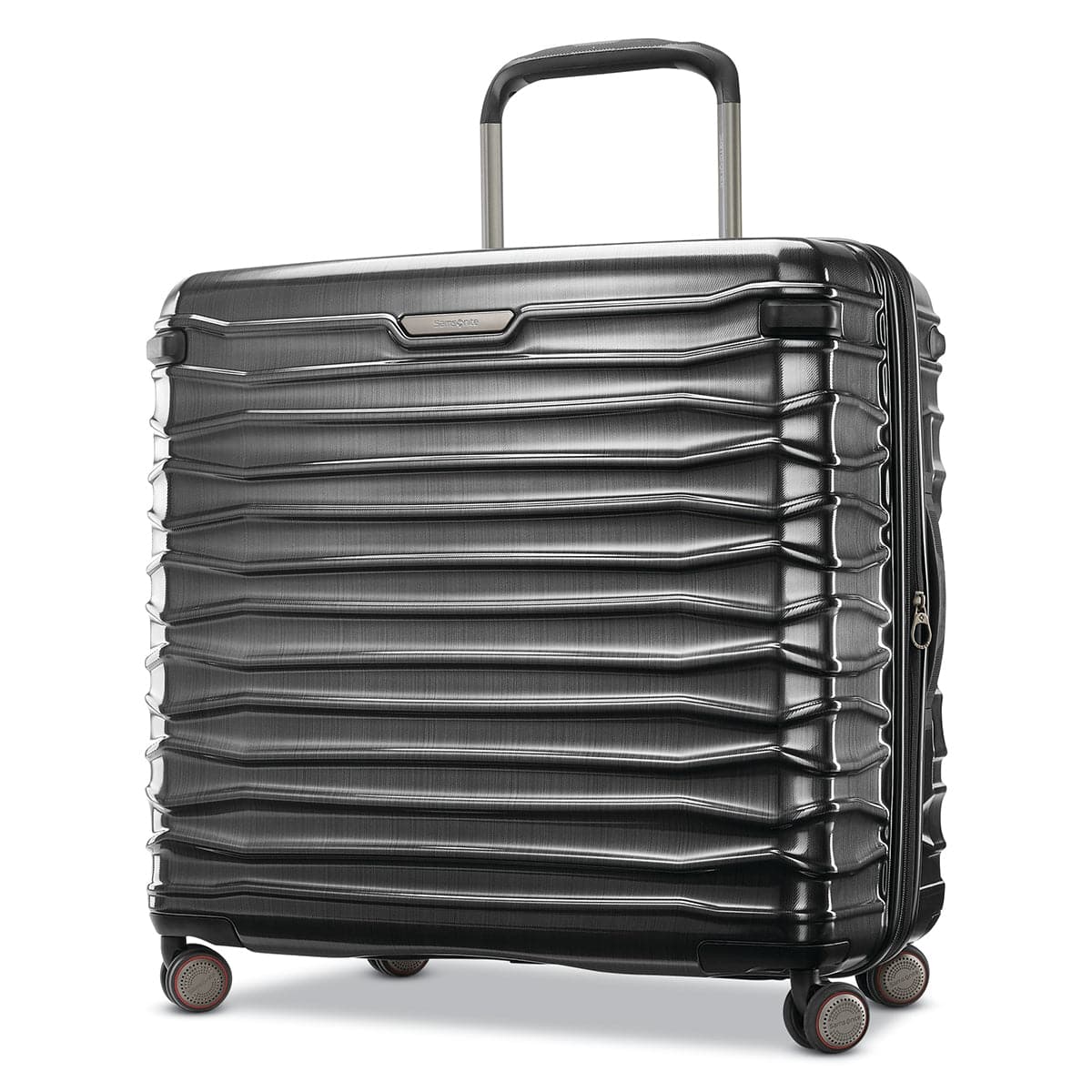
Samsonite
A discontinued wide-format polycarbonate spinner with offset Tru-Trac GT wheels, YKK Fuzion zippers and modular two-sided packing.
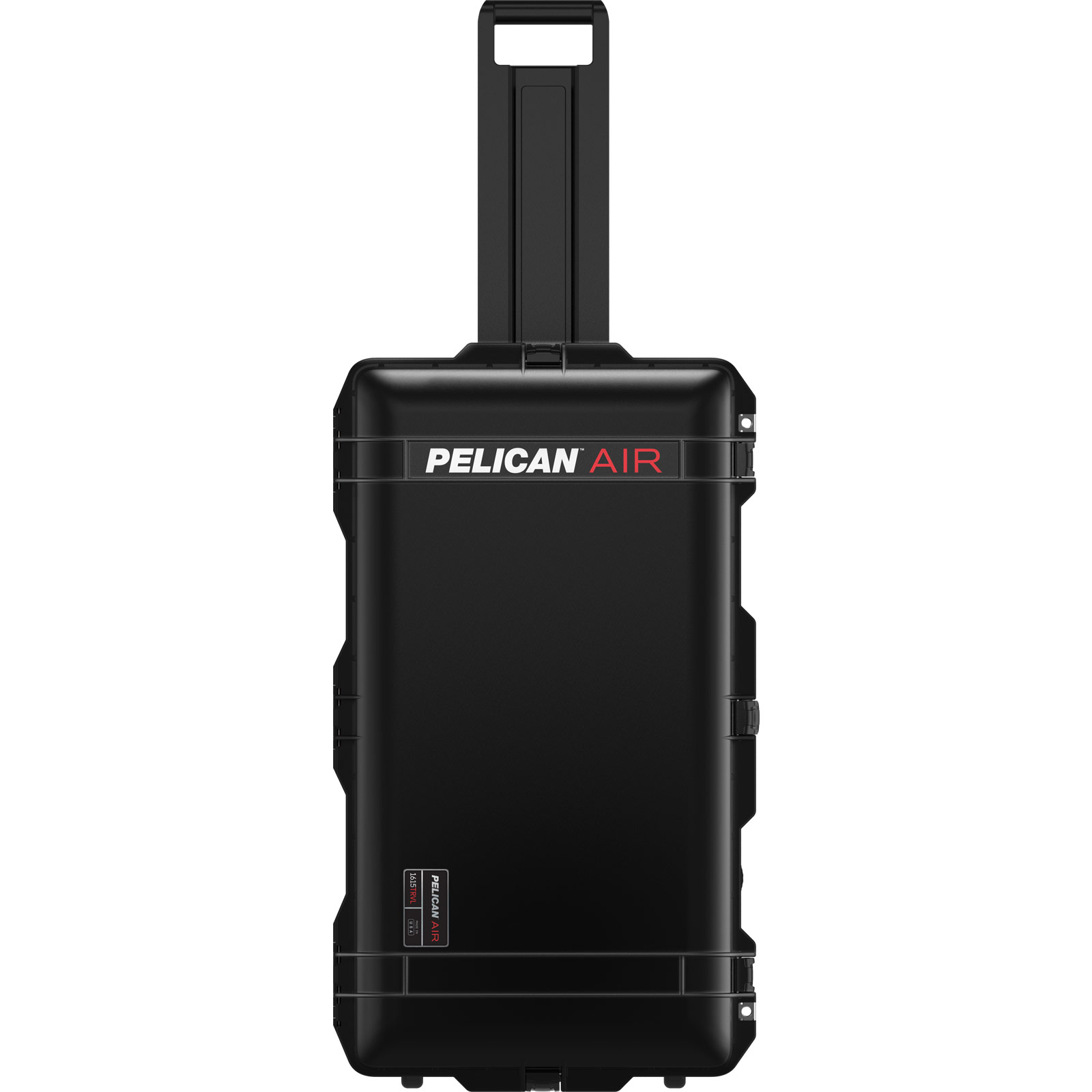
Pelican
An IP67 hard travel case with HPX2 polymer, TSA-key latches, stainless-bearing wheels, lid organizer and packing cubes.
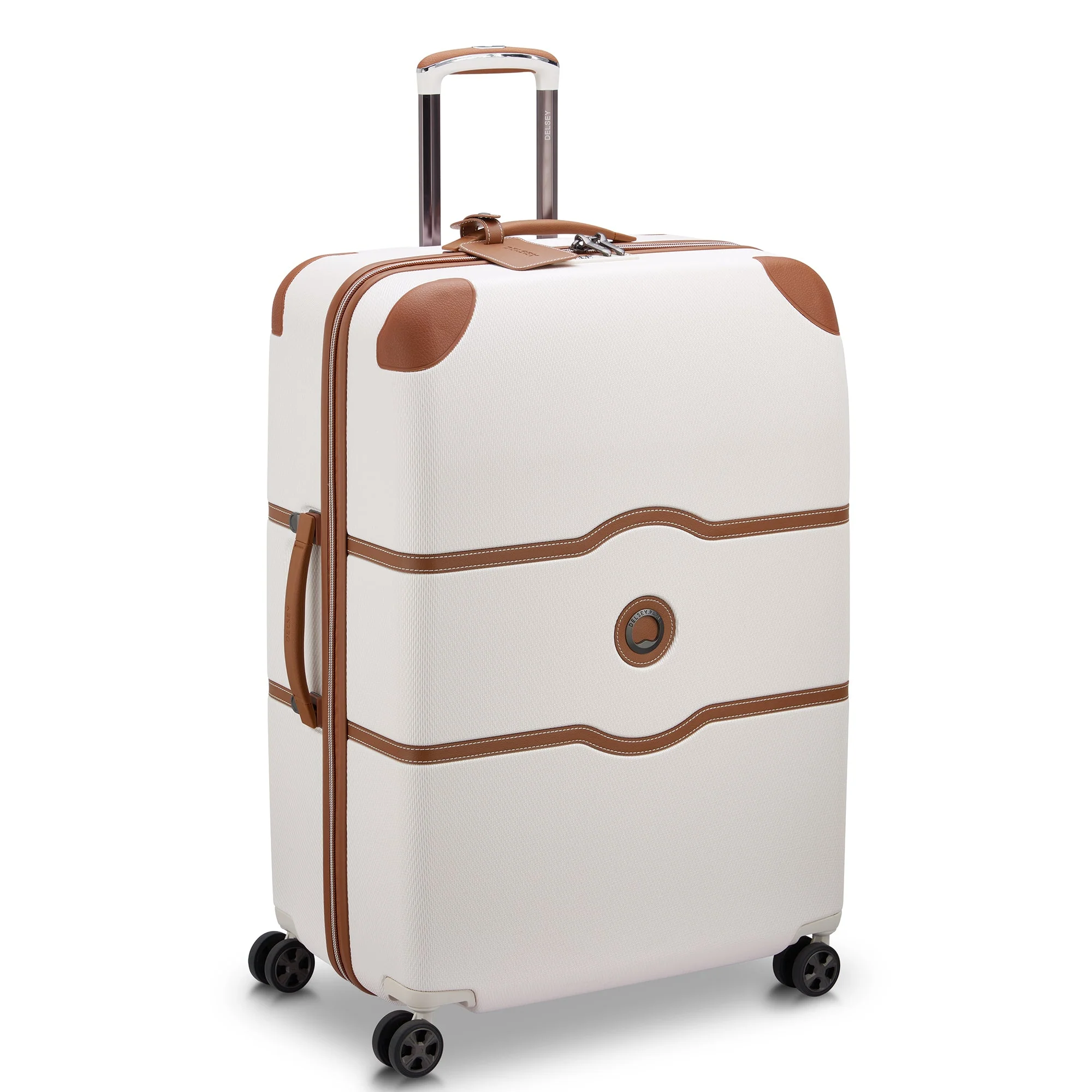
DELSEY PARIS
A 91-liter polycarbonate spinner with dual-density wheels, SECURITECH zipper, TSA lock and a washable organized interior.
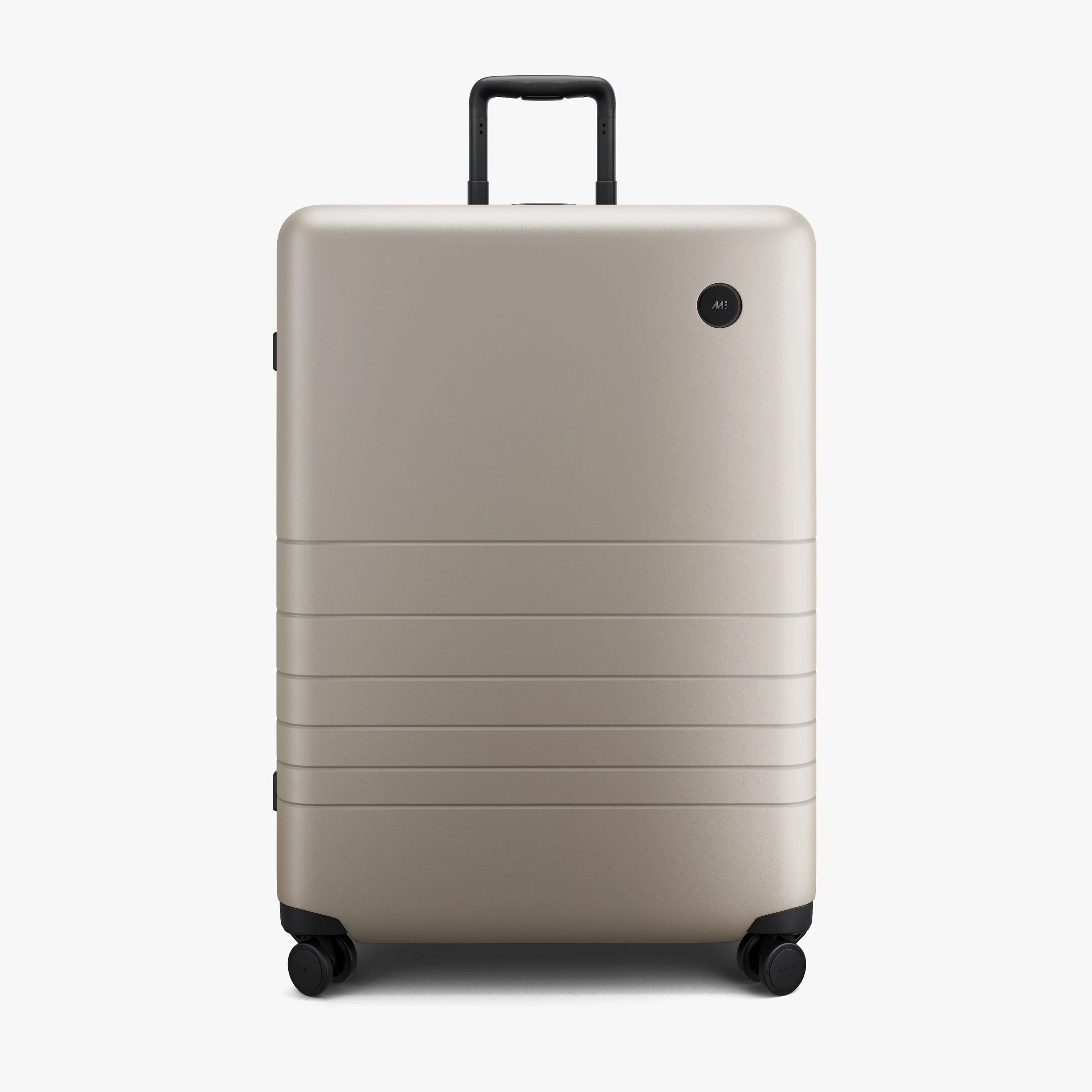
Monos
A 97.3-liter partially recycled polycarbonate spinner with YKK reverse-coil zippers, four-height handle and limited lifetime warranty.
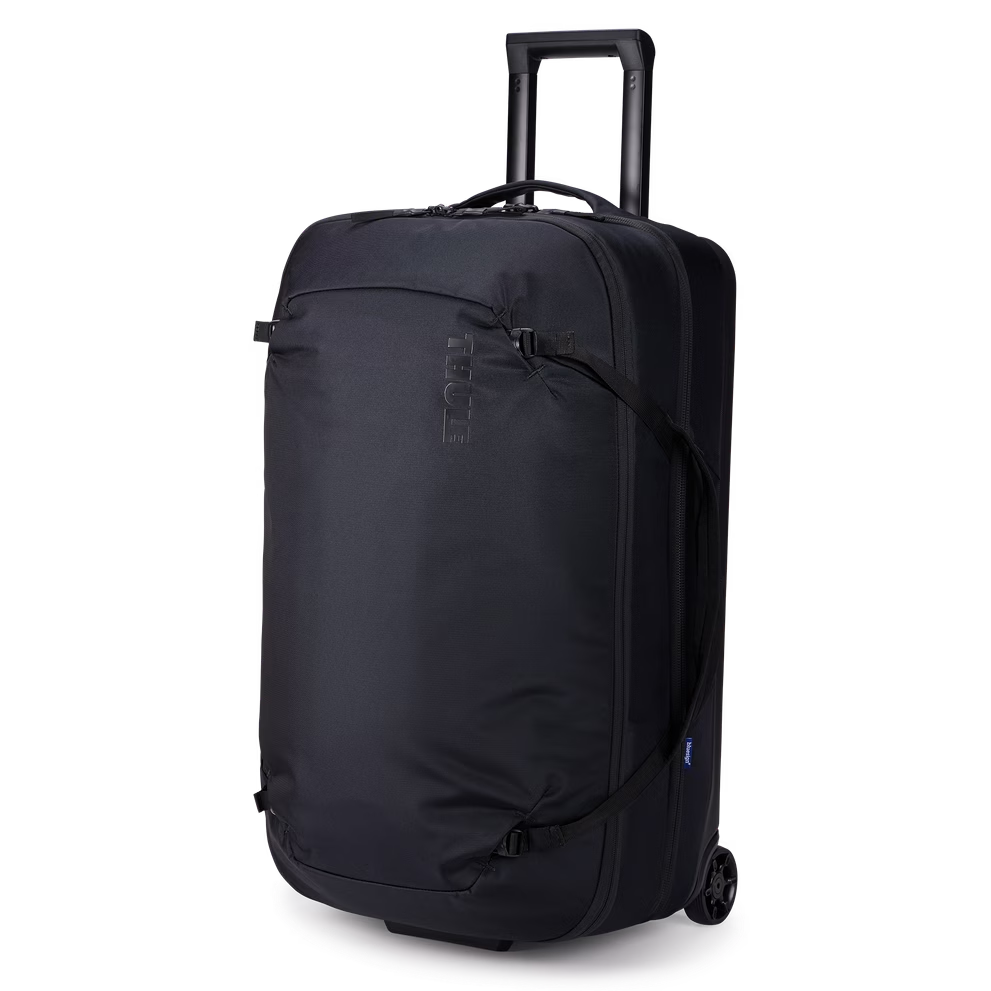
Thule
A 90-liter bluesign-certified 800D wheeled duffel with YKK zippers, a molded polycarbonate back and adaptable divided interior.
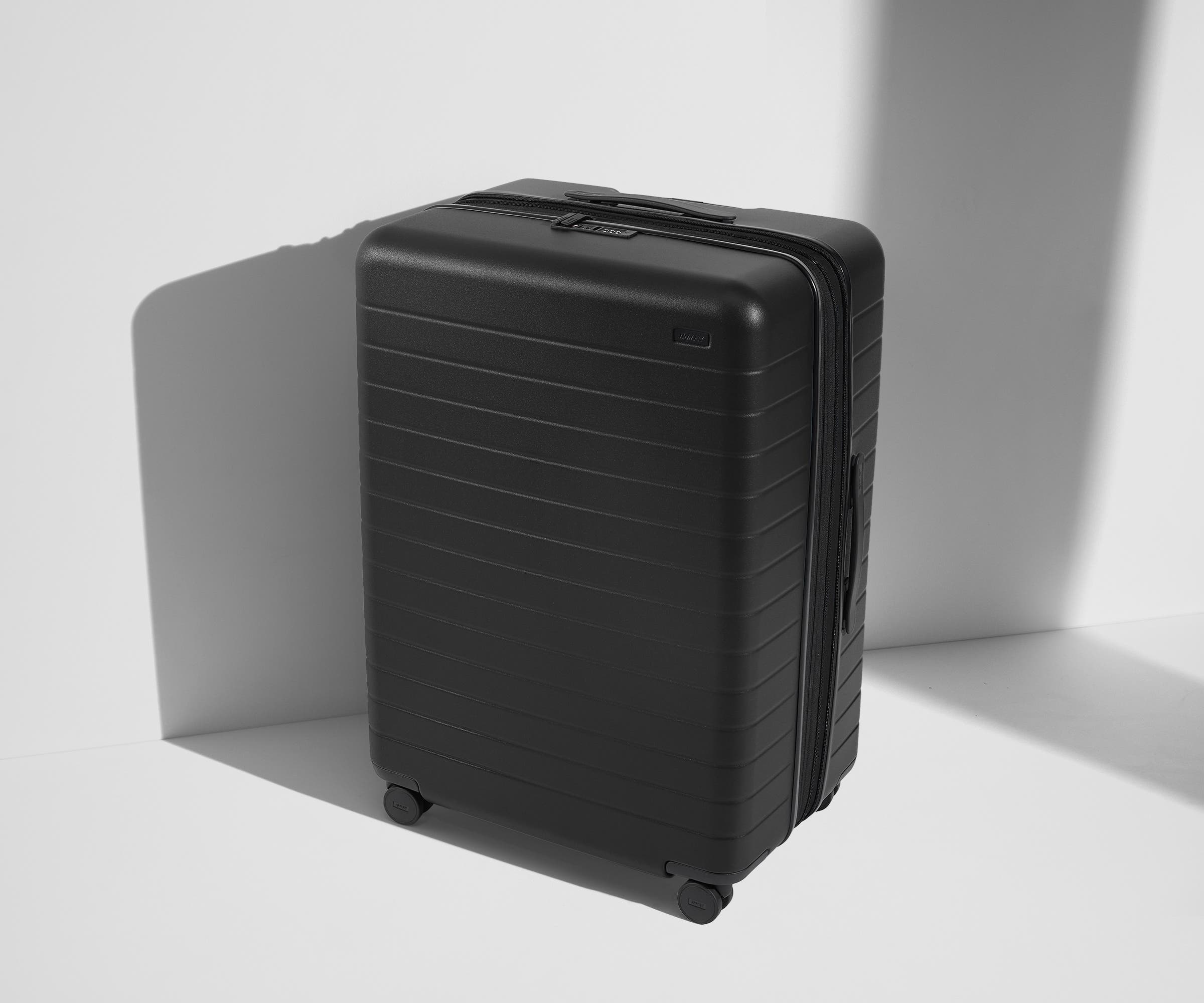
Away
A 104-to-115-liter expandable polycarbonate spinner with compression panels, 360-degree wheels and lifetime repair support.
Shop by brand
Buying guide
Measure the case at its widest points, including wheels and handles, and weigh it empty before judging capacity. Then compare the packed dimensions and weight with every operating carrier on the itinerary. As one current US example, Delta defines its standard checked bag as under 50 lb (23 kg) and no more than 62 linear inches (157 cm), but allowances and fees vary by route, fare, status, and airline. A lighter case leaves more of the allowance for contents and reduces the temptation to strain zippers, latches, handles, and wheel mounts through overpacking.
Treat a smooth showroom roll as a starting point, not proof of durability. Load the case, roll it over thresholds, turn it tightly, lift it by every grab handle, and extend the telescoping handle through all positions. Look for wheel housings recessed into or well supported by the body, handle anchors that do not flex the shell or fabric excessively, protected corners, and closures that move without binding. On zipper cases, inspect the turns and stitching; on latched cases, check alignment after pressing gently on the lid. Avoid decorative projections that can snag or provide little structural value.
Ask what can be replaced before buying, not after a trip. Wheels, feet, grab handles, telescoping handles, zipper pulls, and interior fasteners are more useful when the maker supplies compatible parts, instructions, and service options for the exact model. Travelpro, for example, maintains guidance for repairing or replacing common luggage parts and provides a zipper-replacement video. Verify warranty exclusions, who pays shipping or labor, where authorized service is available, and whether parts can be sent directly to the owner. A long warranty is less valuable when ordinary wear or transit damage is excluded or practical service is inaccessible.
Assume checked luggage may be opened for screening. TSA's travel checklist advises buyers who use a baggage lock to choose one that is TSA recognized. Keep the key or combination accessible, remove loose straps and dangling accessories, and place contact details both on a durable external tag and inside the case without displaying more personal information than necessary. Distinctive but replaceable identification is more practical than a fragile ornament. Before packing, empty every pocket and check the current prohibited-items rules for both checked and carry-on baggage, especially when an itinerary crosses jurisdictions.
Save the bag-tag receipt and photograph the packed case, its contents of unusual value, and its condition before check-in. IATA Resolution 753 requires member airlines to record baggage at four core points—handover, aircraft loading, transfer, and return—so use the operating carrier's tracking tools when available. At arrival, inspect wheels, handles, corners, shell or fabric, zippers, and latches before leaving the baggage area. If a bag is delayed or damaged, report it promptly under that carrier's rules and retain the report number and receipts. Delta's current guidance, for example, provides separate reporting and claim paths for delayed, damaged, lost, and pilfered bags.
FAQ
Start with the rules for the airline and route you actually fly, then leave a useful weight margin for the contents. IATA says checked allowances vary by airline and route; it notes 23 kg (50 lb) as a common guideline and 158 cm (62 in) in combined length, width, and height as a common maximum where the piece system applies. Measure the case with wheels and handles included, and do not treat those figures as universal.
Focus on the load paths rather than the finish: wheel housings, axle mounts, telescoping-handle anchors, carry handles, zipper corners or latches, hinges, feet, and shell corners. Move every wheel under light load, extend and twist the handle gently, and inspect fasteners from inside where possible. IATA maintains baggage-construction recommended practices, so a seller's vague “airline tested” claim is less useful than a disclosed test method and clearly serviceable components.
Use durable external identification that does not expose more personal information than necessary, and place a second contact card inside in case the outer tag disappears. Keep the airline's bag-tag receipt until the case is returned. IATA specifically encourages identification both outside and inside checked baggage, while Resolution 753 calls for member airlines to record bags at a minimum of four core tracking points; a personal tracker can supplement, but not replace, the airline record.
Treat the battery as a safety constraint, not a convenience feature. The FAA says spare lithium batteries, power banks, electronic cigarettes, and vaping devices are prohibited in checked baggage and must remain accessible in the cabin. Devices containing lithium batteries should preferably stay in carry-on baggage; if a permitted device is checked, it must be completely off, protected from activation and physical damage, and comply with the airline's restrictions. Confirm that any smart-case battery is removable before buying.
Look for replaceable wheels, feet, handles, zipper pulls or latches, ordinary fasteners, and interior access to the mounting points. Before purchase, verify that parts can be ordered in the United States, that repair instructions or service centers exist, and that the warranty explains exclusions, shipping costs, and who performs the work. IATA's baggage standards include a specific recommended practice for baggage construction, but durability claims still need product-level evidence and a realistic parts path.
Keep valuable or irreplaceable items out of checked baggage; IATA explicitly advises against placing them there. Also move spare lithium batteries, power banks, e-cigarettes, and vaping devices to accessible carry-on baggage, as the FAA prohibits those items in checked bags. Review the airline's rules and the relevant safety restrictions before each trip, because acceptance can depend on the item, battery size, route, and carrier.
Honoring the visionaries whose work paved the way for the products we rely on today.
Developed a commercial four-wheel rolling suitcase and received U.S. Patent 3,653,474 for rolling luggage in 1972. His design placed wheels beneath a case and used a loose strap, establishing a practical wheeled-luggage format before upright two-wheel models became common.
An airline pilot who invented the upright two-wheel Rollaboard suitcase in 1987. The design used an extended handle and was initially adopted by flight crews; Plath later commercialized it through Travelpro, and similar upright wheeled cases are also used as checked baggage.
Founded in Cologne in 1898 by Paul Morszeck and Heinrich Görtz. After a factory fire in the 1930s left aluminum as the available material, the company used metal for cases; its parallel aluminum grooves later became characteristic of the brand.
Research last refreshed
Robert E. Worcester · 1963
This early industry paper surveys airline baggage movement from check-in through mechanical feed and passenger claim. It documents the period's mix of carts, counters, conveyors, and carousels, providing historical context for the handling stresses and interfaces that checked cases had to survive.
William H. Shoemaker · 1965
Written by an American Airlines project engineer, this published discussion revisits Worcester's account of airline baggage systems. It is useful as a contemporary operational response, showing that baggage transfer and claim design were active engineering questions rather than settled practices.
Walter A. Barbo · 1967
Barbo develops a deterministic queueing model linking passenger and bag arrival patterns to baggage-claim space needs. The report compares baggage-delivery strategies for an arriving flight, helping explain why claim-system timing, accumulation, and circulation shape the final handling stage for checked luggage.