8.2/10
Premium20 yr life
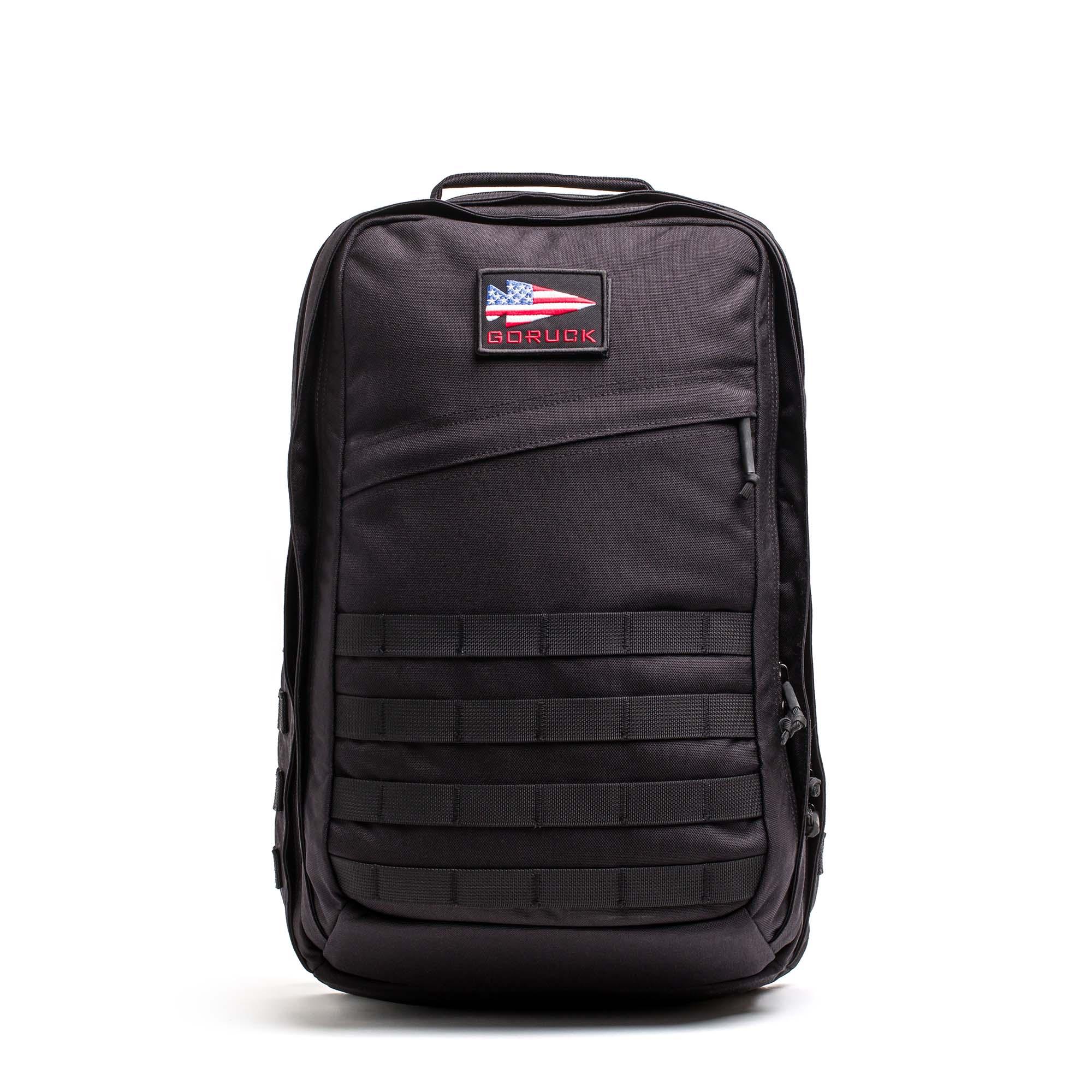
GR2 34L
GORUCK
A 34-liter two-compartment travel ruck in 1000D Cordura with MOLLE webbing, a frame sheet and the SCARS lifetime guarantee.
- Repair
- 7.5/10
- TCO
- 8.0/10
$385.00
Durable buying guide
A travel backpack must balance capacity, carry comfort, access, and transport limits. Look at handles, straps, zipper paths, frames, and other high-load parts, then verify whether repairs are available where the bag will be used.
Limits: A bag that works for one-bag travel may be too heavy or structured for daily use. Airline rules and product dimensions can change, so verify them before a trip.
1 products
Superior features, extended warranties, and high-end materials for enhanced performance.
GORUCK
A 34-liter two-compartment travel ruck in 1000D Cordura with MOLLE webbing, a frame sheet and the SCARS lifetime guarantee.
11 products
A balanced blend of performance, quality, and price for the discerning user.
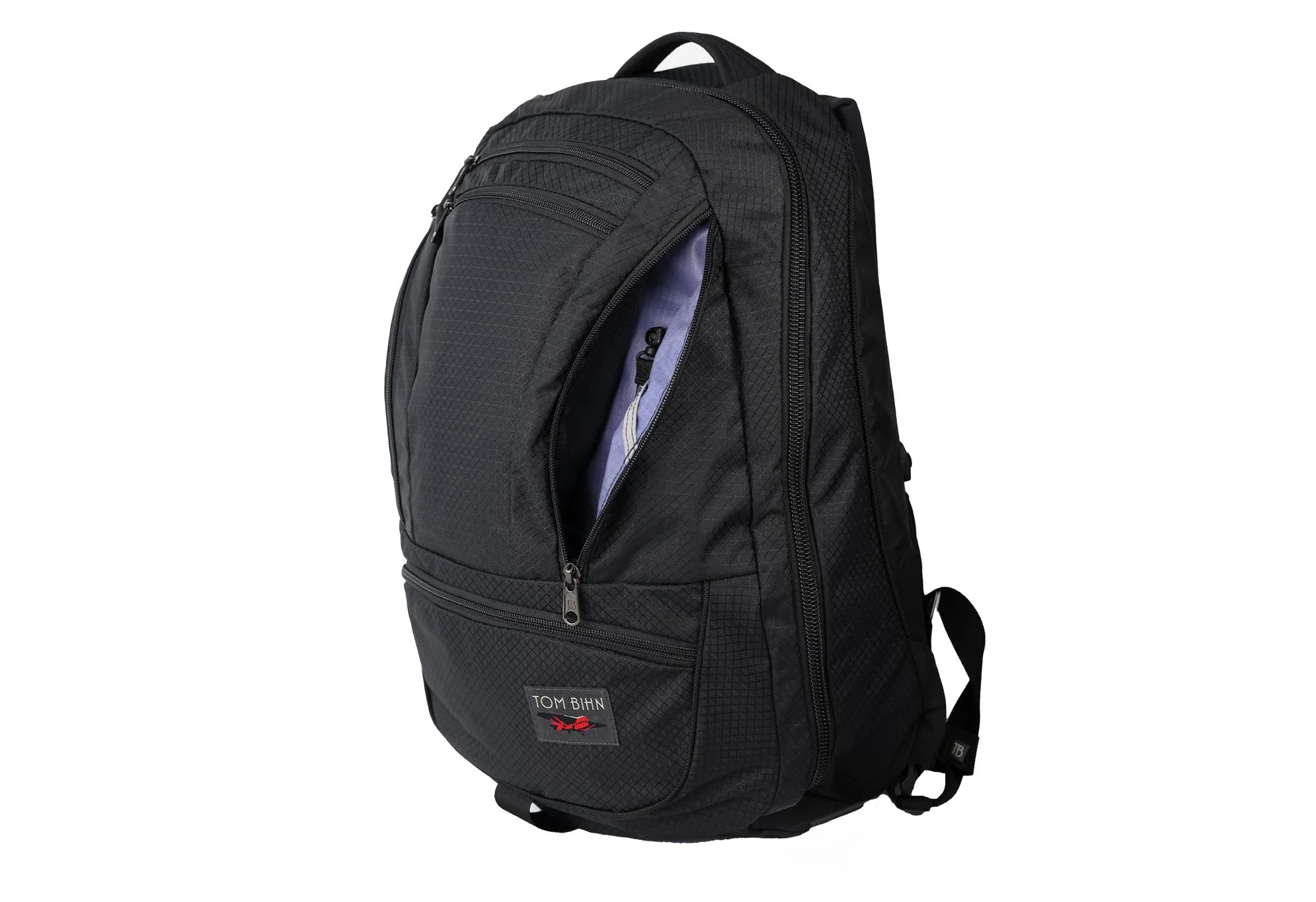
Tom Bihn
A 30-liter Seattle-made clamshell travel pack with an internal frame, five independent exterior pockets and a lifetime guarantee.
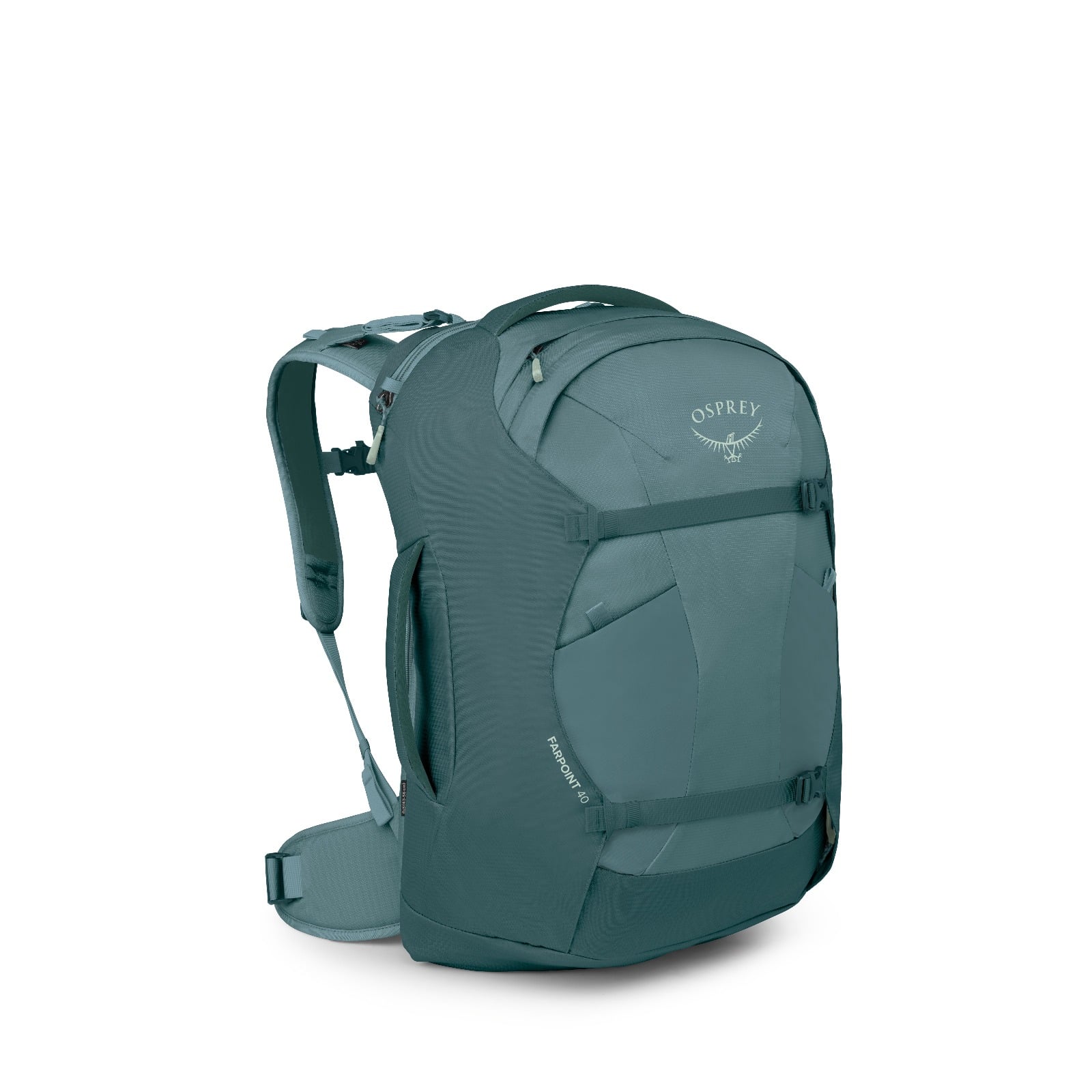
Osprey
A 40-liter carry-on travel pack with an adjustable AirScape harness, LightWire frame and stowaway shoulder straps and hipbelt.
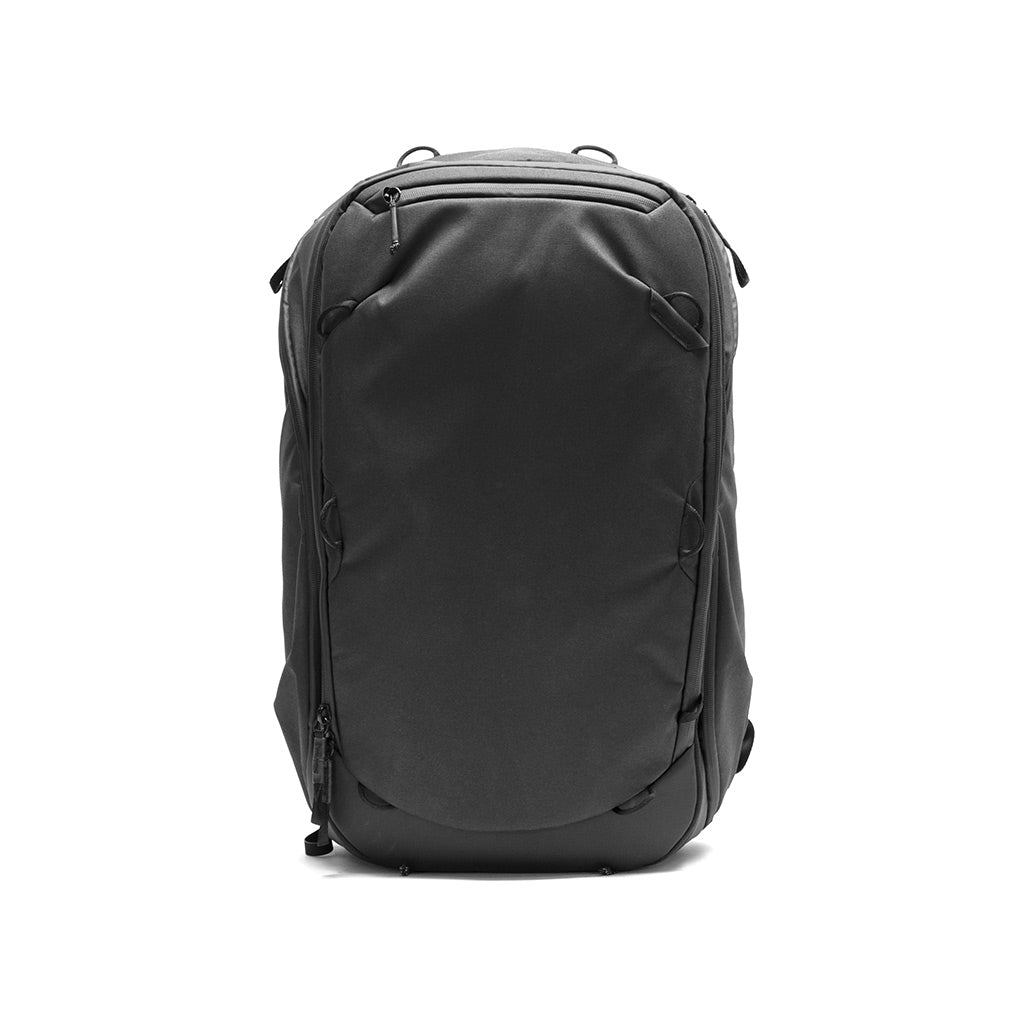
Peak Design
An expandable 30-to-45-liter travel backpack with rear, side and front access, stowable straps and a weatherproof recycled shell.
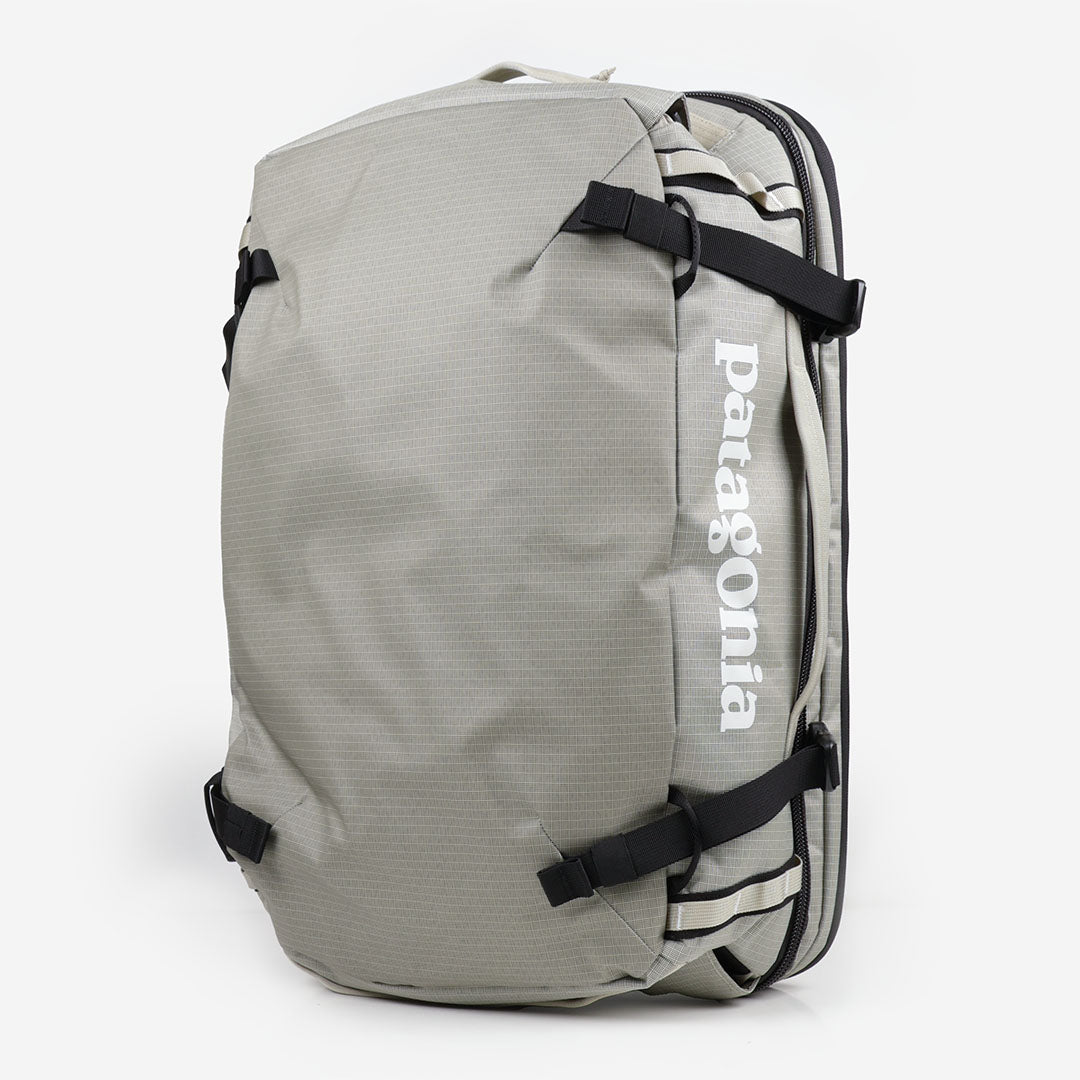
Patagonia
A 45-liter convertible carry-on built from recycled TPU-laminated ripstop, with three carry modes and a 15-inch laptop compartment.
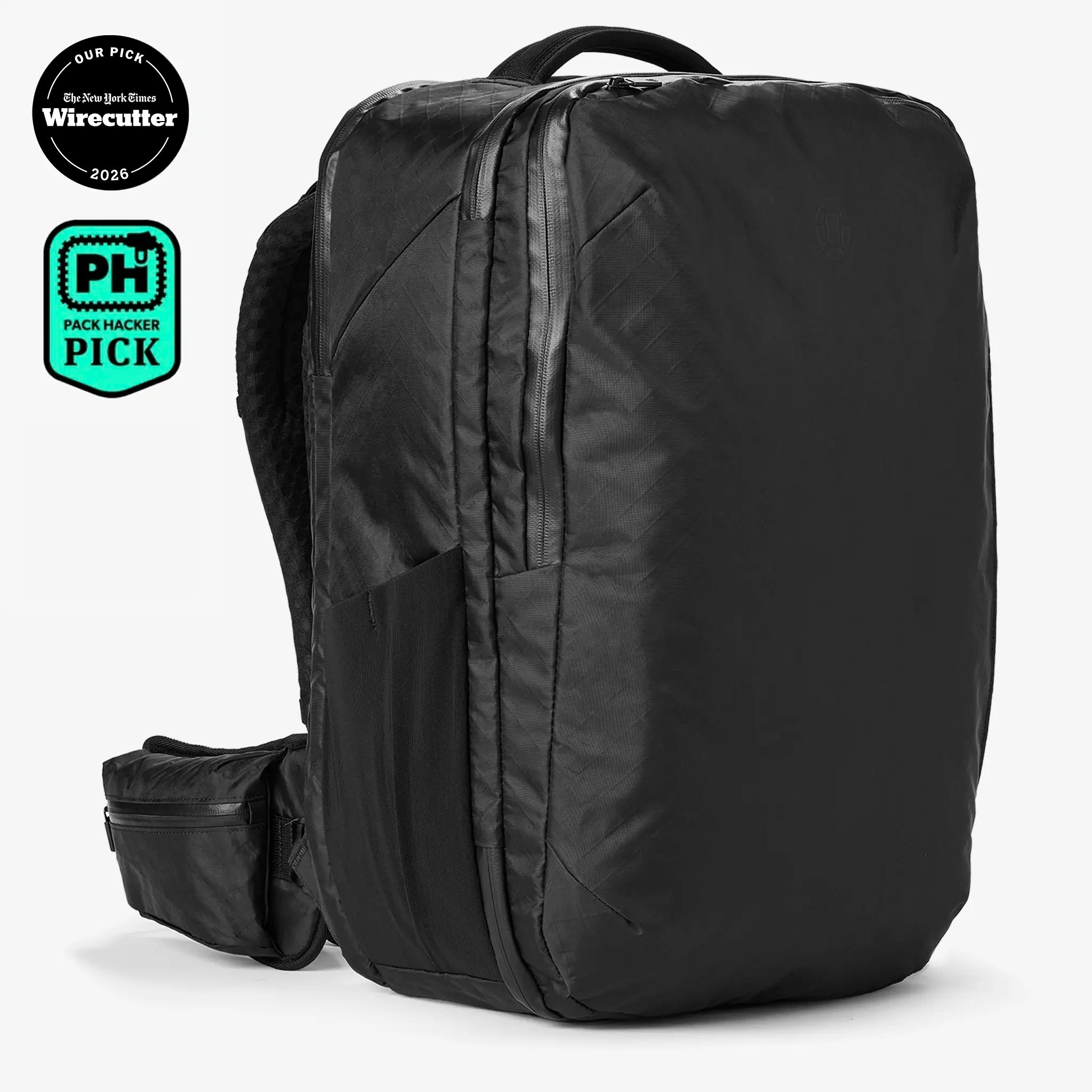
Tortuga
A carry-on-sized 40-liter travel backpack with a height-adjustable harness, load-bearing hipbelt and waterproof ECOPAK sailcloth shell.

Cotopaxi
A 42-liter suitcase-opening travel pack with recycled TPU-coated nylon, tuck-away straps, three interior zones and a 15-inch laptop sleeve.
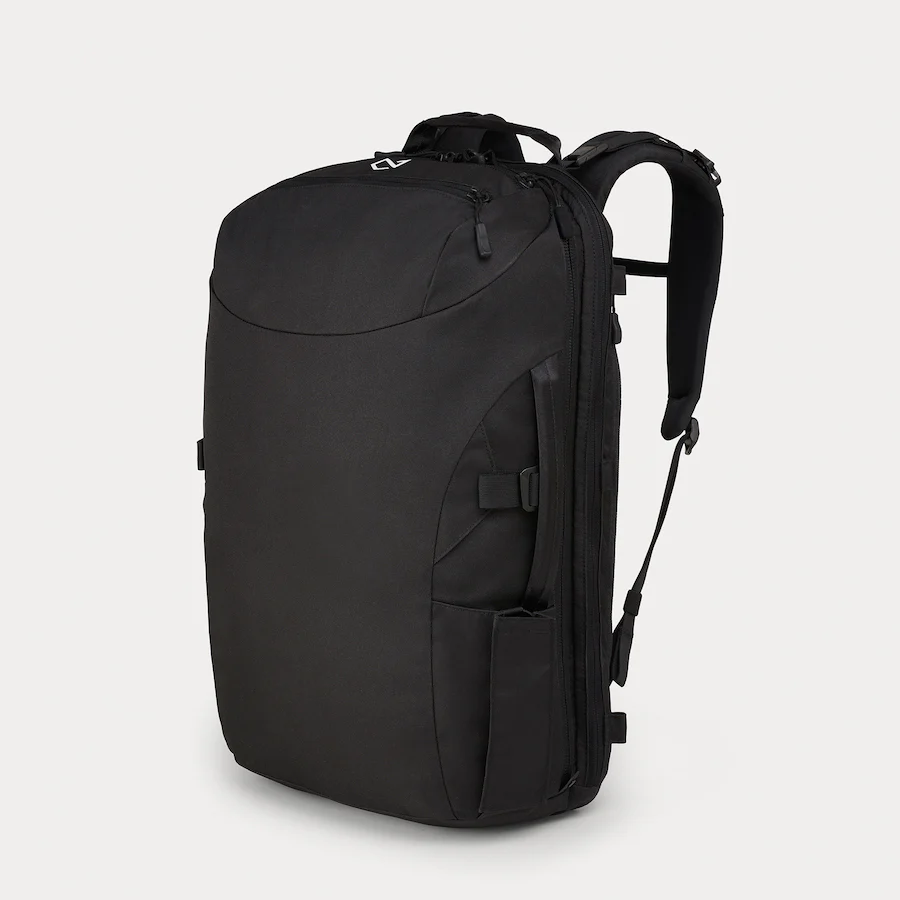
Minaal
A 35-liter lay-flat travel pack with fully hideaway straps, dual-device storage and an included seam-sealed rain cover.
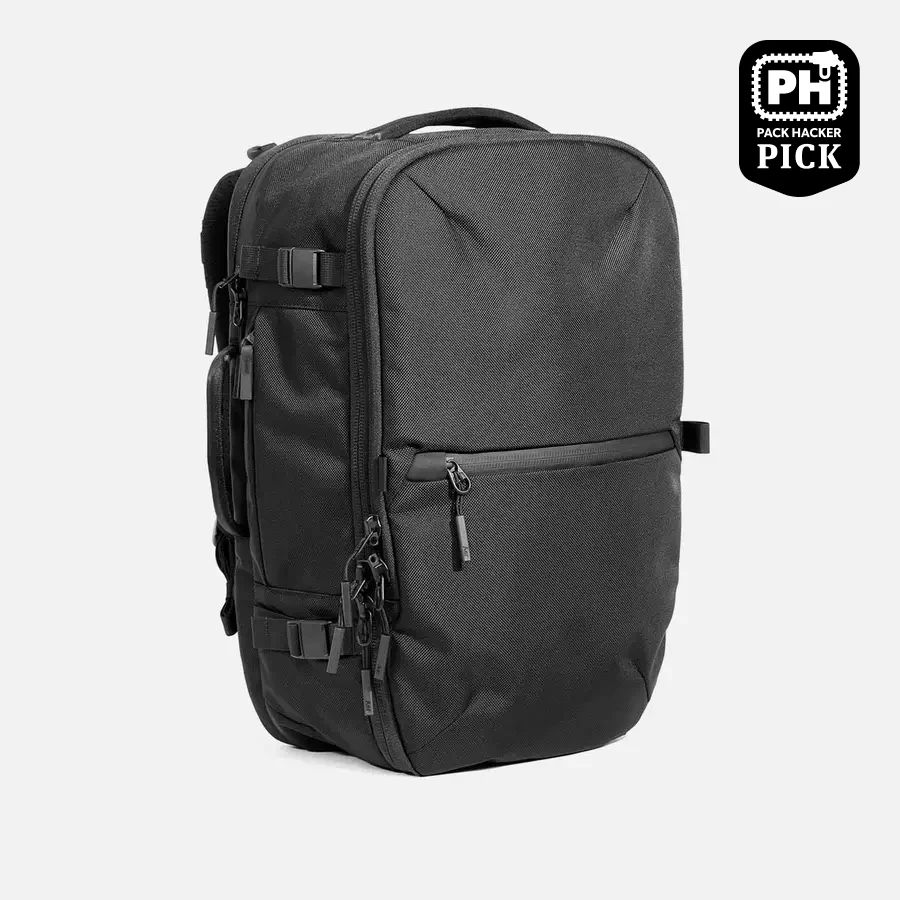
Aer
A discontinued 35-liter clamshell travel pack in 1680D Cordura with a suspended 16-inch laptop sleeve and magnetic compression straps.
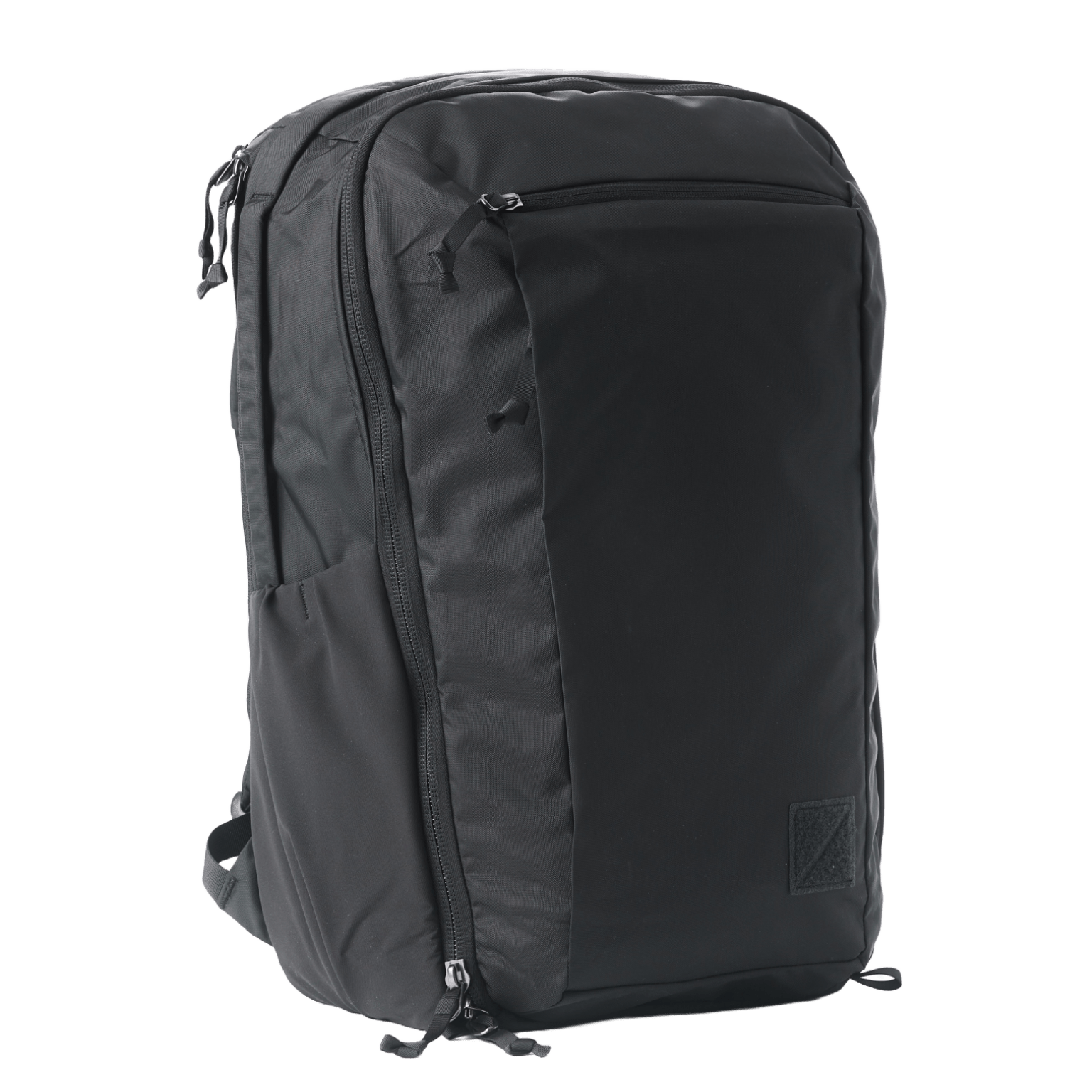
Evergoods
A 35-liter clamshell travel pack with a solution-dyed 420D nylon shell, aluminum-reinforced frame and stowable hipbelt.
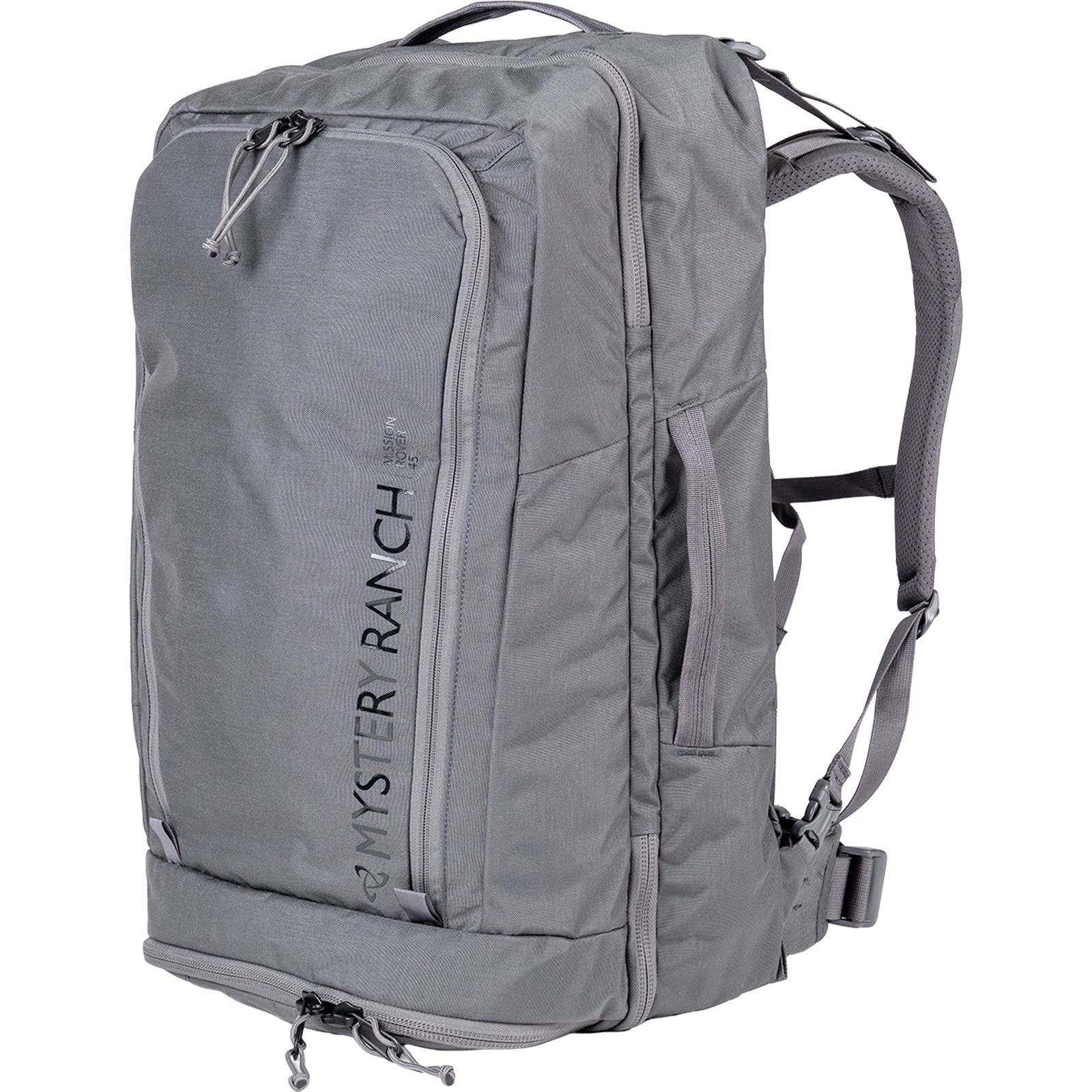
Mystery Ranch
A 42-liter three-way travel bag in recycled 840D ballistic nylon with clamshell packing, stowable backpack straps and a shoe compartment.
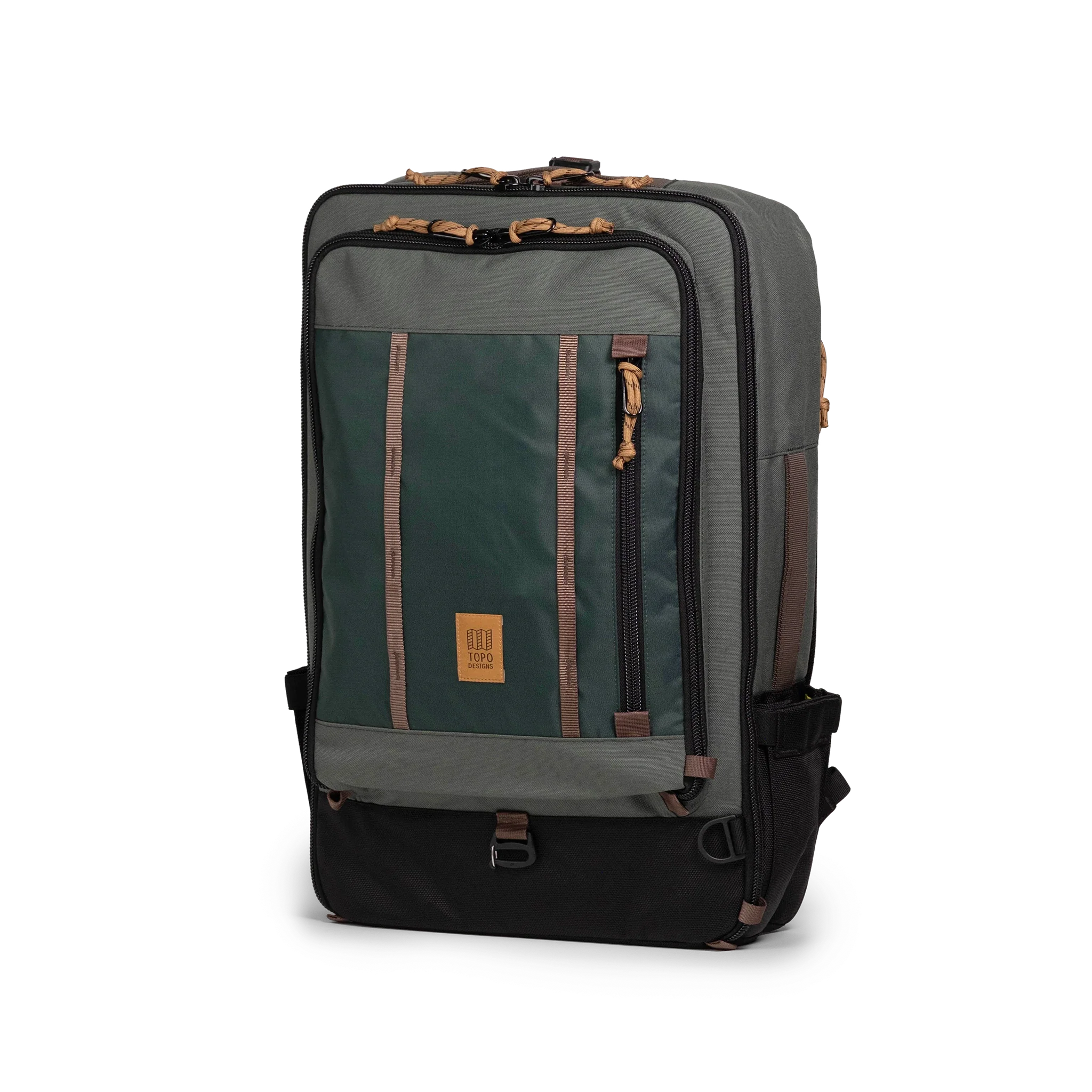
Topo Designs
A final-sale 40-to-45-liter convertible travel bag with recycled nylon shells, stowable straps and PackFast modular attachment loops.
Shop by brand
Buying guide
Start with the most restrictive airline and fare on trips you actually take, not with a nominal capacity in liters. Delta, for example, currently limits each external dimension to 22 by 14 by 9 inches and counts handles and wheels. A soft pack can exceed its listed depth when stuffed, so load it, close every compression strap, and measure the finished bag. Recheck the operating carrier before each trip; a pack that works on one route is not automatically compliant on another, and an overfilled carry-on may be gate-checked.
Torso length and hip-belt position matter more than a generic small, medium, or large label. Measure from the C7 vertebra at the base of the neck to the line across the iliac crests, then adjust the harness and walk with the weight you expect to carry. Check that the hip belt cups the hips, shoulder straps remain in contact without pinching, and load lifters work without creating a gap. Load itself remains important: a 2026 hiking study found plantar pressure rose as backpack load increased, so do not expect suspension features to make excessive packing harmless.
Evaluate the harness as a system. For heavier travel loads, a frame sheet or stay, a structured hip belt, stable shoulder anchors, and useful load lifters can control the bag better than extra organizer pockets. For lighter loads, simpler suspension may save empty weight and pack more easily into tight spaces. Try stairs, quick turns, and reaching overhead with the bag loaded. Reject a fit that pulls backward, concentrates pressure at the neck or lower back, or requires every strap to be tightened to its limit.
Open and close each zipper around a fully packed bag, pull every grab handle from several directions, and inspect where shoulder straps and compression straps enter the body. Look for even stitching, reinforcement at load-bearing junctions, protected fabric at corners, and hardware that can be replaced without dismantling the harness. This matters because moving parts such as zippers and buckles wear in normal use. A simpler bag with serviceable components can be a better long-term choice than a feature-heavy design whose proprietary parts have no repair route.
Read the written warranty before buying and separate defect coverage from normal-wear repairs. Confirm whether the maker or a named partner handles zipper, buckle, seam, and fabric work, whether proof of purchase is required, and whether service is available from your country. Follow the bag maker's care instructions rather than a generic wash routine; some programs reject dirty items or damage caused by incorrect laundering. Empty debris, address loose stitching and small holes early, let the bag dry fully after cleaning, and store it without straps under tension.
FAQ
Start with the published limits for every airline and fare on the itinerary, then measure the packed bag at its widest points, including handles and filled exterior pockets. The FAA says most airlines use a 45-linear-inch maximum, but it also warns that airline rules may be stricter and aircraft bin space may be limited. A soft bag's stated capacity does not guarantee compliance once packed.
Try the pack with a realistic travel load rather than empty. Set the hip belt over the top of the hip bones, tighten the shoulder straps without transferring all the weight to them, and check that the shoulder-strap anchors sit between the shoulder blades. Walk, climb stairs, and reach overhead; persistent pressure, rubbing, or restricted breathing indicates that another torso length or harness shape may suit you better.
Inspect stitching where shoulder straps and grab handles join the body, zipper alignment under load, buckle accessibility, and whether damaged hardware or panels can be reached for repair. A written repair policy is more useful than a vague durability claim. Cotopaxi notes that zippers and buckles wear with use and describes repairs such as restitching seams, replacing buckles and trims, and patching holes, illustrating the value of serviceable construction.
Keep the liquids bag where it can be removed without unpacking the main compartment, and avoid burying documents or electronics needed during screening. TSA permits one quart-sized bag of liquids, aerosols, gels, creams, and pastes in carry-on baggage, with each container limited to 3.4 ounces or 100 milliliters, subject to listed exemptions. An accessible pocket helps, but it does not change the screening rules.
Choose straps that can be tucked away or secured, low-profile external hardware, dependable zippers, and several reinforced lifting points. Pack valuables and required medicines in a removable pouch. The FAA warns that an airline may require bags to be checked and advises removing spare batteries and lithium-battery-powered devices when a bag is gate-checked; it also recommends tucking in straps to reduce trip hazards.
Honoring the visionaries whose work paved the way for the products we rely on today.
In 1952, Dick Kelty began making backpacks. Kelty’s history credits him with moving beyond wood and canvas through nylon fabrics, aluminum frames, padded shoulder straps, and waist belts, changes the company says helped make backpacking more accessible.
In 1967, Greg Lowe designed, tested, and launched the Lowe Alpine Expedition pack after finding external packs too heavy and unstable for climbing. The company’s account says the pack introduced an internal frame and compression straps, an early template for modern technical packs.
Industrial design student Murray Pletz designed a backpack using aluminum in a flexible frame and won an Aluminum Company of America design contest. In 1967 he co-founded JanSport; the brand introduced a panel-loading daypack and, in 1975, a convertible travel pack.
After military service, Åke Nordin founded Fjällräven in 1960 around demand for durable, lightweight backpacks. The company’s original product is described as a commercially made external-frame backpack with an aluminum frame; Fjällräven later introduced the Kånken in 1978 in response to reports of schoolchildren’s back problems.
Research last refreshed
Jan H. Vanderbie · 1953
This Army treadmill report compared 15- and 45-pound loads across five body distributions at 3.5 mph. It found that loads attached to faster-moving body segments cost more energy and suggested fore-and-aft balance high on the torso as feasible—useful context for why pack placement and load stability matter.
R. F. Goldman and P. F. Iampietro · 1962
Walking trials separated the effects of speed, grade, and external loads of 10–30 kg on energy use. Within the tested ranges, the authors tentatively found that each unit of carried weight imposed roughly the same energy cost as body weight, underscoring the practical benefit of limiting packed mass.
M. S. Malhotra and J. Sen Gupta · 1965
Six boys aged 9–15 walked at 2.5 mph with a 6-pound bag carried as a rucksack, low on the back, across one shoulder, or by hand. Ventilation, oxygen use, and pulse rose least with the rucksack and most with hand carriage; the small youth sample limits direct application to adult travel packs.