8.0/10
Mid Segment20 yr life
GR1 21L
GORUCK
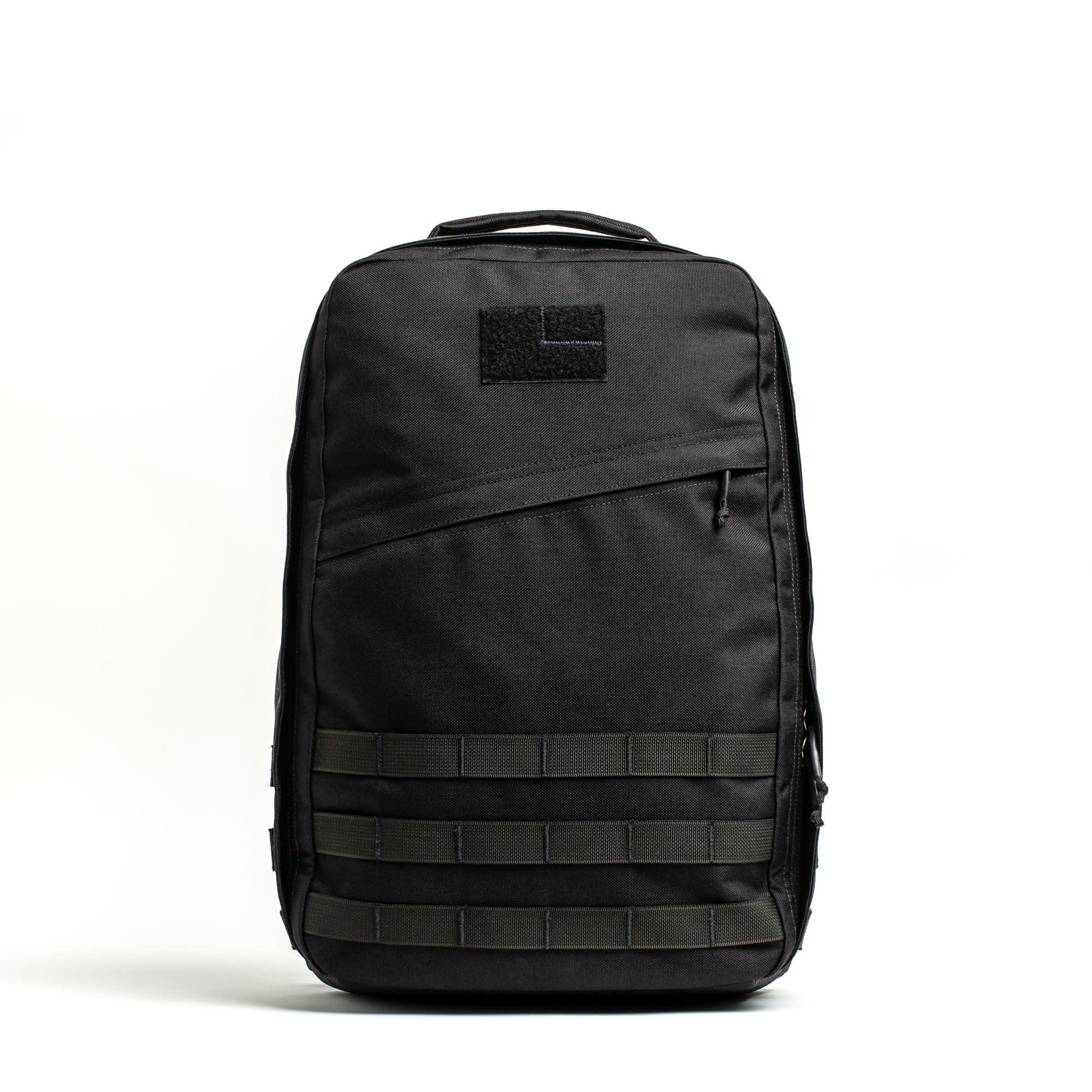
A USA-made 21-liter clamshell ruck in 1000D Cordura with a raised laptop compartment, removable frame sheet and SCARS lifetime guarantee.
- Repair
- 7.3/10
- TCO
- 8.1/10
$395.00
Durable buying guide
For daily use, the best long-term backpack is sized for the normal load and remains comfortable enough to keep using. Inspect high-stress seams, zipper and buckle replacement, abrasion points, and the maker’s repair process.
Limits: Heavier fabric does not automatically make a better bag. Added weight, poor fit, airline limits, and hard-to-replace proprietary hardware can shorten useful ownership.
9 products
A balanced blend of performance, quality, and price for the discerning user.
GORUCK
A USA-made 21-liter clamshell ruck in 1000D Cordura with a raised laptop compartment, removable frame sheet and SCARS lifetime guarantee.

Tom Bihn
A lightweight 25-liter Seattle-made daypack with five independent-volume exterior pockets, centered bottle storage and a lifetime guarantee.
Filson
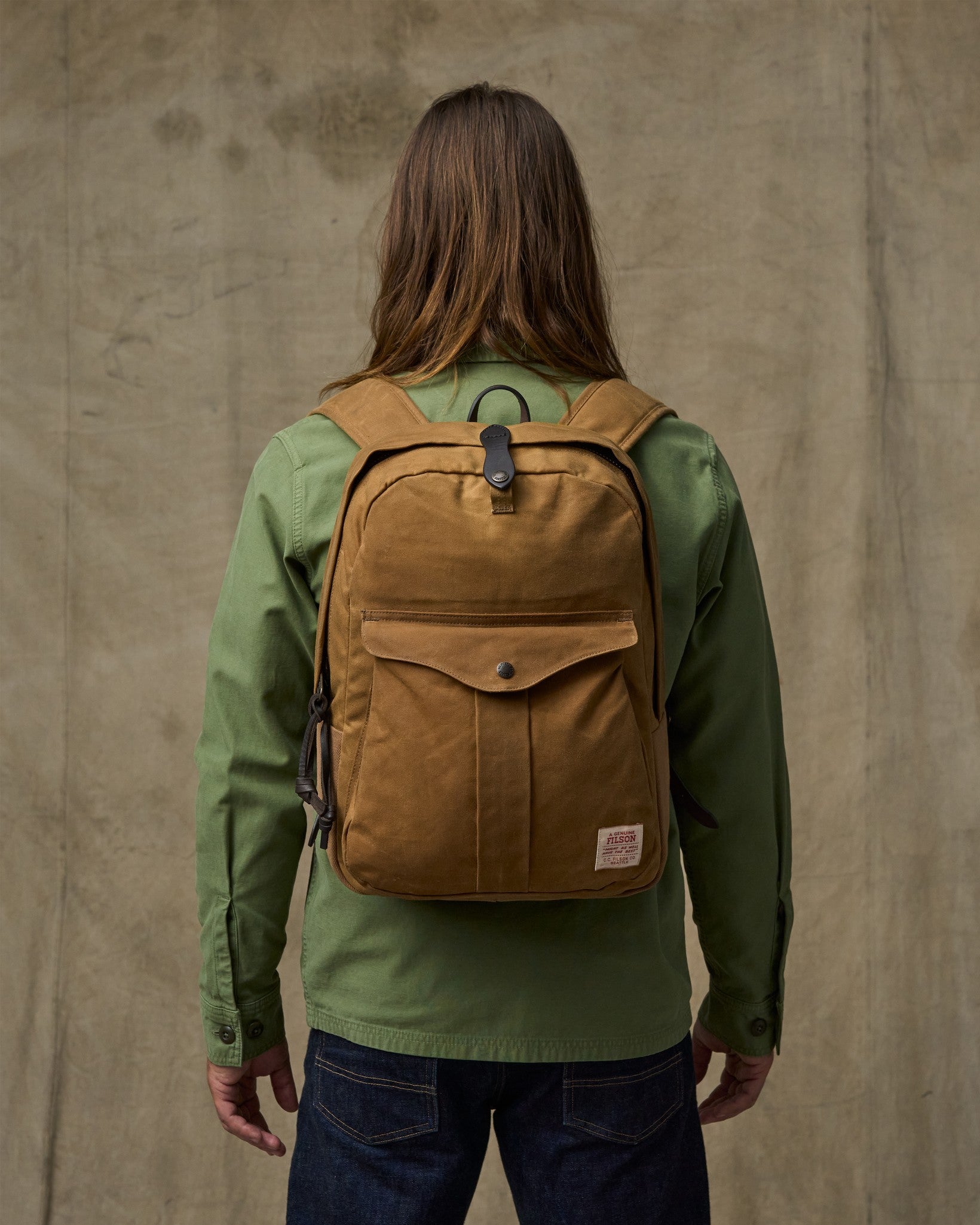
A 23-liter heritage daypack combining waxed Tin Cloth, Rugged Twill, Bridle Leather and a brass YKK zipper.

Evergoods
A 24-liter panel-loading daypack in solution-dyed 840D ballistic nylon with a suspended laptop compartment and aluminum-reinforced frame.
Mystery Ranch
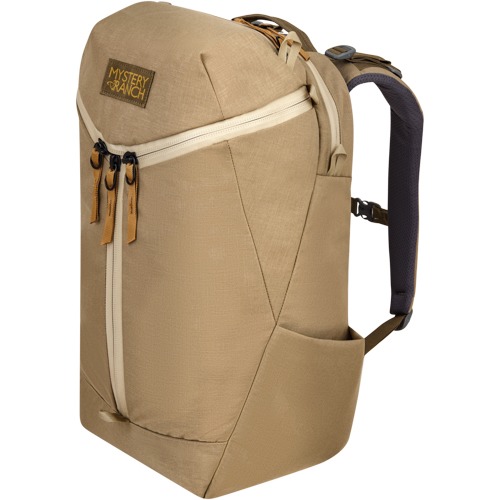
A discontinued 25.8-liter three-zip daypack in recycled 500D Cordura with dual bottle pockets and a padded laptop sleeve.
Bellroy
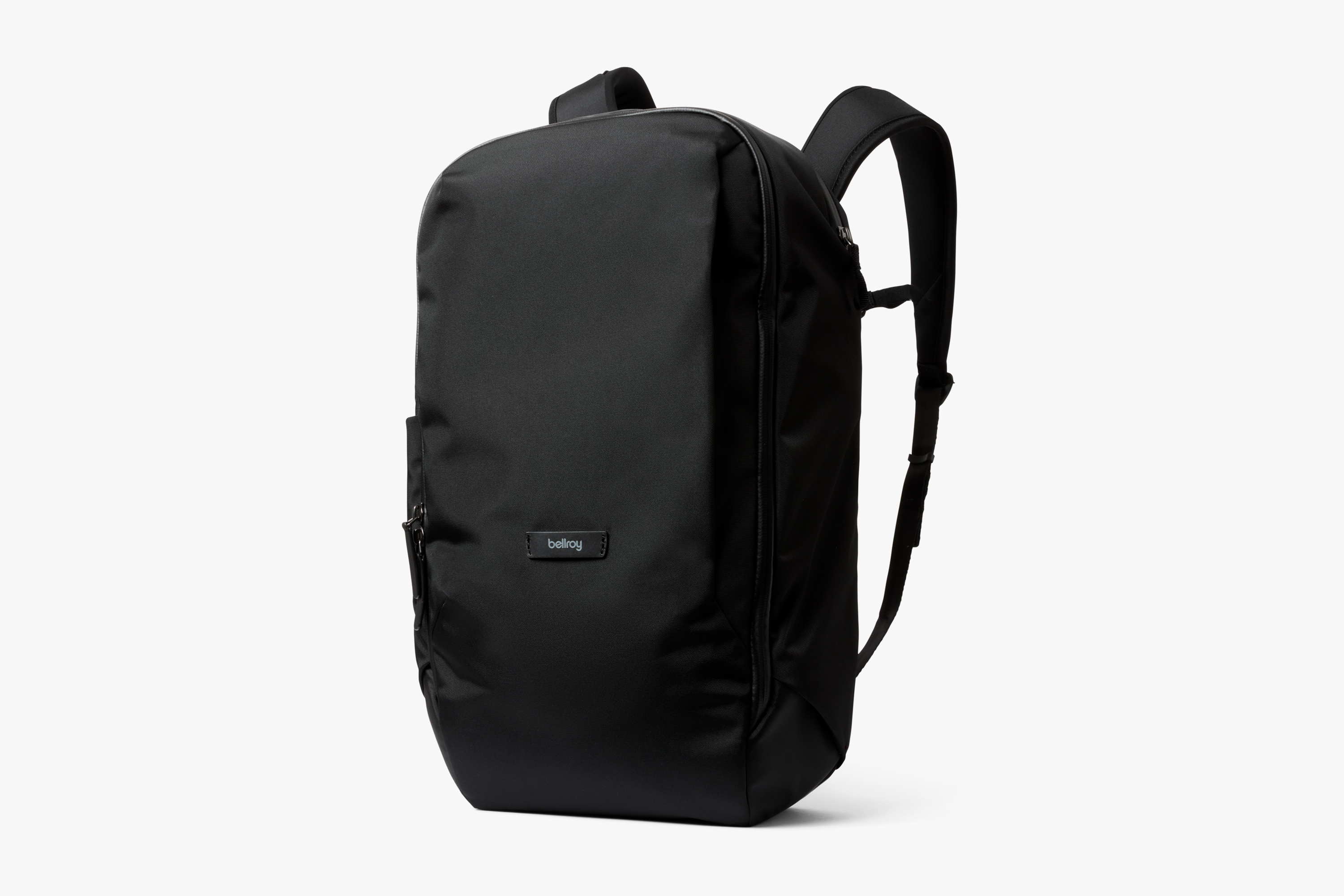
A 26-liter clamshell work-and-travel pack with a separate 16-inch laptop section, contoured harness and recycled Dura Weave shell.
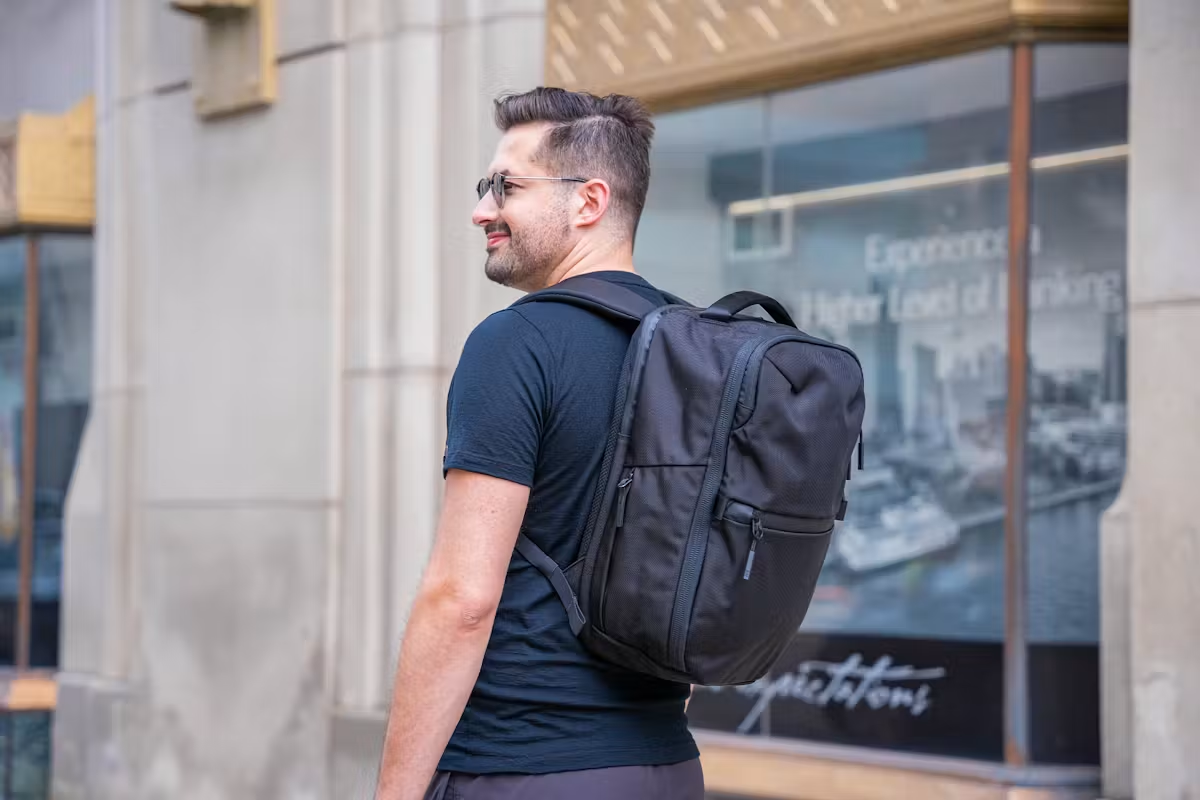
Aer
The discontinued original 24-liter clamshell City Pack Pro in 1680D Cordura, with a suspended 16-inch laptop sleeve and luggage pass-through.
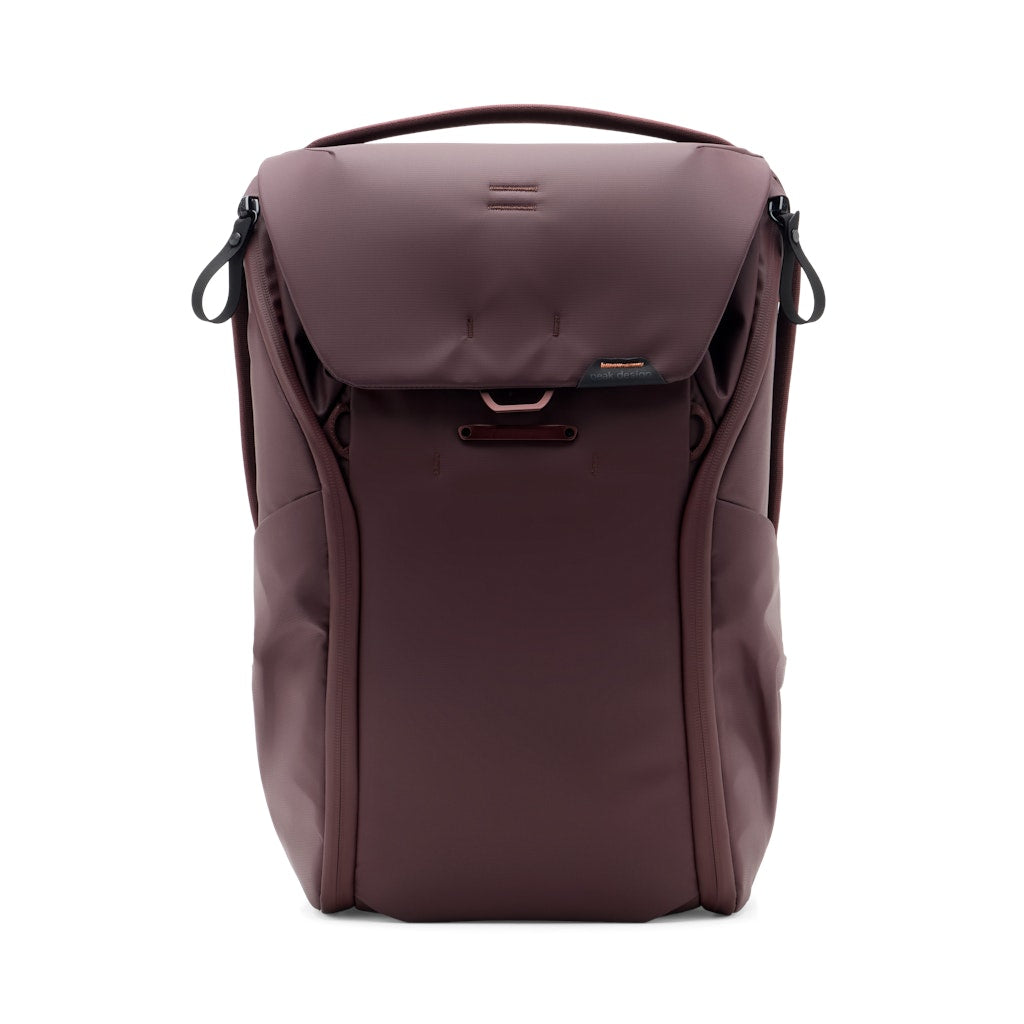
Peak Design
A 20-liter photo-and-everyday pack with MagLatch top access, dual UltraZip side access and three configurable FlexFold dividers.
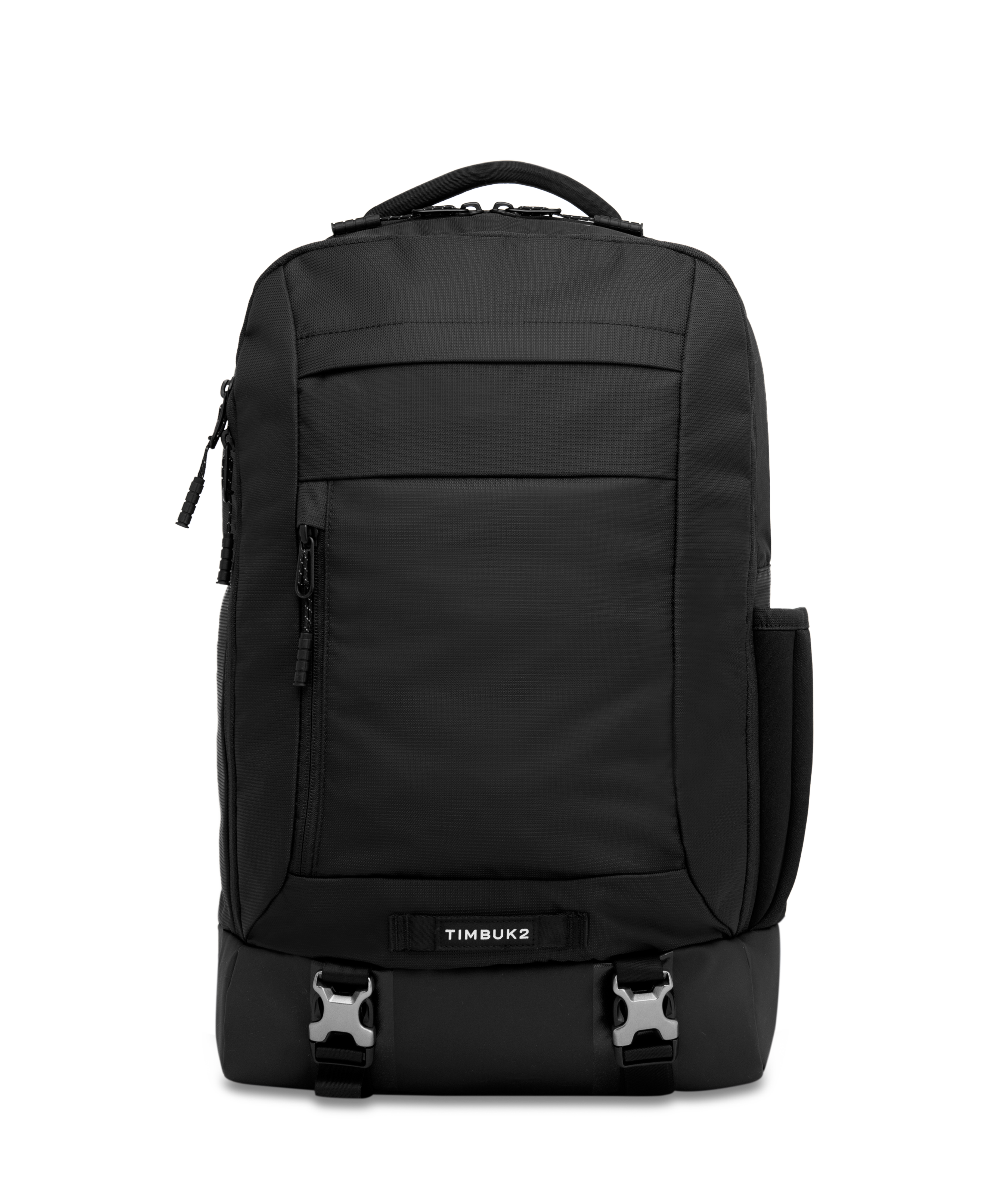
Timbuk2
A 28-liter recycled-material work pack with rear-access 17-inch laptop storage, internal organization and a waterproof bottom boot.
3 products
Budget-conscious selections offering the best value and reliability for essential needs.
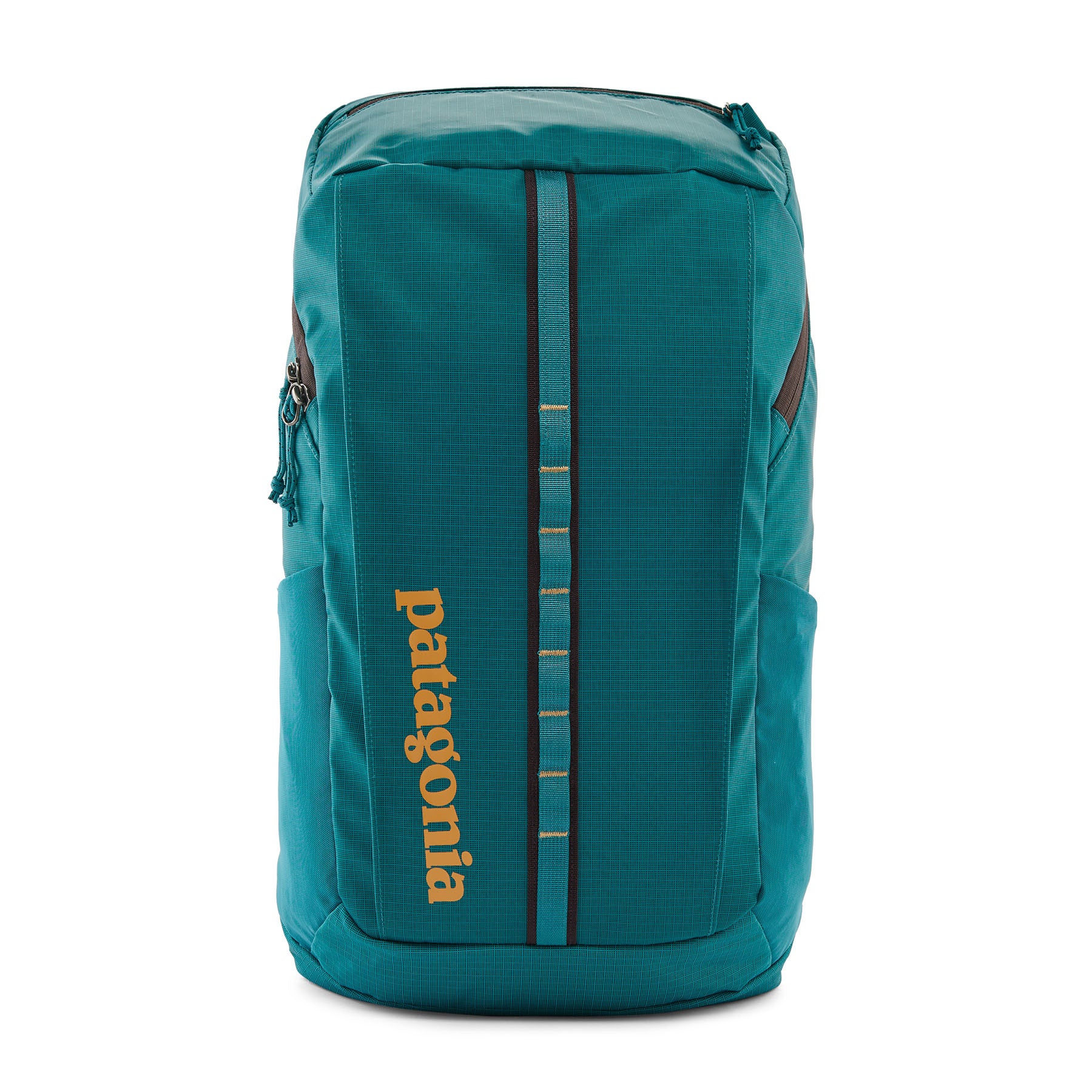
Patagonia
A 25-liter recycled ripstop daypack with recycled TPU-film laminate, dual bottle pockets, a 15-inch laptop sleeve and luggage pass-through.
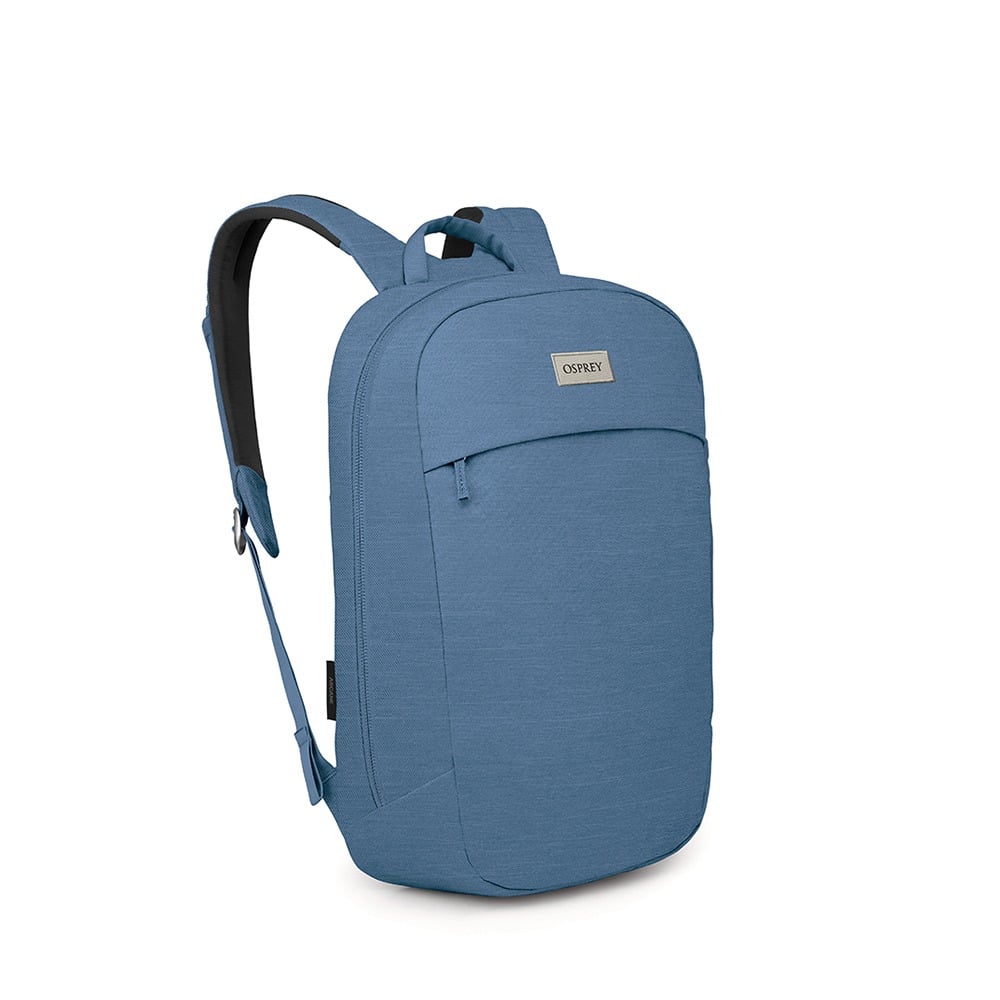
Osprey
A 21-liter recycled-polyester commuter pack with a J-zip opening, 16-inch laptop sleeve and quick-release aluminum security hook.
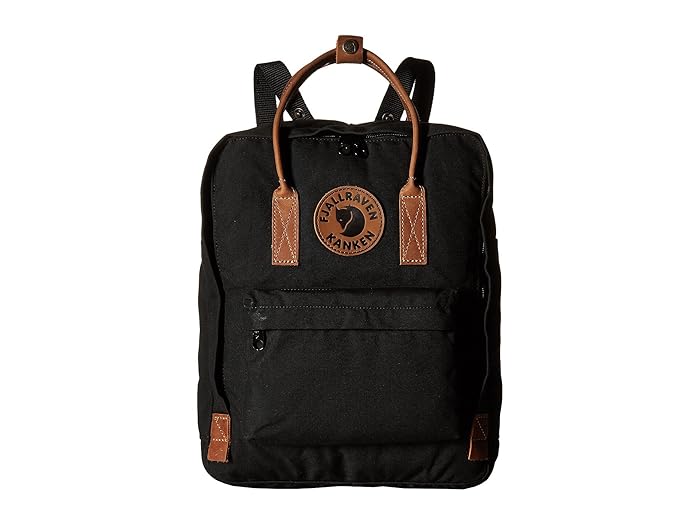
Fjällräven
A 16-liter double-waxed G-1000 HeavyDuty Kånken with leather details, a removable seat pad and Greenland Wax renewability.
Shop by brand
Buying guide
Bring the laptop, bottle, charger, and other items you normally carry when trying a pack. Choose capacity for that load rather than spare volume that invites overpacking. Adjust both shoulder straps to the same length and check that the pack stays close to the back without digging in or restricting movement. Broad, adjustable straps can spread weight across both shoulders; compartments can also help keep heavier items close to the body instead of pulling the bag backward.
Confirm the laptop compartment fits the actual device, including any case, without forcing the zipper. With the bag loaded, check whether hard edges press into the back and whether the computer can stay close to the body. A padded back can improve comfort and shield the wearer from sharp contents, while a small number of practical compartments can distribute contents more evenly. Favor an arrangement you can inspect and clean over layers of rarely used pockets.
Open and close every zipper around corners, then look at the slider, teeth, end stops, and stitching beside the zipper tape. Pull gently on the top handle and shoulder-strap anchors and inspect base corners and bottle pockets for thin fabric or exposed seams. Zipper faults do not all require the same repair: a worn slider may stop aligning the teeth, while broken teeth can require more extensive work. Construction that leaves these parts accessible gives a repairer more options.
Read the warranty rather than relying on a lifetime label. Check whether it covers defects only or also wear, who pays shipping, whether proof of purchase is required, and whether the company repairs the original bag or may replace it. Patagonia, for example, states that unsatisfactory performance may qualify for repair, replacement, or refund, while ordinary wear-and-tear repairs may carry a reasonable charge. Keep the receipt and inspect small faults before they spread.
FAQ
Choose around the items you actually carry rather than a liter target alone. Load the candidate bag with your laptop, charger, water bottle, lunch, and an extra layer, then check that it closes without bulging and still has a little room for occasional needs. Excess capacity can invite unnecessary weight; the American Academy of Pediatrics makes the same practical point for school bags and recommends a pack proportional to the wearer.
Try it with your normal load and outerwear. Both shoulder straps should adjust to equal lengths, share the load, and keep the bag close to your back without forcing you to lean forward. Broad straps and a padded back can improve comfort when the fit is correct; a sternum strap or waist belt can help stabilize heavier loads. Walk, climb stairs, and turn your head before deciding, since an empty try-on reveals little about pressure points.
Confirm the sleeve fits the device itself, including any protective case, and keeps hard edges away from your back. Pack the laptop and other dense items close to the body, then balance smaller items between the left and right sides. Separate compartments can limit shifting, but too many fixed pockets add weight and may not suit future devices. A raised or padded sleeve also reduces direct contact with the floor, though it does not replace careful handling.
Inspect the upper strap anchors, carry handle, base corners, zipper ends, and bottle-pocket seams, because these areas repeatedly take load or abrasion. Prefer replaceable buckles and uncomplicated zipper paths, and read the warranty rather than relying on a lifetime label alone. Policies differ: JanSport limits its warranty to manufacturing defects and stated exclusions, while Osprey describes repair or replacement coverage for damage, including worn buckles and broken zippers.
Follow the care label for the exact fabric and coating; machine washing or heat can damage some packs. For example, Fjällräven tells Kånken owners to clean marks with lukewarm water, mild detergent, and a soft brush or sponge rather than use a washing machine, then hang the bag in a ventilated place away from direct sunlight. Empty every pocket first, clean spills promptly, rinse away soap residue, and let the interior dry fully before storage.
Sometimes, but check the operating airline and fare before travel because personal-item allowances are not universal. Measure the fully packed bag at its widest points, including stuffed pockets. United, for example, lists a 9 by 10 by 17 inch limit and says the item must fit under the seat. For frequent trips, compare purpose-built travel backpacks, which may offer easier packing and travel-oriented access, while remembering that the airline's current rule controls.
Honoring the visionaries whose work paved the way for the products we rely on today.
Gerald “Gerry” Cunningham founded a Colorado mail-order business in 1946 that supplied lightweight equipment for mountaineers. His company later made the frameless Gerry Kiddie Carrier, with a framed version patented in 1963, and marketed the carrier to a wider audience.
Dick Kelty’s pack work replaced heavier wood-and-canvas approaches with nylon fabrics, aluminum frames, padded shoulder straps, and waist belts. Kelty’s account credits these changes with making backpacking more accessible and reports that its gear was used on Everest and in Antarctica expeditions.
The late-1960s JanSport team of outdoor enthusiast Skip Yowell, engineer Murray Pletz, and seamstress Jan Lewis created backpacks for personal adventure. JanSport’s account describes its ski and hike packs becoming campus daypacks in the 1970s, connecting outdoor pack design with everyday school use.
Introduced in 1978, the Kånken was developed by Fjällräven founder Åke Nordin with the Swedish scouting association in response to reports that Swedish schoolchildren were developing back problems from shoulder bags. The compact school-oriented format later appeared in laptop and other variants.
Research last refreshed
N. V. Lothian · 1921
Lothian treats carried load as one part of a wider marching system shaped by distance, pace, halts, fitness, food, clothing, climate, morale, and how equipment is arranged. The historical analysis supports evaluating a backpack in use, not by capacity or empty weight alone.
E. P. Cathcart, D. T. Richardson, W. Campbell · 1923
In controlled marches with two fit men, the authors varied loads from 25% to 65% of body weight and measured ventilation, oxygen uptake, and calorie cost. Cost rose with load, with a marked change above 40%; the tiny military sample limits direct use as a modern consumer limit.
M. S. Malhotra, J. Sen Gupta · 1965
Six boys aged 9 to 15 walked at 2.5 mph with a 6 lb school bag carried as a rucksack, low on the back, across one shoulder, or by hand. Ventilation, oxygen use, and pulse rose least with rucksack carriage and most with hand carriage, favoring balanced back carry for a fixed load.