6.9/10
Luxury10 yr life
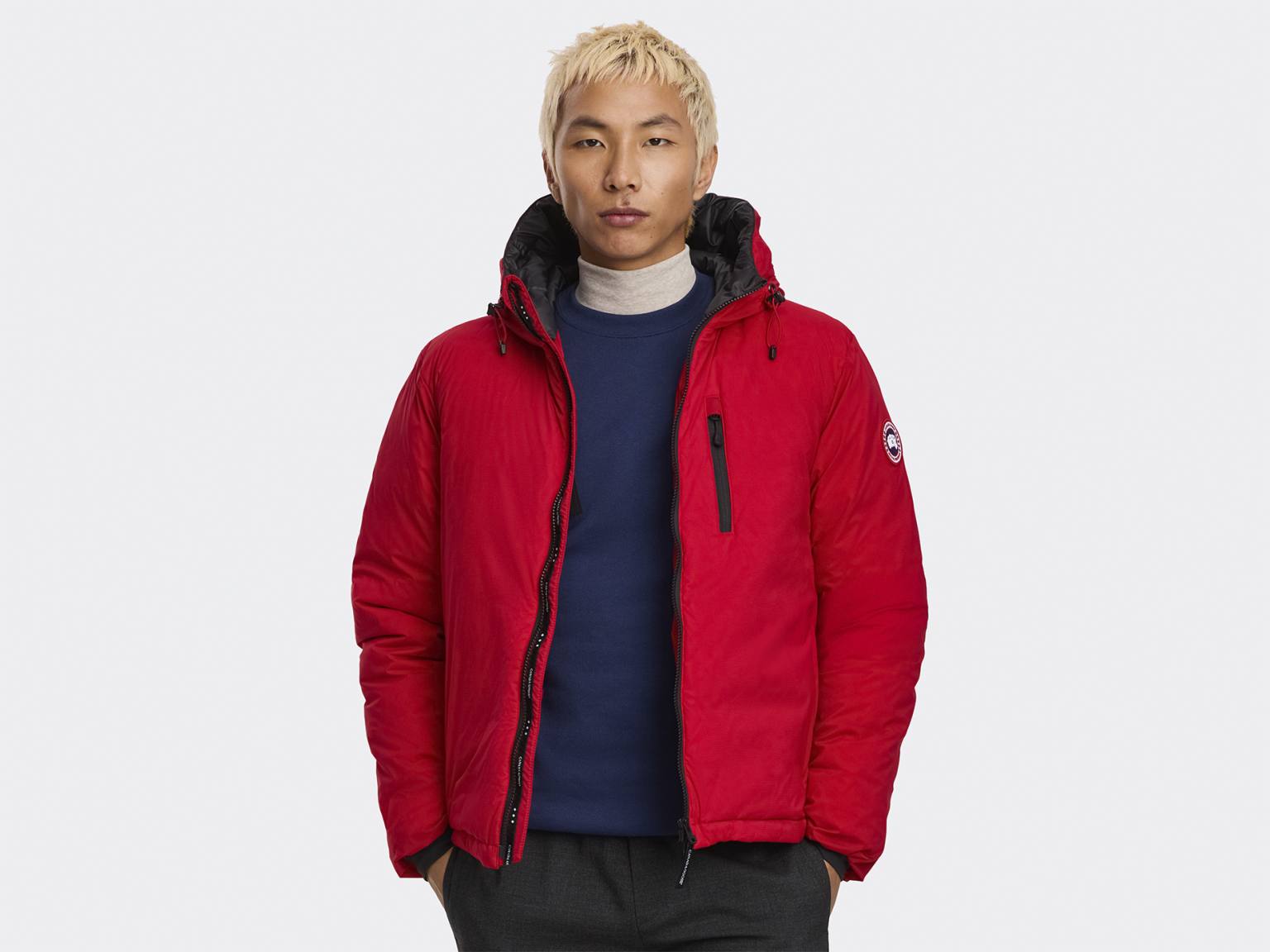
Men's Lodge Hoodie
Canada Goose
A compressible Made-in-Canada down hoody for mild winter and backcountry layering, backed by Canada Goose's defect warranty.
- Repair
- 5.9/10
- TCO
- 6.5/10
$875.00
Durable buying guide
Choose an insulated jacket by activity and moisture exposure, then compare insulation type and amount, baffle construction, shell durability, fit, closures, and care requirements. Fill power describes down loft; it is not a complete measure of jacket warmth or longevity.
1 products
Higher-priced options whose materials, features, service, and tradeoffs still need evidence-based comparison.
Canada Goose
A compressible Made-in-Canada down hoody for mild winter and backcountry layering, backed by Canada Goose's defect warranty.
3 products
Superior features, extended warranties, and high-end materials for enhanced performance.
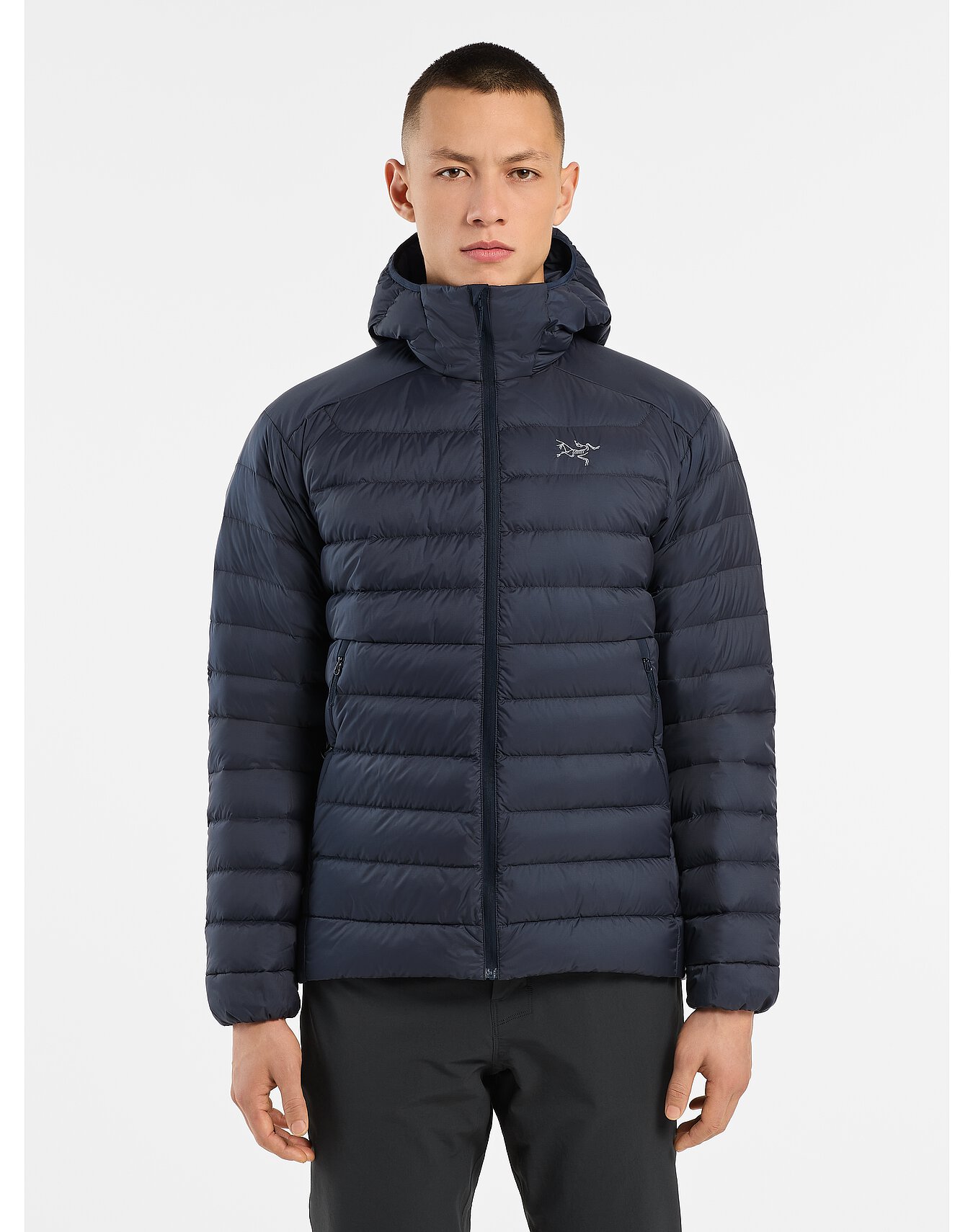
Arc'teryx
A trim, packable technical hoody combining high-loft 850-fill goose down with moisture-tolerant Coreloft in vulnerable zones.

Rab
A 563 g winter belay jacket with 212 g of 800-fill hydrophobic goose down, 20D Pertex Quantum Pro and helmet hood.
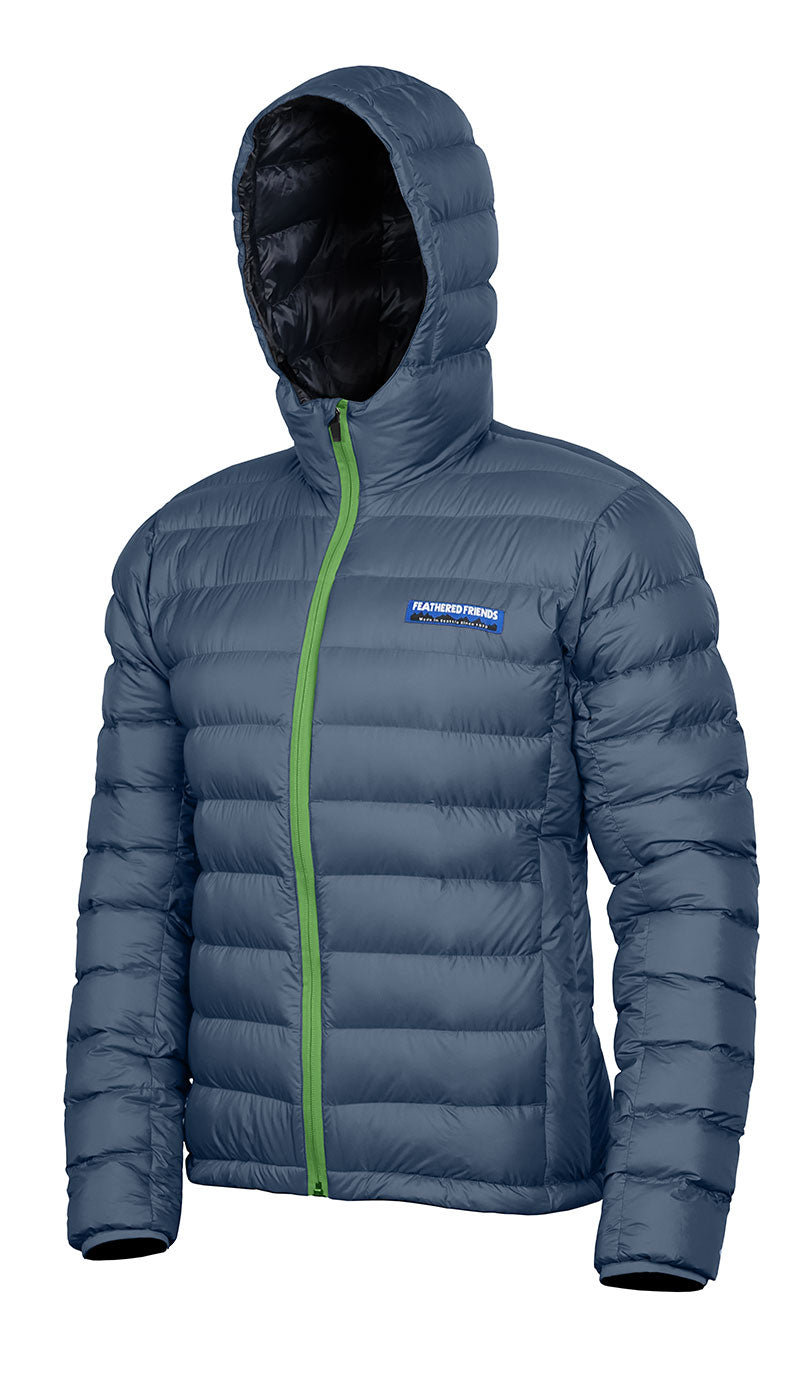
Feathered Friends
A Seattle-made ultralight down hoody using 900+ fill RDS goose down and Pertex Quantum, with the older Eos now on closeout.
8 products
A balanced blend of performance, quality, and price for the discerning user.
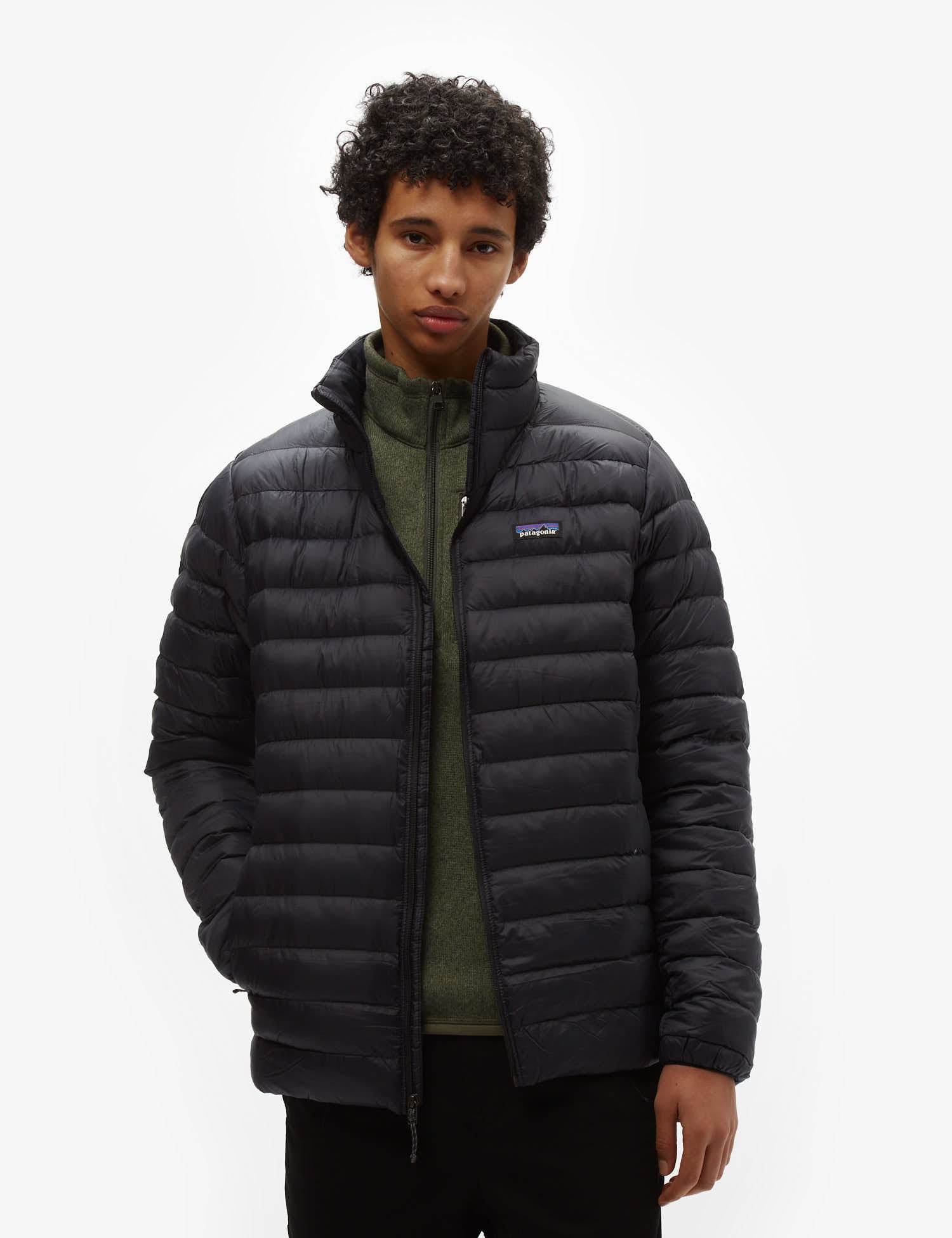
Patagonia
A 369 g everyday down layer with 800-fill RDS down, 20D recycled fishing-net shell, five pockets and an included repair patch.
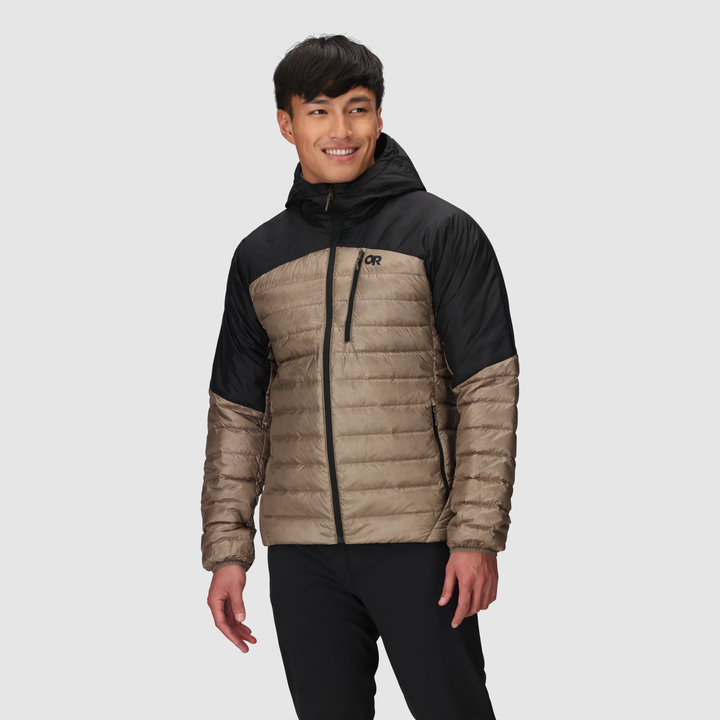
Outdoor Research
A $299 down hoody with Pertex Diamond Fuse reinforcement at the hood and shoulders and an Infinite Guarantee, currently out of stock.
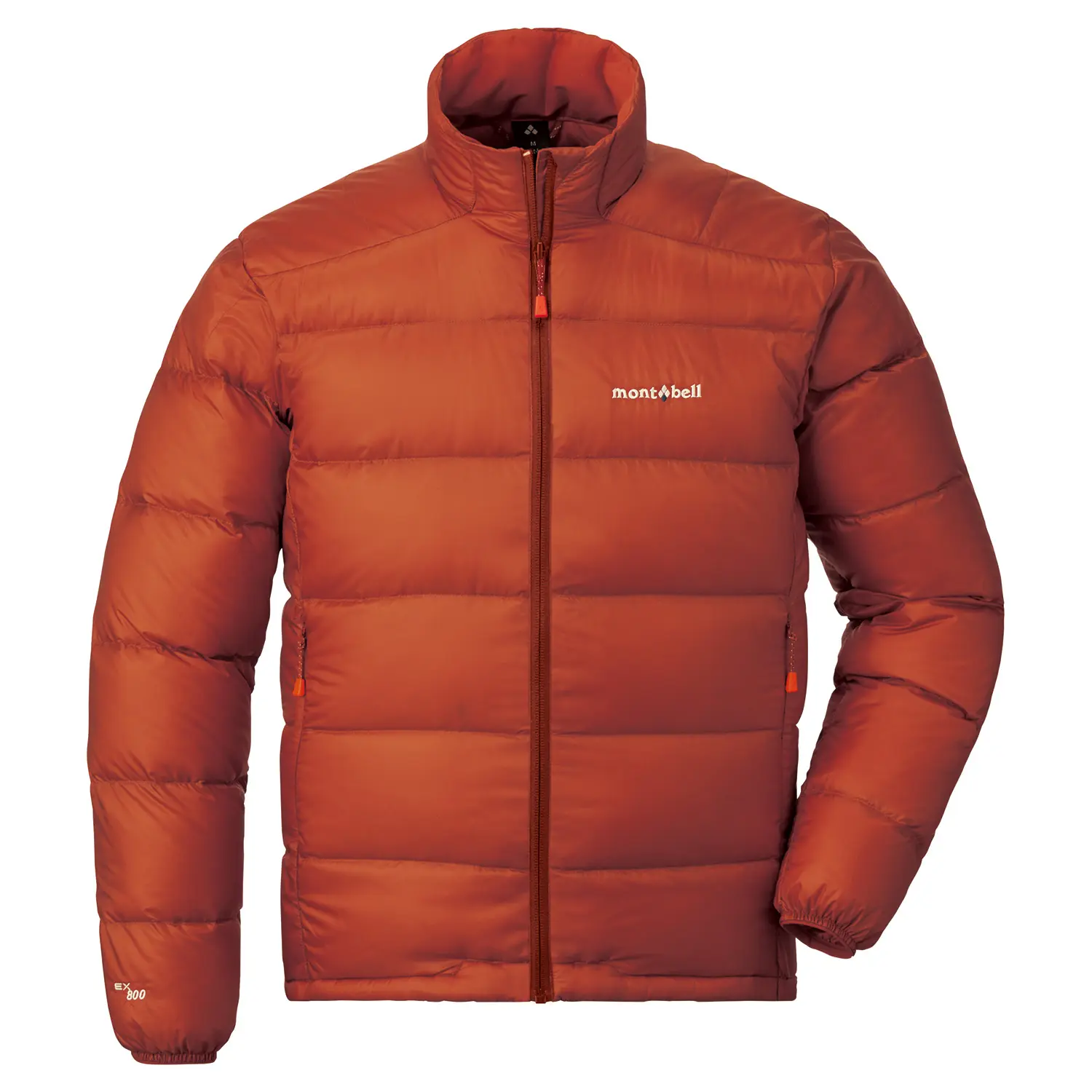
Montbell
A no-hood midweight down jacket balancing 800-fill EX down, lightweight Ballistic nylon and simple sewn-through construction.
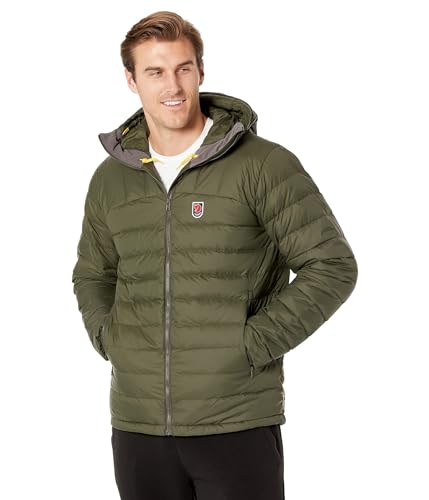
Fjällräven
A 490 g packable hoody with 110 g of 700-fill traceable down and synthetic shoulder insulation for damp compression zones.
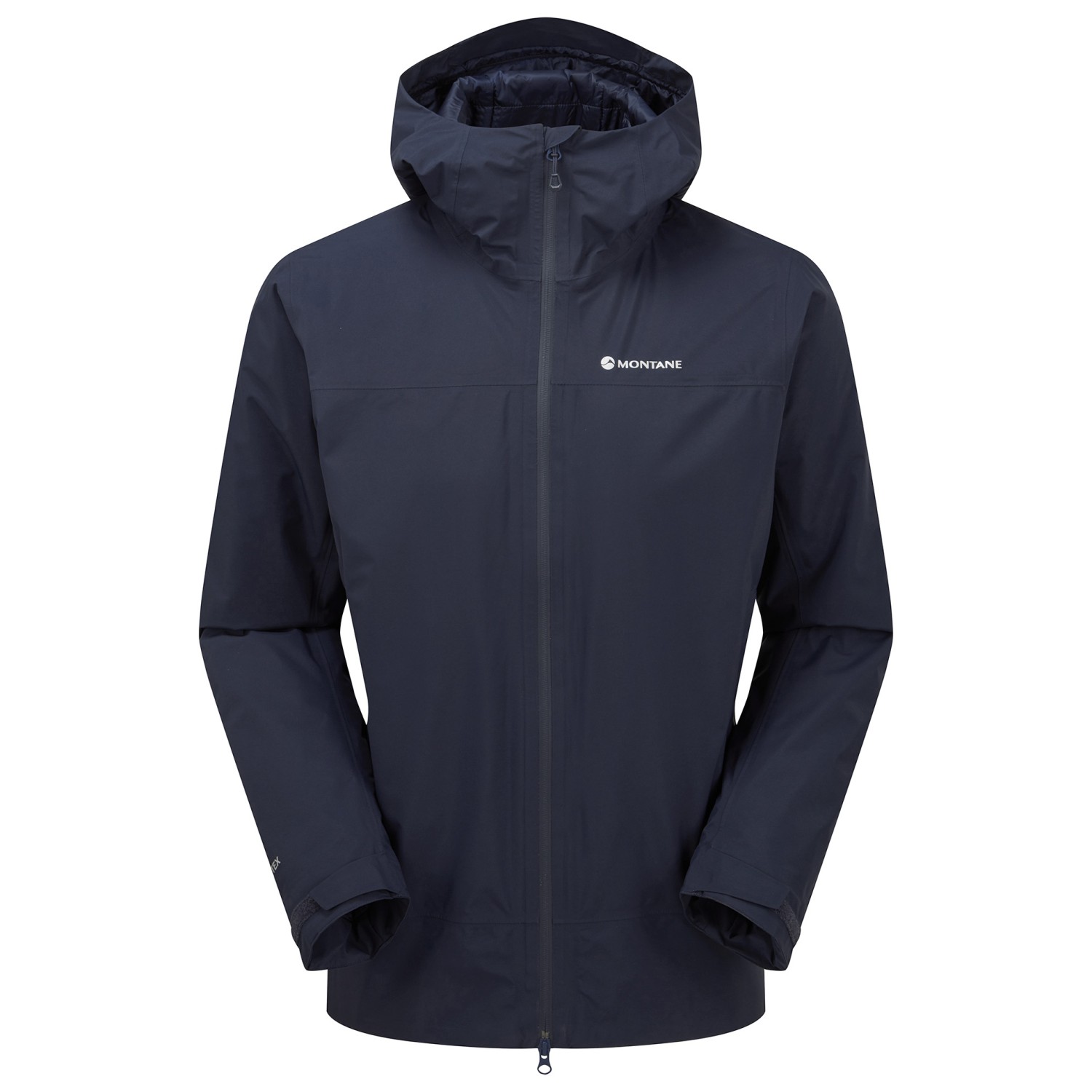
Patagonia
A 337 g synthetic layer with 60 g/m² PrimaLoft Gold Eco, recycled ripstop shell and wet-tolerant insulation.
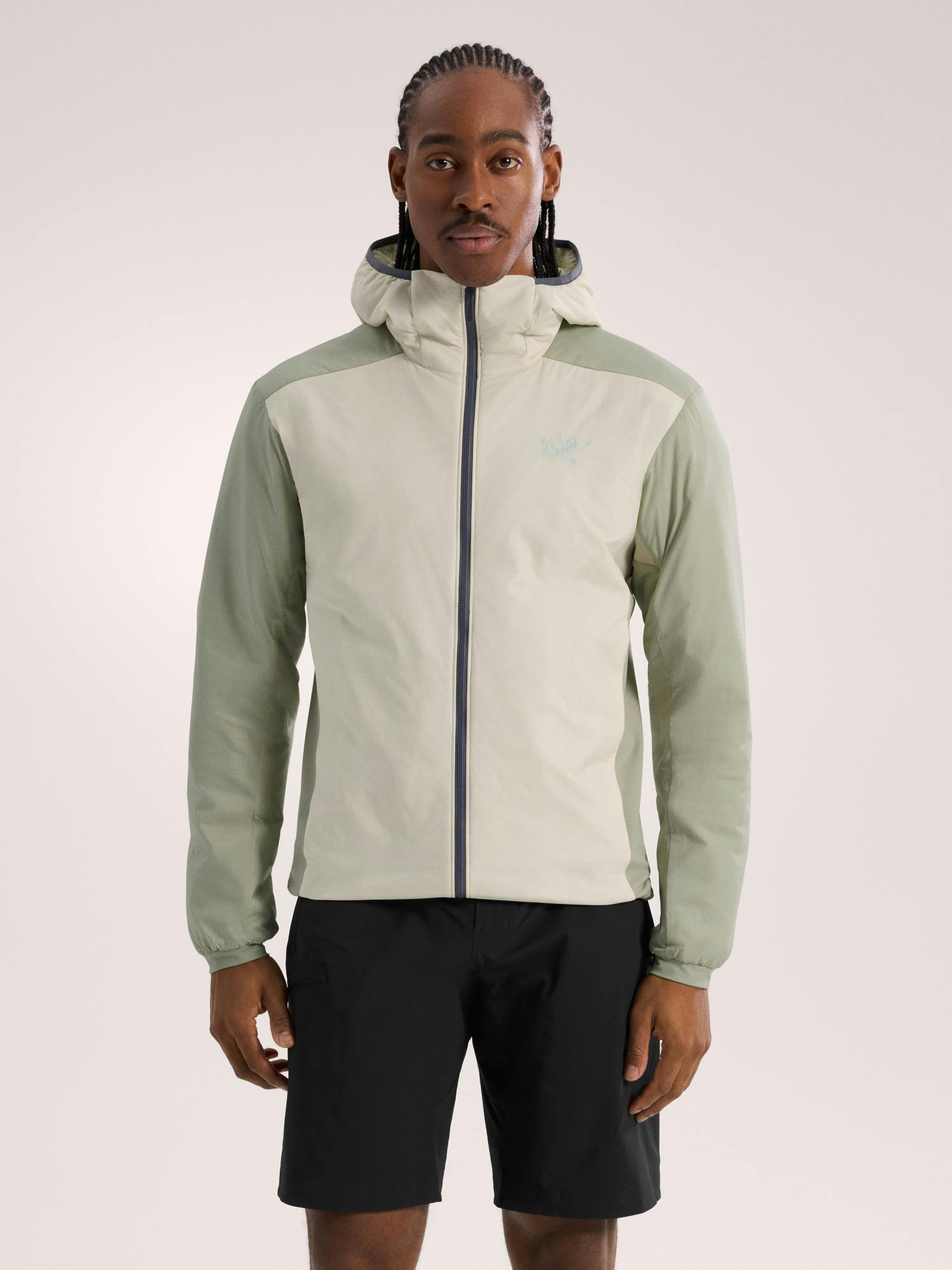
Arc'teryx
A revised all-purpose synthetic midlayer with Coreloft insulation, breathable stretch side panels and FC0 DWR.

The North Face
The boxy 775 g Nuptse revival with oversized baffles, 700-fill recycled down, reinforced yoke and stowable hood.
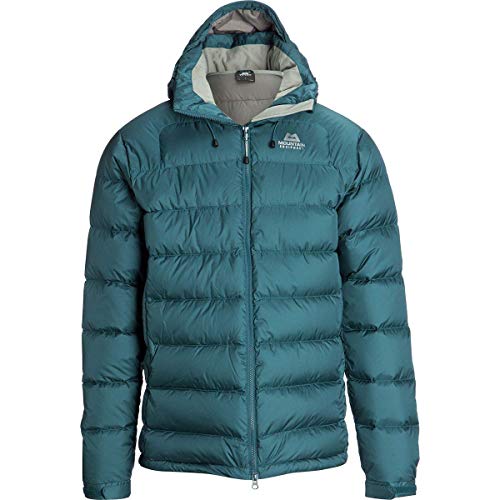
Mountain Equipment
A substantial 740 g cold-weather jacket with 296 g of 700-fill RDS down, 40D Drilite Loft shell and removable wired hood.
Shop by brand
Buying guide
Choose for the conditions you will repeatedly face, not for the loftiest specification. Down offers excellent warmth for its weight and packs small, which suits cold, relatively dry use and trips where carried bulk matters. Synthetic insulation is heavier for comparable warmth but retains more performance when damp, dries faster, and can lose less fill through a tear. For wet, sweaty, or stop-start use, that moisture tolerance may be more valuable than minimum weight. A water-resistant shell helps, but do not assume every down jacket is waterproof.
Fill power describes down quality: higher-fill-power down lofts more and traps more air relative to its weight. It does not, by itself, state how warm a complete jacket will be. Compare fill weight when manufacturers disclose it, along with insulation distribution, jacket coverage, baffle size, and intended activity. Be cautious with temperature labels that omit test conditions, because wind, humidity, exertion, layers, fit, and individual physiology all change comfort. Judge synthetic jackets by the complete design rather than trying to equate their insulation directly with down fill power.
Try the jacket over the layers you actually use. It should permit overhead reach and bending without pulling at the shoulders or exposing the waist, while avoiding a fit so tight that it compresses insulation. Check whether the hood seals without blocking vision, cuffs integrate with gloves, and hem adjustments are easy to operate. Then inspect baffles for even loft and obvious cold gaps, and match shell weight to abrasion exposure. Lightweight micro-baffle designs favor packability; heavier or waterproof constructions may be the better long-term trade for rough use and persistent weather.
Before buying, inspect the main zipper, pocket zippers, snaps, drawcord hardware, cuff edges, and high-wear shoulder and hip zones. Ask the maker which failures it repairs, whether service continues after warranty, whether replacement parts are available, and what shipping or service fees apply in the United States. A simple field patch can contain a small shell tear, but professional access to fabric, zipper, and insulated-panel repairs can keep an otherwise sound jacket in use. Treat a documented repair program as useful evidence, not a promise that every kind of damage will be accepted forever.
For down, look for a named third-party standard and enough product-level detail to verify that the claimed material applies to the jacket. The Responsible Down Standard addresses animal-welfare requirements and chain-of-custody tracking; it is not a warmth or durability grade. Follow the garment label for cleaning. Down-specific guidance commonly calls for a gentle wash, thorough rinsing, and complete drying with repeated agitation to restore loft. Store the jacket clean, fully dry, and uncompressed, and repair holes promptly so insulation is not lost.
FAQ
Choose by conditions and activity. Down offers high warmth for its weight and packs into a small volume, which suits cold, relatively dry use where weight matters. Synthetic insulation dries faster and retains more performance when damp, so it is often more suitable for wet climates, sustained exertion, and garments likely to be snagged or washed frequently.
No. Fill power describes the lofting quality of down under a specified test; it does not state how much down the jacket contains or how that insulation is distributed. Compare fill power together with fill weight, baffle design, coverage, and garment construction. A maker that publishes both figures gives you more useful context than a fill-power number alone.
Allow enough room for the base and midlayers you expect to wear without flattening the insulation or restricting reach. Check the fit with arms raised and across the shoulders, then test hood movement, cuff overlap, hem coverage, and pocket access with a pack or harness. For fast movement, avoid excess volume that traps too much heat and makes moisture management harder.
Not necessarily. Insulation retains body heat, while an outer shell is the layer intended to block wind and rain. Some insulated jackets add weather-resistant fabric or a waterproof construction, but a water-repellent finish alone is not the same as a waterproof shell. Check the stated construction and plan a separate shell when prolonged rain is plausible.
Follow the garment's care label first. Use a suitable down detergent, a gentle low-temperature cycle, an extra rinse, and low spin if the label permits machine washing. Dry the jacket completely, periodically separating clumps so loft returns; damp down can remain clumped and insulate poorly. Wash only when needed, repair holes before washing, and store the jacket fully dry and uncompressed.
Inspect the shell and high-wear zones, baffle stitching, zipper operation, cuff and hem adjusters, and whether small tears can be patched before fill escapes. Ask whether the maker repairs torn fabric, seams, or zippers and whether service continues beyond the warranty period. Published care instructions, spare parts, and a clear repair intake process are more useful than a broad durability claim.
RDS is a voluntary standard covering animal-welfare requirements and chain of custody for down and feathers from certified farms to finished products. Its requirements prohibit force-feeding and live-plucking, and certification uses independent third-party bodies and annual audits. The label addresses sourcing and traceability; it does not by itself rate jacket warmth, waterproofing, fit, or durability.
Honoring the visionaries whose work paved the way for the products we rely on today.
After a 1935 fishing trip in Washington left him hypothermic, Eddie Bauer developed a lightweight quilted goose-down jacket. Eddie Bauer's history says the Skyliner was made in 1936 and became the first down-insulated jacket patented in the United States, linking an early patent to a practical outdoor garment.
In 1983, the U.S. Army Research Laboratory asked Albany International to develop a water-resistant synthetic alternative to goose down for military sleeping bags and clothing. The resulting synthetic-down patent was filed in 1985; PrimaLoft became a business in 1988, and L.L.Bean made the first commercial insulated garment in 1989.
3M introduced Thinsulate in 1979 as a synthetic-fiber insulation for winter clothing. Its small-diameter fibers were intended to provide insulation with less bulk than traditional apparel insulation; the material later appeared in jackets and other outerwear, and was used in U.S. Army clothing from the mid-1980s.
Research last refreshed
A. P. Gagge, A. C. Burton, and H. C. Bazett · 1941
This Science paper established a practical vocabulary for human heat exchange, including the clo unit used to express clothing insulation. It provides the measurement foundation for comparing jacket systems without treating fill power or garment thickness alone as a complete measure of warmth.
P. Larose · 1947
Larose measured a pile fabric under covers of different air permeability and at varied wind speeds and directions. The study found permeability mattered more as wind increased, supporting the practical importance of a wind-resistant shell in preserving the insulation supplied by lofted layers.
John F. Hall Jr. and Johannes W. Polte · 1956
This Journal of Applied Physiology study directly examines two conditions central to insulated-jacket performance: retained water and compression. Its experimental framing remains useful when judging how moisture exposure, packing, tight layering, and loss of loft can reduce useful insulation.
L. G. C. Pugh · 1966
Pugh connects clothing insulation with accidental hypothermia in young people, moving the subject from material properties to real cold-weather risk. The paper is relevant to jacket selection because adequate protection depends on exposure and the complete clothing system, not a single marketing temperature claim.