
7.5/10
Premium12 yr life
Mountain Light Black 31530
Danner
A Portland-made, stitchdown leather hiker with GORE-TEX, Vibram Kletterlift soles and factory recrafting eligibility.
- Repair
- 7.1/10
- TCO
- 7.2/10
$470.00
Durable buying guide
A hiking boot lasts only if it fits the wearer and matches the terrain, load, and weather. Check outsole replacement, upper wear, seam construction, waterproofing maintenance, and whether the current model differs from older versions with the same name.
Limits: Waterproof membranes, foam, adhesives, and heavily worn safety-critical components have finite lives. Long ownership reports for an older generation may not describe the current model.
7 products
Superior features, extended warranties, and high-end materials for enhanced performance.
Danner
A Portland-made, stitchdown leather hiker with GORE-TEX, Vibram Kletterlift soles and factory recrafting eligibility.
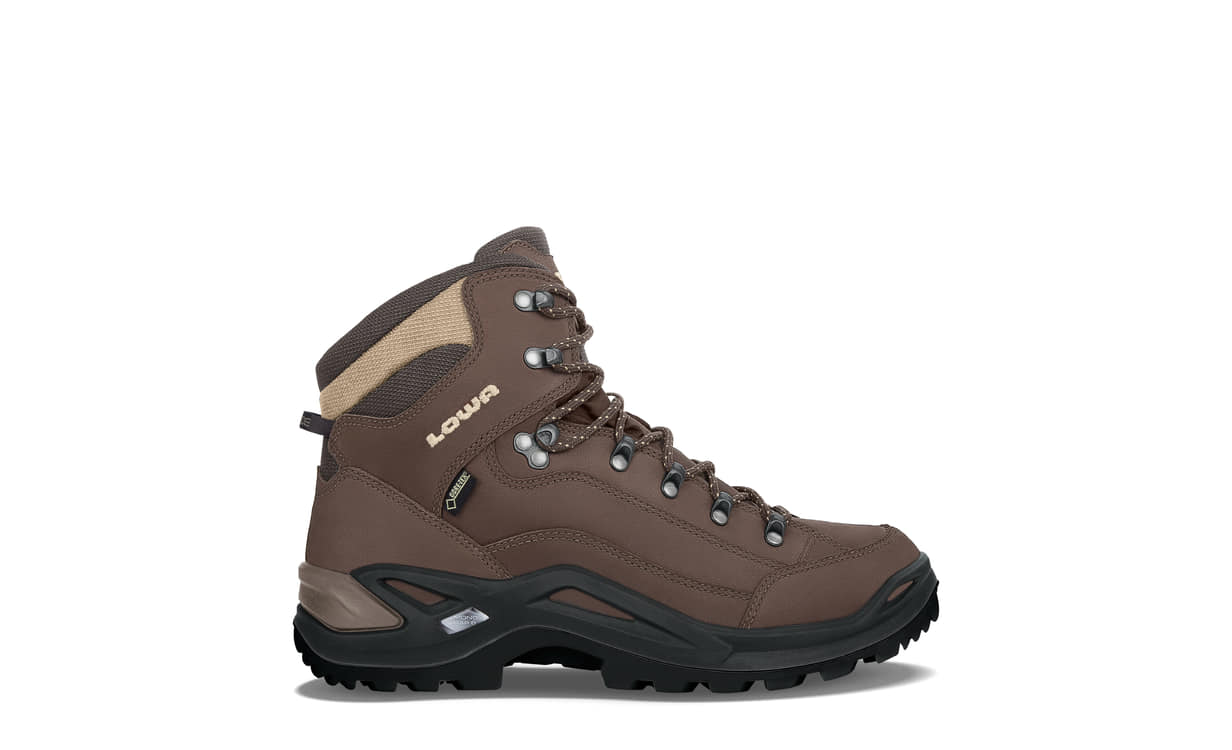
LOWA
The original moderately stiff nubuck-and-GORE-TEX Renegade with a dual-injected support frame and Vibram EVO sole.
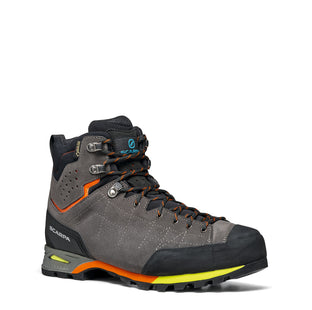
Scarpa
A precise Italian mountain hiker with Perwanger suede, full rubber rand, GORE-TEX and a PU/three-density EVA midsole.
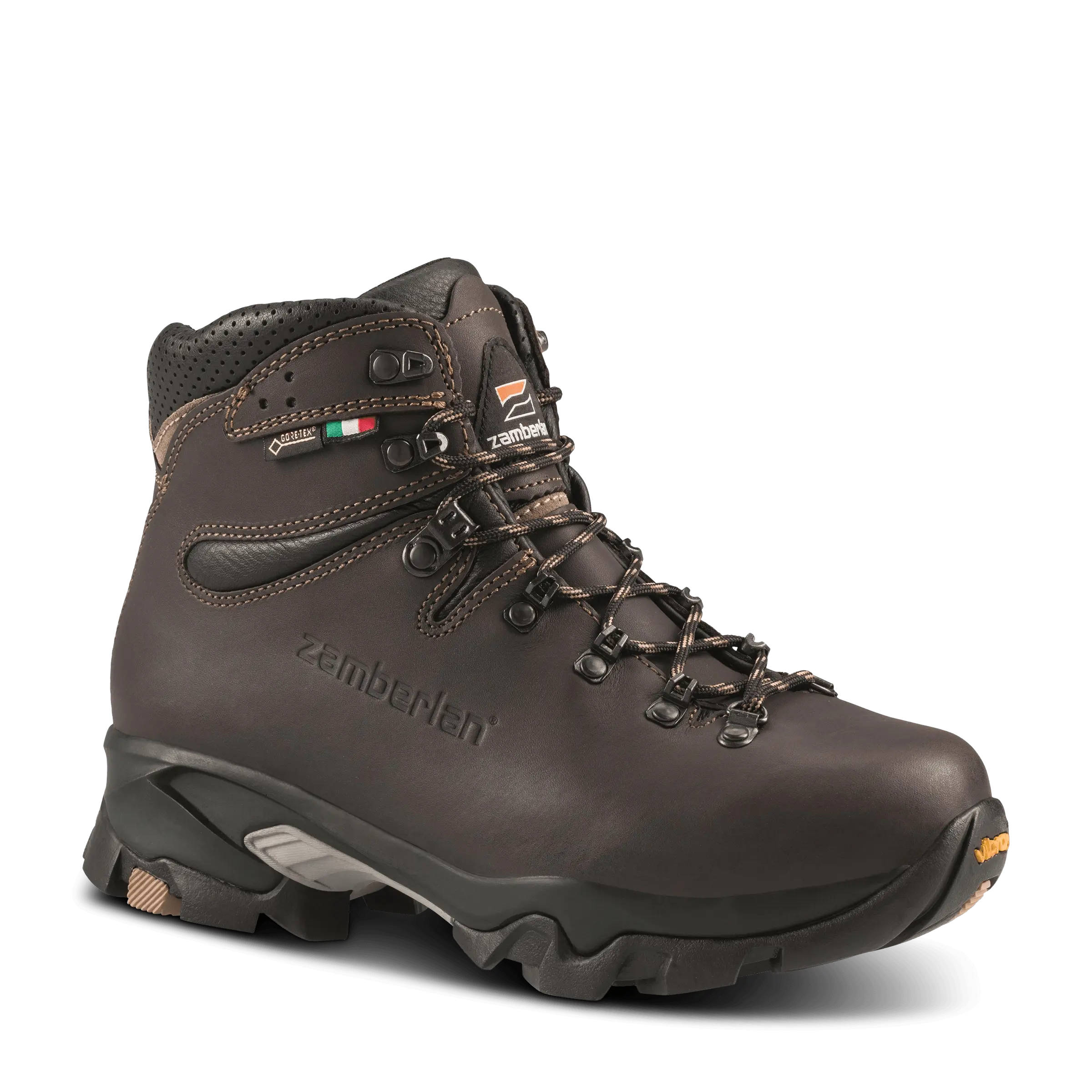
Zamberlan
A handcrafted Italian backpacking boot with 2.4–2.6 mm Hydrobloc leather, GORE-TEX, Vibram 3D soles and full resoling support.
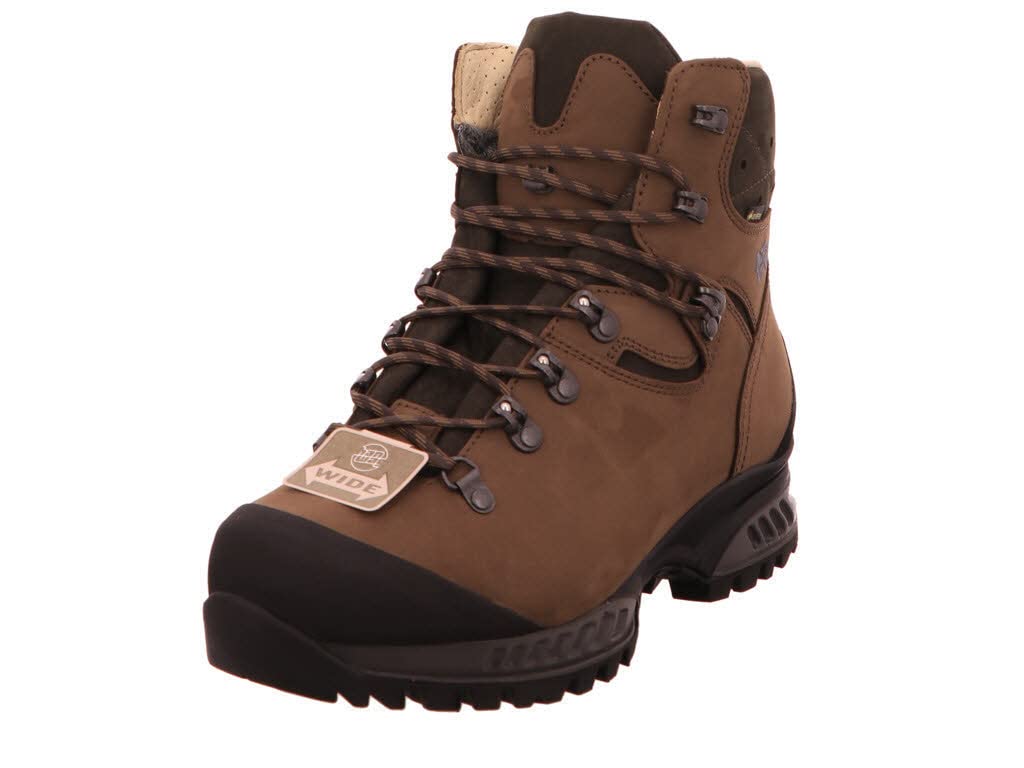
Hanwag
A European-made, resoleable BC-category trekking boot with nubuck leather, GORE-TEX and a Vibram AW Integral sole.
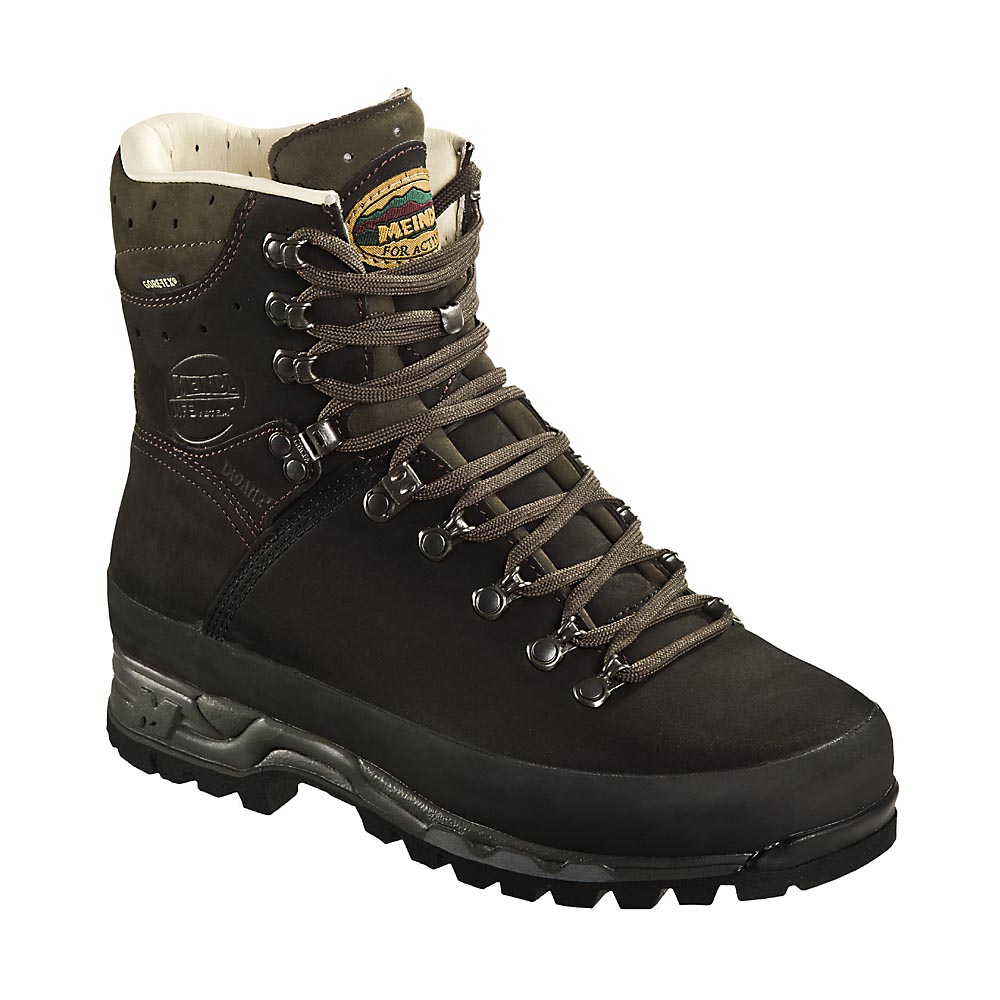
Meindl
The German-made Island trekking classic with oiled nubuck, GORE-TEX, heat-forming MFS ankle foam and a replaceable Vibram sole.

Asolo
A European-made heavy backpacking boot with 2.6–2.8 mm full-grain leather, dual-density PU, GORE-TEX and factory resoling eligibility.
5 products
A balanced blend of performance, quality, and price for the discerning user.
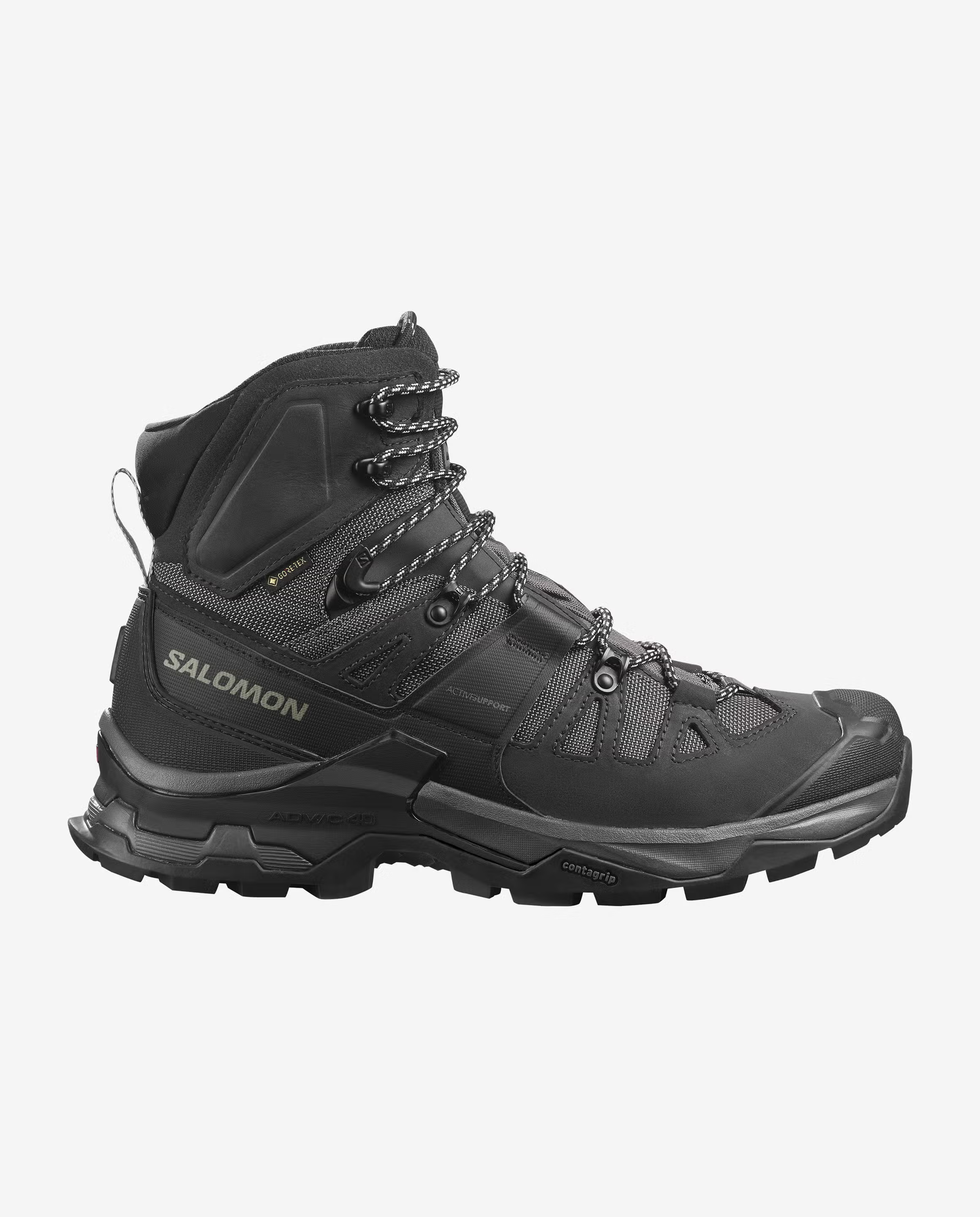
Salomon
A stable multi-day backpacking boot with GORE-TEX, 4D Advanced Chassis, nubuck/textile upper and All-Terrain Contagrip.
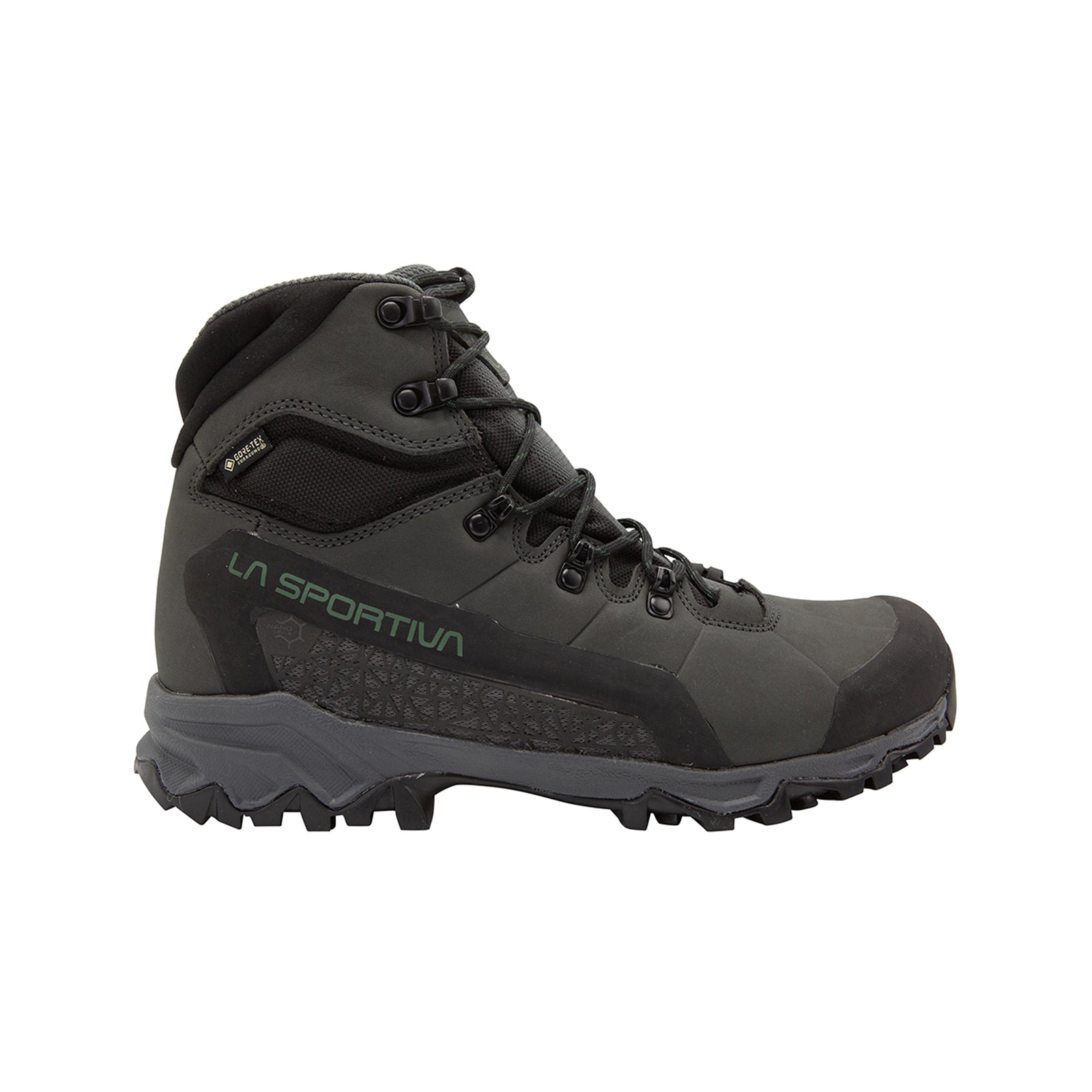
La Sportiva
A 476 g waterproof leather hiker using GORE-TEX Surround underfoot venting, Nano-Cell panels and a Vibram Nano outsole.
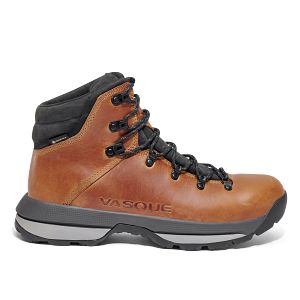
Vasque
A discontinued 2.2 mm full-grain GORE-TEX backpacking boot with ATC cushioning, TPU shank and Vibram Frontier outsole.
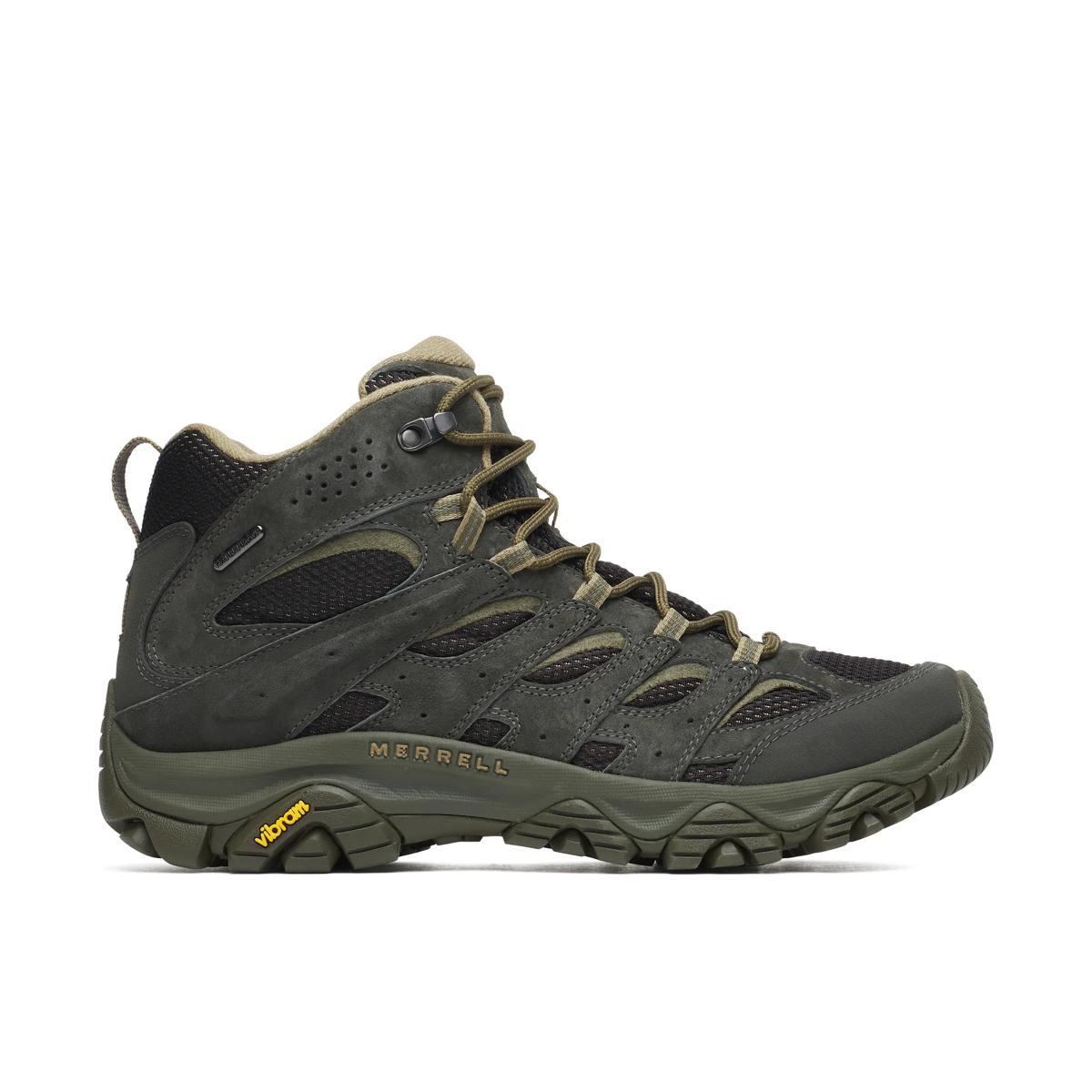
Merrell
A versatile suede-and-mesh waterproof hiker with Vibram TC5+, 5 mm lugs, nylon shank and replaceable contoured footbed.
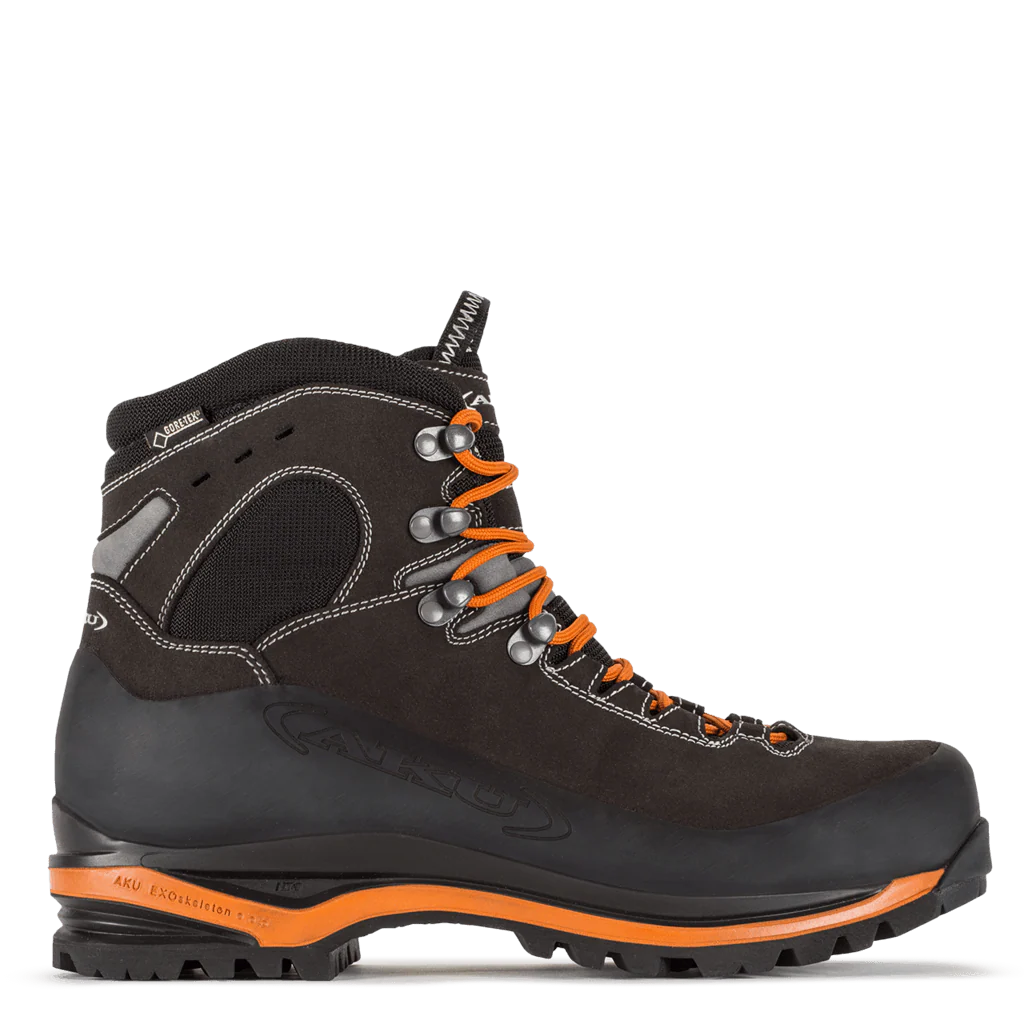
AKU
A resoleable Italian heavy-pack boot with 1.8 mm suede, full rubber rand, dual-density PU, GORE-TEX and Vibram Fourà sole.
Buying guide
Start with the hardest conditions the boots will regularly face, not the most technical-looking model. For maintained trails and light loads, a lighter trail shoe or flexible hiker can reduce unnecessary weight. Rough terrain, cold conditions, and heavier packs can justify more protection and a stiffer platform, but heavy boots are costlier, slower to break in, and often excessive for day hikes. Compare tread depth, underfoot support, toe protection, and flex against your actual route and pack.
Try boots late in the day, when feet may be larger, and wear the socks and any footbeds or orthoses you will hike in. Walk on an incline if possible. Your toes need room on descents, the heel should stay seated rather than piston, and the foot should not twist inside the boot. Reject persistent pressure, numbness, or pinching at purchase: break-in can soften some materials, but it is not a reliable cure for the wrong shape or size.
Inspect the outsole bond or stitching, flex area, rand, upper seams, lace hardware, lining, and heel structure for obvious weak points. If long service life matters, confirm repairability for the exact model before buying; do not infer it from the brand name or a traditional appearance. Danner, for example, marks eligible styles and warns that not every boot can be recrafted. Ask who performs the work, which parts can be replaced, what upper damage disqualifies a repair, and the likely cost and turnaround.
Check the maker's care directions for the specific upper and membrane. After use, remove laces and footbeds when practical, shake out grit, brush away dirt, and dry naturally at moderate temperature rather than against direct heat. For GORE-TEX footwear, the brand advises a water-based durable-water-repellent treatment when water stops beading and cautions that waxes or greases can reduce breathability. Inspect worn tread, separating bonds, damaged hardware, and cracked flex points early, while repair may still be possible.
FAQ
Try boots with the hiking socks and any orthoses you will actually use, preferably later in the day when feet may be larger. Your toes should have room rather than feeling compressed, your heel should stay seated instead of sliding up and down, and the boot should hold the foot without painful pressure. Walk on level ground and an incline; immediate comfort is a stronger signal than hoping a poor fit will transform after long use.
No. Match the footwear to the route, carried load, weather, and your own support needs. The American Hiking Society distinguishes trail runners and trail shoes for lighter or moderate outings from light and heavy hiking boots for more challenging terrain, cold conditions, or larger packs. Added height and stiffness also add weight and can require more break-in, so they are not automatically the right choice for a maintained day-hike trail.
A waterproof lining can be useful in sustained wet or cold conditions, but the label does not settle the whole choice: fit, outsole traction, drying needs, and the expected route still matter. Waterproof footwear also needs material-appropriate care. GORE-TEX advises cleaning according to the maker's instructions, drying naturally at moderate temperatures, and avoiding waterproofing waxes or greases that can impair breathability.
Start with short walks or hikes and increase distance only as comfort holds; break-in should confirm fit, not be used to excuse persistent pinching or heel movement. The American Hiking Society identifies wet socks, poor fit, and insufficient break-in as leading blister causes. Carrying a dry pair of socks and responding to a tender red hot spot early can reduce continued friction before it develops into a larger blister.
Repairability depends on the exact construction and model, so confirm service before purchase and again before the outsole is completely worn. LOWA's US service says certain cemented backpacking and mountaineering models can be resoled, while some injected soles cannot be resoled without affecting structural integrity. It also notes that minor work such as restitching or replacing hardware may still be possible on some injected footwear.
Follow instructions for the boot's specific upper and membrane. Remove laces and loose grit, use a suitable cleaner without saturating the material, and let footwear dry naturally away from high heat. Danner's full-grain leather guide calls for brushing away debris, wiping off excess cleaner, allowing the leather to dry, and then applying an appropriate conditioner. GORE-TEX likewise recommends natural drying at moderate temperatures for its footwear.
Honoring the visionaries whose work paved the way for the products we rely on today.
Italian mountaineer and inventor Vitale Bramani developed a new climbing sole after six of his mountaineering friends died in the Alps in 1935, a tragedy partly attributed to inadequate footwear. He patented the design in 1937 and introduced the Carrarmato rubber-lug tread later associated with Vibram soles.
Bavarian cobbler Lorenz Wagner founded LOWA in Jetzendorf in 1923, first making heavy work brogues. LOWA's official timeline records later Alpine-boot development, the 1982 Trekker hiking boot, and the introduction of lighter hiking boots in 1995 as forerunners of today's ATC category.
In 1981, Rossignol ski-company executives Clark Matis and John Schweizer founded Merrell as a maker of hiking boots. Merrell's official history identifies that launch as the beginning of its outdoor footwear business and notes the Moab hiking boot as a continuing part of its current range.
The Zamberlan family began handcrafted hiking, hunting, and work-boot production in 1929, according to the company's North American site. The same source describes three generations of Italian bootmaking tradition and connects the family's factory work with mountain and outdoor environments.
Research last refreshed
Paolo Mistretta; Giovanni Parolini; Giuseppe Marcolin; Christoph Hasler; Leano Viel; Nicola Petrone · 2018
Using trail-running, fast-hiking, and classic-hiking shoes, this study measured sole stiffness and metatarsophalangeal motion during level and uphill treadmill walking plus outdoor stairs. It found a linear relation between sole stiffness and peak MTP angle, directly informing hiking-boot design.
Giuseppe Zullo; Giuseppe Marcolin; Paolo Mistretta; Nicola Petrone · 2021
Ten participants walked on level and uphill surfaces in four outdoor shoes whose bending stiffness was measured with a flexometer. The study found that stiffness and slope changed MTP dorsiflexion, joint stiffness, and energy balance, providing category-specific evidence for evaluating hiking-boot sole construction.
Stefanie John; Marcel Eisenmann; Kerstin Witte · 2021
Three hiking shoes with 11, 16, and 21 mm heel drops were tested in 12 men before and after a 45-minute walk. Heel-drop choice changed plantar-pressure and comfort responses over time, with notable forefoot pressure increases in the medium-drop shoe and comfort deterioration in the high-drop shoe.