6.9/10
Luxury10 yr life
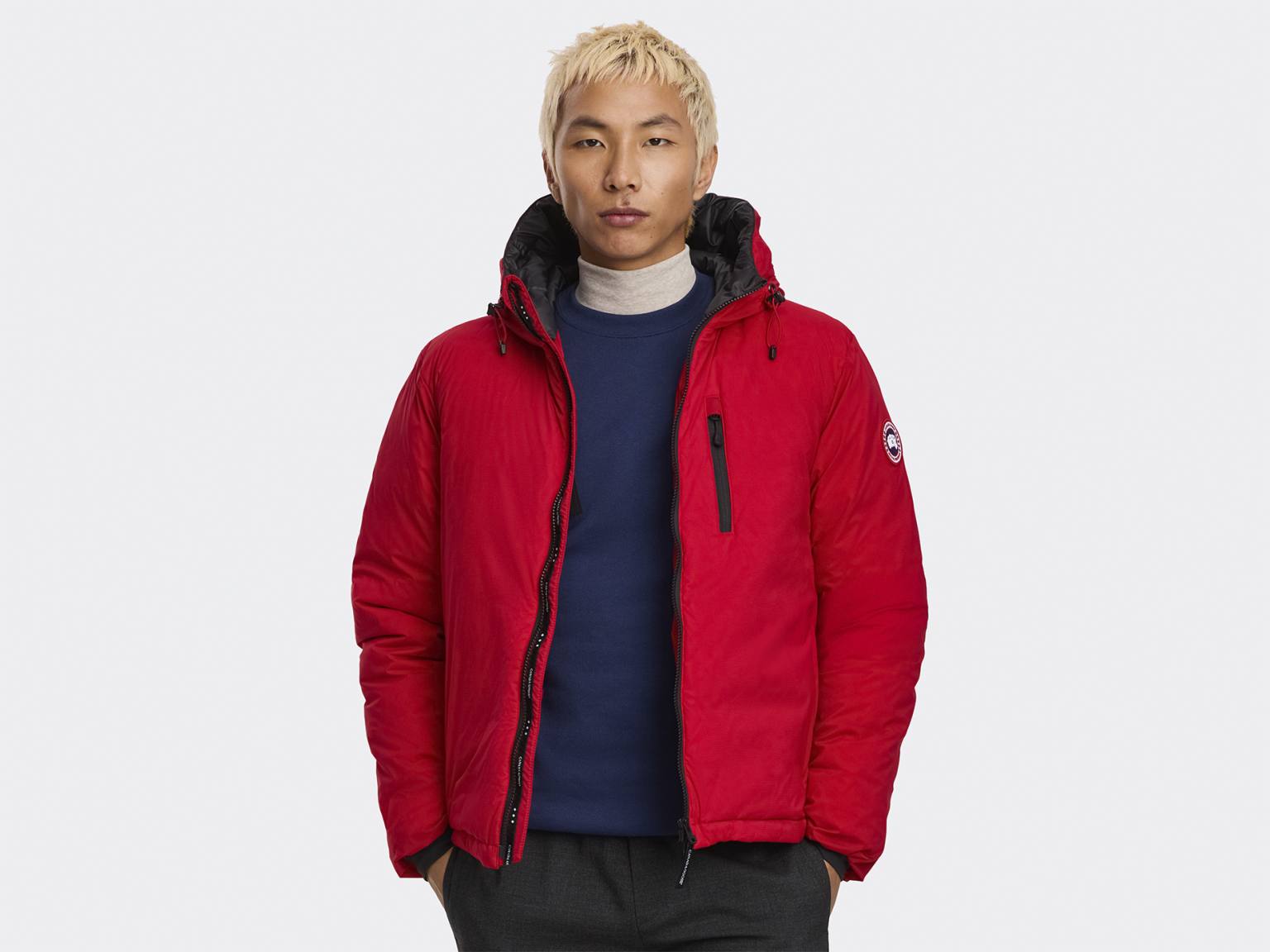
Men's Lodge Hoodie
Canada Goose
A compressible Made-in-Canada down hoody for mild winter and backcountry layering, backed by Canada Goose's defect warranty.
- Repair
- 5.9/10
- TCO
- 6.5/10
$875.00
Durable buying guide
Choose outdoor clothing, boots, and workwear for the terrain, weather, and hazards involved. Compare fit, traction, toe and sole protection, seams, closures, waterproofing, insulation, and abrasion resistance; prioritize maintainable construction, regular inspection, and replaceable wear parts where available.
1 products
Higher-priced options whose materials, features, service, and tradeoffs still need evidence-based comparison.
Canada Goose
A compressible Made-in-Canada down hoody for mild winter and backcountry layering, backed by Canada Goose's defect warranty.
21 products
Superior features, extended warranties, and high-end materials for enhanced performance.

Red Wing
A USA-made heritage boot with oil-tanned leather, cap toe, cork-and-leather footbed, steel shank and replaceable Vibram 430 sole.
White's Boots
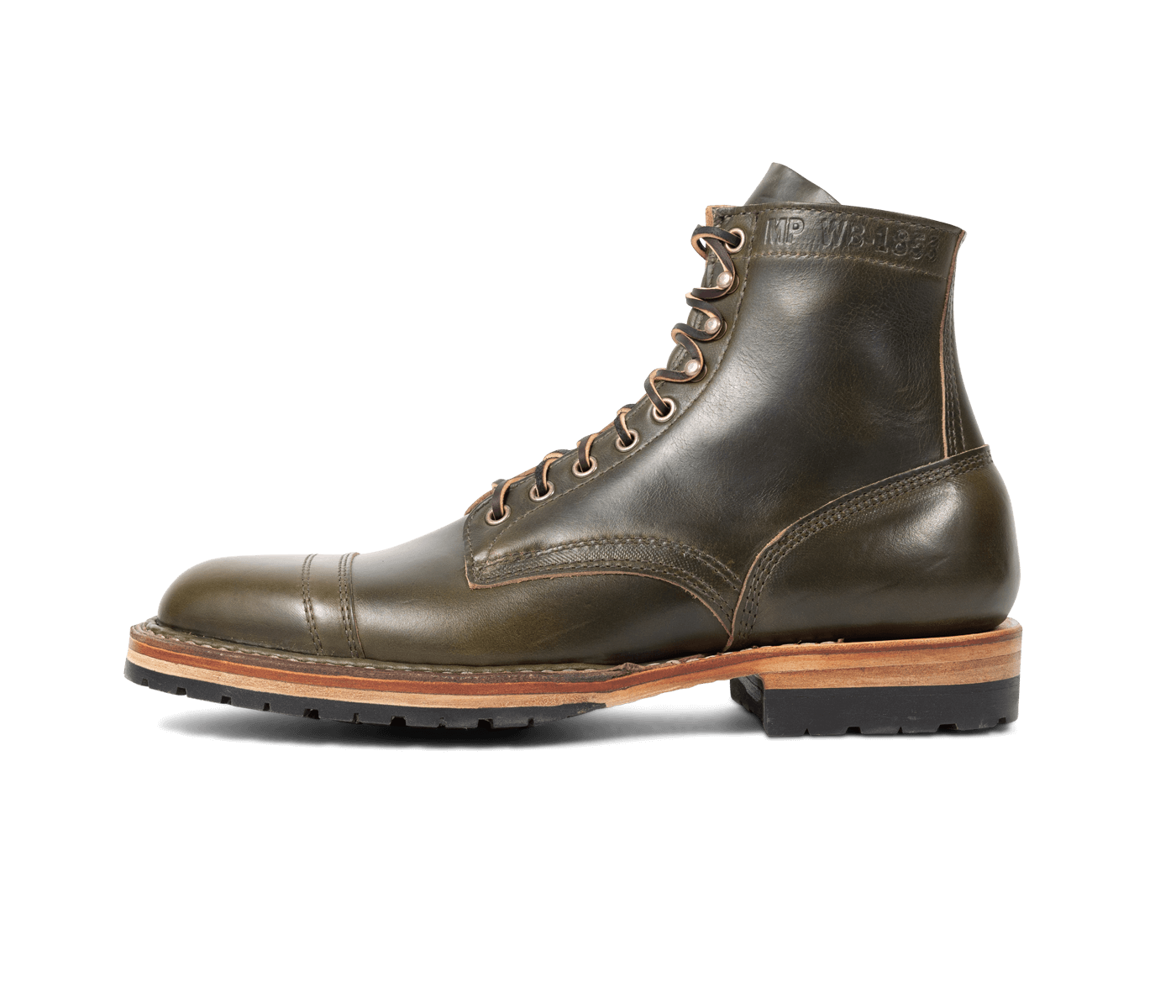
A Spokane-made cap-toe service boot with full-grain leather, stitchdown welt and rebuildable traditional bottom construction.
Nicks Boots
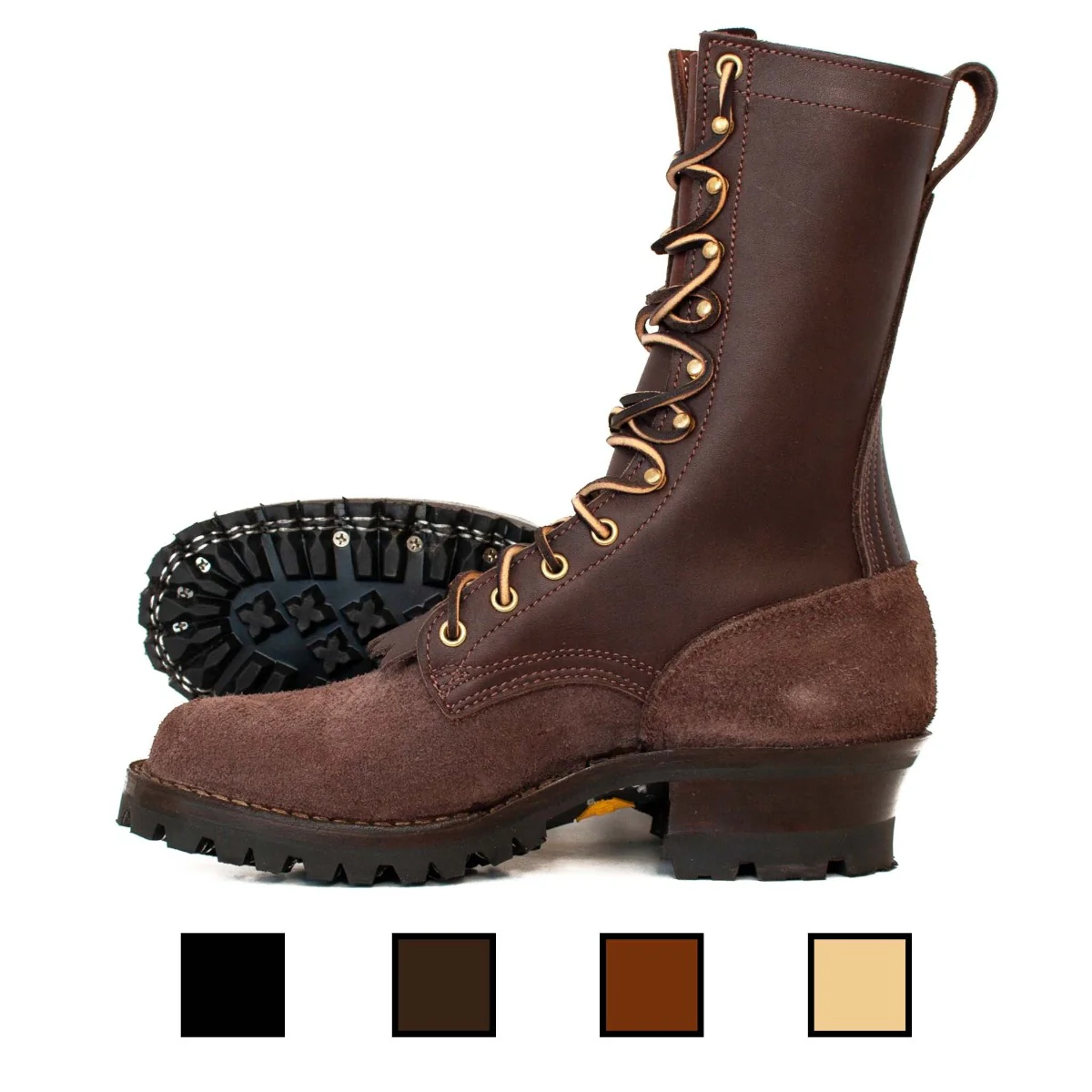
A 7.5–8 oz leather work boot with veg-tan insole, midsole and shank, high arch support, Vibram V100 and full rebuild capability.
Wesco
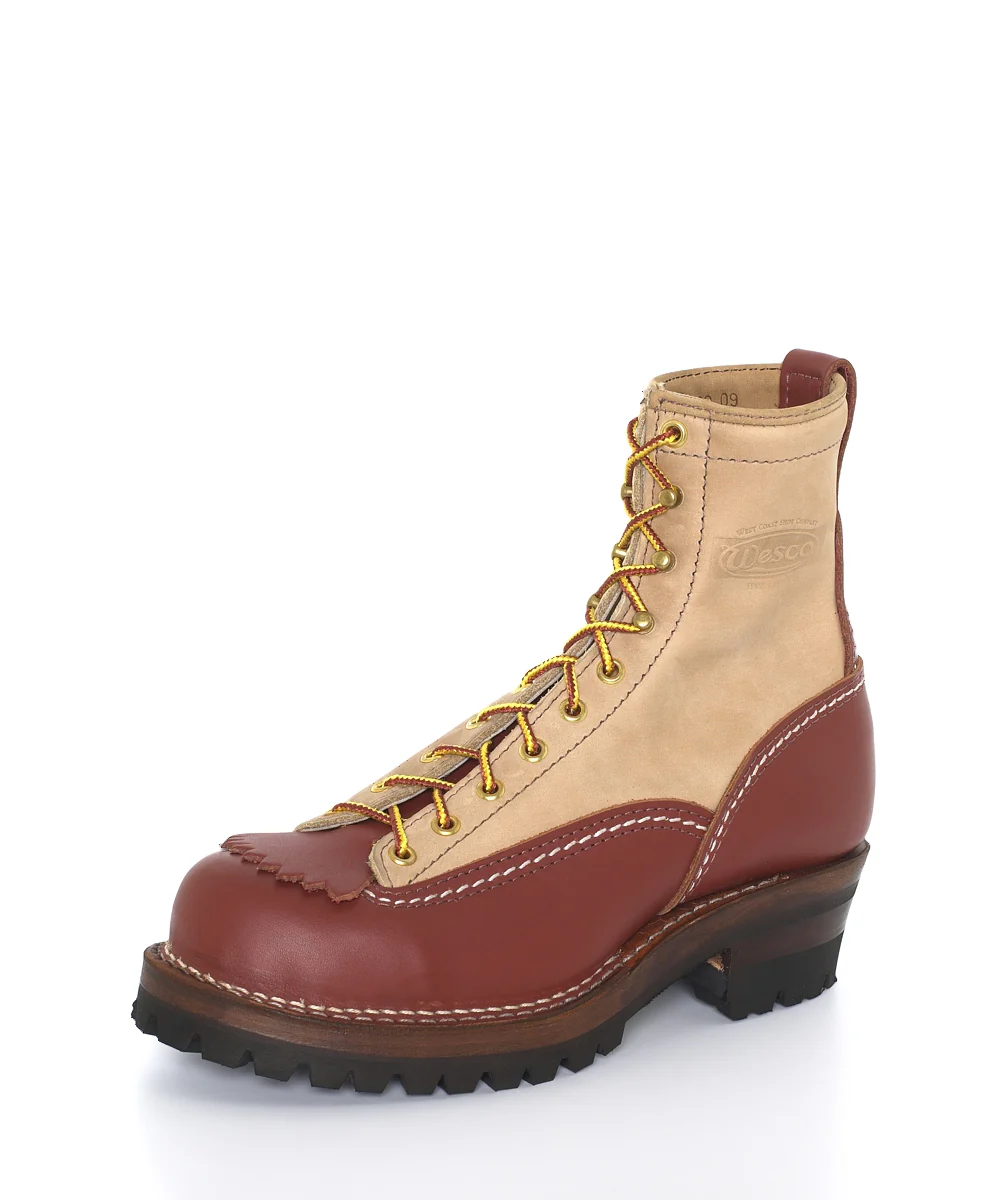
A configurable Oregon-made work boot with heavy leather, stitchdown build and a published factory rebuild program.

Danner
A Portland-made, stitchdown leather hiker with GORE-TEX, Vibram Kletterlift soles and factory recrafting eligibility.
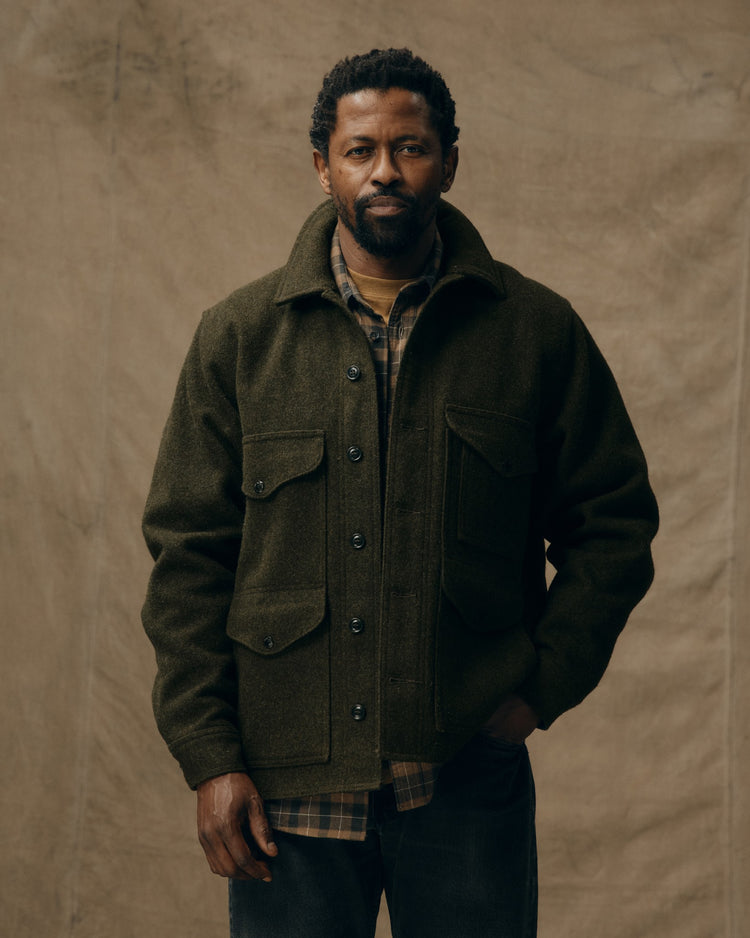
Filson
The USA-sewn century-old Cruiser in dense 24 oz virgin Mackinaw wool with cargo, hand and full-width rear pockets.
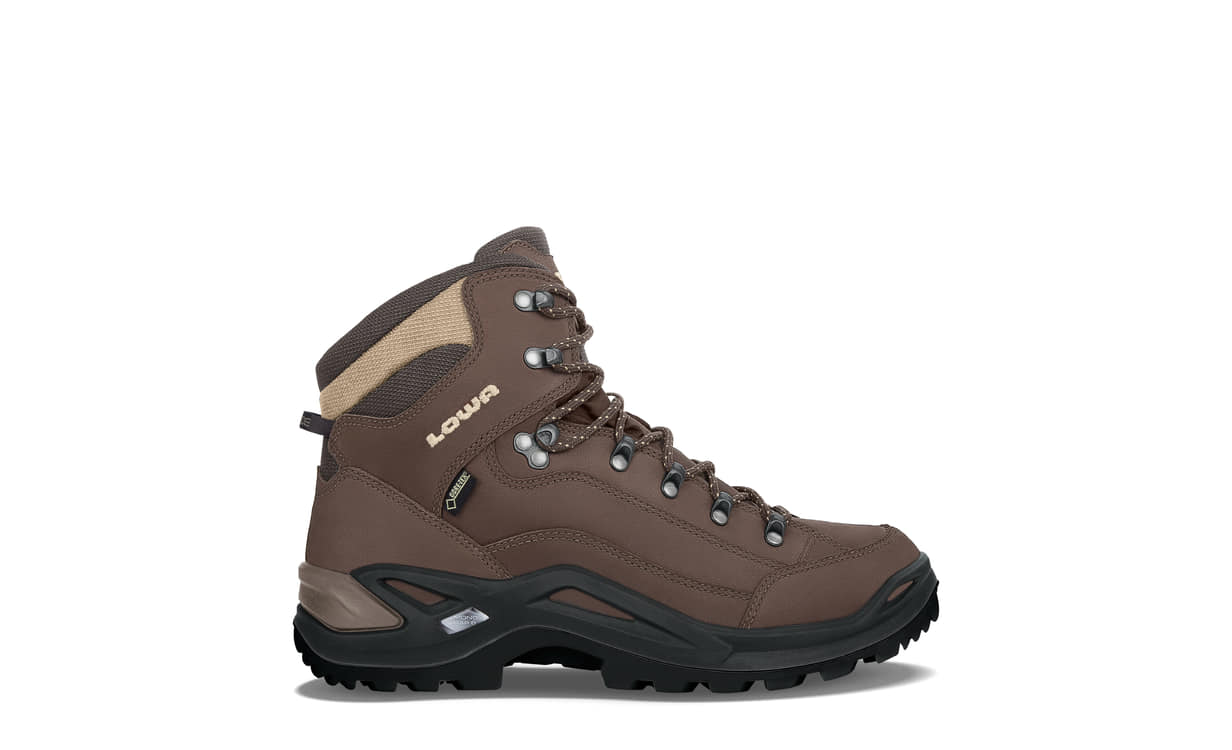
LOWA
The original moderately stiff nubuck-and-GORE-TEX Renegade with a dual-injected support frame and Vibram EVO sole.
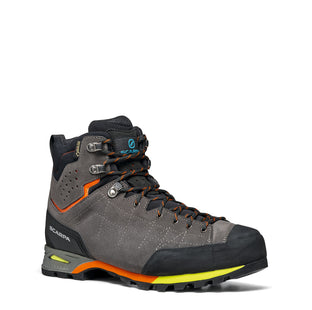
Scarpa
A precise Italian mountain hiker with Perwanger suede, full rubber rand, GORE-TEX and a PU/three-density EVA midsole.
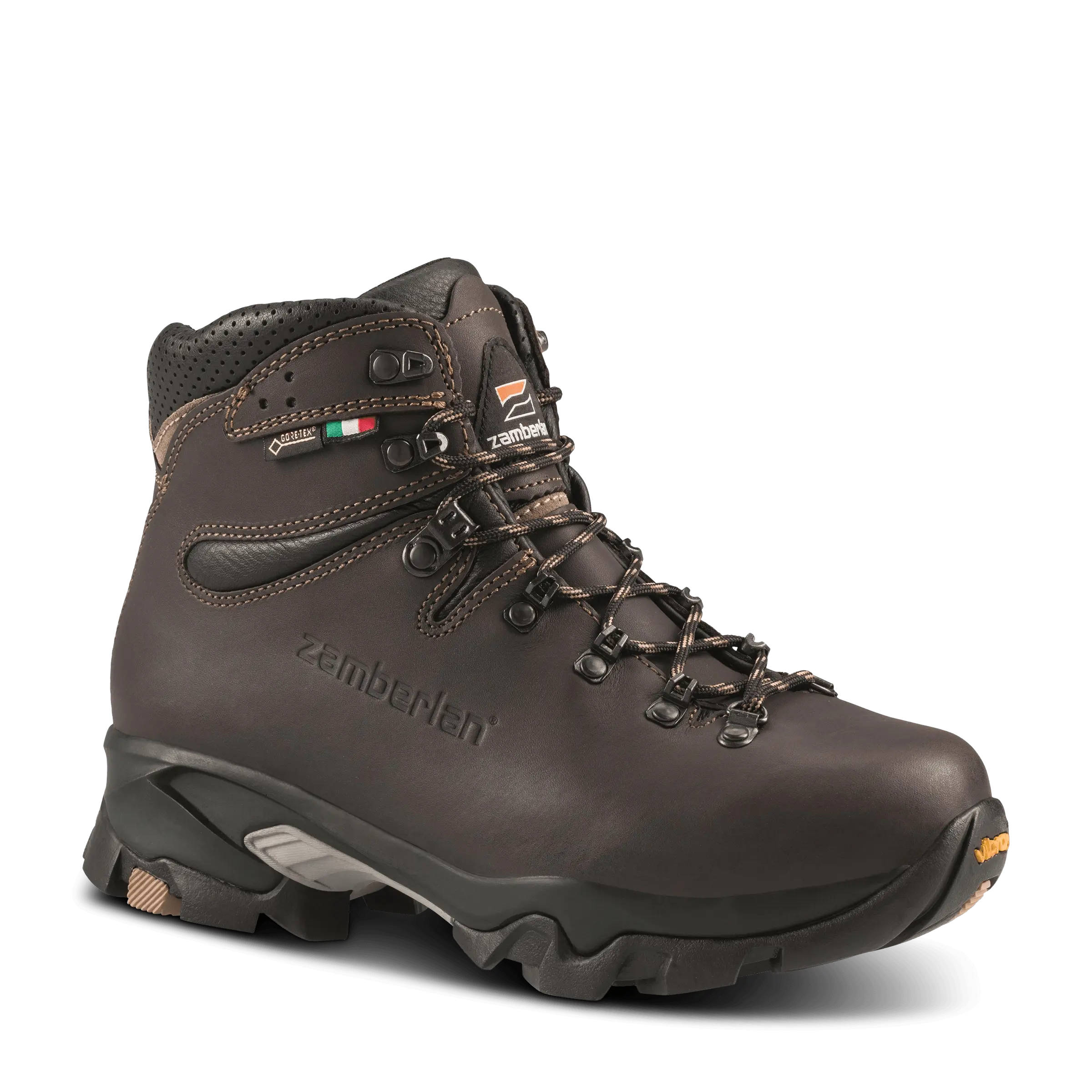
Zamberlan
A handcrafted Italian backpacking boot with 2.4–2.6 mm Hydrobloc leather, GORE-TEX, Vibram 3D soles and full resoling support.
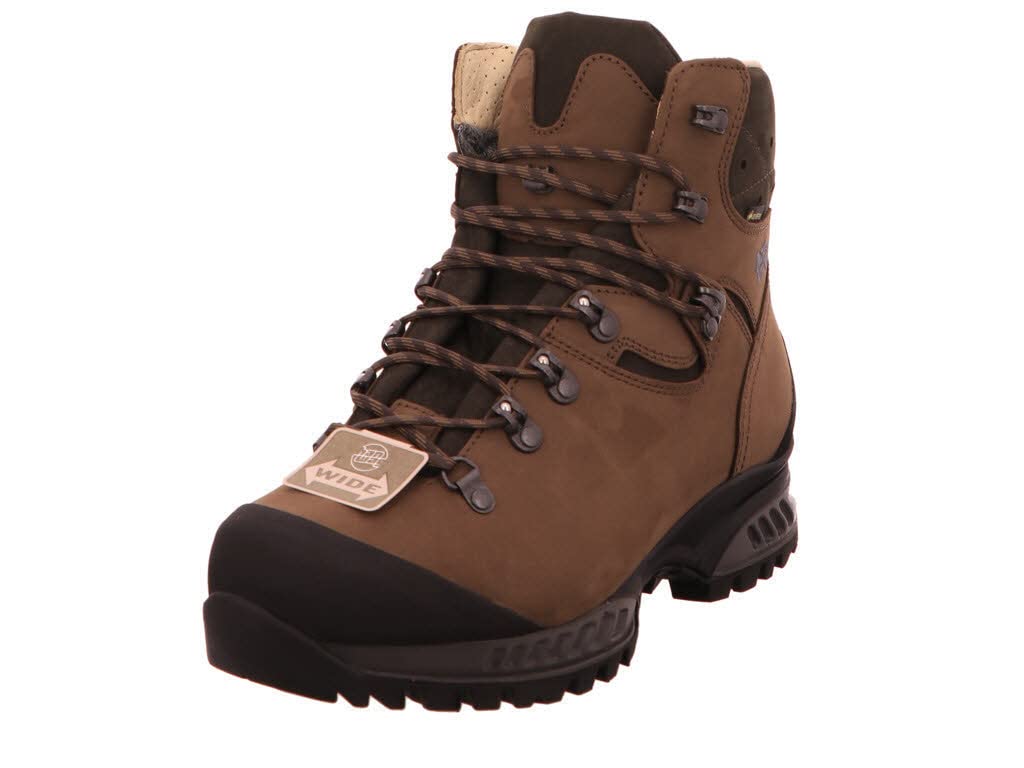
Hanwag
A European-made, resoleable BC-category trekking boot with nubuck leather, GORE-TEX and a Vibram AW Integral sole.
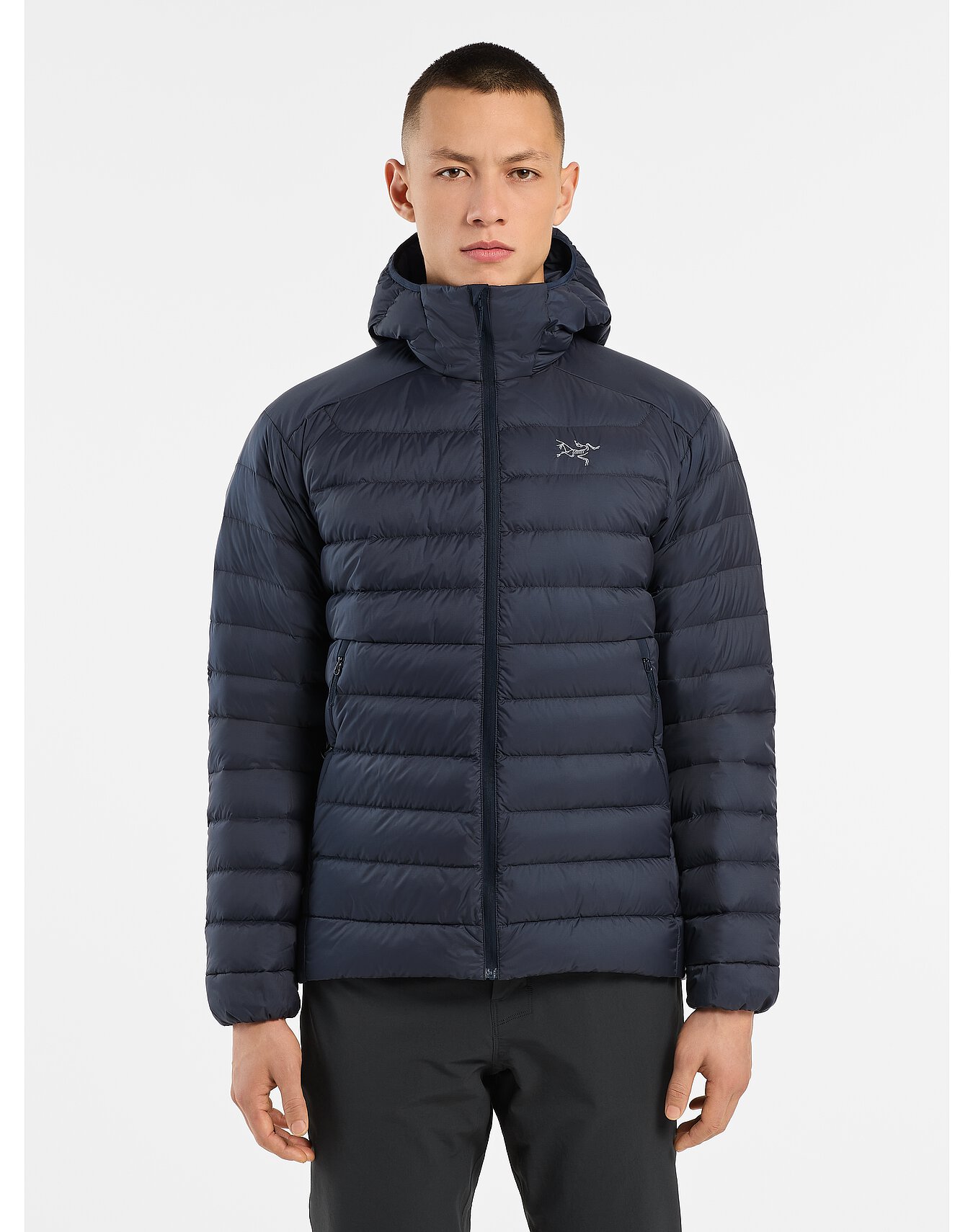
Arc'teryx
A trim, packable technical hoody combining high-loft 850-fill goose down with moisture-tolerant Coreloft in vulnerable zones.
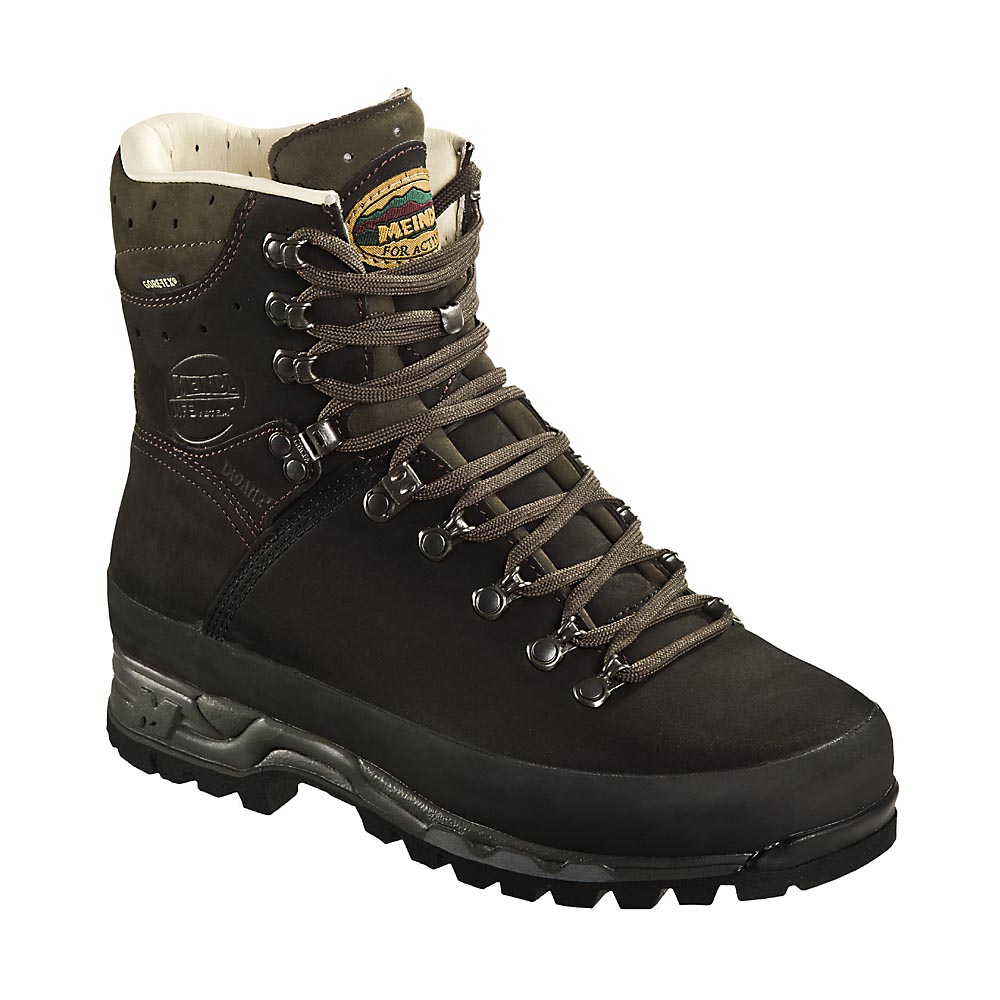
Meindl
The German-made Island trekking classic with oiled nubuck, GORE-TEX, heat-forming MFS ankle foam and a replaceable Vibram sole.

Asolo
A European-made heavy backpacking boot with 2.6–2.8 mm full-grain leather, dual-density PU, GORE-TEX and factory resoling eligibility.
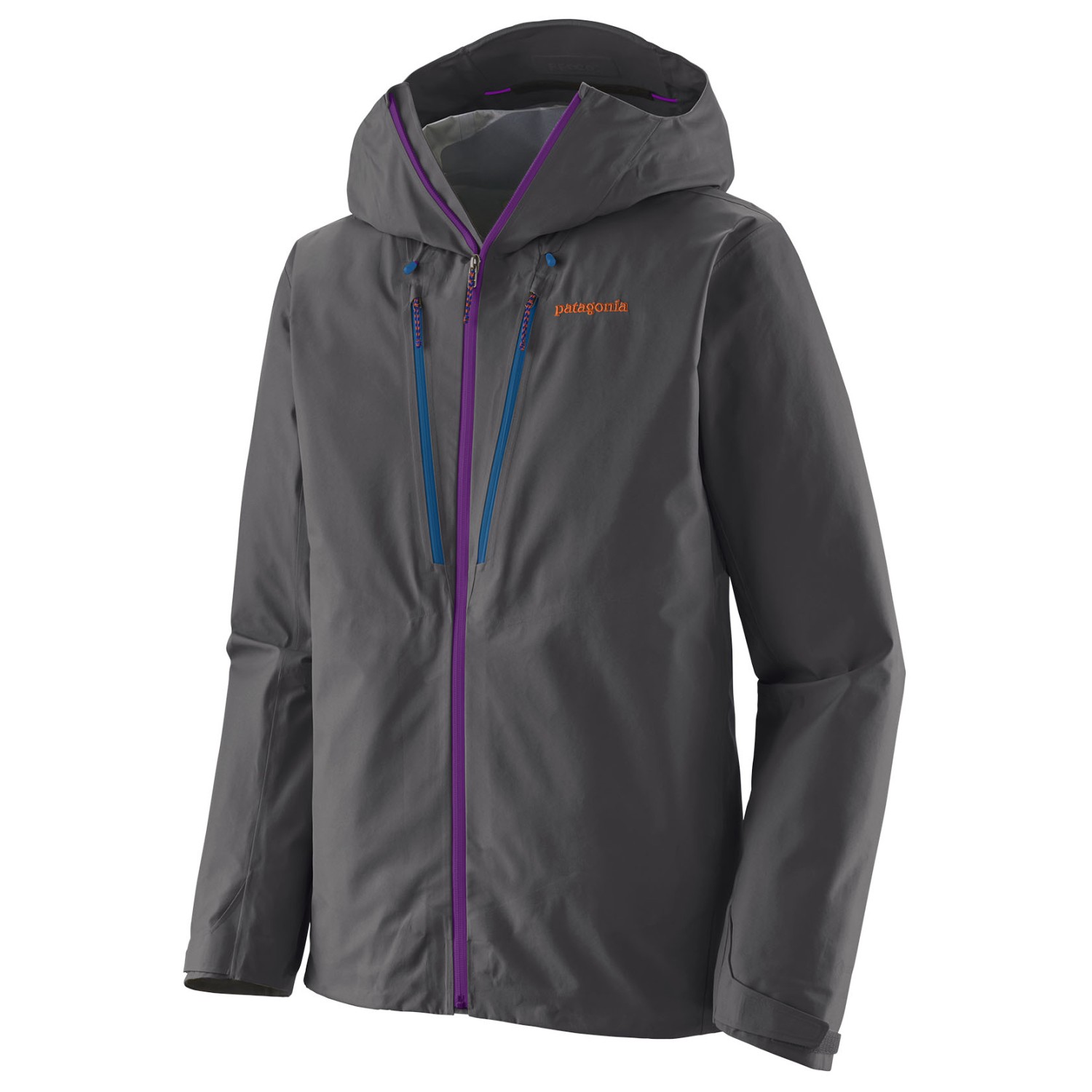
Patagonia
A 75D three-layer GORE-TEX ePE alpine shell with helmet hood, four external pockets, pit zips and RECCO reflector.

Rab
A 563 g winter belay jacket with 212 g of 800-fill hydrophobic goose down, 20D Pertex Quantum Pro and helmet hood.
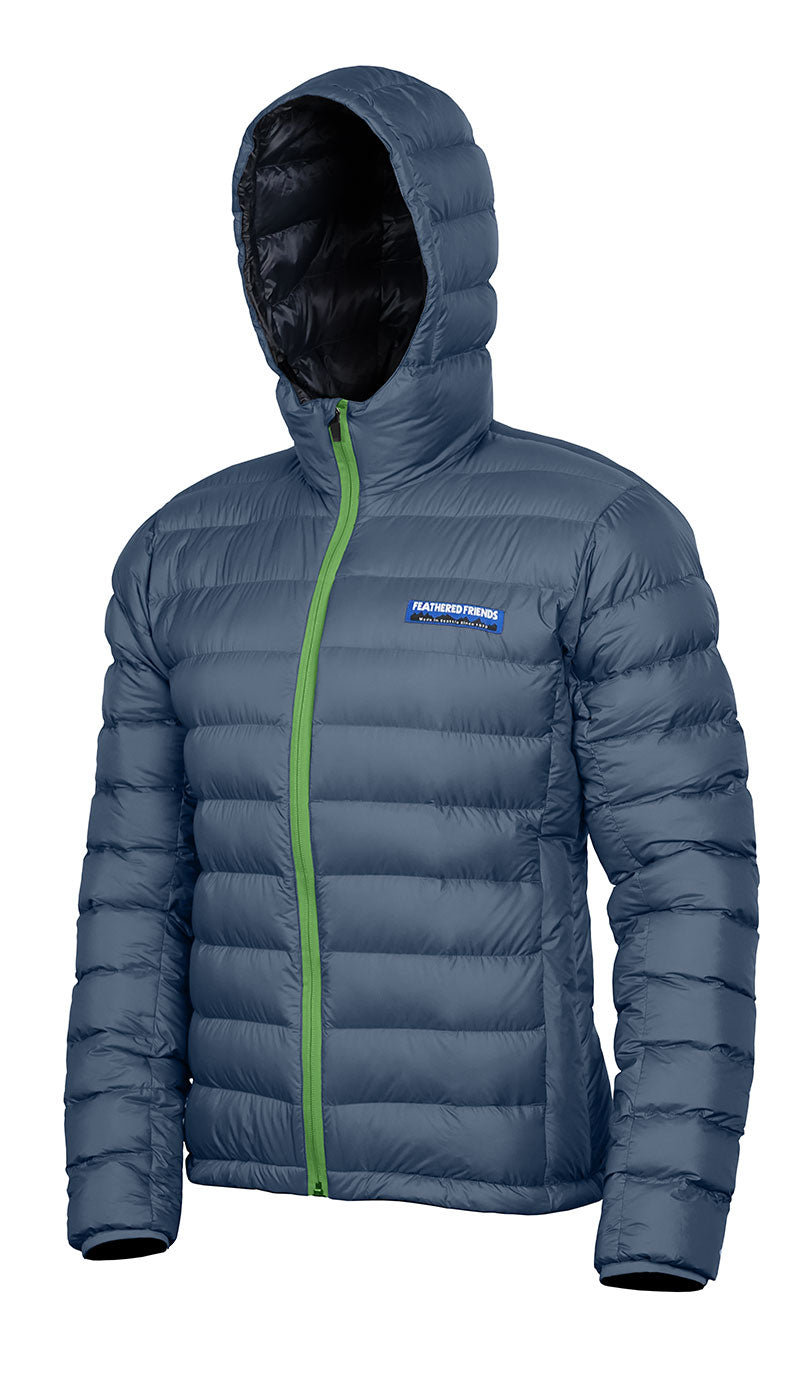
Feathered Friends
A Seattle-made ultralight down hoody using 900+ fill RDS goose down and Pertex Quantum, with the older Eos now on closeout.
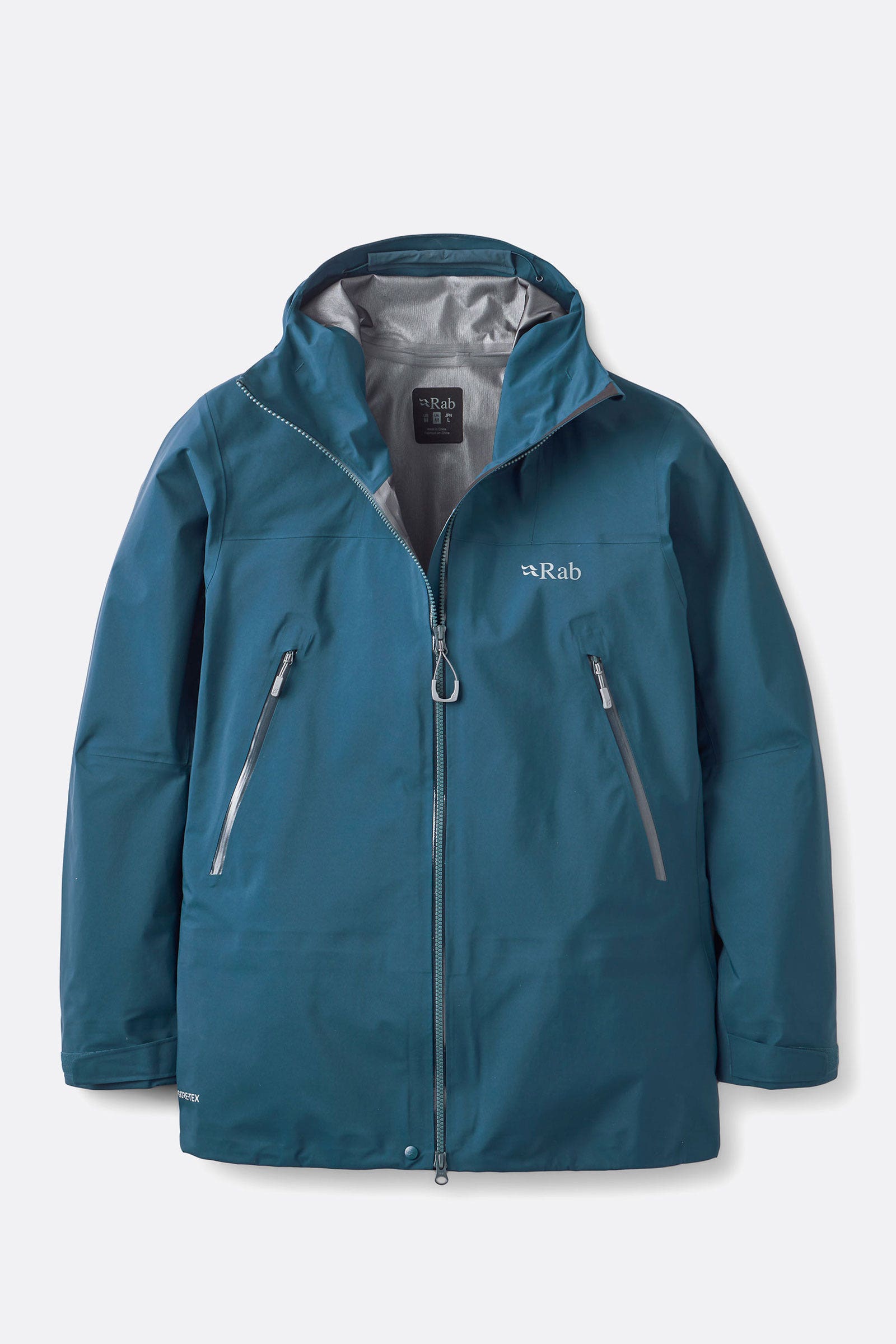
Rab
A robust 70D three-layer GORE-TEX ePE hiking shell with 28,000 mm rating, underarm vents and pack-clear pockets.
Fjällräven
The discontinued men's 520 g stretchy three-layer Eco-Shell with 30,000 mm rating, side vents and helmet hood.
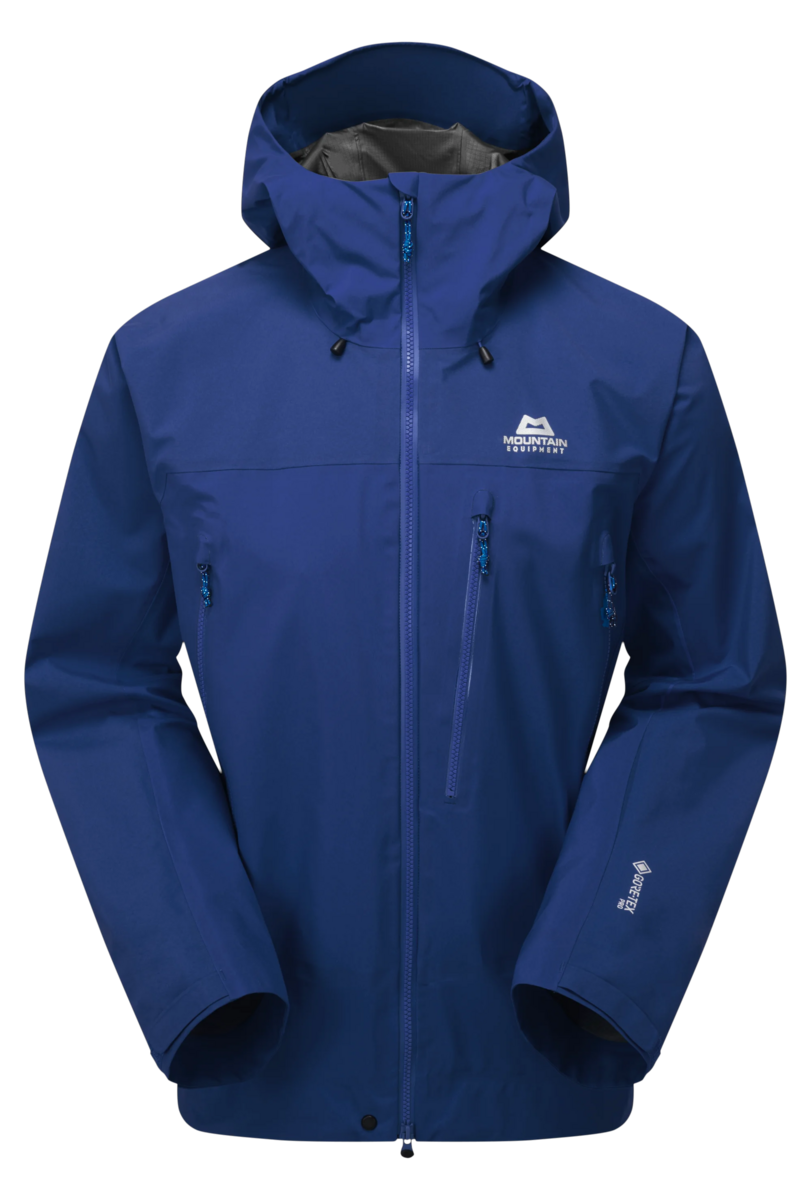
Mountain Equipment
A 510 g storm-spec mountaineering shell with 80D GORE-TEX PRO ePE, helmet hood, four pockets and two-way pit zips.

Norrøna
A 356 g technical-fit shell using 30D three-layer GORE-TEX ePE, 28,000 mm waterproofing, long vents and helmet hood.
31 products
A balanced blend of performance, quality, and price for the discerning user.
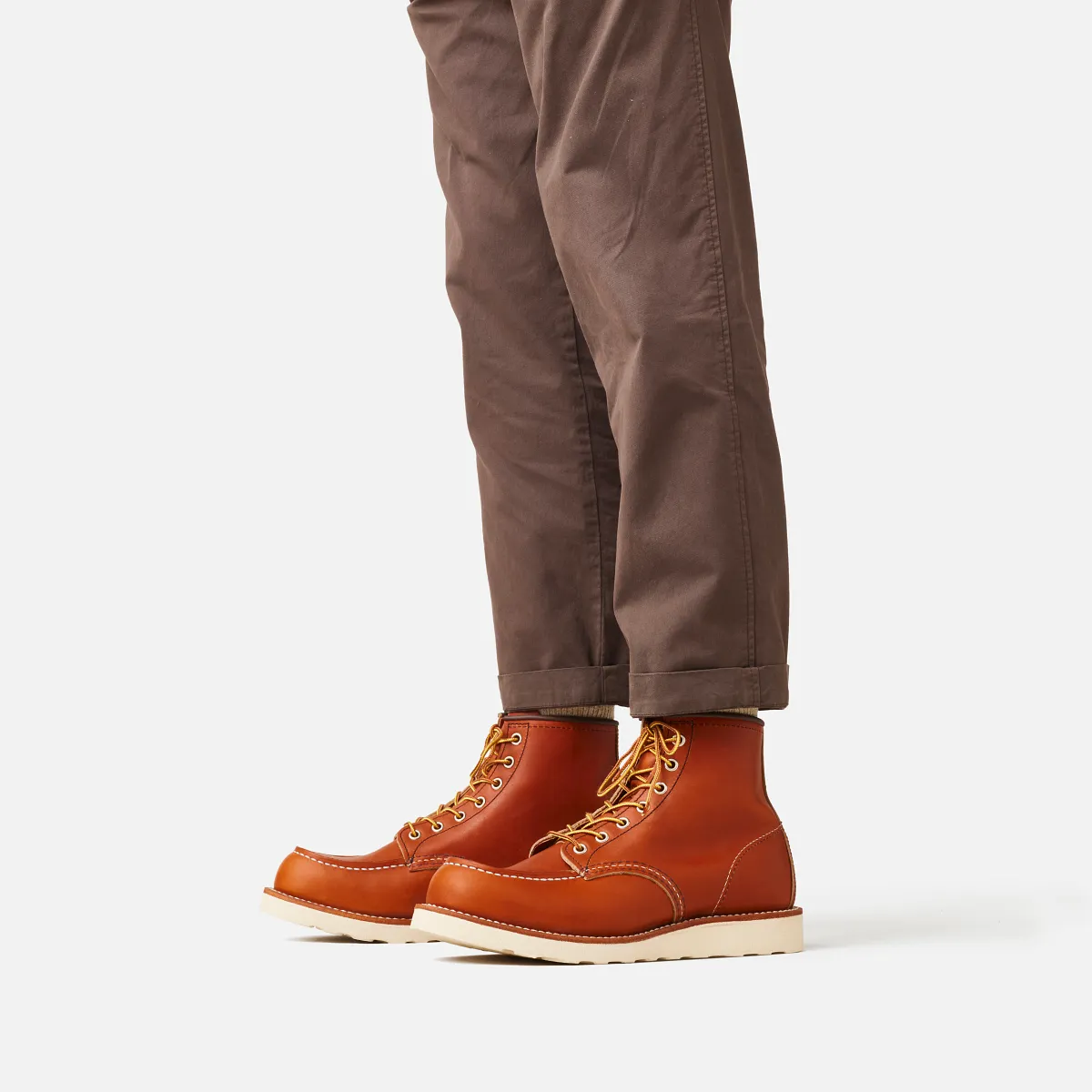
Red Wing
The USA-made 6-inch moc-toe icon with Oro Legacy leather, roomy No. 23 last, Traction Tred wedge and Goodyear welt.
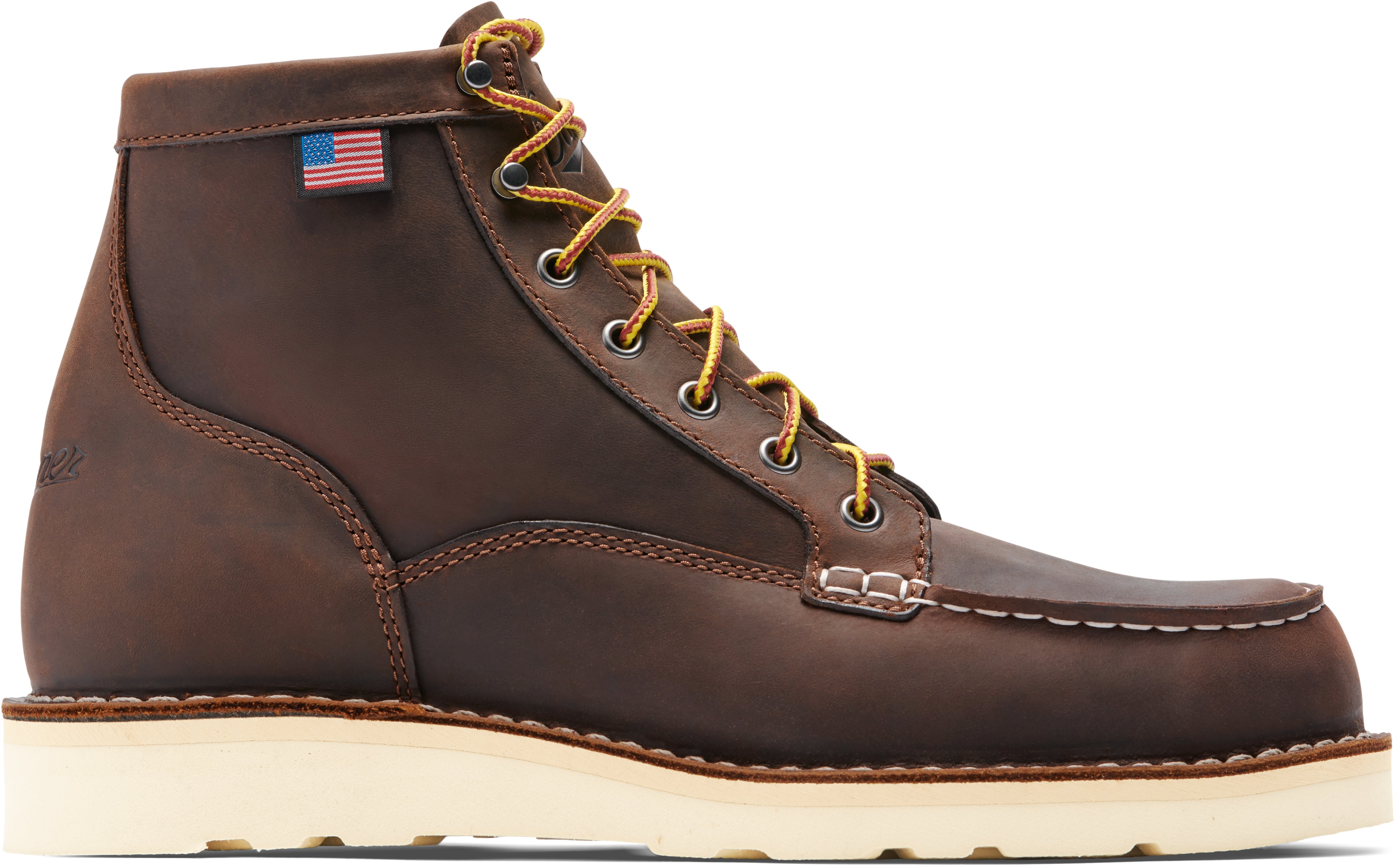
Danner
An unlined, recraftable stitchdown work boot with EH-certified plain toe, removable Ortholite and oil/slip-resistant Danner wedge.
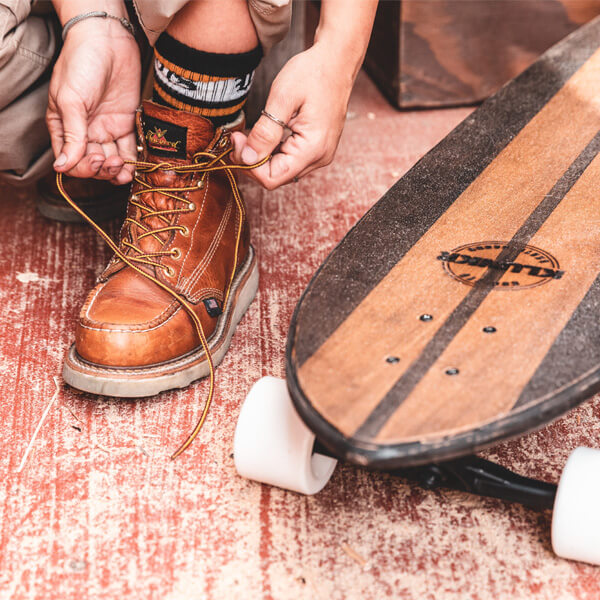
Thorogood
A USA-made unlined moc-toe work boot with full-grain leather, Goodyear storm welt, MAXWear wedge and ASTM electrical-hazard protection.
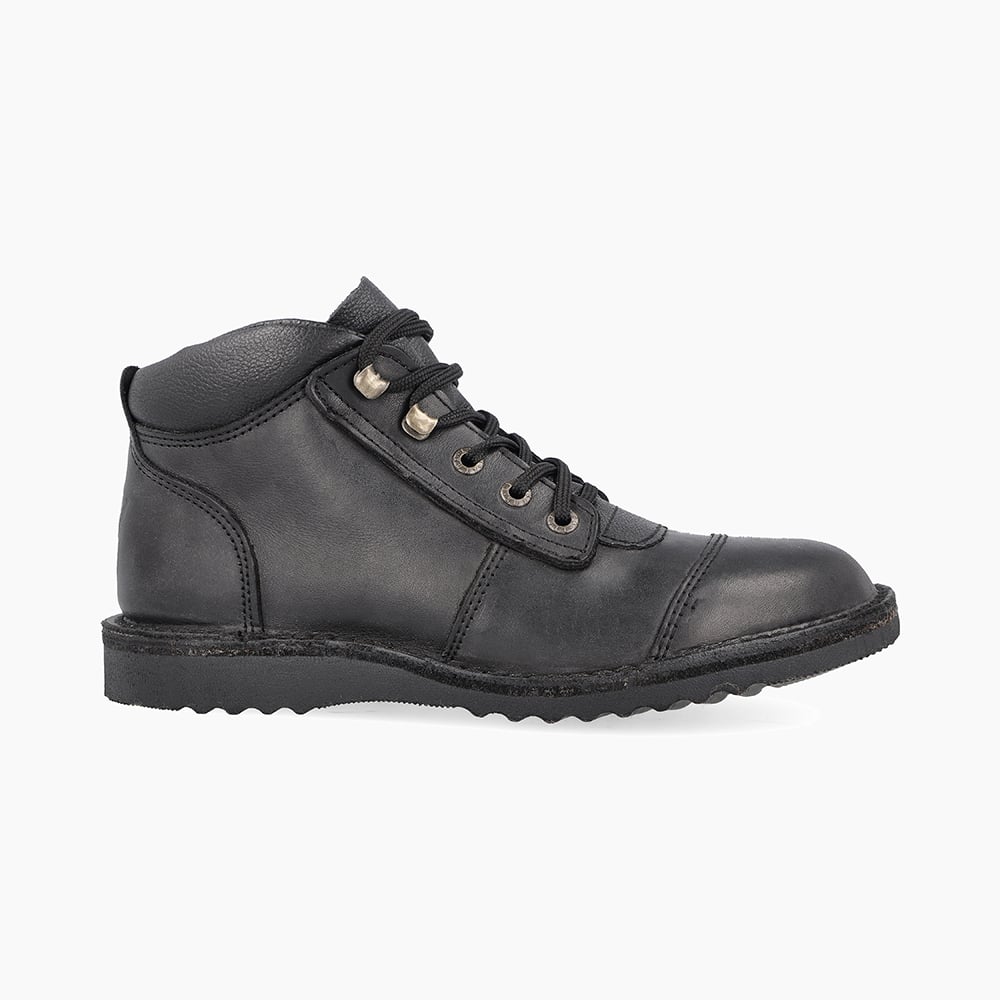
Jim Green
A South African wide-fit leather ranger boot with stitchdown construction, replaceable outsole and a conservation donation program.
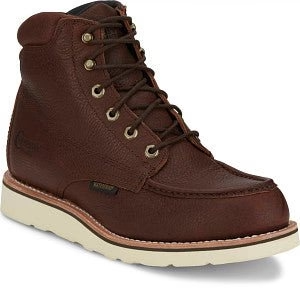
Chippewa
A waterproof six-inch moc-toe wedge boot with Dri-Lex, removable Ortholite, electrical-hazard rating and oil/slip-resistant sole.
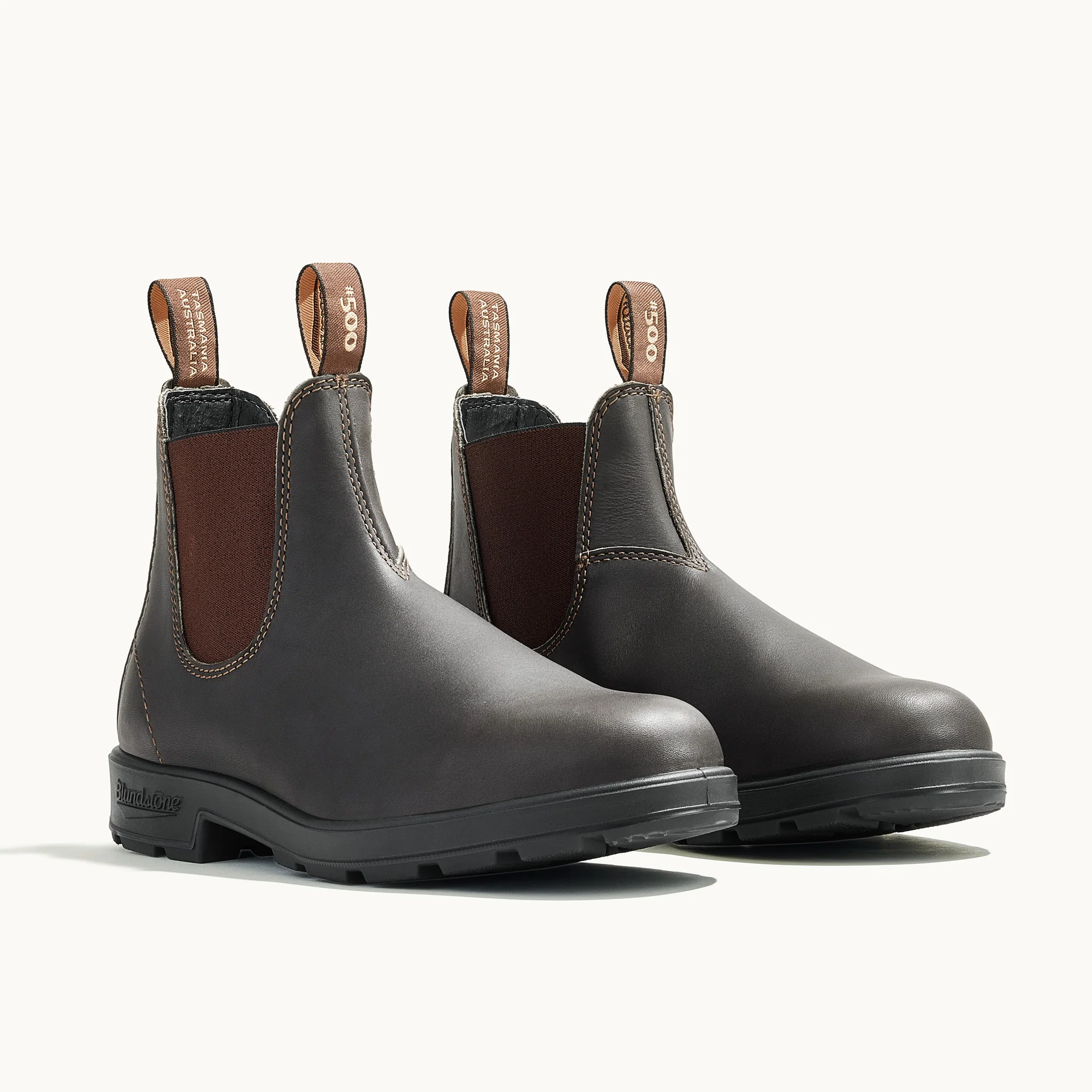
Blundstone
The unlined 2.5 mm leather Chelsea original with TPU outsole, removable footbed and XRD heel cushioning.
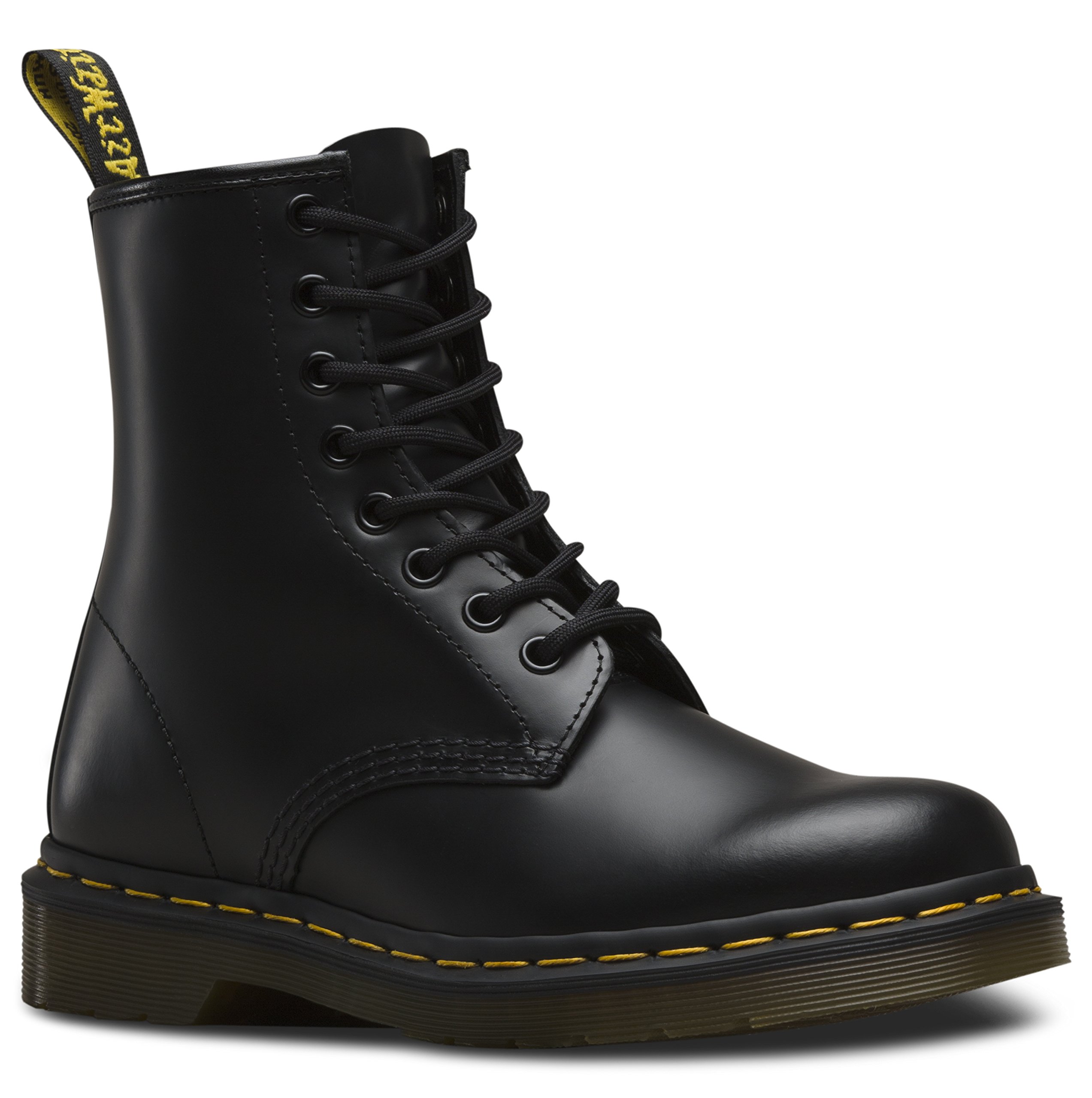
Dr. Martens
The original eight-eye Smooth leather boot with heat-sealed welt, rounded toe and air-cushioned PVC sole.
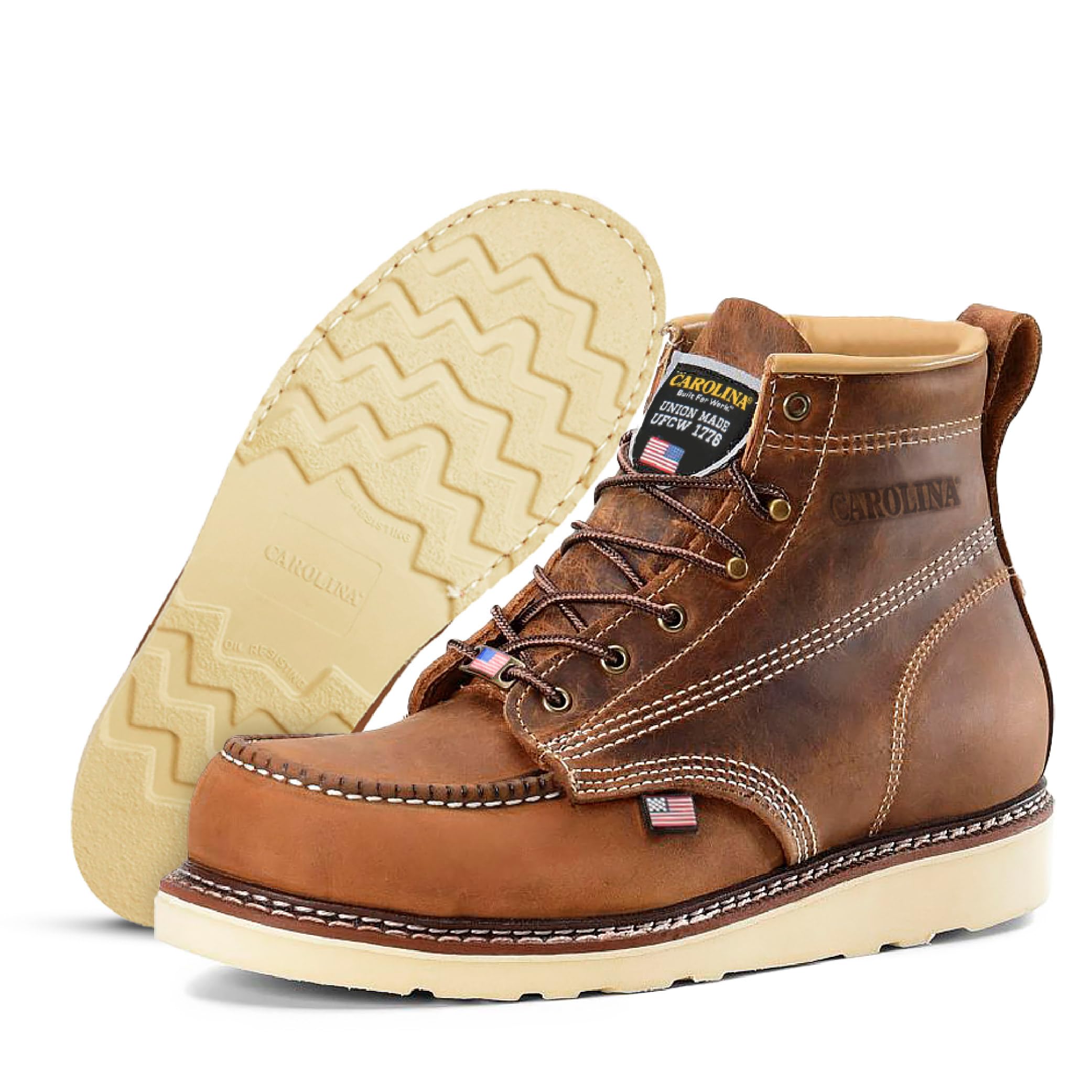
Carolina
A union-made Pennsylvania moc-toe boot with tobacco leather, Goodyear welt, removable Ortholite, EH rating and slip-resistant PU wedge.
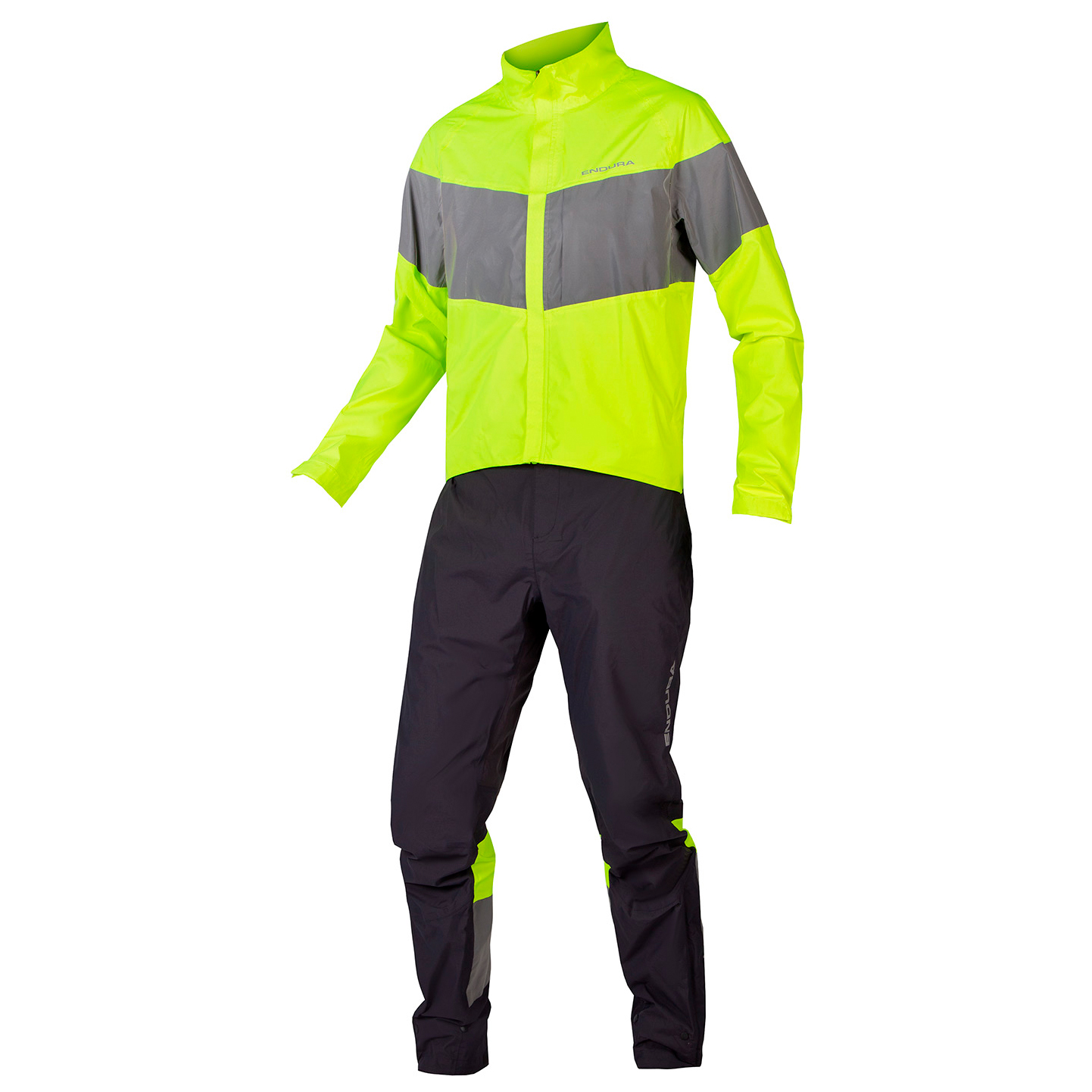
Patagonia
An unlined 12.9 oz hemp-blend canvas chore coat with bi-swing back, glove-friendly shank buttons and six pockets.
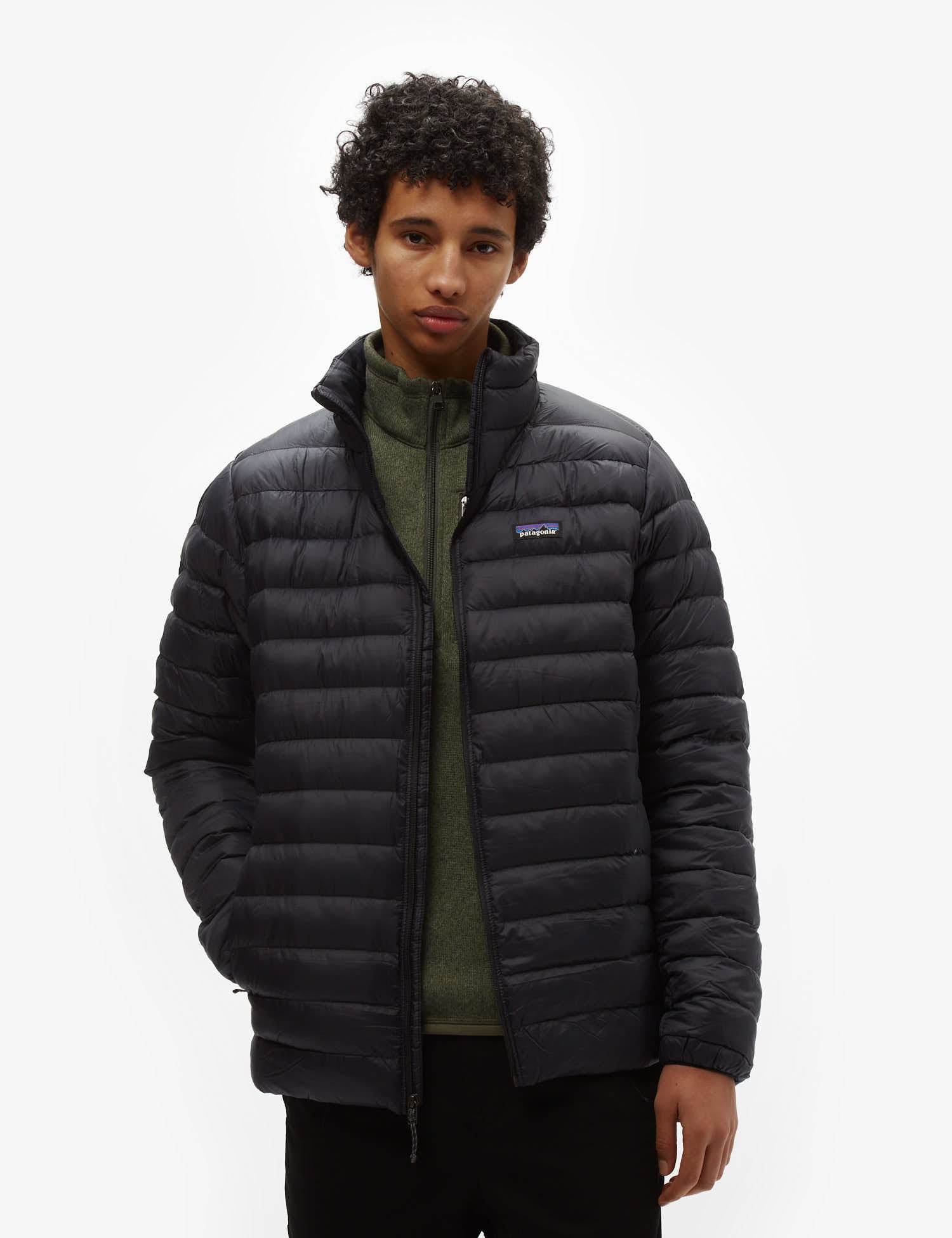
Patagonia
A 369 g everyday down layer with 800-fill RDS down, 20D recycled fishing-net shell, five pockets and an included repair patch.
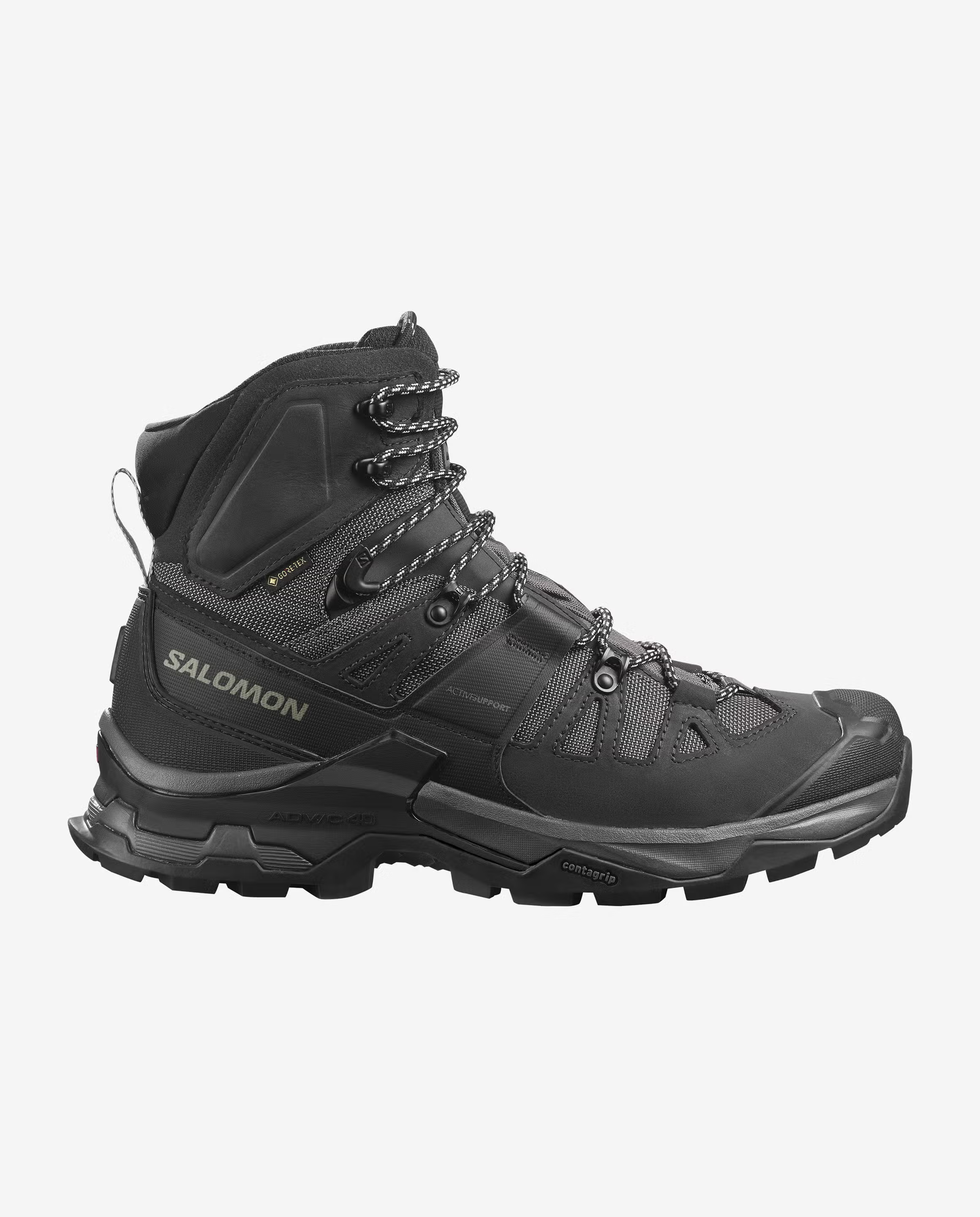
Salomon
A stable multi-day backpacking boot with GORE-TEX, 4D Advanced Chassis, nubuck/textile upper and All-Terrain Contagrip.
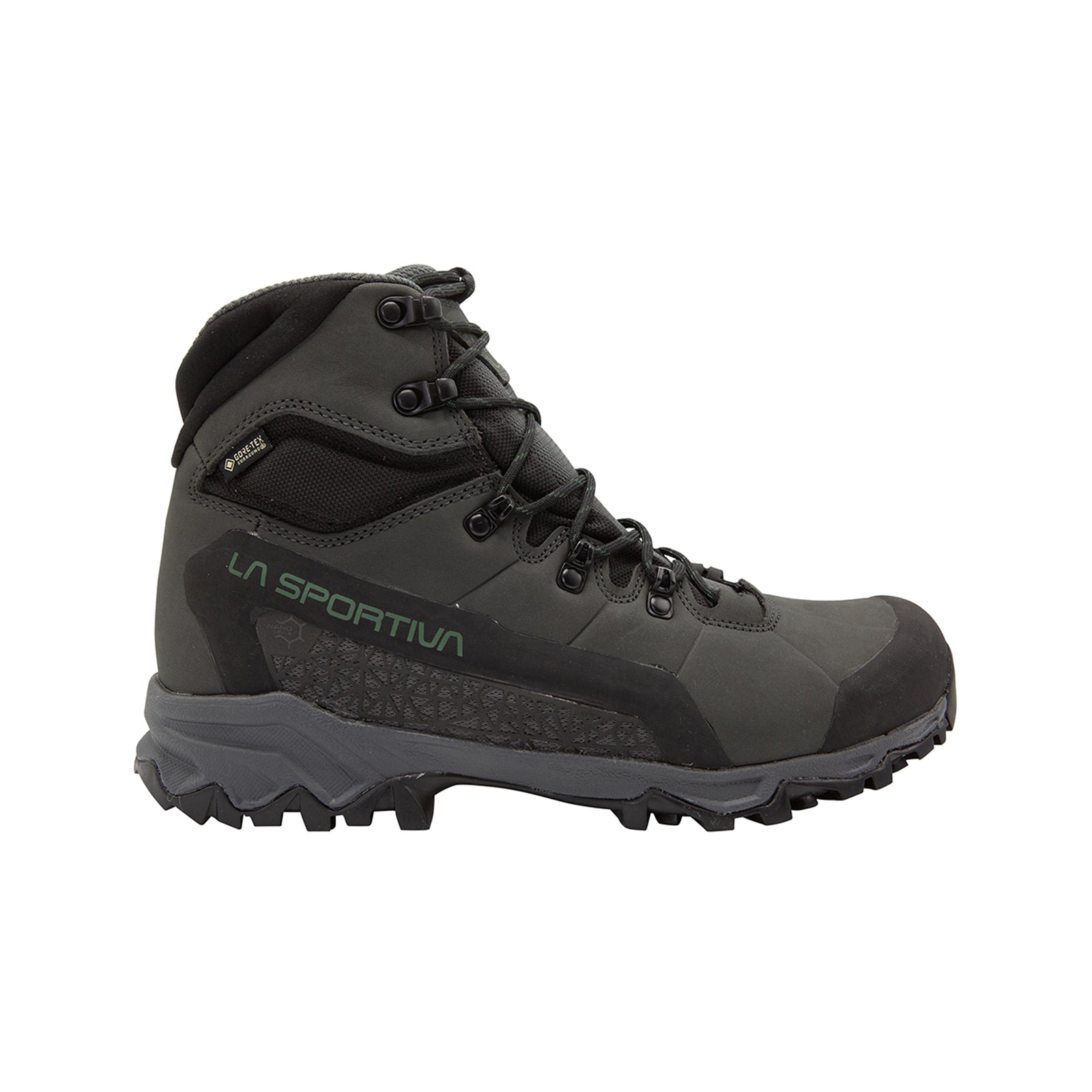
La Sportiva
A 476 g waterproof leather hiker using GORE-TEX Surround underfoot venting, Nano-Cell panels and a Vibram Nano outsole.
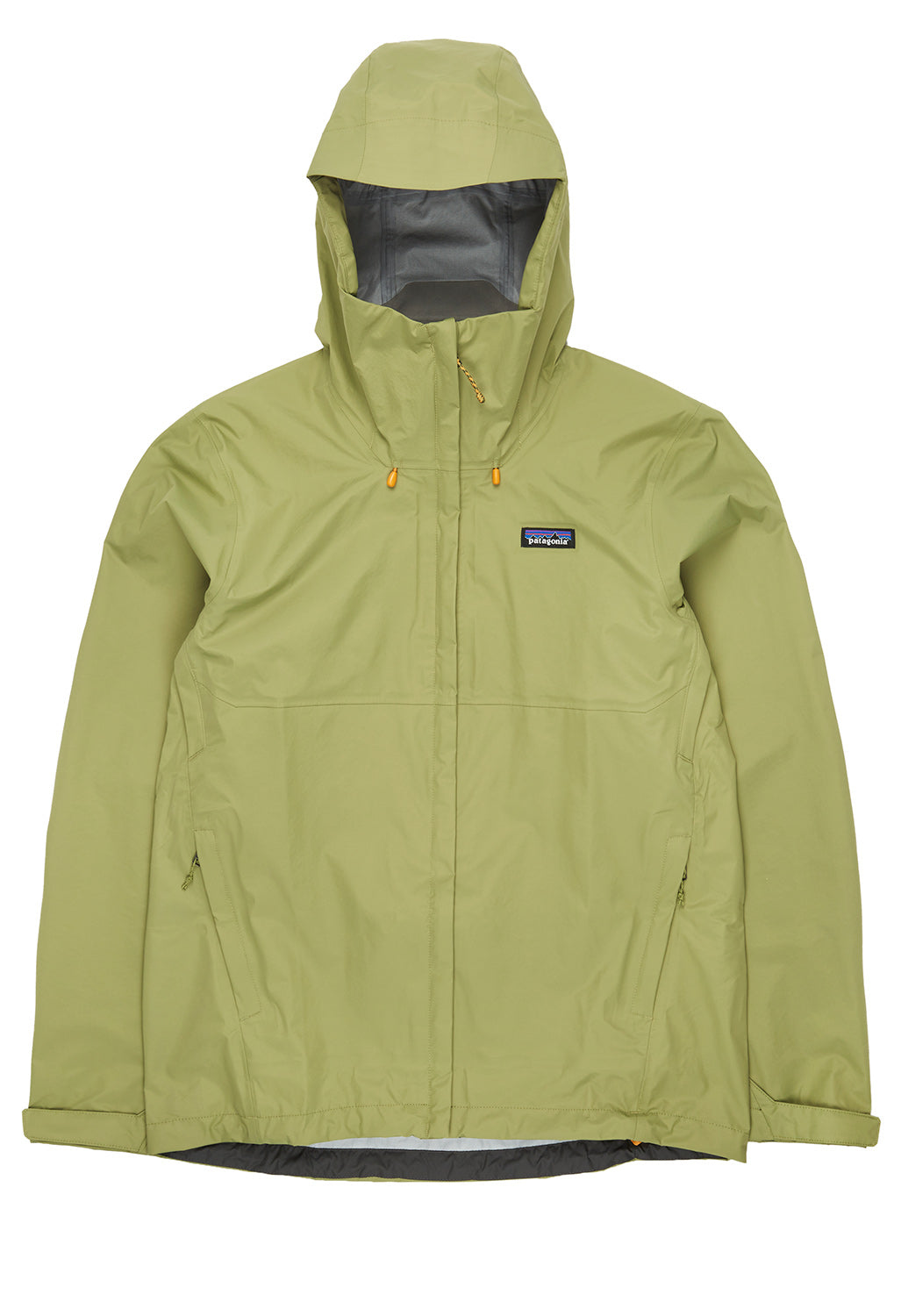
Patagonia
A straightforward 50D three-layer H2No rain shell with recycled ECONYL face, pit zips, stowable hood and self-stuffing pocket.
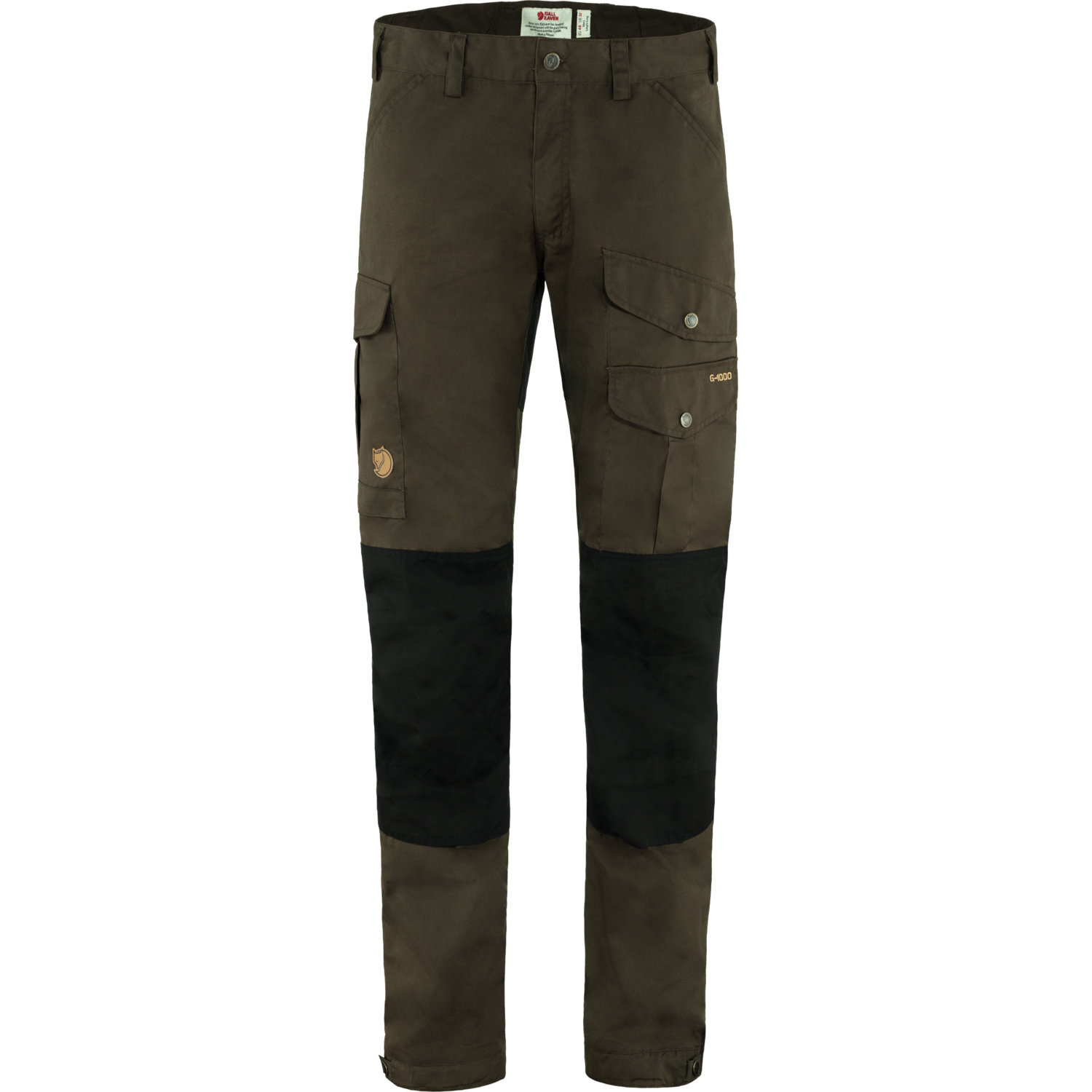
Fjällräven
Hardwearing G-1000 trekking trousers with doubled seat/knees, pad openings, six pockets and repairable boot hooks.
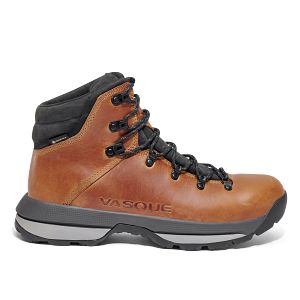
Vasque
A discontinued 2.2 mm full-grain GORE-TEX backpacking boot with ATC cushioning, TPU shank and Vibram Frontier outsole.
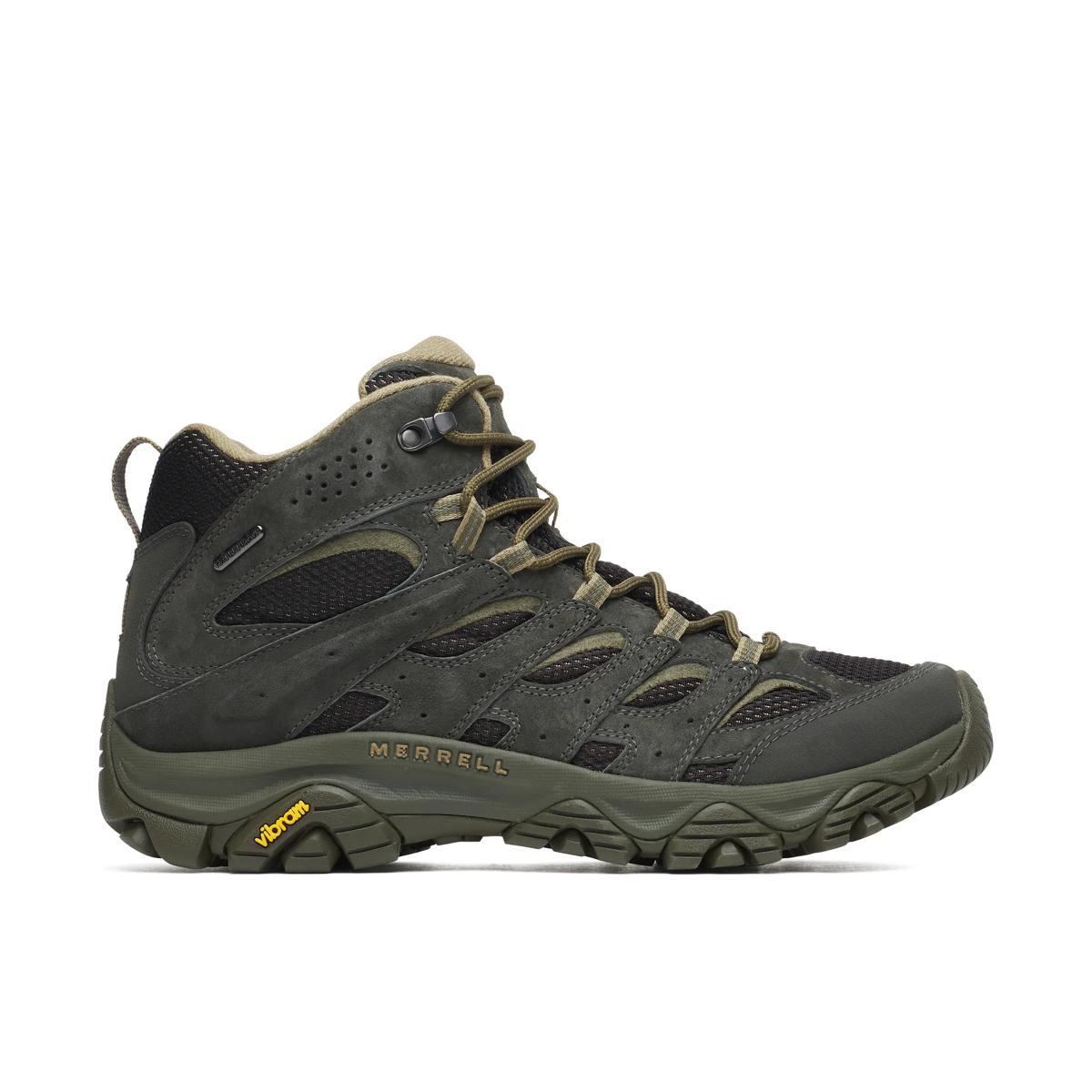
Merrell
A versatile suede-and-mesh waterproof hiker with Vibram TC5+, 5 mm lugs, nylon shank and replaceable contoured footbed.
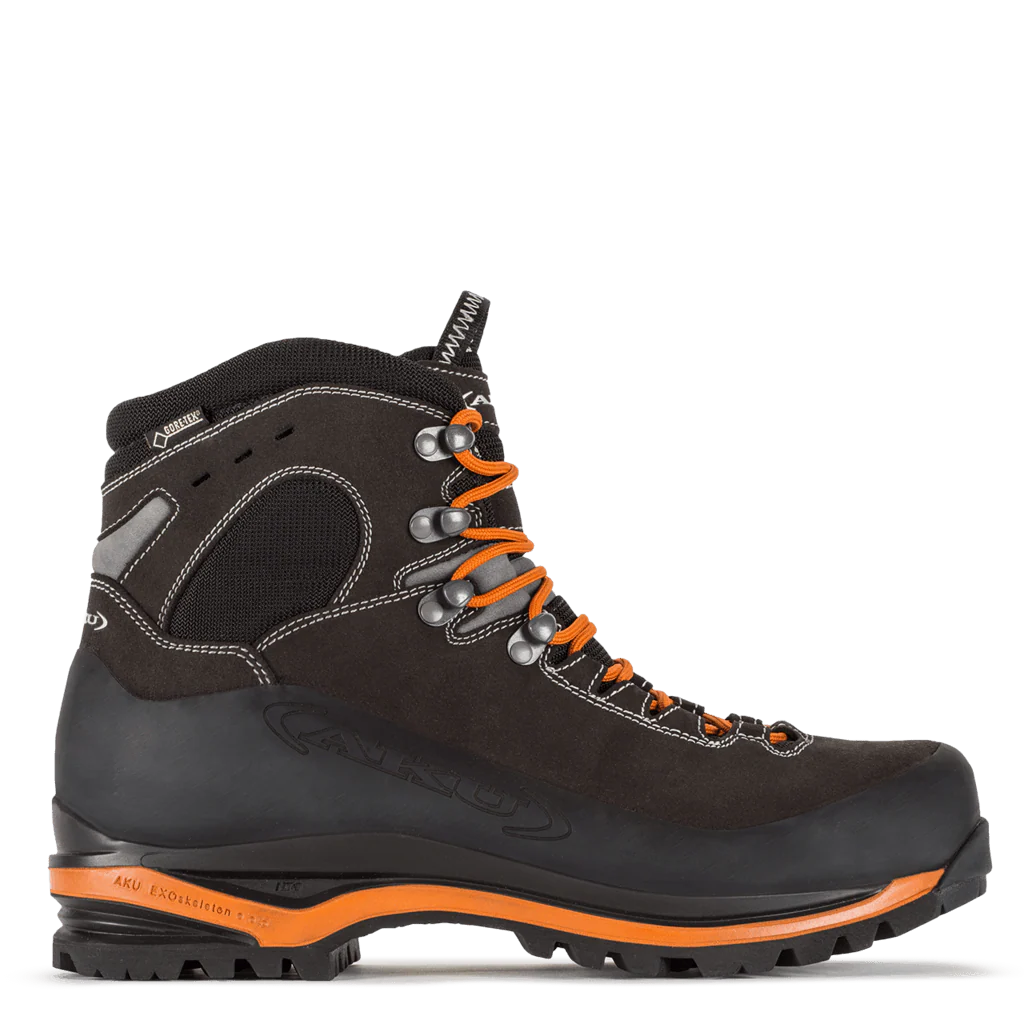
AKU
A resoleable Italian heavy-pack boot with 1.8 mm suede, full rubber rand, dual-density PU, GORE-TEX and Vibram Fourà sole.
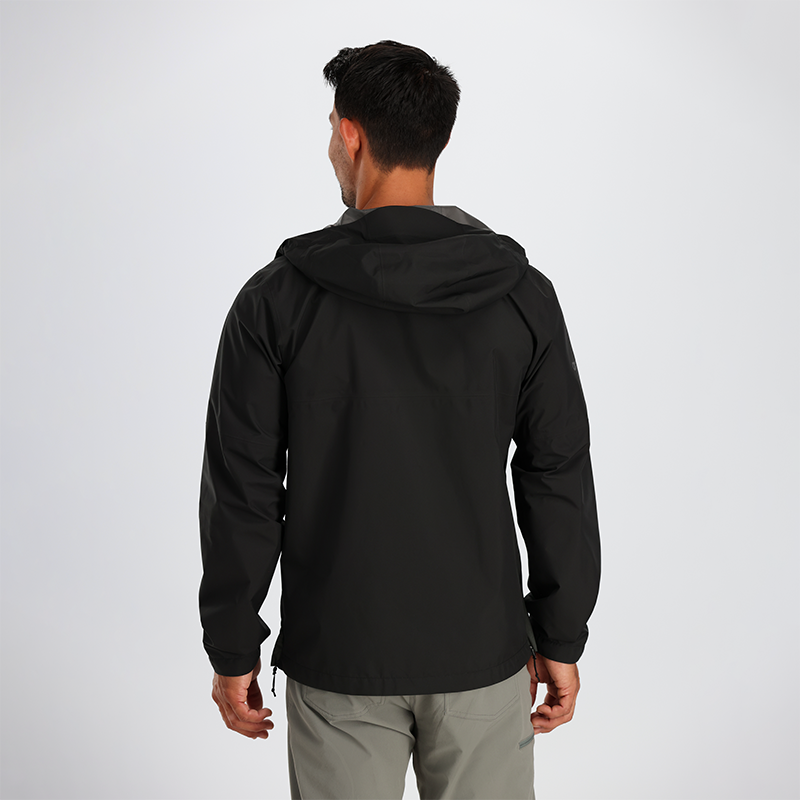
Outdoor Research
The discontinued 336 g GORE-TEX Paclite Foray II with unusually long TorsoFlo hem-to-bicep side vents.
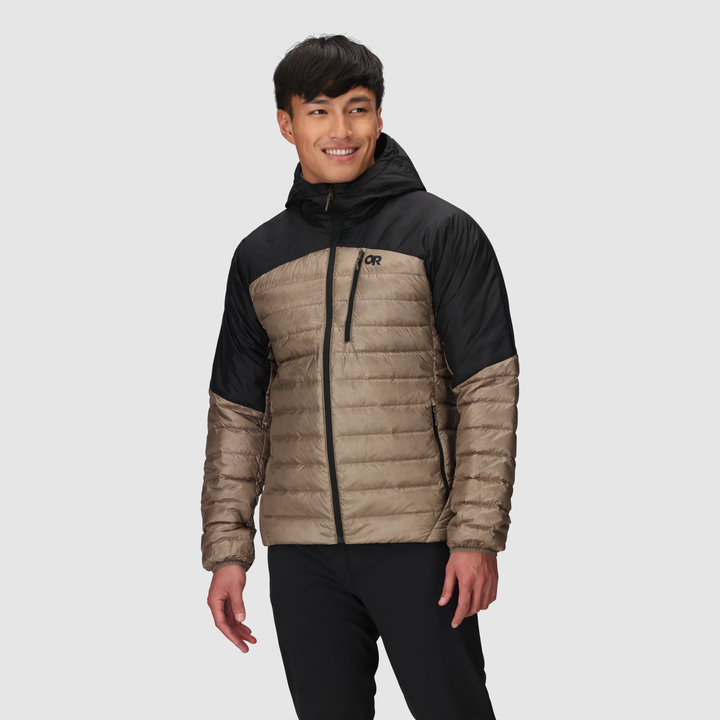
Outdoor Research
A $299 down hoody with Pertex Diamond Fuse reinforcement at the hood and shoulders and an Infinite Guarantee, currently out of stock.
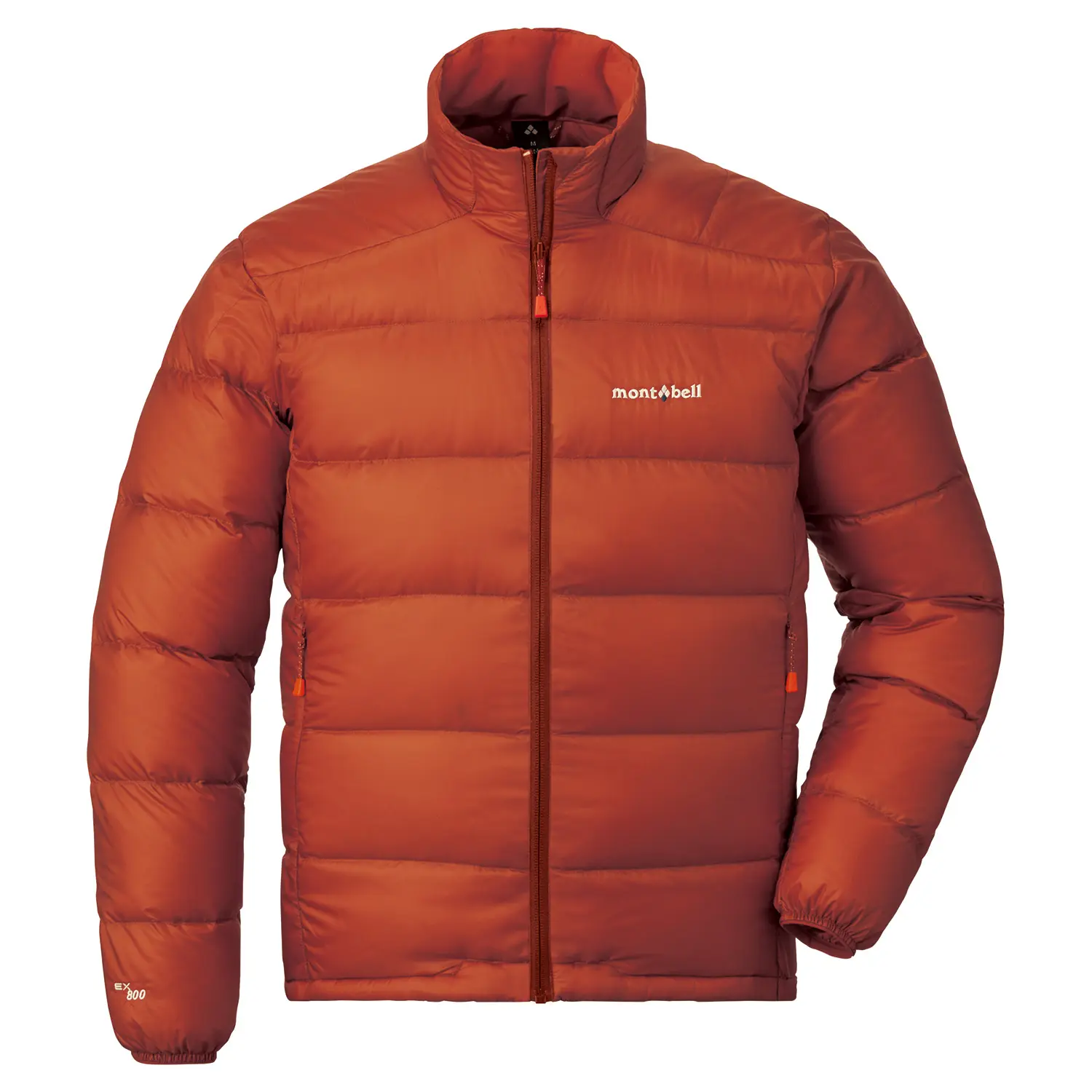
Montbell
A no-hood midweight down jacket balancing 800-fill EX down, lightweight Ballistic nylon and simple sewn-through construction.
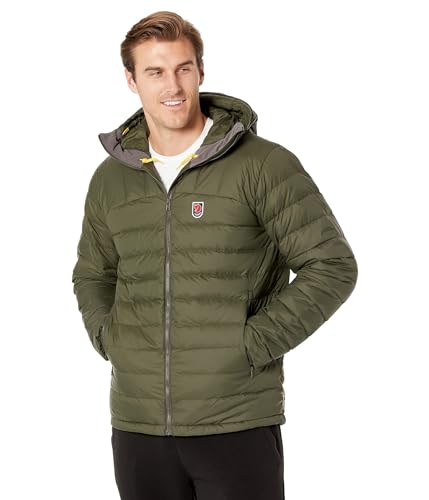
Fjällräven
A 490 g packable hoody with 110 g of 700-fill traceable down and synthetic shoulder insulation for damp compression zones.
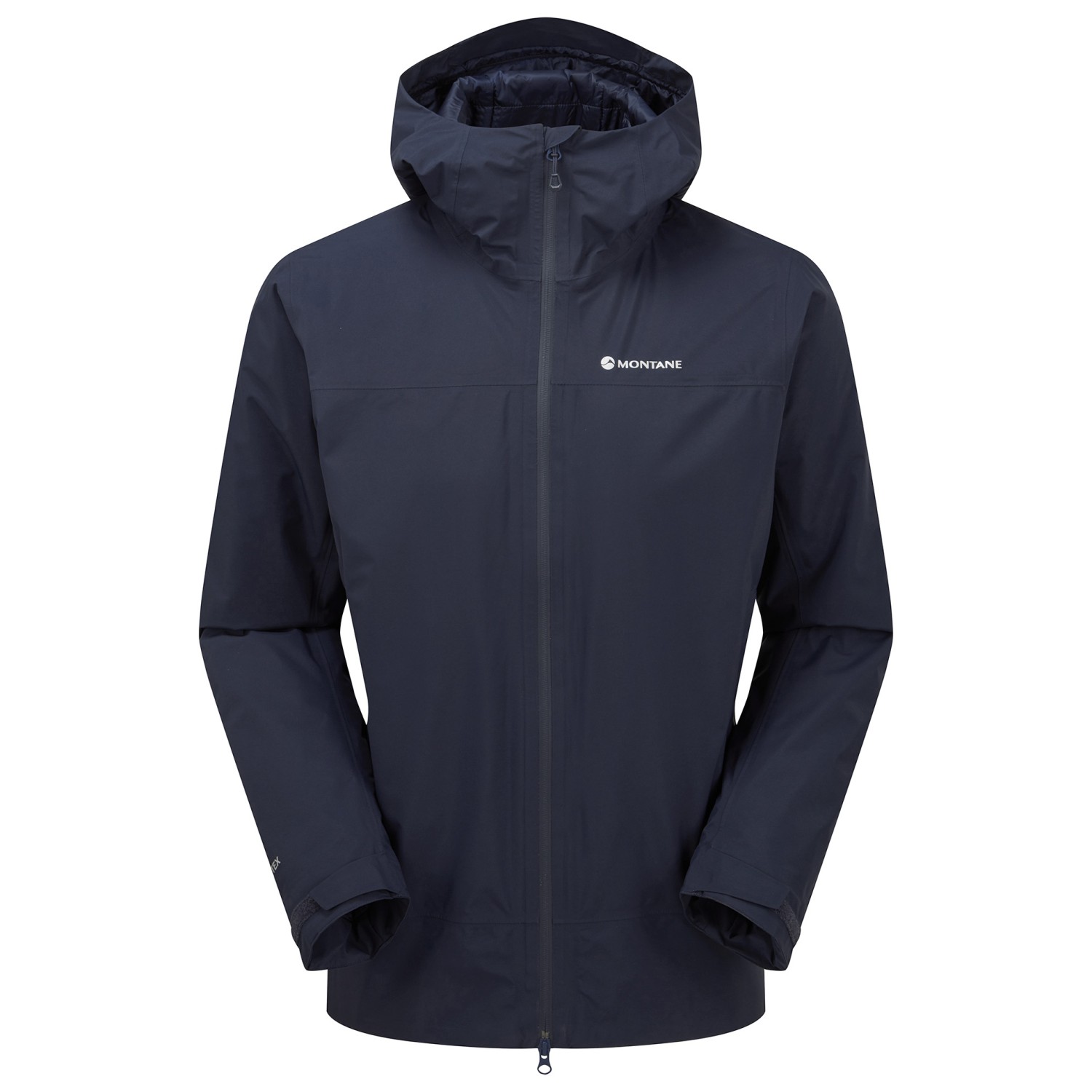
Patagonia
A 337 g synthetic layer with 60 g/m² PrimaLoft Gold Eco, recycled ripstop shell and wet-tolerant insulation.
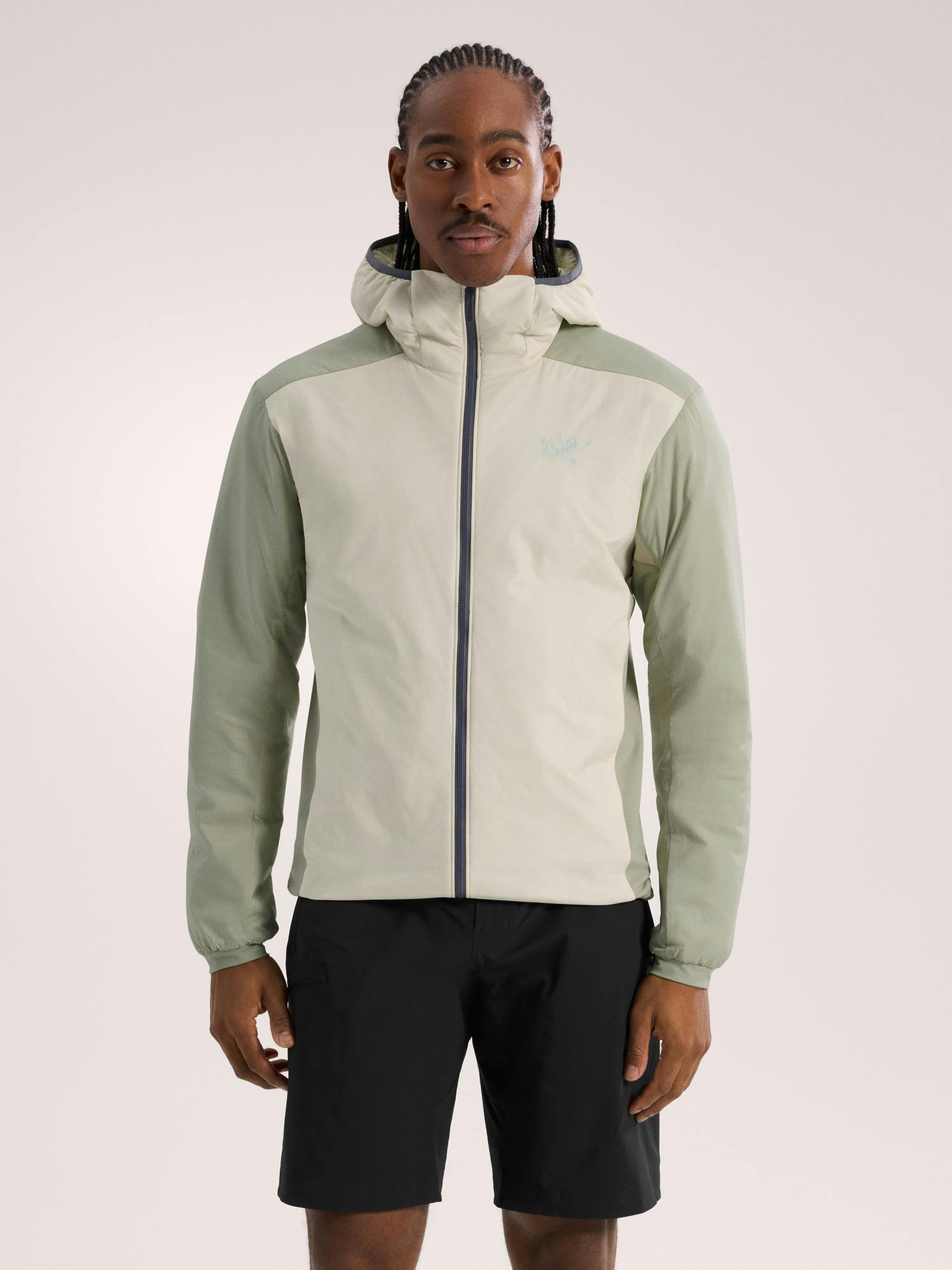
Arc'teryx
A revised all-purpose synthetic midlayer with Coreloft insulation, breathable stretch side panels and FC0 DWR.
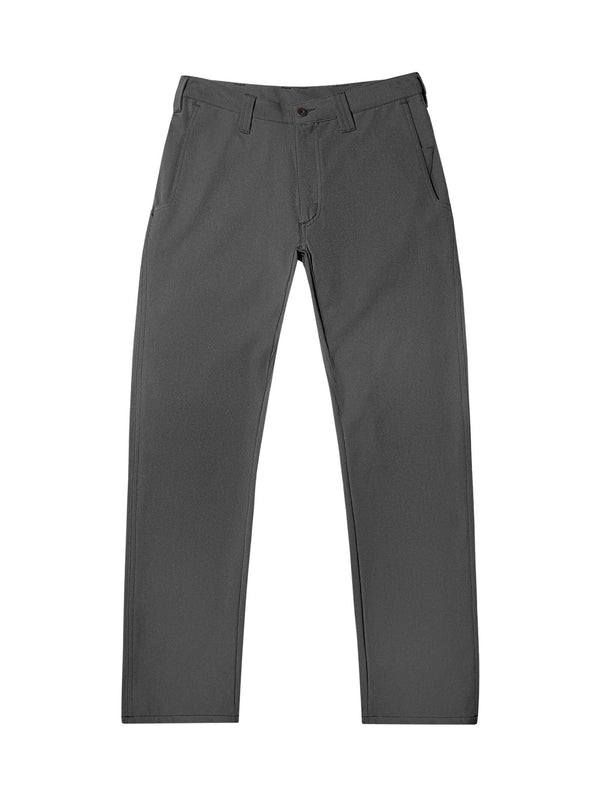
1620 Workwear
USA-made 7.5 oz Durastretch nylon work pants with four-way stretch, fast drying, gusseted crotch and lifetime defect warranty.
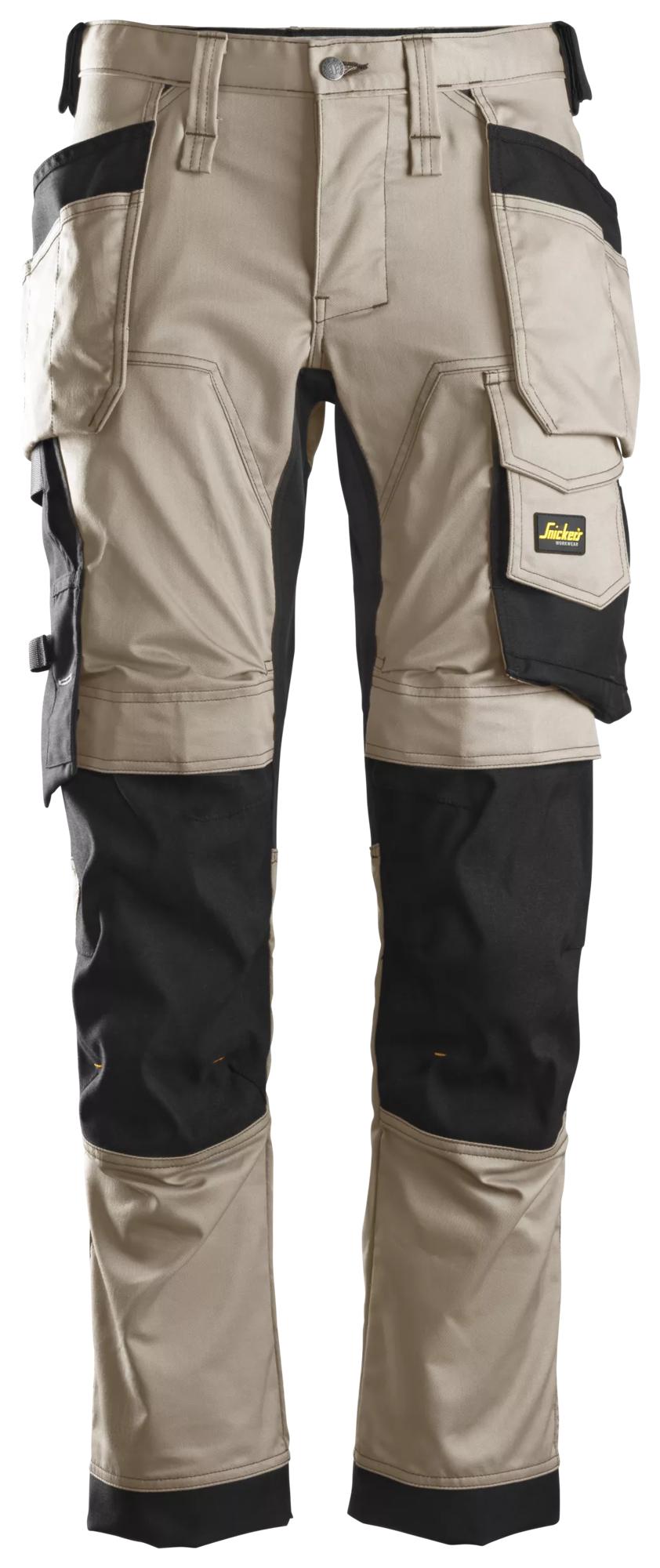

The North Face
The boxy 775 g Nuptse revival with oversized baffles, 700-fill recycled down, reinforced yoke and stowable hood.
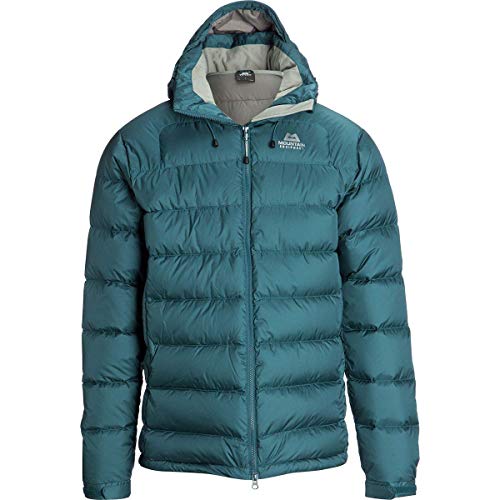
Mountain Equipment
A substantial 740 g cold-weather jacket with 296 g of 700-fill RDS down, 40D Drilite Loft shell and removable wired hood.
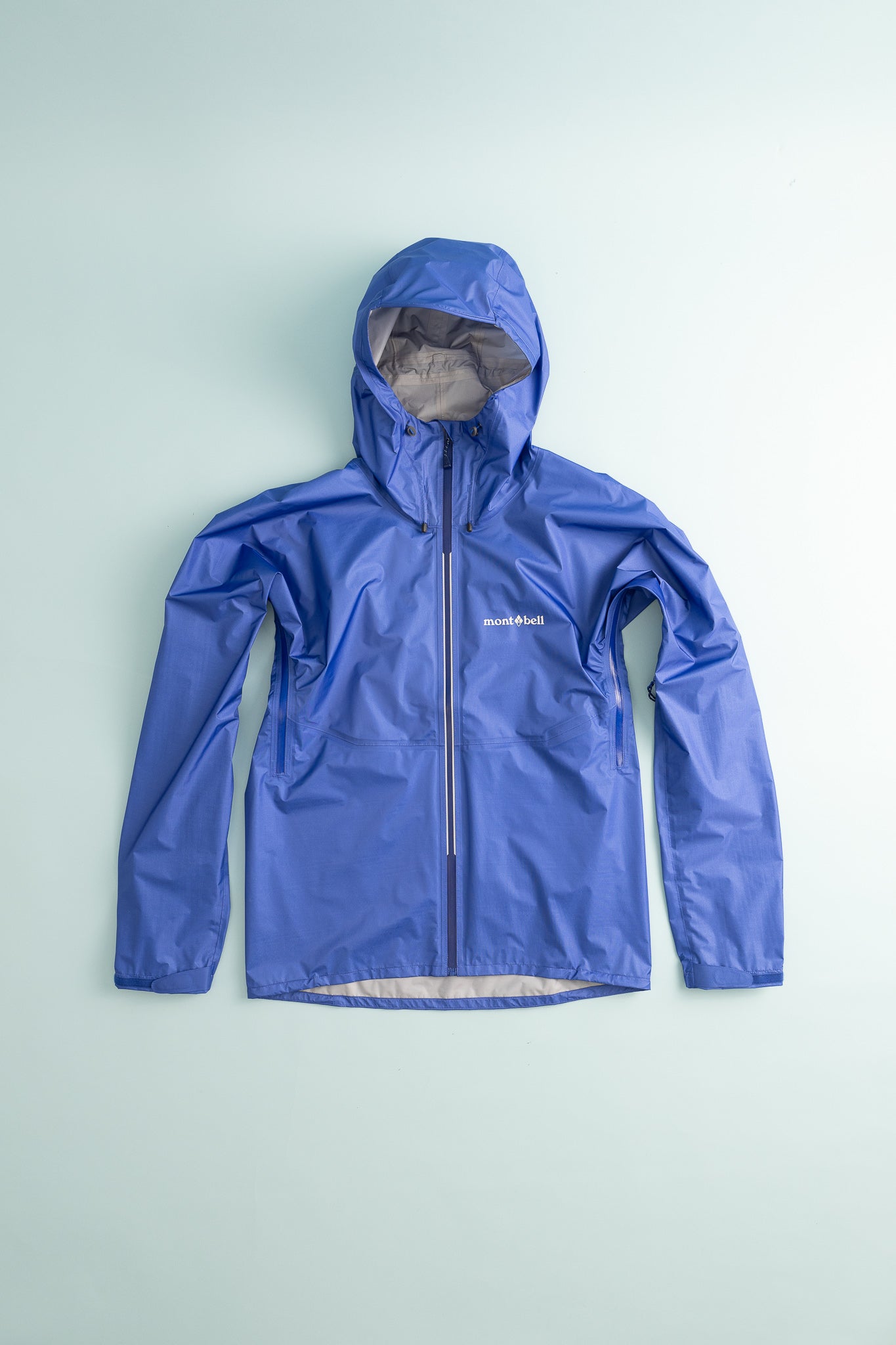
Montbell
An exceptionally light 166 g three-layer rain shell using 7D Ballistic Airlight face fabric, 20,000+ mm waterproofing and pit zips.
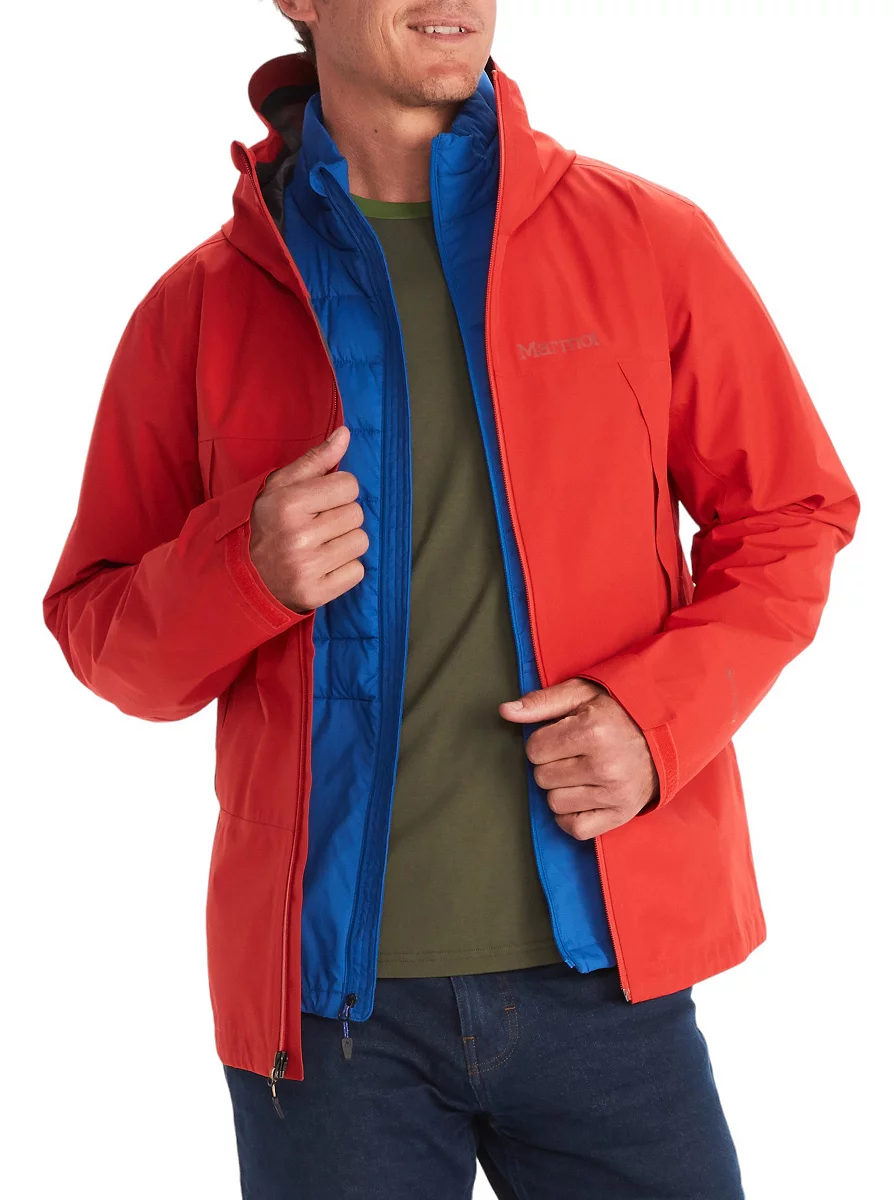
Marmot
A discontinued $275 GORE-TEX Paclite Plus shell with recycled-polyester face, full seam taping, pit zips and pack pockets.
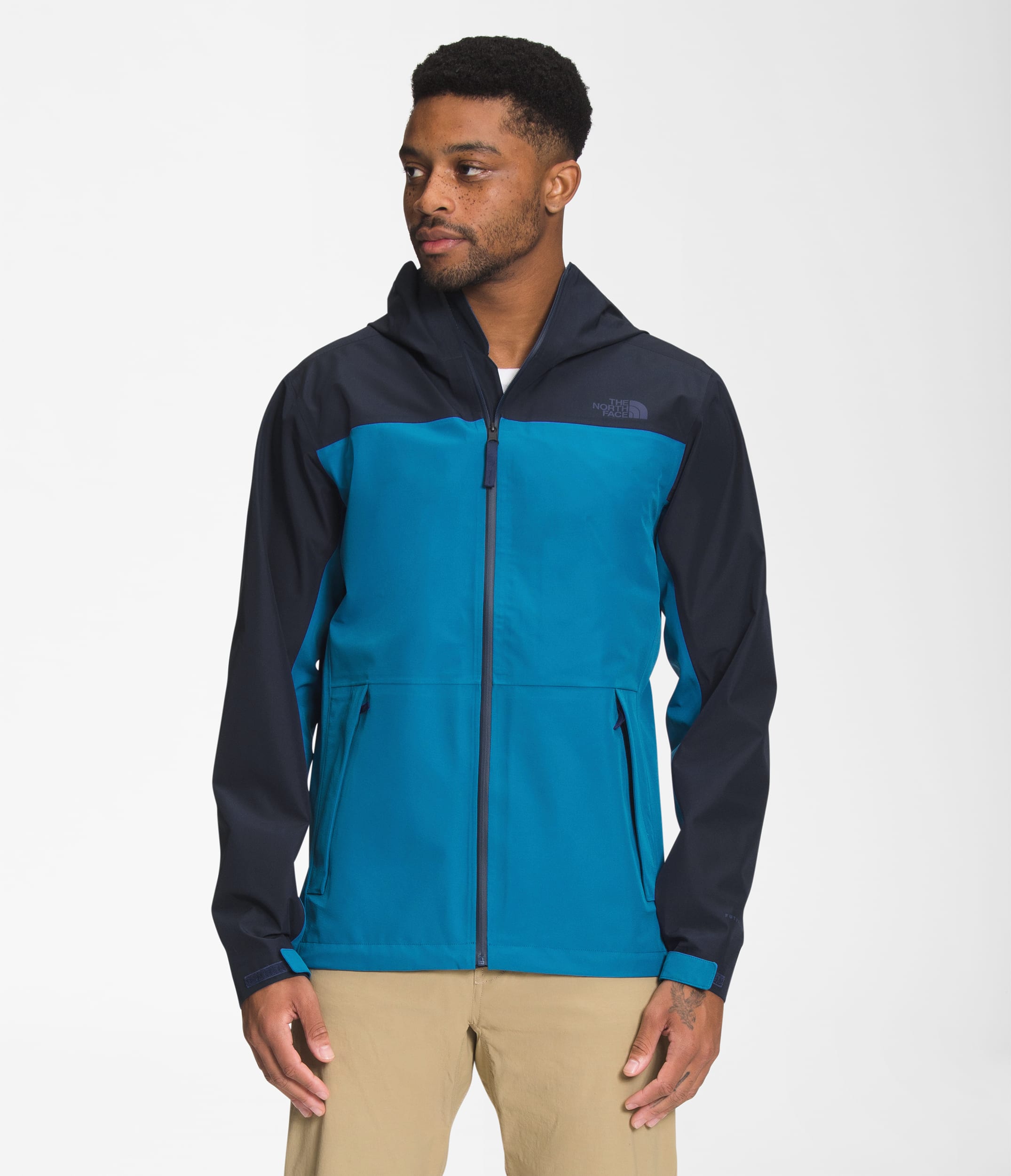
The North Face
A slim 433 g FUTURELIGHT three-layer shell with 75D recycled face, stretch backer, three secure pockets and self-stow design.
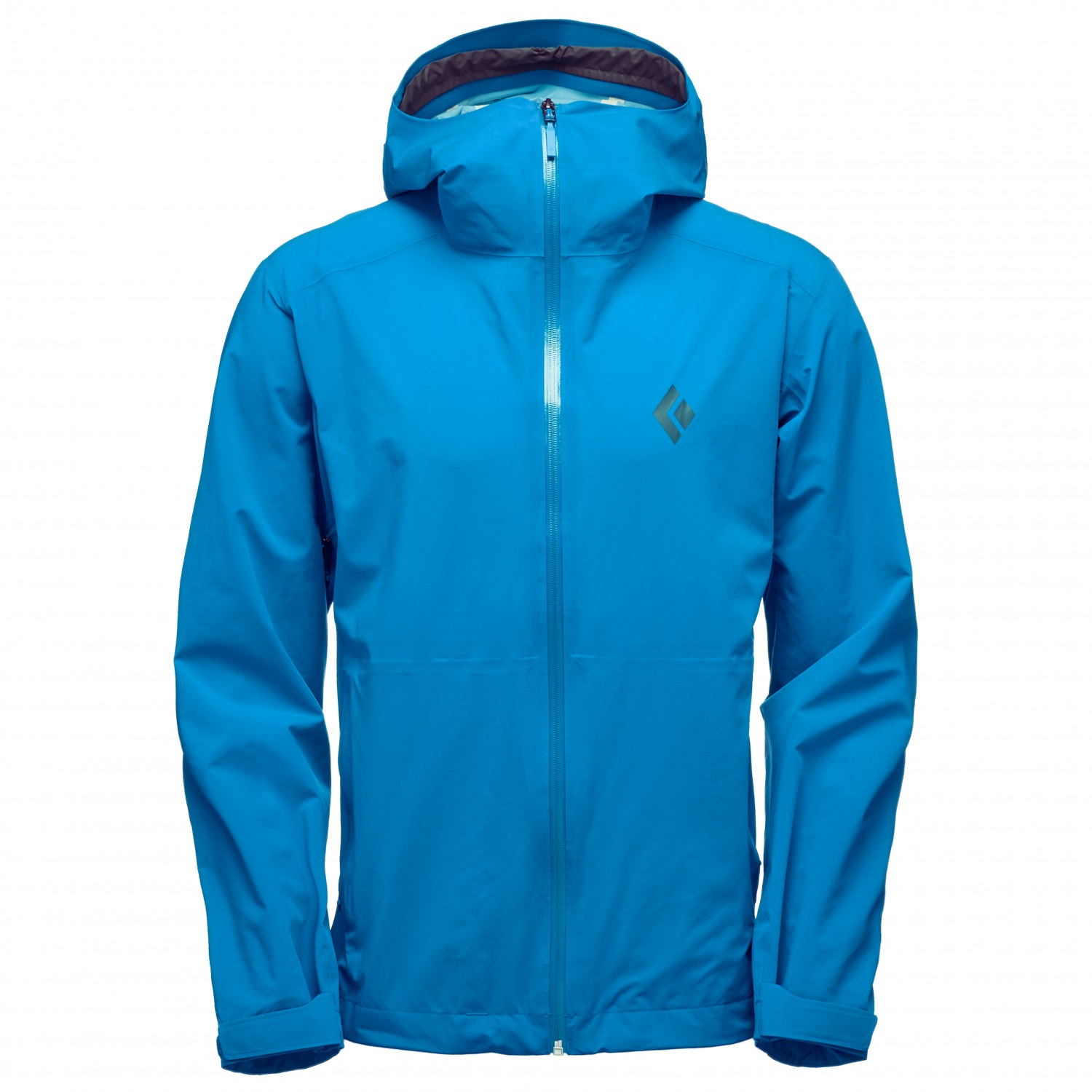
Black Diamond
The discontinued stretch BD.dry 2.5-layer shell with 10,000 mm/10,000 g rating, pit zips and pocket stowage.
7 products
Budget-conscious selections offering the best value and reliability for essential needs.
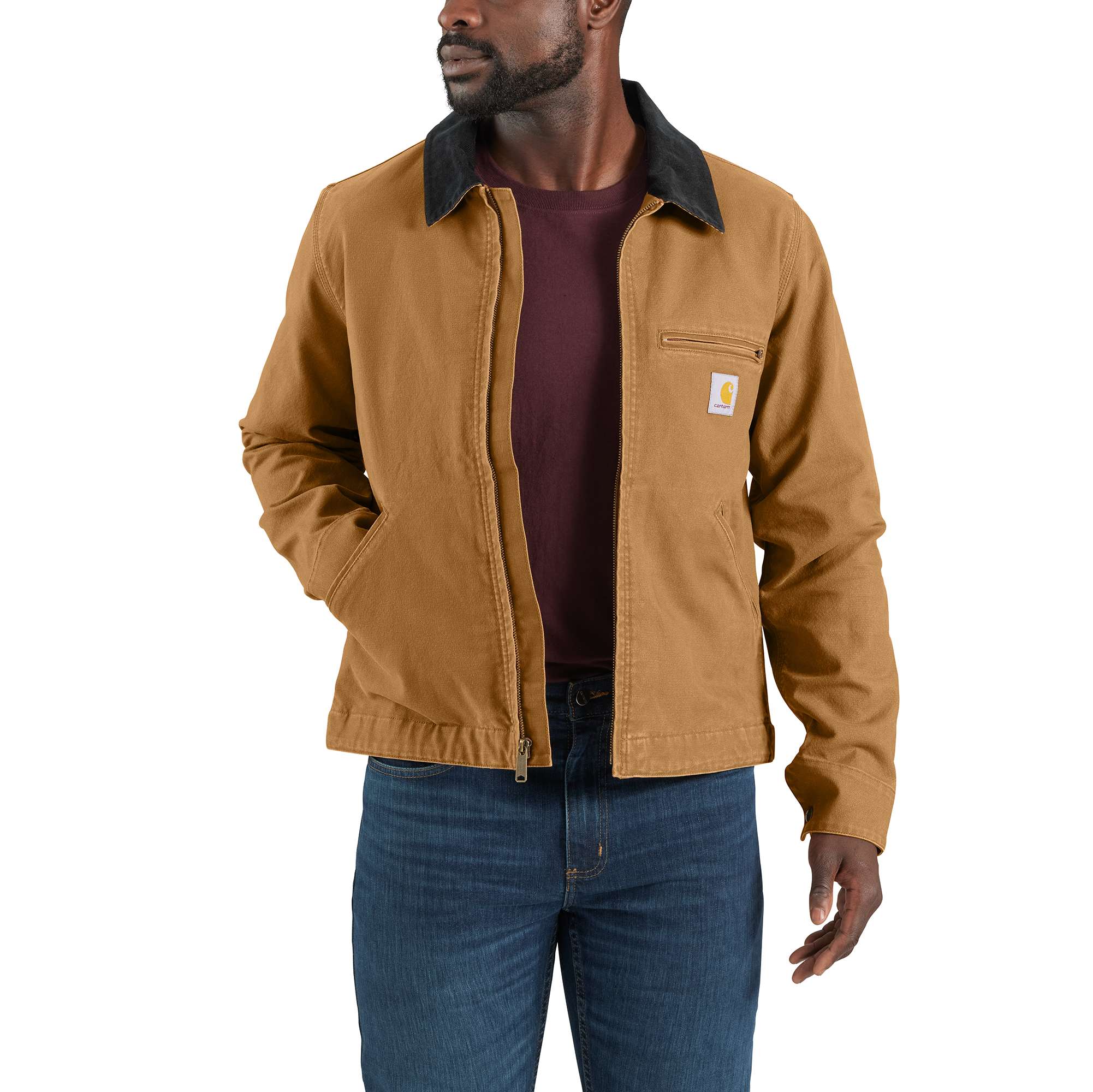
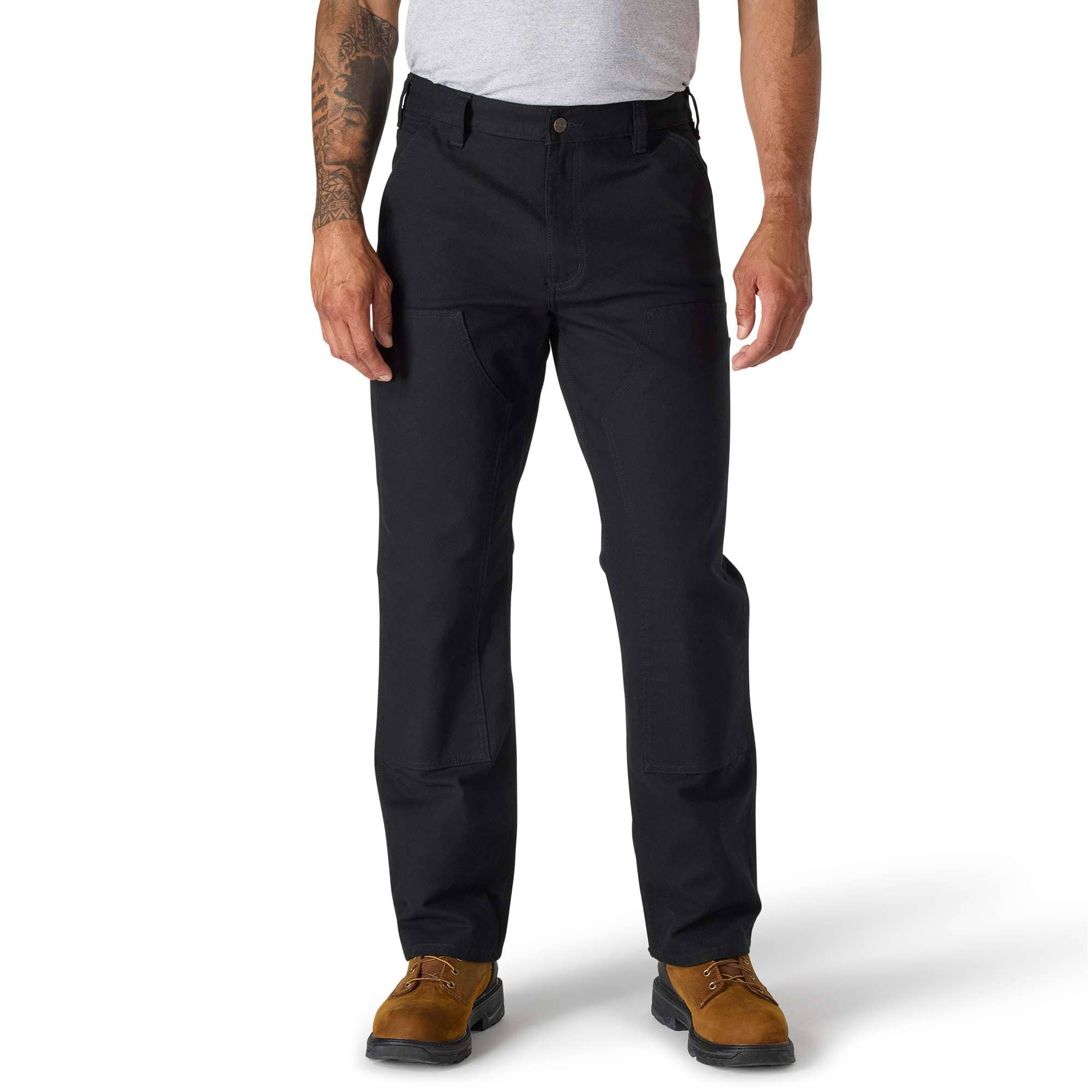
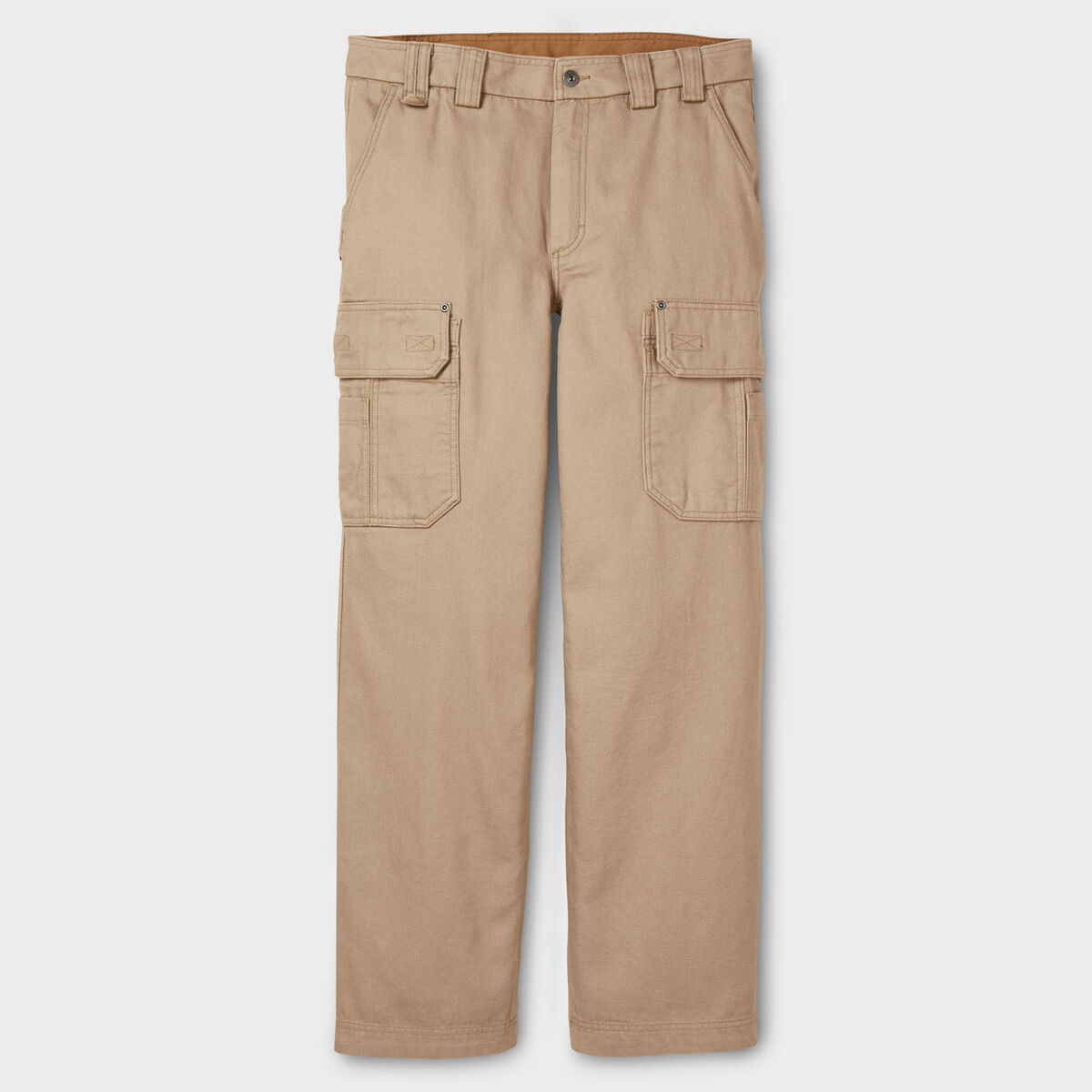
Duluth Trading Co.
Original 11.5 oz cotton Fire Hose cargo pants with gusseted crotch, triple-stitched seams and tuckable pocket flaps.

Helly Hansen Workwear
An EN 343-certified work rain shell with 152 g/m² polyester, detachable hood, seam-free shoulders and YKK/AMANN components.

Berne
A value washed-cotton-duck chore coat with quilted lining, triple-needle seams and multiple work pockets.
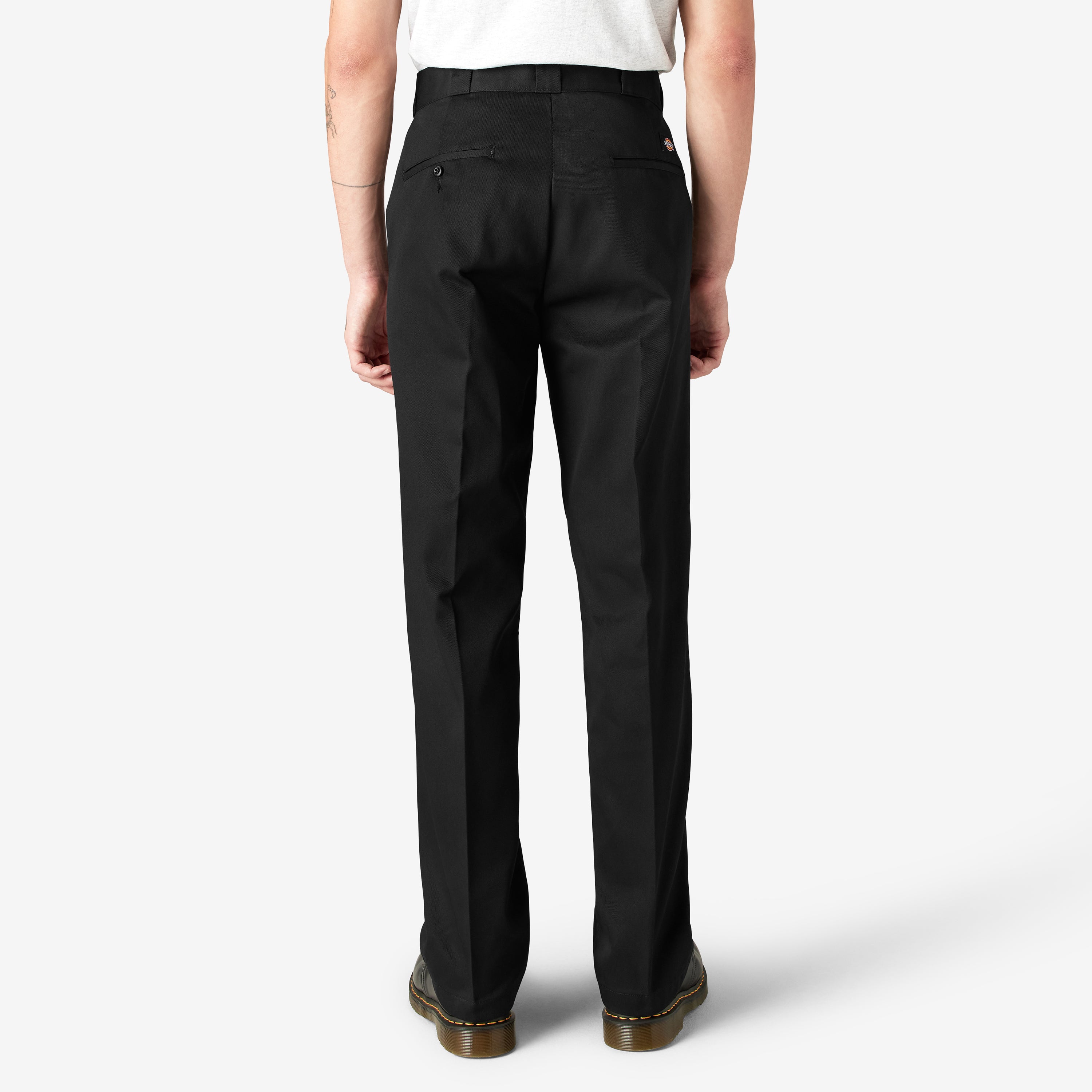
Dickies
The iconic wrinkle-resistant poly-cotton work pant with reinforced seams, welt pockets and a high-rise original fit.
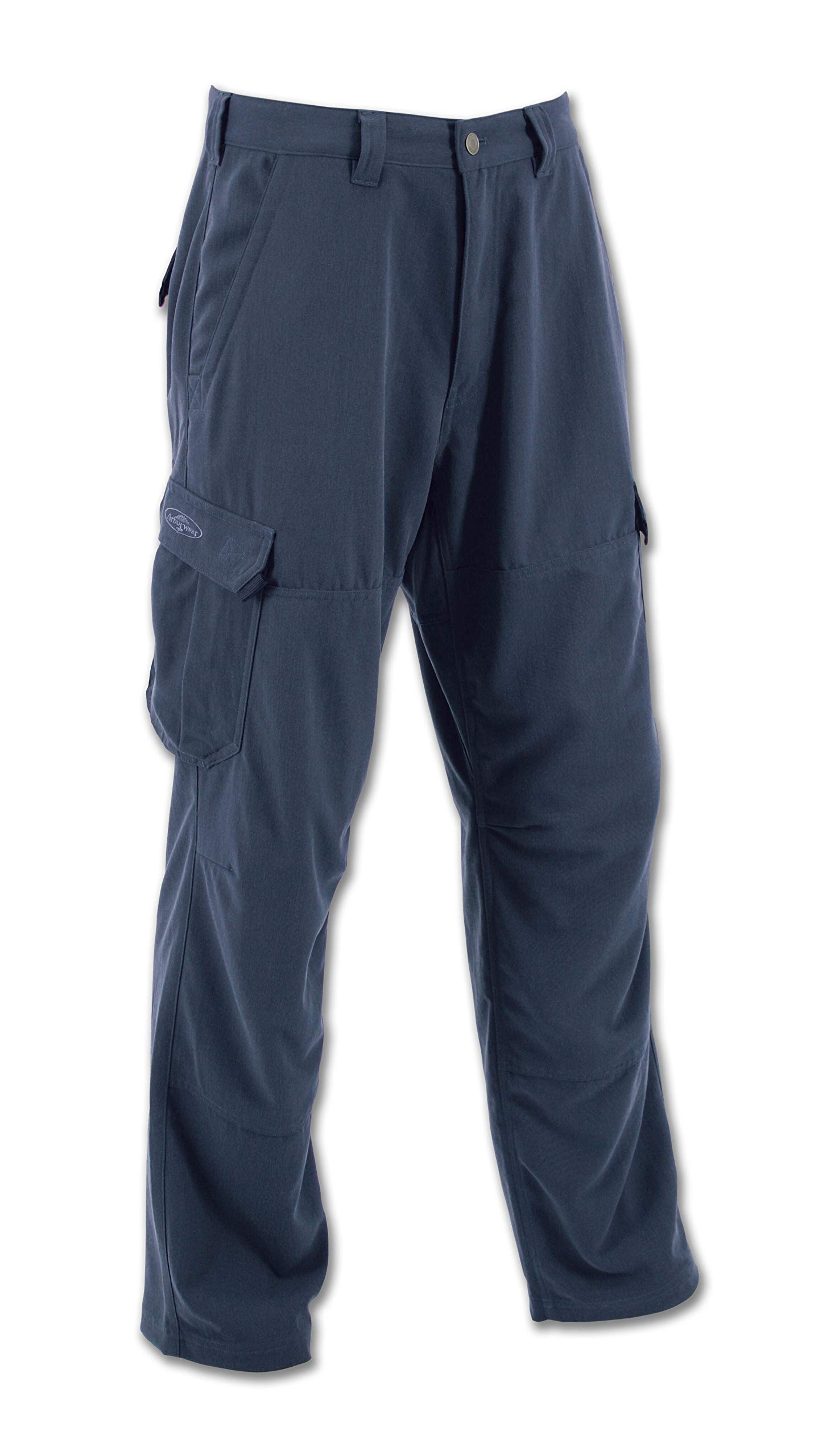
Arborwear
Discontinued 8 oz nylon tree-work pants with articulated double knees, rugged gusset, UPF 50+ and liquid-repellent finish.
Shop by brand
Buying guide
Start with the specific exposure rather than a generic claim of toughness. For work footwear, identify impact, compression, sole-puncture, electrical, temperature, and workplace-rule requirements before comparing comfort features. OSHA requires protective footwear where listed foot hazards remain, while toe materials involve tradeoffs in weight and temperature conduction. Confirm the required standard and employer policy for the job instead of assuming every safety toe is interchangeable.
Try boots and clothing with the socks, base layers, tools, and movement used in practice. Check heel hold, toe clearance, flex points, cuff and harness interference, kneeling, climbing, and reach; a protective item that causes fatigue or restricts movement is a poor long-term match. Red Wing notes that steel and composite toes differ in weight and thermal behavior, so treat material choice as part of the full fit-and-use decision, not as a stand-alone durability ranking.
Inspect the components most likely to wear: outsoles, welt or bond lines, leather at flex zones, laces, hooks, zippers, cuffs, pocket corners, and seam tape. Ask which parts can be replaced and whether the exact model is eligible for repair before purchase. Danner states that not all of its boots are recraftable, while eligible services may replace outsoles, recondition leather, and restore fit and structure. That distinction is more useful than treating a broad “repairable” claim as universal.
A shell that stops beading is not automatically worn out. Follow the garment label first, clean it, dry it as directed, and test again before adding treatment. GORE-TEX advises washing and drying outerwear, then reactivating or reapplying durable water repellent when water no longer beads; it also lists exceptions for garments with persistent-beading surfaces. Persistent leakage, peeling seam tape, damaged fabric, or failed closures calls for repair assessment rather than repeated coating.
Check the maker’s cleaning, drying, conditioning, and repair instructions for the exact material and construction. Keep dirt out of closures and flex areas, address small damage early, and avoid assuming one treatment suits leather, coated fabric, membranes, and insulation alike. Manufacturer programs show why this matters: Danner ties repair eligibility to model and welt condition, while GORE-TEX specifies wash, heat, and water-repellent steps plus product-specific exceptions. Save receipts and care records for warranty review.
FAQ
Start with the actual exposure rather than a general outdoor or workwear label. For a jobsite, identify impact, compression, puncture, electrical, weather, visibility, heat, and mobility requirements with the employer’s hazard assessment. OSHA requires protective footwear where falling or rolling objects, sole punctures, or residual electrical hazards can injure feet, and it identifies recognized performance standards. A casual hiking boot is not a substitute for footwear certified for the required workplace hazard.
Treat the printed size as a starting point, because lasts, toe-box shapes, socks, and foot volume vary. Reject pressure at the toes or forefoot and do not assume painful tightness will become safe with use. The American Academy of Orthopaedic Surgeons identifies poorly fitting footwear, particularly a narrow pointed toe box that forces toes into an unnatural position, as a contributor to bunions. Try the boots with the socks and any footbed you will actually use, then walk on an incline if the seller permits it.
Plan for the climate, exposure time, exertion, and opportunities to dry clothing. A modular system lets you remove insulation while moving and add protection when wind, rain, or cold increases. For Alaska backcountry travel, the National Park Service recommends rain jacket and pants, warm quick-drying clothing, and wool or synthetic socks, while warning against cotton for that setting. That guidance is context-specific, but it illustrates why the use case matters more than one universal fabric or insulation choice.
Not necessarily. Loss of surface beading can indicate that the durable water-repellent finish needs care, rather than proving that the underlying waterproof construction has failed. GORE-TEX directs owners to follow the garment maker’s label, wash with a small amount of liquid detergent, and reactivate or reapply DWR when water no longer beads; its instructions also include product-specific exceptions. Diagnose contamination and finish wear before replacing a shell, and follow the exact maker instructions for its fabric.
Look for a named test, rating, hazard, and test condition instead of relying on tread appearance or the phrase slip resistant. OSHA ties occupational protective footwear to recognized performance standards for specified hazards. In a NIOSH study involving food-service workers on wet or greasy floors, a program providing rated slip-resistant shoes was associated with a 67% reduction in slip-injury claims. That result supports hazard-specific selection, but it should not be generalized to every surface, contaminant, or outdoor terrain.
Read the permanent care label and the material maker’s instructions before purchase, especially if the garment uses a membrane, coating, insulation, or bonded seams. The FTC Care Labeling Rule requires covered clothing manufacturers and importers to provide regular-care instructions or warnings and to have a reasonable basis for them; shoes, gloves, and hats are exempt from that rule. If the required cleaning, drying, or reproofing process is impractical for you, ownership may be difficult even when the garment performs well when new.
Confirm repair options before purchase rather than assuming every construction can be serviced. For boots, ask whether the outsole attachment permits resoling and whether the maker or a cobbler accepts that exact model; Thorogood notes that repairability depends on construction and damage, and flags worn tread, reduced traction, and separating welts as service indicators. For waterproof garments, check for maker-backed or authorized repair routes, since an appropriate permanent repair can protect function and extend useful life.
Honoring the visionaries whose work paved the way for the products we rely on today.
Founded L.L.Bean in 1912 around the Maine Hunting Shoe, a waterproof boot combining leather uppers with rubber bottoms for hunters; after defects affected the initial production, he honored refunds, corrected the design, and continued the product.
In 1937 he designed the Carrarmato sole after a career in mountaineering; Vibram's account places the sole at the center of its mountaineering-footwear history and says it has accompanied climbers and explorers across snow, ice, and rocky terrain for more than eighty years.
Developed expanded PTFE in 1969, leading to the ePTFE laminate trademarked as GORE-TEX; the material became widely used in outdoor clothing and sport footwear as a waterproof, breathable membrane.
Invented hook-and-loop fastening after observing burdock seeds catching on clothing and dog fur during a 1941 walk; he patented the system in 1955 and brought nylon and polyester versions to commercial use in the late 1950s, influencing fastening in clothing and gear.
Research last refreshed
SL Hemler, EM Pliner, MS Redfern, JM Haight, and KE Beschorner · 2021
This longitudinal workplace study measured outsole traction, friction, and fluid-force changes as shoes accumulated months, distance, and wear. It directly informs boots and work footwear by linking observable tread wear to declining slip resistance and replacement decisions.
Farzaneh Haghighat, Mohammadreza Rezaie, and Mahdi Majlesi · 2024
This gait study compared 20 men walking in boots versus casual shoes and found altered hip, knee, ankle, and subtalar kinetics, consistent with ankle restriction and changed lower-limb loading. It directly informs boot fit, stability, and design for hiking and occupational use.
Leslie Decker, Jeremy J Houser, John M Noble, Gregory M Karst, and Nicholas Stergiou · 2009
This controlled walking study varied shoe traction and obstacle height, finding that lower traction and higher obstacles shifted lower-limb coordination toward less stable behavior. It directly addresses outsole grip and slip/trip risk relevant to outdoor boots and work footwear.