7.5/10
Premium25 yr life
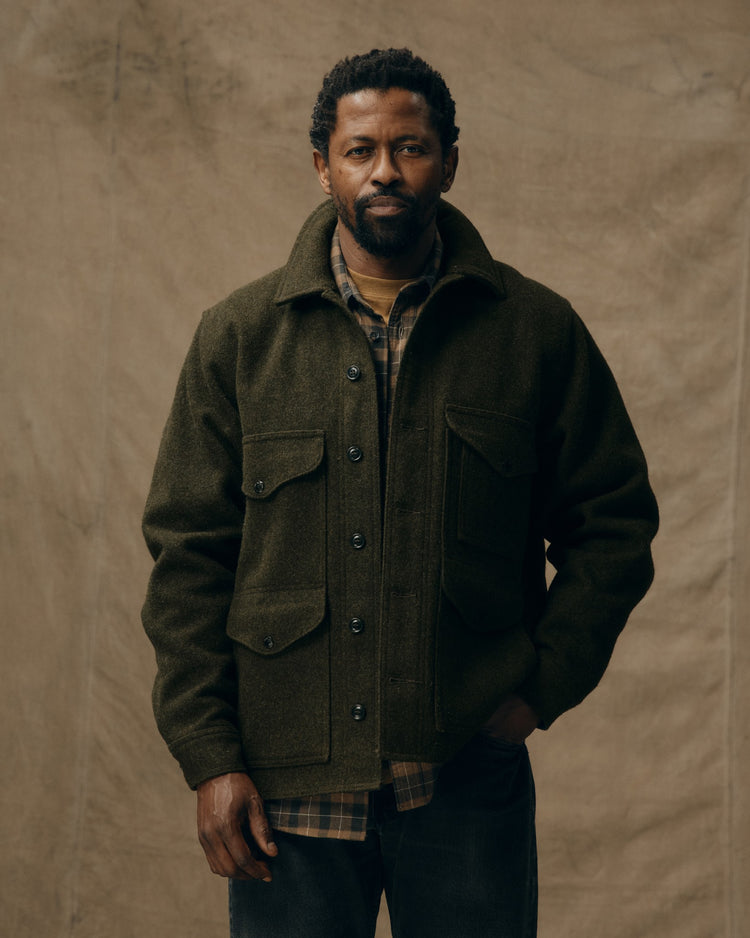
Mackinaw Wool Cruiser Jacket
Filson
The USA-sewn century-old Cruiser in dense 24 oz virgin Mackinaw wool with cargo, hand and full-width rear pockets.
- Repair
- 6.5/10
- TCO
- 7.6/10
$495.00
Durable buying guide
Match fabric, mobility, weather protection, and pockets to the work. Check the areas that receive repeated abrasion, whether common damage can be patched or stitched, and whether care requirements are practical.
Limits: Protective clothing may have inspection or retirement requirements. Ordinary workwear durability claims should not be treated as safety certification.
1 products
Superior features, extended warranties, and high-end materials for enhanced performance.
Filson
The USA-sewn century-old Cruiser in dense 24 oz virgin Mackinaw wool with cargo, hand and full-width rear pockets.
4 products
A balanced blend of performance, quality, and price for the discerning user.
Patagonia
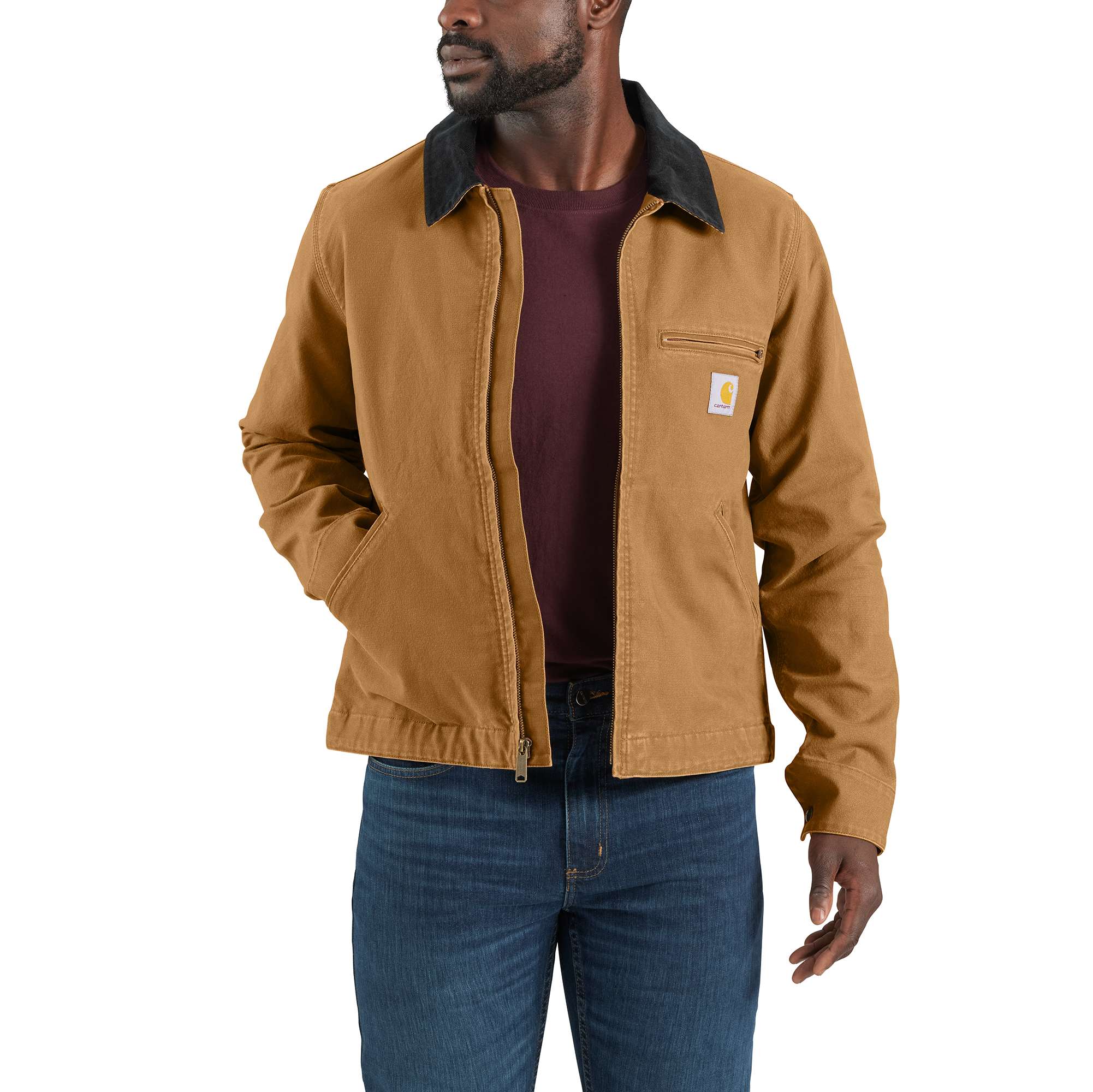
An unlined 12.9 oz hemp-blend canvas chore coat with bi-swing back, glove-friendly shank buttons and six pockets.
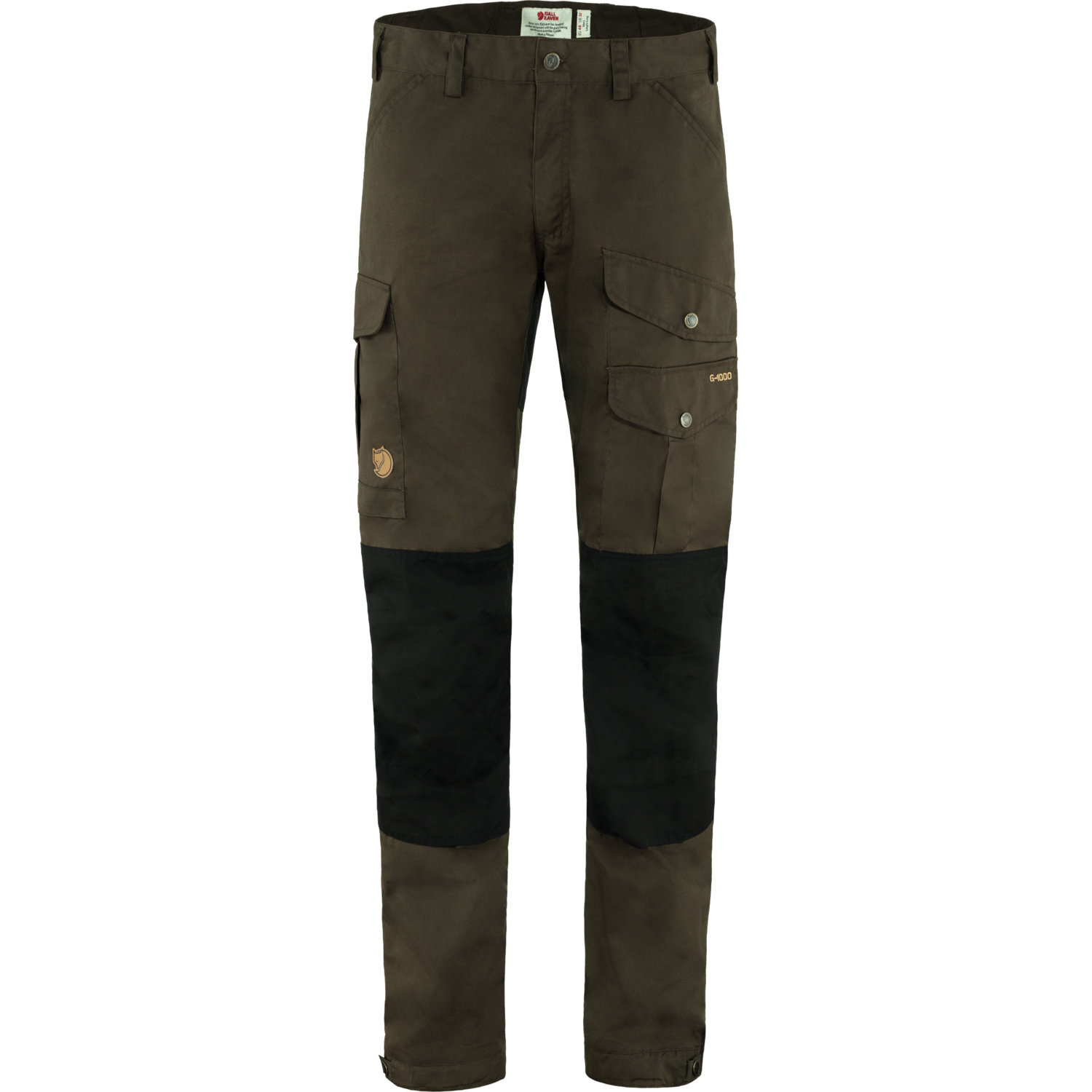
Fjällräven
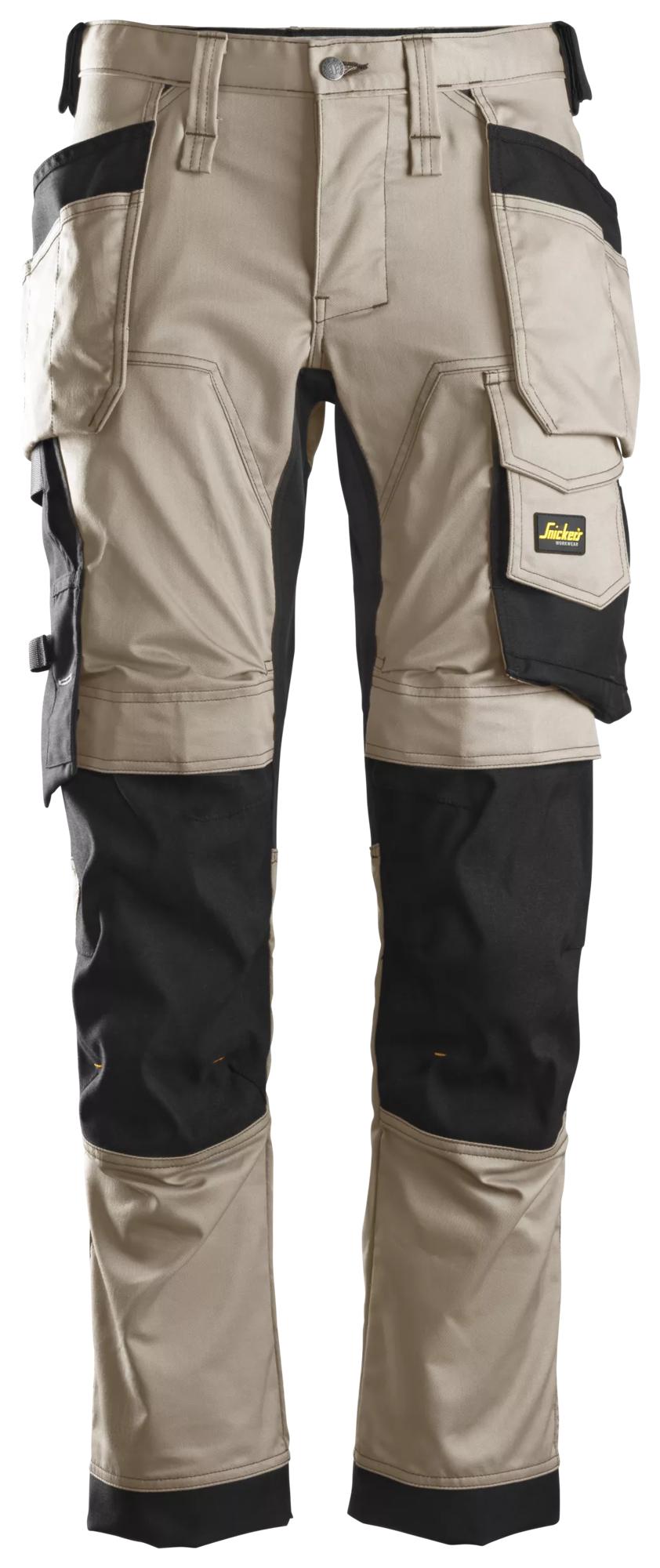
Hardwearing G-1000 trekking trousers with doubled seat/knees, pad openings, six pockets and repairable boot hooks.
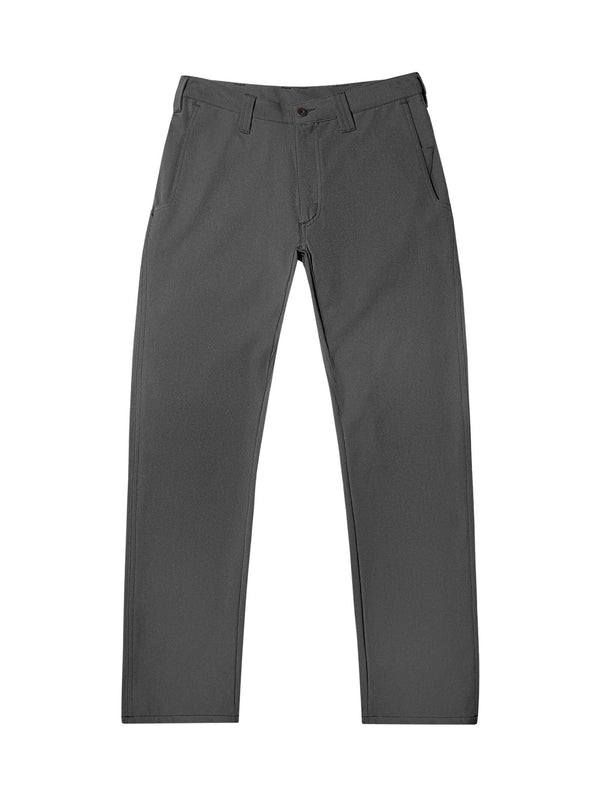
1620 Workwear
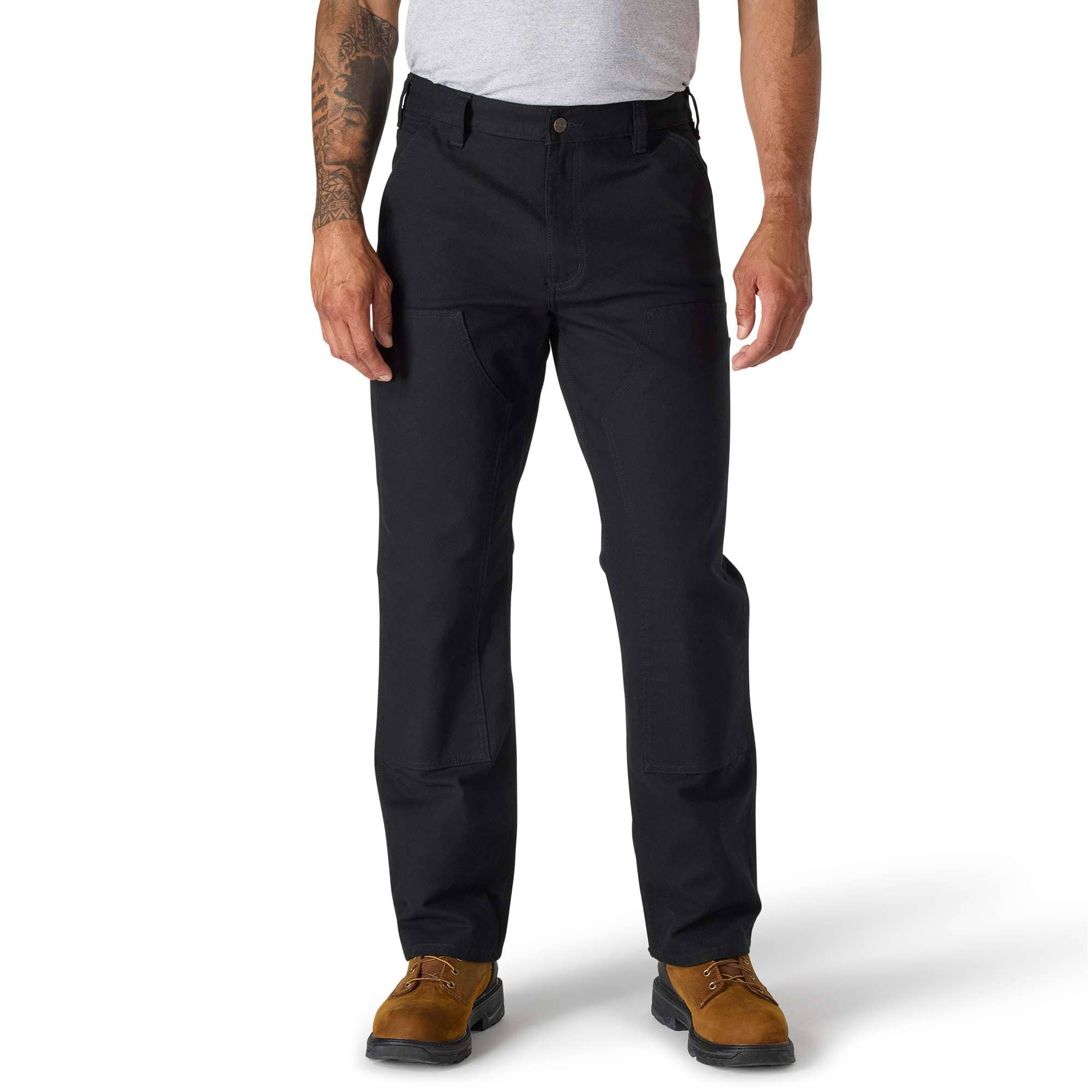
USA-made 7.5 oz Durastretch nylon work pants with four-way stretch, fast drying, gusseted crotch and lifetime defect warranty.
7 products
Budget-conscious selections offering the best value and reliability for essential needs.
Duluth Trading Co.
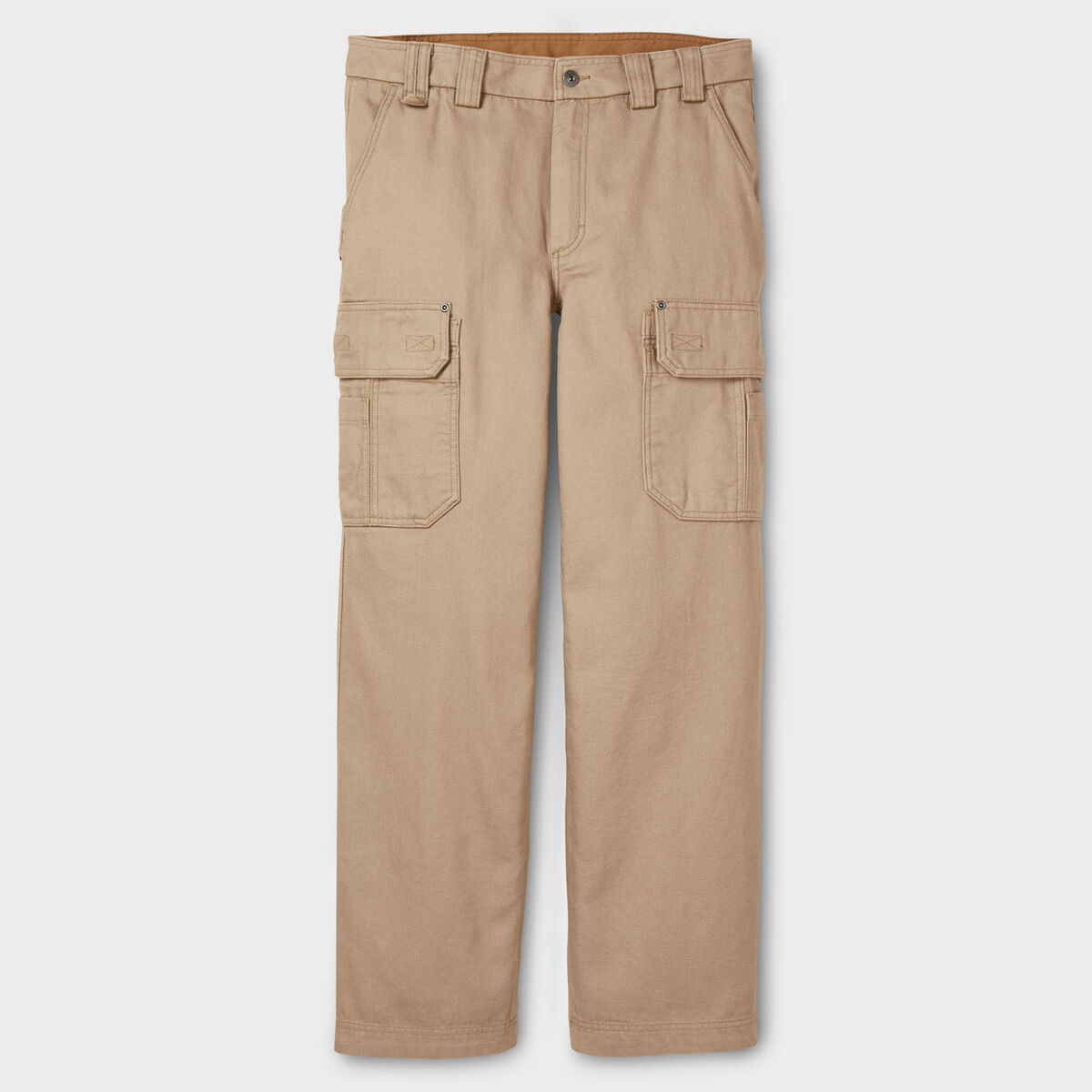
Original 11.5 oz cotton Fire Hose cargo pants with gusseted crotch, triple-stitched seams and tuckable pocket flaps.

Helly Hansen Workwear
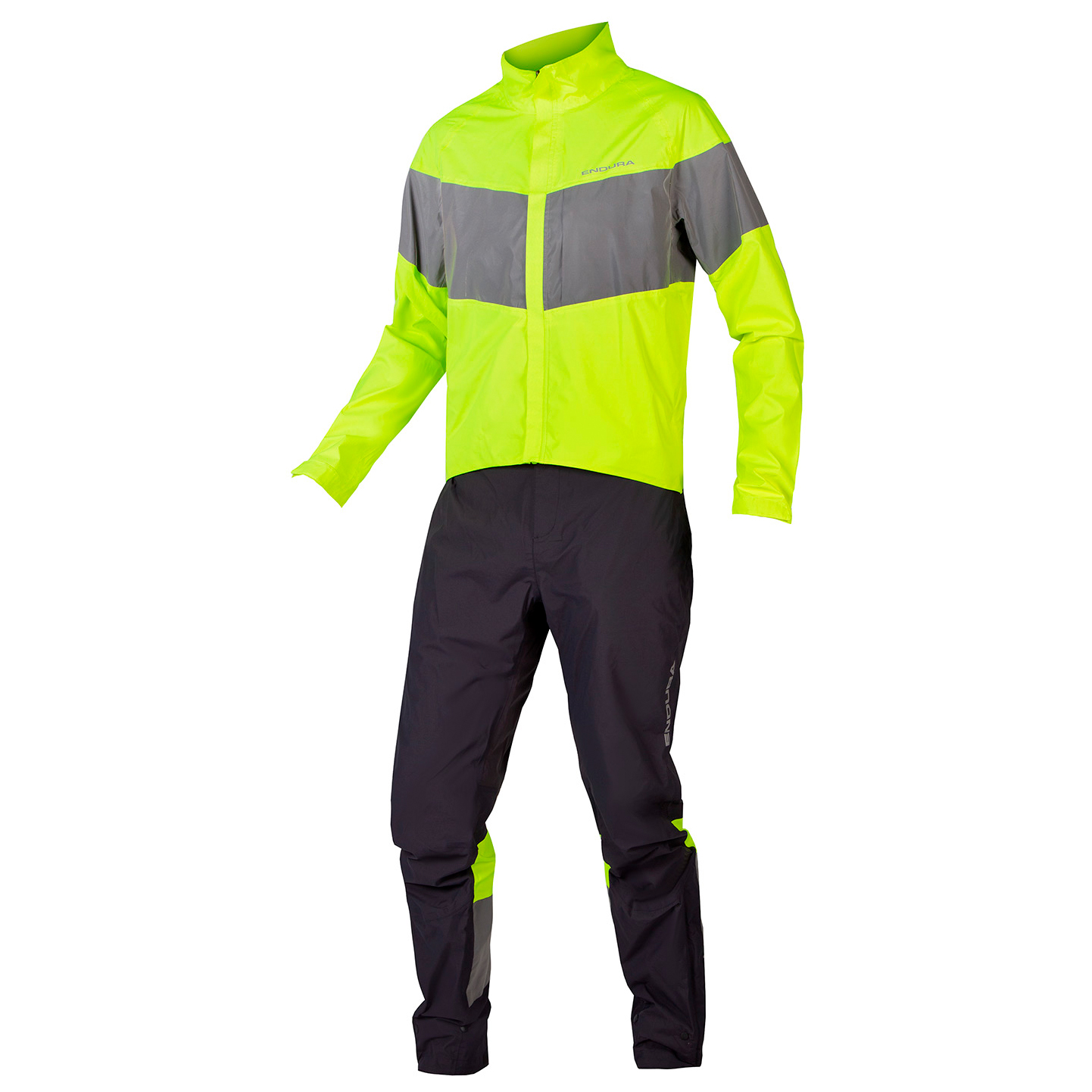
An EN 343-certified work rain shell with 152 g/m² polyester, detachable hood, seam-free shoulders and YKK/AMANN components.

Berne
A value washed-cotton-duck chore coat with quilted lining, triple-needle seams and multiple work pockets.
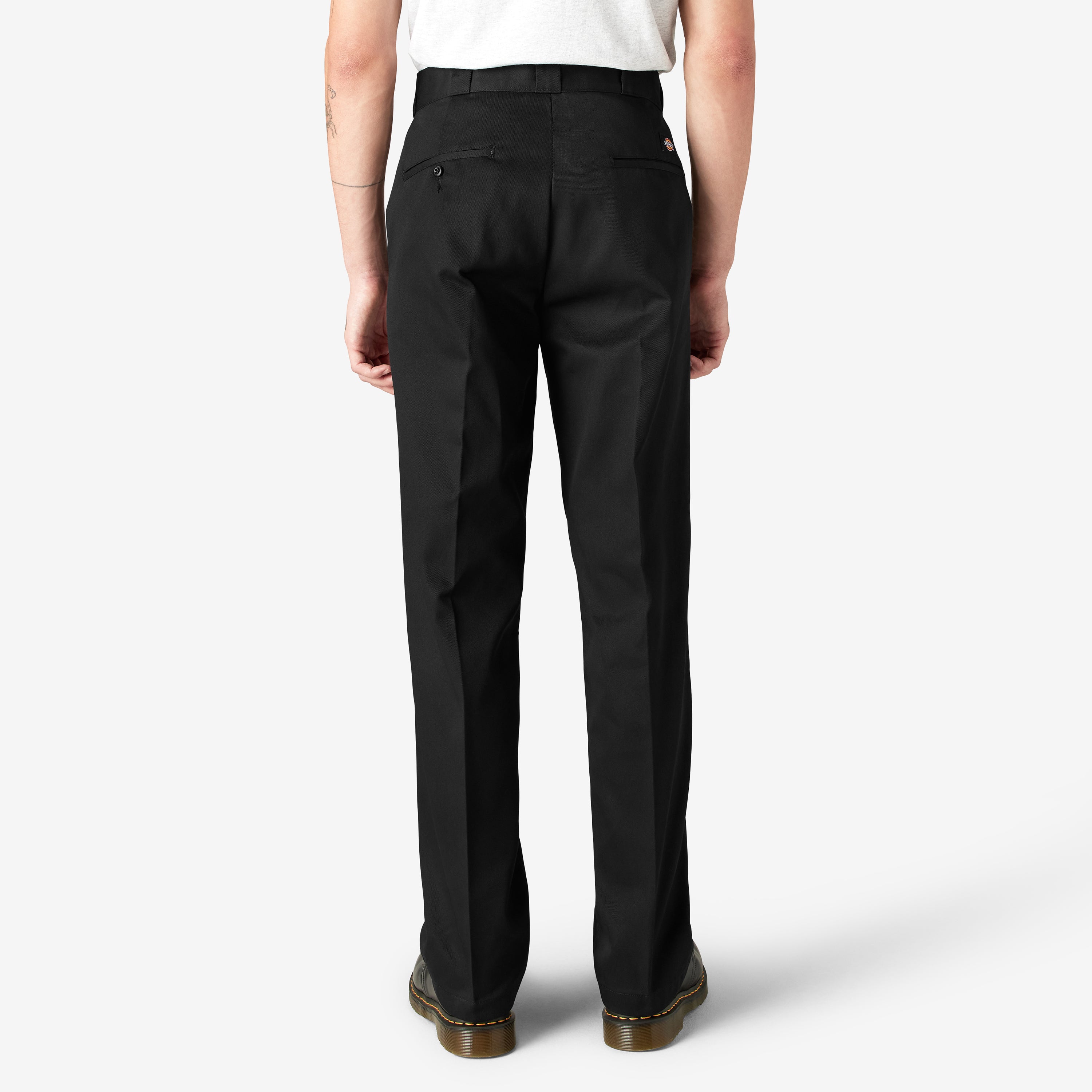
Dickies
The iconic wrinkle-resistant poly-cotton work pant with reinforced seams, welt pockets and a high-rise original fit.
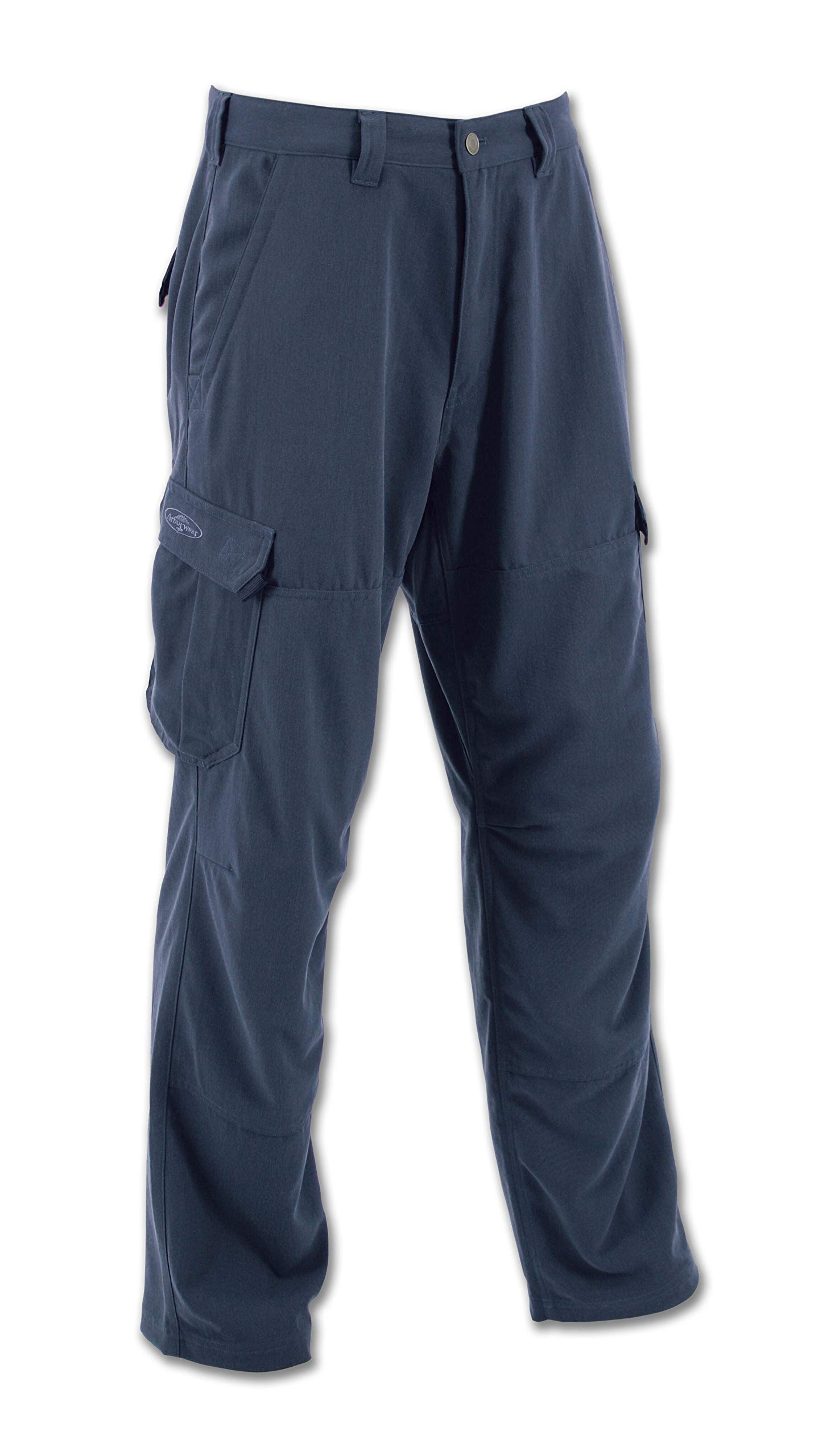
Arborwear
Discontinued 8 oz nylon tree-work pants with articulated double knees, rugged gusset, UPF 50+ and liquid-repellent finish.
Shop by brand
Buying guide
Begin with the worksite assessment, not a generic claim that a garment is “tough.” Identify abrasion, weather, sparks, heat, chemicals, visibility requirements, and any PPE worn over or under the clothing. OSHA’s PPE guidance emphasizes hazard assessment, correct adjustment, inspection, limitations, care, and storage. Ordinary workwear should never be treated as flame-, arc-, chemical-, or cut-protective unless the exact garment carries the required rating for the job.
Try pants and outerwear with the belt, base layers, harness, knee pads, gloves, and tools you actually use. Squat, kneel, climb, reach overhead, and sit; check that cuffs stay controlled and loaded pockets do not bind or pull seams. More room is not always safer: OSHA warns that loose clothing can be caught in rotating machinery. Favor a secure fit that preserves movement, and keep dangling drawcords, oversized cuffs, and excess fabric away from entanglement hazards.
Inspect the crotch, knees, seat, cuffs, pocket corners, belt loops, zipper ends, and snap or button attachments. Look for even stitching, bar tacks or other reinforcement where loads concentrate, and enough mobility that the fabric is not continually tensioned. Ask brands for test details rather than accepting an unexplained durability number: ISO 12947-2 covers Martindale abrasion testing for fabrics and explicitly excludes coated fabrics, so method, material, endpoint, and conditioning must match the garment being compared.
Treat every pocket and closure as a potential wear item. Heavy tools need pockets supported by the garment’s structure; otherwise corners and attachment seams can become early failure points. Prefer replaceable buttons or snaps, accessible zipper installations, patch-friendly panels, and hems that a repair shop can reach. Before buying, check whether the maker offers repair, replacement, or credit options and whether common care instructions are practical for your household; those services can matter more than decorative feature count.
Read the sewn-in label because care varies by fabric and protective treatment. Remove grit and contamination promptly, close fasteners before washing, dry fully, and repair small holes or opening seams before they spread. Do not generalize ordinary canvas care to rated clothing: Carhartt’s published instructions differ among canvas, duck, lined garments, and flame-resistant pieces, and its FR guidance excludes bleach, softeners, and starch to maintain thermal protection. Retain the manufacturer’s instructions for any protective garment.
FAQ
Check fit while squatting, kneeling, reaching, climbing, and wearing the belt, base layers, gloves, and footwear used on the job. Clothing should allow those motions without tight pressure points, while cuffs, hems, and loose panels should stay clear of moving equipment. OSHA requires properly fitting PPE and separately warns that loose clothing can be caught in machinery.
Load the garment with the tools you actually carry, then check whether pocket corners pull, belt loops distort, knee panels bind, or hardware creates pressure while kneeling. Keep hanging loops and loose pocket contents away from machinery. Prefer layouts that spread tool weight and let small failures be repaired; Carhartt’s repair program covers some zippers, closures, cuffs, straps, and small patches but excludes back-pocket blowouts.
Not automatically. Start with the employer’s hazard assessment and select garments carrying the rating required for the actual exposure. A durable canvas jacket is not thereby arc-rated, flame-resistant, chemical-resistant, or high-visibility PPE. OSHA notes that even an arc-rated outer layer can be undermined by meltable undergarments or by wearing the clothing incorrectly.
Visibility needs depend on the work setting rather than garment color alone. OSHA states that employees exposed to public vehicular traffic in covered excavation work must receive and wear reflectorized or high-visibility garments, and its road-work interpretation discusses protection for workers near traffic. Confirm the applicable employer, project, and jurisdictional requirements before relying on a vest, jacket, or trouser panel.
Treat clothing as part of the total heat load. NIOSH notes that semipermeable or impermeable PPE can trap heat and increase heat-stress risk, especially during high-energy work. Select only as much coverage and weather protection as the hazard requires, and pair the garment choice with the worksite’s acclimatization, hydration, monitoring, rest, and cooling practices rather than expecting fabric alone to manage heat.
Read the permanent care label before purchase and decide whether its washing, drying, or dry-cleaning method fits your routine. The FTC requires supported care instructions and warnings intended to prevent substantial harm when followed. Also check the maker’s current repair scope: replaceable zippers, buttons, snaps, cuffs, and patchable fabric can extend use, but exclusions, alteration rules, charges, and geographic limits may apply.
Honoring the visionaries whose work paved the way for the products we rely on today.
In 1873, Levi Strauss & Co. and Jacob Davis received a U.S. patent for fastening pocket openings with metal rivets. Their reinforced work pants established a durable construction pattern that became the basis of blue jeans and influenced later utility trousers.
In 1889, Hamilton Carhartt founded his namesake company and, after speaking with railroad workers, designed bib overalls around their needs. The company archive dates its Chore Coat to 1917, linking practical workwear construction to a long-running garment pattern.
Clinton C. Filson founded his company in Seattle in 1897 to outfit Klondike prospectors for cold, wet conditions. The Filson Cruiser was patented in 1914 for timber cruisers, with warmth, weather protection, and pockets for tools and maps; the current Mackinaw Wool Cruiser remains close to that design.
Dickies began as a small Texas company making bib overalls in 1922. Its documented expansion from overalls to work pants, shirts, jeans, outerwear, and uniforms illustrates how one workwear maker developed a broad clothing system for varied work settings.
Research last refreshed
W. S. Lewis · 1917
This National Bureau of Standards paper compares commonly used machine stitches and seams, providing early empirical context for evaluating garment joints rather than fabric alone. For workwear, it supports close attention to seam construction in areas stressed by movement, kneeling, and loaded pockets.
Regina Stoll · 1949
Stoll describes a controlled instrument for measuring flat, edge, and flex abrasion and reports that its wear patterns resemble those from actual use. The work is relevant to pants and jackets because cuffs, knees, elbows, and broad panels experience different abrasion modes that one test may not represent equally.
Stanley Backer and Seaman J. Tanenhaus · 1951
This study links textile structure to abrasion resistance and argues that durability can change through fabric geometry without changing the fiber. It highlights contact area, fabric compliance, and yarn mobility, offering a useful basis for judging workwear weave and construction instead of treating fiber name or fabric weight as sufficient.
W. A. Bloor and A. Dinsdale · 1962
Factory investigations found that cotton overalls could contribute dust near pottery workers' breathing zones. After material and garment-design trials, the authors reported reductions of up to 65% with specified Terylene clothing, illustrating that workwear material and design must be matched to the assessed occupational hazard.
Ralph F. Goldman · 1963
Goldman studied work capability in partially or fully vapor-impermeable protective ensembles under controlled climate conditions. The findings emphasize the thermal and physiological cost of barrier clothing, reinforcing that protective outerwear should be assessed for heat burden, work intensity, conditioning, and safe exposure time.