
8.1/10
Premium12 yr life
Iron Ranger 8111 Amber Harness
Red Wing
A USA-made heritage boot with oil-tanned leather, cap toe, cork-and-leather footbed, steel shank and replaceable Vibram 430 sole.
- Repair
- 8.2/10
- TCO
- 7.8/10
$349.99
Durable buying guide
A long-term work boot needs to suit the job first. Compare the construction and outsole with the work environment, then check whether the model can be resoled, which parts wear first, and what maintenance the leather or upper requires.
Limits: A repairable boot can still be the wrong choice for a safety standard, climate, foot shape, or workplace policy. Scores on this page remain preliminary until the supporting model-specific evidence is published.
4 products
Superior features, extended warranties, and high-end materials for enhanced performance.
Red Wing
A USA-made heritage boot with oil-tanned leather, cap toe, cork-and-leather footbed, steel shank and replaceable Vibram 430 sole.
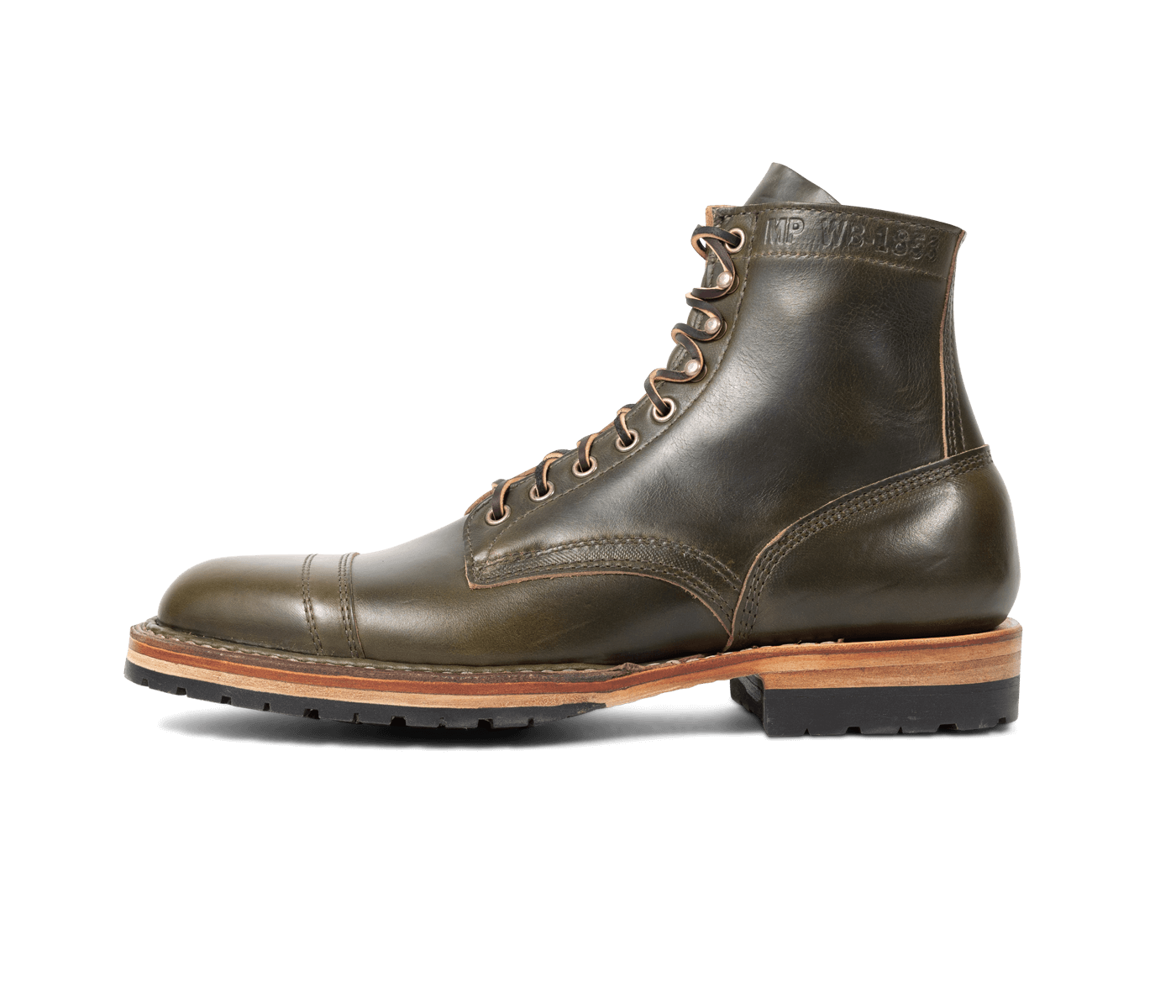
White's Boots
A Spokane-made cap-toe service boot with full-grain leather, stitchdown welt and rebuildable traditional bottom construction.
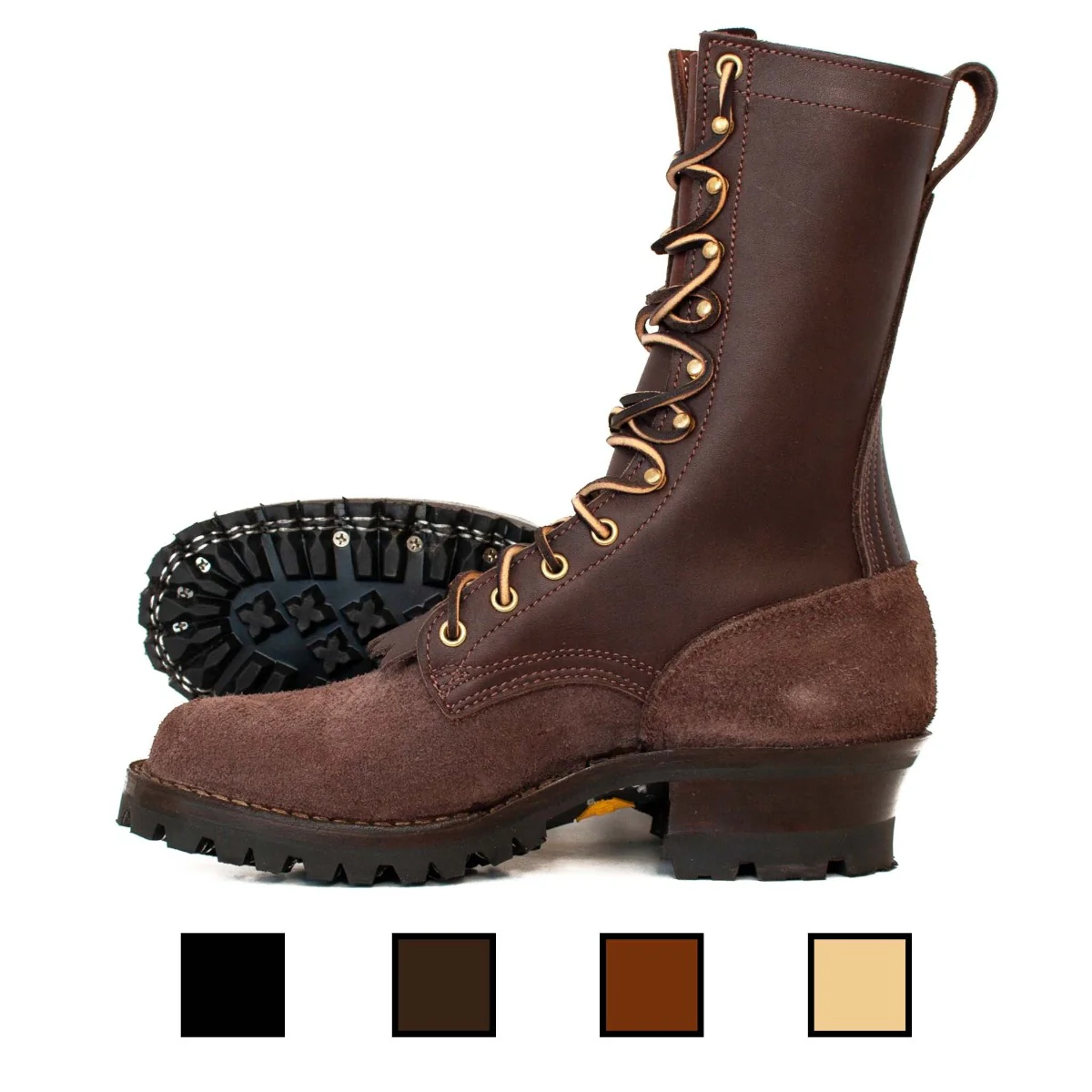
Nicks Boots
A 7.5–8 oz leather work boot with veg-tan insole, midsole and shank, high arch support, Vibram V100 and full rebuild capability.
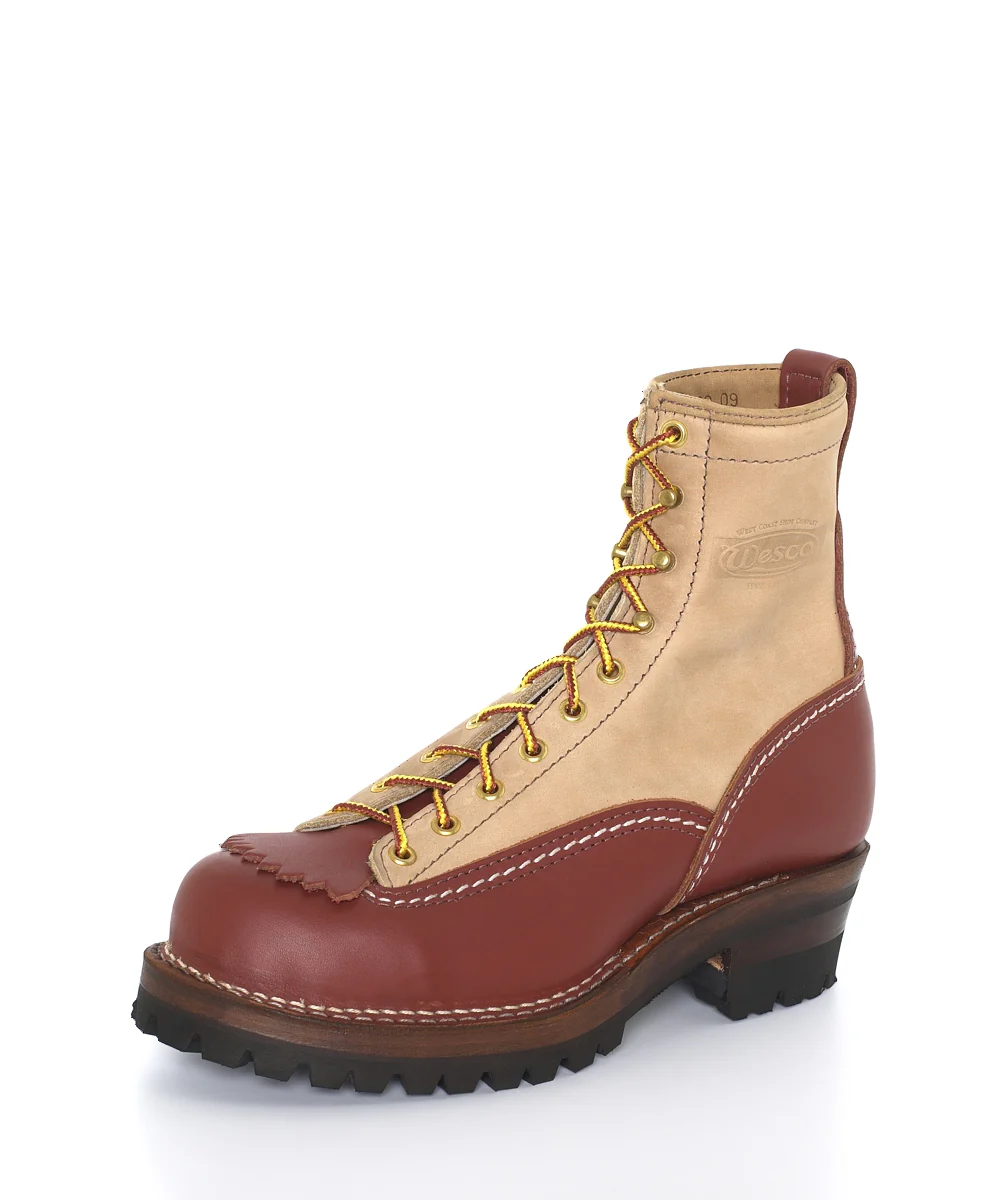
Wesco
A configurable Oregon-made work boot with heavy leather, stitchdown build and a published factory rebuild program.
8 products
A balanced blend of performance, quality, and price for the discerning user.
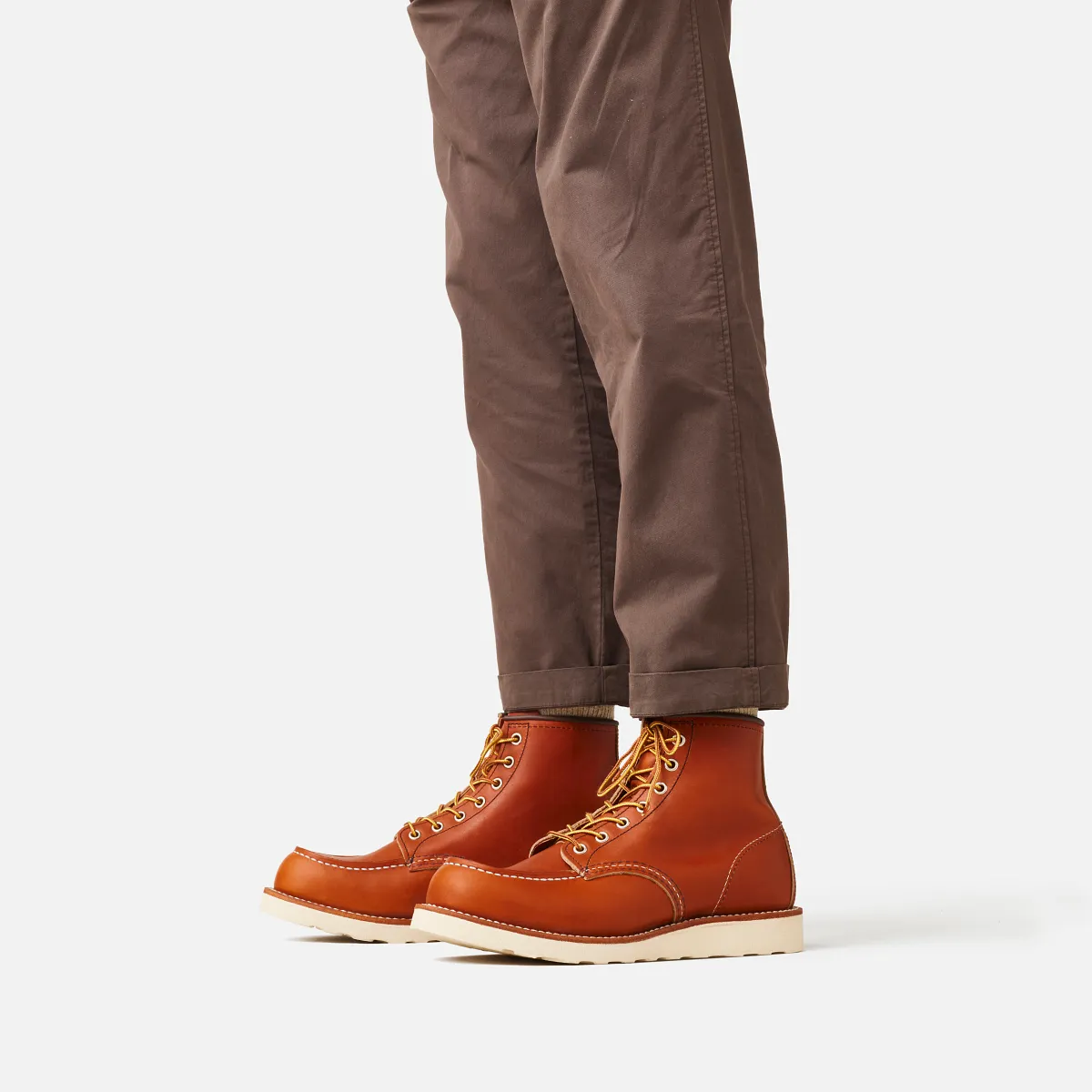
Red Wing
The USA-made 6-inch moc-toe icon with Oro Legacy leather, roomy No. 23 last, Traction Tred wedge and Goodyear welt.
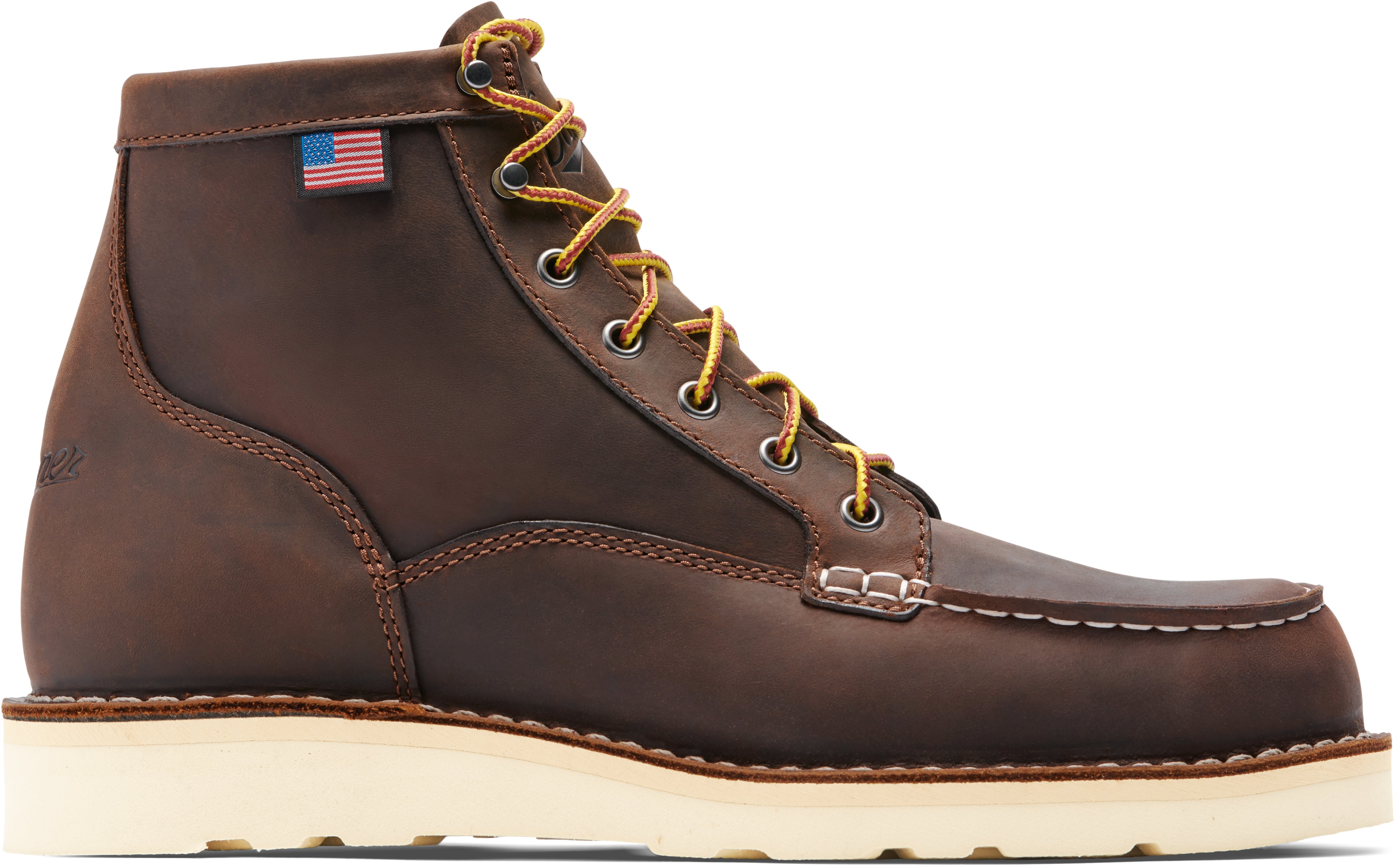
Danner
An unlined, recraftable stitchdown work boot with EH-certified plain toe, removable Ortholite and oil/slip-resistant Danner wedge.
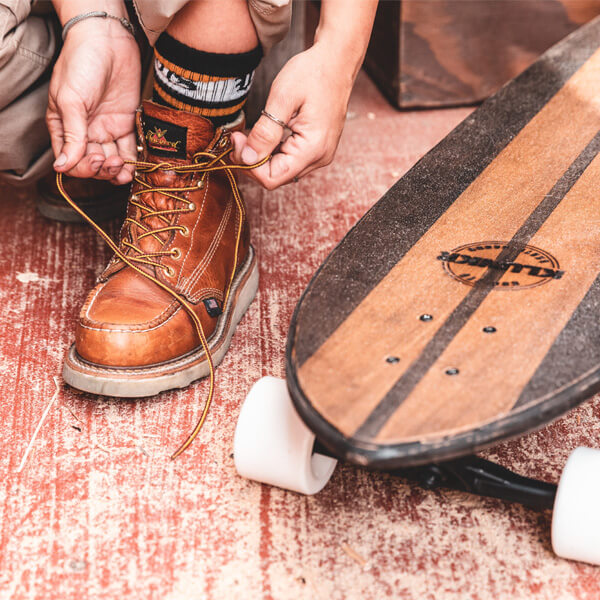
Thorogood
A USA-made unlined moc-toe work boot with full-grain leather, Goodyear storm welt, MAXWear wedge and ASTM electrical-hazard protection.
Jim Green
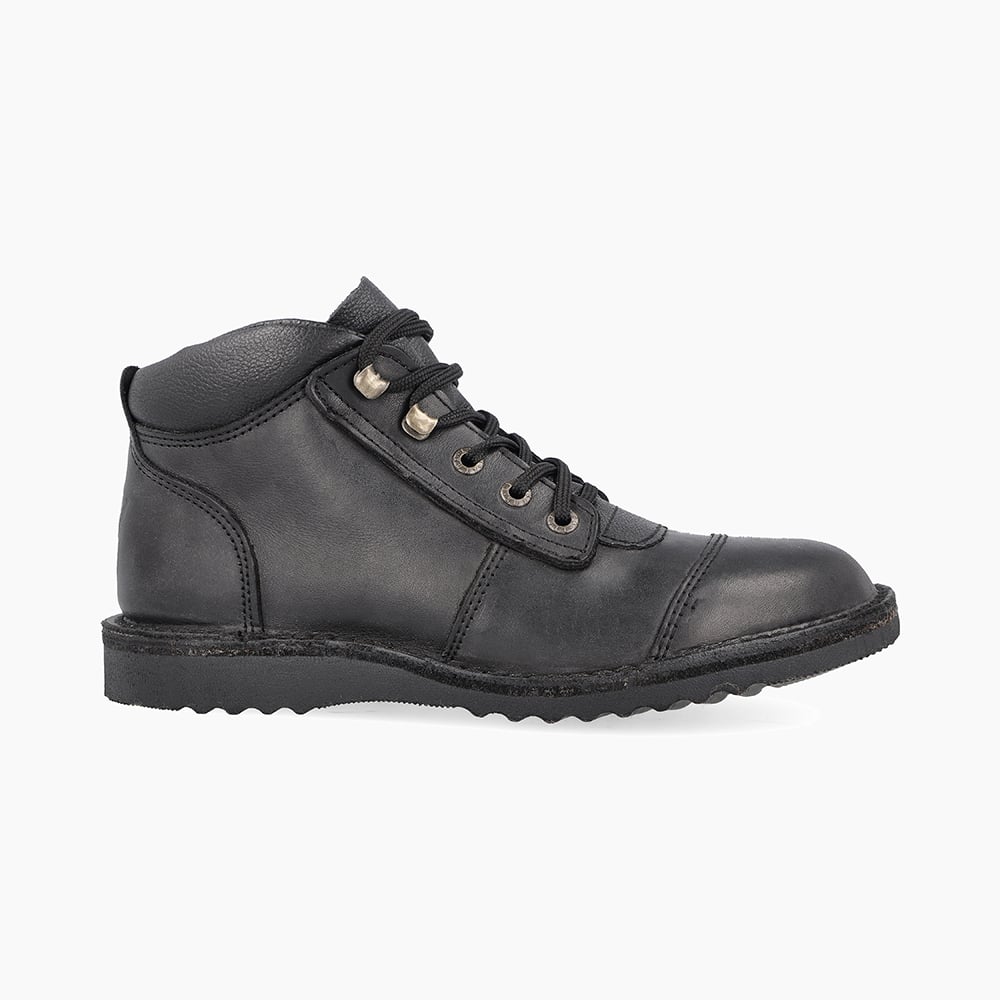
A South African wide-fit leather ranger boot with stitchdown construction, replaceable outsole and a conservation donation program.
Chippewa
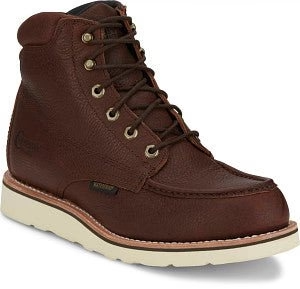
A waterproof six-inch moc-toe wedge boot with Dri-Lex, removable Ortholite, electrical-hazard rating and oil/slip-resistant sole.
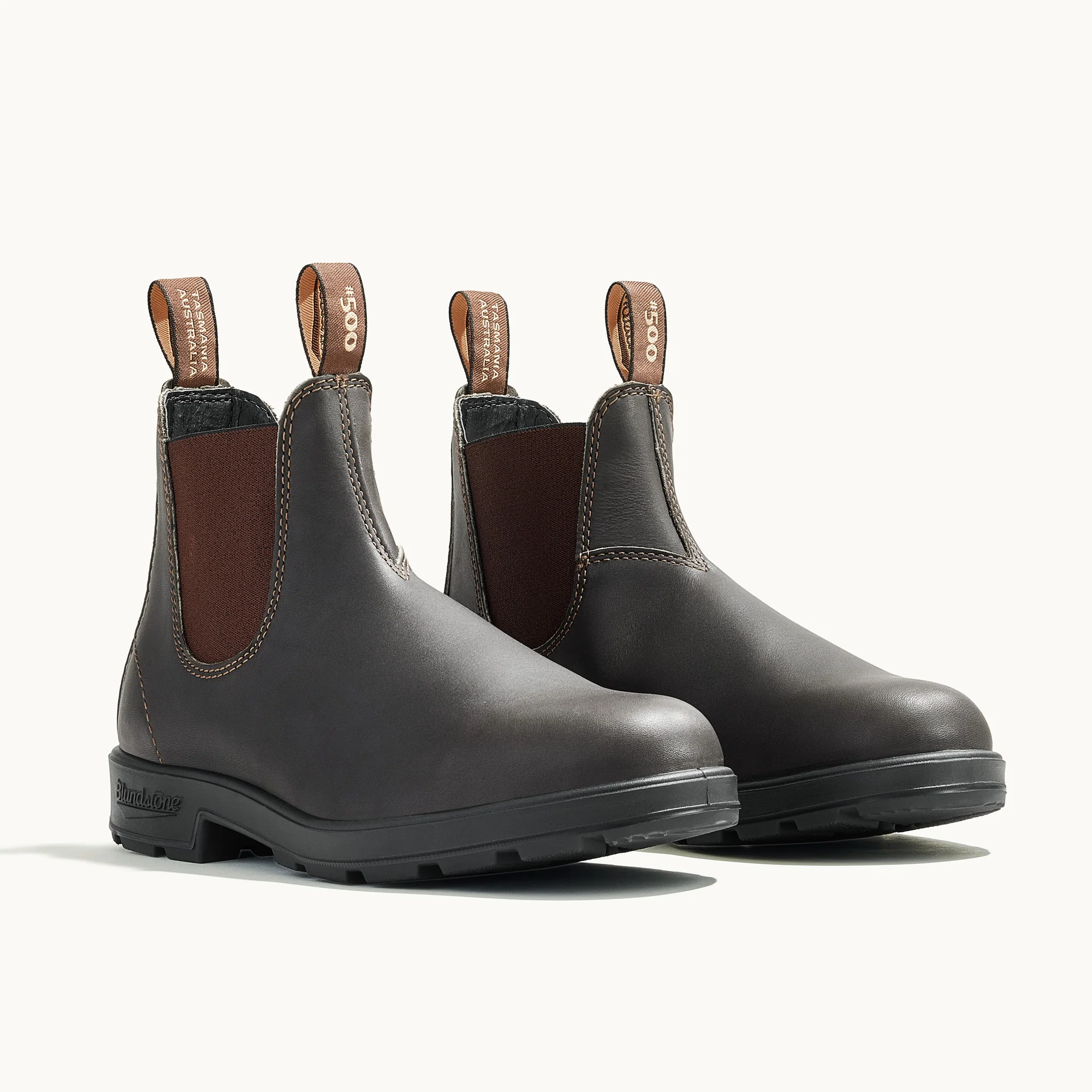
Blundstone
The unlined 2.5 mm leather Chelsea original with TPU outsole, removable footbed and XRD heel cushioning.
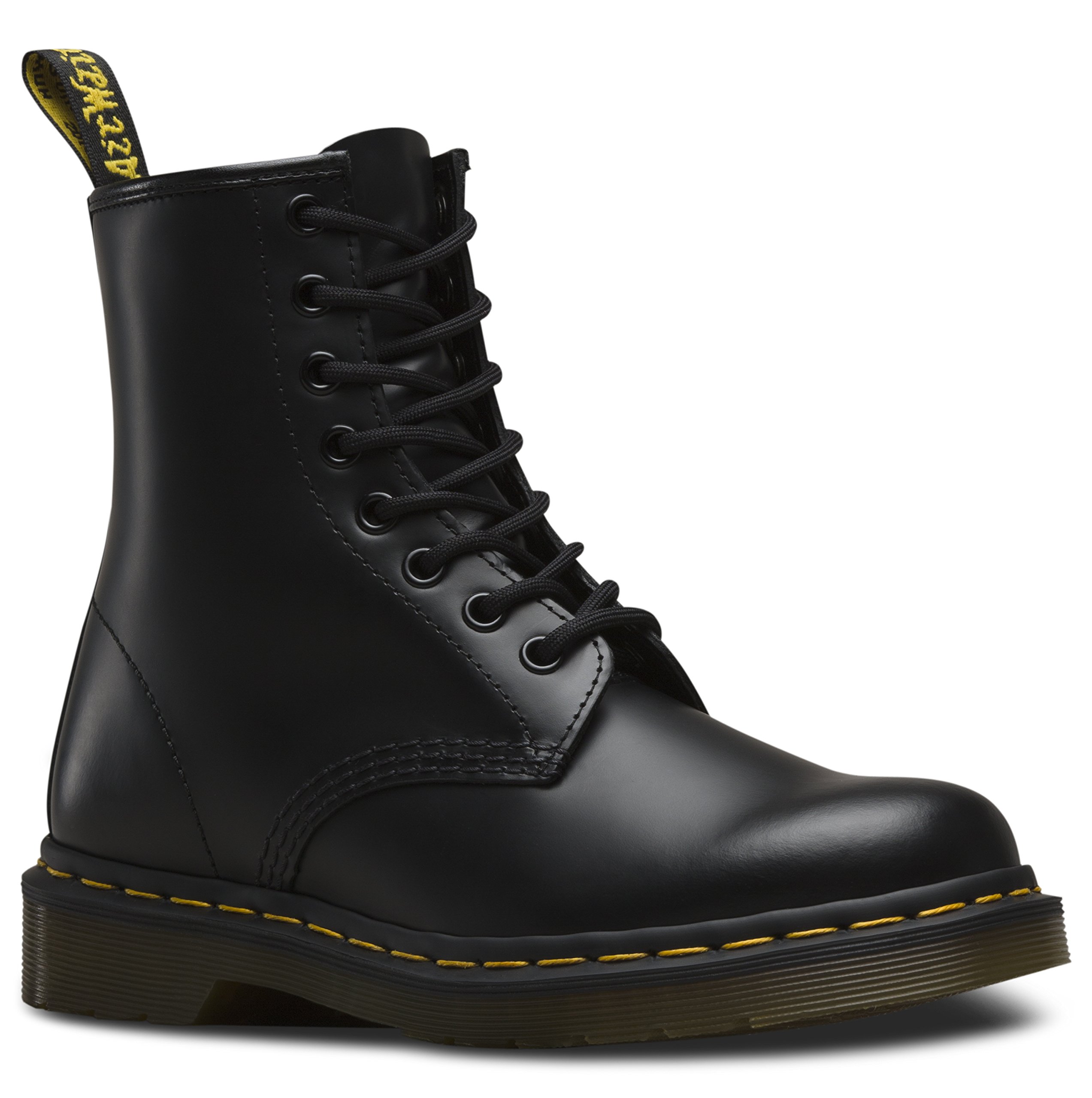
Dr. Martens
The original eight-eye Smooth leather boot with heat-sealed welt, rounded toe and air-cushioned PVC sole.
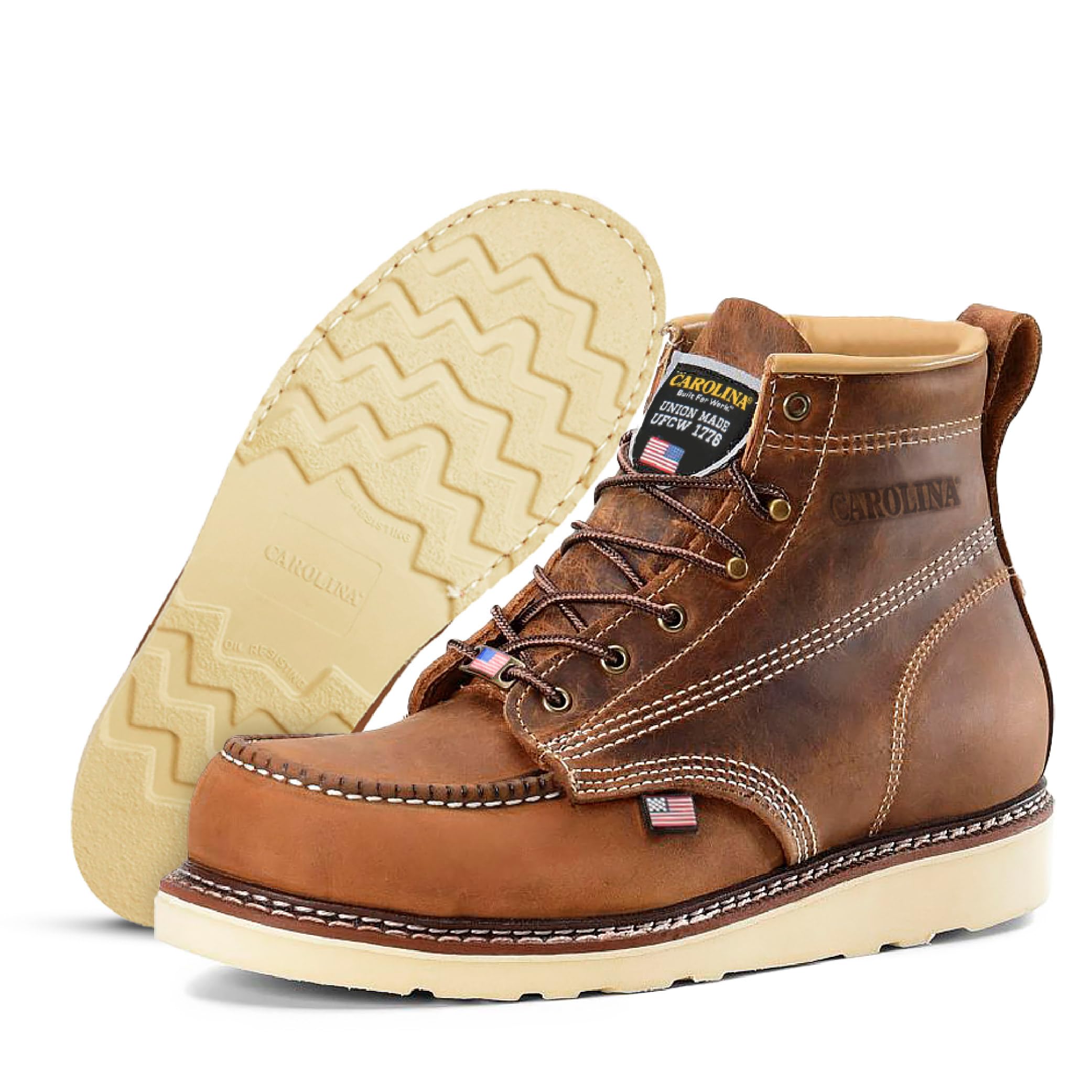
Carolina
A union-made Pennsylvania moc-toe boot with tobacco leather, Goodyear welt, removable Ortholite, EH rating and slip-resistant PU wedge.
Shop by brand
Buying guide
Begin with the employer’s hazard assessment, not toe material or appearance. OSHA requires protective footwear where falling or rolling objects, sole-piercing objects, or residual electrical hazards can injure workers. It also requires compliant footwear to meet one of the listed consensus standards, or to be demonstrated at least as effective. Check the boot’s permanent label and the employer’s exact requirement before buying; a safety toe alone does not establish protection for every hazard.
OSHA requires PPE to fit each affected employee properly. Measure both length and width, then try the exact boot with the socks and any insoles used at work. Red Wing’s fitting guidance also considers arch height and pressure points and notes that socks and insoles change fit. Walk and use normal work postures before committing: the heel should be controlled, the forefoot should not be pinched, and toes should have clearance from the protective cap without the foot sliding inside the boot.
Do not treat “slip resistant” as a universal result. NIOSH explains that rubber compounds and tread patterns can improve grip on wet or greasy floors, while some slip-resistant shoes perform better than others. In a randomized food-service study involving about 17,000 workers in 226 school districts, workers given highly rated shoes had a 67% reduction in slip-injury claims. That finding is specific to the studied setting, so choose an outsole rated for the floors and contaminants in your own workplace.
Durable-looking leather does not guarantee that a boot can be economically rebuilt. Check the sole attachment, available replacement components, and whether the manufacturer or a qualified repair partner accepts the exact model. Danner’s recrafting program, for example, describes replacing worn soles, refurbishing leather, and swapping components through certified partners. Treat repair support as model-specific, and never keep using repaired footwear unless its required protective function and labeling remain acceptable for the job.
Follow the maker’s care instructions for the boot’s actual materials. Danner’s full-grain leather guide calls for removing laces, brushing dirt from the exterior, welt, and lugs, avoiding saturation during cleaning, drying, and then conditioning dry leather. Care cannot restore failed protection: OSHA says defective or damaged PPE must not be used and calls for training on care, maintenance, useful life, and disposal. Inspect frequently for damage, lost tread, separation, failed hardware, and exposed protective parts, and retire the pair when safety cannot be restored.
FAQ
Begin with the employer’s workplace hazard assessment, not a preferred toe material or boot style. Match the footwear to identified risks such as falling or rolling objects, sole puncture, and residual electrical hazards, then confirm that the required protective standard and markings are present. OSHA also requires selected PPE to fit each affected worker properly.
ASTM F2413 is a performance specification for protective toe-cap footwear. Its scope includes toe impact and compression resistance, with optional protections covering hazards such as metatarsal impact, electrical shock, static dissipation, puncture, and chainsaw cutting. Do not assume every F2413 boot includes every optional protection; verify the marking against the job requirement.
No. Traction depends on the outsole, the floor, the contaminant, and wear, so a generic “slip-resistant” claim is not enough for every workplace. In a NIOSH food-service study, workers given highly rated slip-resistant shoes had a 67% reduction in slip-injury claims, while workers who bought their own slip-resistant shoes did not show a reduction. Seek job-relevant test evidence and keep floors controlled too.
Protective footwear should fit properly without forcing toes against the cap or allowing excessive heel movement. Try boots with the socks and orthotics used at work, and check them while walking, crouching, climbing, or kneeling as the job requires. A standards label does not compensate for poor fit; OSHA explicitly makes proper fit part of PPE selection.
Brush or wipe off dirt, use a cleaner and conditioner appropriate to the leather, and let wet boots air-dry at room temperature. Avoid radiators and hair dryers because direct heat can dry out leather. A protector can help with rain or mud, but maintenance does not turn an ordinary boot into certified protective footwear or restore a damaged safety component.
Some boots are built for resoling, and replacing worn tread can extend service life when the upper remains sound. However, ASTM warns that resoling—or changing original components or adding aftermarket footbeds—can cause footwear to stop meeting F2413 and render its marking invalid. For protective boots, ask the manufacturer or a qualified repairer whether the specific repair preserves required performance.
Inspect them regularly and act on worn tread, uneven heels, loose stitching, tears, sole separation, damaged uppers, or exposed protective parts. Red Wing advises professional attention for significantly worn soles, damaged stitching or leather, and uneven heel wear. Replace rather than repair when damage compromises required protection, or when a modification would invalidate the applicable certification.
Honoring the visionaries whose work paved the way for the products we rely on today.
Charles Beckman founded Red Wing Shoe Company in Minnesota in 1905. Red Wing's documented timeline later records steel-toe footwear in 1934 and a factory repair shop in 1985, connecting his founding legacy with protective work boots and resoling.
Vitale Bramani developed Vibram's Carrarmato sole in 1937. Vibram's history describes it as the company's first signature innovation for alpinism, combining rubber with a tank-tread-inspired design that established a durable lugged-sole approach used across outdoor and workwear footwear.
Charles Goodyear Jr. employed Auguste Destouy and Daniel Mills, whose improvements helped develop the Goodyear welt machine in 1869 and later. The machine-based construction joins a welt to the upper and insole and allows repeated resoling when the upper remains usable.
Research last refreshed
U.S. Department of Labor, Women's Bureau · 1944
This wartime bulletin connects work-shoe construction with fatigue, efficiency, and injury prevention. It distinguishes steel-toe protection, welder coverage, and sole compounds selected for heat, oil, water, and climbing hazards, showing that protective footwear must be matched to the work environment.
Douglas S. Swain · 1967
Using anthropometric measurements, prototype lasts, fitting trials, and accelerated wear tests, this report shows why boot shape must reflect the intended wearer population. Field observations tied poor fit and material quality to blisters, discomfort, and early outsole or welt failure.
Alice F. Park and Douglas S. Swain · 1967
This Army technical report compares direct-molded soles with stitched welt construction using salvage findings and field-wear experience. It documents common bottom failures, then describes molded construction developed to improve durability, flexibility, traction, protective features, and maintenance cost.