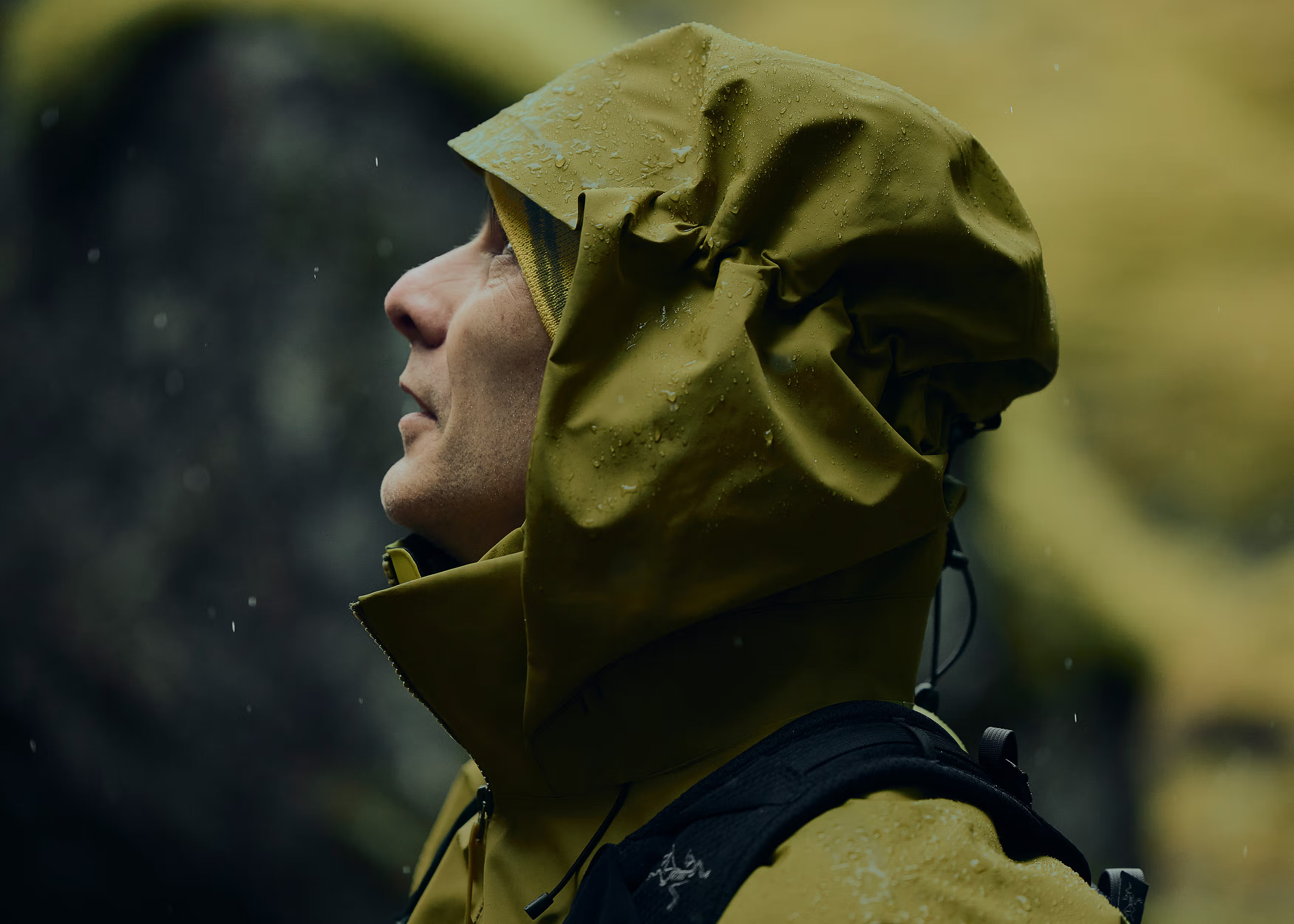
7.2/10
Durable buying guide
Choose a rain shell for the activity and expected weather, then compare face-fabric wear, seam construction, zippers, cleaning guidance, water-repellent treatment, and repair support.
Limits: Waterproof performance can decline with contamination, abrasion, failed seam tape, or membrane damage. No shell should be described as permanent or maintenance-free.
6 products
Superior features, extended warranties, and high-end materials for enhanced performance.
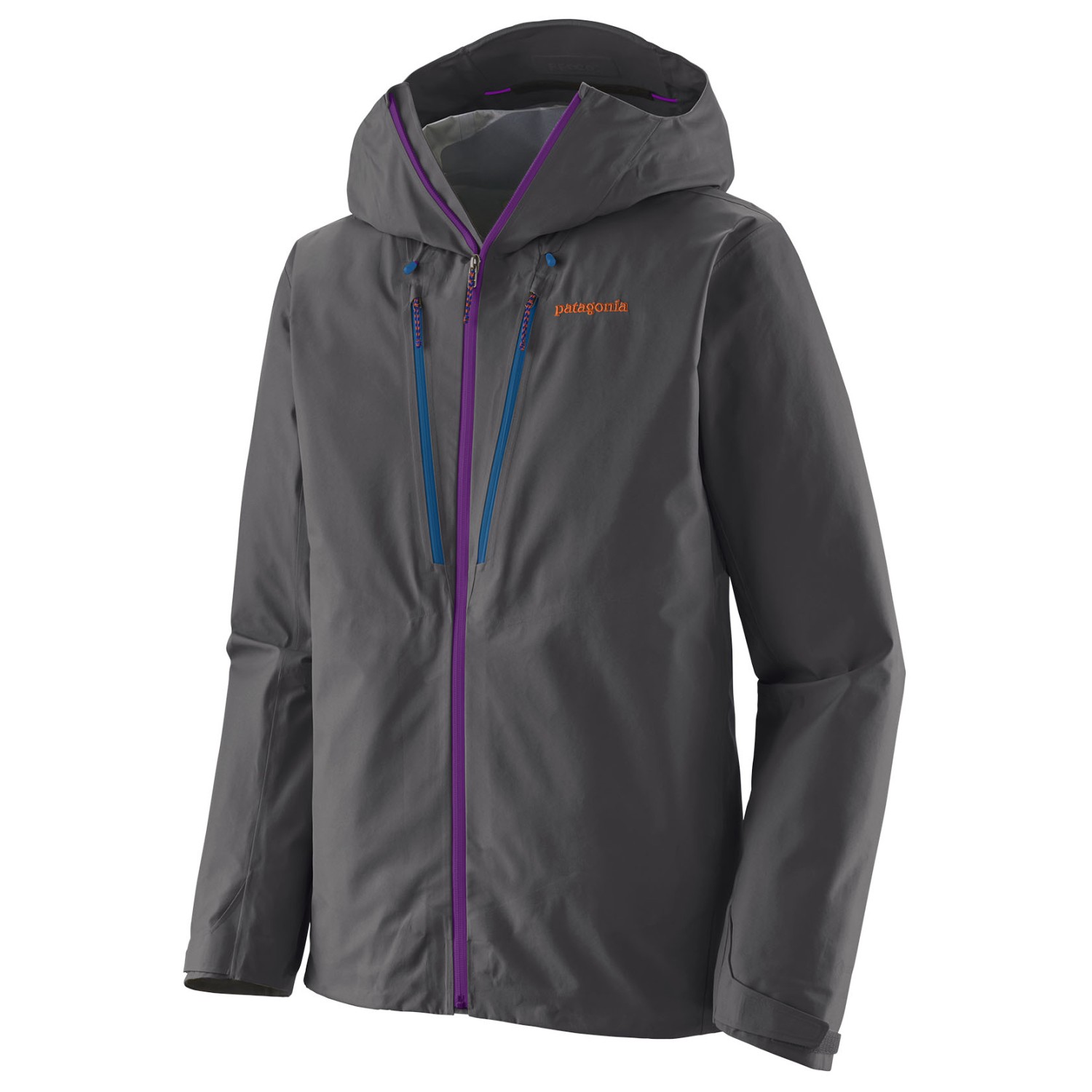
Patagonia
A 75D three-layer GORE-TEX ePE alpine shell with helmet hood, four external pockets, pit zips and RECCO reflector.
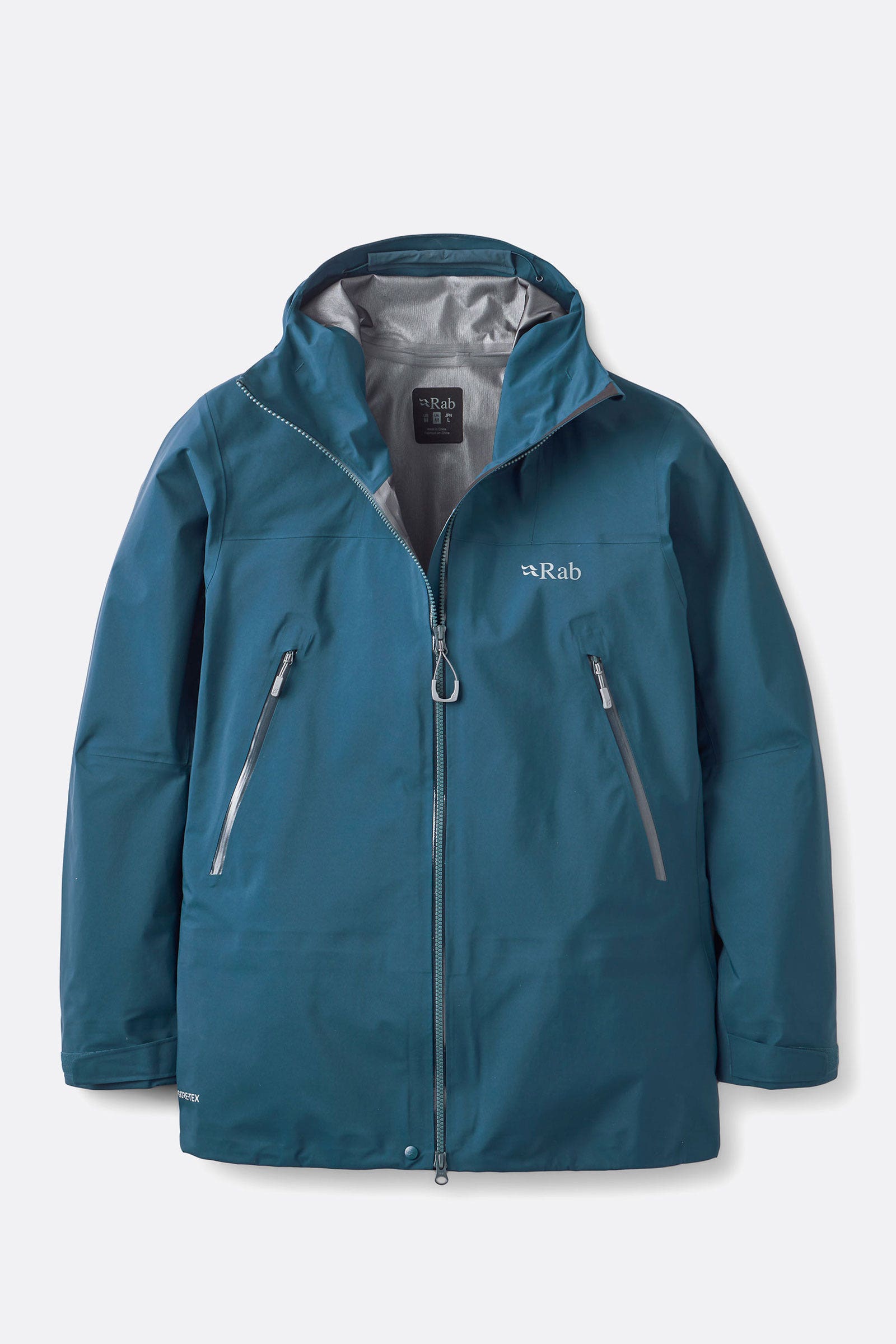
Rab
A robust 70D three-layer GORE-TEX ePE hiking shell with 28,000 mm rating, underarm vents and pack-clear pockets.
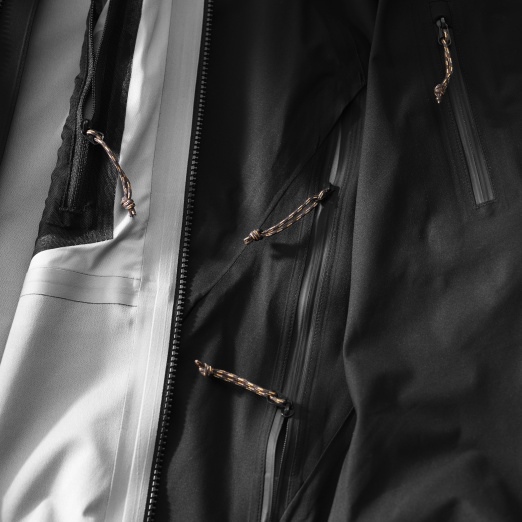
Fjällräven
The discontinued men's 520 g stretchy three-layer Eco-Shell with 30,000 mm rating, side vents and helmet hood.
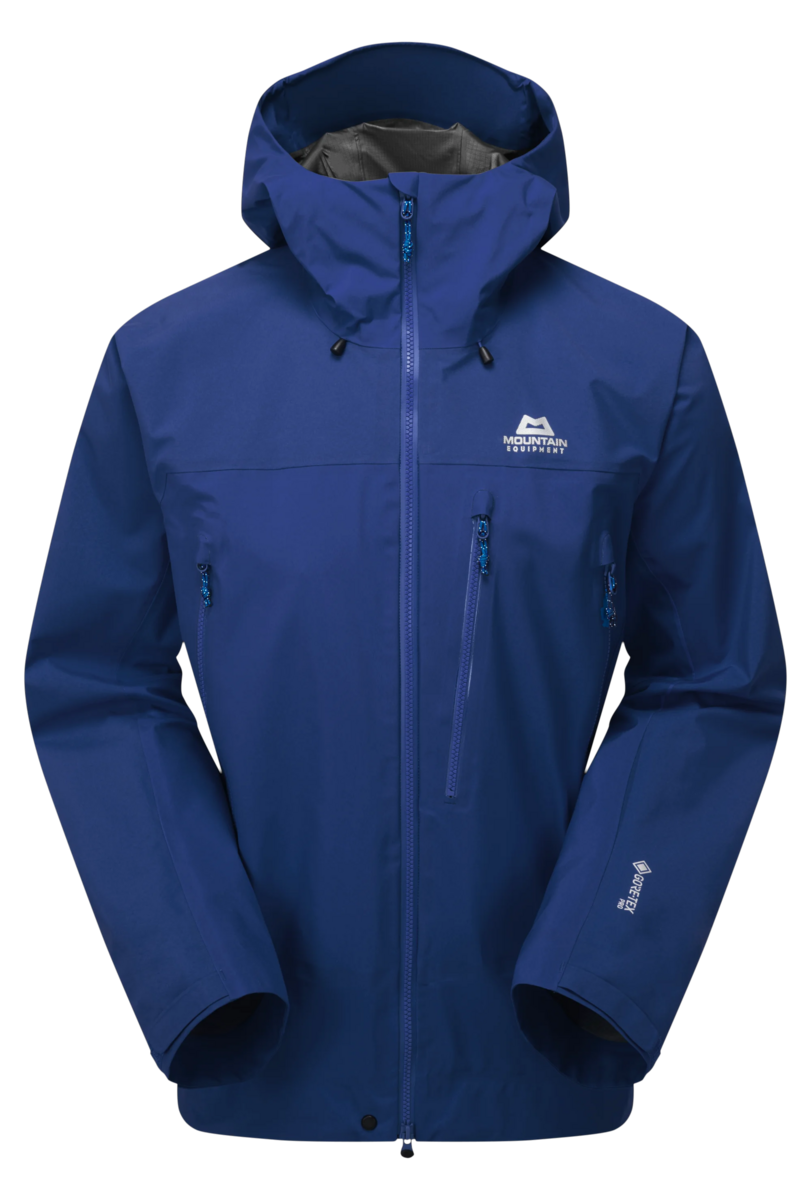
Mountain Equipment
A 510 g storm-spec mountaineering shell with 80D GORE-TEX PRO ePE, helmet hood, four pockets and two-way pit zips.

Norrøna
A 356 g technical-fit shell using 30D three-layer GORE-TEX ePE, 28,000 mm waterproofing, long vents and helmet hood.
6 products
A balanced blend of performance, quality, and price for the discerning user.
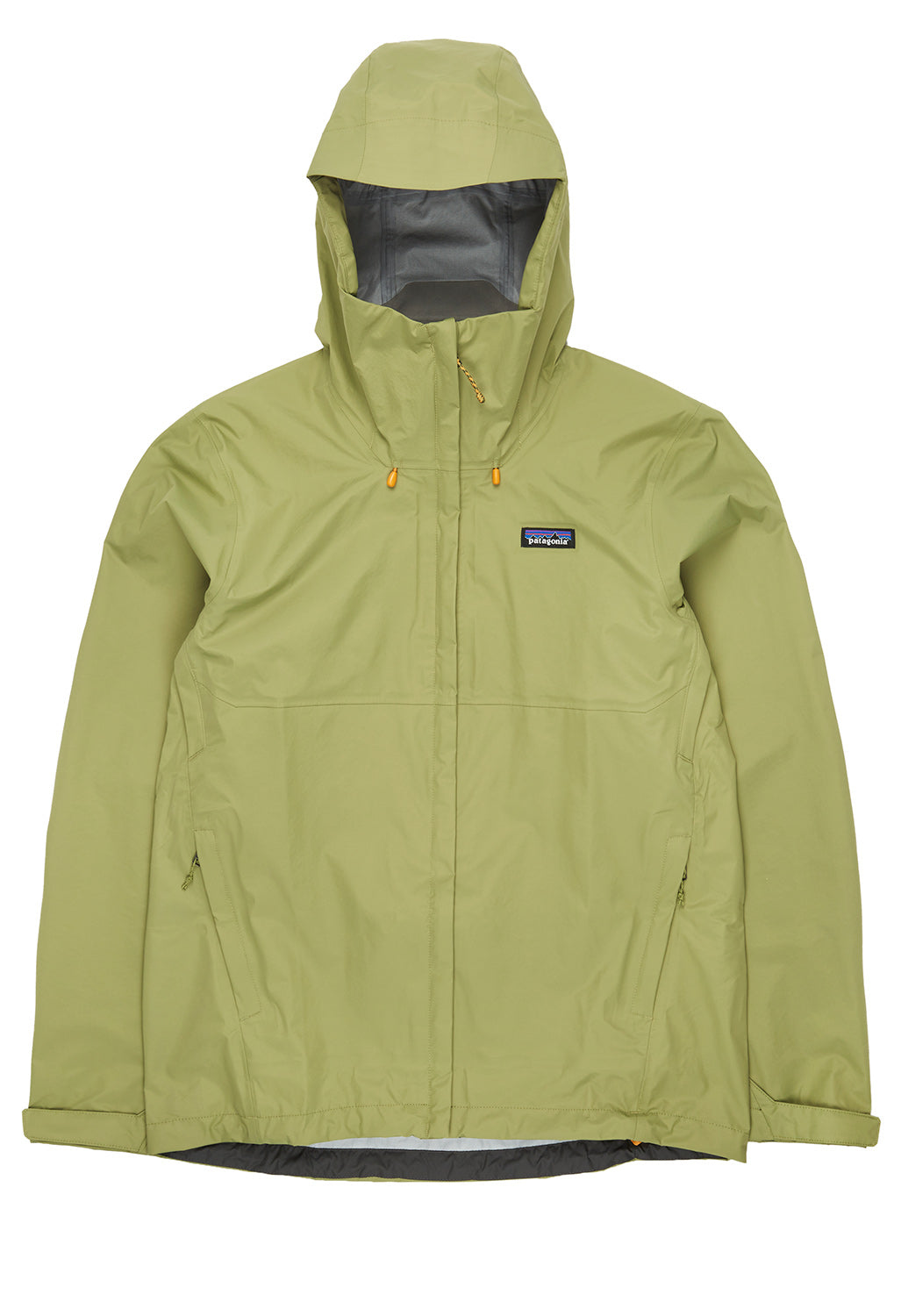
Patagonia
A straightforward 50D three-layer H2No rain shell with recycled ECONYL face, pit zips, stowable hood and self-stuffing pocket.
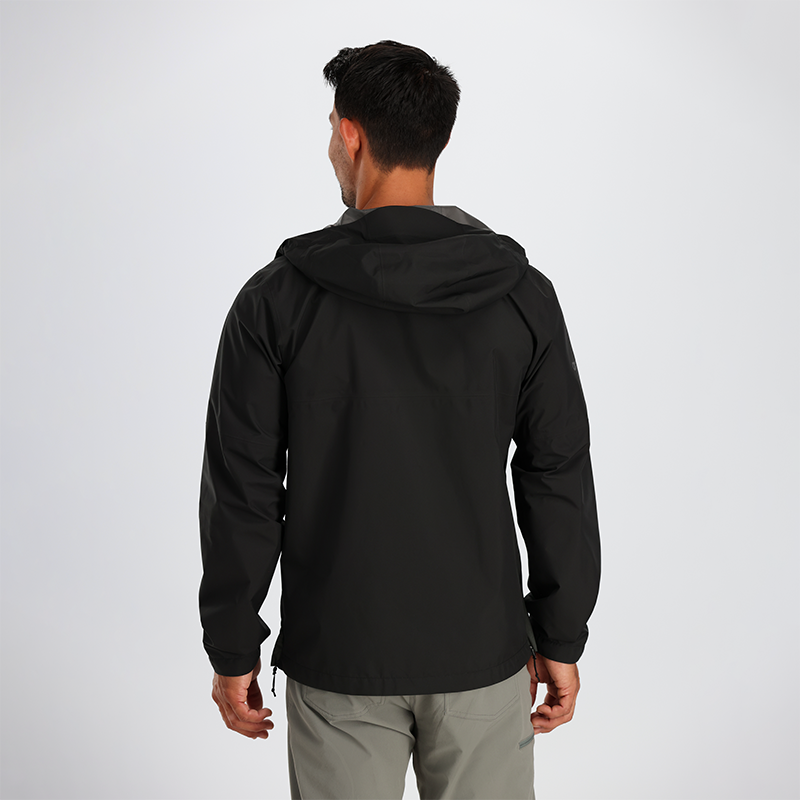
Outdoor Research
The discontinued 336 g GORE-TEX Paclite Foray II with unusually long TorsoFlo hem-to-bicep side vents.
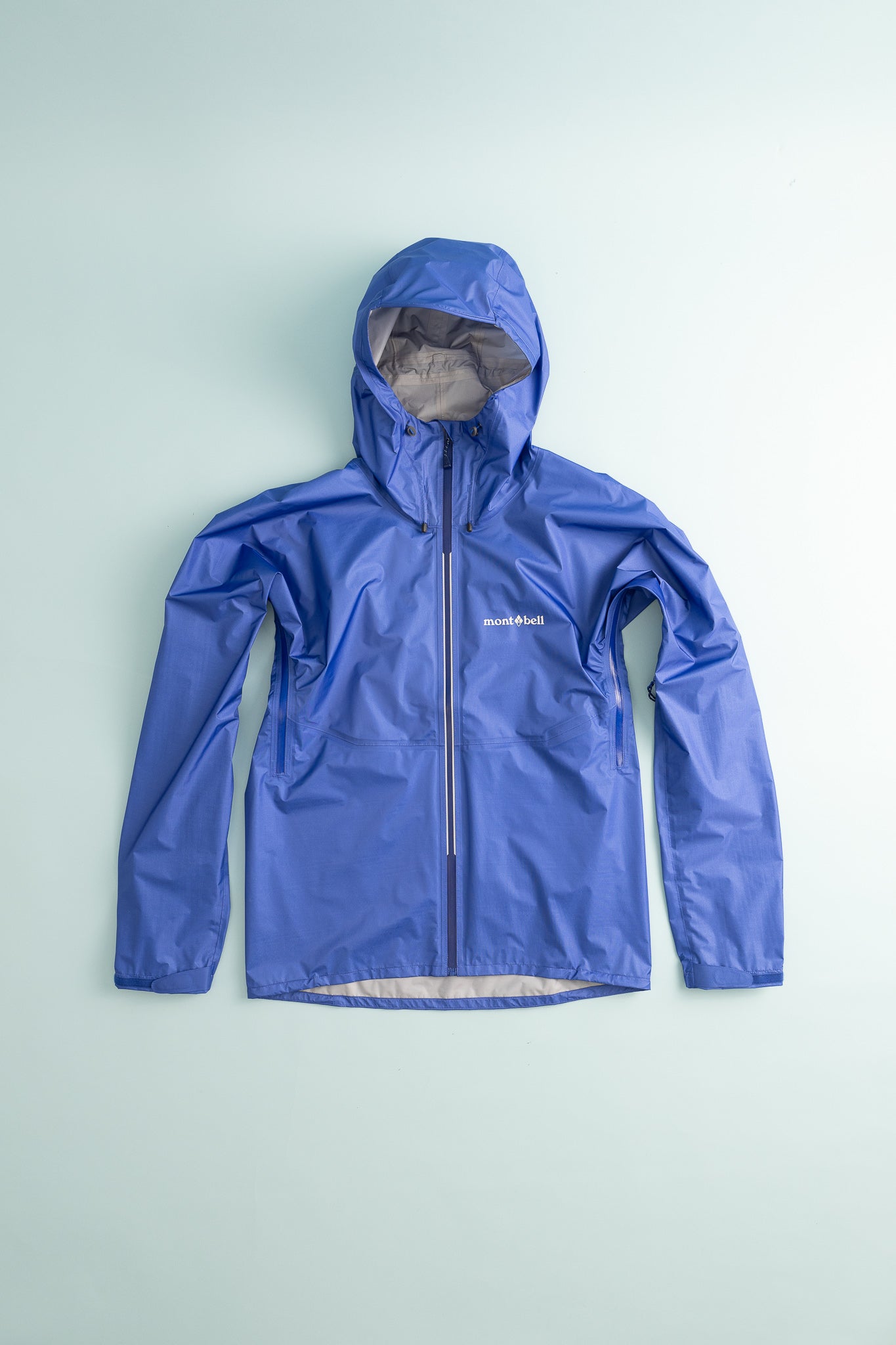
Montbell
An exceptionally light 166 g three-layer rain shell using 7D Ballistic Airlight face fabric, 20,000+ mm waterproofing and pit zips.
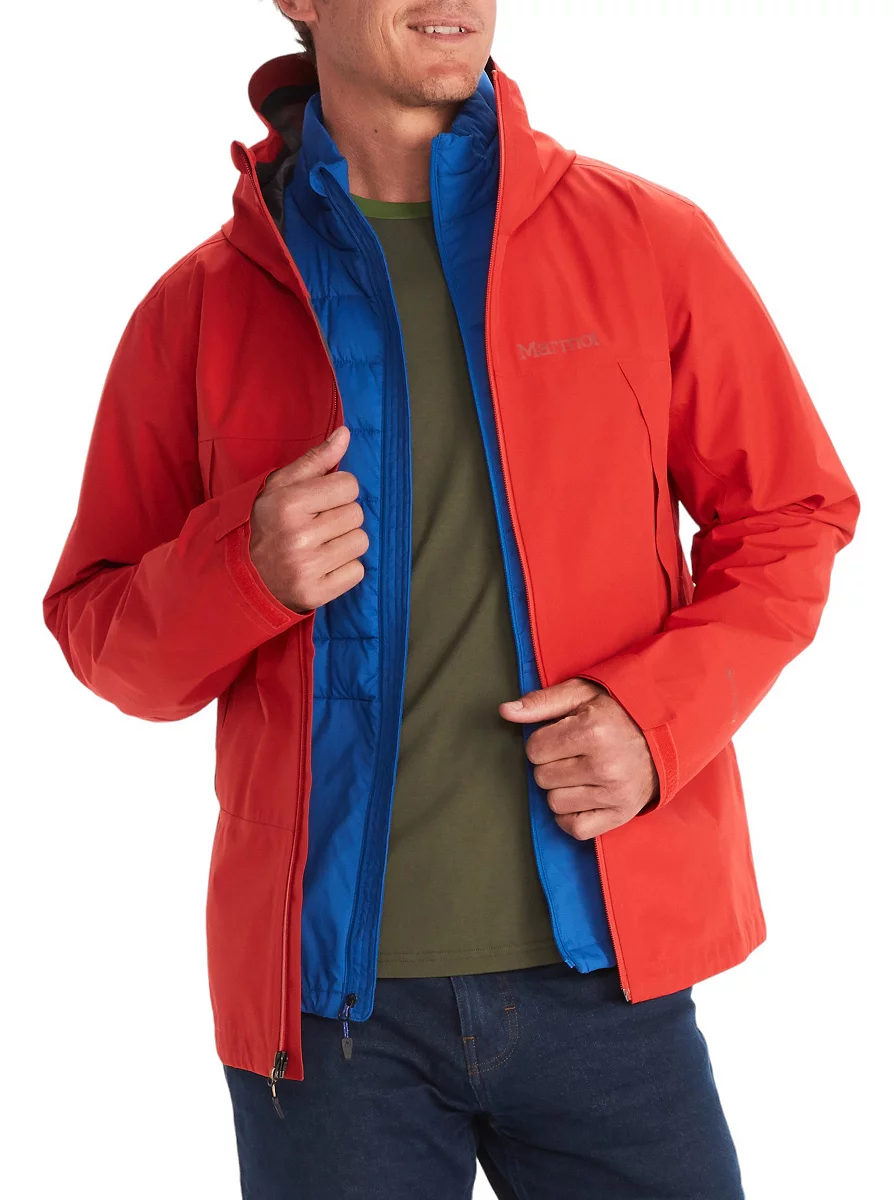
Marmot
A discontinued $275 GORE-TEX Paclite Plus shell with recycled-polyester face, full seam taping, pit zips and pack pockets.
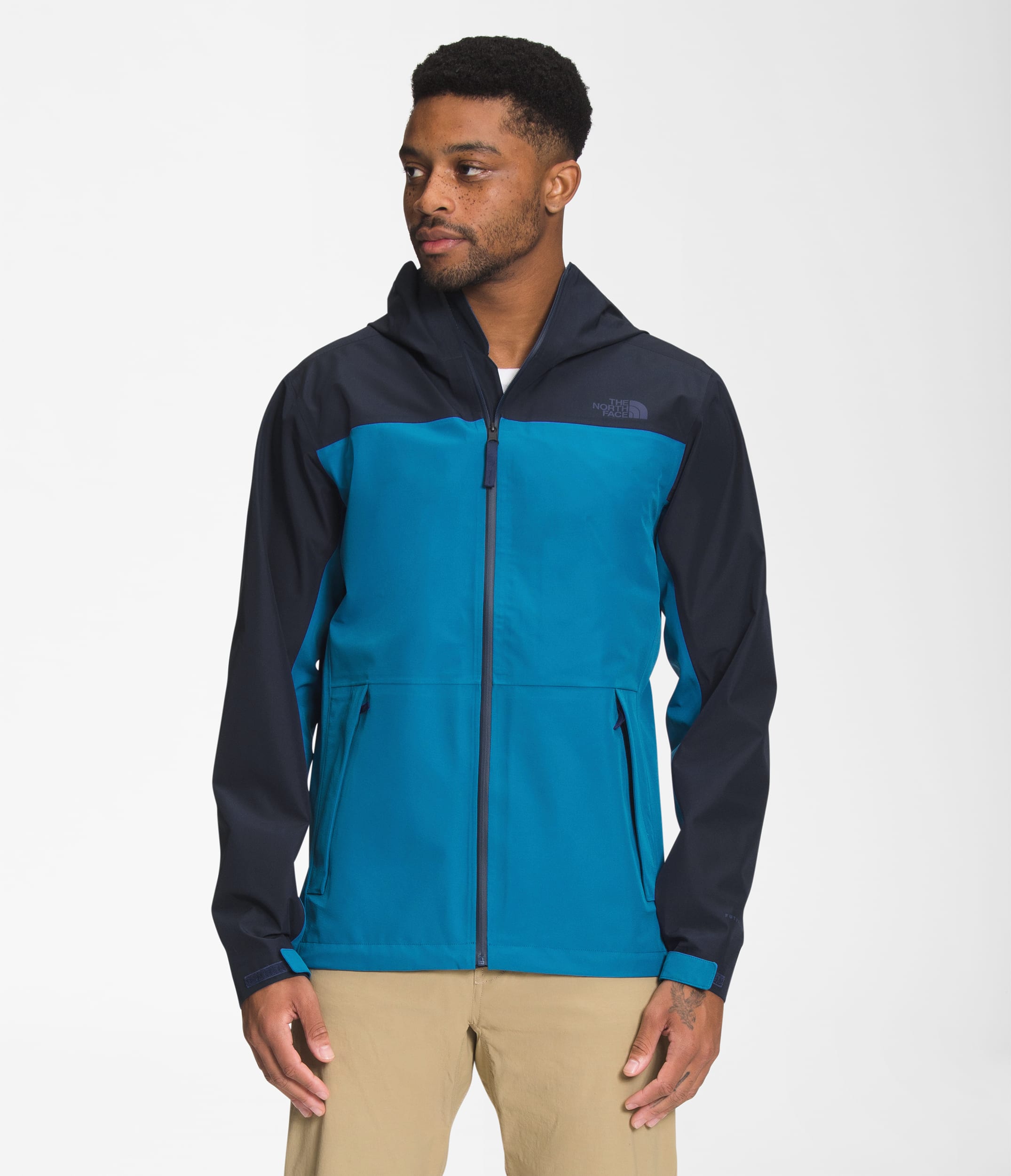
The North Face
A slim 433 g FUTURELIGHT three-layer shell with 75D recycled face, stretch backer, three secure pockets and self-stow design.
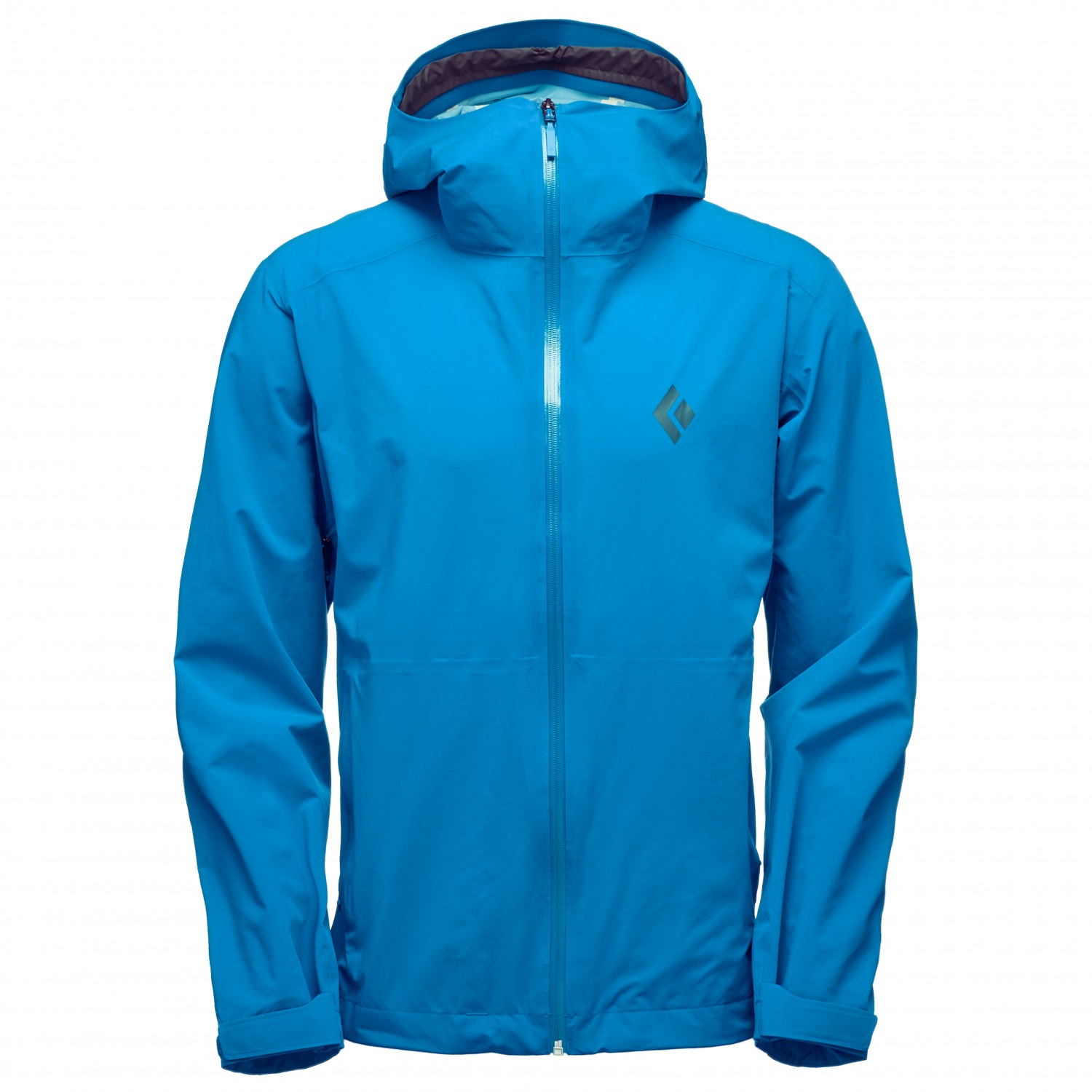
Black Diamond
The discontinued stretch BD.dry 2.5-layer shell with 10,000 mm/10,000 g rating, pit zips and pocket stowage.
Shop by brand
Buying guide
Choose construction for the hardest regular use, not the rarest expedition. A three-layer shell places the membrane between a face fabric and a full backer and is the sensible starting point for frequent wear, packs, and abrasion. A 2.5-layer shell trades some long-term protection for lower weight and bulk, while a lined two-layer design can suit less technical daily use. Compare the actual face fabric, reinforcements, and intended activity rather than assuming every jacket with the same layer count will age alike.
Try the shell over the layers you will really wear. Reach overhead, turn your head with the hood tightened, and check that the hem and cuffs still seal without restricting movement. If you carry a pack or harness, confirm that pockets remain usable and straps do not land on fragile closures. Inspect seam tape at curves and high-wear areas, operate every zipper and adjuster, and favor simple hardware that the maker or a repair shop can service. Ventilation openings can be more useful during hard exertion than a headline breathability claim alone.
A soaked-looking face fabric does not automatically mean the waterproof barrier is leaking. Dirt, oils, and a depleted durable water-repellent finish can cause the outer fabric to wet out, increasing clamminess and reducing comfort. Check the garment label, wash with products and settings approved by the manufacturer, rinse thoroughly, and dry or heat-reactivate only as directed. Reapply a compatible water-repellent treatment when cleaning and approved heat no longer restore beading; do not use fabric softener or bleach unless the maker expressly permits it.
Long service life depends on what happens after a snag, worn slider, or damaged closure. Before purchase, check the brand's written warranty and repair policy, whether cleaning is required before service, where repairs are performed, and whether fees or geographic limits apply. Small clean holes and tears may accept a field patch, but GORE-TEX describes its adhesive fabric patches as temporary until permanent repair is possible. Prefer a maker that documents care, supplies compatible patches or parts, and can assess seam, zipper, and larger fabric damage.
FAQ
A 2.5-layer shell usually favors low weight and packability, while a 3-layer shell adds an inner textile that protects the membrane and generally improves comfort and durability. Choose around use: occasional showers and fast travel favor lighter construction; frequent pack wear, rough terrain, or sustained weather justify a tougher 3-layer fabric.
Hydrostatic pressure testing measures how much water pressure a fabric resists before penetration. ISO 811 records the pressure when water penetrates at a third location and requires test conditions to be reported. Treat a rating as one fabric test, not a complete jacket verdict: seams, closures, wear, garment design, and the stated test method also affect protection.
Try the shell over the layers you expect to wear, then reach overhead, turn your head, and bend your arms without the hem lifting or the sleeves binding. Check that the hood follows your head and fits required headwear, cuffs and hem seal comfortably, and pockets remain accessible under pack straps. Cold-weather use may need room for insulation rather than a close running fit.
Moisture inside is not automatically rain leakage. Waterproof membranes can pass some moisture vapor, but output during hard exertion may exceed that transfer, especially when the face fabric is saturated or vents are closed. Compare dampness patterns, inspect seams and damage, reduce layers, and use pit zips or other vents before concluding that the membrane has failed.
Wet-out occurs when the outer face stops beading water and becomes saturated as its durable water-repellent finish weakens. That can feel cold and clammy and reduce effective vapor transport without proving the waterproof barrier is punctured. Follow the garment label: cleaning and suitable low heat may reactivate the finish; reapply DWR only when beading does not return.
Start with the garment maker's care label because membranes and face constructions differ. Gore advises closing zippers and flaps, using a small amount of liquid detergent, rinsing thoroughly, avoiding bleach and fabric softener, and using only the permitted drying or heat treatment. Store the jacket clean and fully dry rather than compressed while damp, and never copy care settings from a different shell.
Small tears, localized worn fabric, broken zippers, and detached seam tape can often be assessed and repaired by the maker or a specialist. Extensive delamination, widespread holes, heavy contamination, or compromised structure may be impractical to fix. Before buying, check whether the brand offers parts or repair service and whether it will evaluate damage case by case.
Look for precise disclosure about both the membrane and the durable water-repellent finish rather than relying on an undefined label. EPA notes that PFAS are a large group, many break down slowly, and water-repellent clothing can be a use category. A fluorocarbon-free finish may need more frequent care, so weigh chemistry disclosure together with maintenance guidance and verified performance.
Honoring the visionaries whose work paved the way for the products we rely on today.
Scottish chemist Charles Macintosh developed waterproof rubberized fabric by cementing two cloth layers with natural rubber made soluble by coal-tar naphtha. The resulting Mackintosh raincoat became a durable pattern for waterproof outerwear.
English outfitter Thomas Burberry developed gabardine in 1879, a tightly woven, water-resistant fabric patented in 1888. He later designed a lightweight gabardine coat for the British War Office, linking weatherproof outerwear with military and civilian use.
Engineer and scientist Robert W. Gore discovered in 1969 that PTFE could be rapidly stretched into porous expanded PTFE. His company developed ePTFE laminates for waterproof garments, with Gore-Tex tents sold from 1976 and rainwear from 1977.
Research last refreshed
Frederick T. Carson · 1937
Carson compared four measurement approaches and data from about 30 sources, showing how temperature, humidity, edge leakage, air gaps, specimen area, and time can alter water-vapor results. Although broader than apparel, the paper explains why breathability figures for shell materials are meaningful only when the test conditions and units are known.
John W. Rowen and Domenick Gagliardi · 1947
This National Bureau of Standards study distinguishes waterproof from water-repellent textiles and examines 11 commercial raincoat fabrics plus four military fabrics. It compares hydrostatic-pressure, spray, drop-penetration, absorption, and contact-angle methods, while warning that several laboratory tests lacked demonstrated correlation with performance in natural rain.
Lyman Fourt and Frank Quinn · 1957
Fourt and Quinn investigated lightly plastic-coated cotton fabrics designed to combine hydrostatic resistance with water-vapor transmission. Their abstract reports that coatings placed mainly within the fabric structure, leaving cotton exposed at both surfaces, could produce favorable trade-offs; fabric texture and coating formulation also materially affected performance.
A. H. Woodcock · 1962
Woodcock introduced the moisture permeability index to quantify how efficiently fabric systems transfer evaporated moisture and latent heat. By extending the clothing-insulation framework to account for sweat evaporation, the paper provides a physiological basis for judging shell breathability alongside insulation instead of treating vapor transmission as an isolated specification.