6.4/10
Mid Segment10 yr life
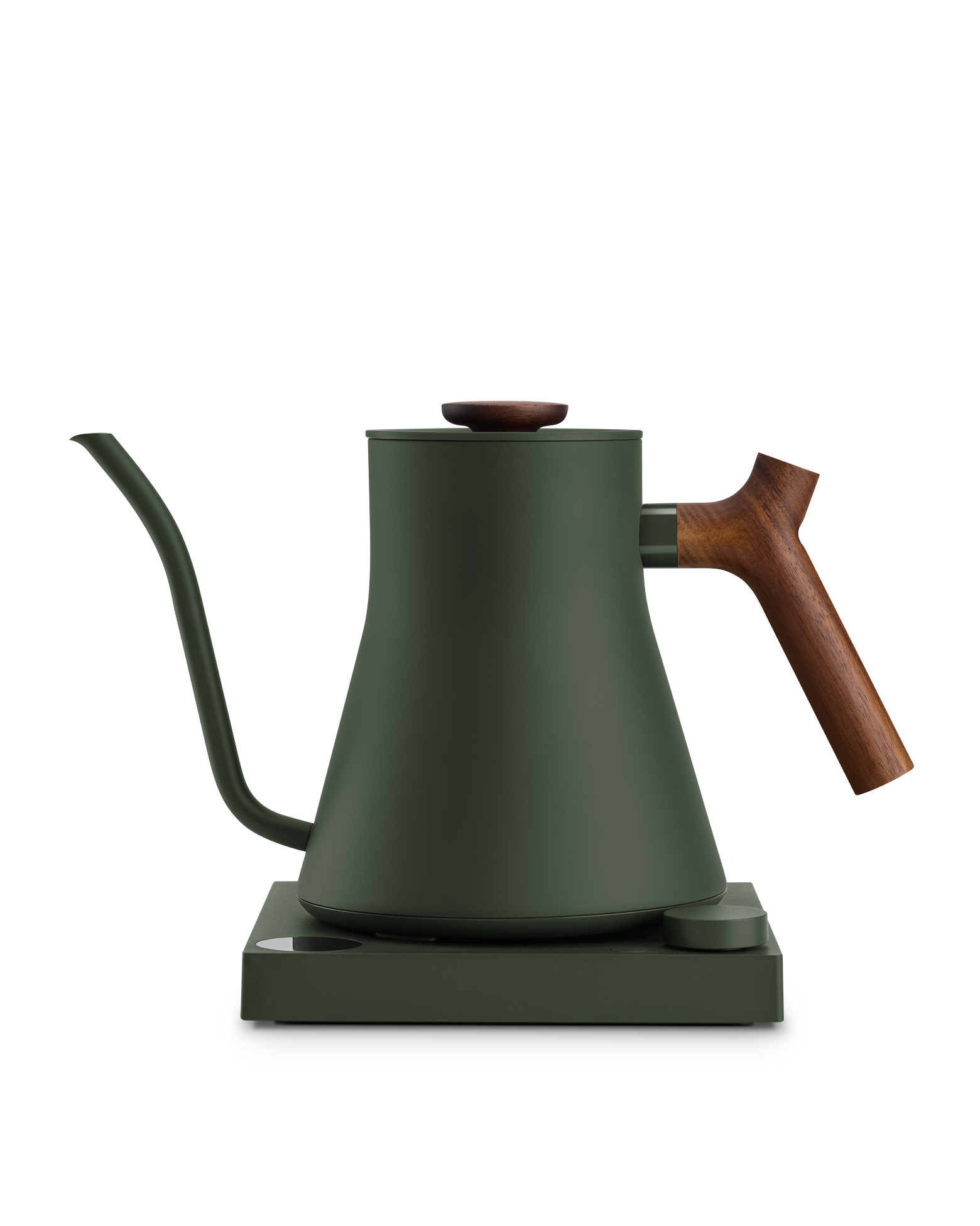
Stagg EKG Pro, Woodland + Walnut
Fellow
A 0.9-liter precision gooseneck kettle with a color display, scheduling, altitude adjustment and configurable hold modes.
- Repair
- 4.8/10
- TCO
- 7.1/10
$199.95
Durable buying guide
This category covers tools that condition and measure brewing water: gooseneck/electric kettles, brewing scales, thermometers, and water testers. Unlike brewers or grinders, they control temperature, flow, dose, and timing; favor clear controls, repeatable readings, durable materials, and support beyond apps.
7 products
A balanced blend of performance, quality, and price for the discerning user.
Fellow
A 0.9-liter precision gooseneck kettle with a color display, scheduling, altitude adjustment and configurable hold modes.
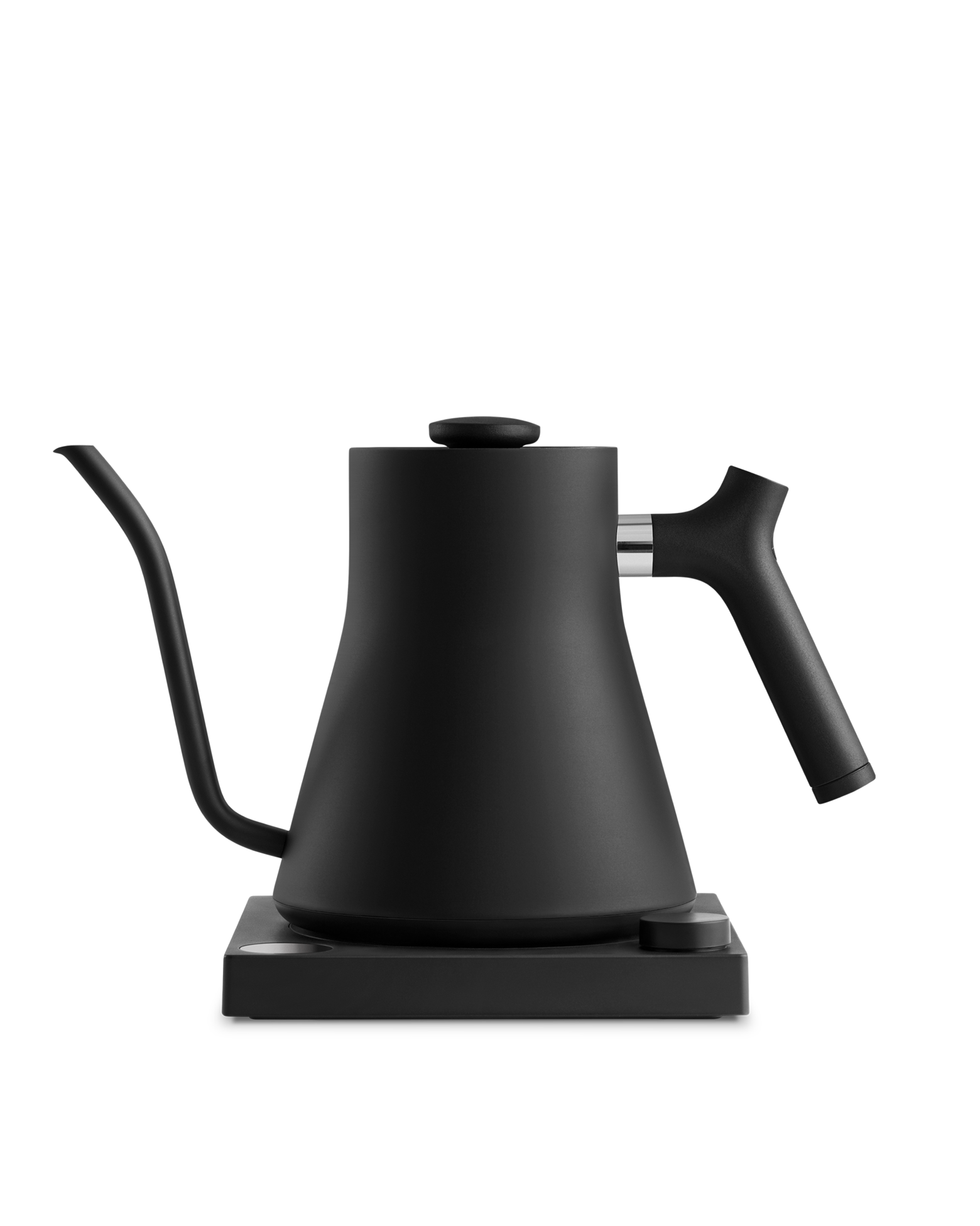
Fellow
The original 0.9-liter Stagg EKG, factory-refurbished with degree control, LCD, brew stopwatch and 60-minute hold.
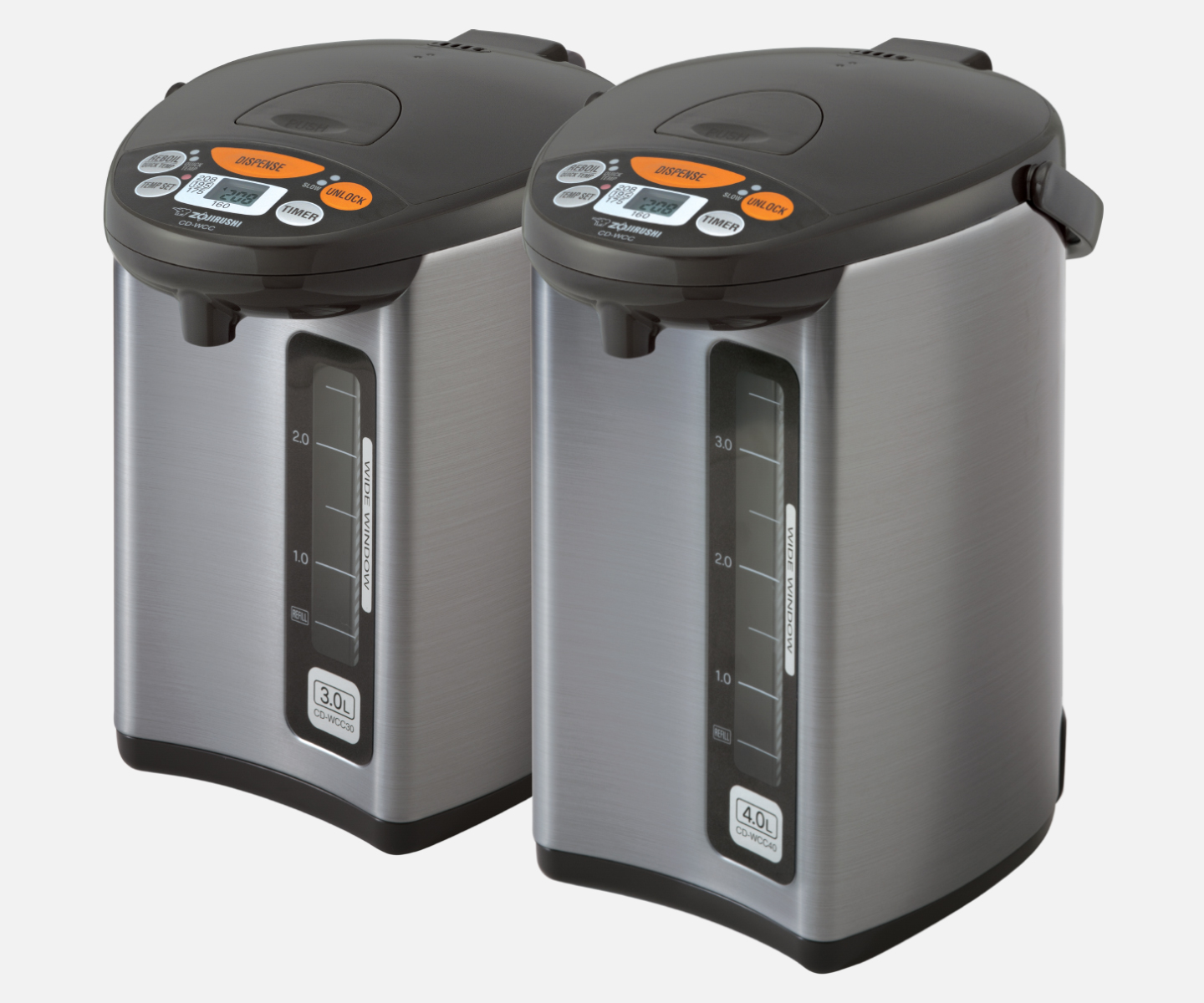
Zojirushi
A four-liter countertop boiler and electric dispenser with four keep-warm temperatures, Quick Temp and serviceable lid parts.
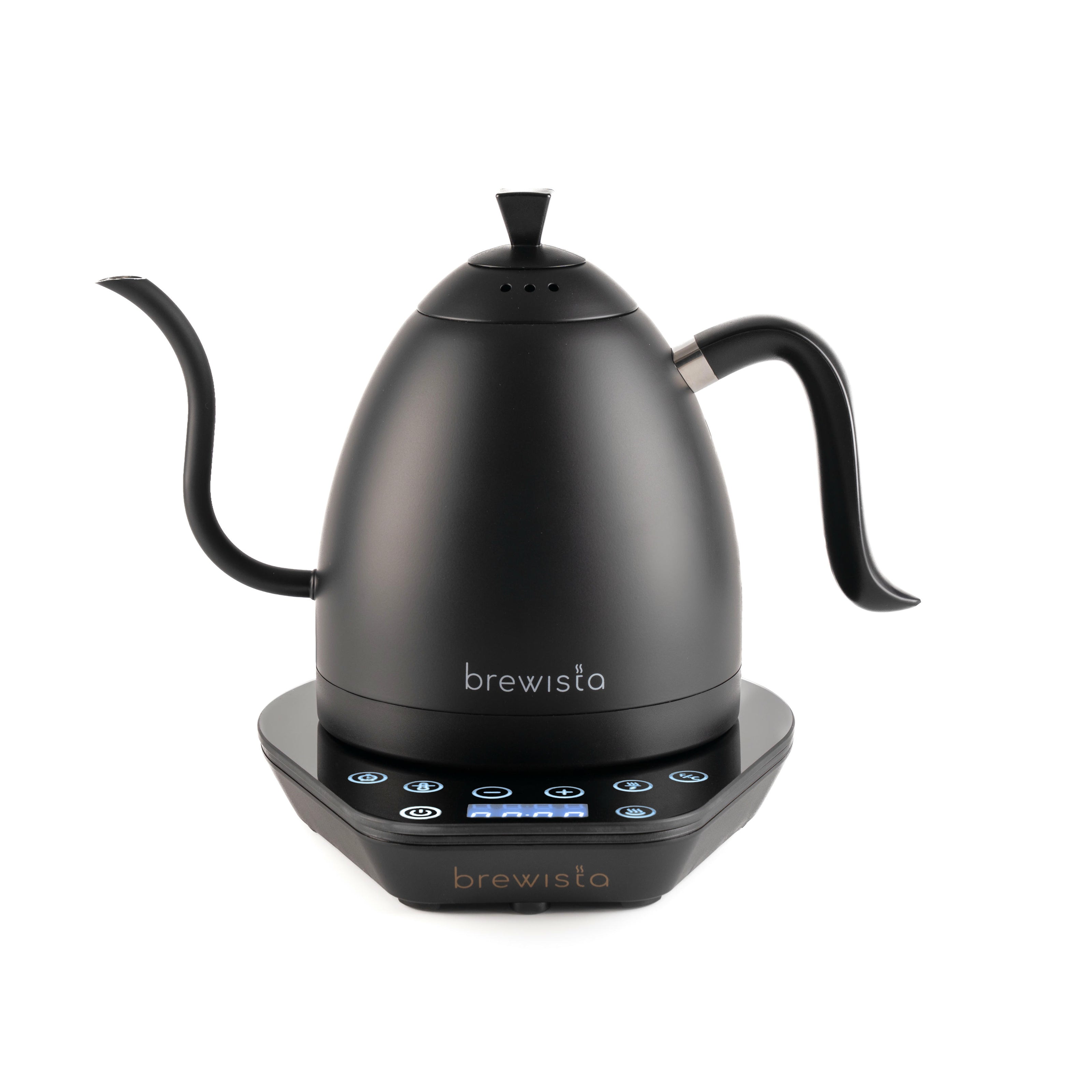
Brewista
A one-liter 304-stainless electric gooseneck with ±1°F control, slim spout, timer, flash boil and temperature hold.
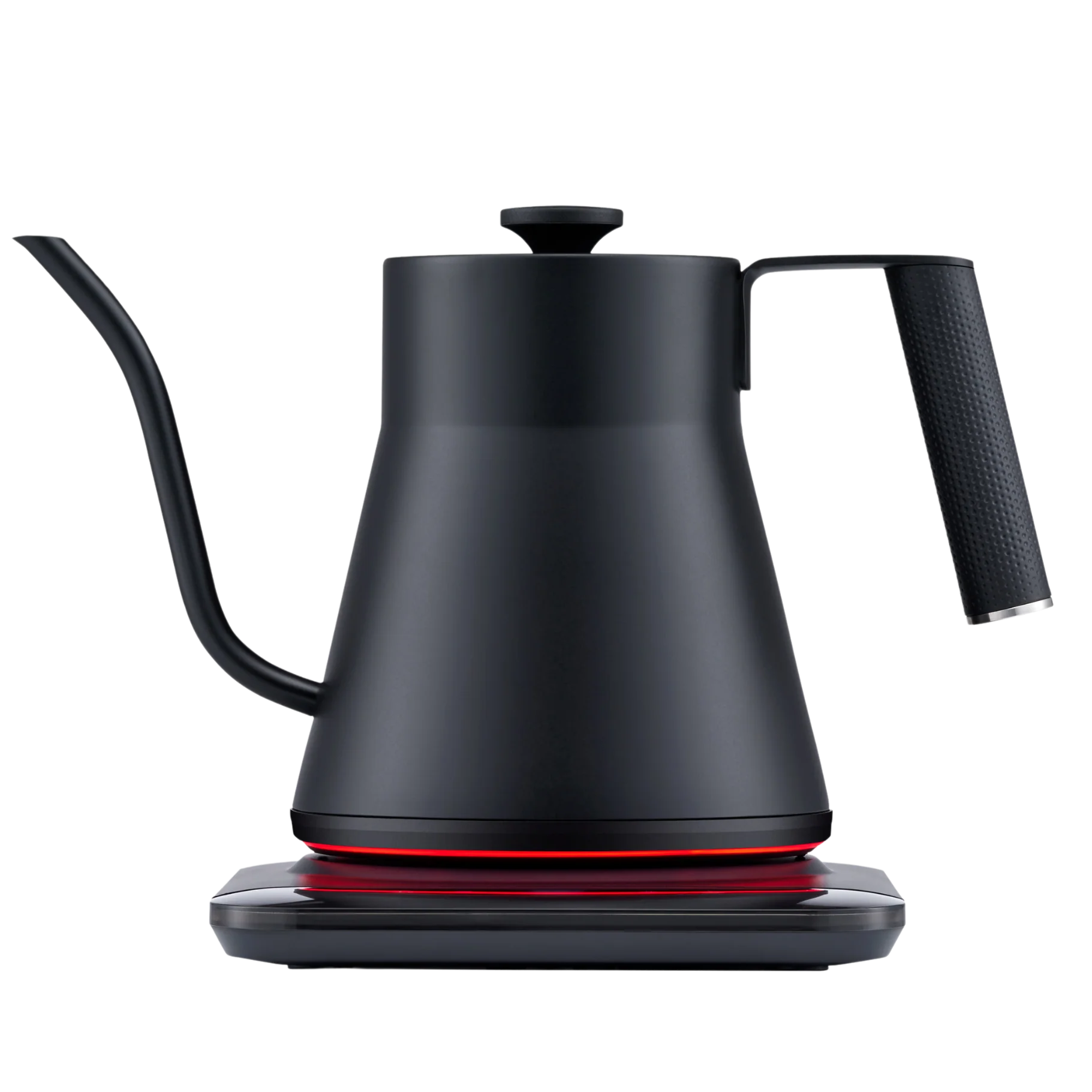
Saki
A one-liter 1200 W gooseneck with 104-212°F control, brew timer, up-to-60-minute hold and stainless water path.
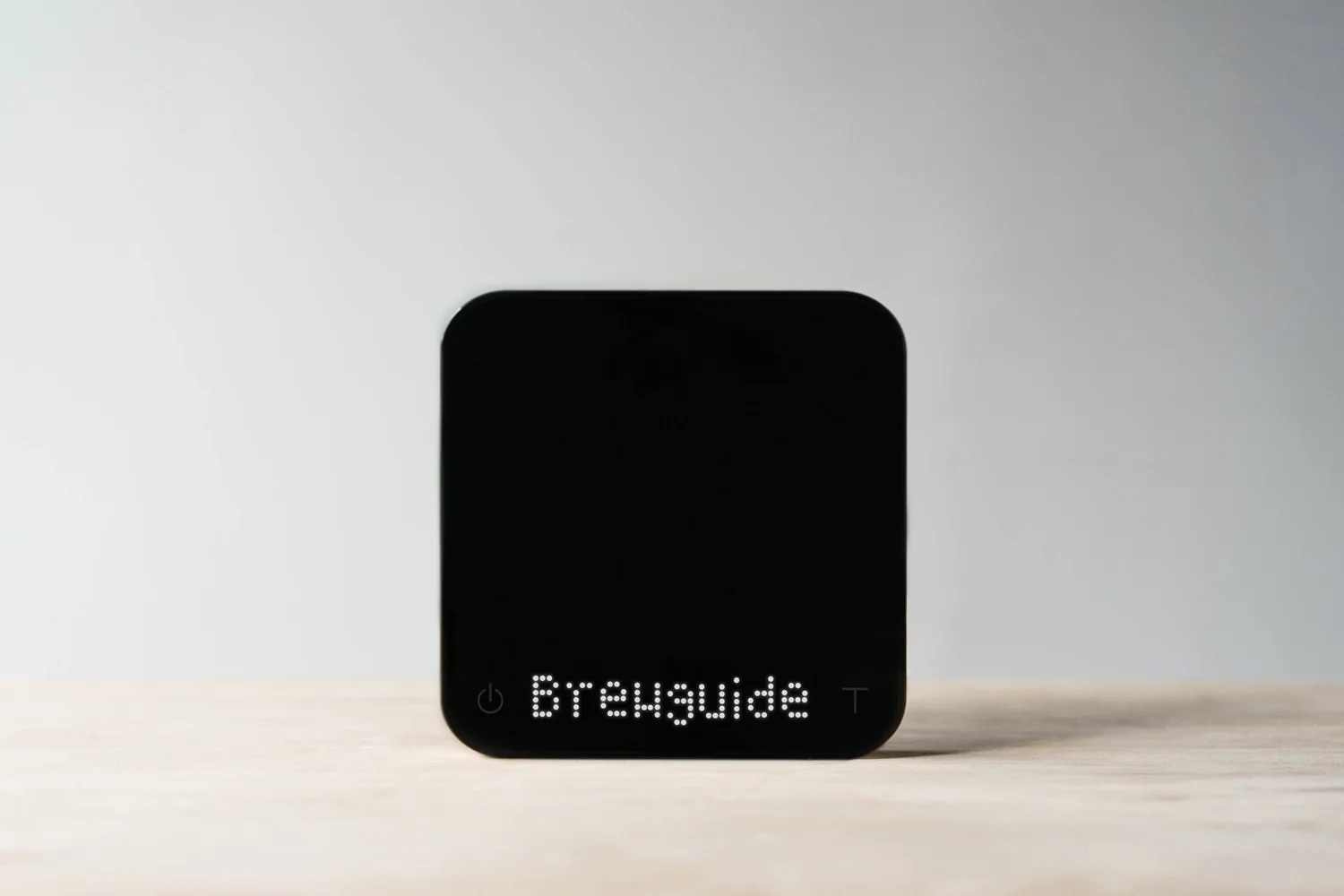
Acaia
A 3 kg, 0.1 g coffee scale with flow-rate display, Brewguide recipes, voice prompts and USB-C rechargeable power.
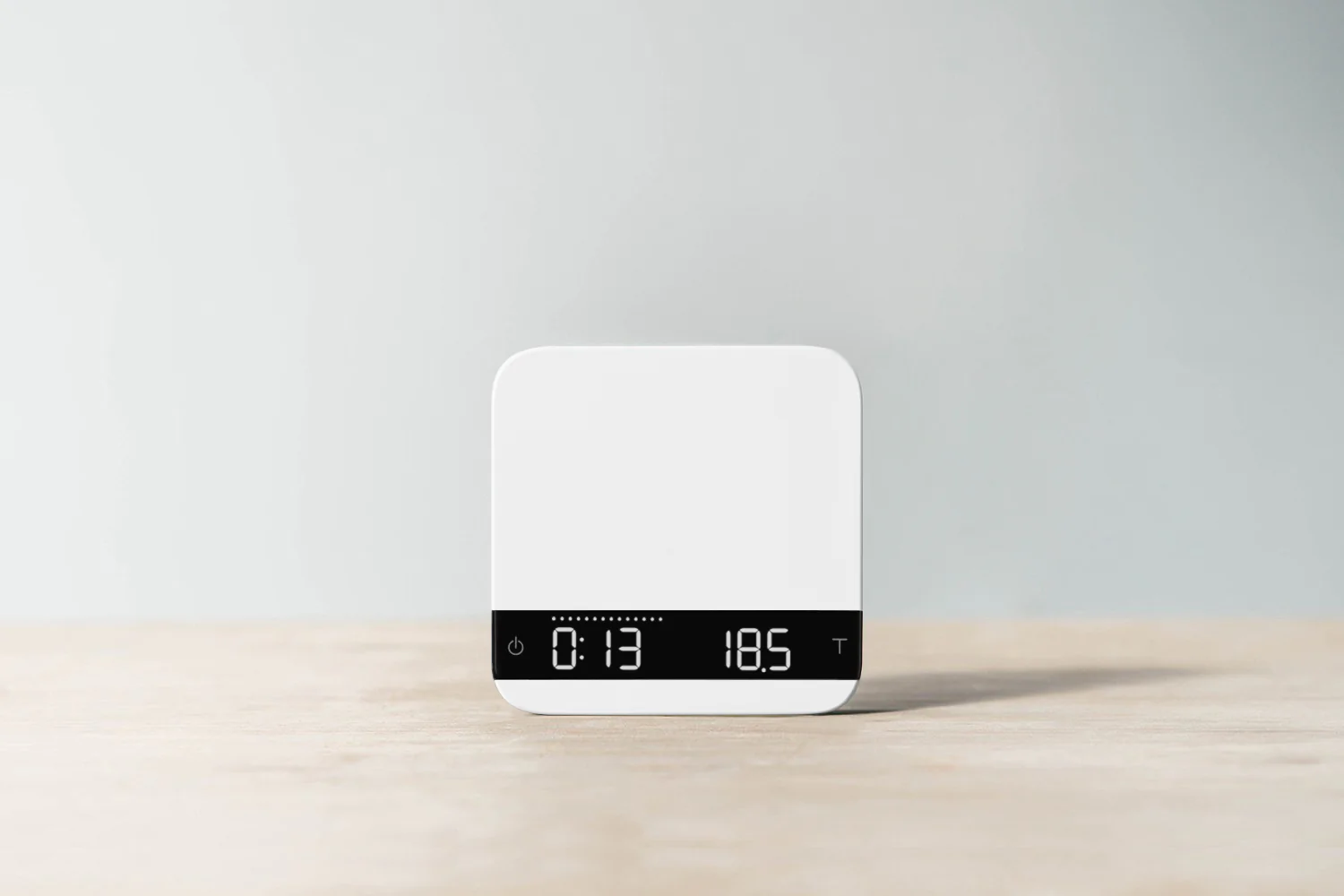
Acaia
A compact water-resistant aluminum espresso scale with 0.1 g repeatability, flow-rate feedback and automated shot modes.
5 products
Budget-conscious selections offering the best value and reliability for essential needs.
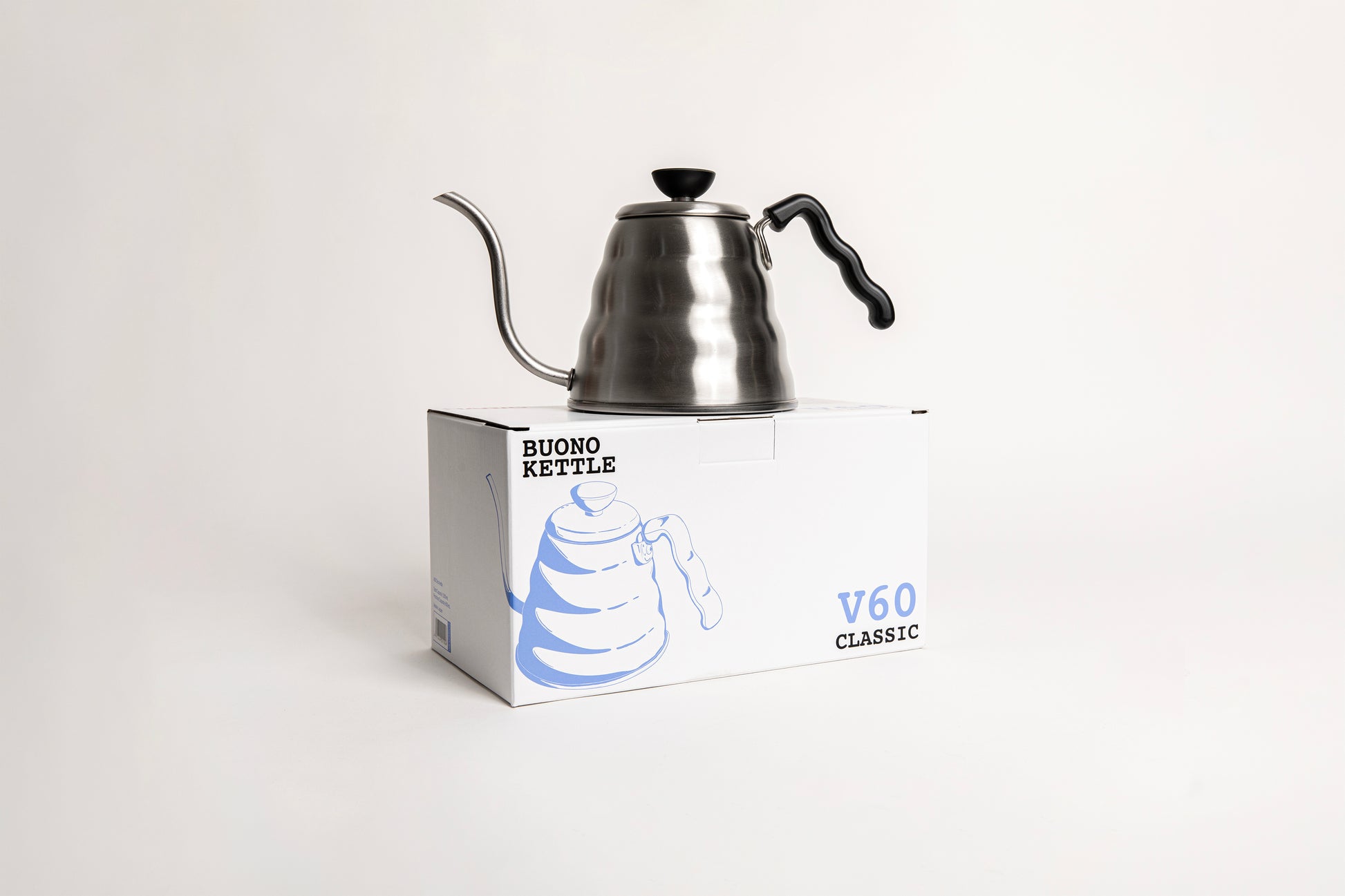
Hario
A Japanese stainless stovetop kettle with an 800 ml practical capacity and a slim gooseneck for controlled manual pouring.
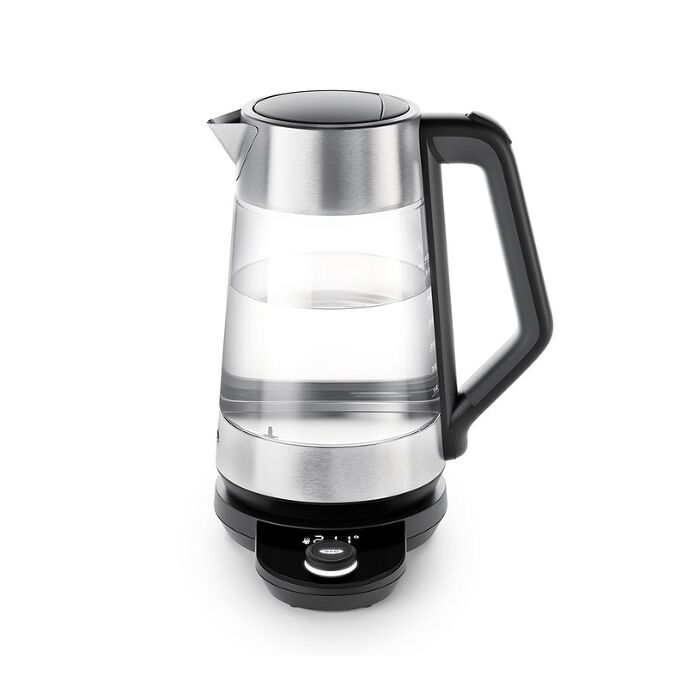
OXO
A 1.75-liter borosilicate-glass kettle with dial temperature selection from 104 to 212°F and a 30-minute hold.
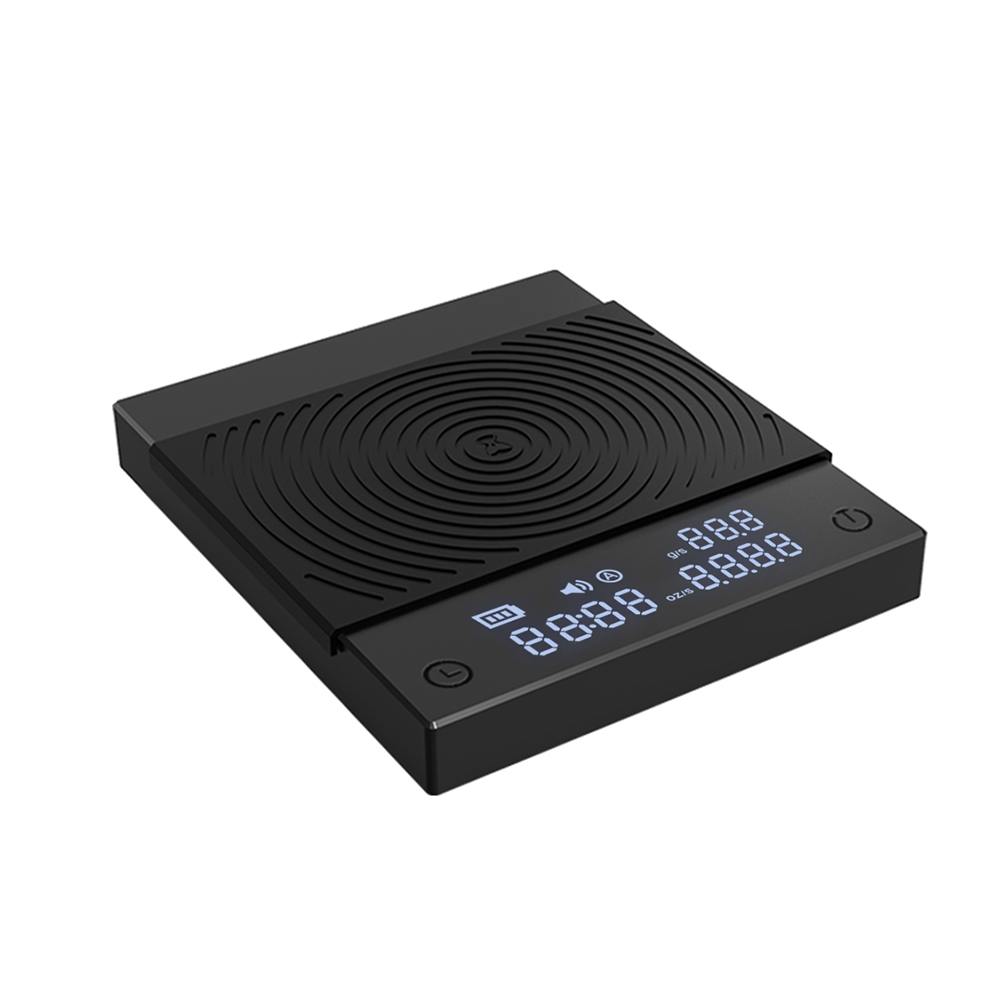
Timemore
A rechargeable two-kilogram coffee scale with 0.1 g display, auto timing, flow-rate mode and a protected charging port.

Hario
A two-kilogram coffee scale with integrated timer and tiered 0.1 g, 0.5 g and 1 g resolution in a server-sized footprint.
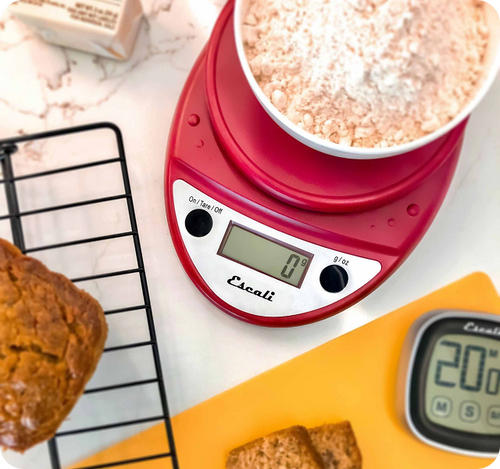
Escali
A simple two-button five-kilogram kitchen scale with one-gram increments, tare, sealed controls and replaceable AA batteries.
Buying guide
Separate a stovetop or manual kettle from an electronically controlled pour-over kettle before comparing feature lists. Fellow’s Stagg EKG Pro page specifies 304 18/8 stainless steel, a 104–212°F (40–100°C) range, 1,000–1,200 W power, and adjustable 15-, 30-, 45-, or 60-minute hold periods. Those details help you decide whether you need repeatable setpoints and temperature holding, or simply a durable vessel with no electronics to fail. If you buy powered control, verify the voltage, display units, and whether the temperature range covers your recipes rather than paying for unused modes.
The most useful kettle manual facts are often prohibitions. Fellow’s product FAQ says the electric kettle is for its electric base only, not a stovetop, and that it should contain fresh, clean water rather than milk or other liquids; the latter can void the warranty. Its page also describes altitude adjustment to reduce boil-over risk and a pre-boil function for sanitizing before cooling. Check these boundaries against your routine, especially if you move between an electric base, induction hob, tea service, or flavored liquids. A buyer who follows the stated use envelope avoids preventable heating-element, coating, and warranty failures.
Acaia’s Pearl page lists a heat-resistant pad and says cleaning is limited to a soft cloth with warm water; detergent, chemicals, and soaking can damage the anodized coating. Let that care limit shape the brew station: keep the scale out of splash zones and use a dry, accessible charging point rather than treating it like waterproof equipment. Its listed 30–40-hour rechargeable battery and USB Type-C cable make charge access part of ownership; verify you can recharge without moving the brewer. A two-year US/EU warranty helps only if the care instructions fit your routine.
A water-testing tool should answer a defined question, not merely display a number. The Specialty Coffee Association explains that pH describes the current state of water but does not show how strongly it resists change; alkalinity supplies that missing buffering information. The article also reports observed tendencies toward over-extracted flavor above 250 ppm as CaCO3 and under-extracted flavor below 40 ppm total hardness, while noting that hardness effects lack clear-cut answers. Choose tests that separate pH, alkalinity, and hardness, record units, and use results to compare a treatment or recipe rather than treating one reading as a universal target.
FAQ
Weight and elapsed time tell you how much water has entered the brew and how long the pour took; flow rate adds the speed of that pour. Acaia describes the Pearl Model S as showing weight, time, and flow rate together, and says flow-rate data can help refine pouring speed and strength. That makes the feature useful when you are trying to repeat a pour profile, not merely hit a final beverage weight.
It is useful when you want guided recipes, shared brew instructions, voice or sound notifications, or dedicated pour-over modes. The Pearl Model S combines weighing, timer, flow-rate, and countdown functions with an app-integrated Brewguide that can download recipes to the scale. If you only need dose, yield, and time, choose a scale whose basic weighing and timer modes remain practical without making the app central to every brew.
Use a soft cloth with warm water only, and do not clean or soak the scale with detergent or other chemicals. Acaia gives that care instruction for the Pearl Model S because chemicals can damage its coating. In daily use, wipe drips promptly, keep the scale from sitting in pooled liquid, and use the supplied heat-resistant coaster when appropriate rather than treating the scale as a waterproof appliance.
A pH reading indicates the water’s current acidity relative to neutral, but it does not show how much acid the water can neutralize. The Specialty Coffee Association explains that alkalinity describes resistance to change and can have a much larger effect on perceived coffee acidity than near-neutral pH alone. For a water tool, therefore, look for tests that report alkalinity or relevant carbonate hardness instead of treating a single pH number as a complete recipe.
Not automatically. The SCA explains that beverage ratio changes how much water and alkalinity interact with the same amount of coffee: espresso is much more concentrated, while filter coffee uses a more dilute ratio. That means a water recipe that tastes balanced for one method may not transfer unchanged to the other. Test water with the actual brewer and ratio, and account for machine scale risk before increasing mineral content for espresso.
Compare continuous-use runtime with your routine, not just the battery label. Acaia lists the Pearl Model S as using a rechargeable 3.7 V, 2200 mAh lithium-ion battery with roughly 16–40 hours of continuous use, depending on brightness and selected settings, and charging through USB-C. A scale used for several brews a day benefits from predictable charging and a readable display at a lower brightness setting; occasional users may care more about weighing modes and care instructions.
Honoring the visionaries whose work paved the way for the products we rely on today.
In 1922, engineer Leslie Large of Bulpitt & Sons designed a wire-wound element around a core and sheathed in a metal tube, allowing the element to sit directly in the water. The change made electric kettles more efficient than earlier designs with separate heating compartments.
Wikipedia identifies Harry Bramson as the inventor of the whistling tea kettle. The whistle uses steam from boiling water to produce an audible signal, making his documented contribution directly relevant to kettle monitoring and the audible indication of boiling.
Premier Electric Heaters marketed the “Archer” electric kettle around 1902. Wikipedia describes its element as sealed in the base and identifies it as one of the first kettles with a boil-safe device, documenting an early engineering step toward safer electric water heating.
In 1892, Crompton & Co. exhibited a working electric kettle and began listing it in its catalogue in 1894. The dated record documents an early manufacturer’s role in moving electric kettles from experimental exhibits toward commercial availability.
Research last refreshed
Batali, Mackenzie E.; Ristenpart, William D.; Guinard, Jean-Xavier · 2020
This Scientific Reports study tested drip brews at 87, 90, and 93 °C while adjusting grind and time to hold total dissolved solids and extraction yield constant. It directly informs kettle temperature control and scale-based repeatability for coffee brewing.
Moroney, Kevin M.; Lee, William T.; O’Brien, Stephen B. G.; Suijver, Freek; Marra, Johan · 2016
This Journal of Mathematics in Industry paper models and validates coffee-soluble extraction, separating rapid surface dissolution from slower intragranular diffusion and analyzing process variables. It directly supports measurement and control of brewing time, concentration, and extraction behavior.
Rao, Niny Z.; Fuller, Megan; Grim, Meghan · 2020
This Foods study compares hot and cold brews across roast levels, measuring dissolved solids, acidity, browned compounds, and antioxidant capacity. Its finding that temperature changes wetting, pore dynamics, and solubility directly informs water-temperature tools and repeatable coffee preparation.