7.8/10
Luxury20 yr life
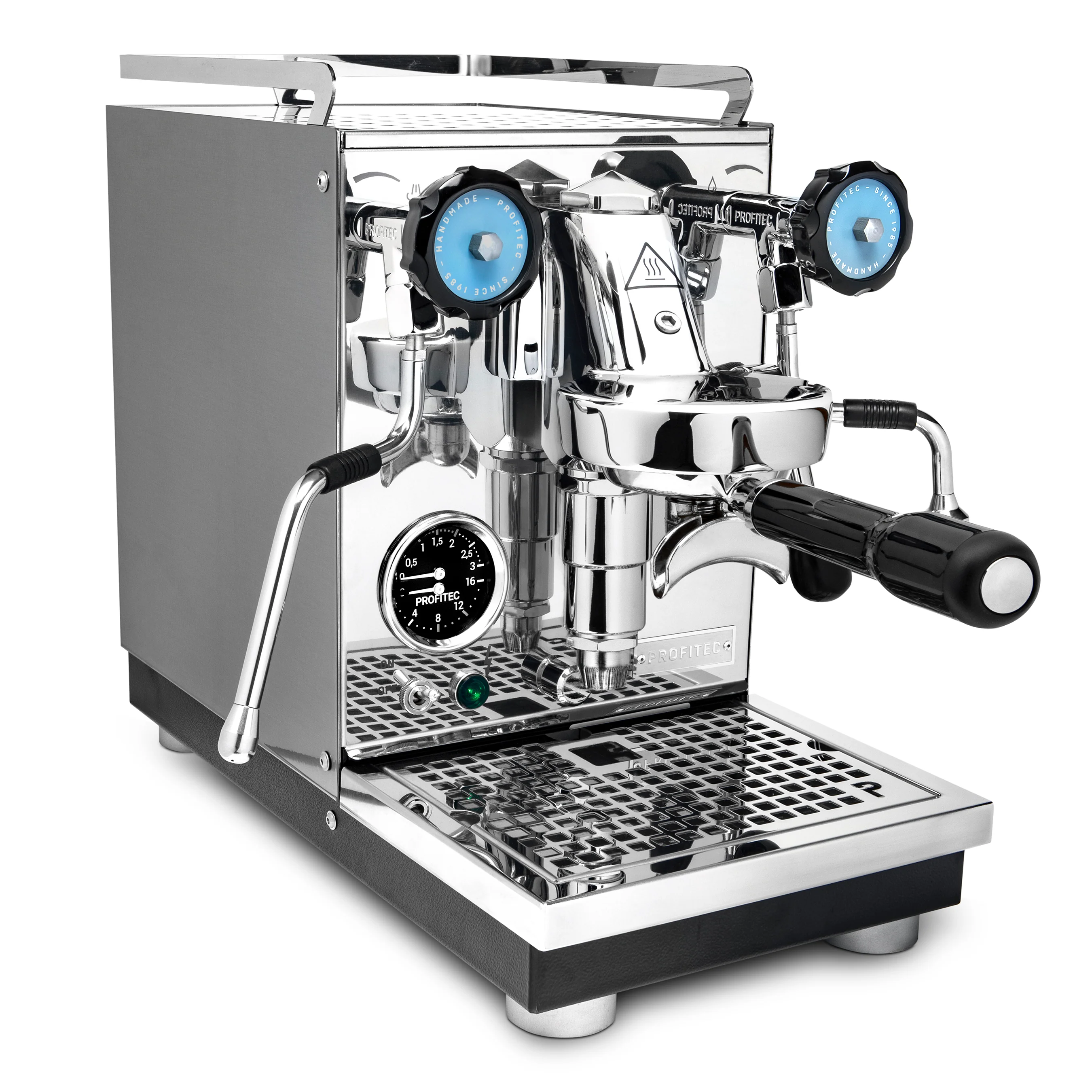
Pro 400, Black, No Flow Control
Profitec
A narrow E61 heat-exchanger machine with a stainless boiler, three PID presets, pre-infusion switch and serviceable rotary valves.
- Repair
- 7.2/10
- TCO
- 6.6/10
$1699.00
Durable buying guide
Semi-automatic espresso machines use a pump and portafilter for hands-on grinding, tamping, and extraction, plus a steam wand for milk. Durability-minded comparisons focus on boiler design, temperature control, 58 mm accessories, stainless components, documentation, and repair support—not an automated workflow.
8 products
Higher-priced options whose materials, features, service, and tradeoffs still need evidence-based comparison.
Profitec
A narrow E61 heat-exchanger machine with a stainless boiler, three PID presets, pre-infusion switch and serviceable rotary valves.
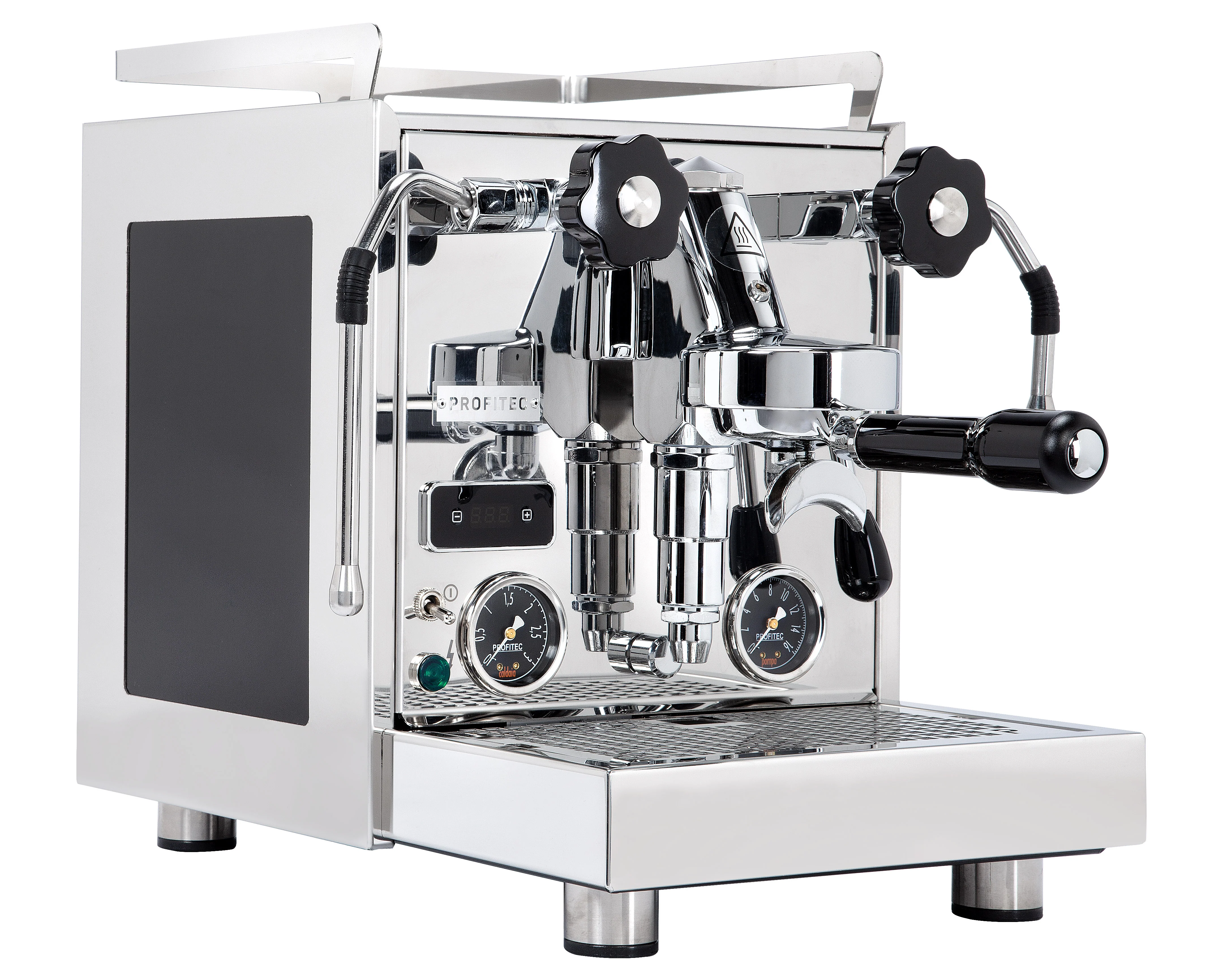
Profitec
A supported legacy dual-boiler E61 machine with independent PID temperatures, strong steam capacity and detailed service documentation.
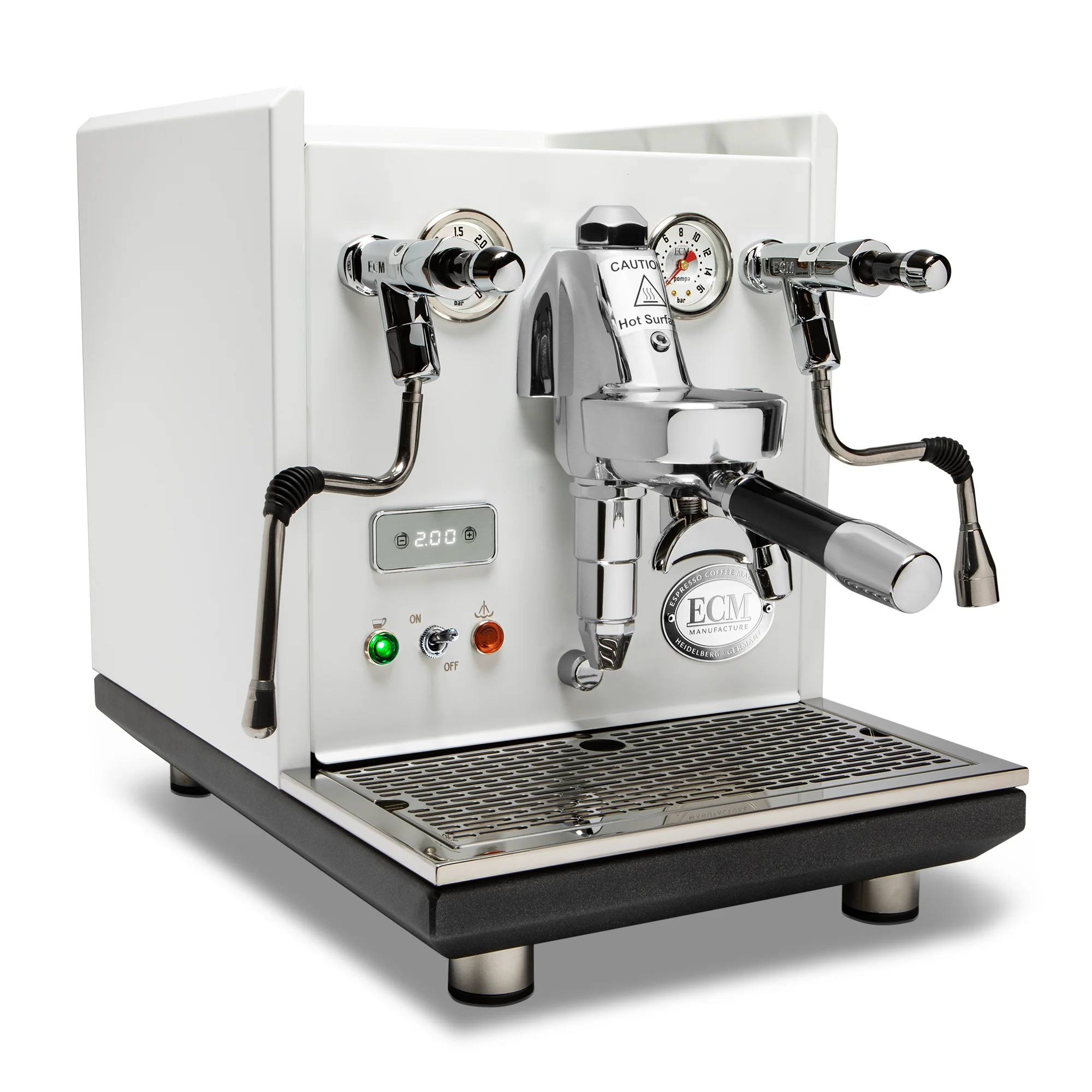
ECM
A plumbable rotary-pump dual boiler with stainless boilers, PID control, E61-style group and a current in-stock white finish.

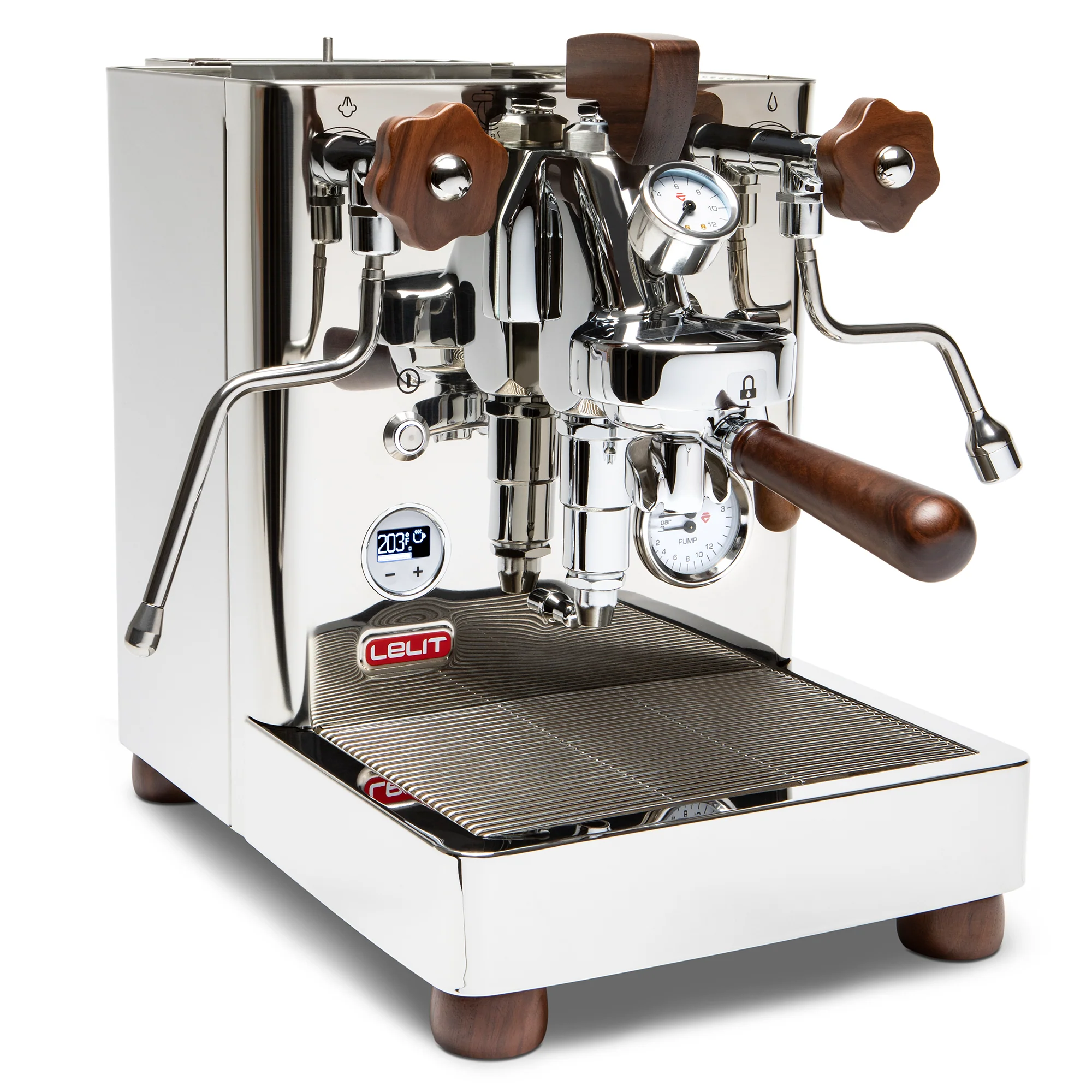
Lelit
A plumbable rotary-pump dual boiler with manual flow control, programmable low-flow profiles and a movable 2.5 L reservoir.
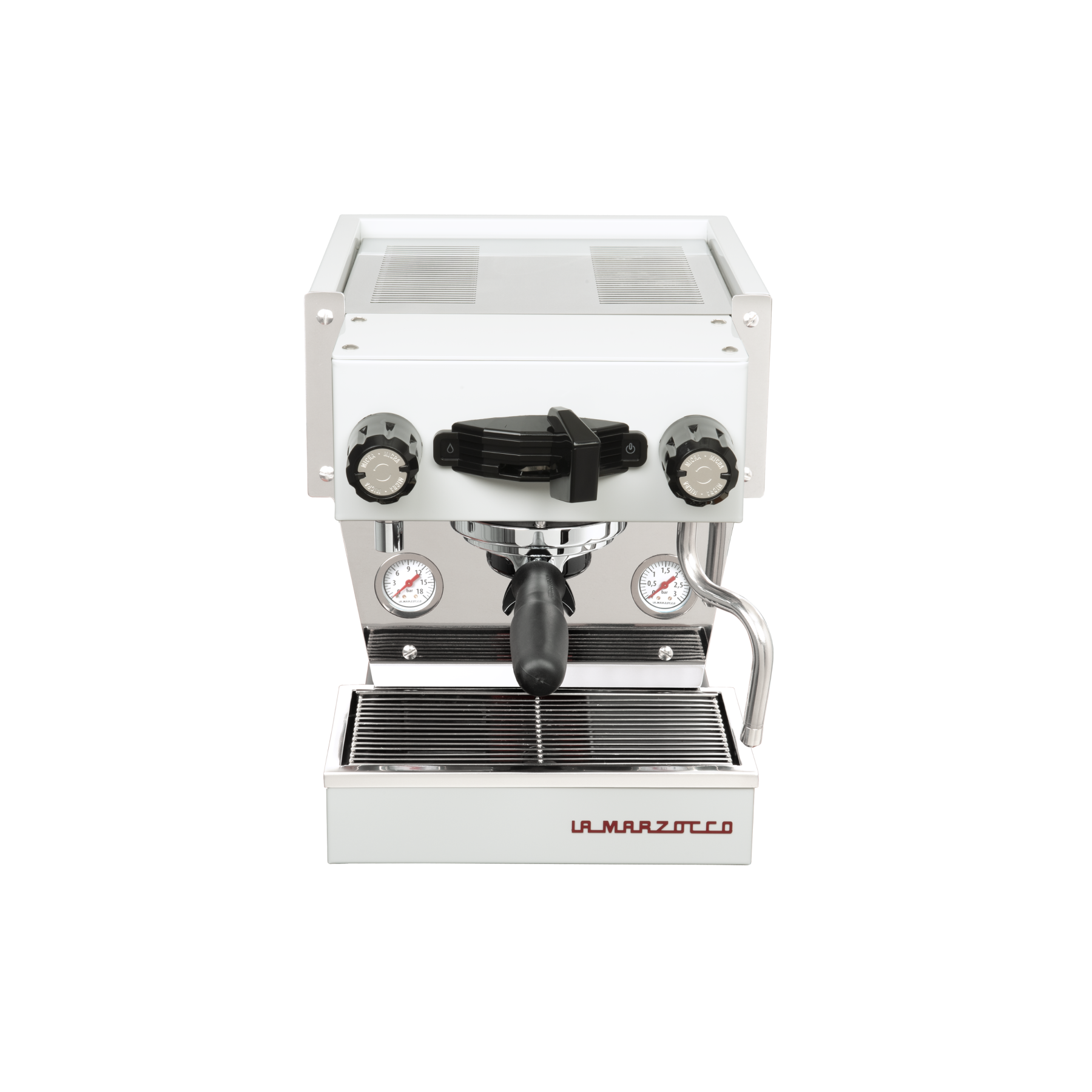
La Marzocco
A compact connected dual-boiler home machine with saturated group, PID temperature control and fast heat-up from a commercial-machine lineage.
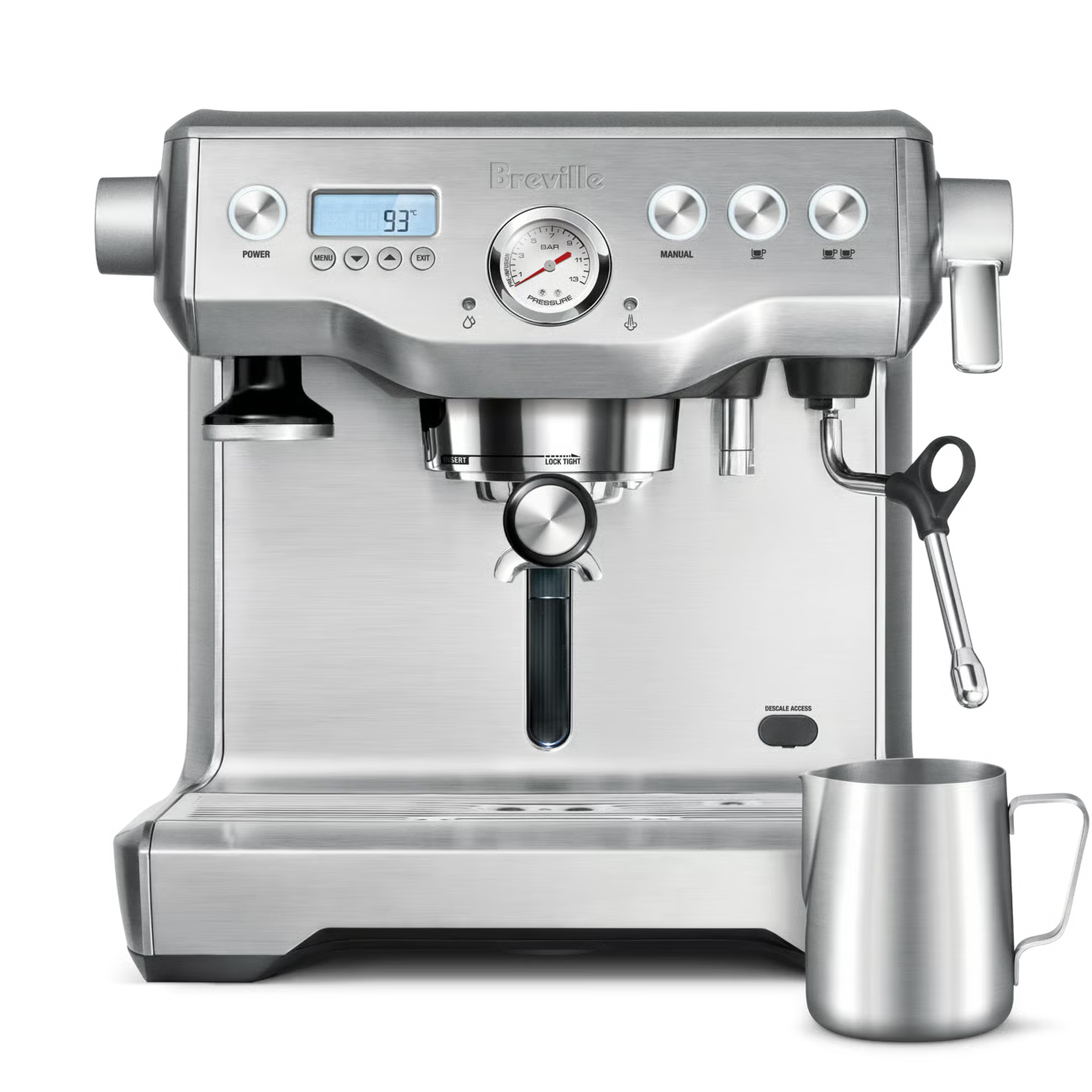
Breville
A 58 mm dual-boiler machine with PID-controlled brew water and group heat, programmable pre-infusion and simultaneous steaming.
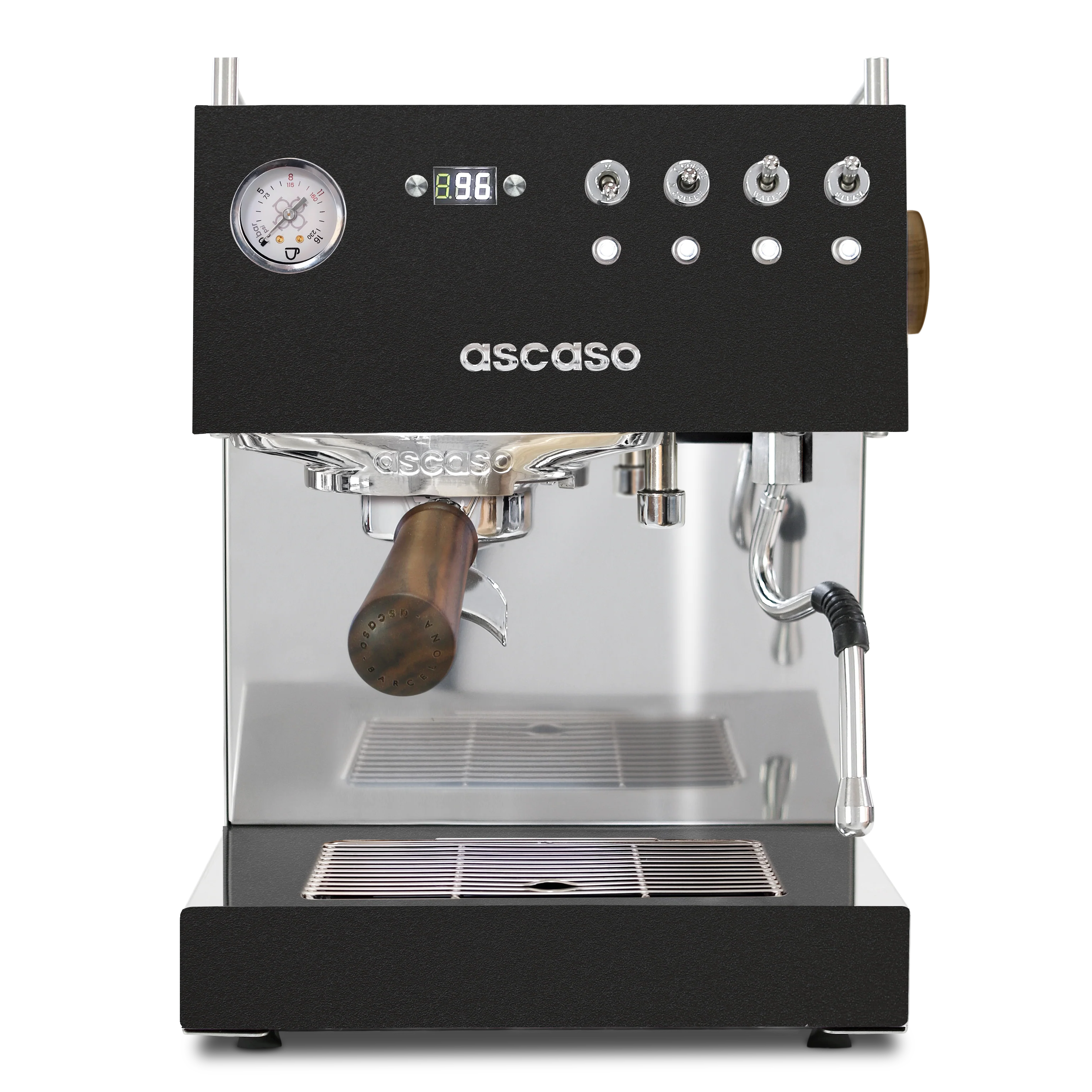
Ascaso
A Barcelona-built dual-thermoblock machine with PID control, volumetric dosing, programmable pre-infusion and simultaneous steam.
3 products
Superior features, extended warranties, and high-end materials for enhanced performance.
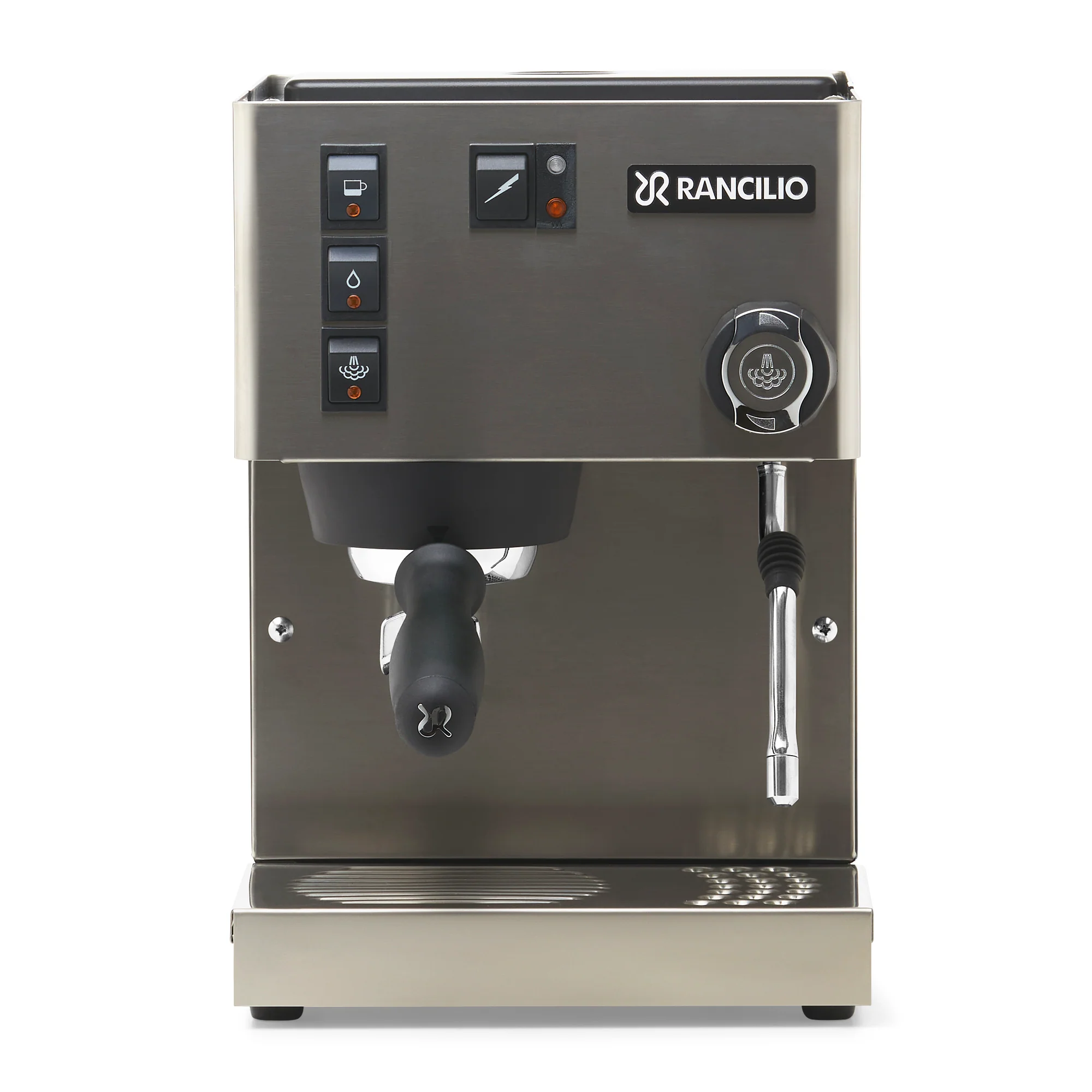
Rancilio
A long-running single-boiler machine with a brass brew system, 58 mm commercial-style group and unusually broad parts support.
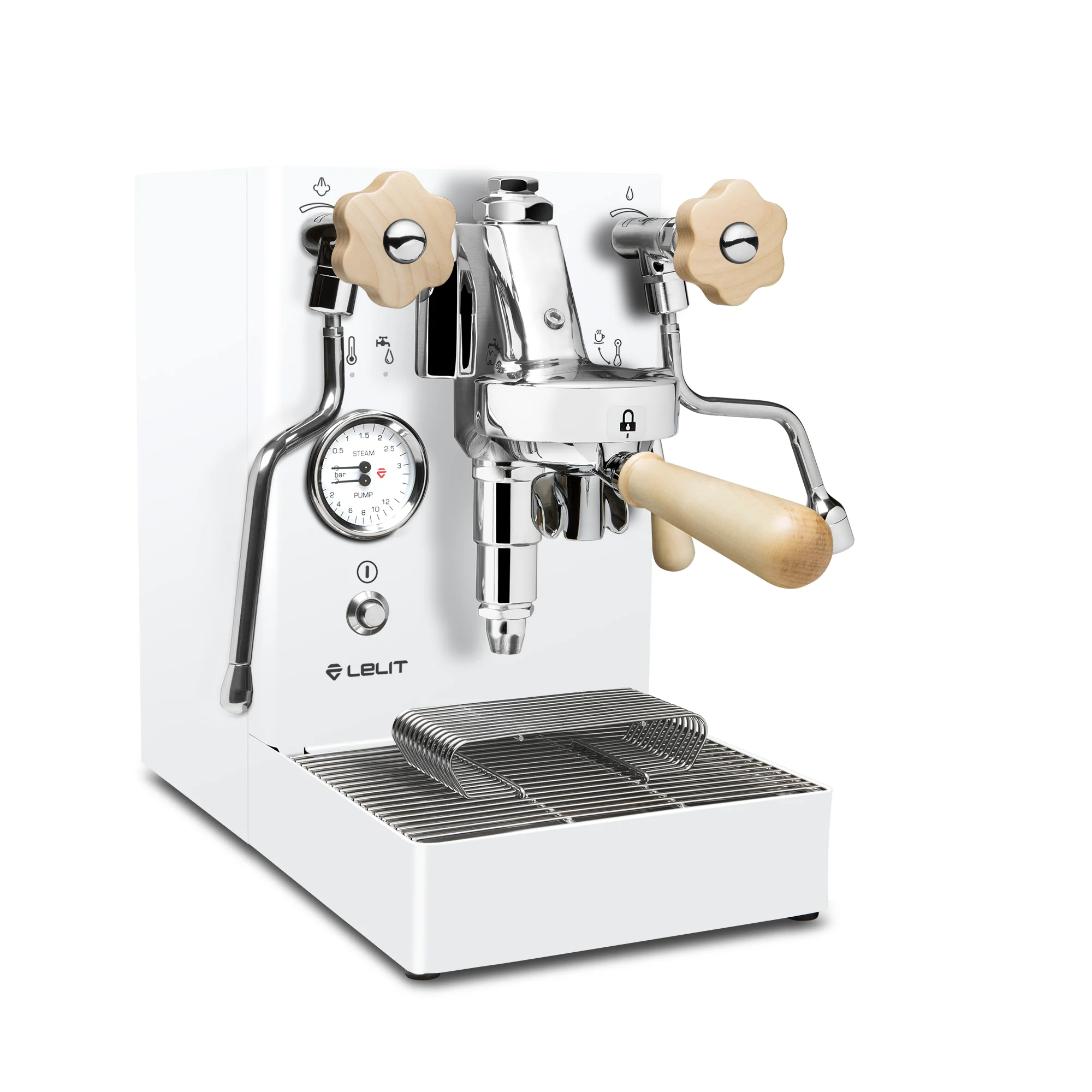
Lelit
A compact E61-style heat exchanger with dual-sensor PID logic, three brew presets and selectable coffee or steam priority.
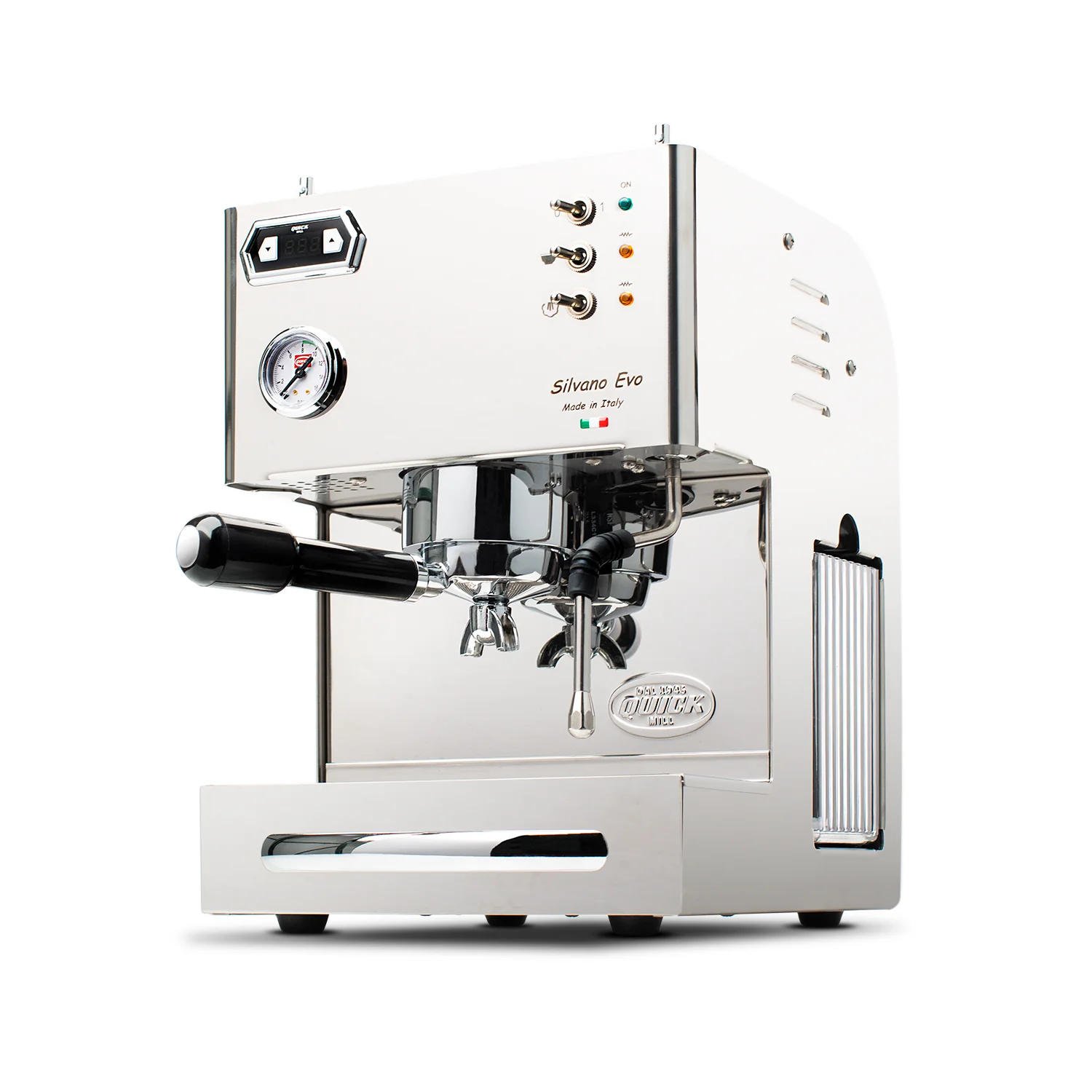
Quick Mill
A compact stainless machine pairing a PID-controlled coffee boiler with a separate steam thermoblock and two protected vibration pumps.
1 products
A balanced blend of performance, quality, and price for the discerning user.
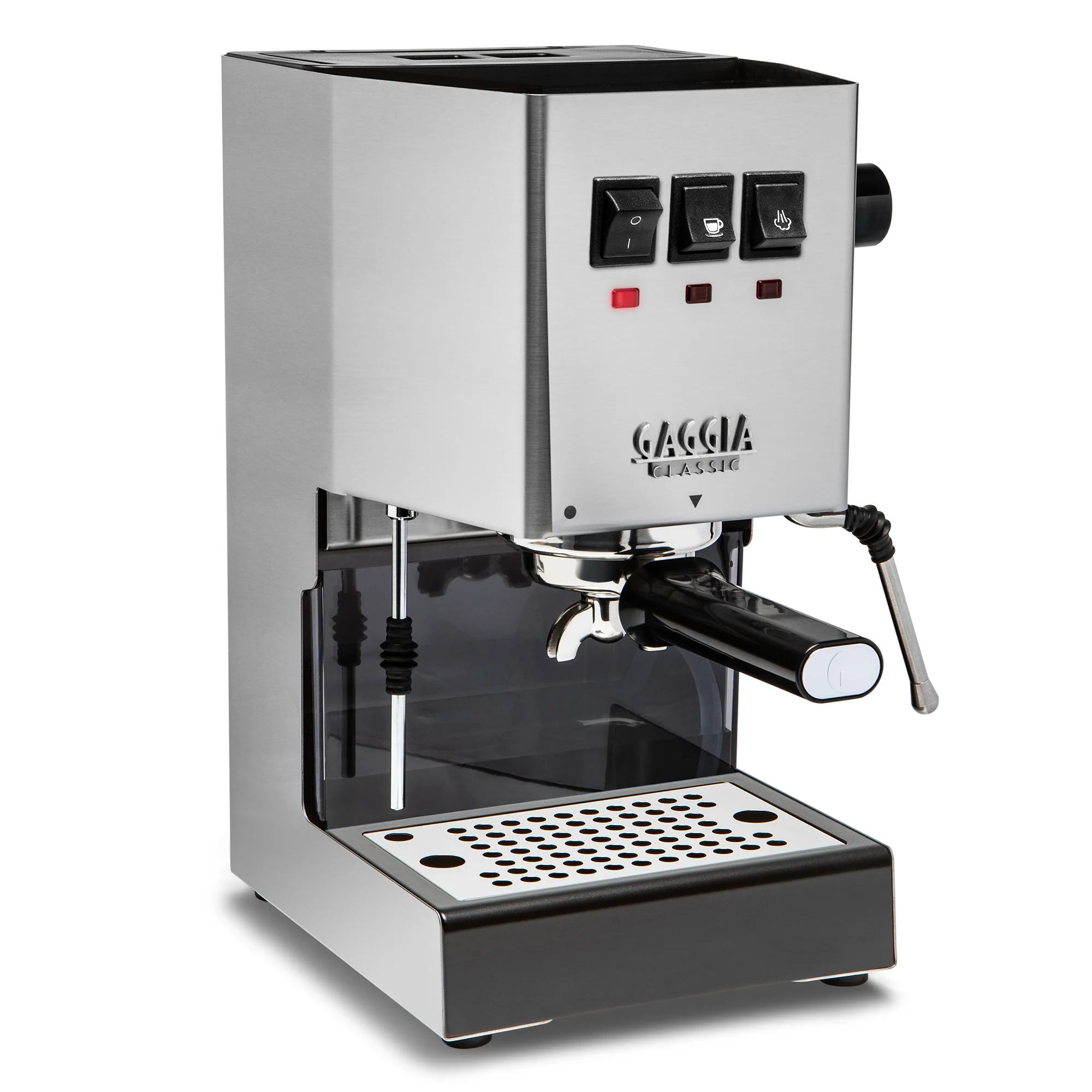
Gaggia
An Italian single-boiler machine with a lead-free brass boiler, 58 mm group, nine-bar OPV calibration and commercial steam wand.
Shop by brand
Buying guide
On a semi-automatic machine, the parts you handle every shot are part of long-term fit. Rancilio's Silvia page identifies an ergonomic portafilter, brass brewing unit, cup tray, stainless-steel steam wand, and steam knob. Use that as a comparison checklist: inspect how the portafilter locks, whether the group and wand are reachable, how the tray supports your cups, and whether the maker clearly identifies the replaceable accessories for the exact model. Concrete component descriptions are more useful than a generic professional badge.
A temperature or consistency claim is incomplete unless the maker explains what was measured and under which conditions. The Specialty Coffee Association says its standards can cover equipment and brewing performance while providing shared technical language. Ask for the control range, measurement location, warm-up or recovery conditions, and test method; compare claims only when those details are comparable. Treat labels such as PID or commercial pressure as design features, not proof of repeatable extraction.
Cleaning is a usability requirement for a machine that handles coffee oils, heat, and pressure. La Marzocco documents a model-specific Linea Micra backflush: open the app's Backflush path, insert a blind basket, add detergent if applicable, run the automated cycle for about two minutes, and rinse thoroughly before the next shot. For any candidate, find the exact manual or app procedure and confirm blind-basket compatibility, detergent guidance, cycle steps, and rinse requirements before committing.
Water belongs on the specification sheet, not just in the maintenance budget. La Marzocco explains that mineral content and chemistry can drive scale, corrosion, sensor problems, repairs, and shorter machine life; its published home-machine ranges are TDS 90–150 ppm, hardness 70–100 ppm, pH 6.5–8, alkalinity 40–80 ppm, and chloride 0–30 ppm. Use these as an example, not a universal rule: test cold source water and obtain limits for the exact model.
Before paying for a semi-automatic machine, verify that the documentation names the exact model and its service path. Rancilio presents Silvia with identifiable brewing and steam components and directs owners to product assistance, while La Marzocco publishes model-specific cleaning instructions. Prefer a manufacturer page or manual that names parts, operating procedures, and support contacts over a retailer listing that only repeats feature language. This makes future troubleshooting less dependent on guesswork and reduces the risk of buying an undocumented variant.
FAQ
Use the basket that matches your coffee and workflow. Breville’s BES920 manual says single-wall baskets are intended for freshly ground beans and let you tune grind, dose, and tamp, while dual-wall baskets suit pre-ground coffee and regulate pressure more forgivingly. Treat that as model guidance, not a universal rule: basket geometry and the maker’s instructions should decide whether a replacement basket is compatible.
A stated 58 mm group head can be a useful starting point when planning a long-lived accessory setup. Breville documents a 58 mm group head, tamper, and full-stainless portafilter on the BES920. Do not assume every 58 mm part will fit every machine: confirm the portafilter lug pattern, basket depth, tamper clearance, and the exact model generation before buying replacement parts or upgrade accessories.
Start with flow, then change one variable at a time. Breville explains that an excessively fine grind can restrict flow and produce a dark, bitter, over-extracted shot, while a coarse grind can run too quickly and taste weak or under-extracted. Its troubleshooting table also points to dose and tamp when pressure is low. Record the grind setting, dose, tamp, time, and yield so adjustments remain repeatable rather than guesswork.
On a manual-style brew group, the portafilter is part of the thermal workflow, not just a coffee holder. Gaggia’s Classic E24 manual says the machine should be very hot and the filter holder should remain installed to maintain a homogeneous temperature in the brew unit. The practical lesson is to preheat the machine and its brew hardware as directed, then verify the exact maker’s warm-up procedure instead of judging readiness only by the power light.
Choose based on skill level and coffee preparation, not on the label alone. Gaggia says its crema-perfetta filter is a useful starting point, while traditional one- and two-cup filters require more manual skill and experience. It also warns that the traditional filters should not be used with the frothing-jet device. For a durability-minded purchase, confirm which filter types are supplied, whether replacements remain available, and which combinations the manual permits.
Look for a wand and control layout that support repeatable texturing and safe handling. Gaggia recommends cold, fresh whole milk for its Classic workflow, notes that fat content changes foam density, and says the wand should froth without bringing milk to a boil. Breville documents a swivel stainless wand with a three-hole tip on the BES920. Compare wand movement, tip design, protective grip, cleaning access, and replacement-tip availability before treating a machine as a long-term milk platform.
Plan for water, temperature, and cleanliness before leaving it unused. Gaggia says not to leave water in the tank during a long period of non-use because it can become contaminated, and warns that freezing temperatures can damage water left in the heating system. Empty and clean the machine using its manual, allow hot parts to cool, and follow the maker’s restart procedure; do not improvise a drain-down or leave a wet brew path sealed for weeks.
Separate a control feature from the broader brewing system. Breville describes electronic PID control, an actively heated group head, low-pressure pre-infusion, and an over-pressure valve on the BES920; these features address different parts of extraction. The Specialty Coffee Association lists SCA-350 as a specification and test-method standard for semi-automatic and automatic espresso machines. Compare the exact test evidence, recovery behavior, workflow, and service documentation rather than treating “PID” or a pump number as a complete quality verdict.
Honoring the visionaries whose work paved the way for the products we rely on today.
In 1935, Francesco Illy invented and patented the Illetta, an espresso machine that replaced steam with pressurized water. That shift is documented as a foundation of the modern espresso machine and directly connects Illy's work to the semi-automatic category's pressure-based extraction.
Founded in Florence by Giuseppe and Bruno Bambi, La Marzocco registered the first patent for a horizontal-boiler espresso machine in 1939 and patented its first professional semi-automatic dual-boiler GS machines in 1970. The GS separated brewing and steam boilers and used saturated groups for thermal stability.
Founded by Roberto Rancilio in 1927, Rancilio moved from early steam machines to lever and automated brewing: its 1957 H/L Automatica automated the lever process, and the company later followed Faema's continuous-delivery approach. This documents a direct role in semi-automatic machine development and adoption.
Research last refreshed
Benedikt K. L. Schmieder, Verena Bernadette Pannusch, Lara Vannieuwenhuyse, Heiko Briesen, Mirjana Minceva · 2023
This study varies grind size, water flow rate, and temperature in espresso brewing and measures extraction kinetics for caffeine, trigonelline, 5-CQA, and dissolved solids. It directly informs how semi-automatic machine controls affect dose extraction and cup composition.
José A. Sánchez López, Marco Wellinger, Alexia N. Gloess, Ralf Zimmermann, Chahan Yeretzian · 2016
Using a semi-automatic espresso machine, this paper monitors volatile compounds during extraction while varying pressure and water temperature. It identifies distinct extraction profiles and shows how machine settings influence aroma release, directly addressing brew control in the category.
Giovanni Caprioli, Manuela Cortese, Filippo Maggi, Caterina Minnetti, Luigi Odello, Gianni Sagratini, Sauro Vittori · 2014
The researchers compare espresso-machine temperature and pressure settings and coffee cultivars, measuring caffeine, trigonelline, and nicotinic acid by validated HPLC. The results connect machine configuration with extraction of key compounds in espresso preparation.
Michael Kuhn, Sandra Lang, Franziska Bezold, Mirjana Minceva, Heiko Briesen · 2017
This paper studies time-resolved caffeine and trigonelline extraction from finely ground espresso coffee made in a commercial machine, changing particle size and tamping pressure. It is directly relevant to semi-automatic workflows because grind and puck preparation shape extraction over the shot.