8.1/10
Luxury40 yr life
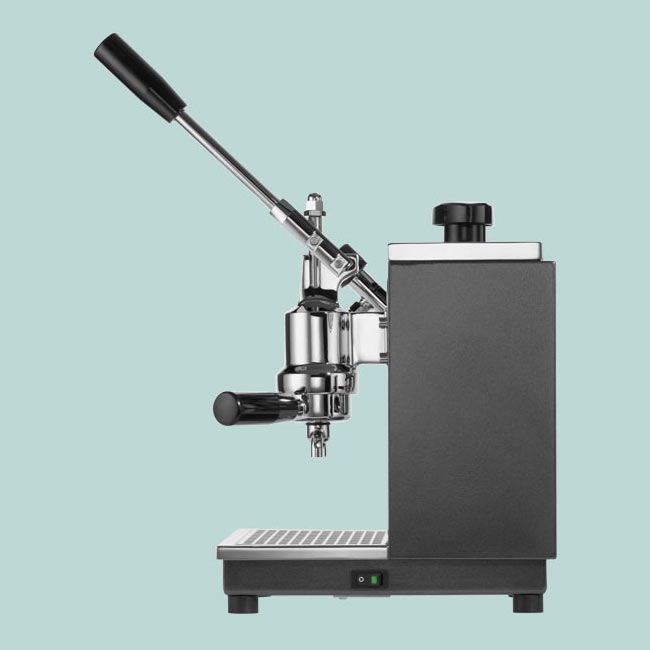
Cremina Lever Espresso Machine, 120 V
Olympia Express
A compact Swiss direct-lever machine with a stainless boiler, chromed-brass group and three-year factory warranty.
- Repair
- 8.7/10
- TCO
- 7.3/10
$4305.00
Durable buying guide
Coffee equipment has different maintenance and failure points by brewing method. Start with the drink and workflow, then compare cleaning, scale management, seals, burrs, heating parts, electronics, and service access.
Limits: Complexity can improve control while adding parts that need care or service. Water chemistry and maintenance can materially affect useful life.
10 products
Higher-priced options whose materials, features, service, and tradeoffs still need evidence-based comparison.
Olympia Express
A compact Swiss direct-lever machine with a stainless boiler, chromed-brass group and three-year factory warranty.

Elektra
An Italian spring-lever machine with a 1.8 L boiler, brass piston, steam system and current U.S. service support.
Profitec
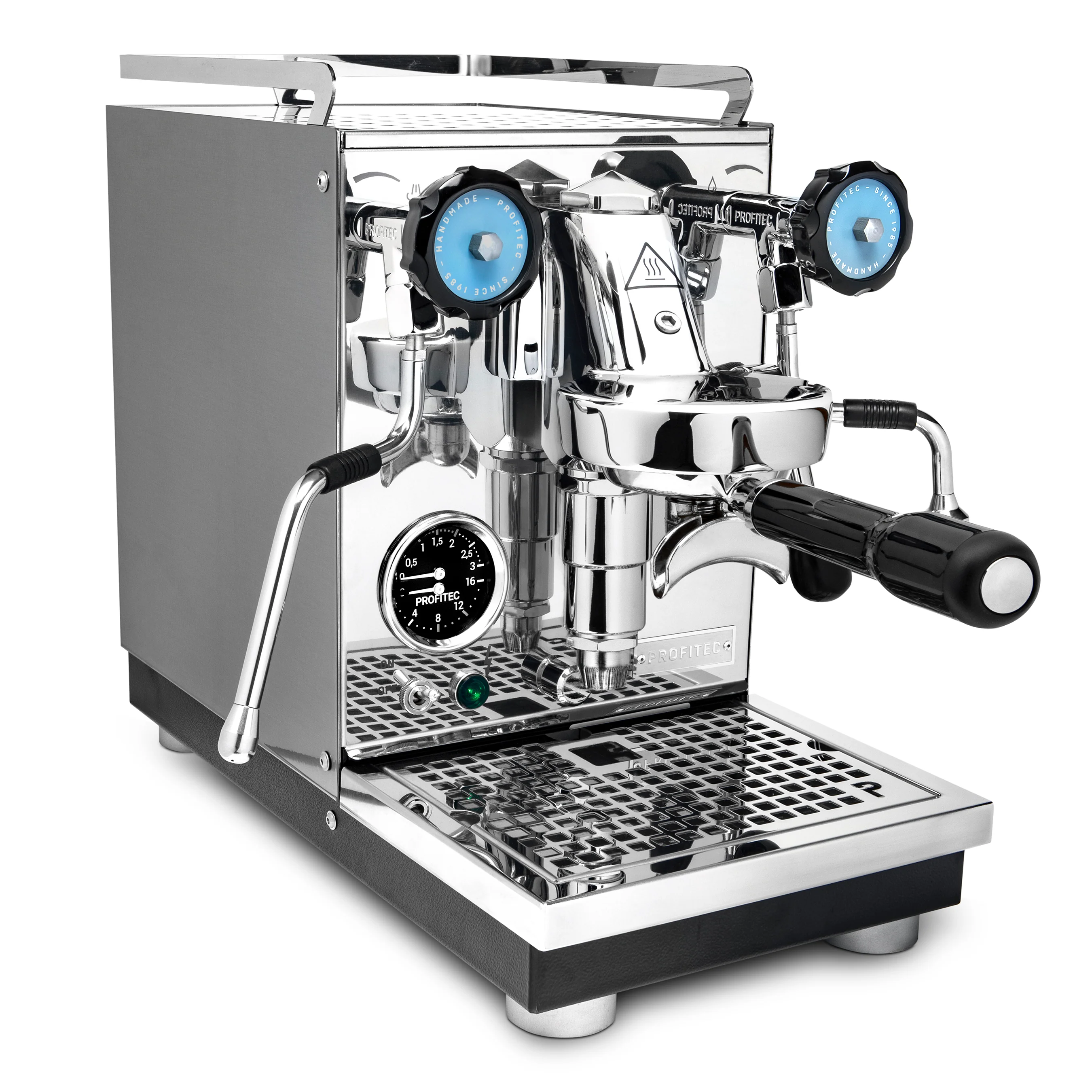
A narrow E61 heat-exchanger machine with a stainless boiler, three PID presets, pre-infusion switch and serviceable rotary valves.
Profitec
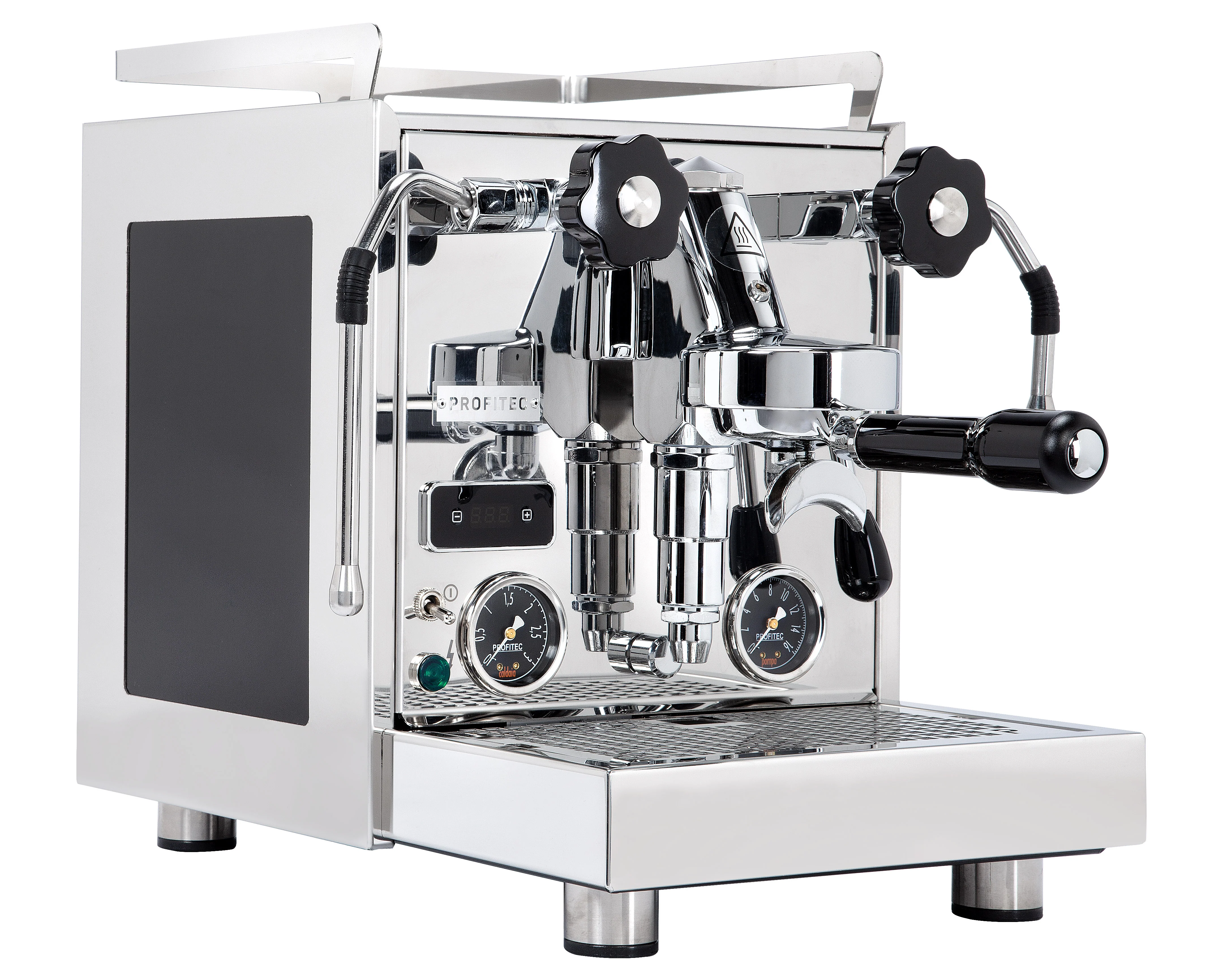
A supported legacy dual-boiler E61 machine with independent PID temperatures, strong steam capacity and detailed service documentation.
ECM
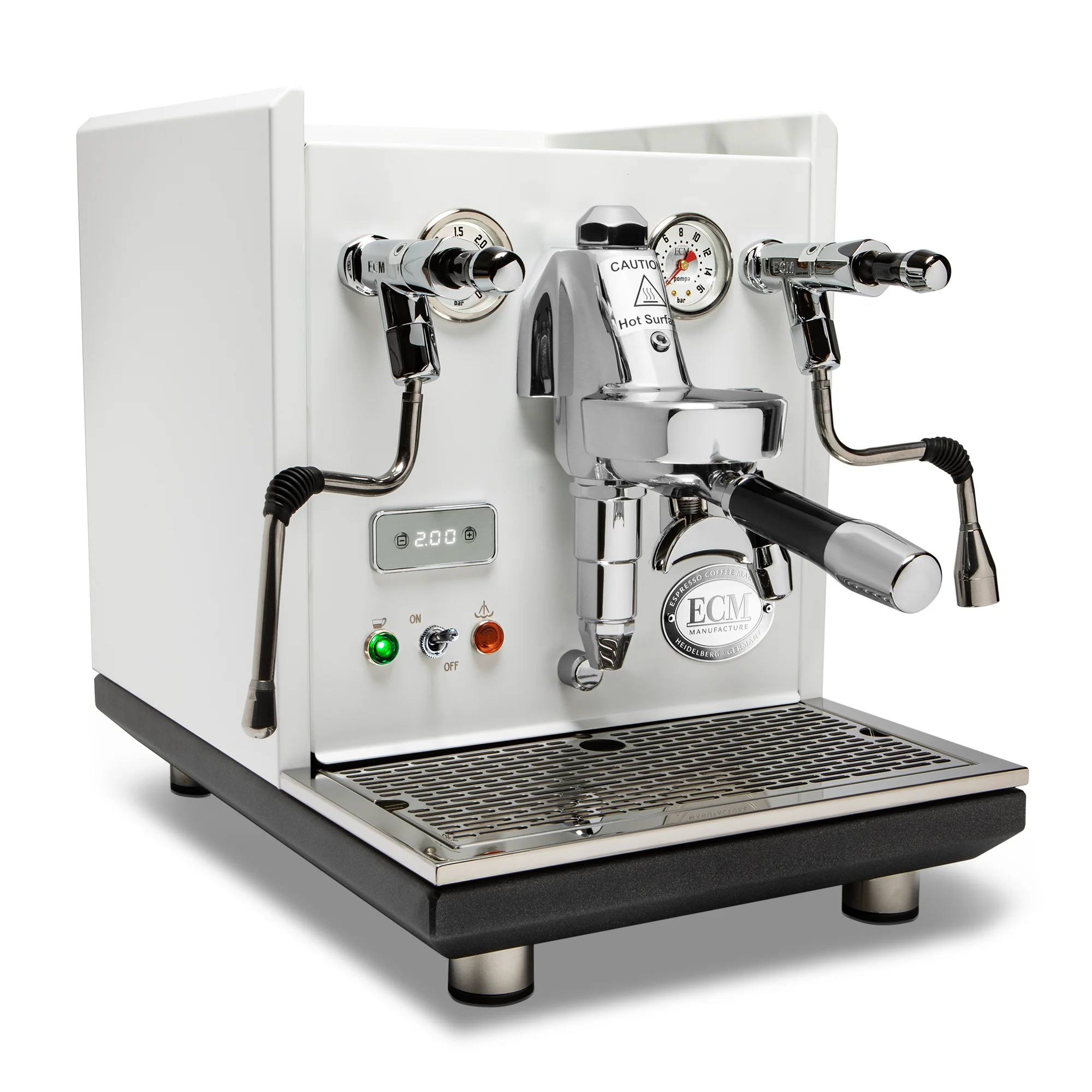
A plumbable rotary-pump dual boiler with stainless boilers, PID control, E61-style group and a current in-stock white finish.

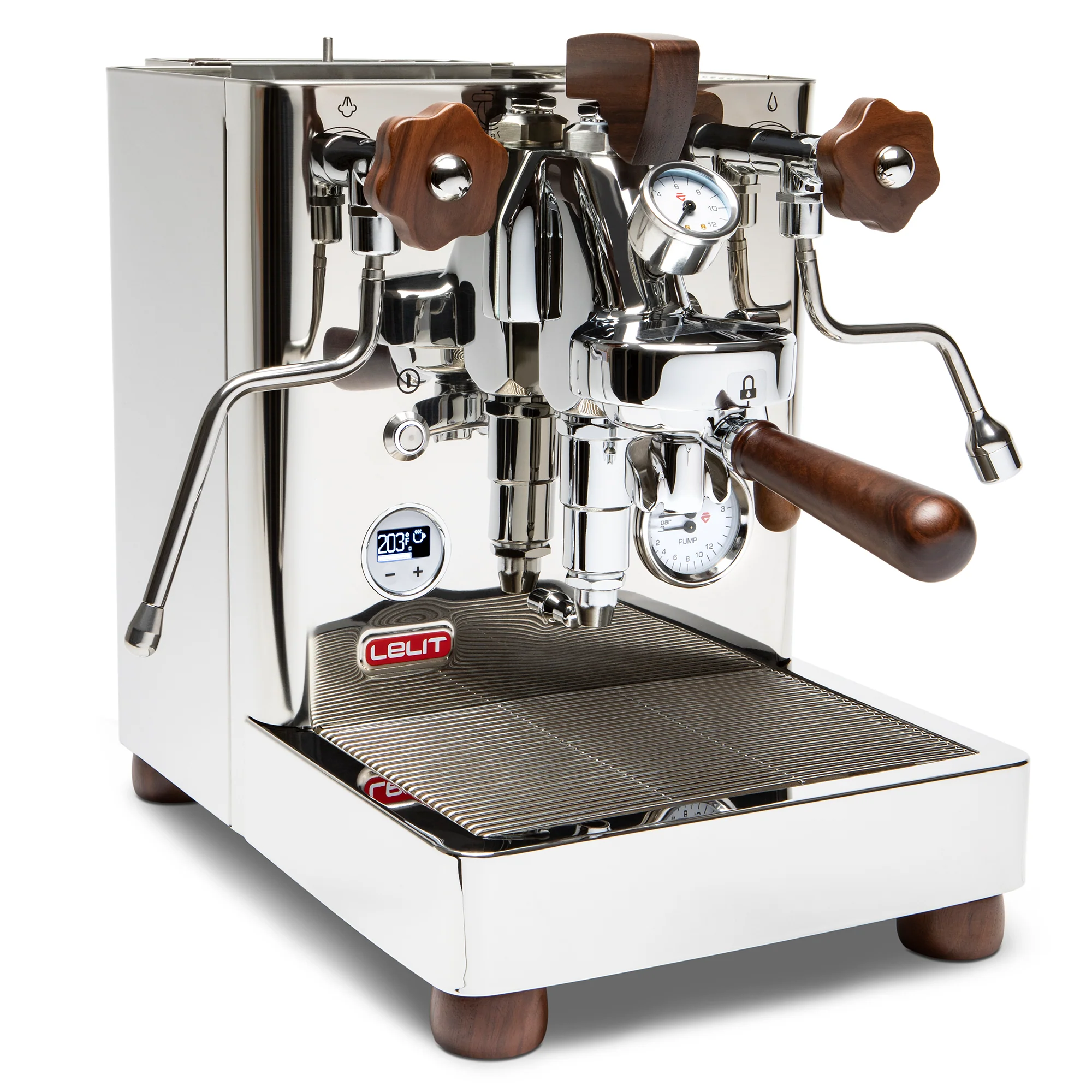
Lelit
A plumbable rotary-pump dual boiler with manual flow control, programmable low-flow profiles and a movable 2.5 L reservoir.
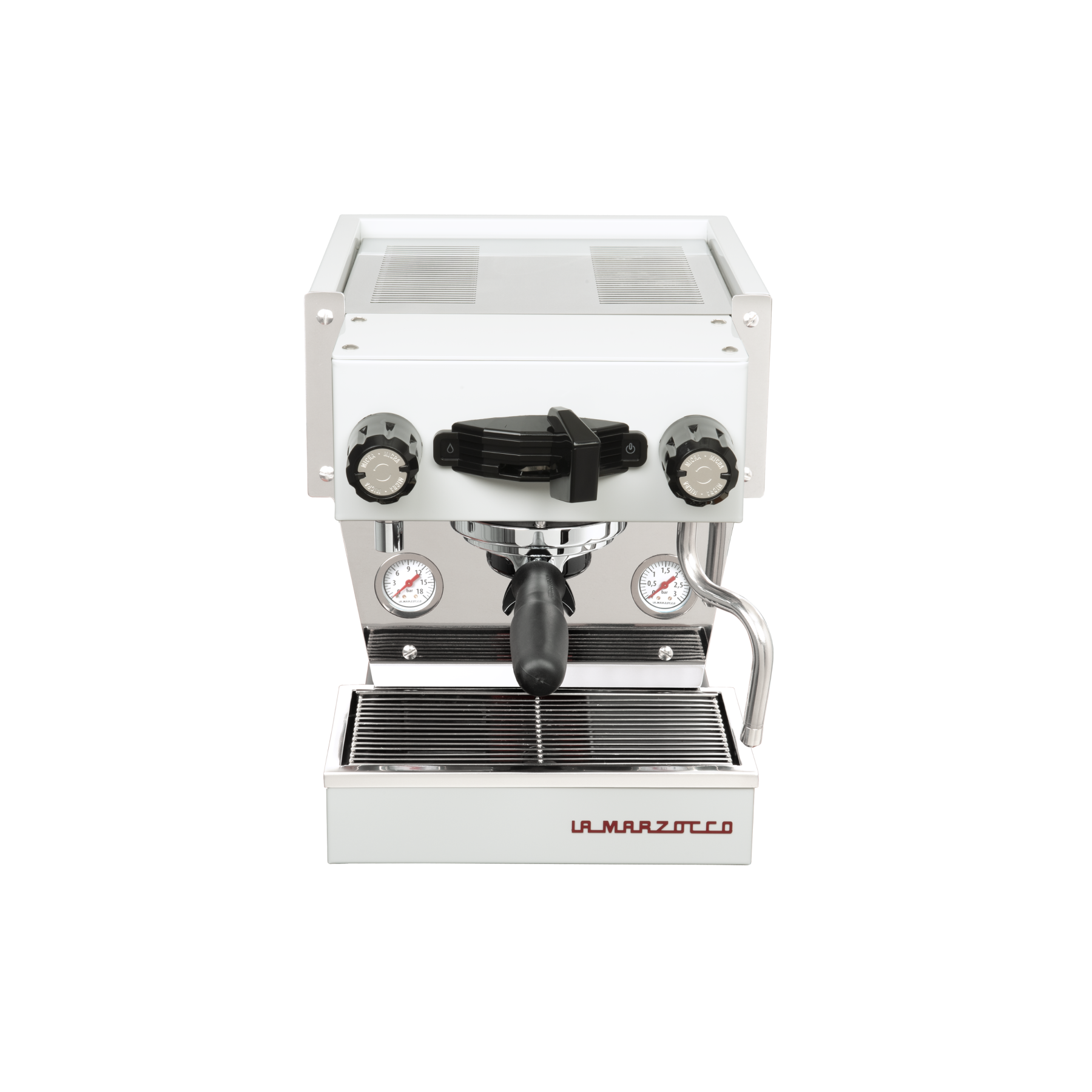
La Marzocco
A compact connected dual-boiler home machine with saturated group, PID temperature control and fast heat-up from a commercial-machine lineage.
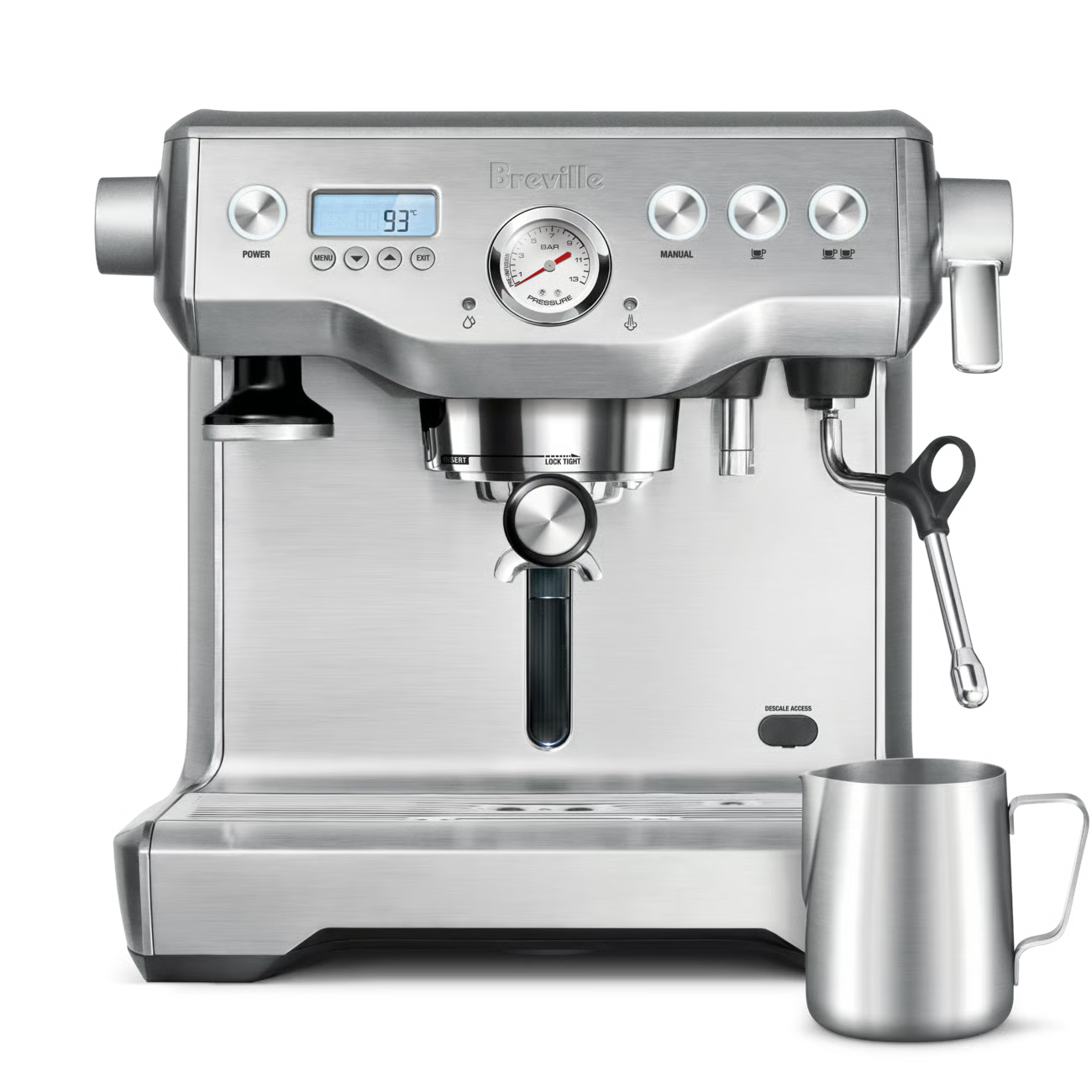
Breville
A 58 mm dual-boiler machine with PID-controlled brew water and group heat, programmable pre-infusion and simultaneous steaming.
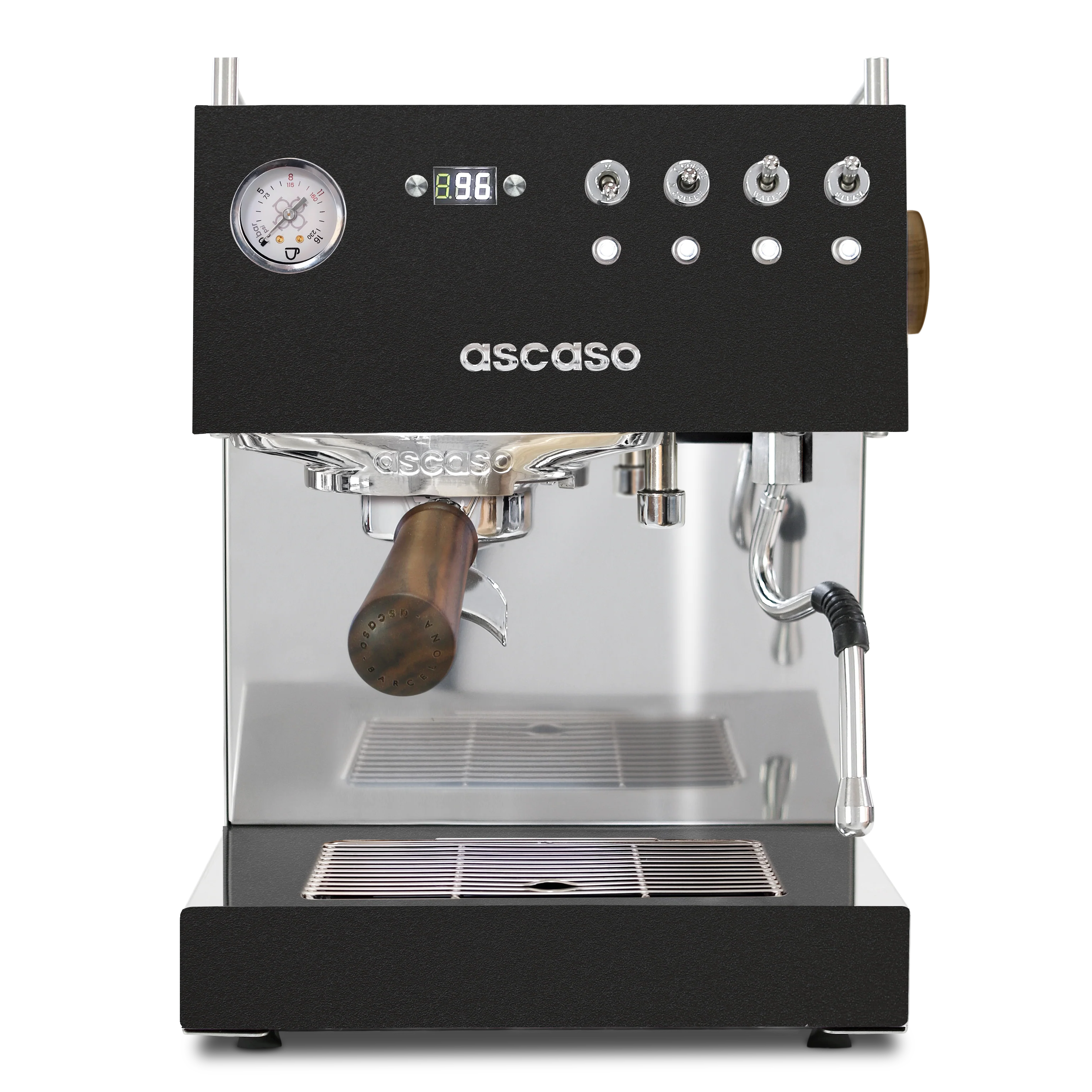
Ascaso
A Barcelona-built dual-thermoblock machine with PID control, volumetric dosing, programmable pre-infusion and simultaneous steam.
11 products
Superior features, extended warranties, and high-end materials for enhanced performance.
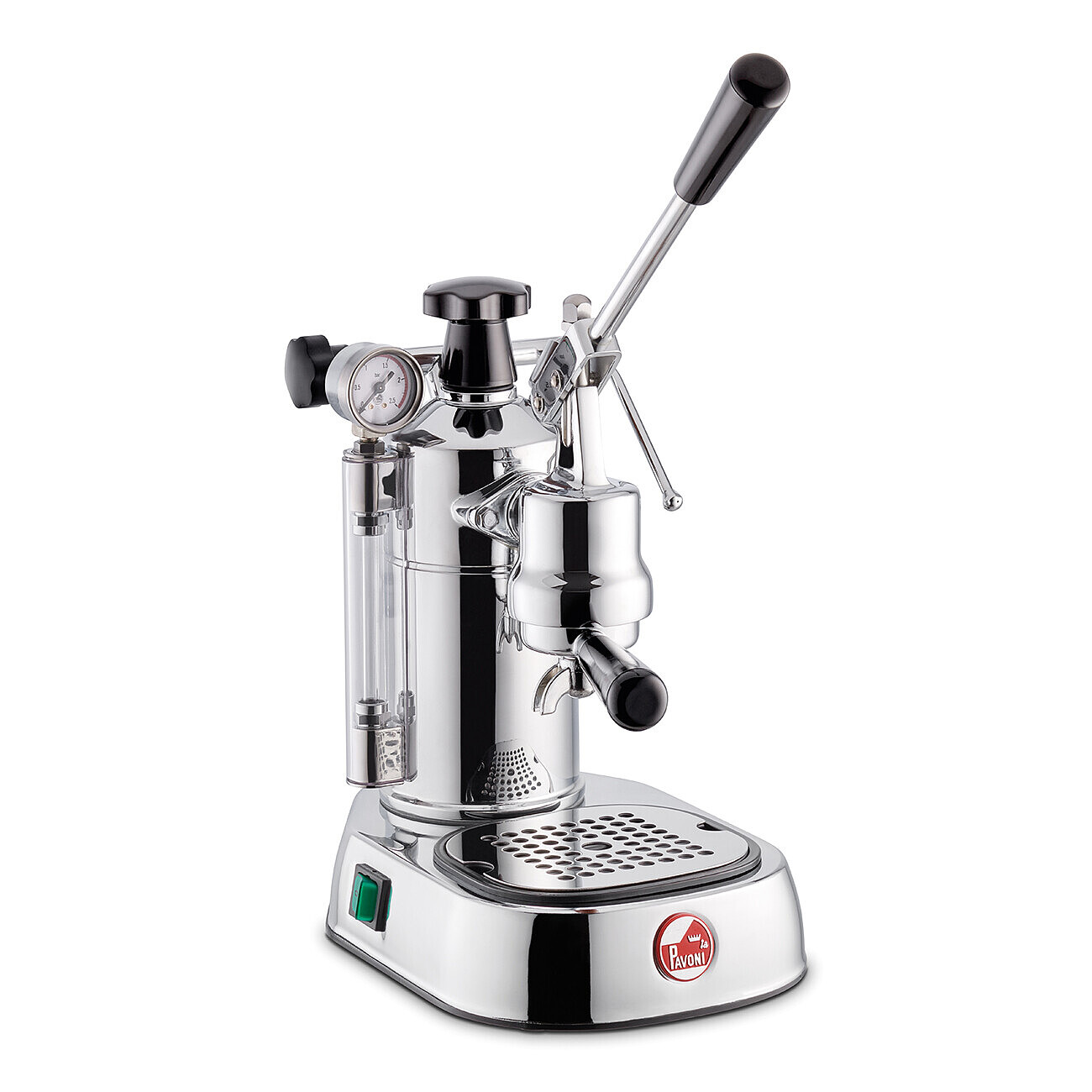
La Pavoni
A 16-cup direct-lever machine with a brass boiler, boiler-pressure gauge, steam system and published parts diagrams.
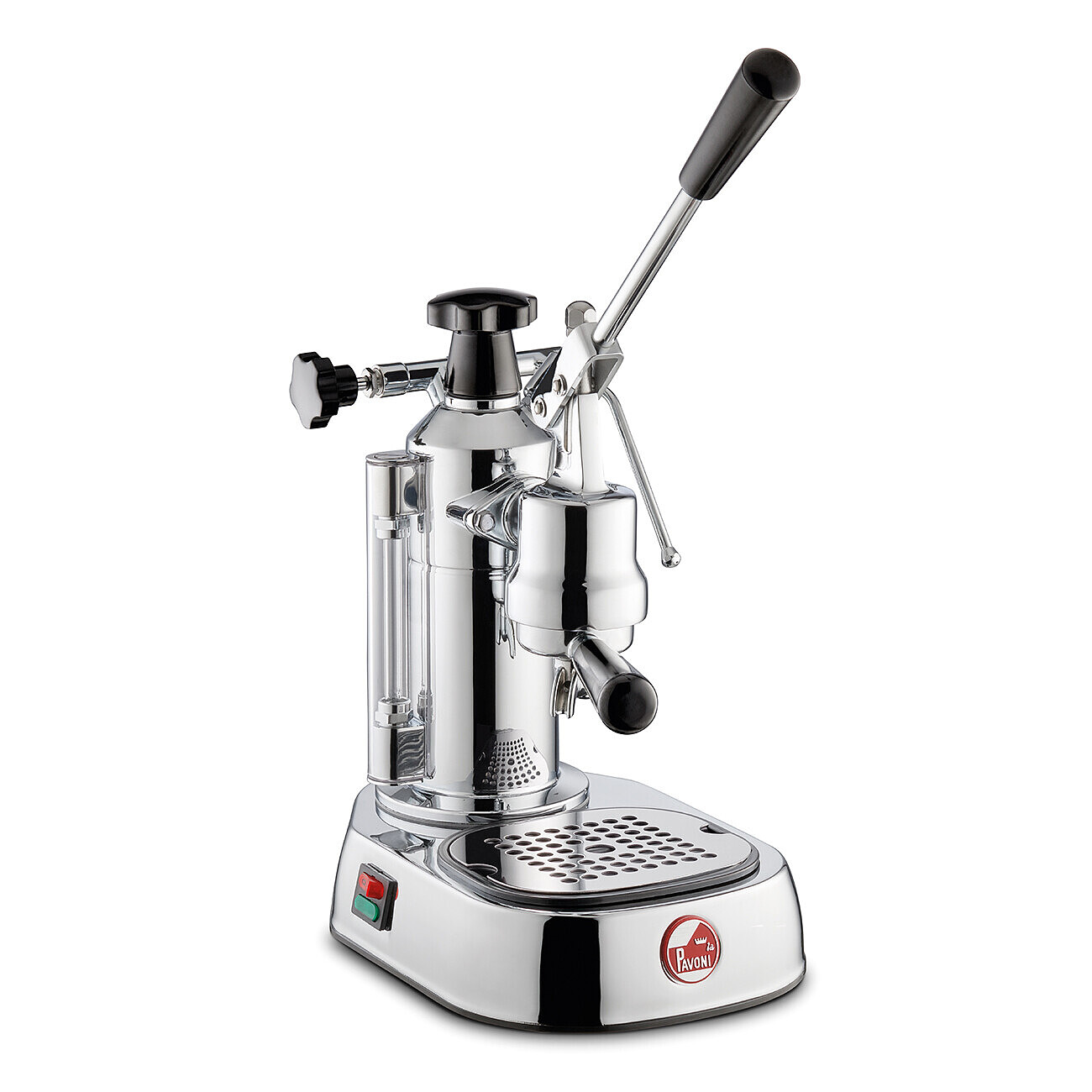
La Pavoni
A direct-lever Italian espresso machine with a brass boiler, steam wand and a fully documented spare-parts breakdown.
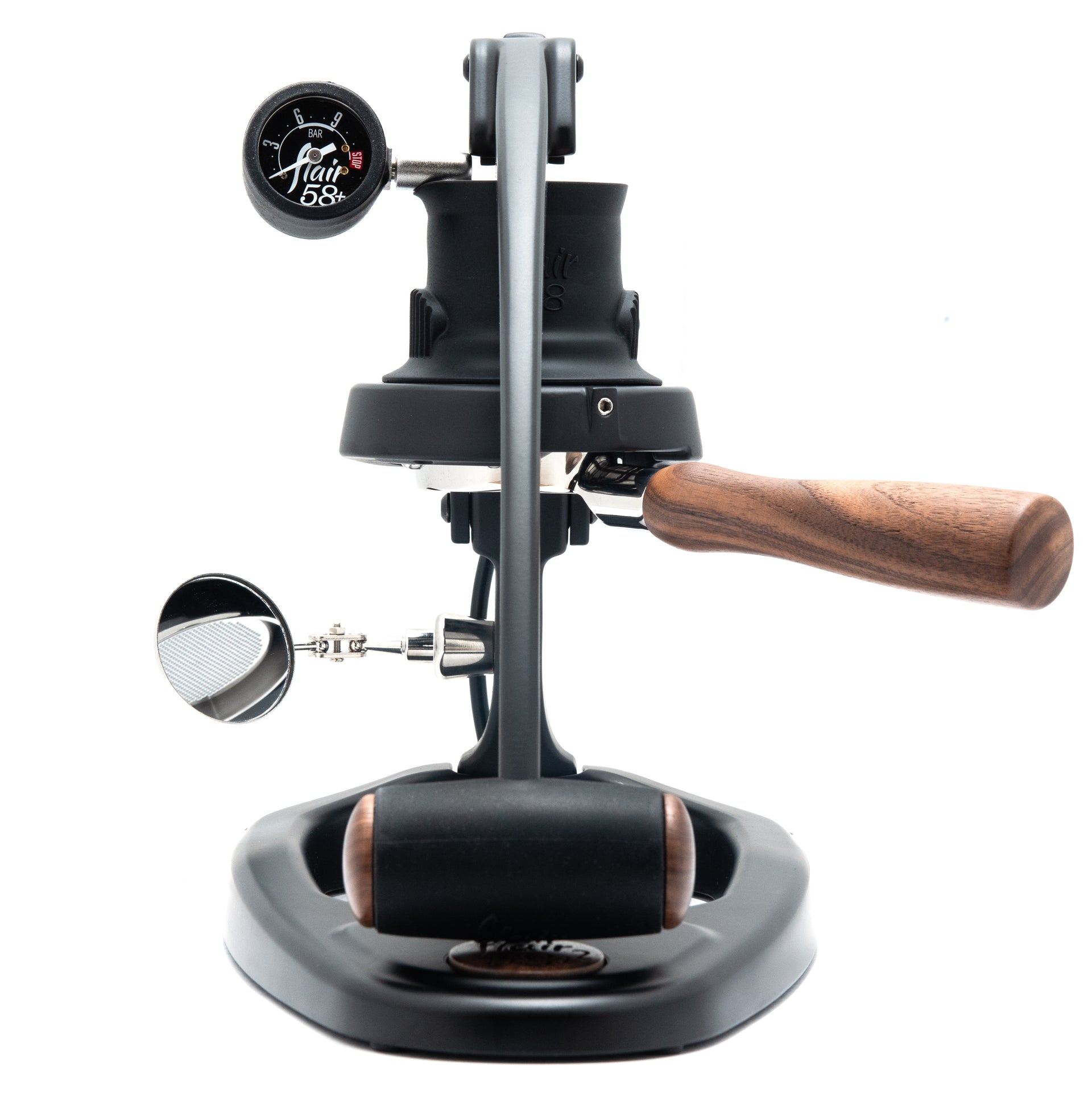
Flair Espresso
Flair's current flagship lever maker with a 58 mm portafilter, stainless brew path and integrated three-level preheat.
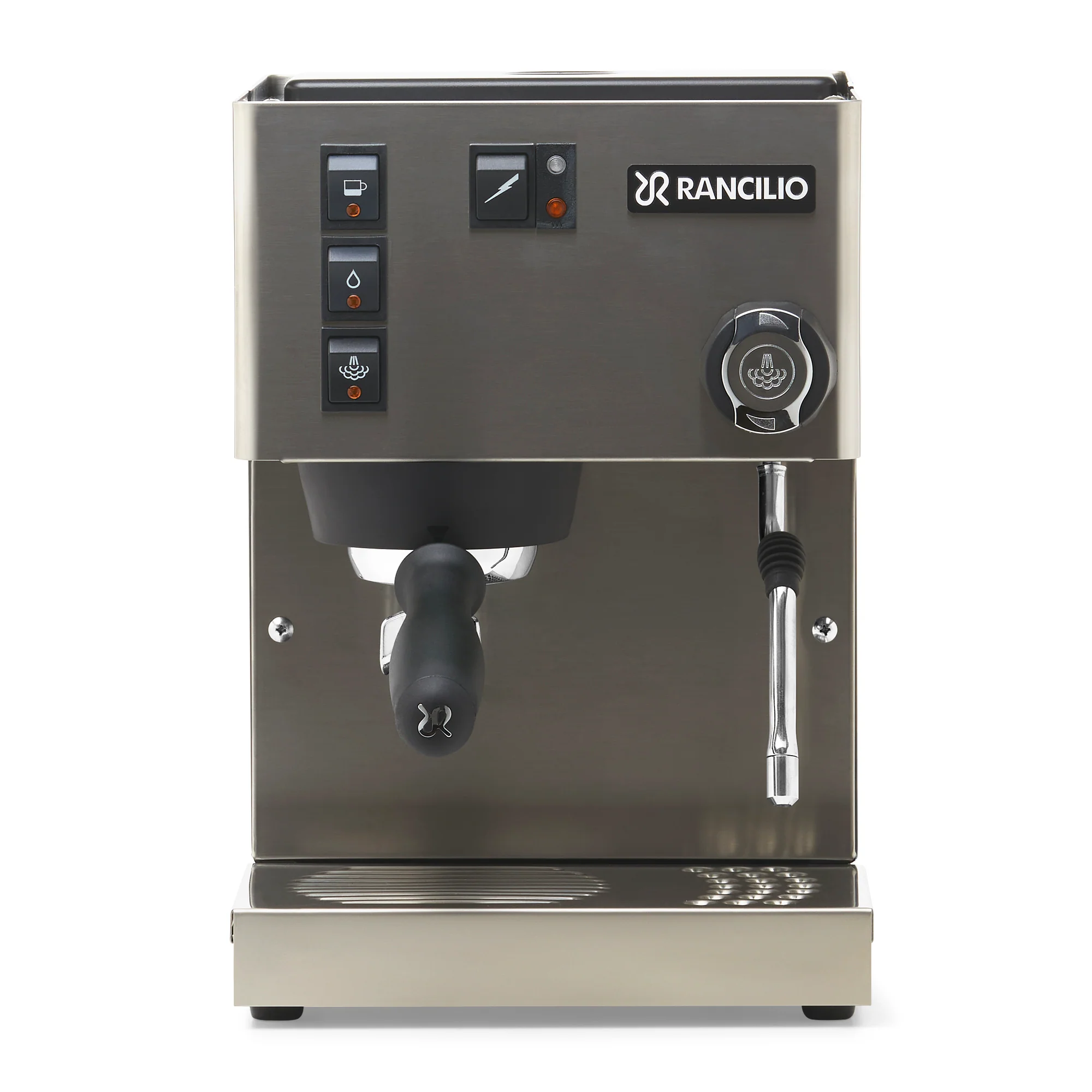
Rancilio
A long-running single-boiler machine with a brass brew system, 58 mm commercial-style group and unusually broad parts support.
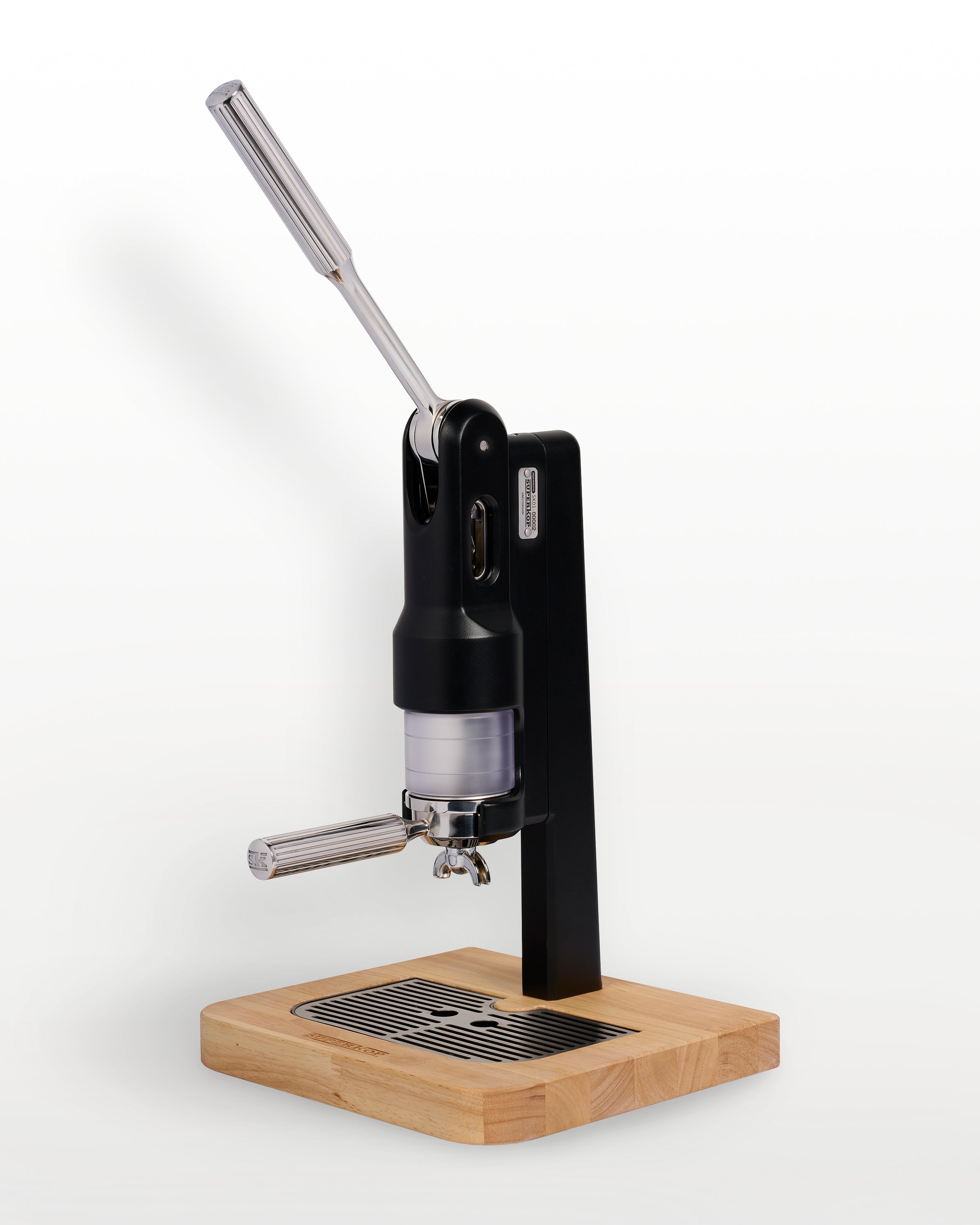
Superkop
A repair-oriented Dutch manual lever machine with a 58 mm portafilter, stainless mechanism and no electricity.
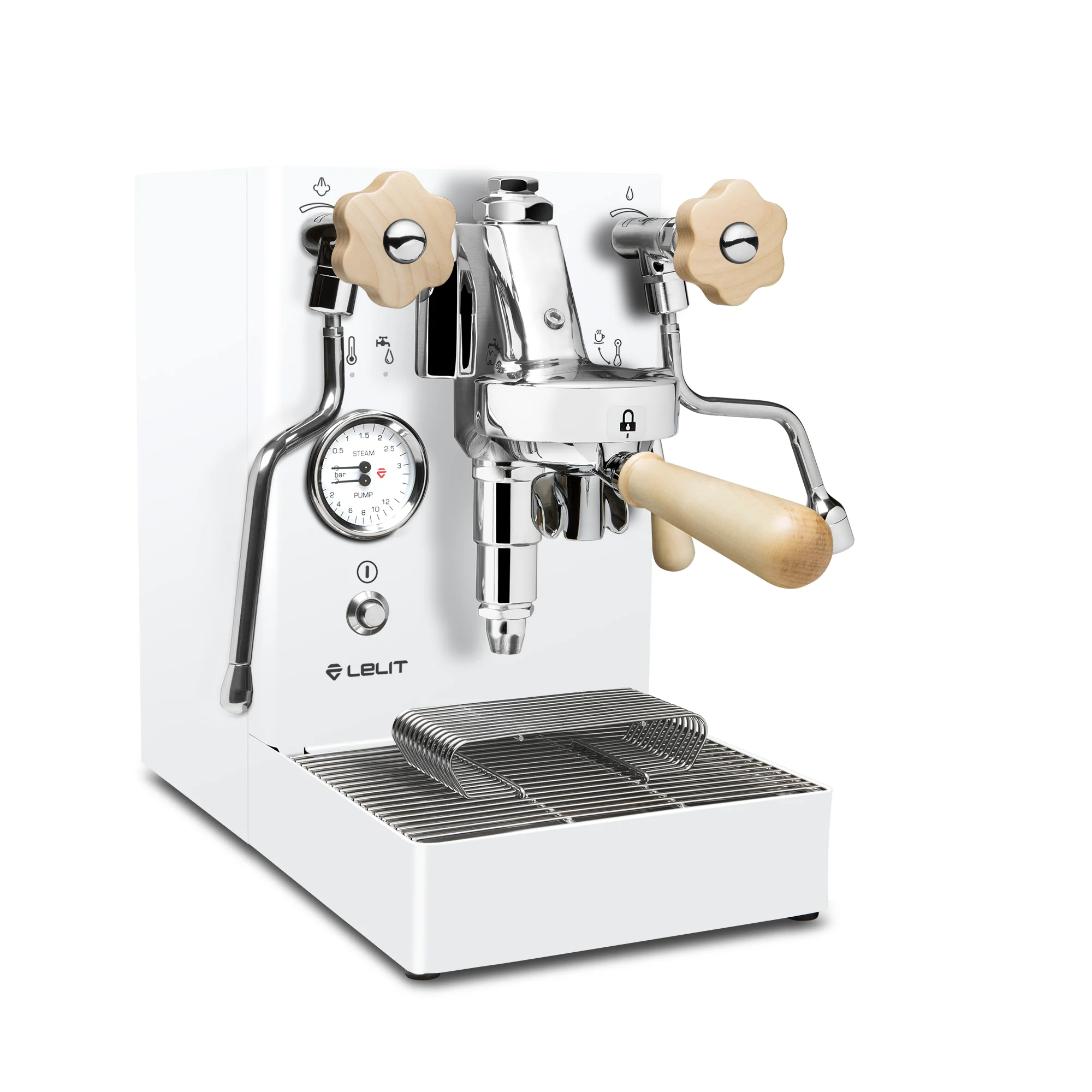
Lelit
A compact E61-style heat exchanger with dual-sensor PID logic, three brew presets and selectable coffee or steam priority.

Eureka
A compact Italian espresso grinder with 55 mm flat burrs, quiet mounting, stepless adjustment and timed touch dosing.
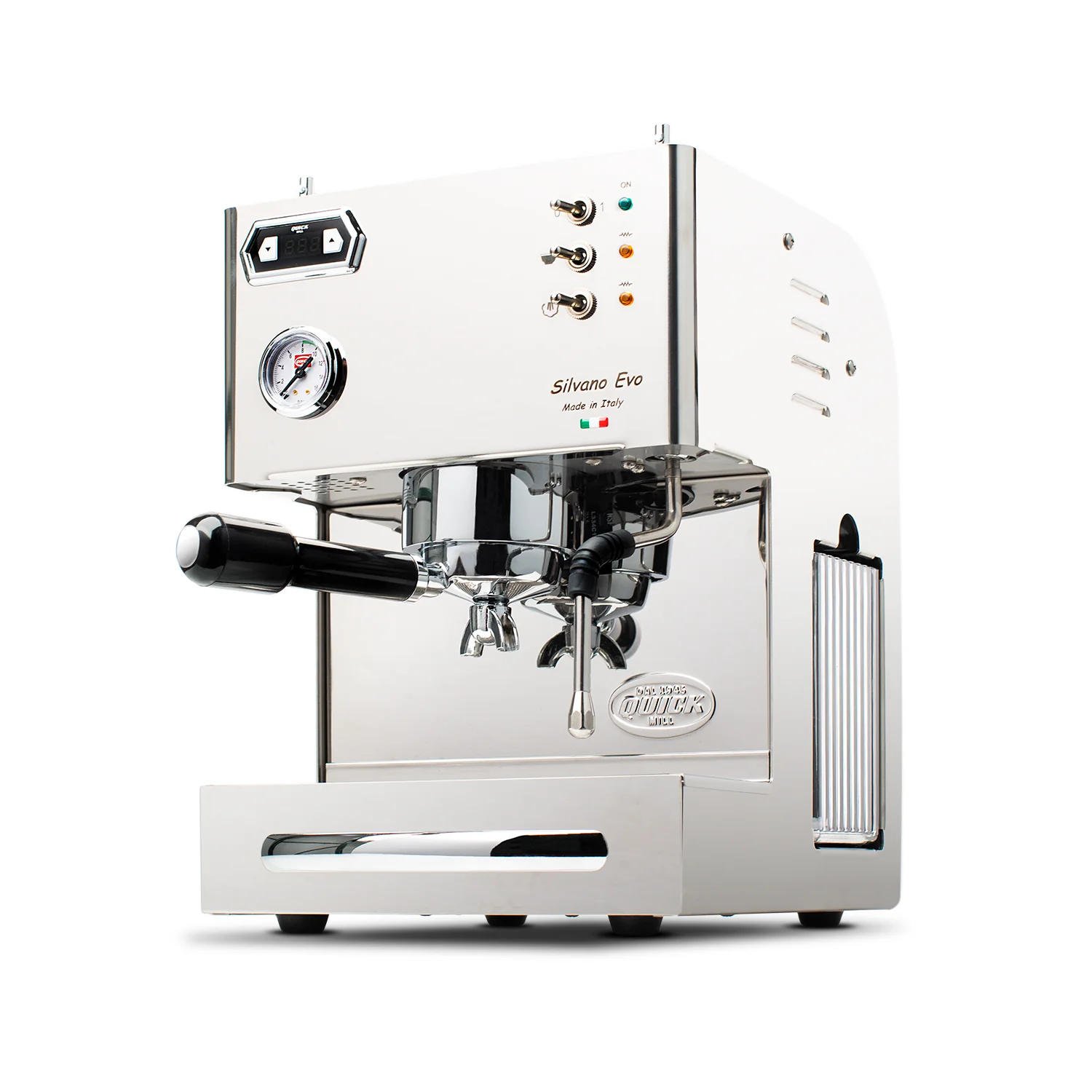
Quick Mill
A compact stainless machine pairing a PID-controlled coffee boiler with a separate steam thermoblock and two protected vibration pumps.
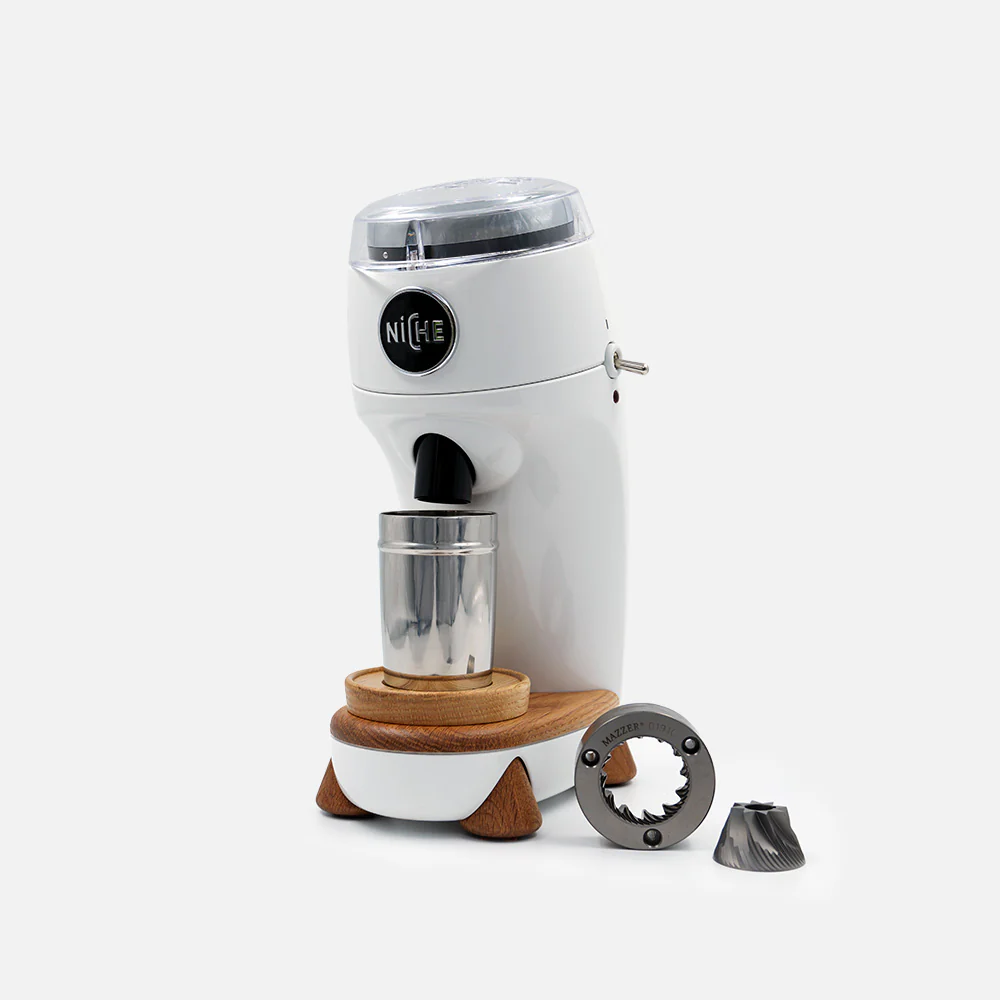
Niche
A quiet single-dose grinder with 63 mm Mazzer conical burrs, stepless adjustment and an exceptionally direct grind path.
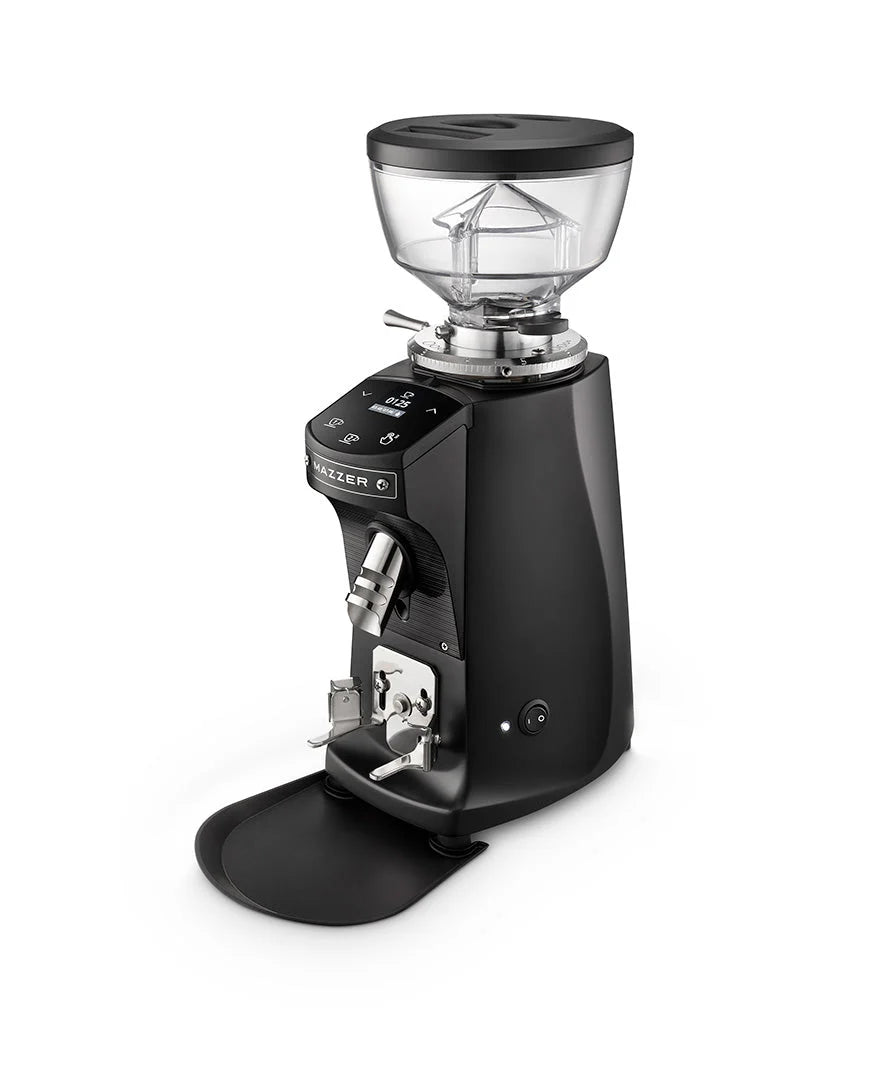
Mazzer
Mazzer's redesigned compact grinder with 64 mm flat burrs, stepless collar and two programmable timed doses.
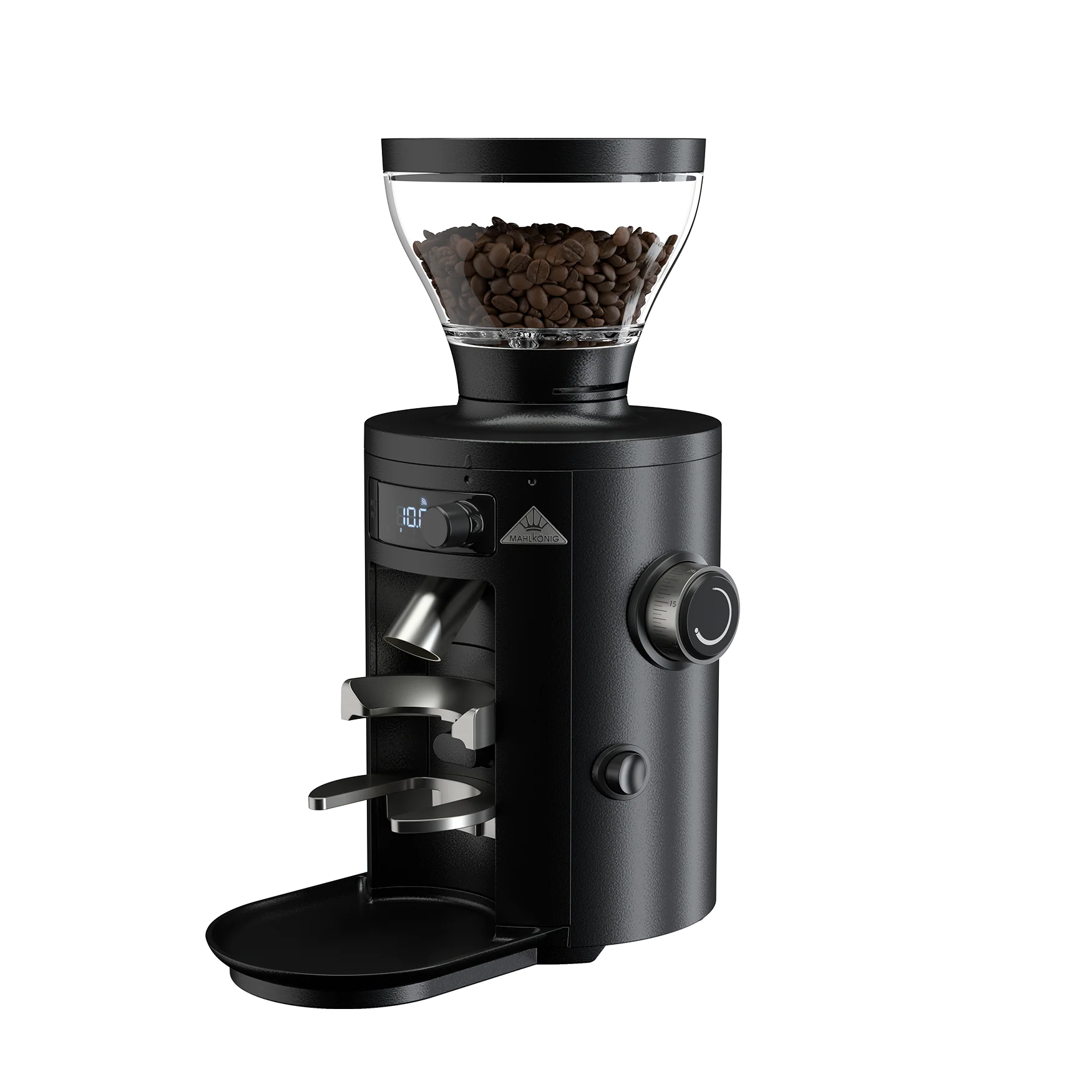
Mahlkönig
An all-purpose flat-burr grinder with stepless adjustment, four timed presets, swappable fronts and official spare parts.
25 products
A balanced blend of performance, quality, and price for the discerning user.

Cafelat
A hand-built pressure-gauge lever maker with a stainless brew path, 58 mm-class basket and extensive original spares.
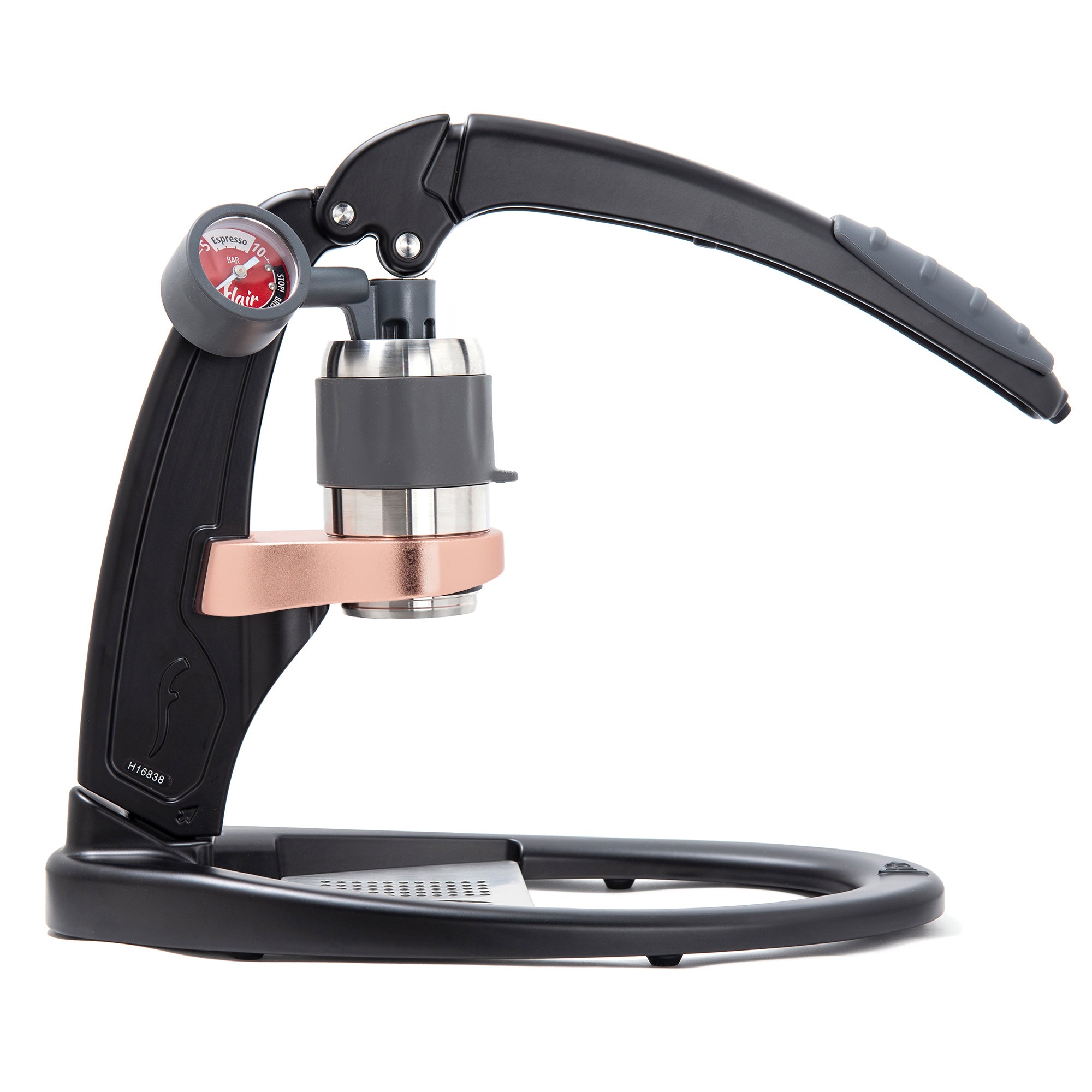
Flair Espresso
A portable all-manual press with a pressure gauge, detachable stainless brew head and included carrying case.
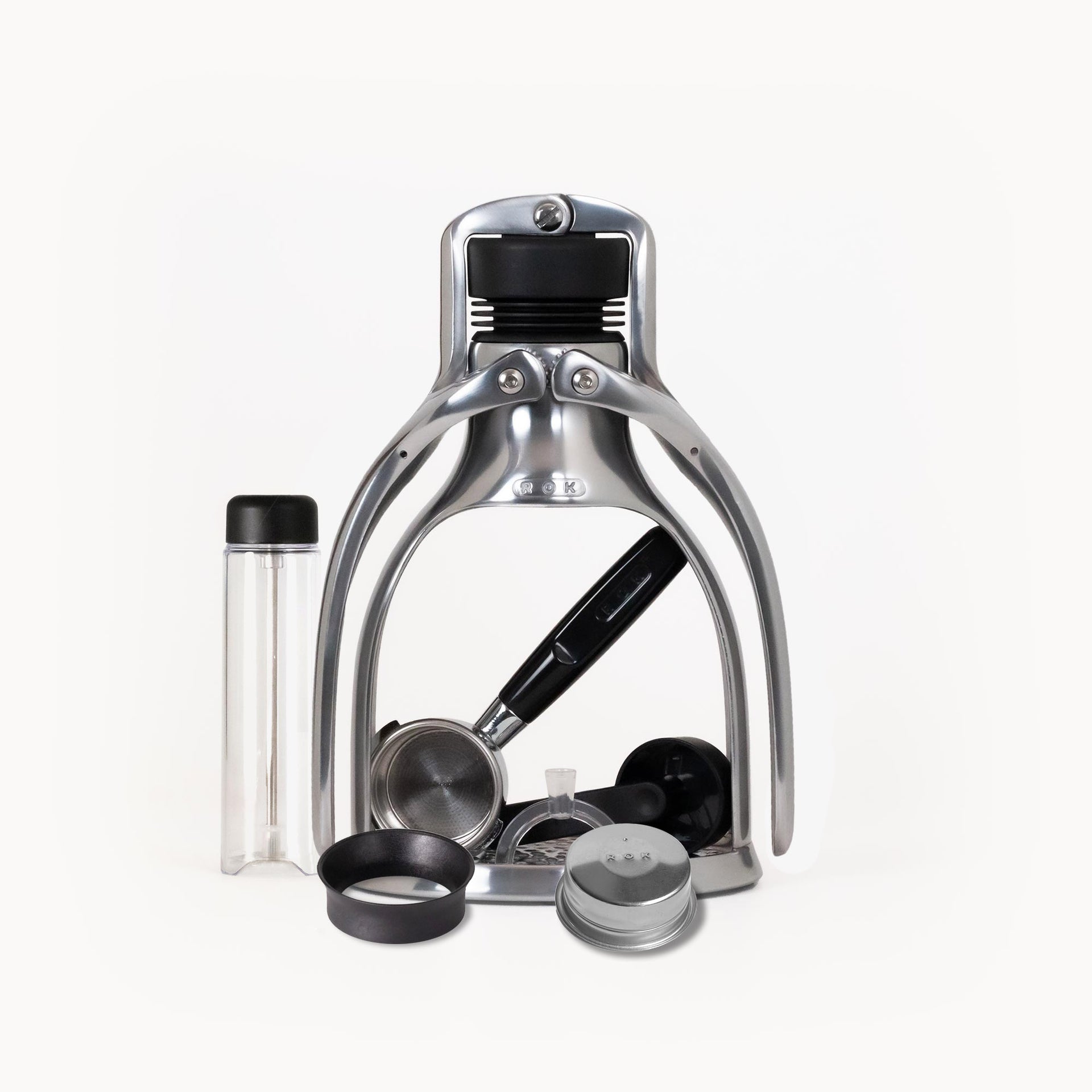
ROK Coffee
A twin-arm non-electric espresso press with standard and forgiving baskets, milk frother and a ten-year warranty.
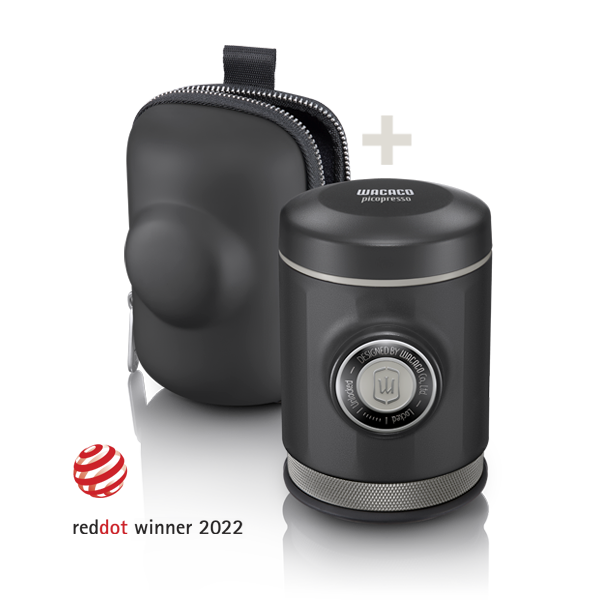
Wacaco
A palm-sized manual pump brewer with a 52 mm stainless basket, bottomless outlet and two-year warranty.
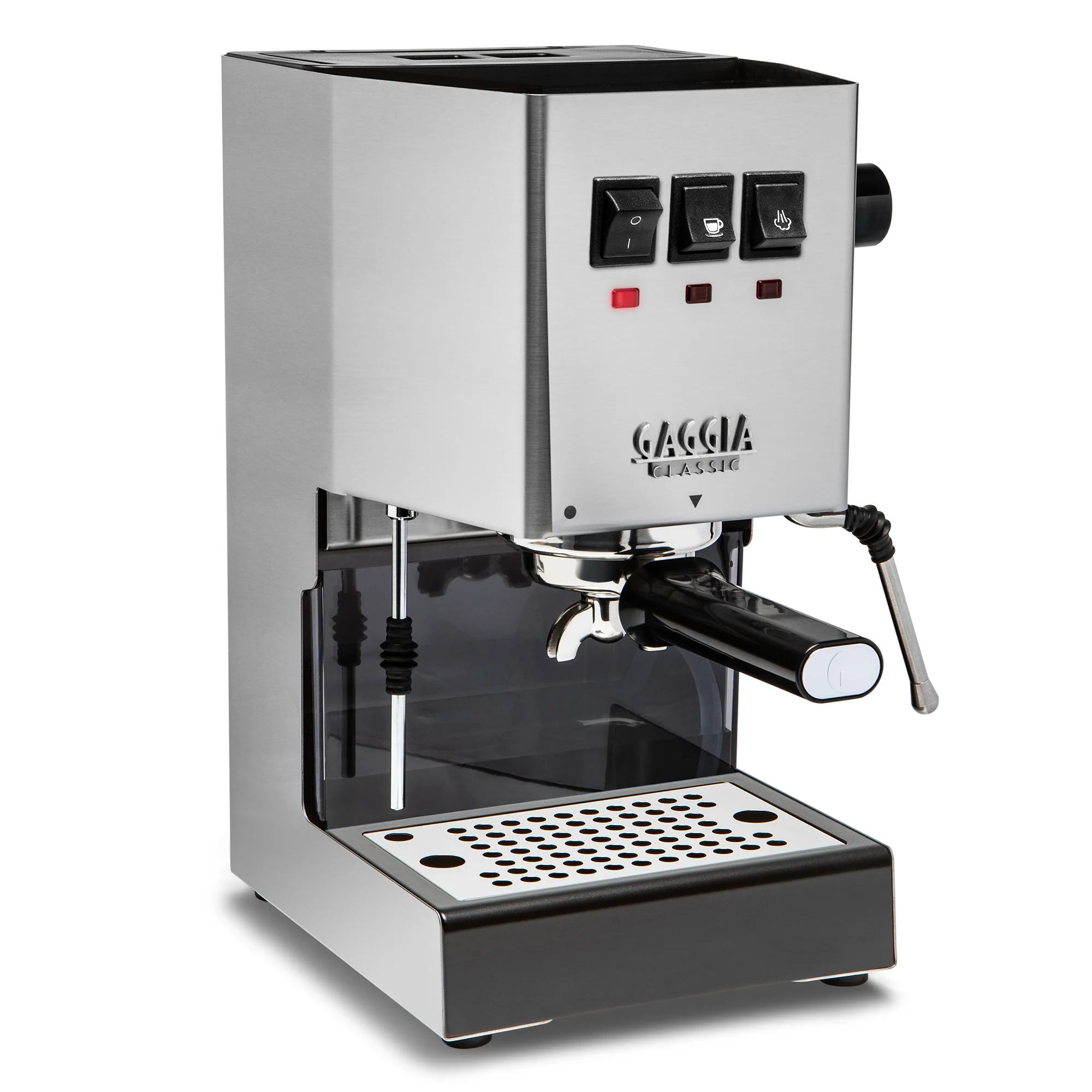
Gaggia
An Italian single-boiler machine with a lead-free brass boiler, 58 mm group, nine-bar OPV calibration and commercial steam wand.
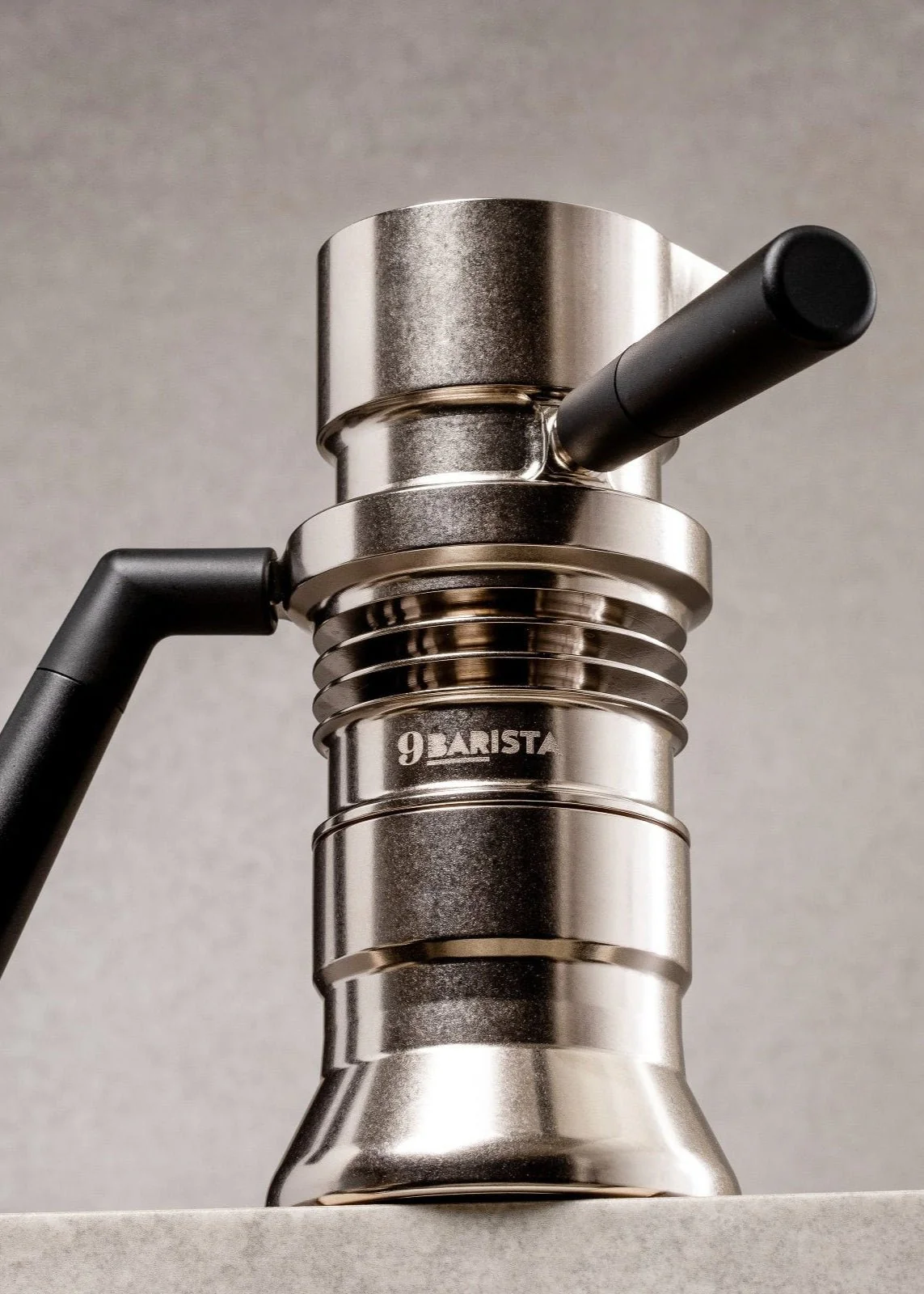
9Barista
A Cambridge-made twin-boiler stovetop machine that brews at 9 bar and 93°C without pumps or electronics.

Aram Soulcraft
A Brazilian hand-crank espresso system with steel support, pressure gauge, multiple baskets and replaceable standard seals.
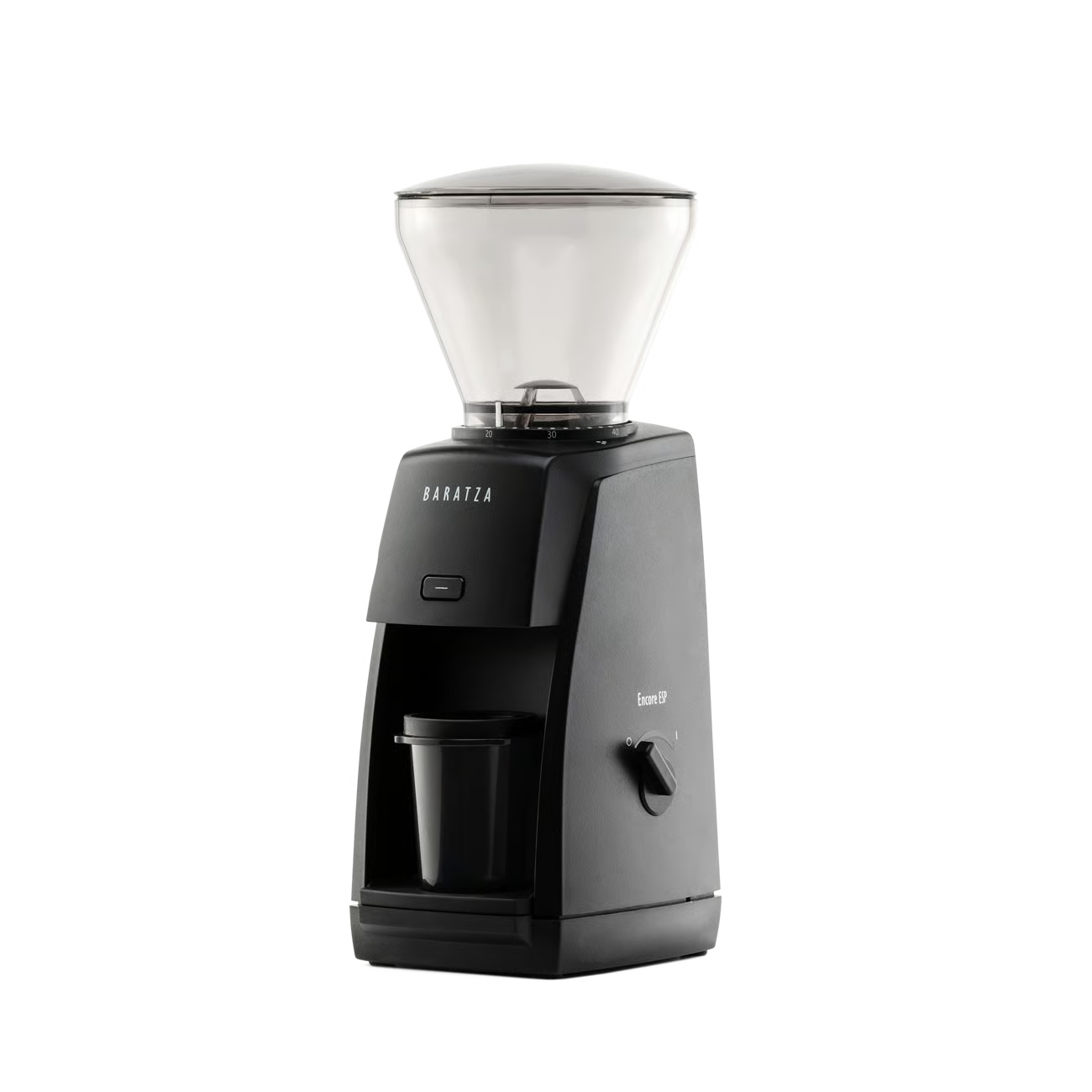
Baratza
A repair-supported entry grinder with a 40 mm M2 conical burr and a split adjustment range for espresso and filter coffee.

Baratza
A fast, low-retention espresso grinder with macro steps, stepless micro adjustment and three repeatable timed doses.
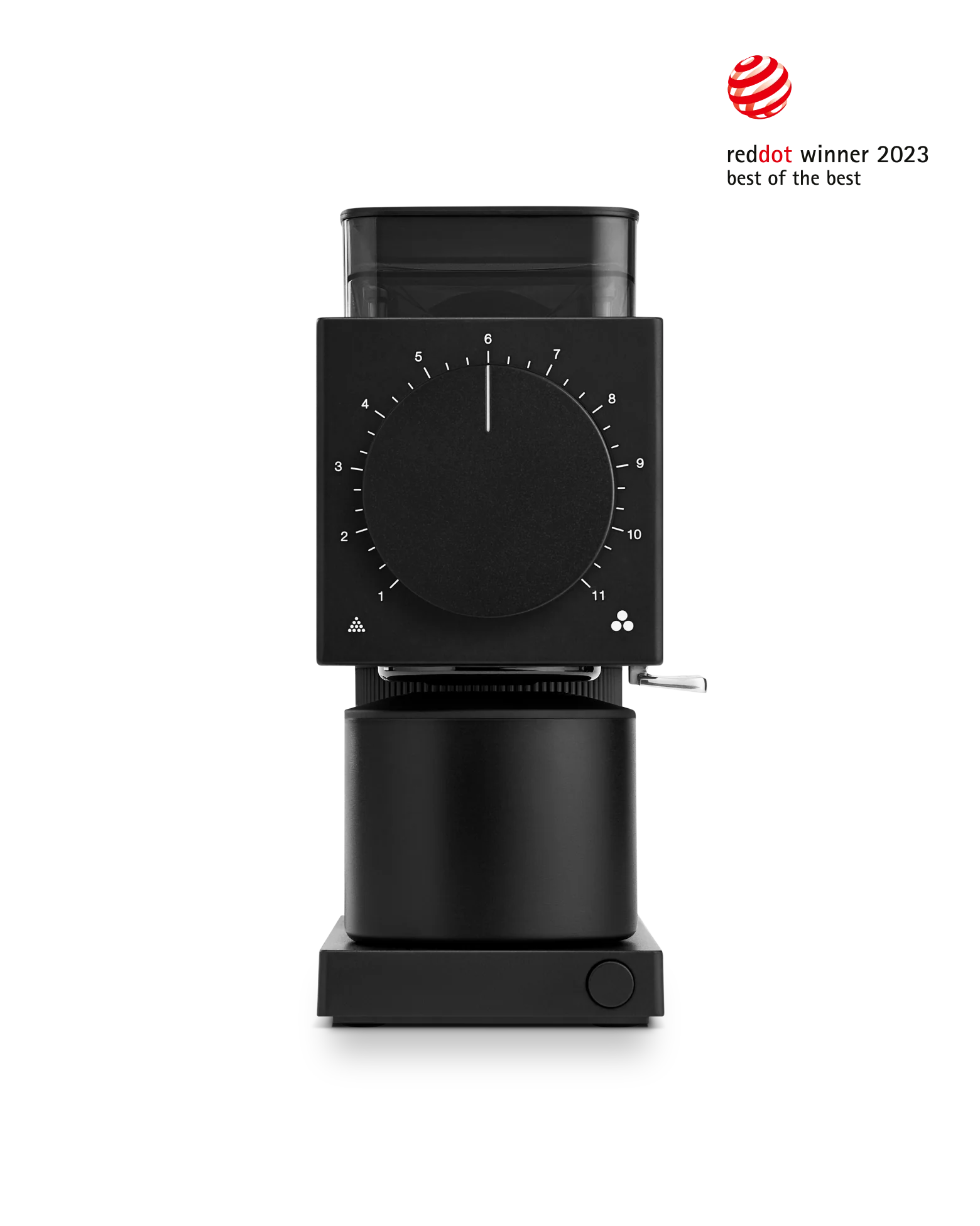
Fellow
A quiet single-dose brew grinder with 64 mm flat burrs, anti-static ionizer, auto-stop and a compact metal body.
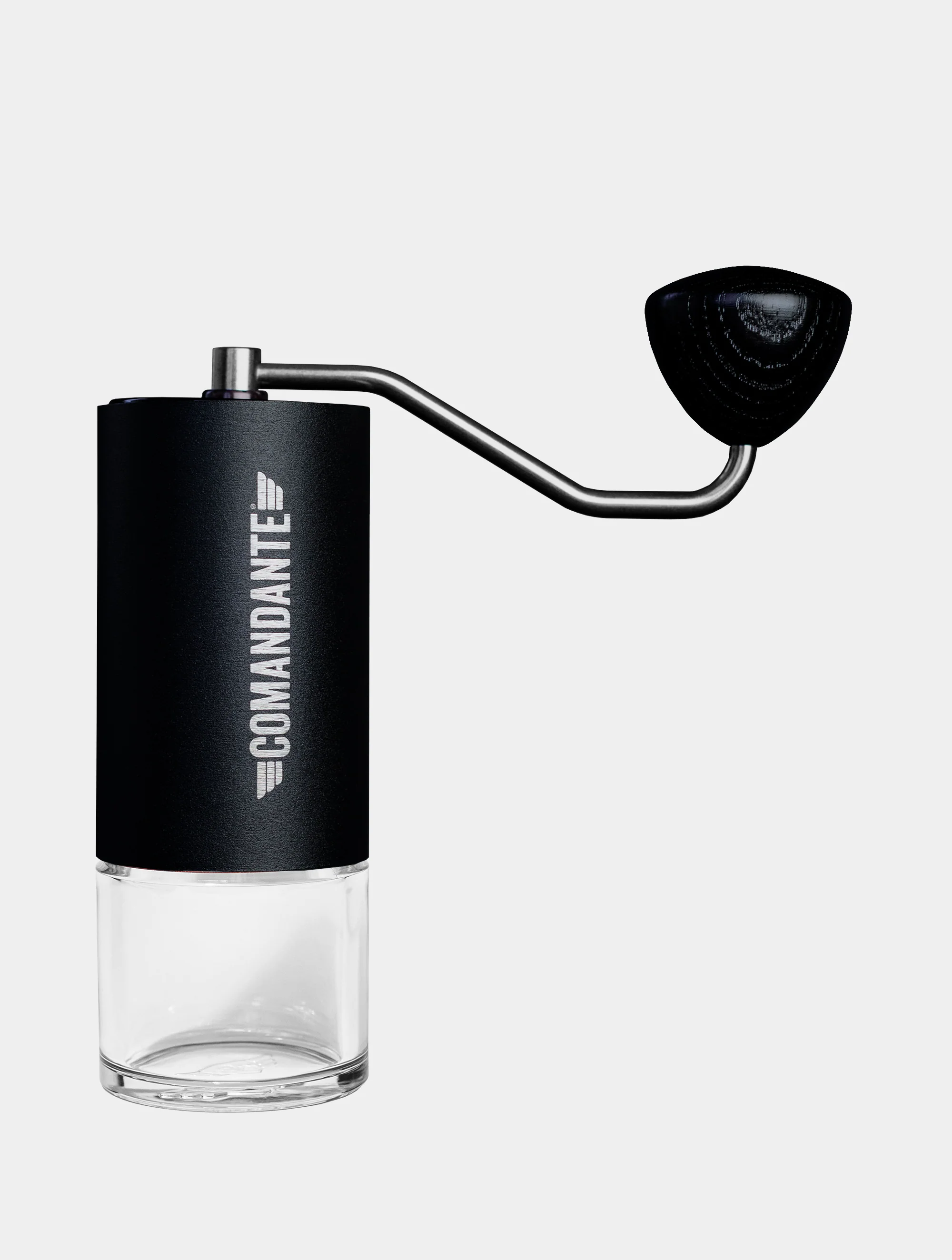
Comandante
A German-made manual grinder with a high-nitrogen steel conical burr, dual bearings and backward-compatible service parts.
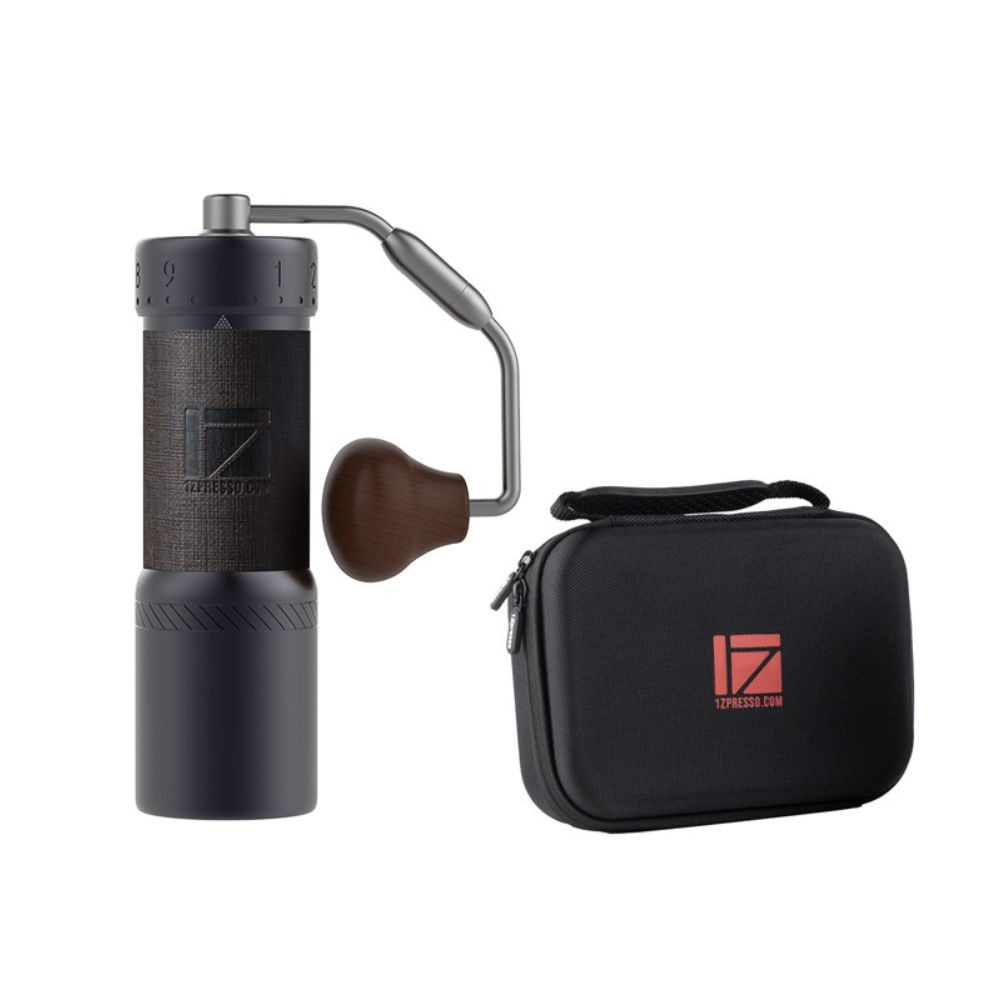
1Zpresso
An espresso-focused hand grinder with a coated 48 mm burr, 8-micron external adjustment and magnetic catch cup.
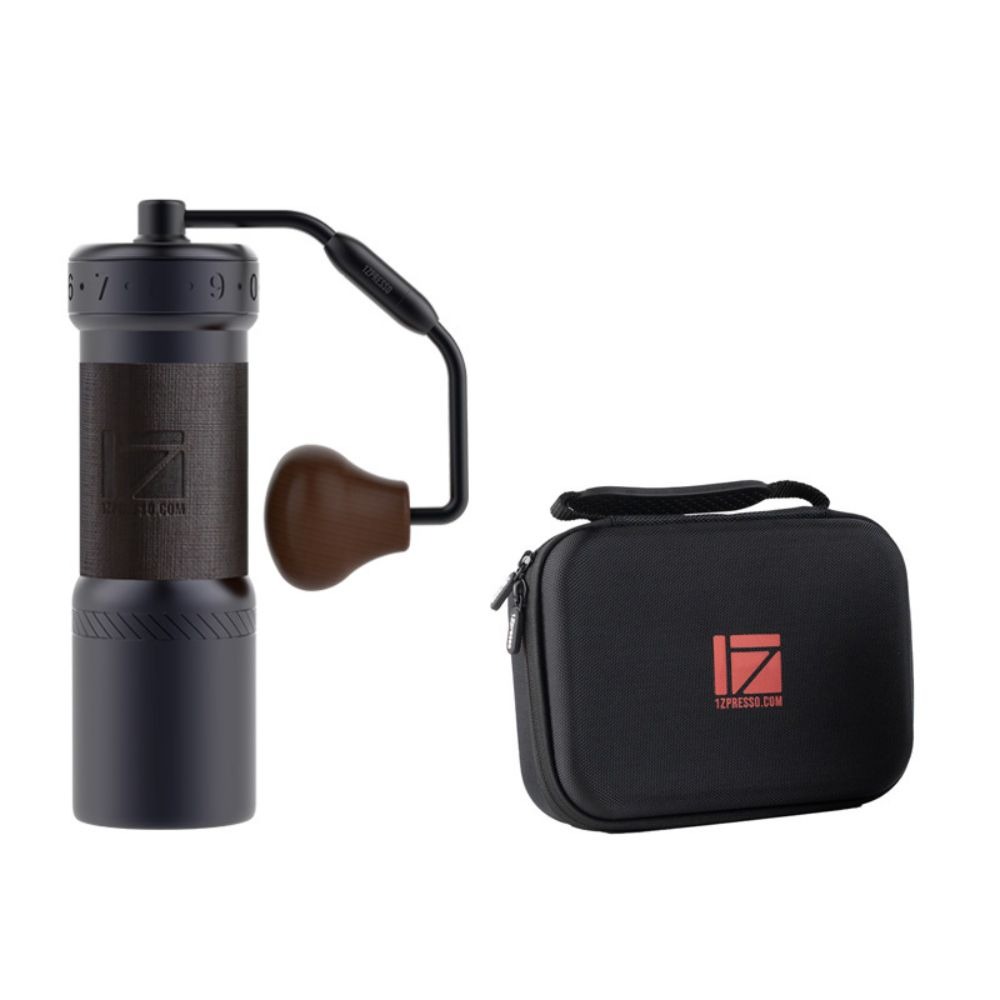
1Zpresso
A general-purpose hand grinder with a 48 mm heptagonal burr, external adjustment, folding handle and magnetic cup.
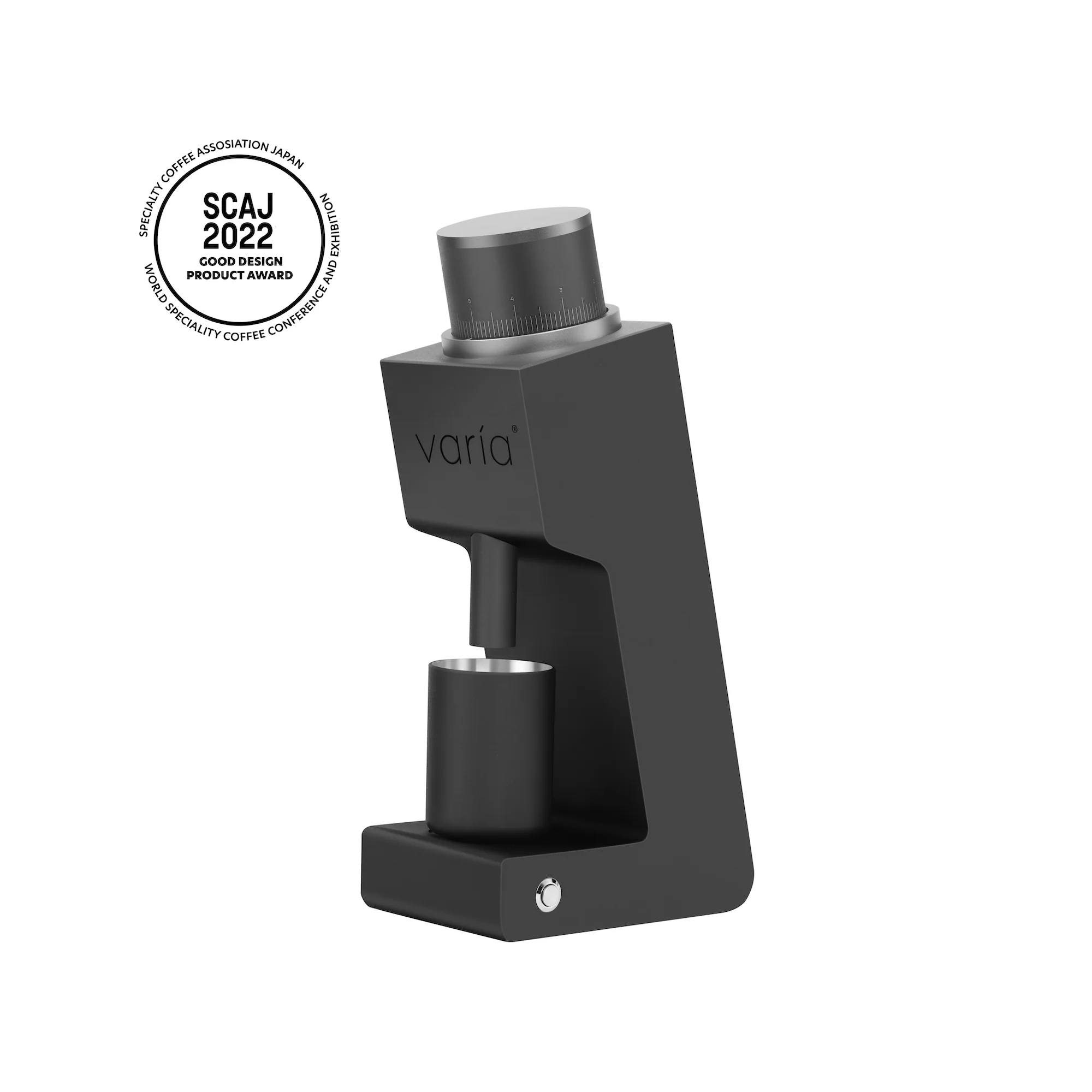
Varia
A compact low-speed single-dose grinder with a 48 mm conical burr, stepless 10-micron adjustment and universal-voltage supply.
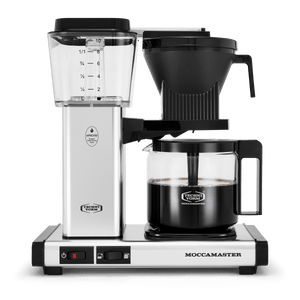
Moccamaster
A hand-built 40-ounce Dutch drip brewer with half/full selector, copper heating element and replaceable external parts.
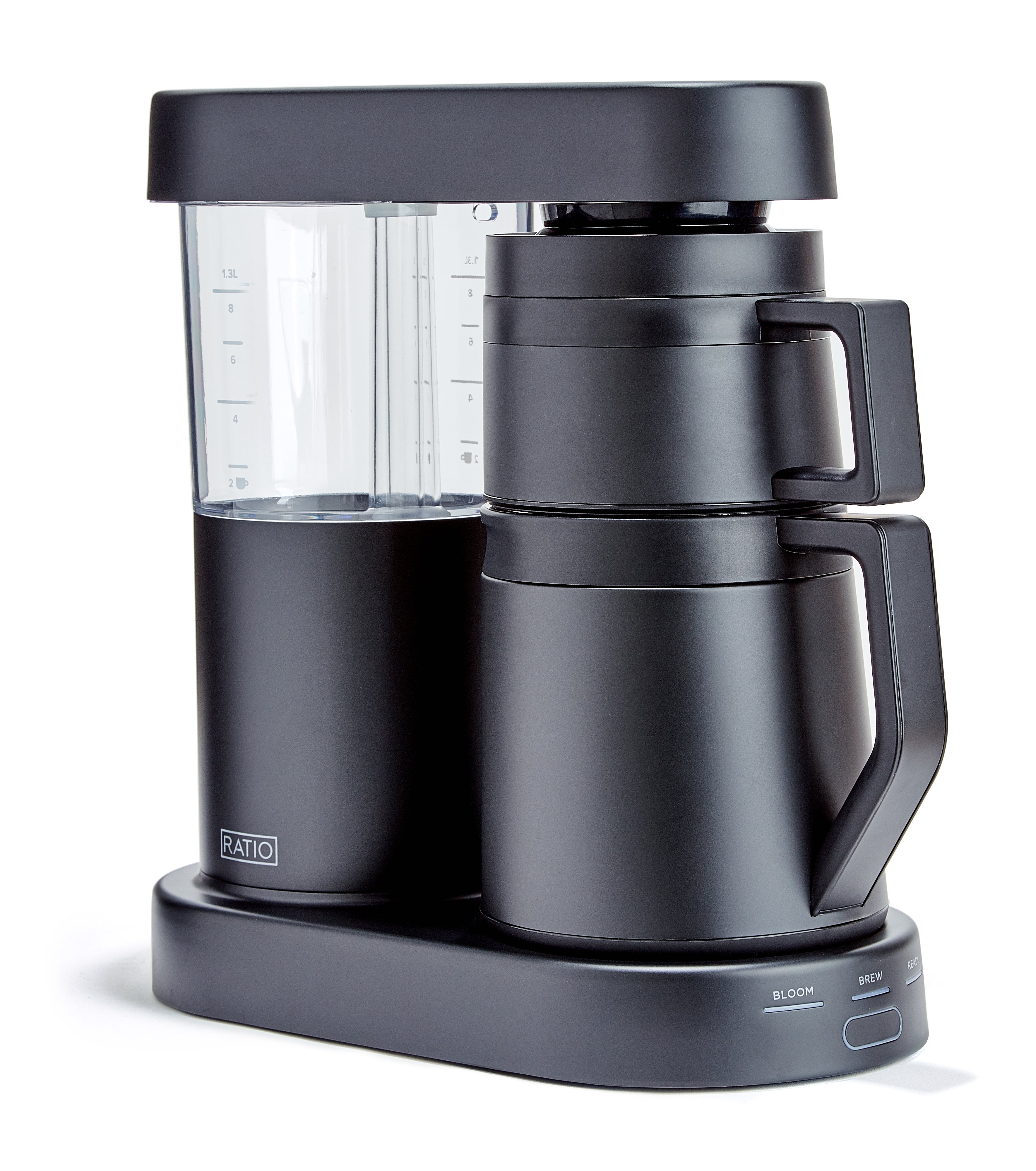
Ratio
A one-button SCA-certified 40-ounce brewer with automated bloom, stainless thermal carafe and a metal-bodied heater platform.

Breville
A discontinued 60-ounce thermal brewer with six brew modes, PID temperature control and adjustable bloom and flow.
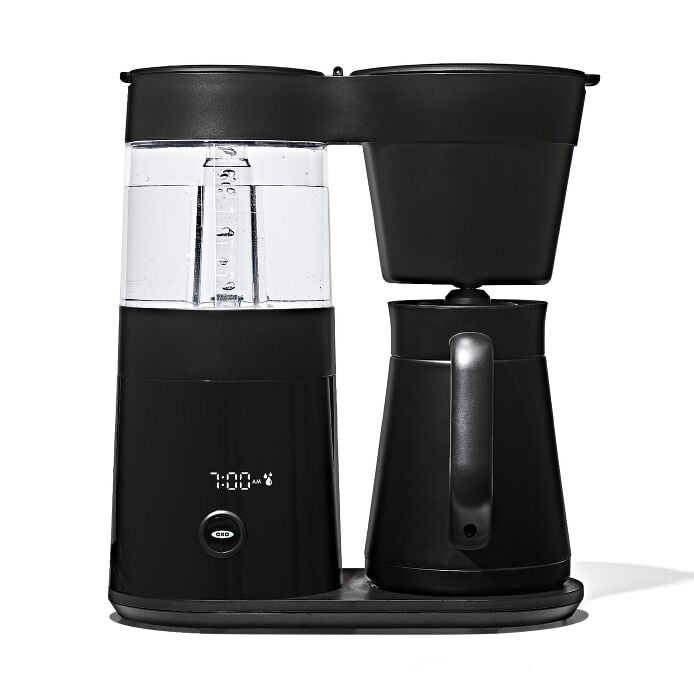
OXO
An SCA-recognized programmable thermal brewer with two-to-nine-cup cycle control, Rainmaker showerhead and freshness timer.
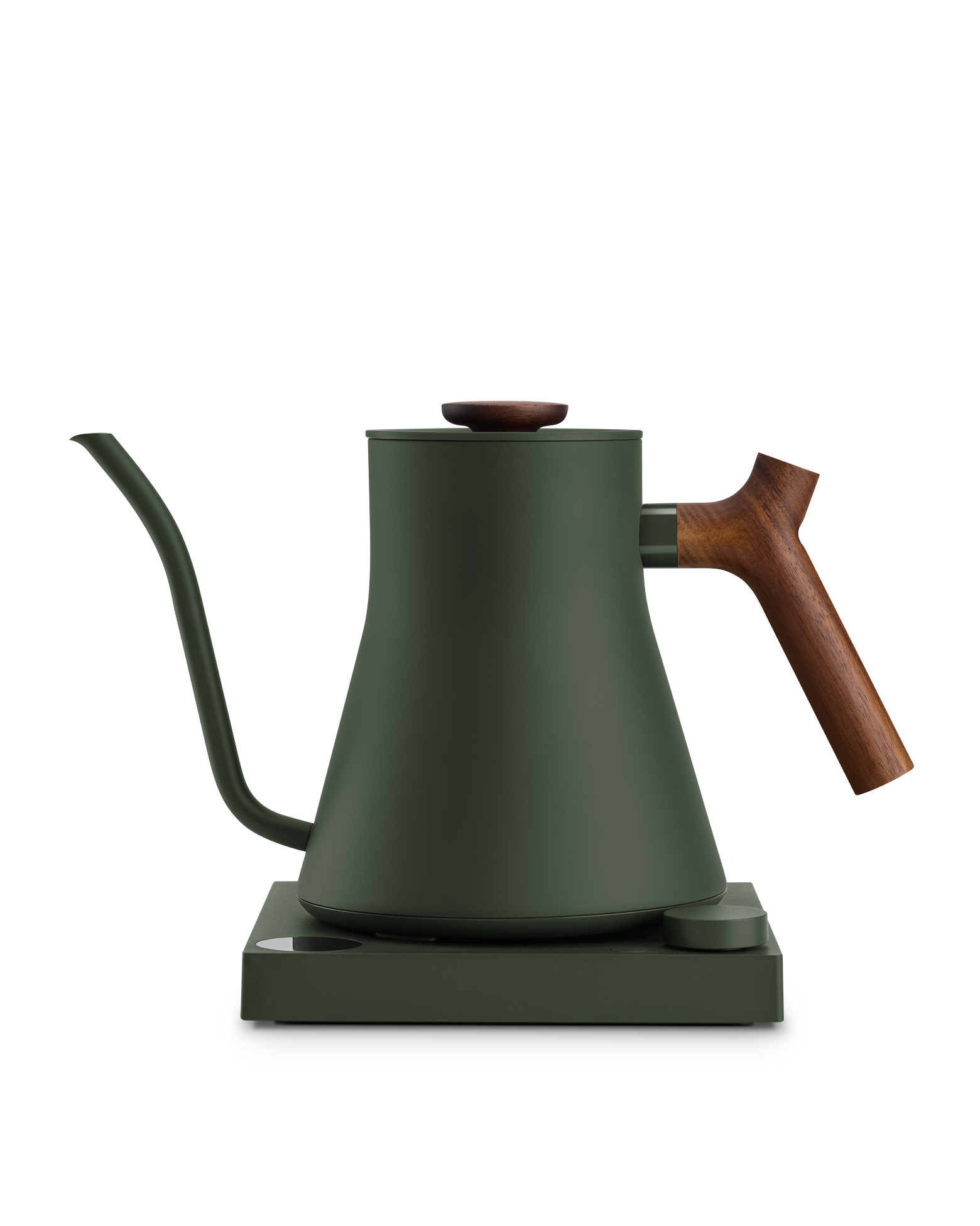
Fellow
A 0.9-liter precision gooseneck kettle with a color display, scheduling, altitude adjustment and configurable hold modes.
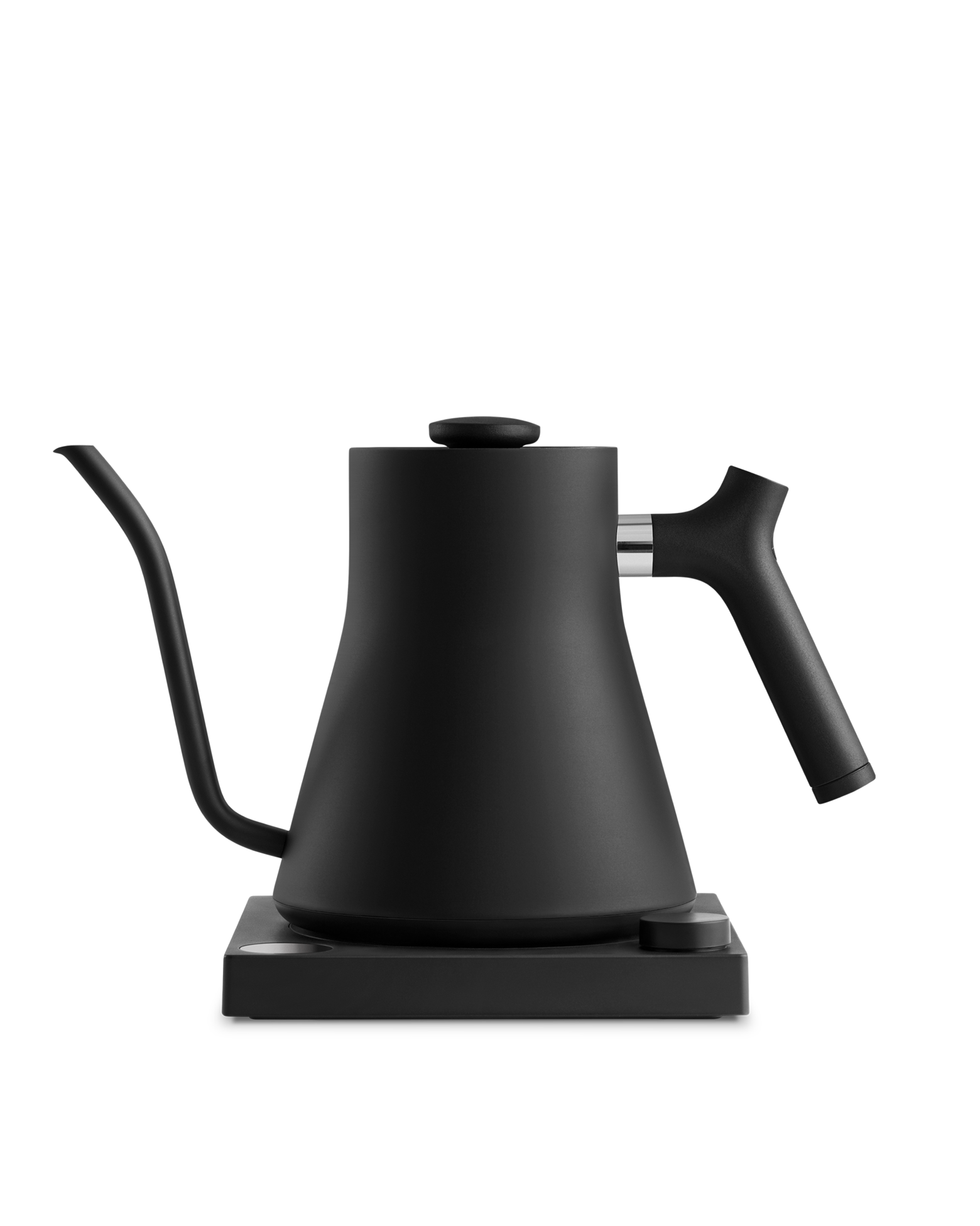
Fellow
The original 0.9-liter Stagg EKG, factory-refurbished with degree control, LCD, brew stopwatch and 60-minute hold.
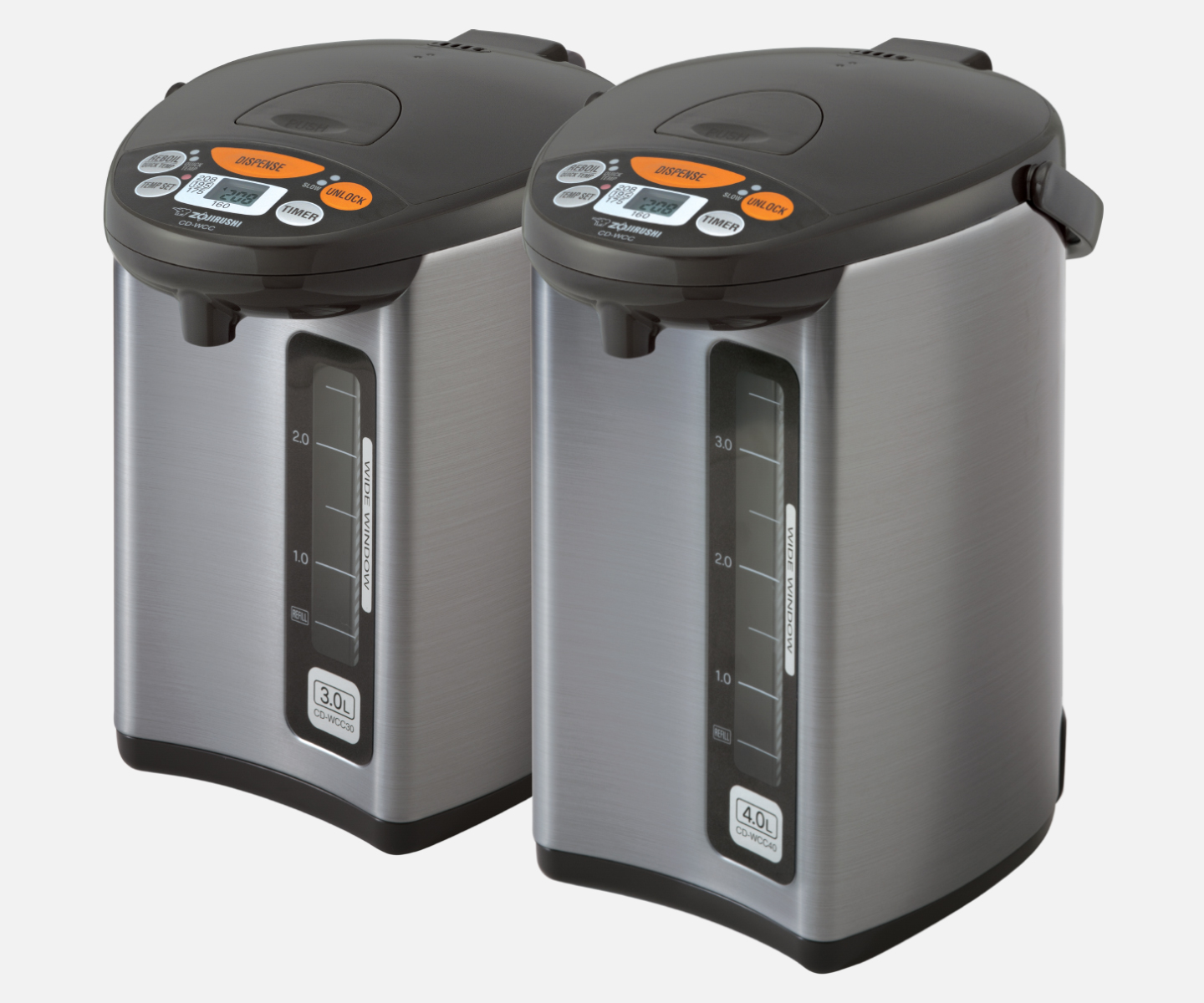
Zojirushi
A four-liter countertop boiler and electric dispenser with four keep-warm temperatures, Quick Temp and serviceable lid parts.
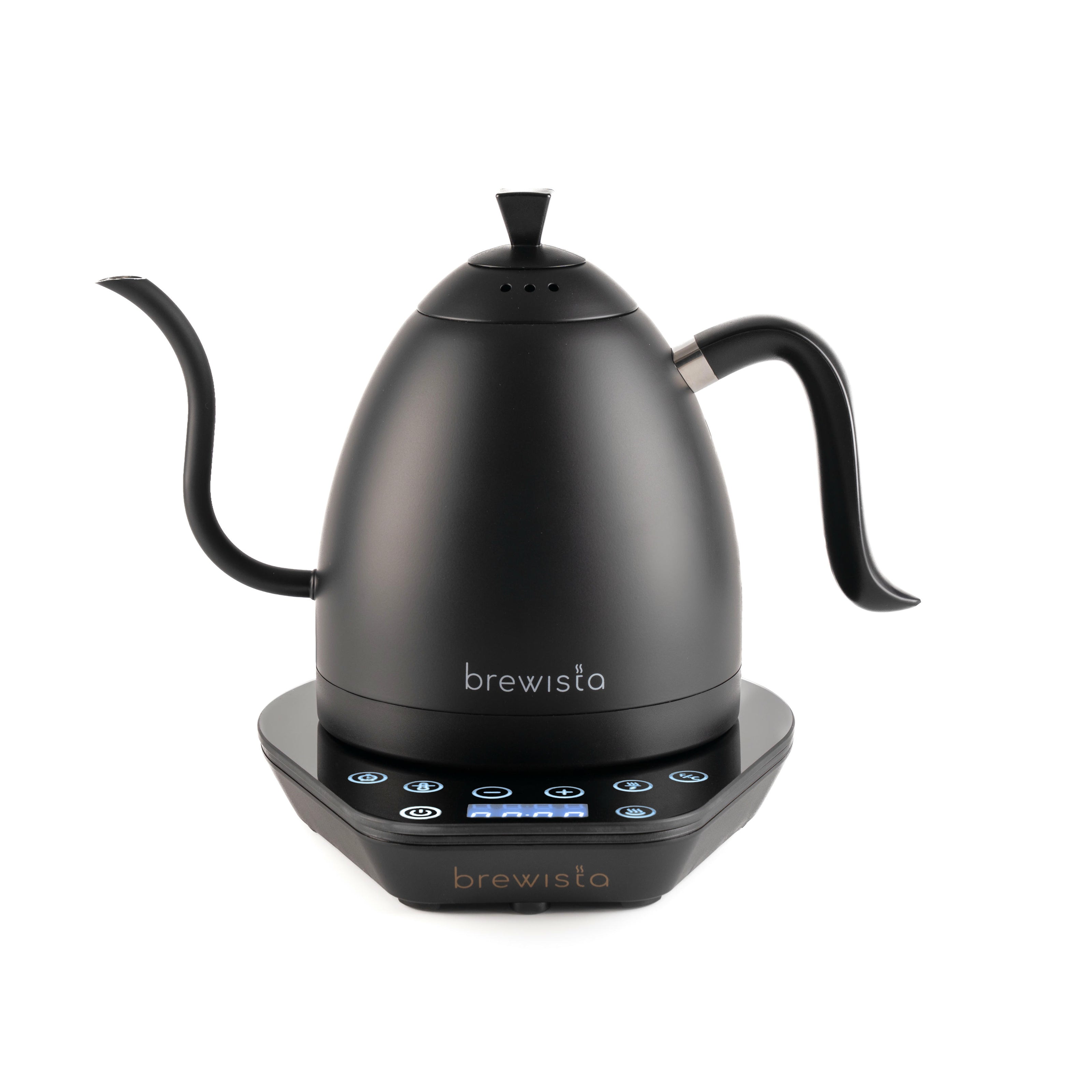
Brewista
A one-liter 304-stainless electric gooseneck with ±1°F control, slim spout, timer, flash boil and temperature hold.
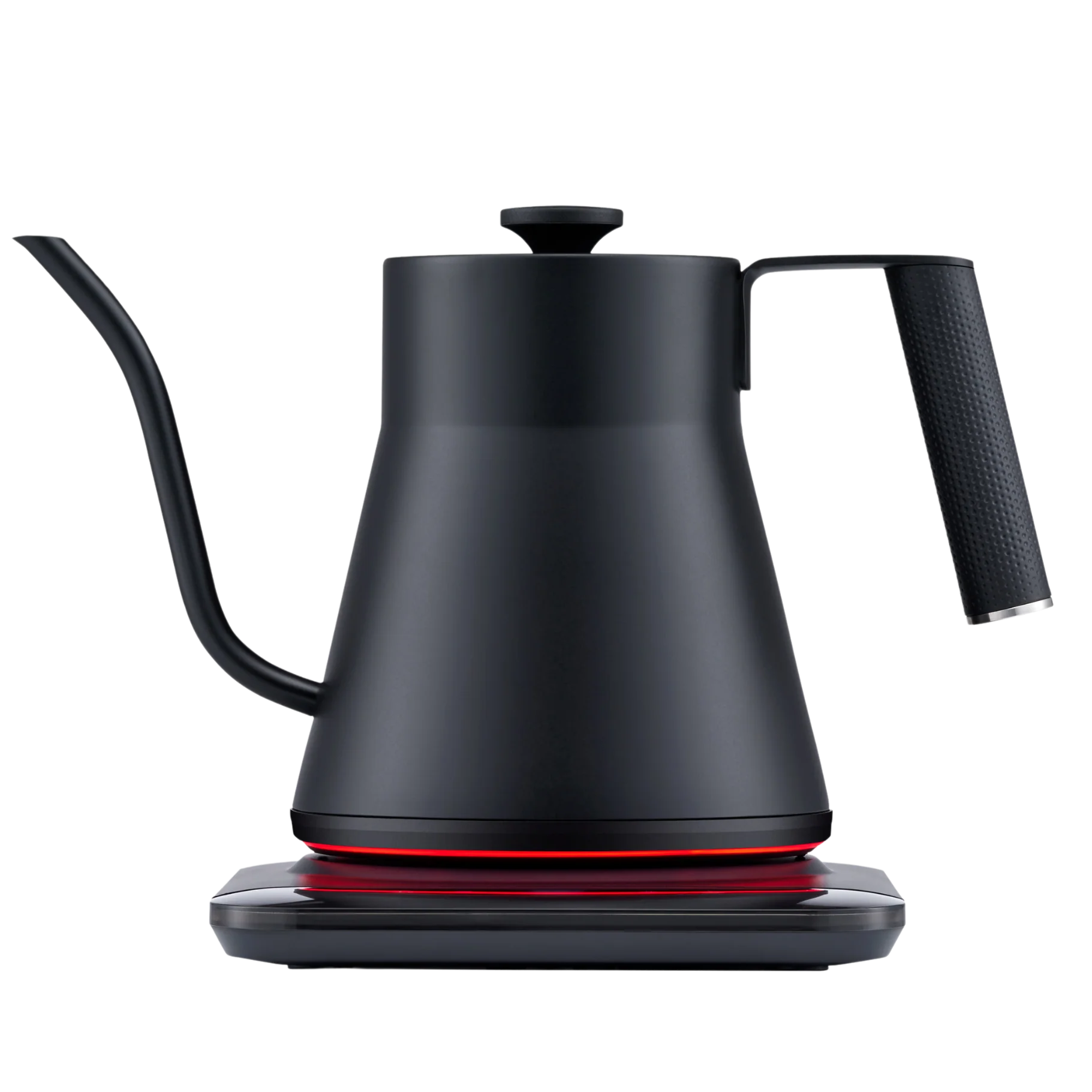
Saki
A one-liter 1200 W gooseneck with 104-212°F control, brew timer, up-to-60-minute hold and stainless water path.
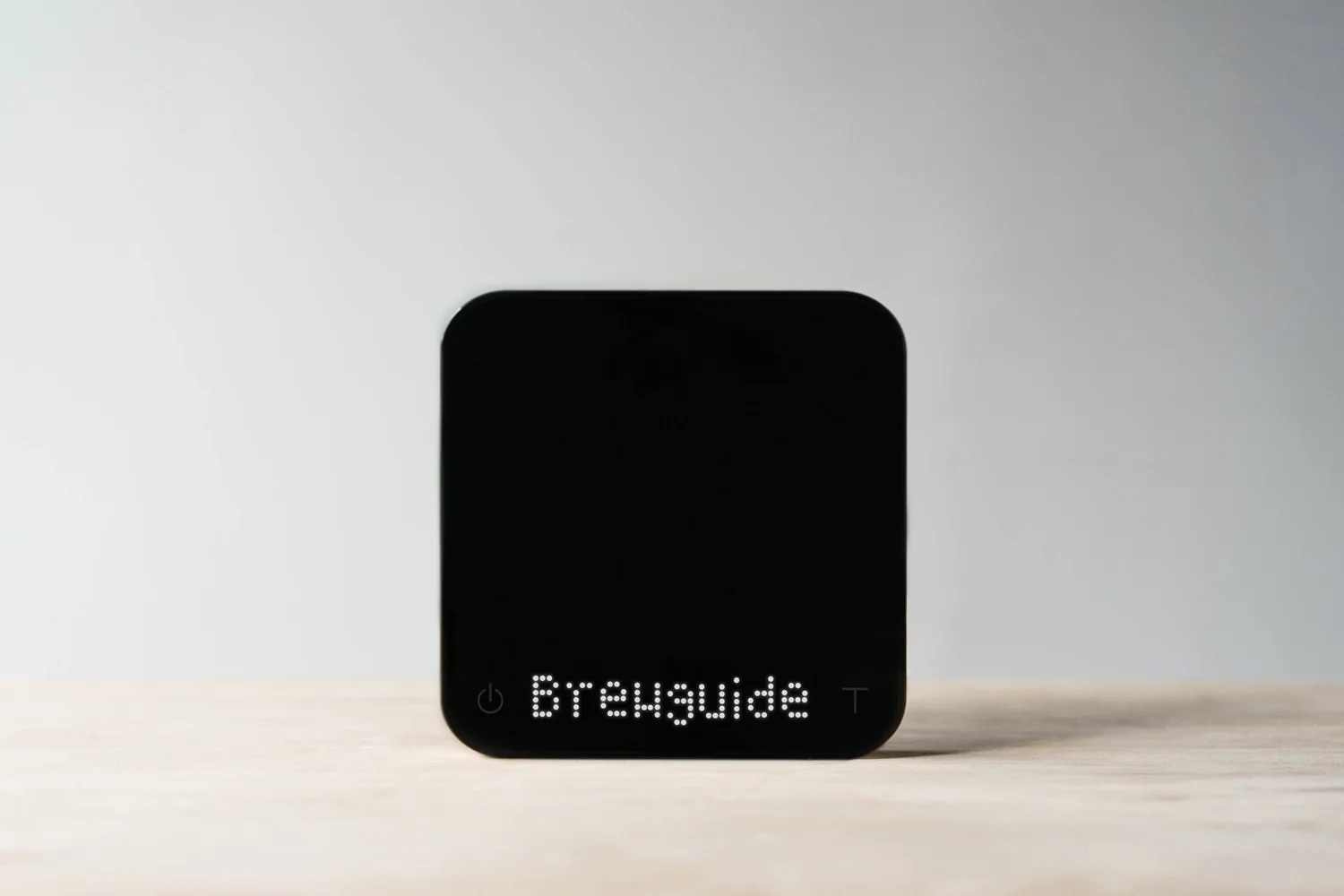
Acaia
A 3 kg, 0.1 g coffee scale with flow-rate display, Brewguide recipes, voice prompts and USB-C rechargeable power.
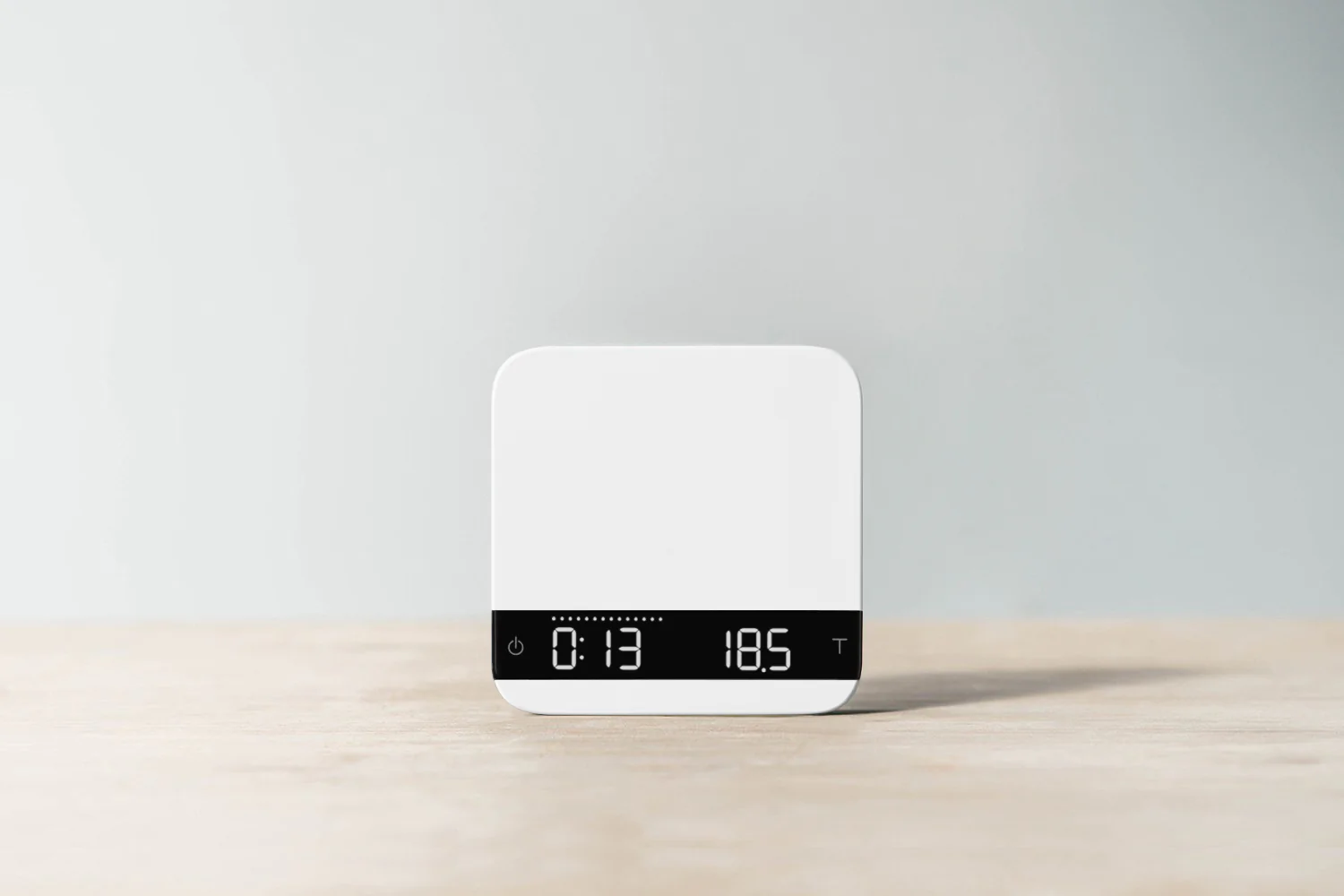
Acaia
A compact water-resistant aluminum espresso scale with 0.1 g repeatability, flow-rate feedback and automated shot modes.
14 products
Budget-conscious selections offering the best value and reliability for essential needs.

Timemore
A compact aluminum hand grinder with 38 mm S2C660 steel burrs and a straightforward stepped dial for daily filter coffee.
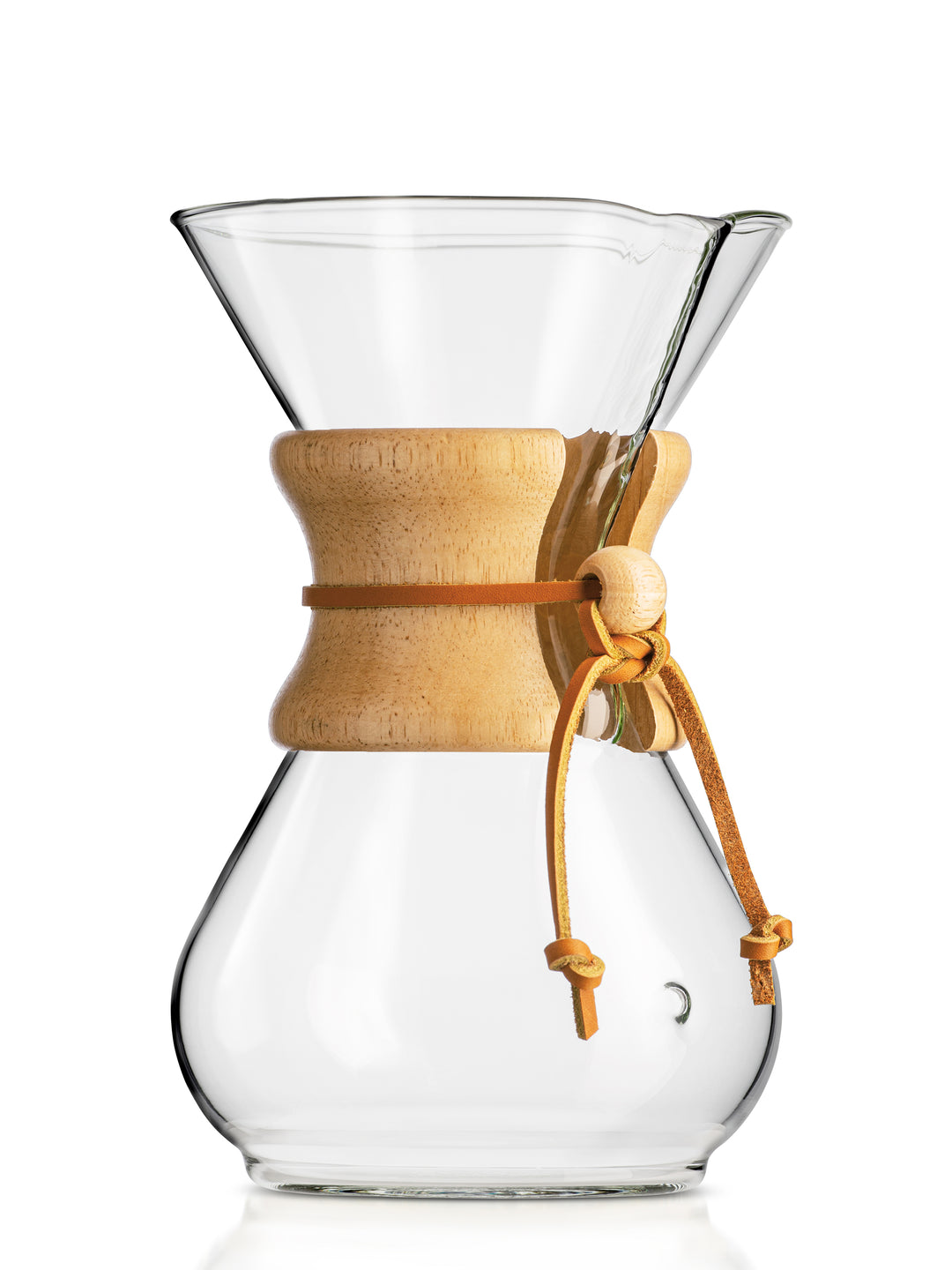
CHEMEX
The iconic 30-ounce borosilicate-glass brewer with a wood collar, leather tie and thick bonded-paper filtration.
Hario
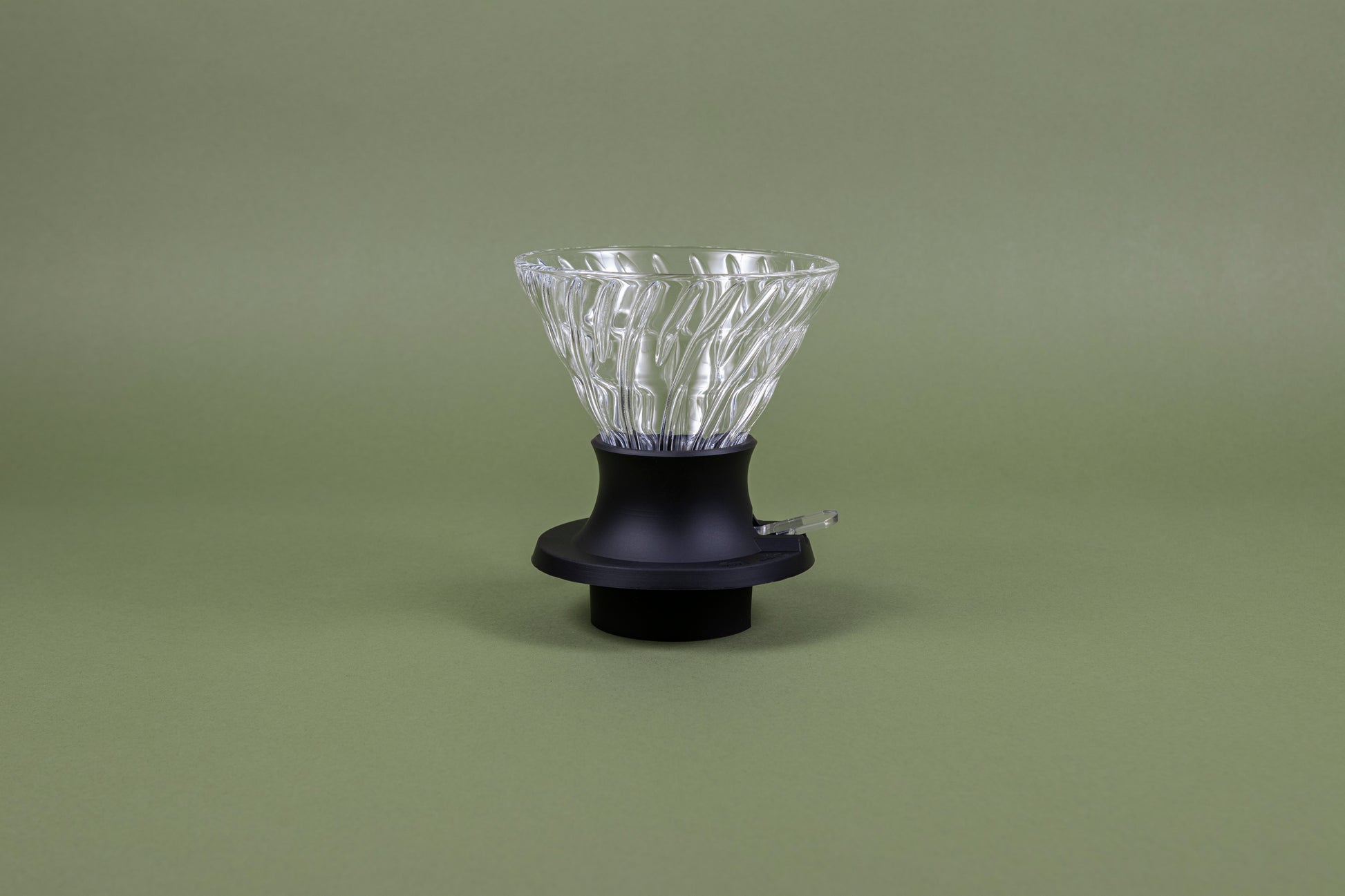
A 360 ml glass V60 that adds a silicone-base valve for full immersion, standard pour-over or hybrid recipes.
Hario
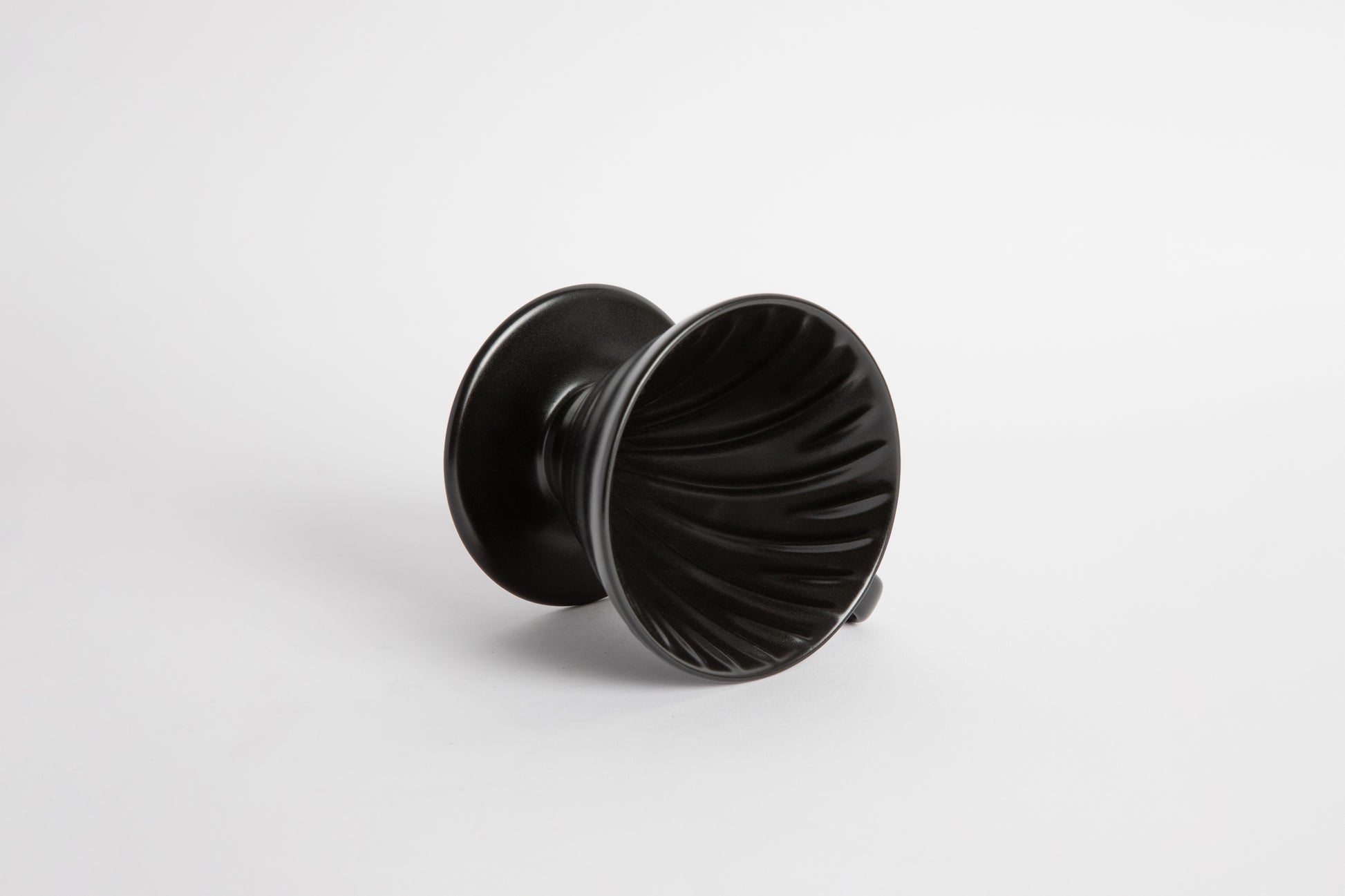
A Japanese porcelain V60 for one to four cups, built around a large outlet and spiral ribs for direct flow control.
AeroPress
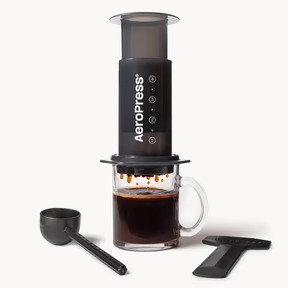
A compact 10-ounce manual brewer combining immersion, micro-filtration and gentle air pressure for one or two cups.
Kalita
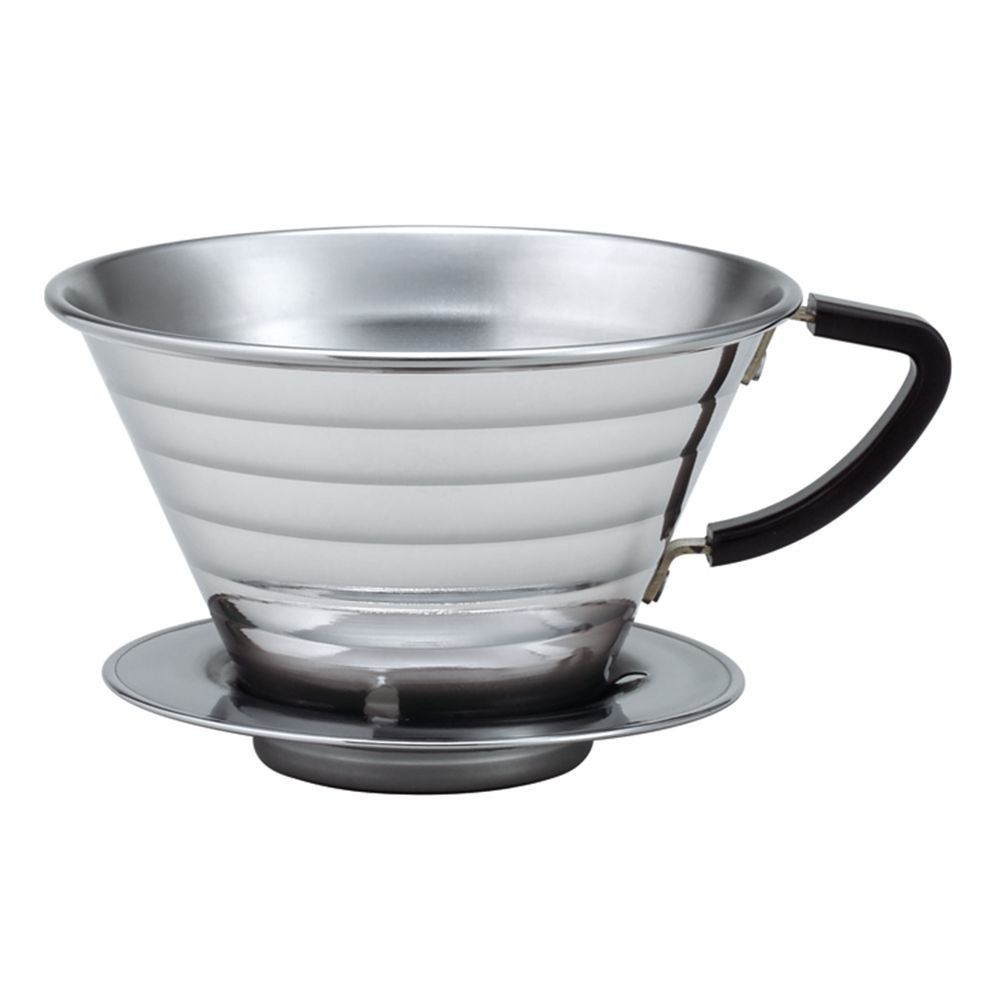
A Japanese stainless flat-bottom dripper with three drain holes and wave-sided papers for an even two-to-four-cup bed.
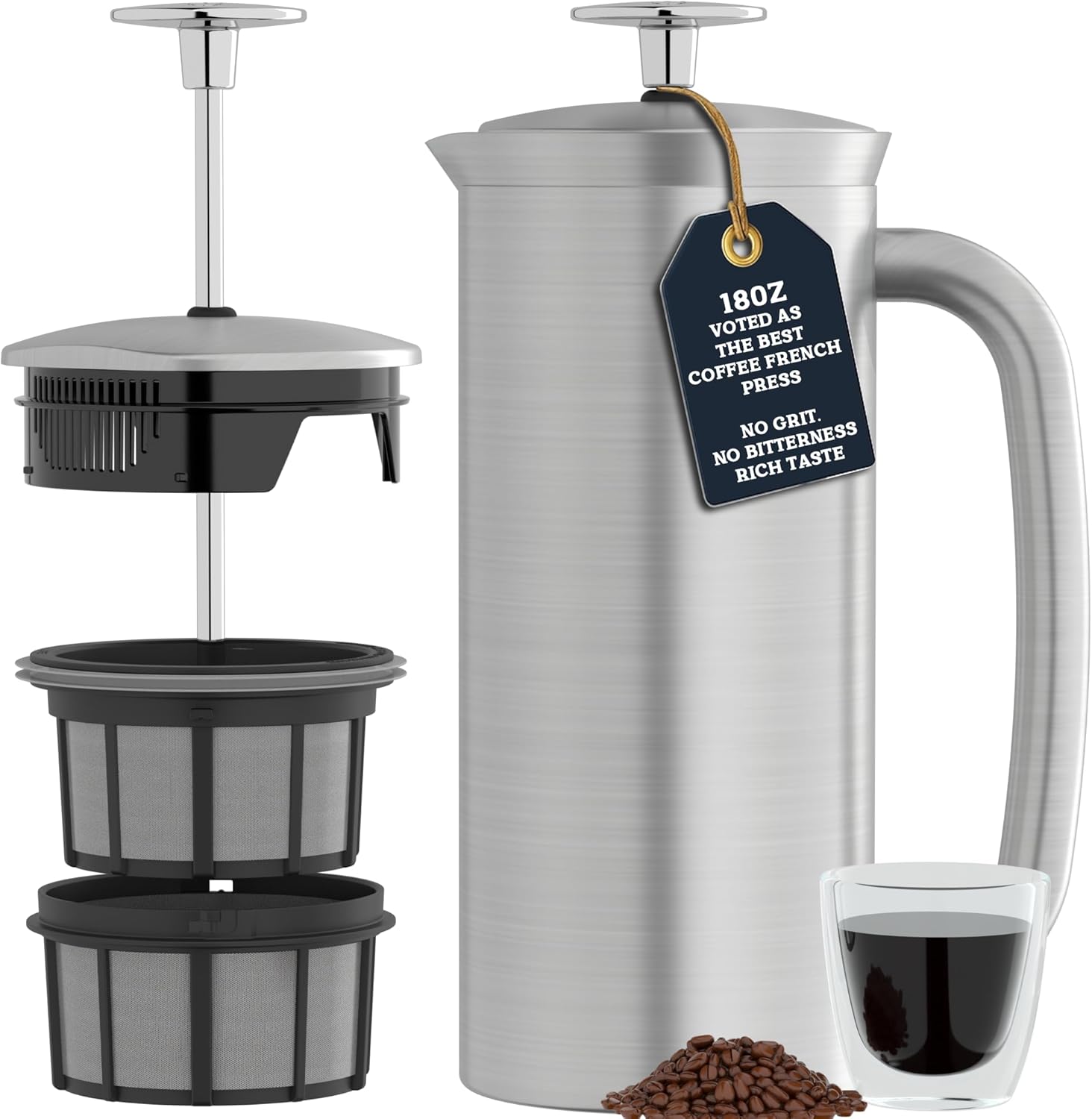
Espro
A double-wall stainless press with a sealed dual microfilter that sharply reduces fines and slows extraction after plunging.
![Stagg [XF] Pour-Over Dripper, Matte Black](/api/images/catalog/images/84a435f21a02acd67c59562b8312c0047c8423cec8be17df62bdaec158c3470a.png)
Fellow
A tall 20-ounce flat-bottom stainless dripper with vacuum insulation, steep walls and a ratio-marking aid.
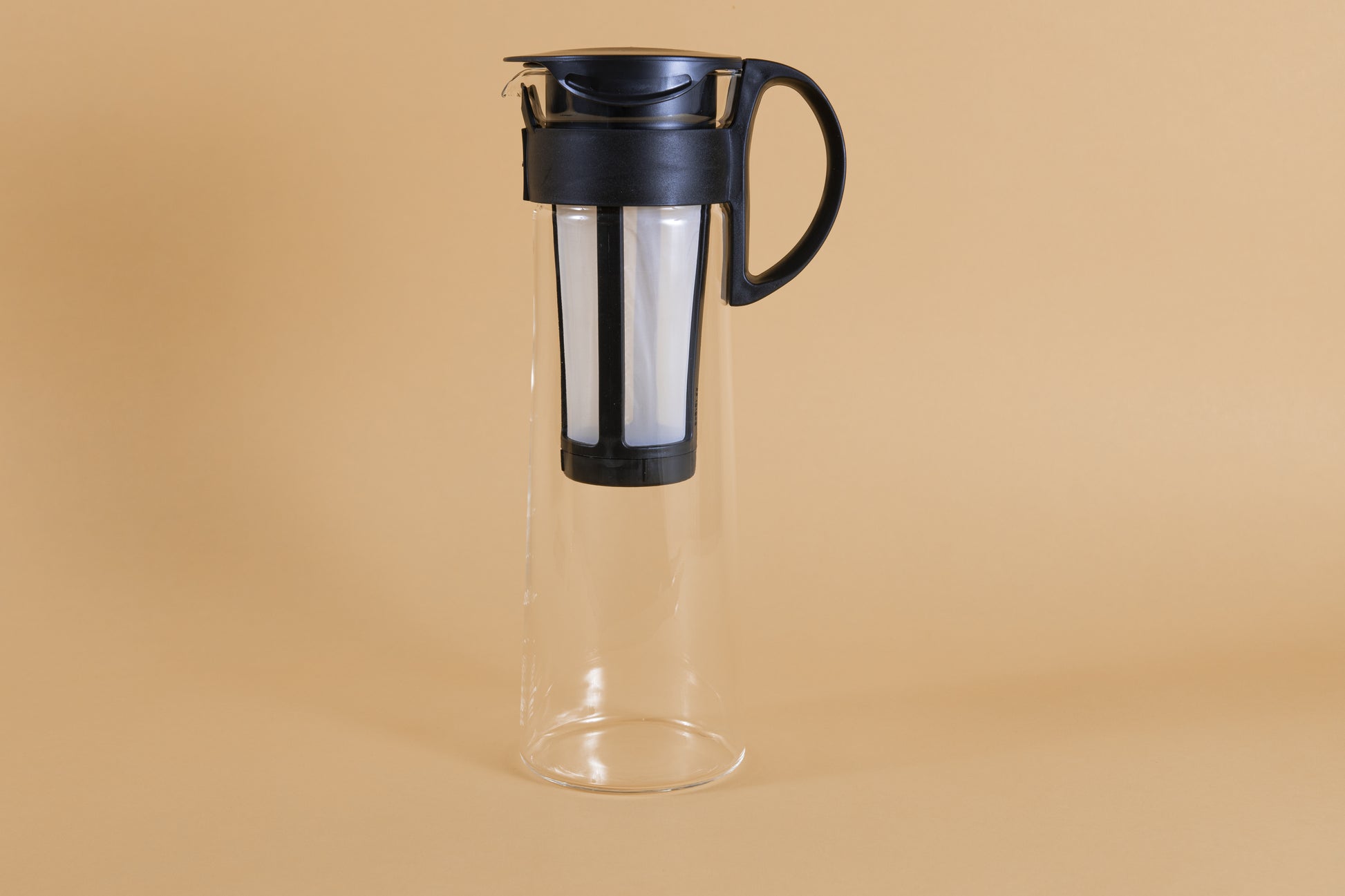
Hario
A one-liter Japanese borosilicate-glass cold brewer with removable fine-mesh basket and refrigerator-door proportions.
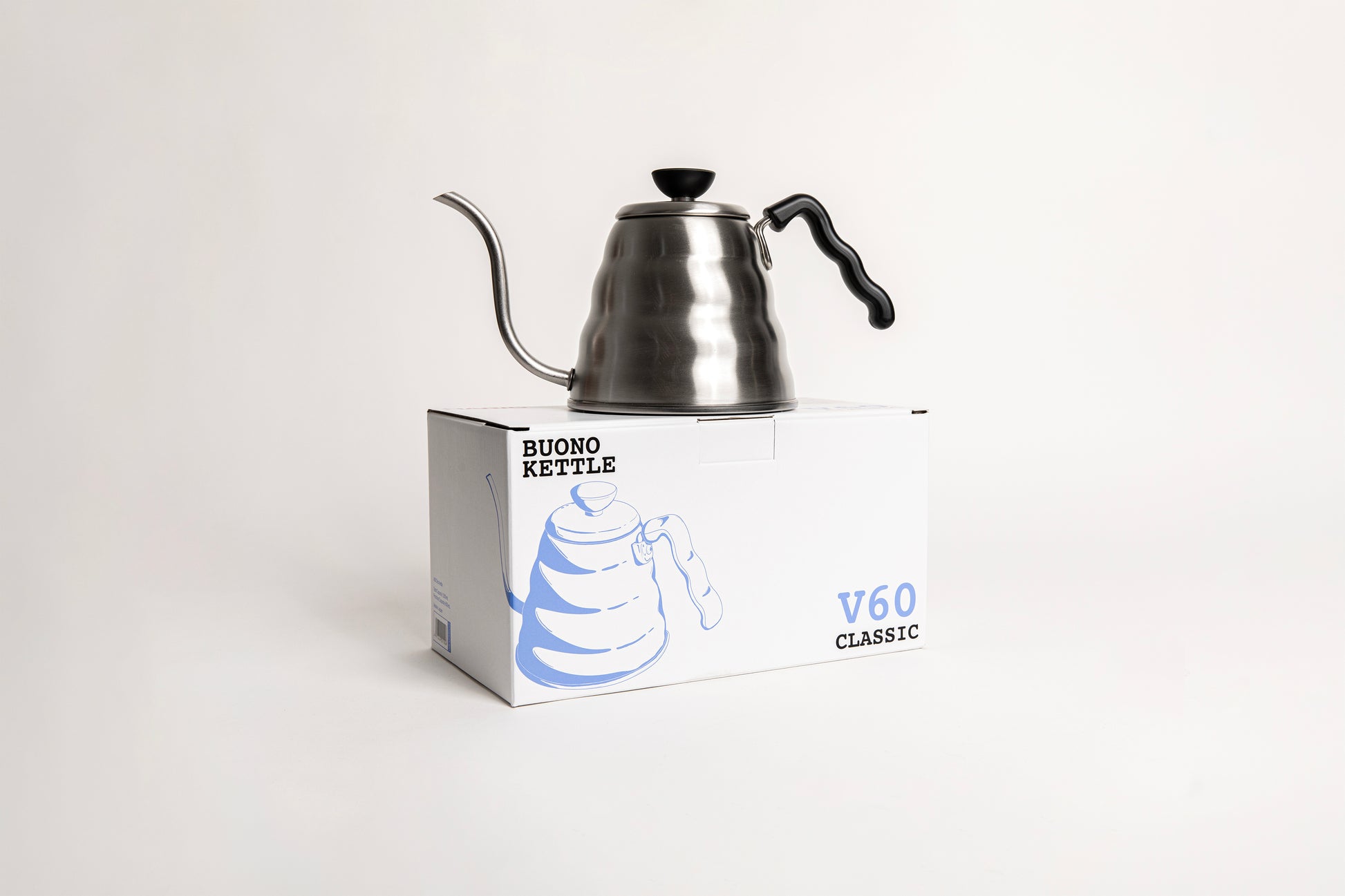
Hario
A Japanese stainless stovetop kettle with an 800 ml practical capacity and a slim gooseneck for controlled manual pouring.
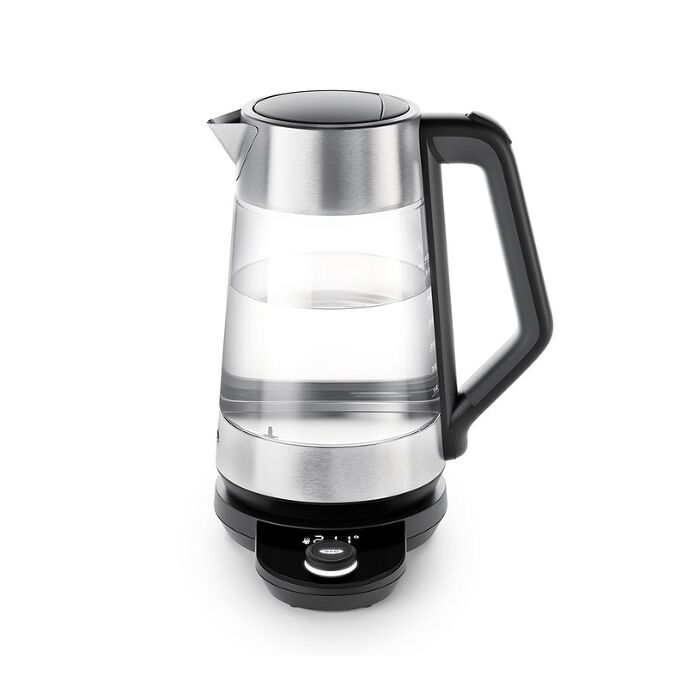
OXO
A 1.75-liter borosilicate-glass kettle with dial temperature selection from 104 to 212°F and a 30-minute hold.
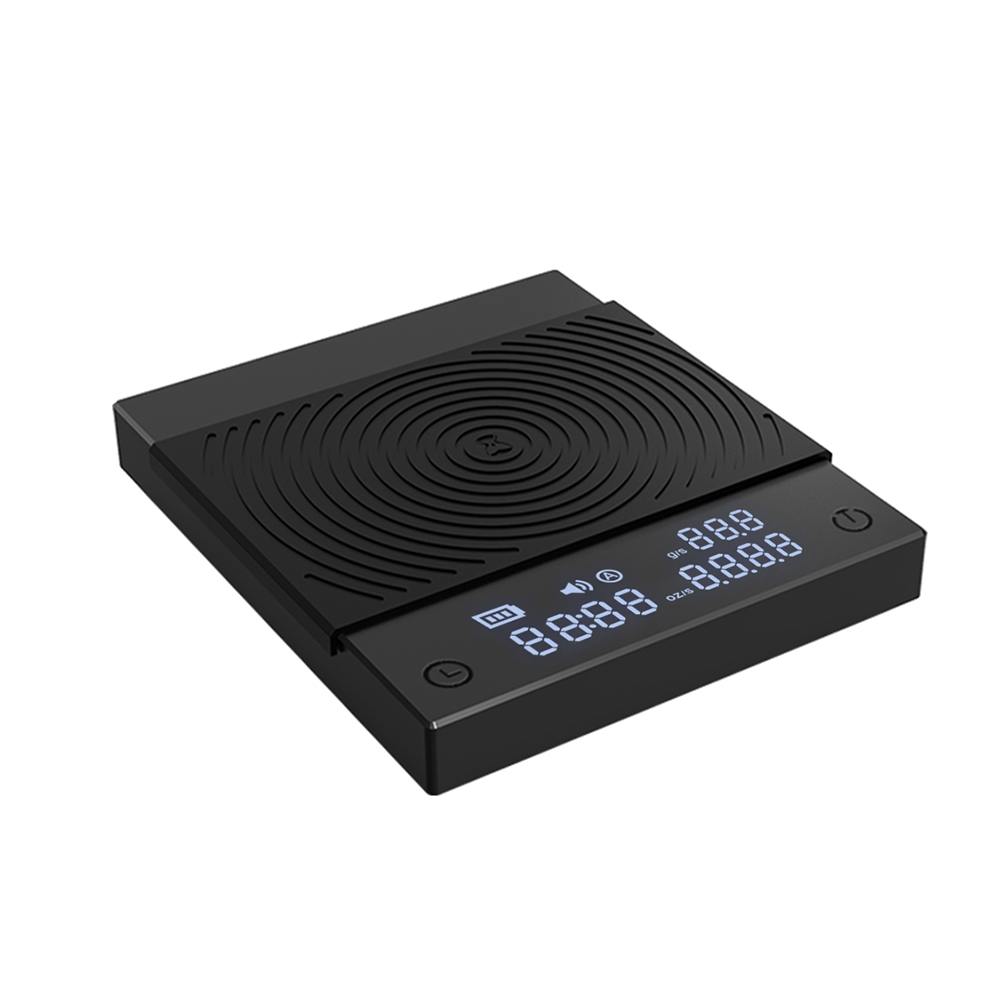
Timemore
A rechargeable two-kilogram coffee scale with 0.1 g display, auto timing, flow-rate mode and a protected charging port.

Hario
A two-kilogram coffee scale with integrated timer and tiered 0.1 g, 0.5 g and 1 g resolution in a server-sized footprint.
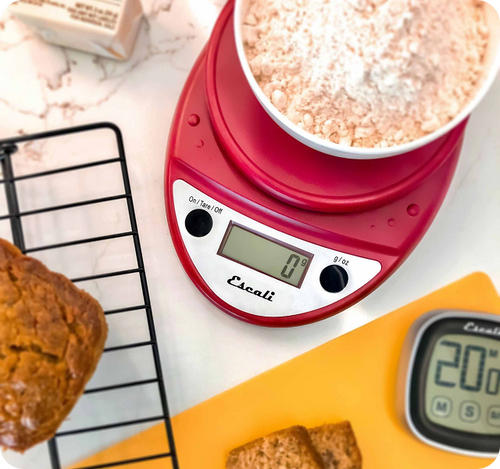
Escali
A simple two-button five-kilogram kitchen scale with one-gram increments, tare, sealed controls and replaceable AA batteries.
Buying guide
Begin with the drinks you actually make, the number of servings, available counter space, and how much hands-on adjustment you want. Then choose a grinder and brewer whose controls serve that routine rather than adding complexity for its own sake. The Specialty Coffee Association maintains separate test standards for home brewers, home grinders, and espresso machines, which is a useful reminder to assess each part of the setup by its own performance requirements.
Treat feature lists and headline specifications as starting points, not proof of cup quality. For automatic drip brewers, the SCA Certified Home Equipment program identifies models that have completed third-party testing for brewing quality, consistency, and performance. Certification does not establish durability, but documented testing is stronger evidence of brewing capability than an unsupported temperature, pressure, or precision claim. For uncertified equipment, seek a clearly described test method and results.
A durable housing is less useful if a common wear item cannot be replaced. Before buying, look for model-specific manuals, troubleshooting guidance, spare parts, warranty terms, and a reachable service channel. Baratza’s support hub, for example, organizes product help and troubleshooting and points owners to replacement parts and direct support. Use that as a practical comparison test: verify that support exists for the exact model and market, and confirm the price and availability of likely wear parts rather than assuming a brand-wide repair promise applies.
Water affects both extraction and the machine’s internal plumbing. La Marzocco warns that excessive minerals can deposit scale, while low-mineral, low-pH, or high-chloride water can promote corrosion; very pure water may also interfere with some machine sensors. Test the actual supply and follow the specifications for the exact machine rather than treating bottled, filtered, or distilled water as automatically suitable. The numeric limits published by La Marzocco are manufacturer-specific, so use another maker’s stated limits when evaluating another machine.
Inspect the maker’s cleaning instructions before committing to a machine. Breville’s guide describes clearing the spent puck promptly, rinsing the portafilter, flushing the group head, and wiping and purging the steam wand after use; it also says deep-cleaning procedures vary by model and should be checked against the manual. Favor equipment whose coffee and milk paths are easy to reach and whose required cleaning products remain available. A maintenance routine only protects performance and service life if it is safe, model-appropriate, and simple enough to perform consistently.
FAQ
Choose around the drinks and volume you actually make. Automatic drip favors repeatable batches; manual brewers trade automation for direct control; espresso adds a capable grinder, tighter adjustment, warm-up time, cleaning, and technique. For an automatic brewer, SCA certification is useful independent evidence that a model met the program’s brewing-quality, consistency, and performance requirements.
Match the grinder to the finest setting you need, then assess adjustment range, repeatability, retention, cleaning access, and whether burrs and wear parts can be bought separately. Espresso generally benefits from smaller, controllable setting changes; filter brewing can tolerate broader steps. A maker’s live replacement-parts catalog is stronger evidence of serviceability than a vague claim that a grinder is “built to last.”
Water affects both flavor and machine condition, but there is no single ideal treatment for every machine and supply. Test the water and compare hardness, alkalinity, chloride, and pH with the equipment maker’s limits. La Marzocco’s guidance explicitly recommends testing before use, and its calculator considers scale and corrosion tendency. Avoid choosing a softener or descaling schedule without consulting the manual.
No. A pump’s advertised maximum is not the same as controlled pressure at the coffee bed, and pressure alone says little about temperature stability, flow, grind, dose, or puck preparation. An SCA survey describing contemporary espresso found an average extraction pressure of 8.5 bar and a most-common response of 9 bar; that is descriptive evidence, not proof that a higher maximum-pressure claim makes better espresso.
Follow the model’s manual rather than a universal calendar. Typical work includes removing coffee oils from the group or brew path, wiping and purging the steam wand, changing filters when specified, and descaling only with the approved method and chemistry. Breville’s maintenance guidance covers the group head, steam wand, descaling, and water-filter changes, while also directing owners to model-specific procedures.
Before buying, look for a parts catalog, model-specific manuals, accessible cleaning paths, ordinary fasteners, named service centers, and clear warranty terms. Ask whether burrs, seals, switches, pumps, carafes, and filter holders remain separately orderable and whether calibration is possible after replacement. Baratza’s public grinder-parts store is a concrete example of the evidence buyers should seek; branding or a long warranty alone does not establish repairability.
Honoring the visionaries whose work paved the way for the products we rely on today.
A University of Oregon computational chemist, Hendon helped show how water chemistry affects coffee and espresso. His collaboration with Maxwell Colonna-Dashwood produced the book Water for Coffee and brought a more controlled, chemistry-led approach to brewing.
Ristenpart is the founding director of the UC Davis Coffee Center, a multidisciplinary research and education initiative created to advance coffee science. His engineering background emphasizes quantitative study of complex transport phenomena relevant to repeatable brewing.
A food scientist from a coffee-producing family in Mexico, Fernández-Alduenda has studied coffee for nearly three decades and worked across the chain, including processing and coffee retail, bringing scientific discipline to how coffee quality and value are understood.
Research last refreshed
Nancy Cordoba, Laura Pataquiva, Coralia Osorio, Fabian Leonardo Moreno Moreno, Ruth Yolanda Ruiz · 2019
This study tests grind size, extraction time and coffee type in cold-brew preparation, linking particle size and contact time to dissolved solids, extraction yield, acidity, phenolics and sensory outcomes. It directly informs repeatable brewing equipment and grinder settings.
Giovanni Caprioli, Manuela Cortese, Luigi Odello, Massimo Ricciutelli, Gianni Sagratini, Giacomo Tomassoni, Elisabetta Torregiani, Sauro Vittori · 2013
This paper compares two espresso machines with different pressure and temperature curves and measures chlorogenic-acid extraction across time portions. It directly connects machine design and operating parameters with beverage chemistry, supporting evidence-based espresso gear evaluation.
Monika Sijko-Szpańska, Iwona Mystkowska, Aleksandra Dmitrowicz · 2025
This open-access study compares Espresso, French Press, Simple Infusion and V60 across Arabica, Robusta and blends, measuring caffeine, phenolics and minerals. It directly shows how brewing method changes extraction chemistry and supports practical comparison of coffee equipment.